


Your eyes are stinging, your neck feels like a rusted hinge, and you've just read the same email four times. Sound familiar?
The line between productivity and perpetual distraction has completely vanished. We toggle between work Slack, Instagram feeds, and news alerts without a single conscious breath in between. While technology promises efficiency, it often erodes our ability to focus, leaving us frazzled and strangely empty.
If you’re struggling to concentrate, you might be facing more than just a busy week. You likely have digital burnout.
What is digital burnout?
Before we fix it, we must ask: what is digital burnout?
Essentially, it is a state of mental and physical exhaustion caused by excessive screen time and digital demands. It isn't just "feeling tired." It is a specific cognitive overload where your brain’s "operating system" starts to crash.
The Tell-Tale Signs:
-
The Brain Fog: You feel like you’re wading through mental Vegemite.
-
Physical Fatigue: Persistent headaches, eye strain, and a stiff back from sitting in poor-quality office chairs.
-
Hyper-Reactivity: Every "ping" triggers a tiny jolt of cortisol in your chest.
-
The Scroll Hole: You open your phone for a specific task, but wake up twenty minutes later on a random TikTok.
When your brain is constantly stimulated without rest, it loses the capacity for "Deep Work." It is time to reclaim your headspace.
The 24-Hour Digital Reset
A full day offline might sound like a nightmare, but it is the ultimate mental palette cleanser. Here is how to do it.
Phase 1: The Preparation (Friday Night)
Success starts with a solid plan. Don’t just wake up and hope for the best; set the stage for an analog Saturday.
Inform Your Circle. Let your mates and family know you’re going off the grid. Set an "out of office" reply for your work emails.
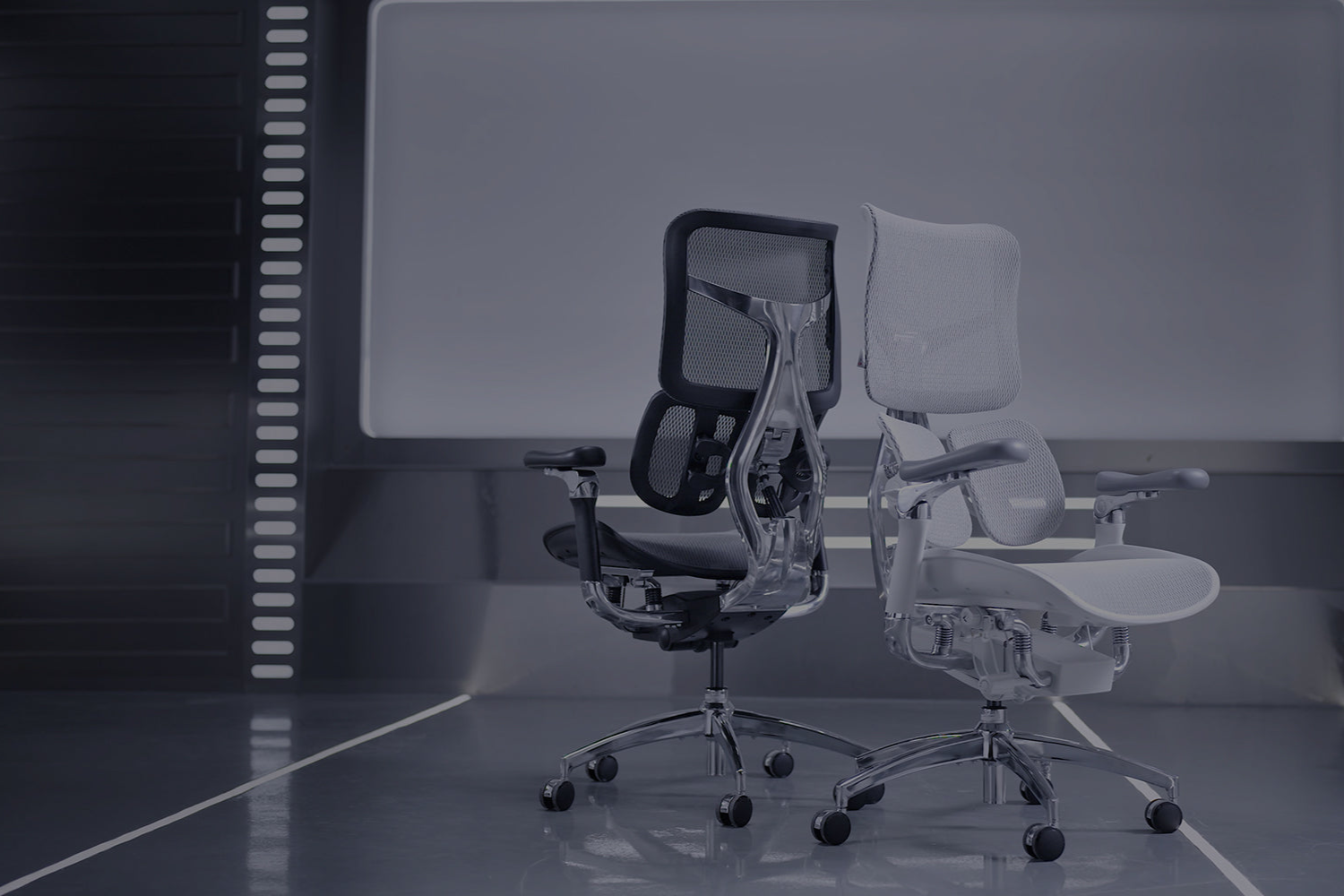
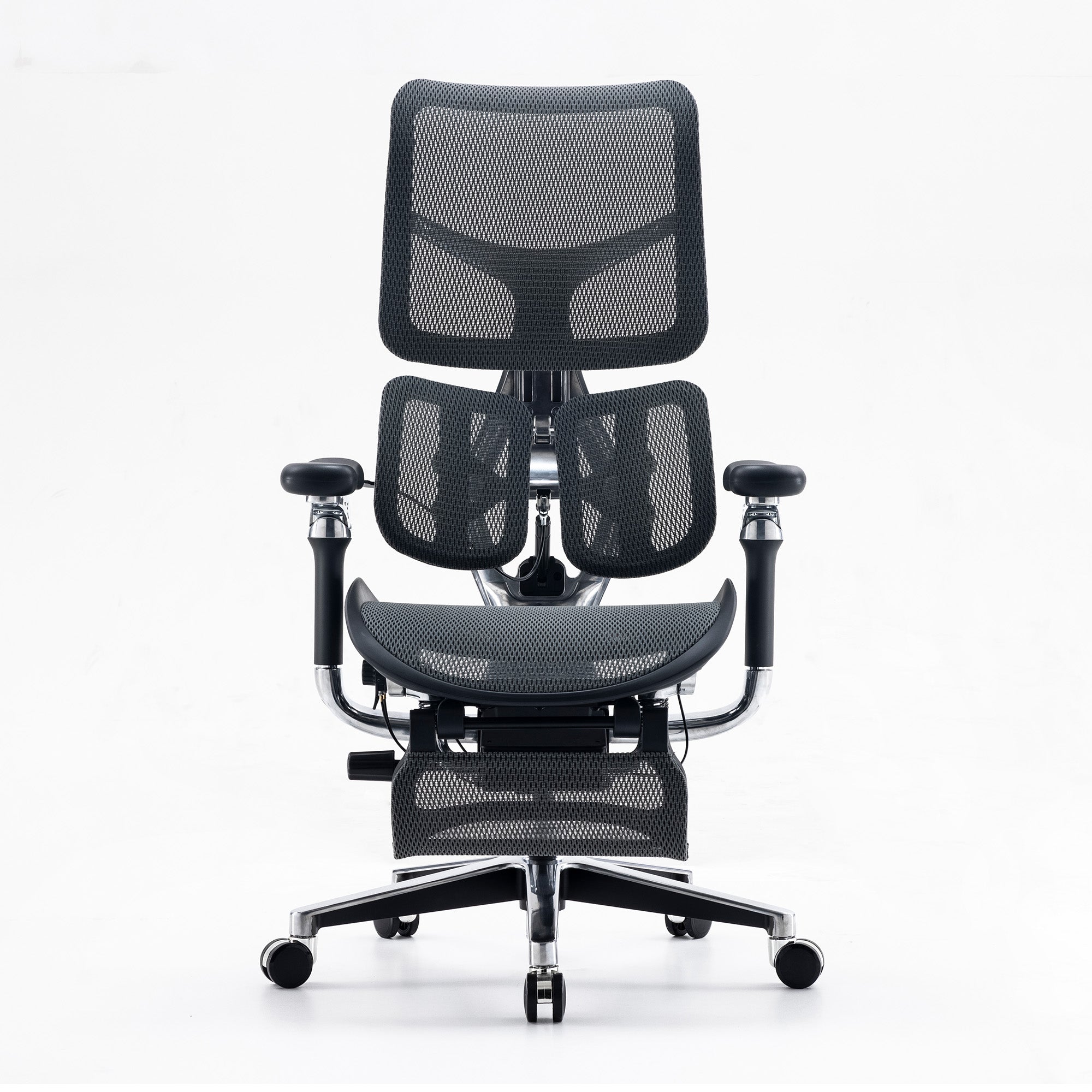
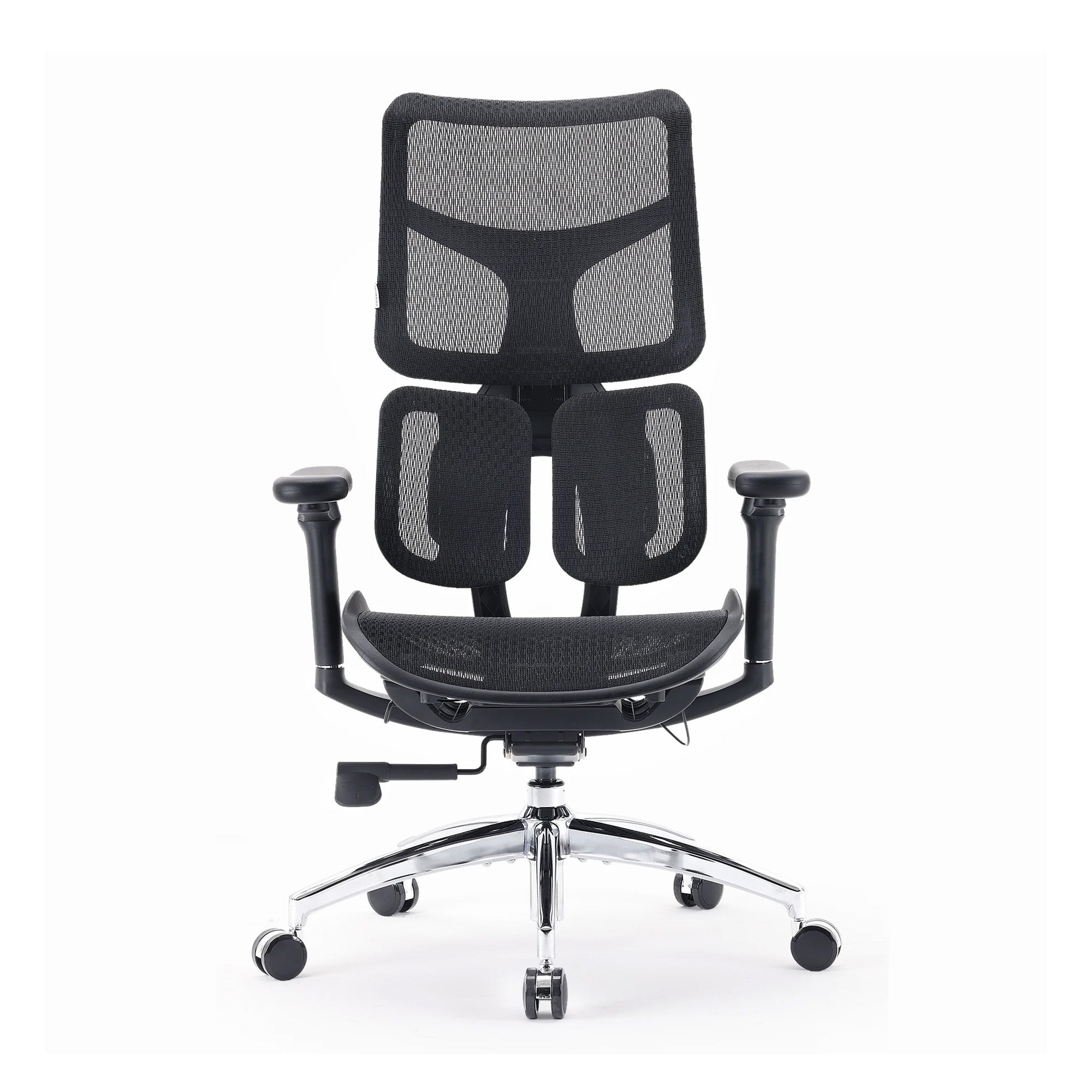
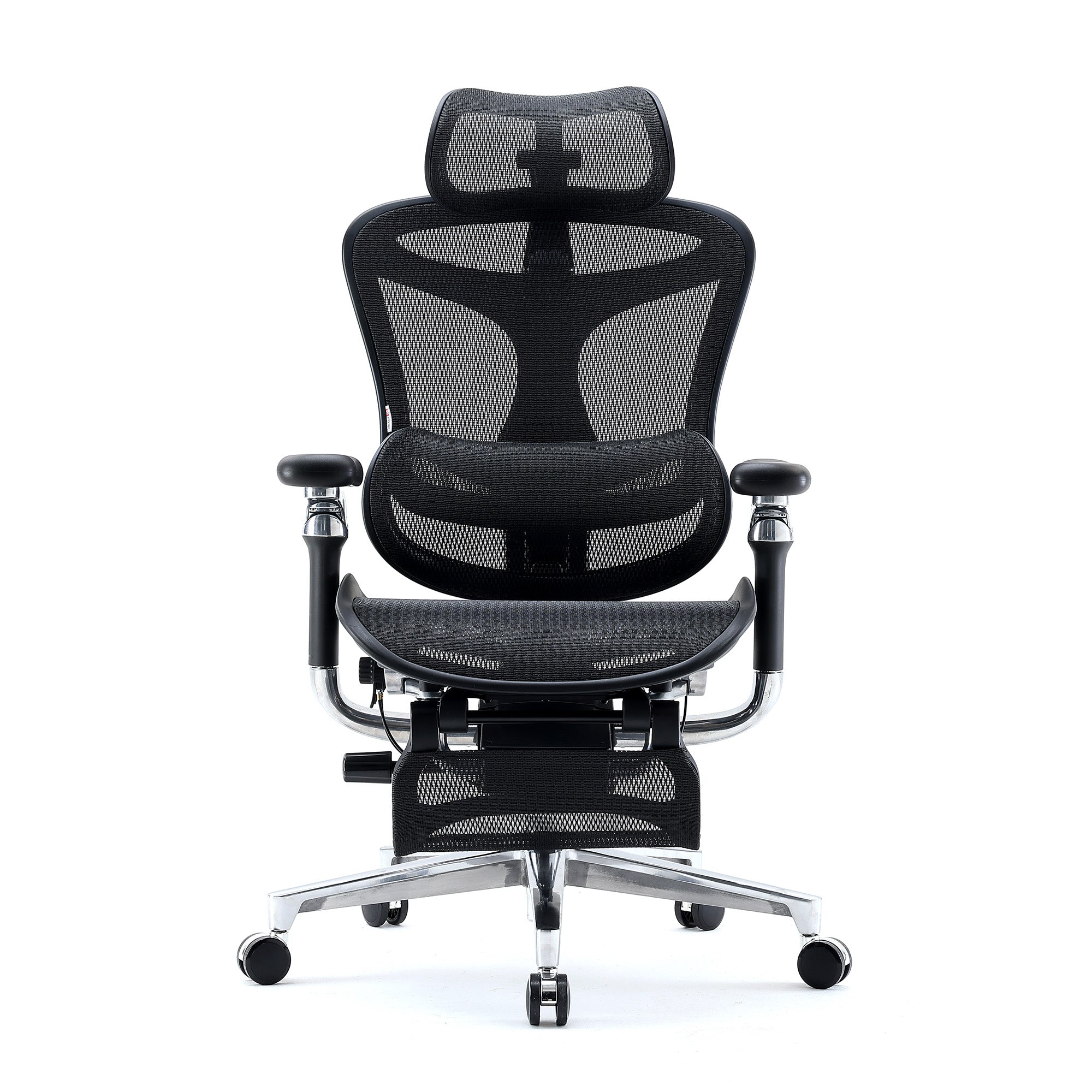
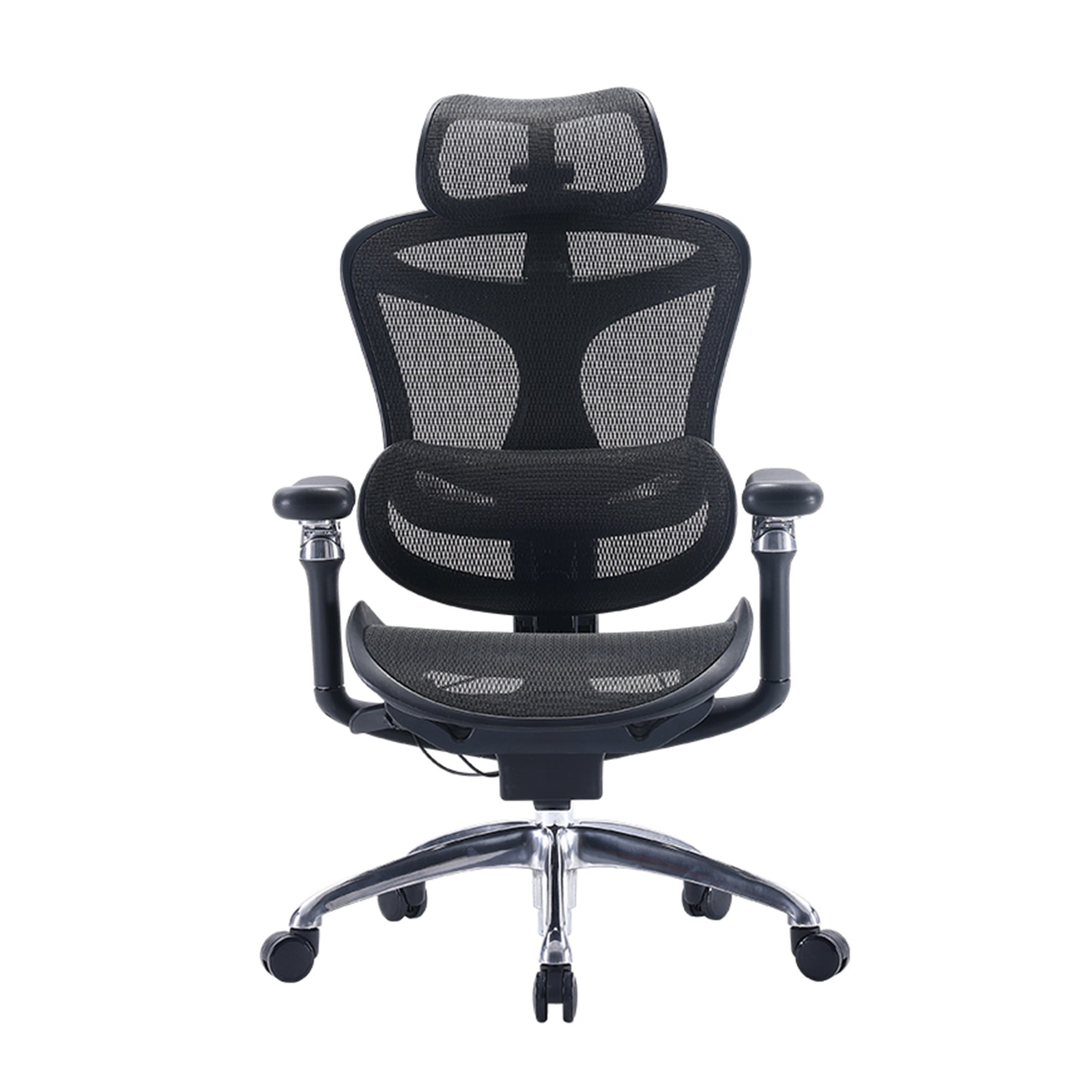
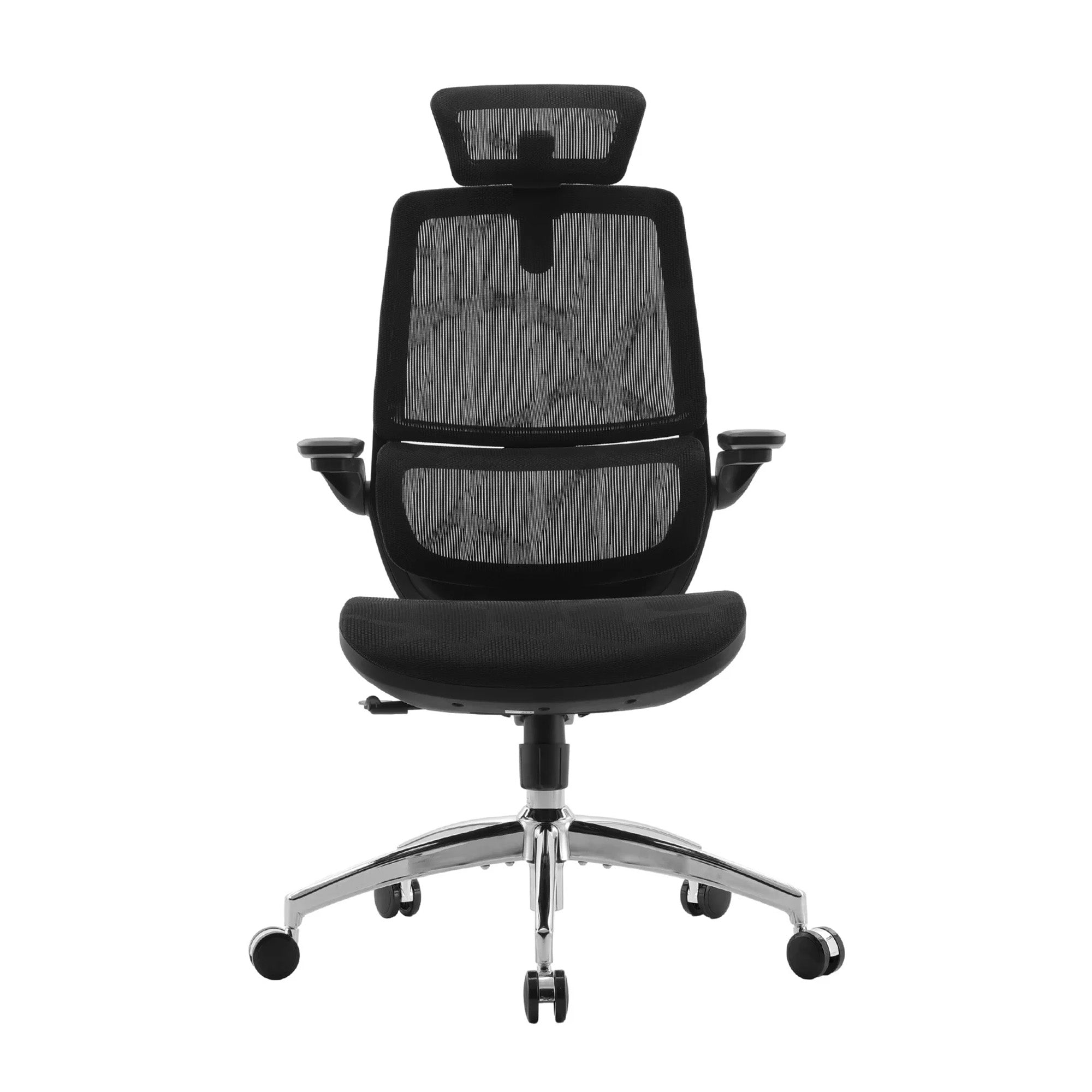
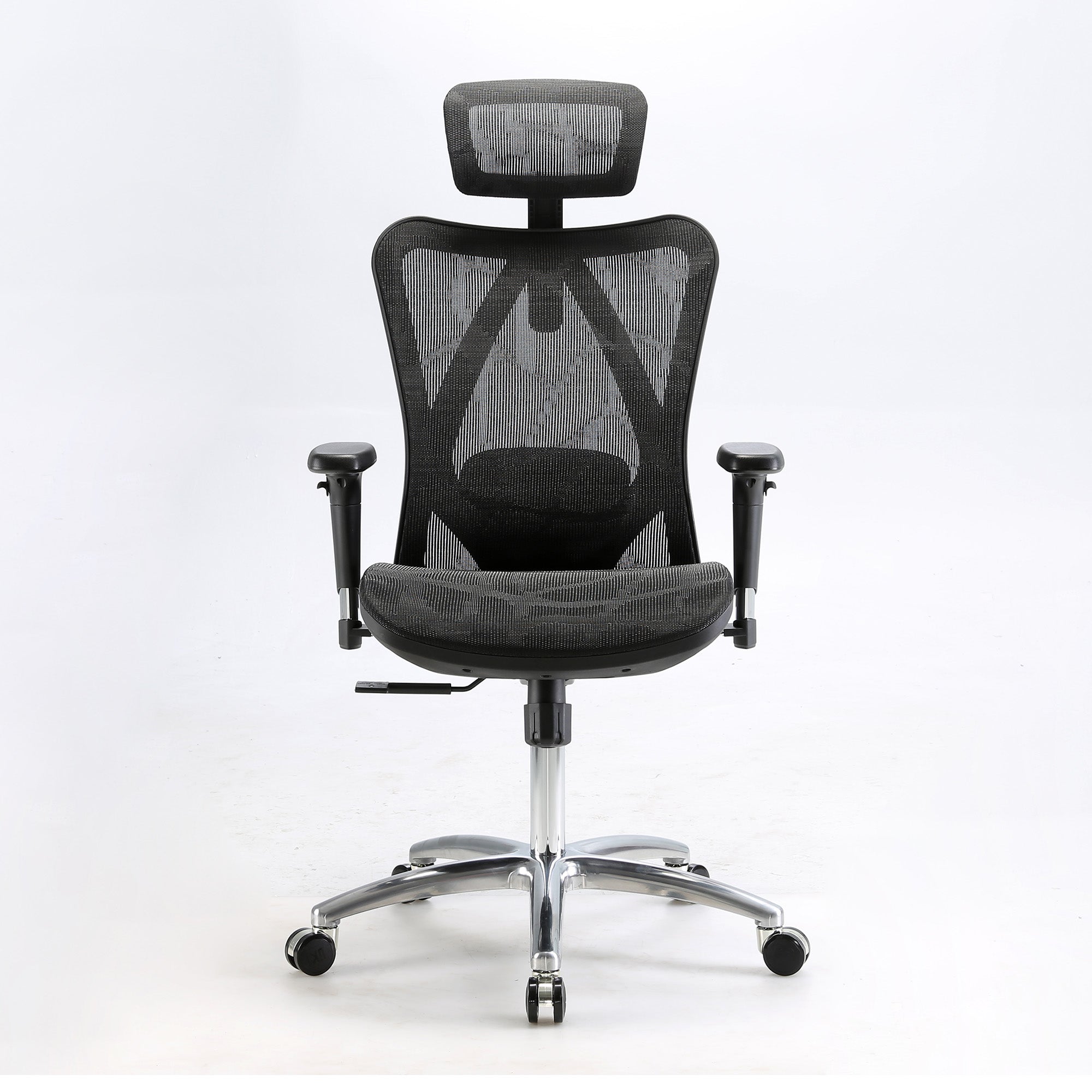
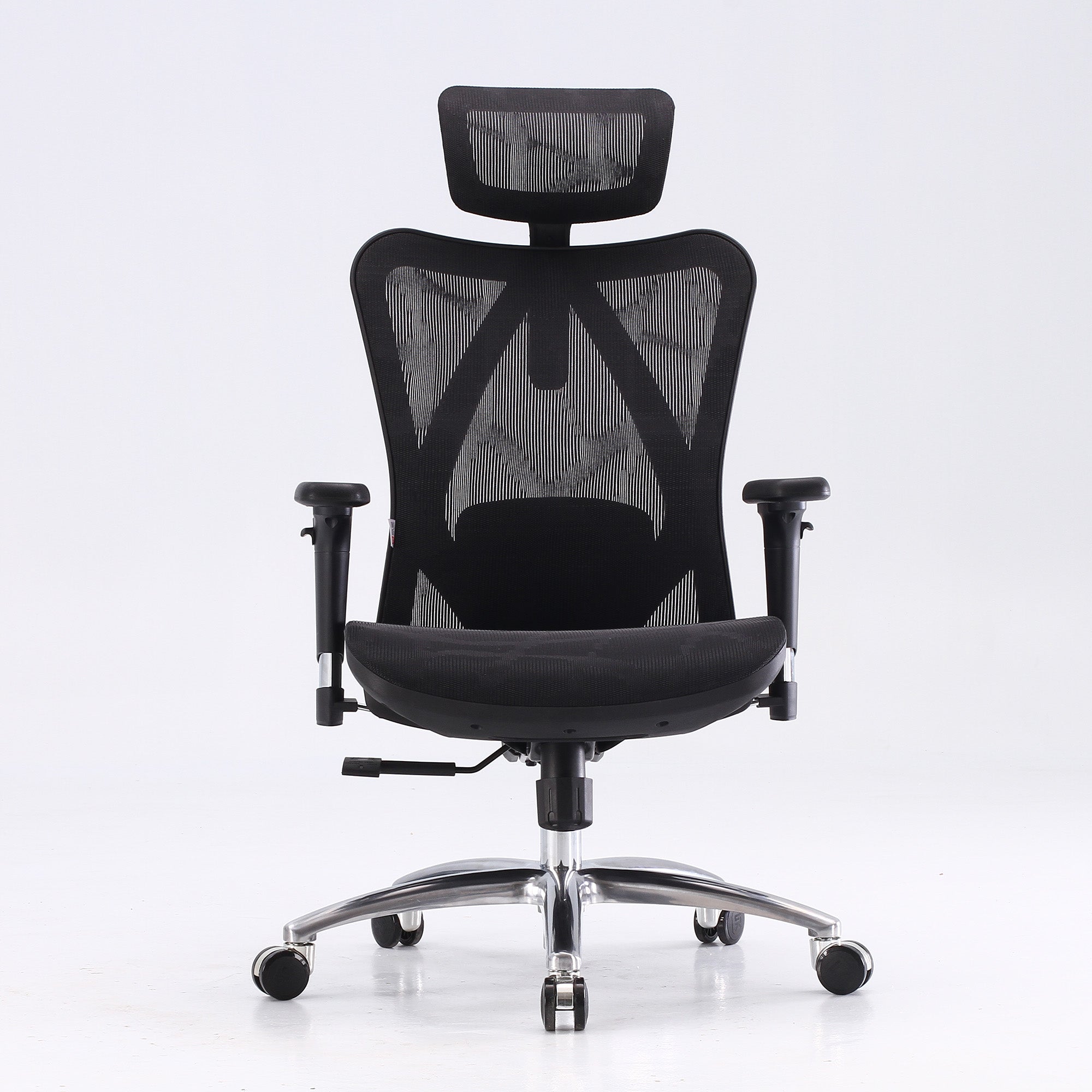
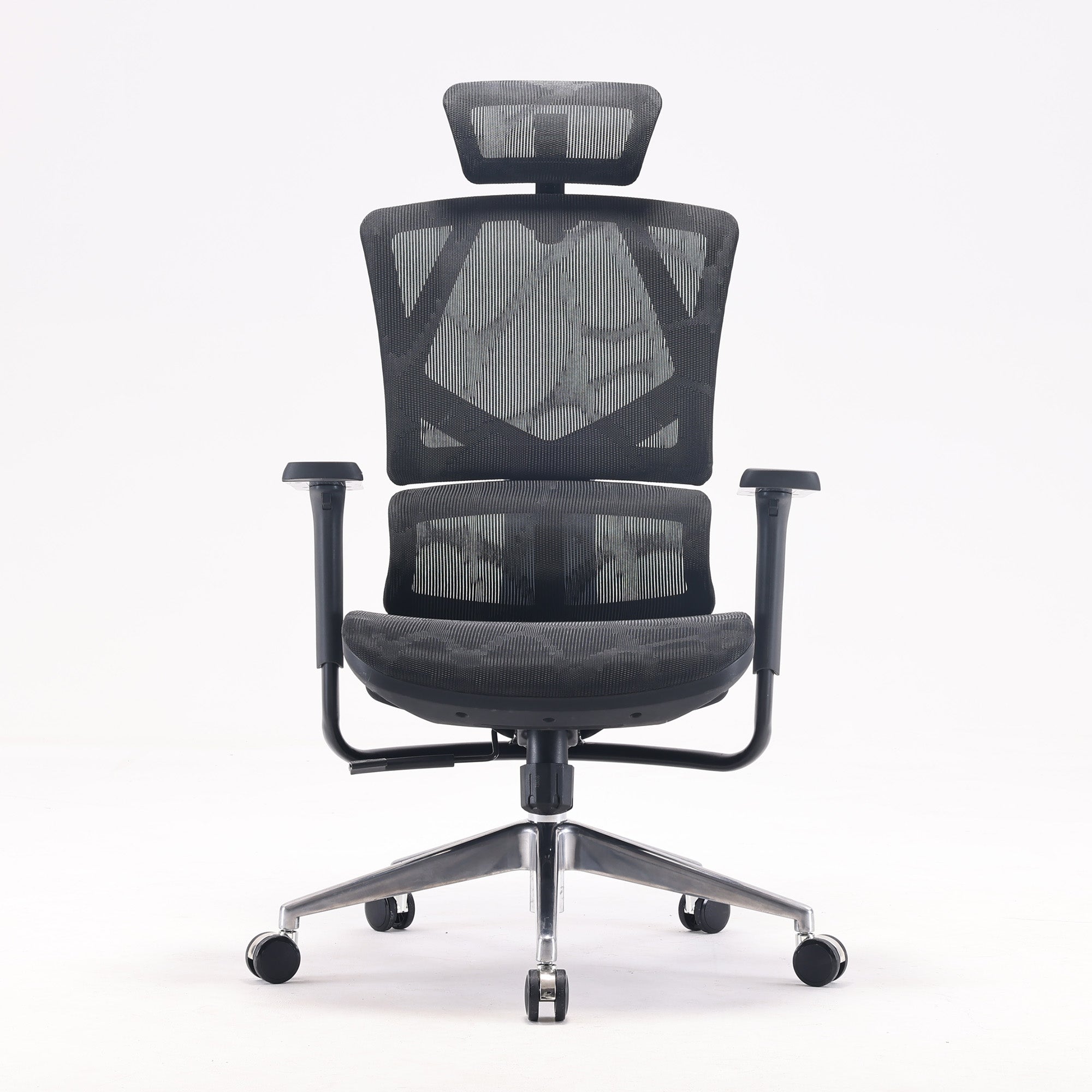
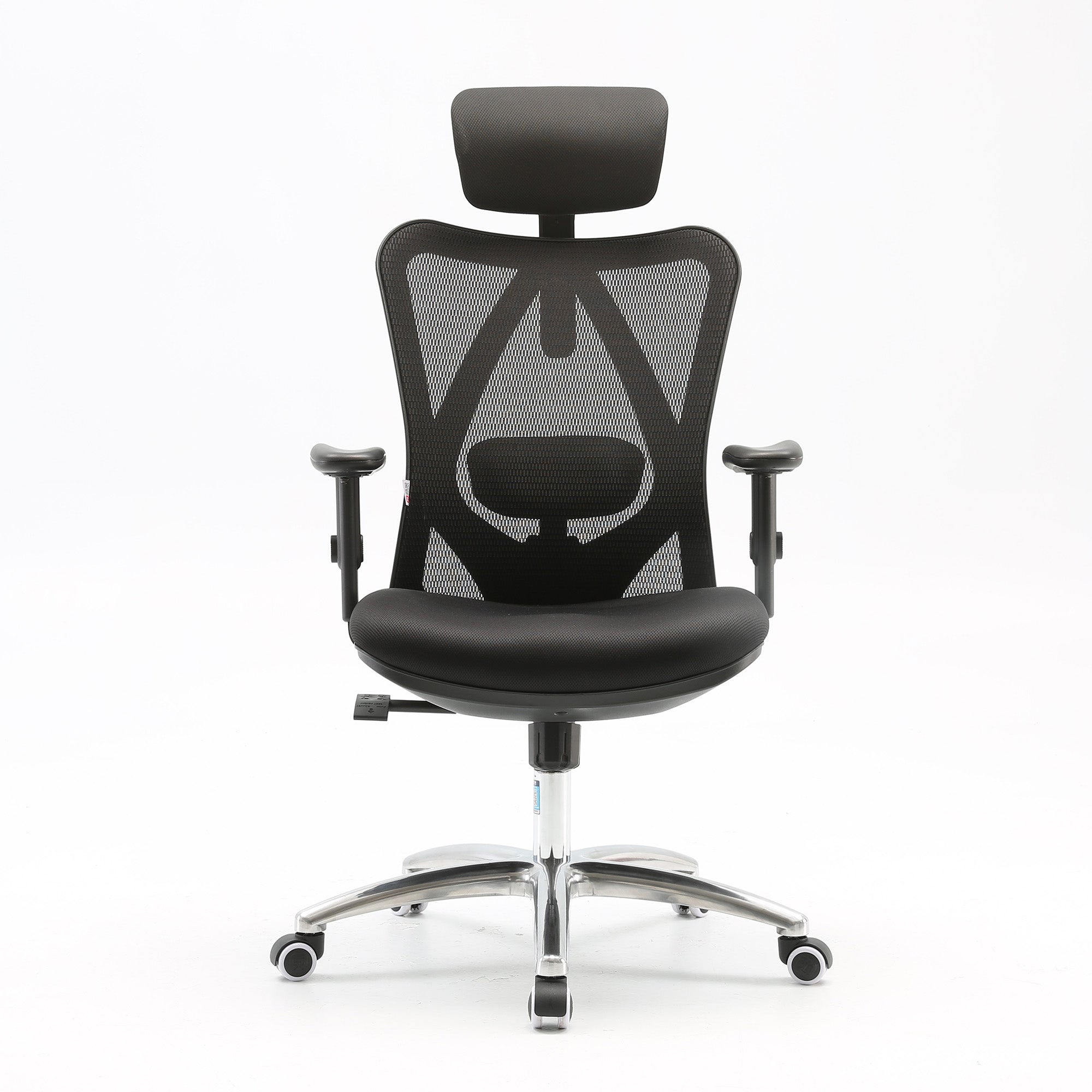
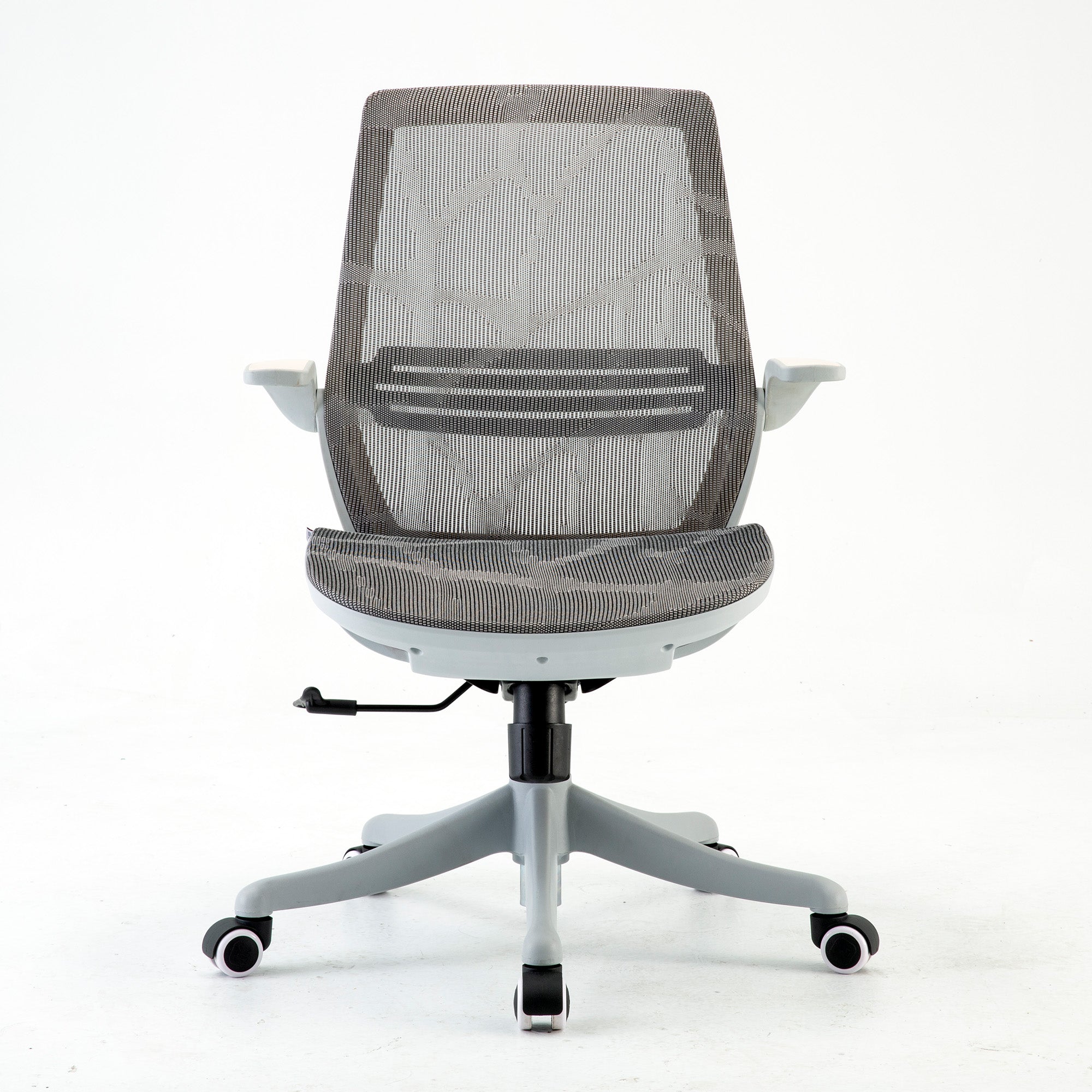
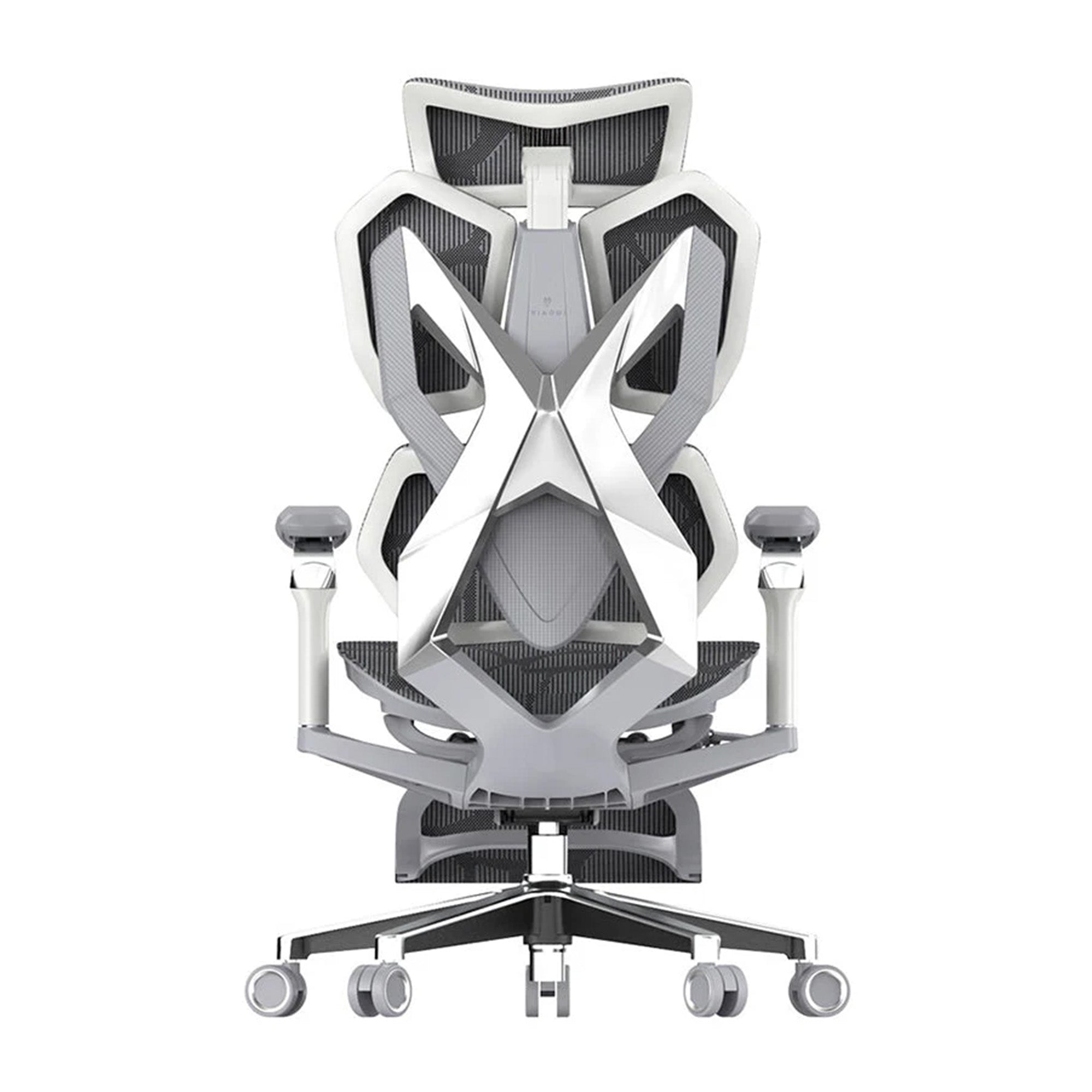
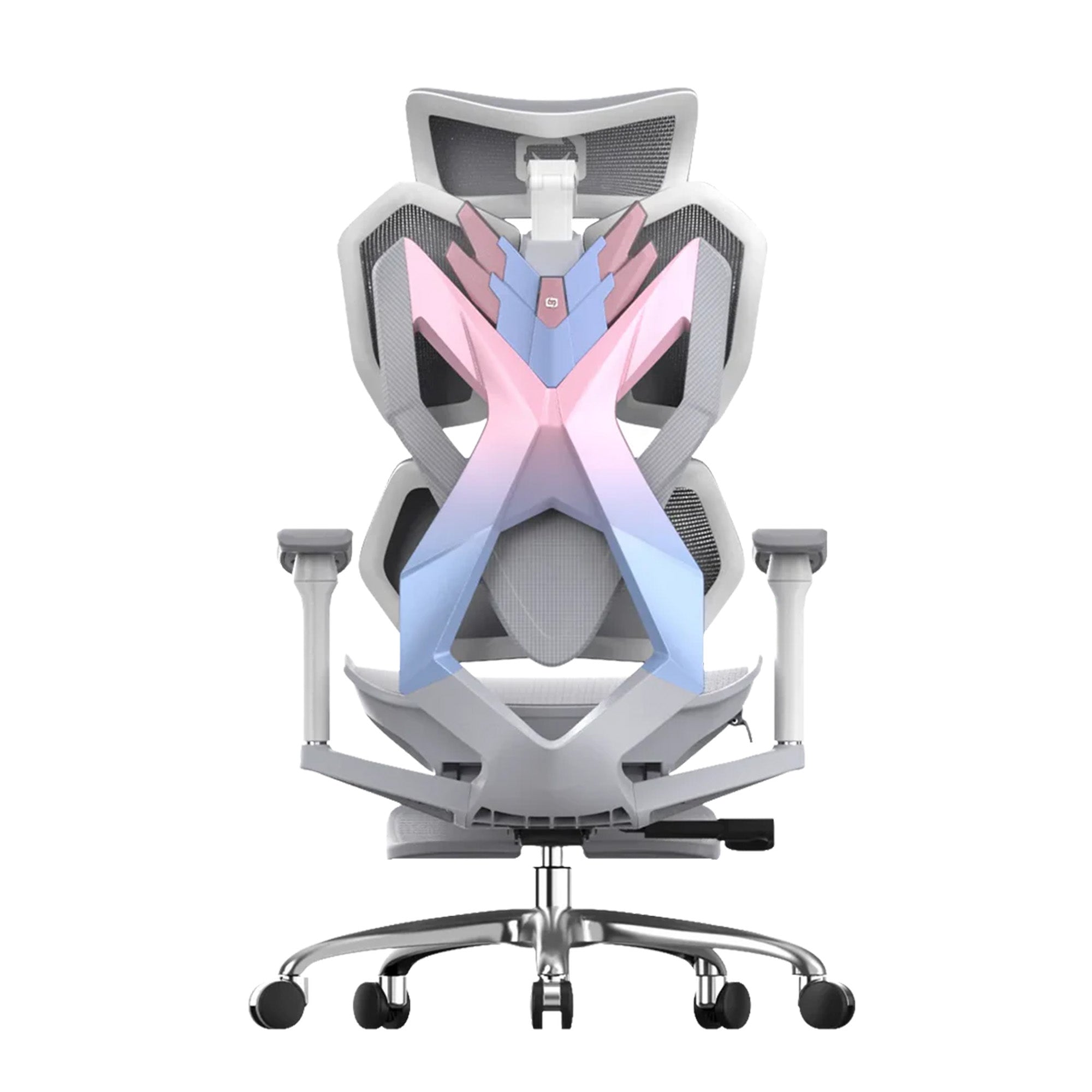
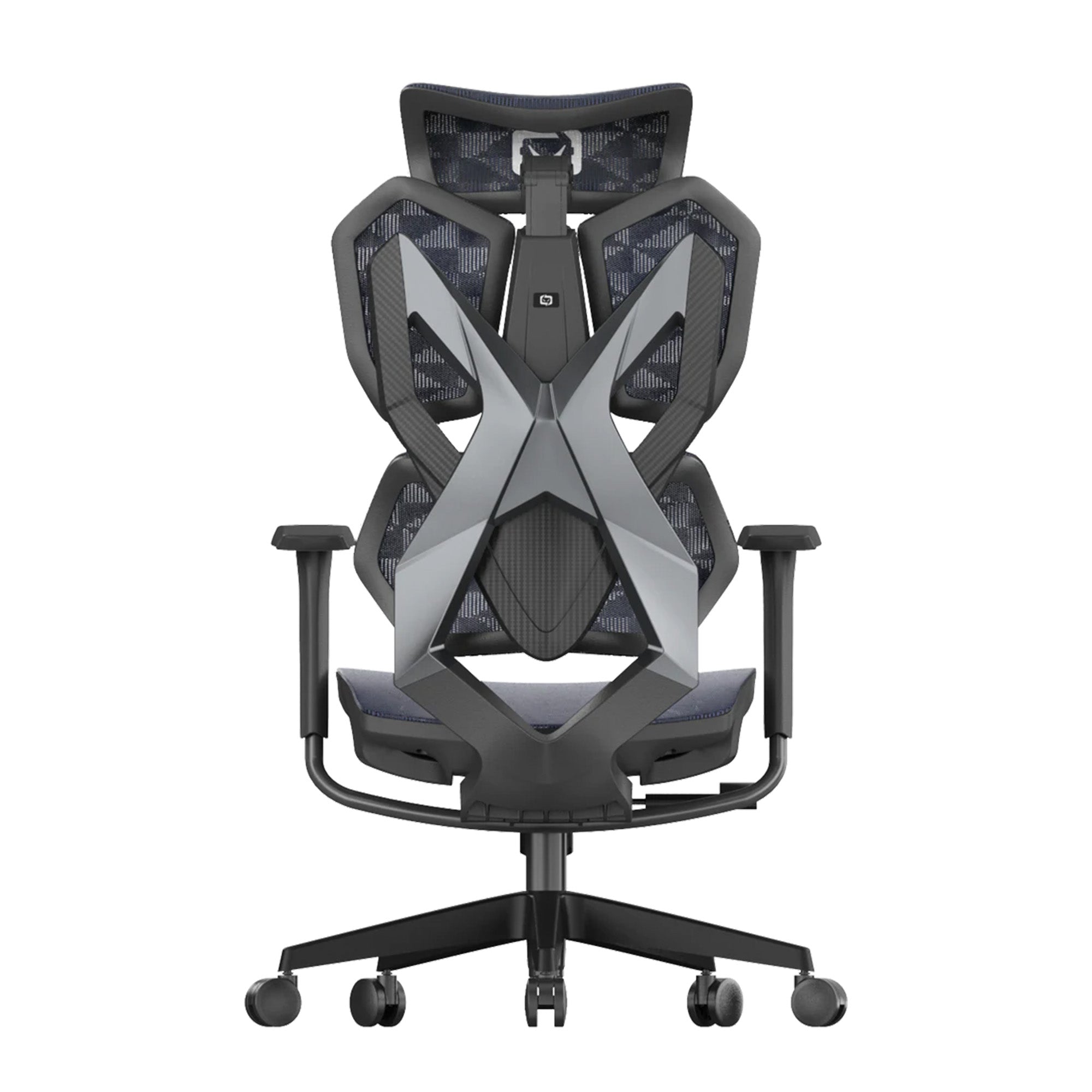
Check Your Setup. If you must work until the reset starts, ensure your environment is supportive. Many workers suffer because they lack proper ergonomic office chairs. A quality seat, like those from Sihoo, can actually reduce the physical tension that contributes to mental fatigue.
The "Analog" Kit: Gather physical books, a paper journal, and perhaps a deck of cards. Real, tactile objects help ground your senses back in the physical world.
Phase 2: The Grand Unplug (The Reset Day)
When the sun comes up, the screens stay down. This is the heart of the journey.
08:00 – The Slow Wake. Avoid the "morning scroll" at all costs. Instead of checking the news, sit by a window with a coffee and watch the birds.
10:00 – Movement and Nature. Head outside. Whether it’s a coastal walk or a stroll through the local park, nature is a proven antidote to digital fatigue. Leave your phone in the car or, better yet, at home.
13:00 – Tactile Tasks. Engage in a hobby that requires your hands. Garden, bake a loaf of bread, or try sketching. These activities force your brain into a state of "flow" that screens simply cannot replicate.
16:00 – The Comfort Check. If you find yourself gravitating back to your desk, use the time to optimise your space. High-performance ergonomic chairs are designed to support your spine's natural curve. Use this quiet moment to adjust your chair for better posture.
19:00 – Evening Stillness. Eat dinner without a Netflix backdrop. Listen to the sounds of your house or put on a vinyl record. Notice how your internal "noise" begins to quieten.
Why This Works
Our brains aren't evolved to process the infinite data streams we feed them daily. By stepping away, you allow your "Default Mode Network" to kick in. This is where creativity and long-term problem-solving actually happen.
You’ll likely feel a sense of boredom at first. Don’t fight it. Boredom is the precursor to a brilliant breakthrough.
Returning with Intention
On Sunday morning, don't just dump all the data back into your brain at once. Use your newfound clarity to set boundaries.
-
Turn off non-human notifications. You don't need to know every time a random app has a sale.
-
Invest in your health. If you spend hours at a desk, ensure you use the best ergonomic chairs that protect your body.
-
Schedule "Dark Time." Keep at least one hour before bed entirely screen-free every single night.
Digital burnout isn't a permanent condition, but it is a wake-up call. Your focus is your most valuable asset. Isn’t it time you started protecting it?
Frequently Asked Questions
Common symptoms of digital burnout include brain fog, difficulty concentrating, frequent headaches, eye strain, and physical tension in the neck or back. You may also notice compulsive scrolling, irritability, and feeling mentally exhausted even after minimal work. These signs indicate cognitive overload caused by constant screen exposure.
Burnout often appears as emotional numbness, reduced motivation, and a sense of detachment from work or daily tasks. You might struggle to complete simple activities or feel overwhelmed more easily than usual. Physical symptoms such as poor sleep quality and persistent fatigue are also common indicators.
Dealing with digital burnout starts by reducing continuous screen stimulation and restoring mental rest. A structured break, such as a 24-hour digital reset combined with movement, time outdoors, and screen-free activities, helps the brain recover. Improving your physical environment, including posture and ergonomic seating, also reduces physical strain that contributes to mental fatigue.
Yes, poor ergonomics can significantly worsen digital burnout by adding physical stress to mental overload. Sitting in unsupportive chairs or working with incorrect screen height increases neck, shoulder, and back tension, which drains focus and energy. Ergonomic office chairs help reduce this strain and support sustained concentration.
Recovery time varies, but many people notice improved focus and clarity within 24 to 72 hours after reducing digital exposure. Long-term recovery depends on setting boundaries around screen use, limiting unnecessary notifications, and maintaining a supportive workspace. Consistent habits help prevent burnout from returning.
Shop products from this article


Save up to 49% this Click Frenzy Sale. Pay in 4 interest-free instalments with Afterpay.
SHOP NOWRecommended Posts


