


As Aussie parents and dedicated teachers, we champion our kids' potential. We meticulously plan their diets, sleep, and digital engagement. But have you ever considered their posture? That seemingly small detail can actually hold the key to boosting their concentration and confidence. The way a child sits, stands, and moves has a profound impact on their academic journey.
This feature dives deep into the overlooked relationship between good posture and effective learning in kids. We'll explore science and offer practical, down-to-earth advice. Get ready to help your child sit up and shine in the classroom.
What good posture actually means
Before we answer the question, does posture affect learning in kids, let’s first define what "good" posture looks like for our young learners. It’s all about alignment and comfort, not stiff military precision.
When sitting, their feet should be flat on the ground or on a footrest. Knees should bend comfortably at a 90-degree angle. Their hips should push right back into the chair’s support. Shoulders must remain relaxed, not hunched up near their ears. Crucially, the head needs to align with the spine, avoiding that forward jut.
When standing, imagine a straight line from ear to shoulder, hip, and ankle. The spine maintains its natural, healthy curves. Weight must be distributed evenly across both feet. Using devices requires holding screens at eye level whenever possible. Encourage regular breaks from screens to stretch out.
Posture's invisible hand in the classroom
The link between a straight back and a sharp mind is backed by solid research. It touches on biology, psychology, and neuroscience.
-
Fueling the Brain with Oxygen. Healthy posture ensures maximum lung capacity and easy, deep breathing. Slouching compresses the diaphragm, which restricts the air intake. The brain needs a constant, ample supply of oxygen to operate. Reduced oxygen affects their focus and overall concentration levels. This can lead to that sluggish "brain fog" feeling during lessons. Processing information becomes unnecessarily difficult and tiring.
-
Efficient Circulation and Vitality. Proper blood flow delivers essential nutrients quickly to the brain. Awkward or slumping positions can impede this vital circulation. Poor posture contributes to the feeling of lethargy and mental dullness. This makes sustained attention during demanding tasks a real struggle.
-
Spinal Health and the Nervous System. The spine protects the spinal cord, which is the body's main nervous system highway. Slouching puts abnormal stress on the spine’s structure. This tension can subtly interfere with clear nerve signal transmission. A compromised nervous system can affect motor skills like handwriting. It also impacts quick cognitive processing.
-
Comfort Eliminates Distraction. It’s nearly impossible to learn effectively when you are uncomfortable. Persistent slumping often causes headaches, neck tension, and back pain. When a child is battling physical discomfort, their attention drifts from the lesson. Their focus shifts entirely to their aching muscles or stiff joints.
-
Managing Energy and Fatigue. Maintaining poor posture forces muscles to work harder than they should. This burns energy needlessly, causing quicker overall fatigue. A child with a persistent slouch will tire more quickly during schoolwork. They will have less energy for sports and playtime later on. A tired student is rarely an effective, enthusiastic learner.
-
The Psychology of Standing Tall. Posture dramatically affects how a child feels about themselves. Studies show open, upright posture increases feelings of confidence. A habitually slumped posture can project and even encourage insecurity. A child who slumps might hesitate to speak up in class. This lack of participation limits vital learning opportunities.
Warning signs: When posture is hindering progress
Teachers and parents must recognise the subtle signs of postural struggle. It goes beyond just looking uncomfortable.
-
Attention Problems: Constant fidgeting, zoning out, or difficulty completing tasks.
-
Physical Ailments: Frequent complaints of sore necks, tight shoulders, or headaches.
-
Behavioural Shifts: Showing irritability, tiredness, or resistance to homework.
-
Poor Desk Work: Handwriting that declines quickly or leaning heavily on the desk.
-
Reluctance to Sit: Avoiding activities that require long periods of sitting still.
Home ground advantage: tips for parents
We have the power at home to build strong, lifelong postural habits.
-
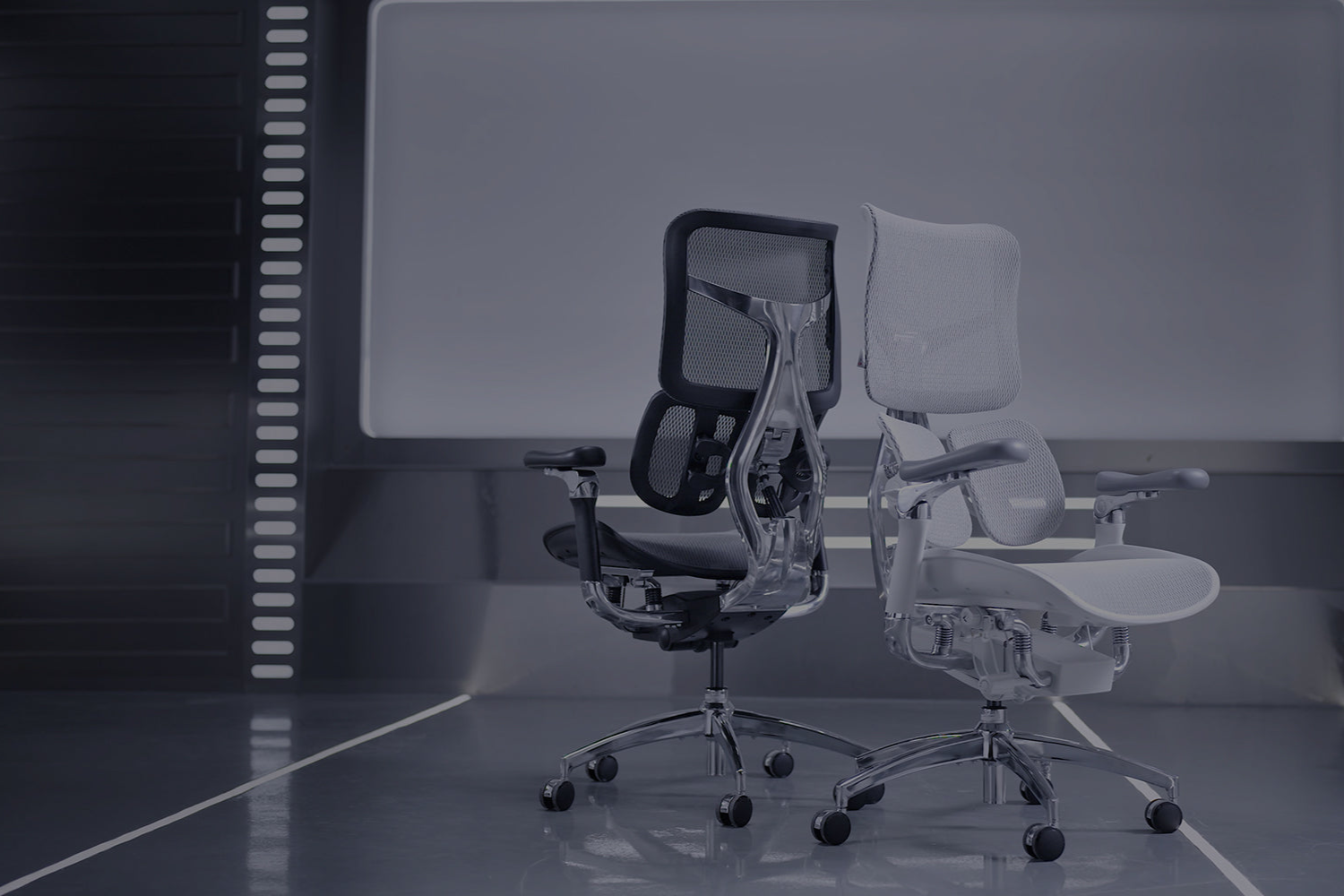
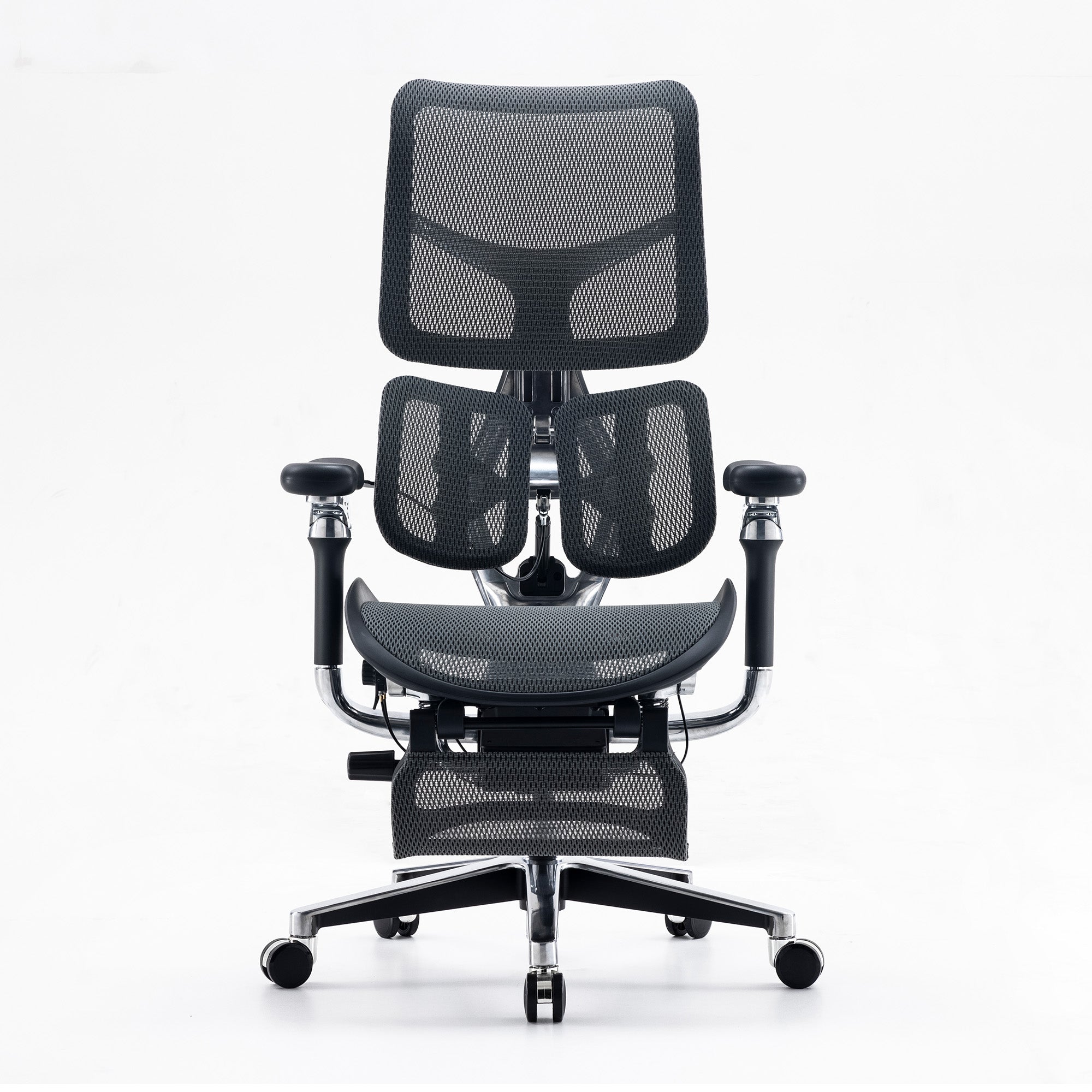
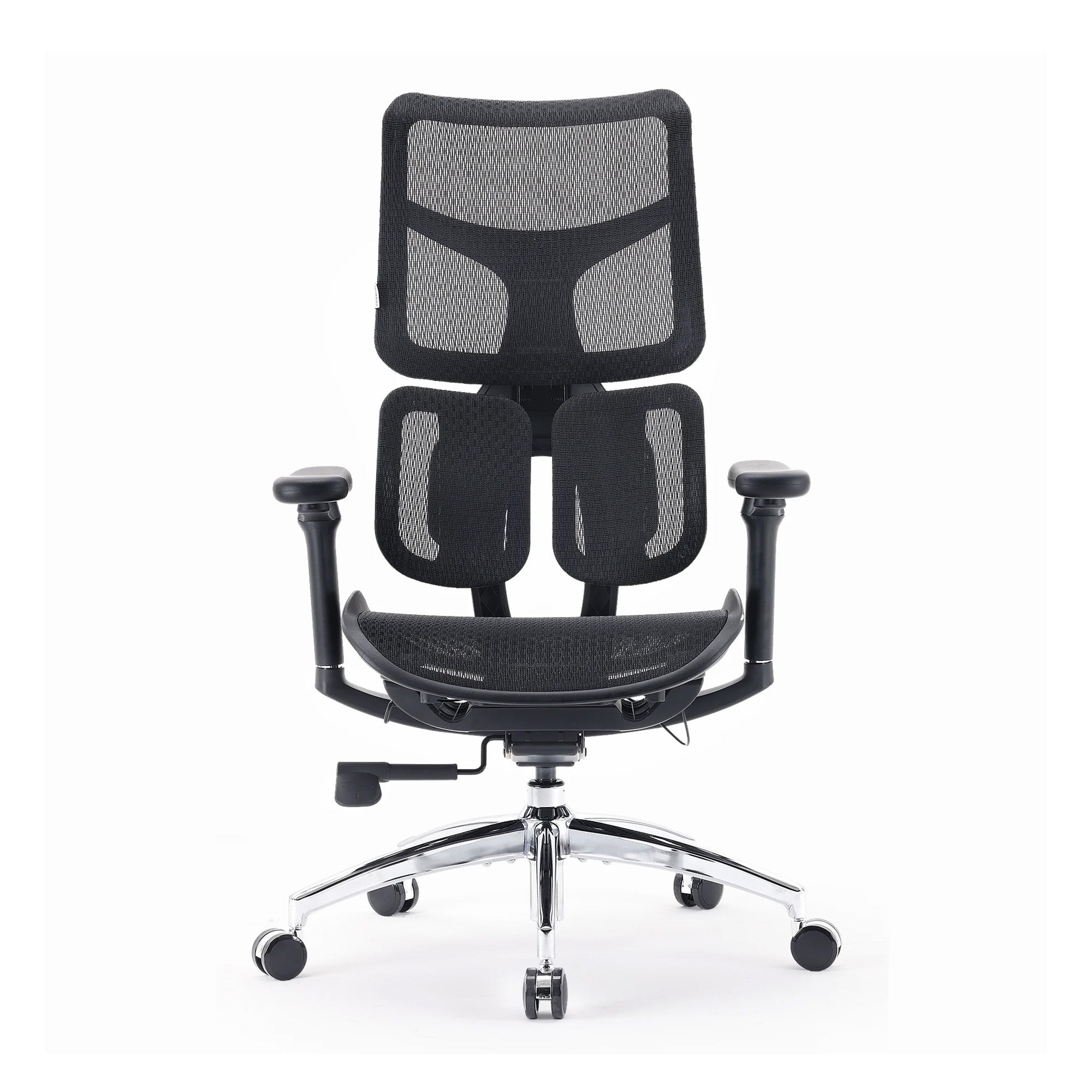
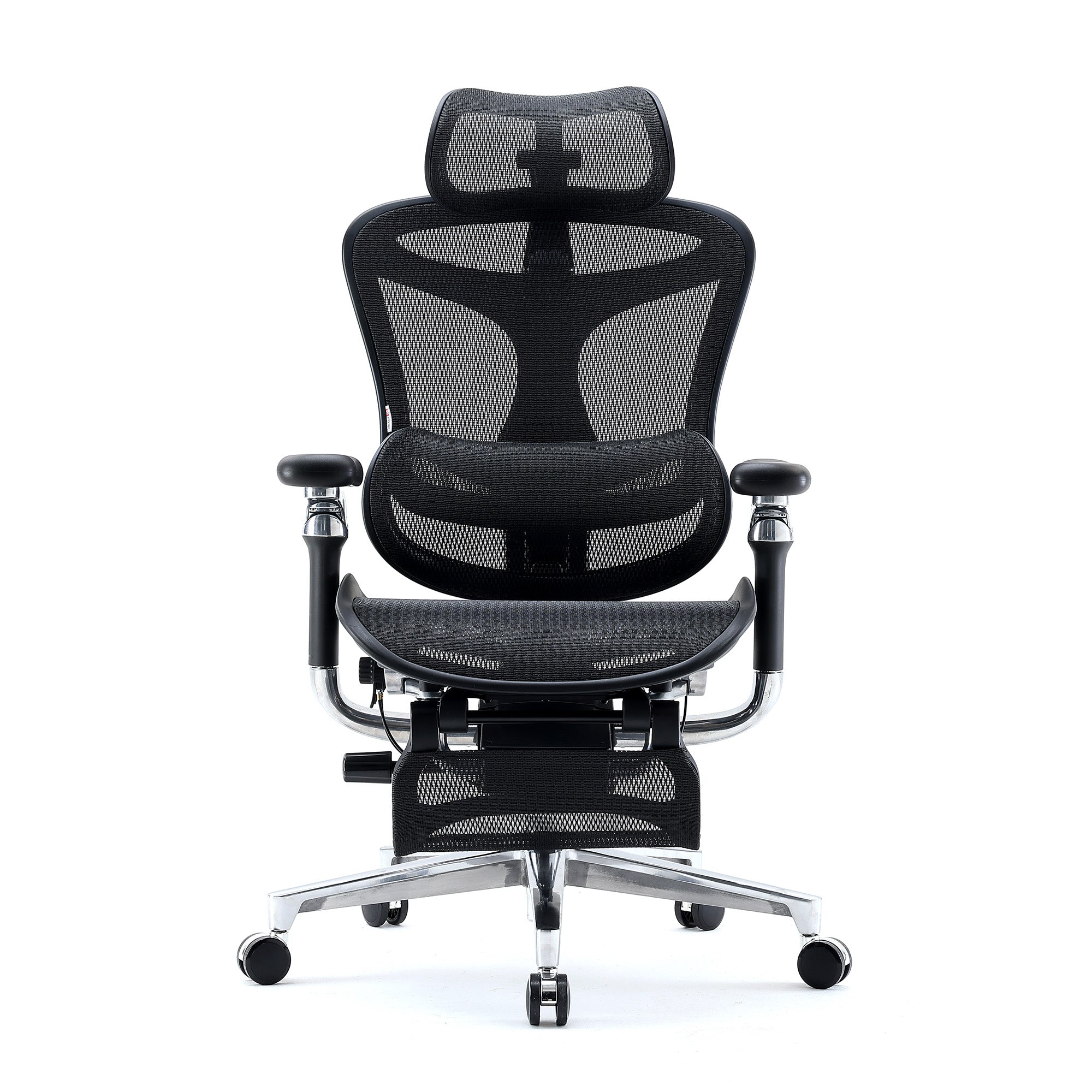
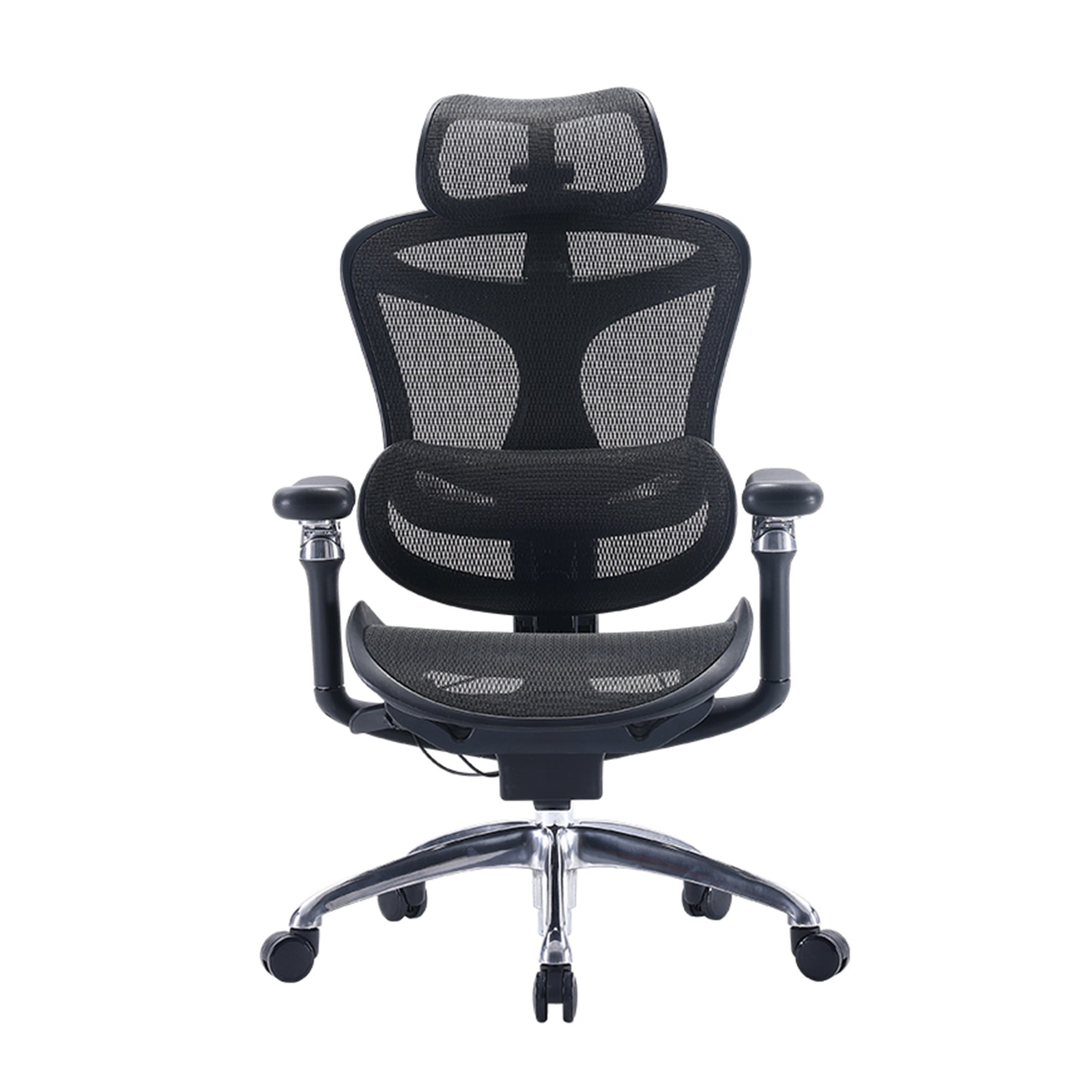
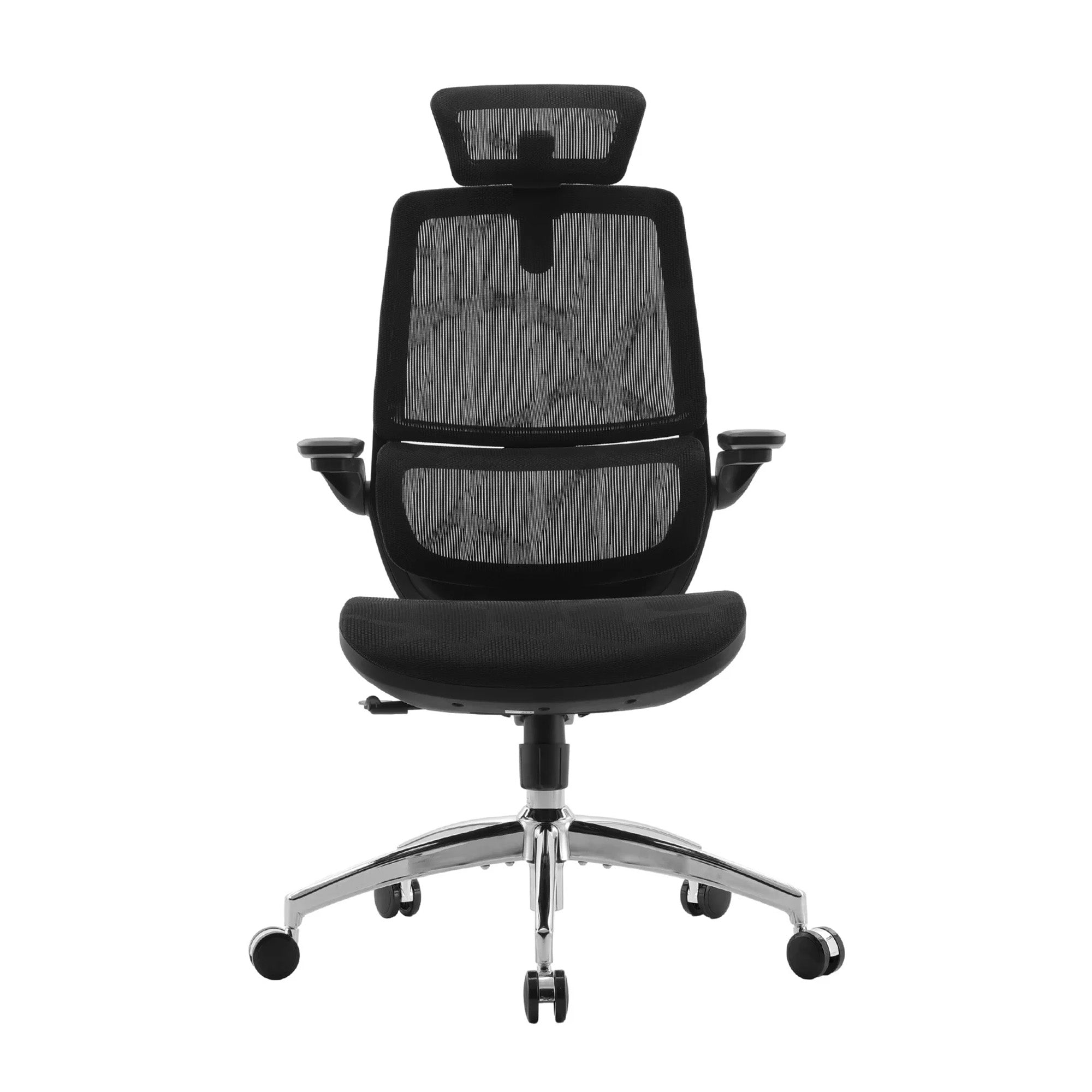
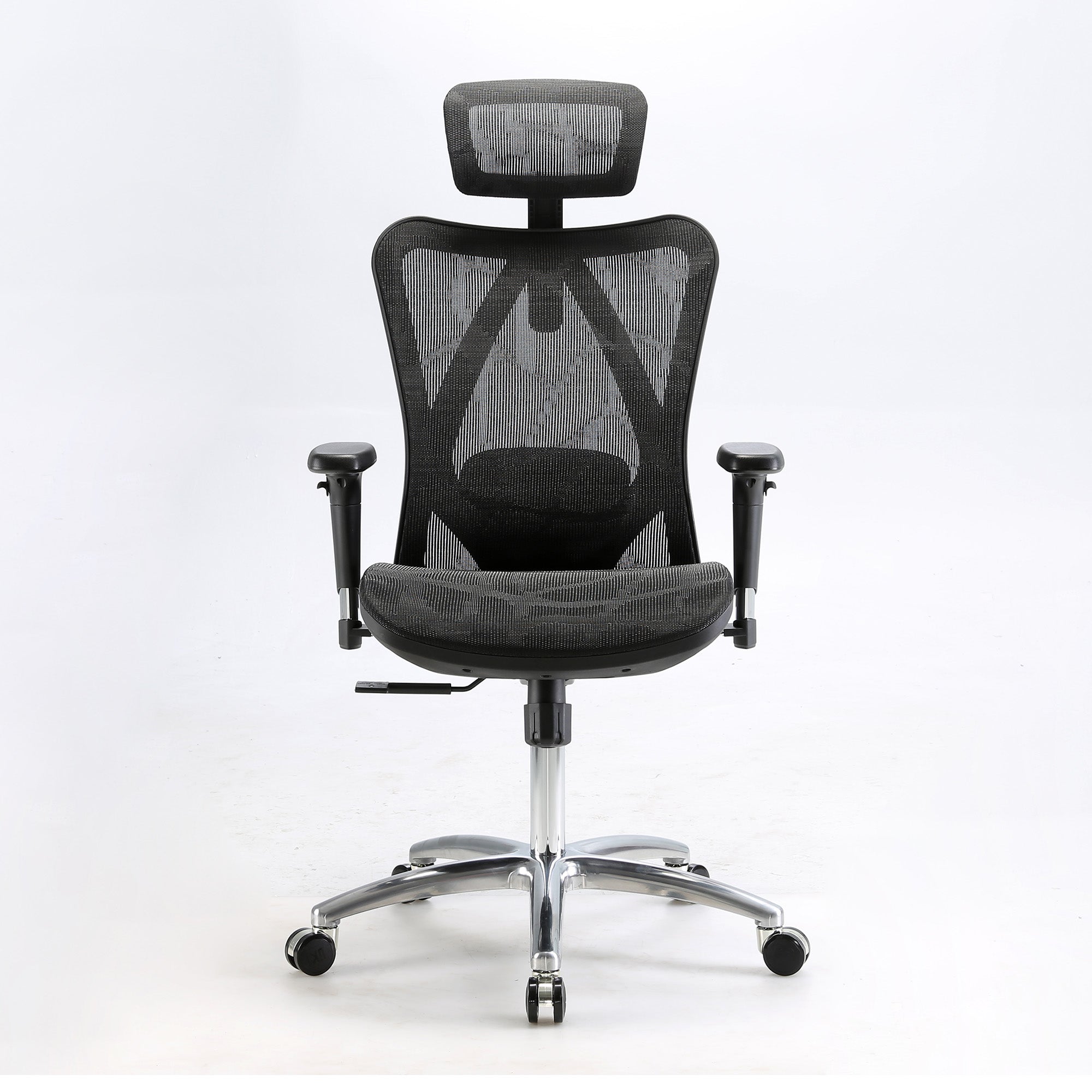
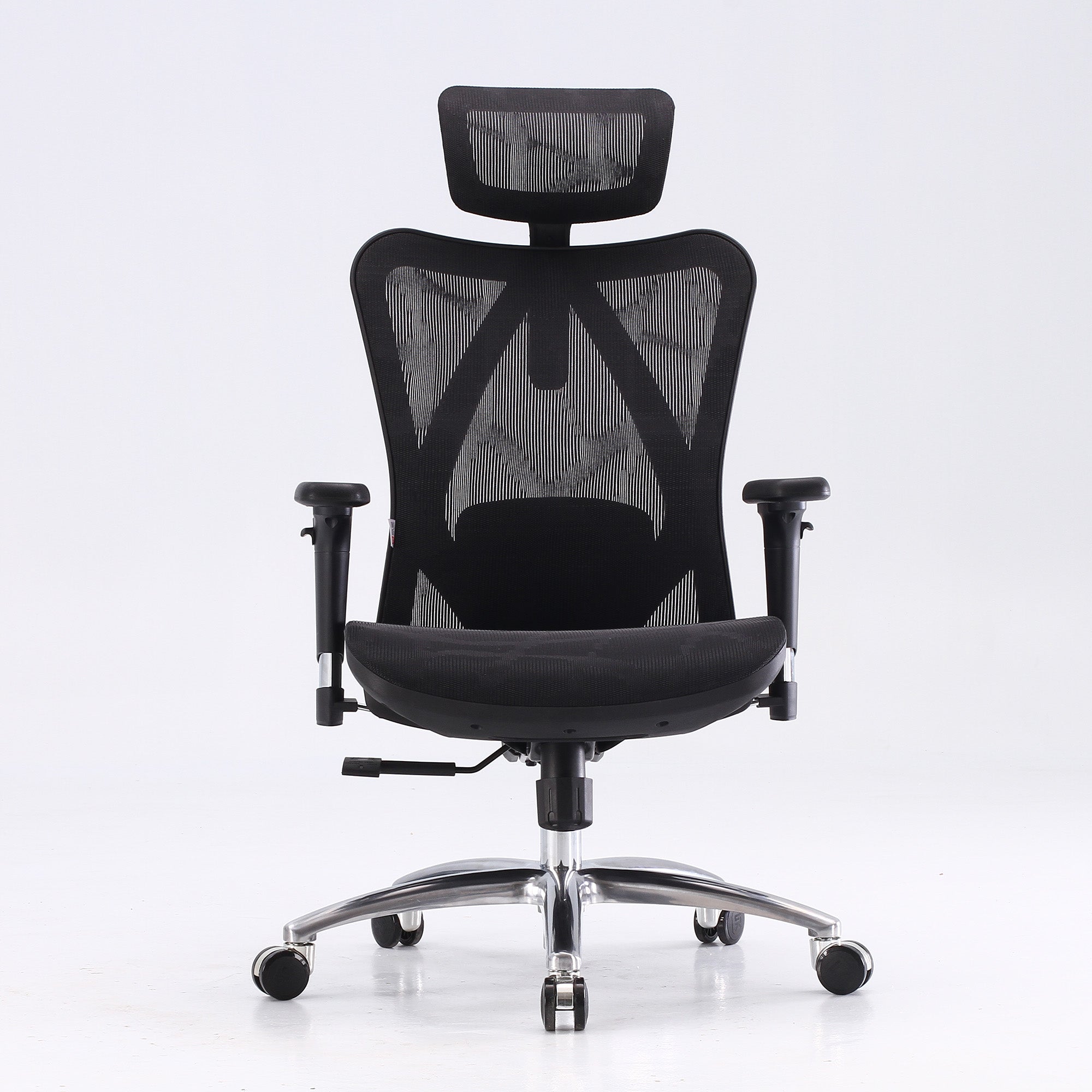
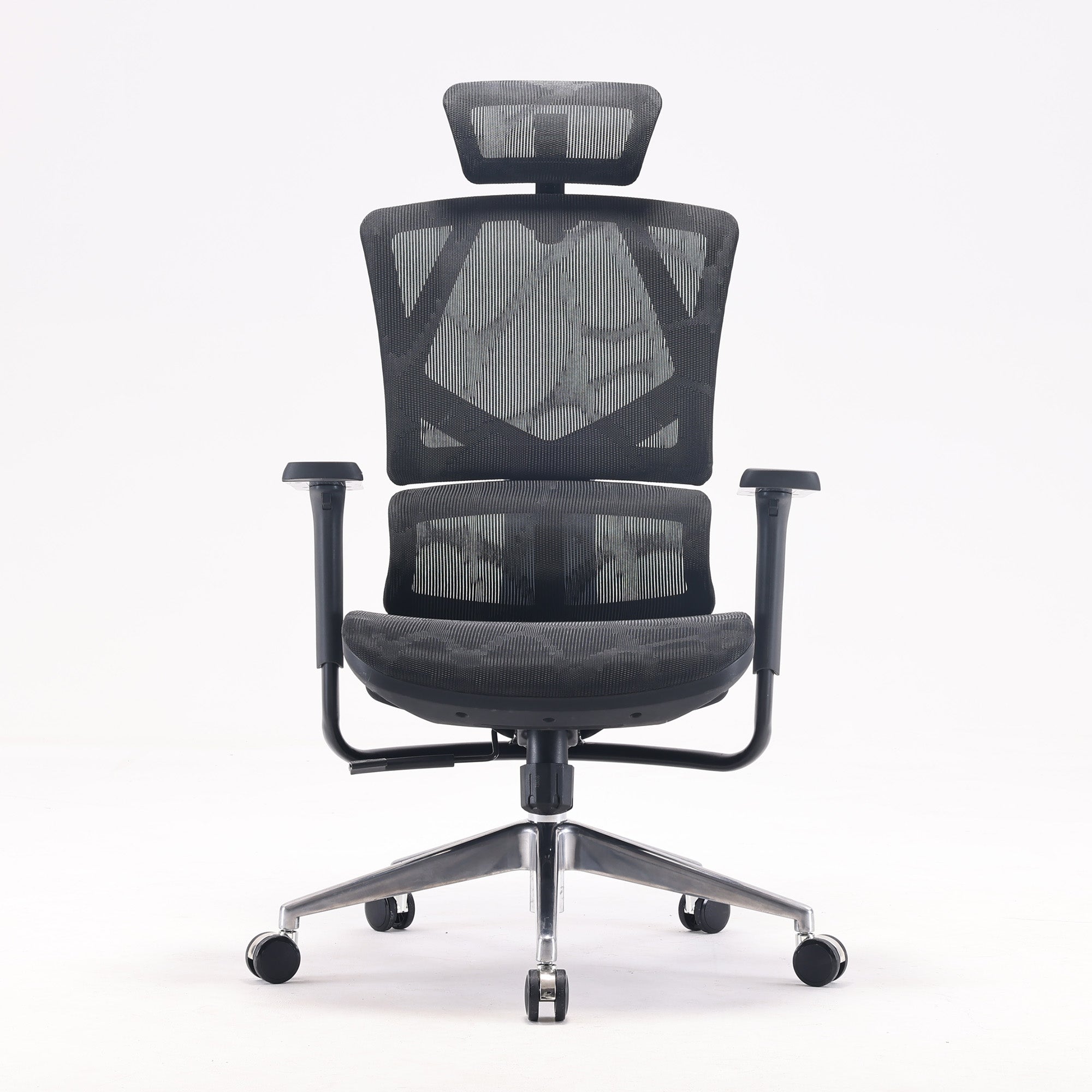
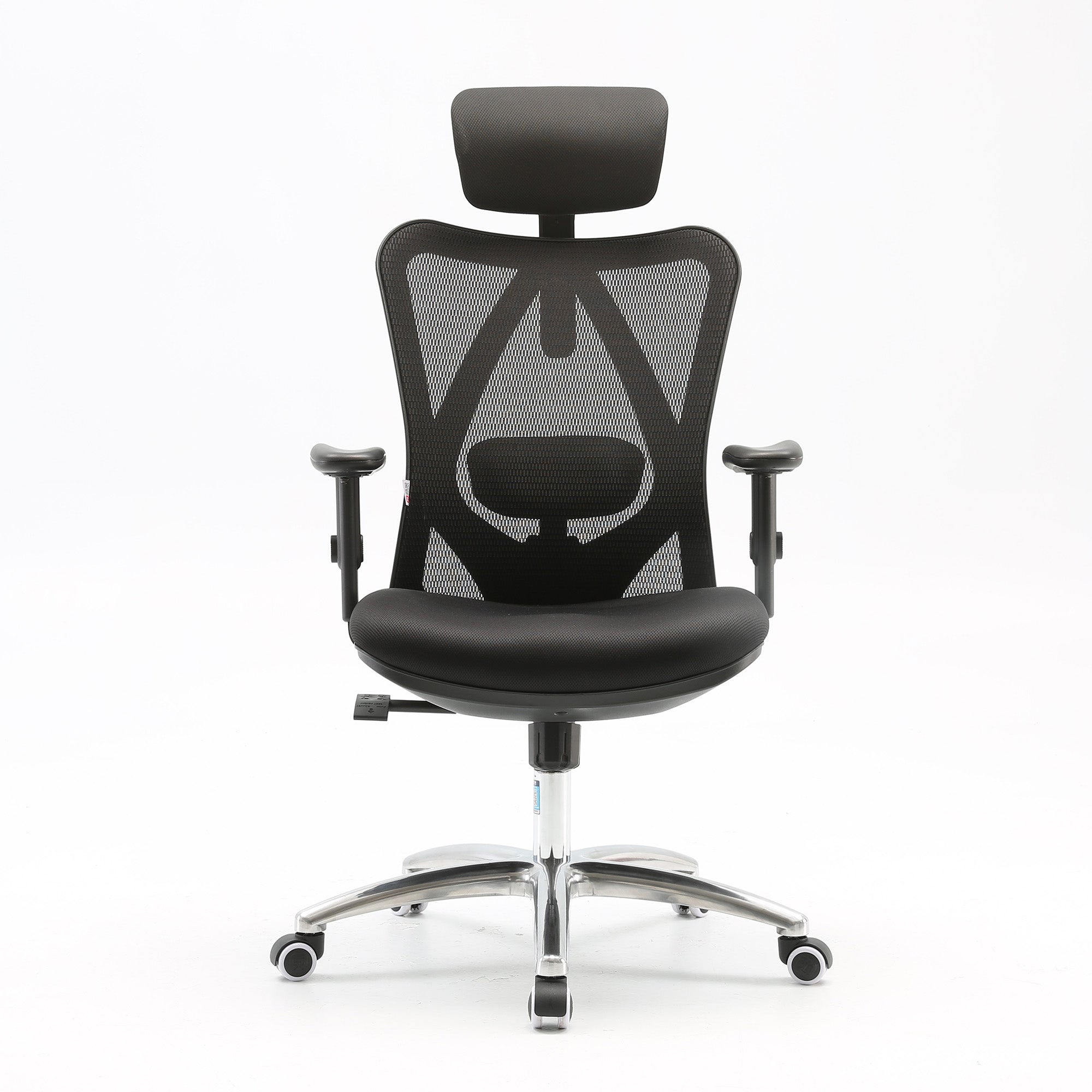
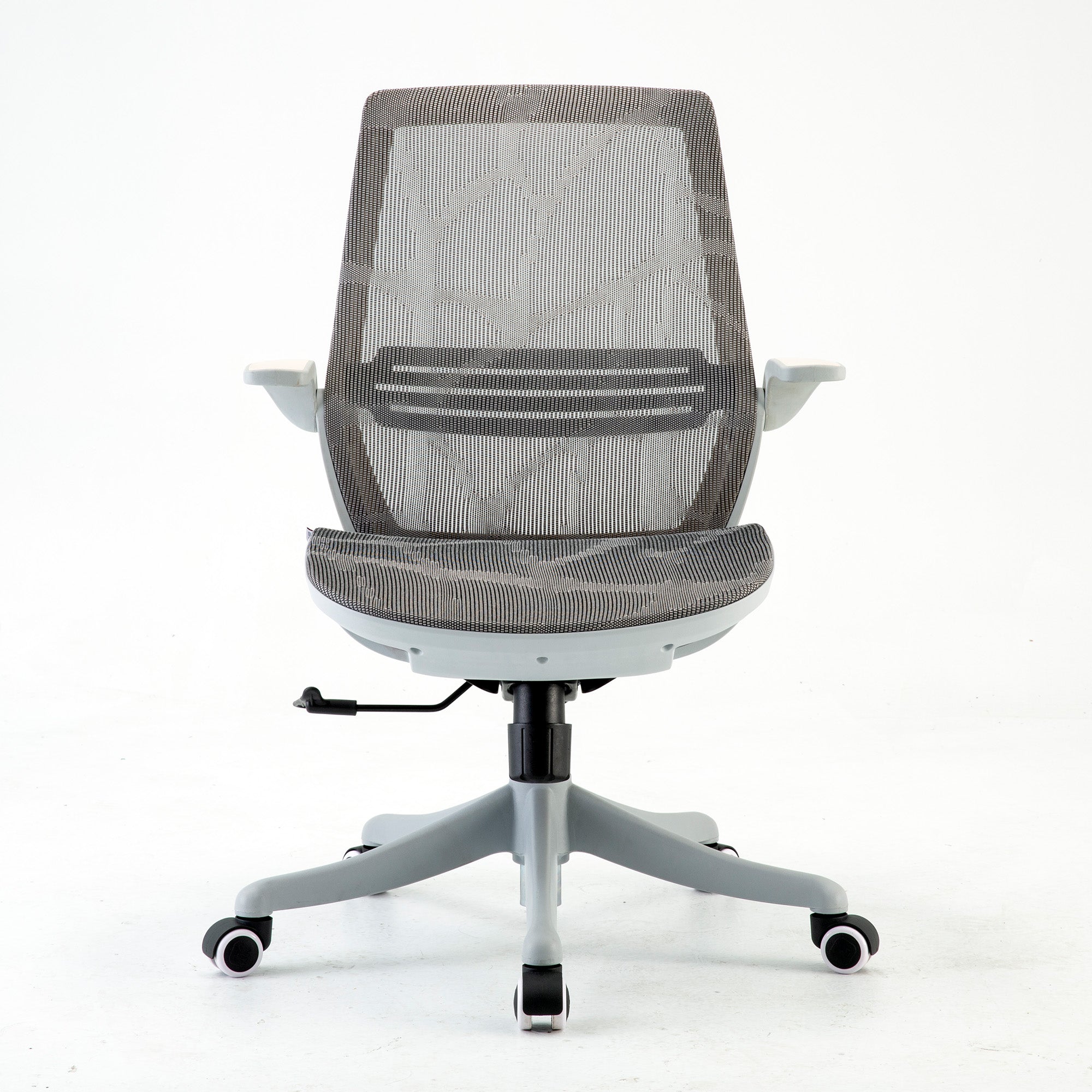
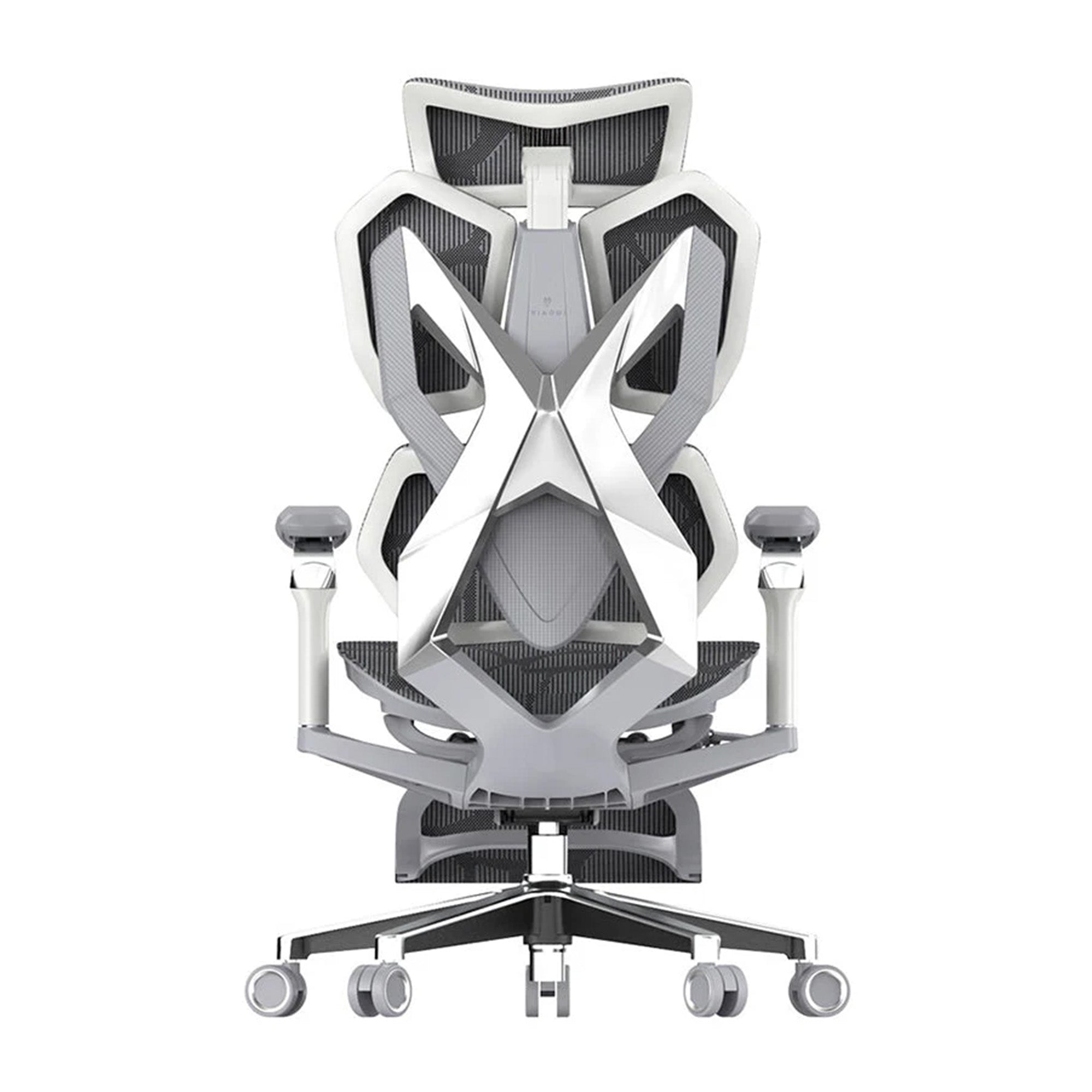
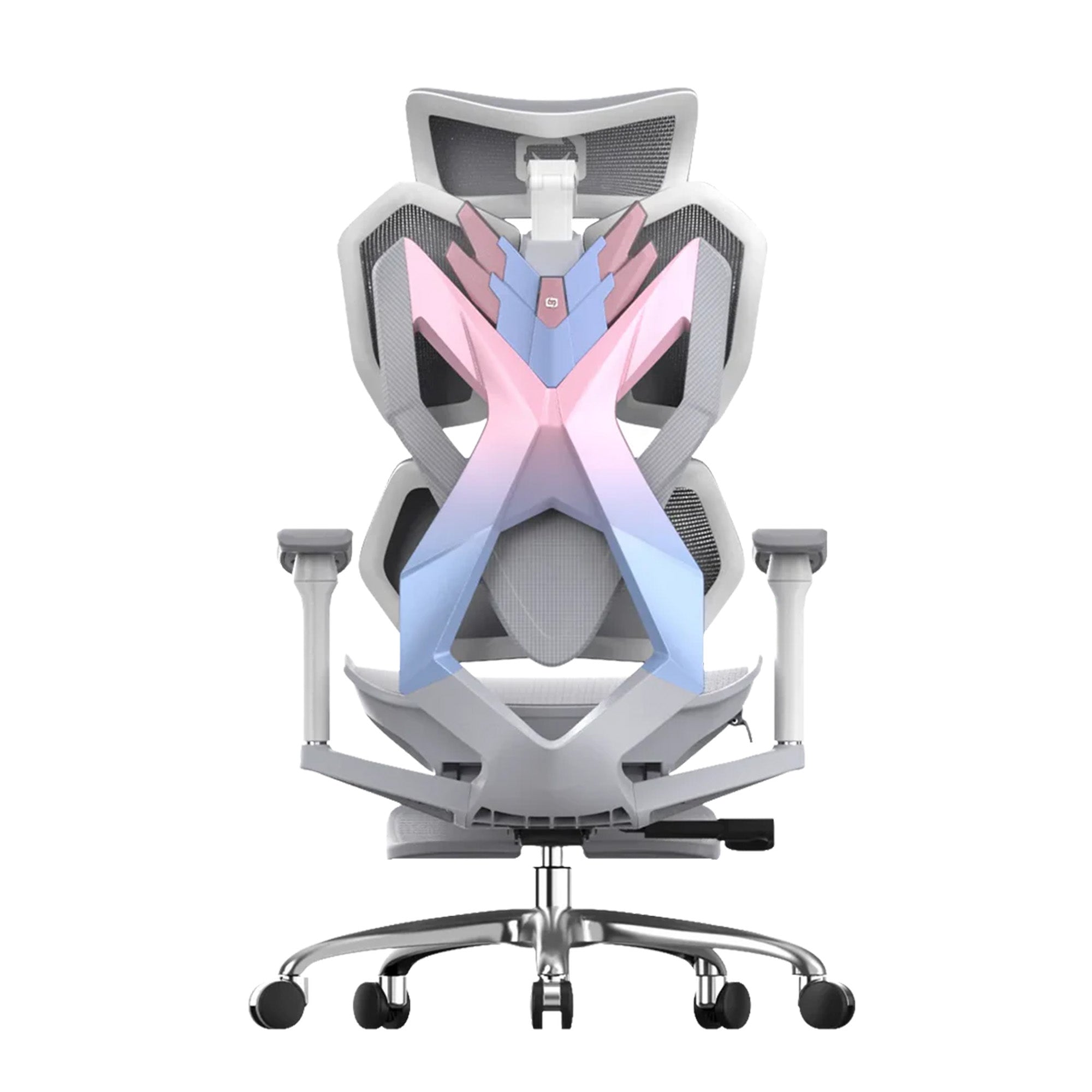
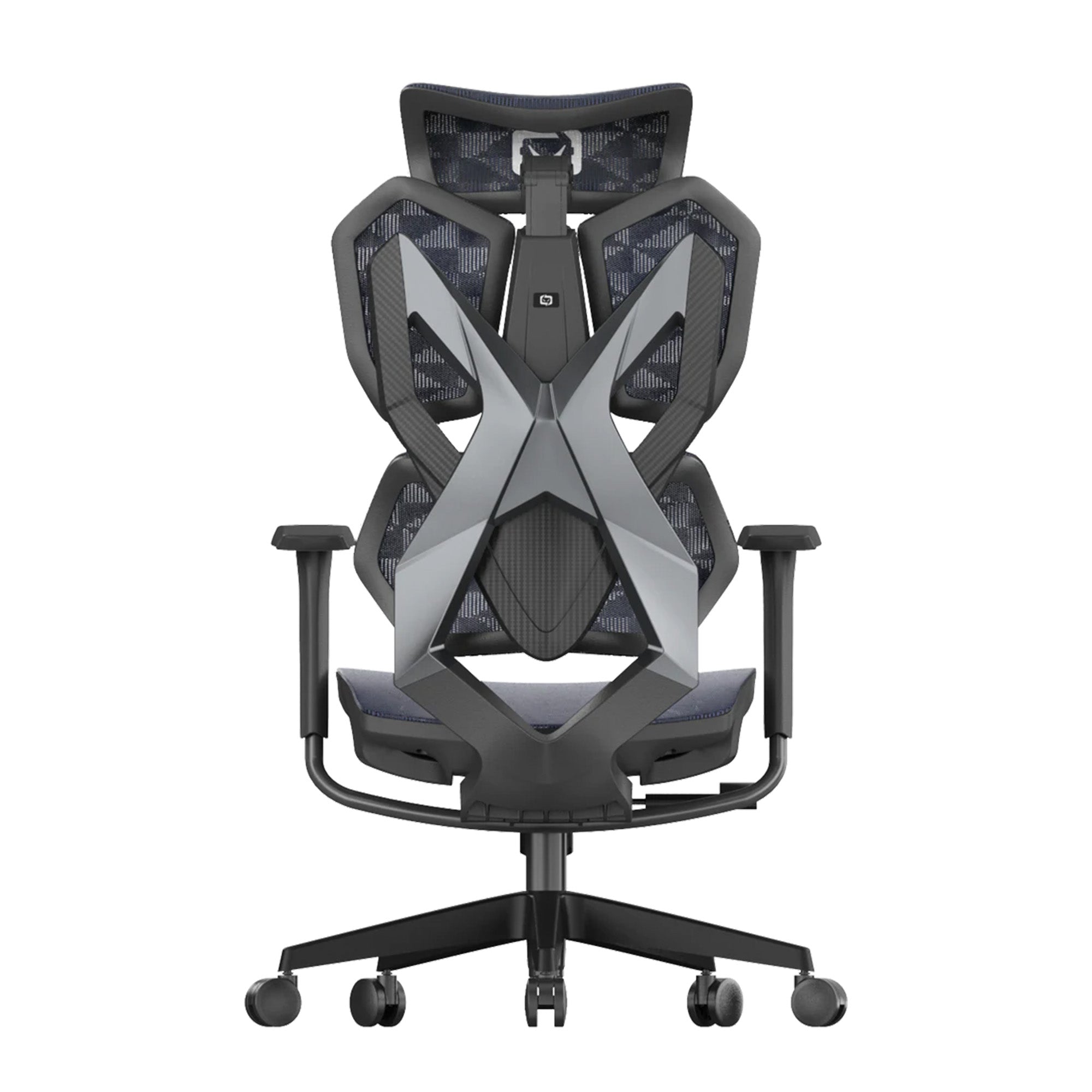
Choose the Right Gear. Ensure their desk and seat are correctly sized for them now. Their elbows should rest comfortably at the desk height for writing. If you’re looking to upgrade, consider the excellent adjustability of ergonomic chairs in Australia from SIHOO. Monitor screens must be positioned right at eye level. Teach them to wear both straps on their backpacks every single time. The backpack should never weigh more than 15% of their body weight.
-
Champion Active Playtime. Sitting for long periods is the enemy of good posture. Encourage lots of vigorous, outdoor play like climbing and running. These activities naturally build a strong, supportive core. Introduce movement breaks during long homework stretches. Sports like swimming and gymnastics are brilliant for body awareness.
-
Make Homework Ergonomic. Create a specific, well-lit area just for studying and homework. Gently remind them to check their posture during these sessions. Tell them to sit tall, keep their feet down, and relax their shoulders. Strictly limit excessive screen time, particularly when slouched on the sofa.
-
Practice What You Preach. Children are expert imitators, so be a great role model yourself. Pay attention to your own posture when you are driving or using your laptop.
The classroom challenge: advice for teachers
Educators can weave postural awareness right into the daily routine. This collective effort reaps significant rewards for the whole class.
-
A Flexible Seating Environment. Try to match chairs and desks to the students' varying sizes. Consider trying alternative seating like stability cushions, standing desks or ergonomic kids chairs. Encourage them to shift and adjust their position often throughout the day.
-
Regular Brain Breaks. Integrate quick, energetic movement breaks every 30 to 45 minutes. A few stretches or star jumps can instantly reset focus levels. Create opportunities for students to stand up during activities.
-
Teach Body Awareness. Use simple visual cues in the classroom to demonstrate good posture. Provide gentle, friendly verbal reminders to "sit tall like a tower." Use a quick "body scan" activity to encourage self-correction.
-
Observe Closely and Act. Watch for students who are frequently leaning or appearing uncomfortable. If a student consistently struggles, have a discreet word with them and the family.
-
Balance the Day. Alternate between quiet, seated work and active, movement-based tasks. Use group work that requires students to move around their desk area. Physical education and recess are essential for developing core strength.
Posture is an active ingredient in learning success. Understanding the physical and mental connections is key for us all. By fostering awareness of healthy body mechanics, we empower our kids. They become comfortable, focused, and energised for the challenges ahead. Let’s help them stand tall, sit smart, and unlock their incredible potential.
Frequently Asked Questions
Posture directly impacts focus, energy, and comfort in learning environments. Proper alignment allows full lung expansion for better oxygen intake, supports efficient circulation, and reduces strain on muscles and joints. Children with good posture experience fewer distractions from discomfort, process information more efficiently, and maintain attention longer during classroom activities.
Posture affects both physical health and cognitive performance. Healthy posture reduces fatigue, prevents back and neck pain, and supports the spine and nervous system. Psychologically, upright posture boosts confidence and encourages active participation, helping children feel more engaged and self-assured during learning.
Yes, posture plays a critical role in musculoskeletal and neurological development. Consistent slouching or awkward sitting can lead to muscle imbalances, spinal misalignment, and reduced motor coordination. Proper posture supports healthy growth, strong core muscles, and long-term functional movement, contributing to overall physical and cognitive development.
Posture problems in children include slouching, forward head tilt, rounded shoulders, and uneven weight distribution while sitting or standing. These issues can cause back, neck, or shoulder pain, headaches, fatigue, and decreased concentration. Left uncorrected, they may affect spinal health and interfere with academic performance and daily activities.
Parents and teachers can encourage good posture through proper seating, ergonomic furniture, and frequent movement breaks. Adjustable desks and chairs help children maintain correct alignment, while active play and core-strengthening exercises improve posture naturally. Regular reminders, posture-friendly study setups, and modeling good posture also reinforce healthy habits both at home and in the classroom.
Shop products from this article


