
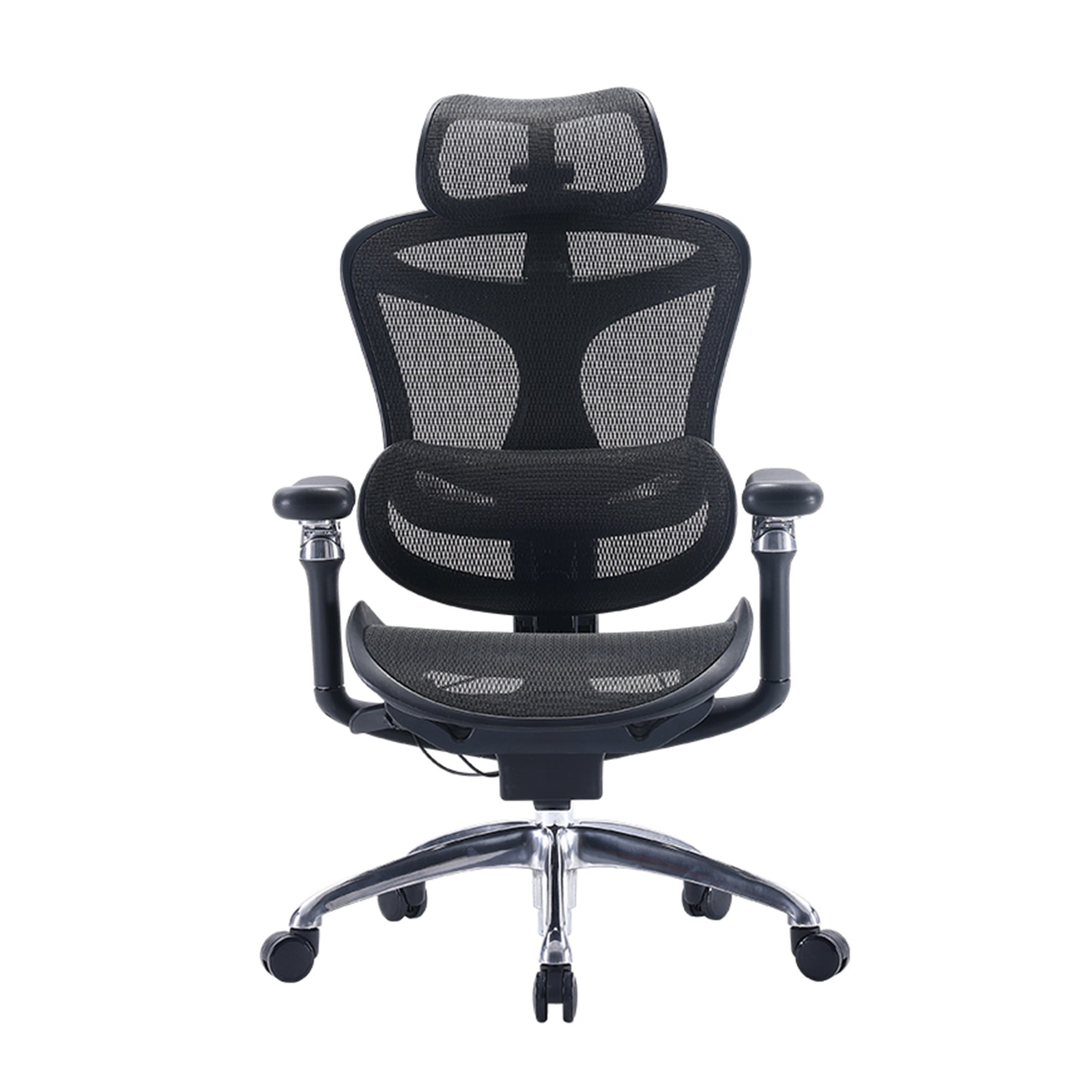
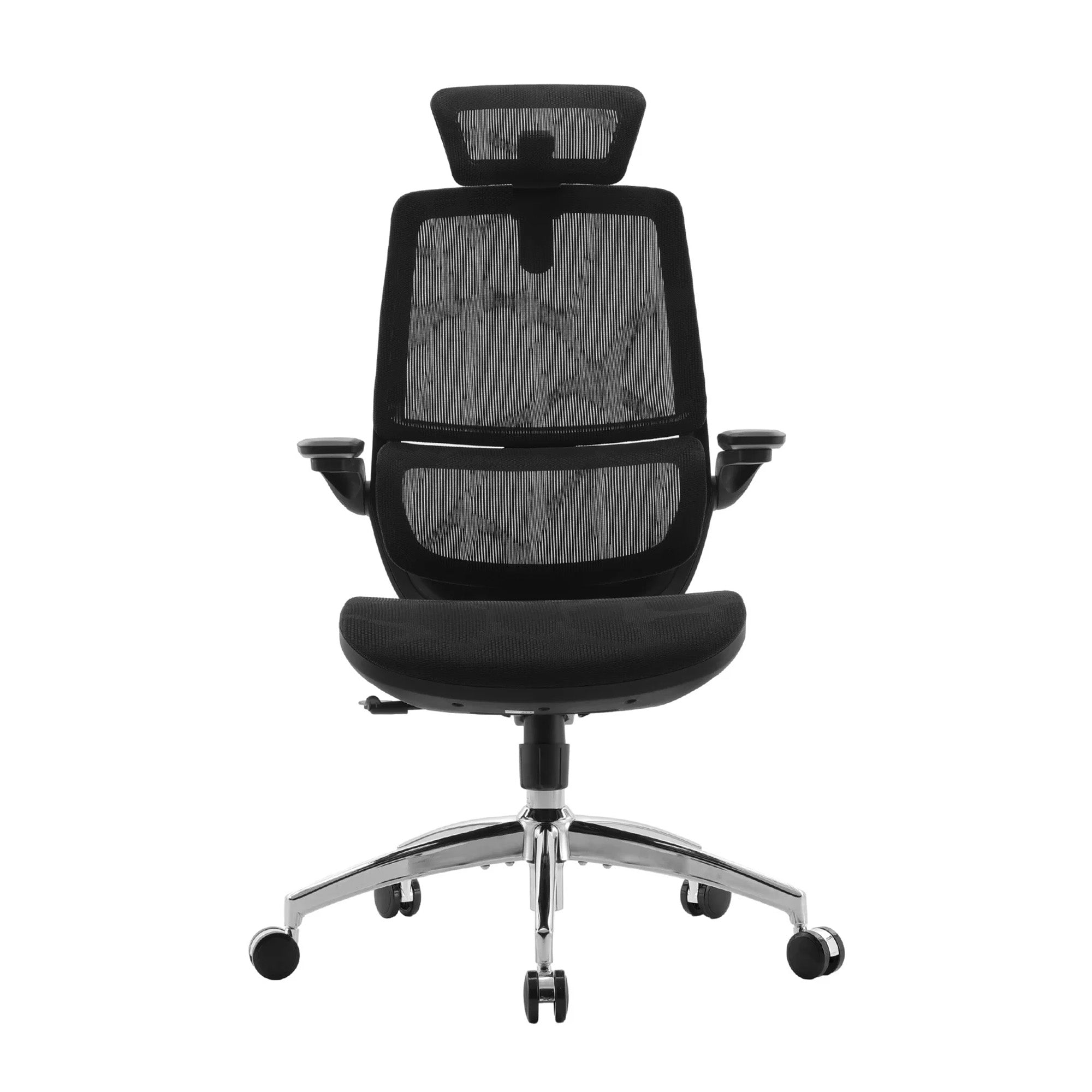
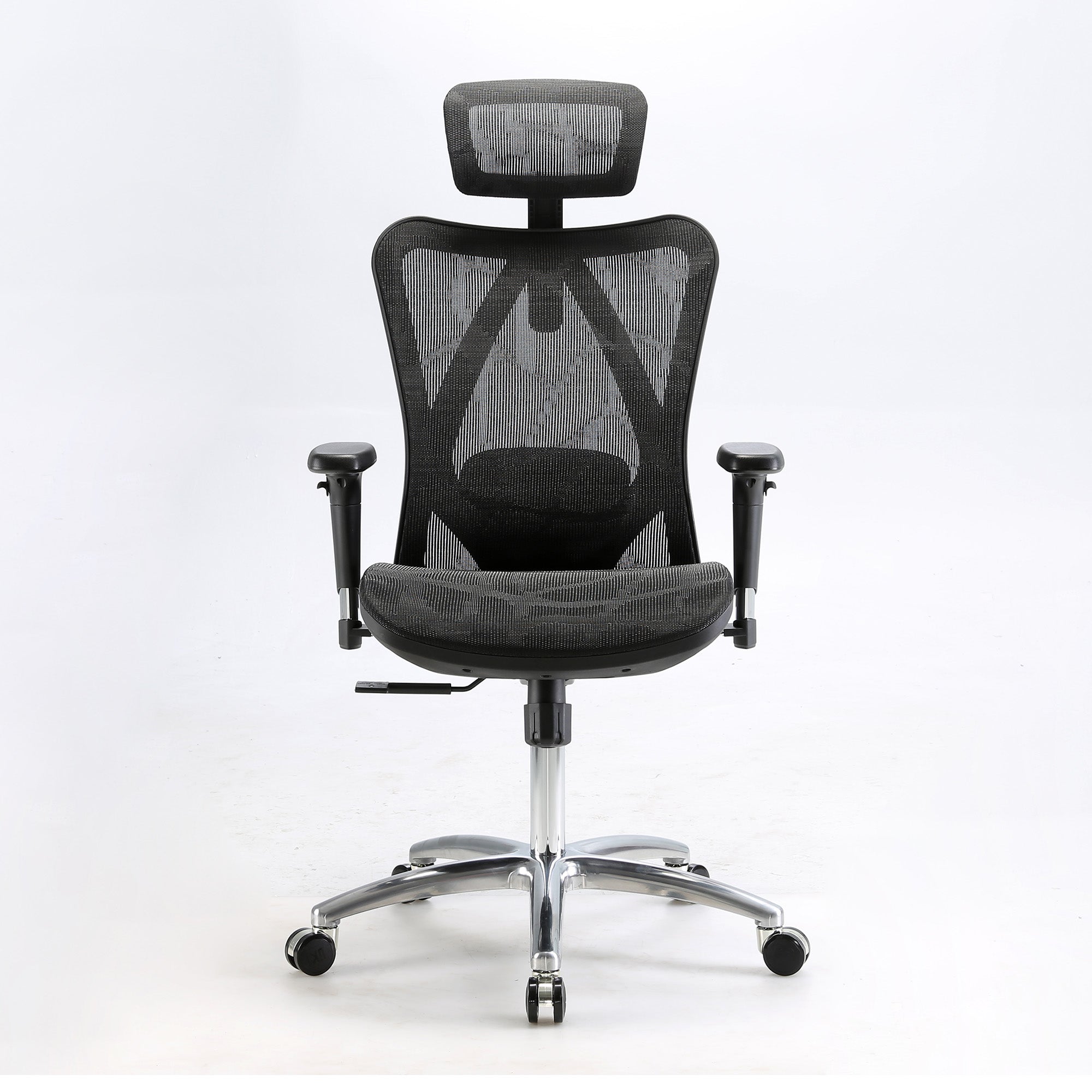
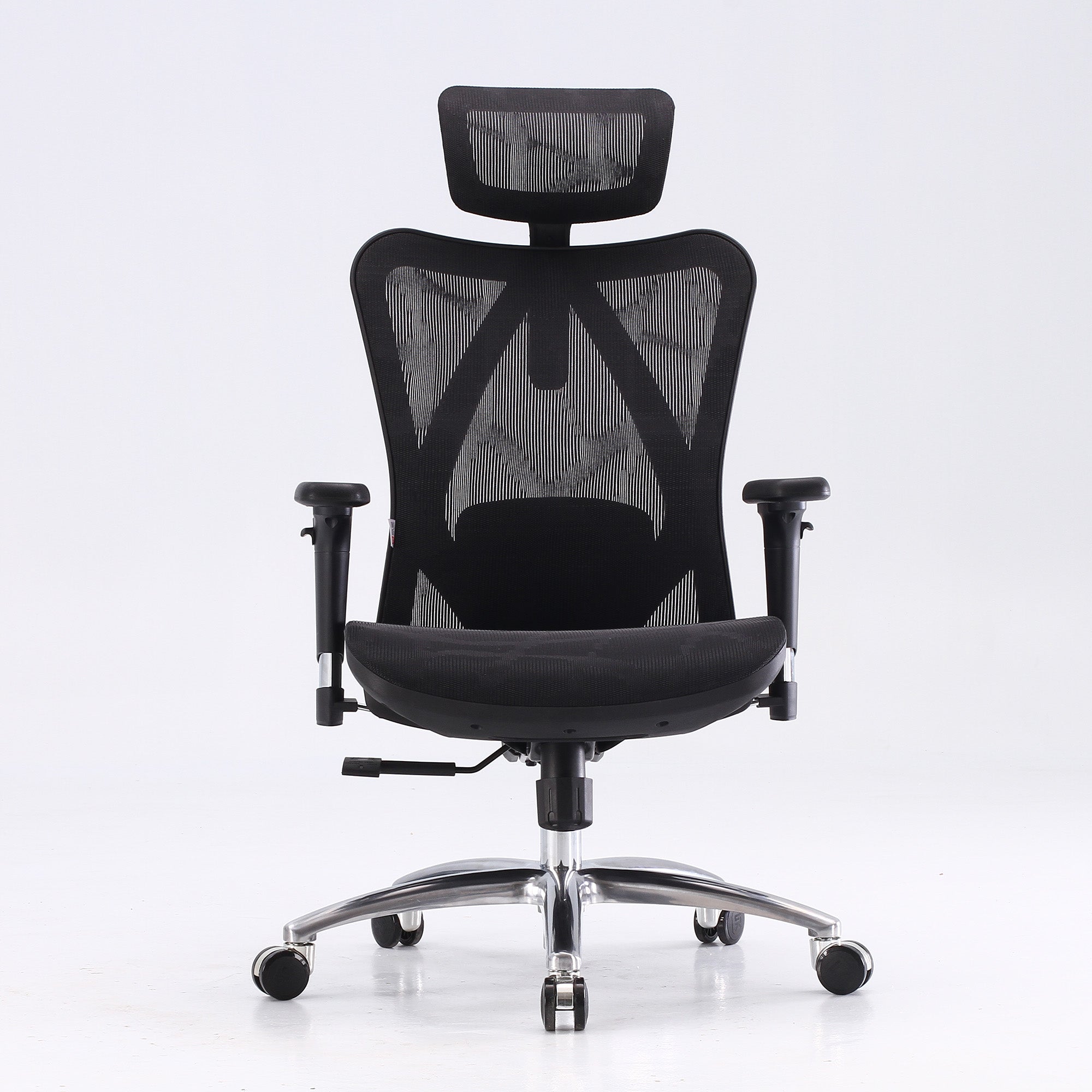

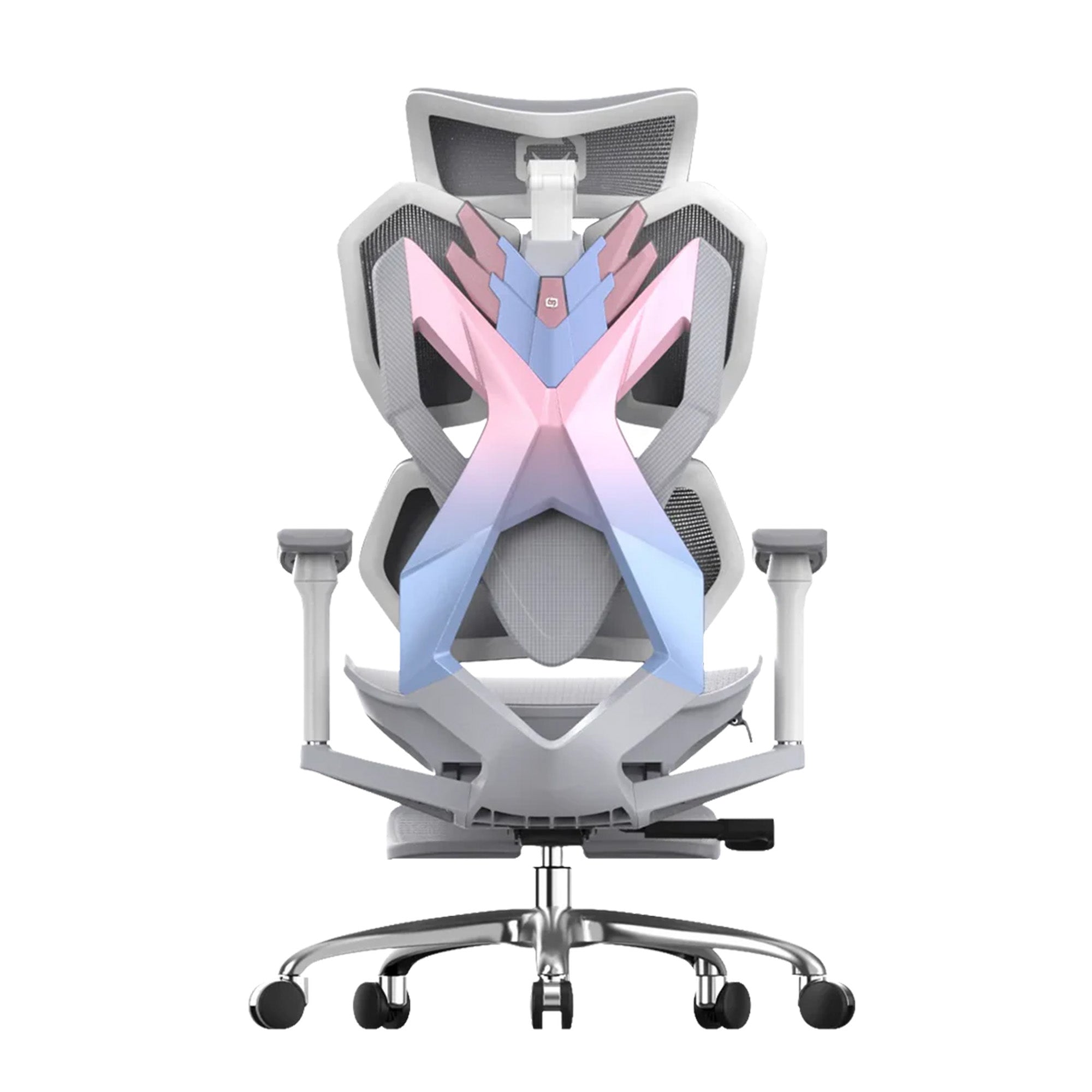
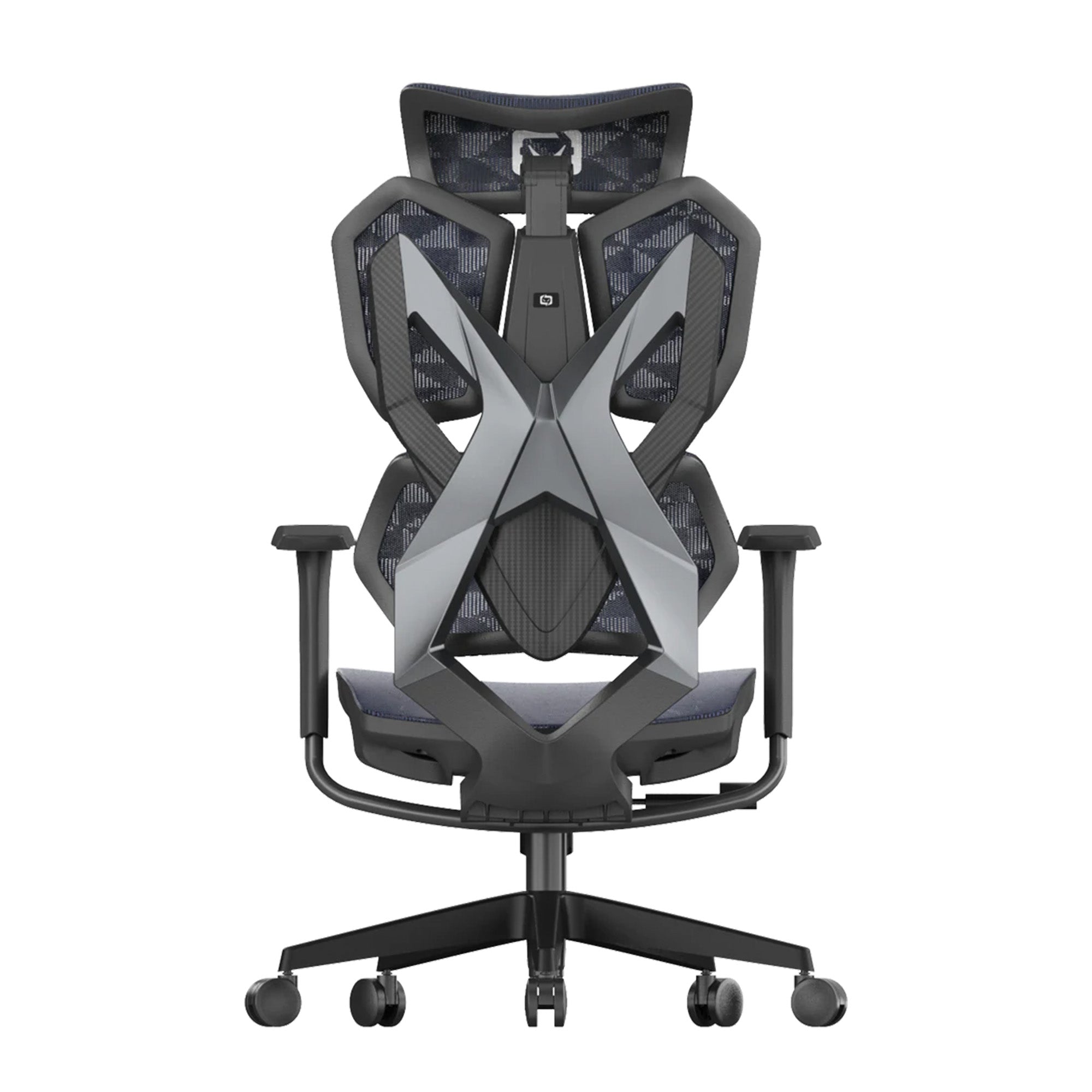

The answer depends on how long you sit.
That single variable determines more about whether an ergonomic office chair produces a meaningful result than the brand, the price, the number of adjustment points, or any other feature on the specification sheet. A person sitting three hours a day will notice limited benefit from a $949 chair. A person sitting eight hours a day in a poorly configured chair is accumulating physical damage that a correctly adjusted $329 chair would significantly reduce.
This guide covers the eight documented benefits of ergonomic chairs for Australian desk workers, with the mechanism and the evidence behind each one. It also covers the honest answer on when the benefit is not worth the cost. And it covers the one thing every buying guide skips: the adjustment session on delivery day that determines whether the chair produces any of these benefits at all.
Over 40 percent of employed Australians worked from home in 2024, according to the ABS. The ACA's 2024 national survey found that 86.7 percent of Australian workers had experienced a musculoskeletal disorder at or because of their work environment. The chair is the primary piece of workstation equipment contributing to this. For most desk workers, the question is not whether ergonomics matters. It is whether the specific investment produces the specific result for the specific number of hours they sit.
The Honest Answer: When an Ergonomic Chair Is Worth It and When It Is Not
The Daily Hours Filter That Determines Your Decision
Every ergonomic chair buying guide tells you to buy one. Most of them are commercially motivated to say so. The honest version of this guide gives you the framework to decide whether the investment makes sense for your specific situation.
|
Your situation |
Is an ergonomic chair worth it? |
The honest reason |
|
Sitting under 3 hours daily |
Probably not your highest-return investment right now |
The benefit scales with daily hours. Under 3 hours, the physical load is manageable with most chairs. Spend the money on a laptop stand first. |
|
Sitting 4 to 6 hours daily |
Yes — the M57 or Vito M90 at this range delivers a noticeable improvement |
This is where the benefit becomes consistent. Lumbar support, correct seat height, and 3D armrests each address a load source that accumulates meaningfully across a 5-hour session. |
|
Sitting 6 to 8 hours daily with back sensitivity |
Yes — adaptive lumbar specifically matters here |
At 6+ hours, the difference between manual and adaptive lumbar is significant. The M90 or Doro C300 at this range produces a qualitatively different end-of-day physical state. |
|
Sitting 8+ hours daily, existing back history |
Strongly yes — the Doro S300 specification is appropriate here |
At this intensity, the chair is load management infrastructure. The Doro S300's dynamic lumbar arm and anti-gravity recline are not luxury features. They are the specification for this use. |
|
Any hours, but chair not adjusted after delivery |
No — the chair will not work until correctly configured |
An unadjusted ergonomic chair produces almost no ergonomic benefit. The improvement is in the adjustment, not the product alone. Adjust before concluding anything. |
Decision framework based on published ergonomics research on seated work duration and musculoskeletal load accumulation. The "not worth it" entries are not commentary on chair quality — they reflect that daily hours determine the benefit ceiling for any ergonomic intervention. Individual experience varies.
THE ONE THING EVERY GUIDE MISSES: An ergonomic chair at factory defaults is not an ergonomic chair. It is a chair with adjustment mechanisms that have not been used. Research consistently shows that fewer than one in five office workers receive instruction on how to adjust their chair, and most use them at factory settings. The adjustment session on delivery day is what converts the purchase into the result. This is covered at the end of this guide.
The 8 Benefits of an Ergonomic Chair — With the Mechanism and Evidence Behind Each
What Each Benefit Actually Means for the Australian Desk Worker
The eight benefits below are not marketing claims. Each one is grounded in a specific physiological, economic, or material mechanism with a cited source. Understanding the mechanism helps you assess whether the benefit applies to your specific situation.
|
# |
Benefit |
The mechanism behind it |
The evidence |
|
1 |
Reduces lower back pain from sustained sitting |
A correctly positioned adjustable lumbar reduces the demand on the deep trunk muscles (transversus abdominis, multifidus) responsible for spinal stability. Without support, these muscles begin to fatigue between 15 and 25 minutes of sitting. |
Amiri, Behm, and Zemkova (Sports Medicine Open, February 2025). The 15-25 minute onset window is the mechanism that makes 8 hours in a bad chair so damaging. |
|
2 |
Prevents the shoulder and neck tension that causes afternoon headaches |
Armrests at the correct height allow the shoulders to drop completely. Elevated shoulders load the trapezius muscle continuously. At the correct height, this load is eliminated from the first minute of the session. |
Cornell University Ergonomics Web: armrests at correct height reduce shoulder load significantly. Safe Work Australia workstation guidelines confirm shoulder-level armrests as a leading cause of upper back tension. |
|
3 |
Improves productivity by reducing the distraction of physical discomfort |
Physical discomfort pulls attention from the task. A 2024 study published in Scientific Reports found that physical and mental fatigue mutually reinforce each other. Reduced physical load from correct seating reduces the cognitive drag from discomfort across the working day. |
Scientific Reports (2024): physical and mental fatigue mutual reinforcement. SafeWork NSW: $1,680 average presenteeism cost per employee per year from discomfort-related productivity loss. |
|
4 |
Reduces the risk of a workers compensation claim for the employer |
Body stressing accounts for 34.5% of all serious workers compensation claims in Australia. Musculoskeletal disorders from sedentary work are a foreseeable and addressable WHS hazard under the Work Health and Safety Act 2011. |
Safe Work Australia Key WHS Statistics 2025: 34.5% body stressing. SIRA/SafeWork NSW: $64,759 average cost per serious MSD claim in NSW. |
|
5 |
Reduces posterior thigh pressure and leg numbness from sustained sitting |
A seat too deep for the user's leg length compresses the soft tissue behind the knees, restricting blood flow and producing the numbness or tingling that many desk workers experience. Correct seat depth or a chair with adjustment eliminates this. |
PMC Biomimetics (February 2023): posterior thigh compression from seat depth mismatch confirmed as mechanism for leg numbness and circulation restriction. |
|
6 |
Performs better in Australian summer conditions than foam or PU leather |
Full mesh construction allows continuous airflow through the seat surface, maintaining consistent temperature across the session. Foam and PU leather retain body heat, increasing surface temperature from the first hour in warm rooms. |
Specific to Australian home offices without consistent air conditioning. No peer-reviewed study required: thermal retention in foam vs mesh is a documented material science characteristic. |
|
7 |
Supports the full working posture range across the day, not just upright sitting |
Knowledge work involves constant postural variation: typing, reading, video calls, handwriting, and recline during lower-intensity tasks. A chair with recline tension calibrated to body weight and adjustable armrests adapts to each of these. A fixed chair requires the body to adapt to the chair. |
Cornell University Ergonomics Web: posture variety recommendation. Safe Work Australia: 20-30 minute sedentary bout maximum before postural change. |
|
8 |
Costs less per day than the health consequences of not having one |
A $329 M57 chair over a 5-year lifespan costs $0.18 per working day. A physiotherapy appointment in Australia costs $90 to $150 for the initial consultation and $75 to $120 for follow-up. One avoided physiotherapy visit recoups the cost of a mid-range ergonomic chair. |
Bupa 2024-25: physio initial $90-150, follow-up $75-120. $329 M57 over 1,800 working days (5 years, 5 days/week) = $0.18 per working day. |
Sources: Amiri, Behm, Zemkova (Sports Medicine Open, February 2025, DOI: 10.1186/s40798-025-00816-x); PMC Biomimetics (February 2023, DOI: 10.3390/biomimetics8010057); Scientific Reports (2024); Safe Work Australia Key WHS Statistics 2025; Yu and Glozier (SafeWork NSW, 2017); SIRA/SafeWork NSW MSD Prevention Plan; Bupa 2024-25 physiotherapy costs; Cornell University Ergonomics Web; ATO effective life for furniture assets.
The Benefit You Only Get When the Chair Is Correctly Adjusted
Why Factory Defaults Produce Almost No Ergonomic Benefit
The eight benefits above assume the chair is correctly configured for the person using it. A chair at factory defaults is set for an imagined average user: approximately 170 to 175cm, average torso length, average leg length, average body weight. For most of the people reading this, the factory defaults are wrong.
The most common misconfiguration is the lumbar position. The factory default lumbar is set at a mid-range height that corresponds to the mid-back for most people, not the inward curve of the lower back where lumbar support provides its mechanical benefit. A chair with its lumbar in the wrong position provides no reduction in deep trunk muscle load regardless of how advanced the mechanism is.
The second most common misconfiguration is the armrest height. Chairs arrive with armrests at maximum height. Most people sit down and accept this position. Elevated armrests keep the shoulders elevated throughout the day, loading the trapezius muscle continuously. The benefit from armrests comes from lowering them until the shoulders drop completely, a position that is lower than most people initially set them.
The Five Settings to Run in Order on Delivery Day
-
Seat height: Adjust until feet are flat on the floor and knees are at approximately 90 degrees. Do this before adjusting anything else.
-
Seat depth check: Sit fully back. Check the clearance between the front seat edge and the back of your knees. There should be at least two finger-widths. Less means the seat is too deep for your leg length.
-
Lumbar position: Find the inward curve of your lower back by running a hand down your spine while seated. The lumbar support must contact this specific point, not your mid or upper back.
-
Armrest height: Lower the armrests until the shoulders drop completely. This is the moment the trapezius releases its held tension. That is the correct height.
-
Recline tension: Push back slowly. The backrest should respond with moderate, consistent resistance. Adjust until the chair moves with your weight without requiring significant effort.
The complete adjustment guide with specific techniques for each setting is at how to properly adjust your ergonomic chair. Ten minutes on delivery day. It is the step that determines whether the eight benefits above materialise or stay as potential.
What Australian Research Says About the Cost of Not Having a Good Chair
The Numbers Behind the Decision
The case for an ergonomic chair in Australia is partly about comfort and partly about money. The two are more directly connected than most buying guides acknowledge.
Safe Work Australia's Key WHS Statistics 2025 recorded 146,700 serious workers compensation claims in 2023-24 (preliminary), with body stressing accounting for 34.5 percent of all serious claims. The State Insurance Regulatory Authority of NSW calculated the average cost of a serious musculoskeletal disorder claim in NSW at $64,759 in direct compensation over the five-year period from 2018-19 to 2022-23, not including management time, replacement staff costs, or the productivity cost of the injured worker during recovery.
A 2025 study published in JAMA Network Open by Dr Sean Docking and colleagues at Monash University projected that long-term back problems in working-age Australians will cost the economy A$638 billion in lost GDP over the decade from 2024 to 2033. This is a cumulative figure across the working population, not a per-person estimate. But it reflects the scale of the problem that poor workplace seating contributes to, and that the chair being discussed in this article is part of the solution to.
The per-day cost calculation from Benefit 8 in the table above puts this in individual context: a $329 M57 over its five-year lifespan costs $0.18 per working day. A single initial physiotherapy appointment costs $90 to $150. One avoided appointment recoups the cost of the chair in approximately 600 working days of avoided physiotherapy need. For a desk worker with existing back sensitivity sitting six or more hours daily, this comparison is not hypothetical.
Which Ergonomic Chair for Which Situation in Australia 2026
Matched to the Benefits You Need Most
The right chair is the one whose specifications address the specific benefits you need most at your specific daily hours. The table above covers when the investment is worth it. For the specific model selection matched to daily hours, body type, and primary pain location:
-
Best ergonomic chair Australia 2026 — matched to your use case — covers eight specific desk worker profiles with the Sihoo model that suits each one.
-
Best office chair for back pain in Australia 2026 — matched to your pain type — covers six pain types with the mechanism behind each and the chair feature that addresses it.
-
Best ergonomic desk chair for home and office in Australia 2026 — covers the specifications that matter specifically for desk work, including the Australian summer climate argument for full mesh.
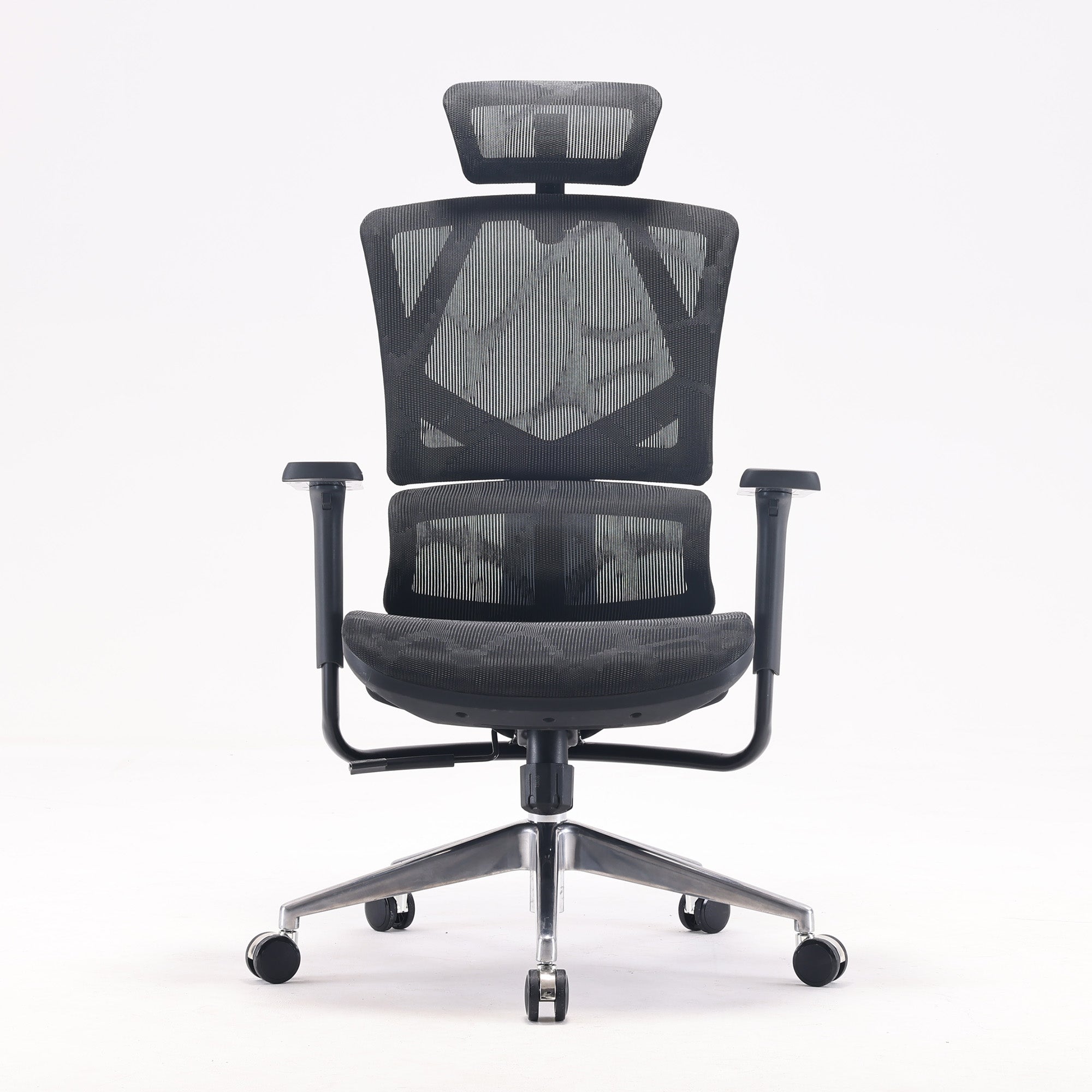
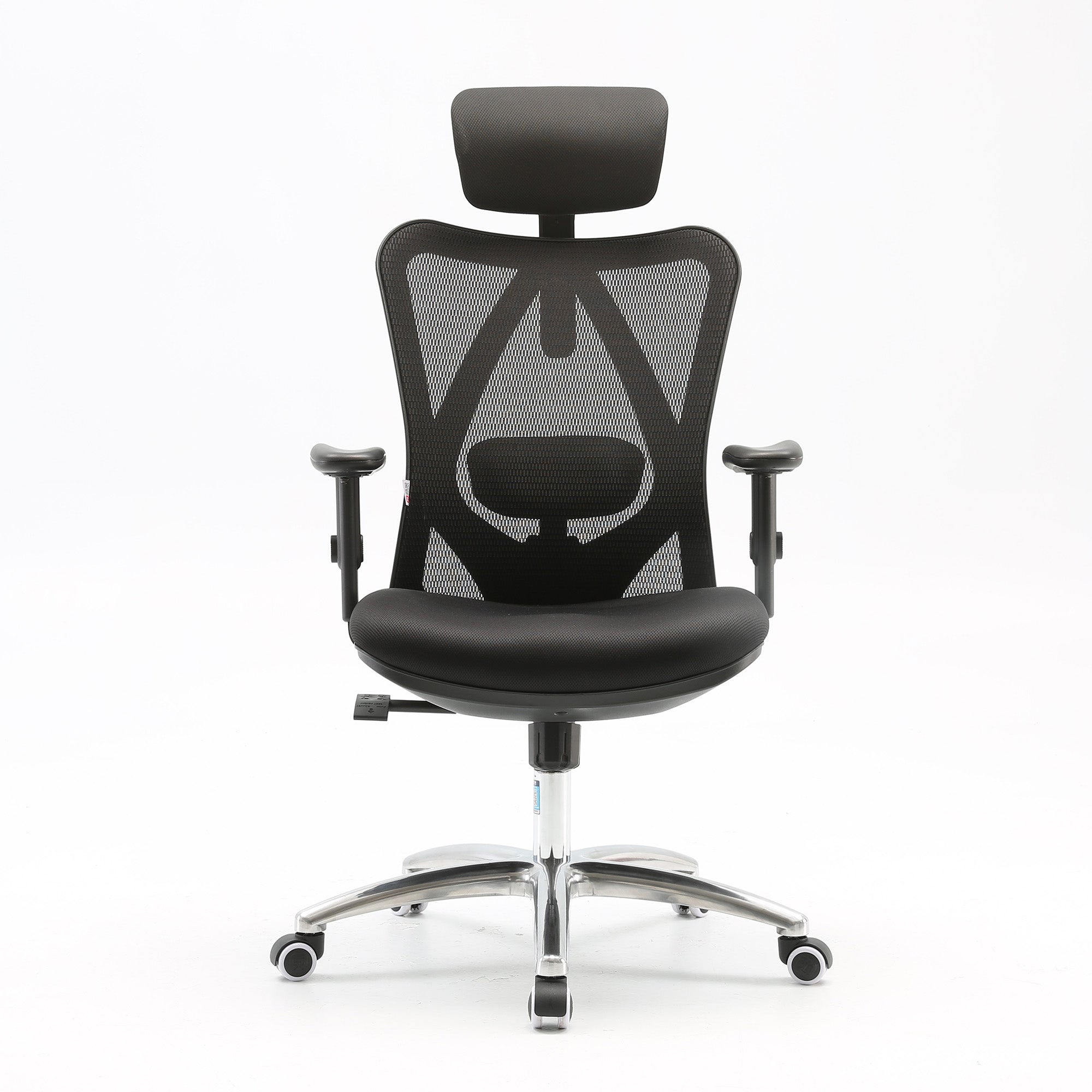
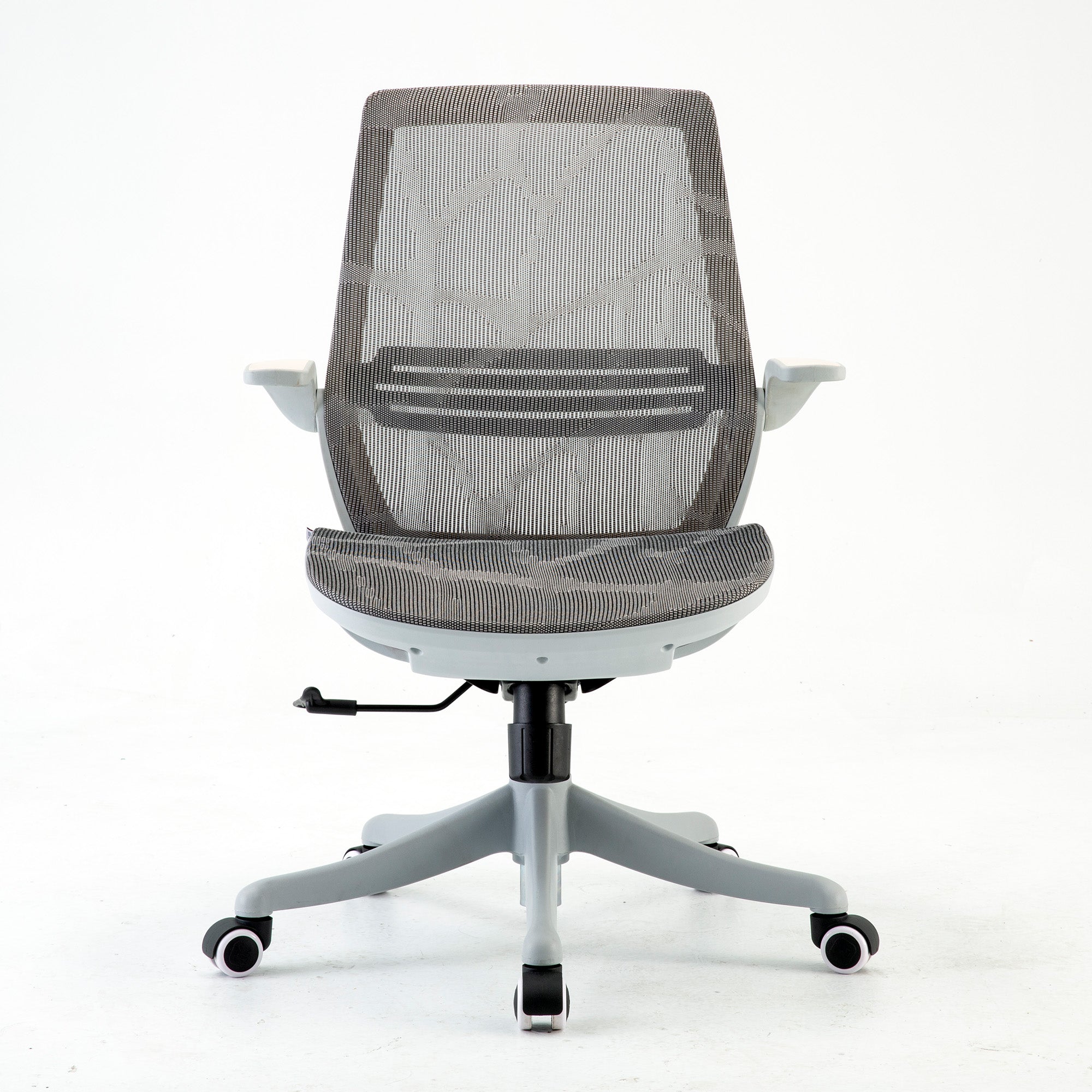
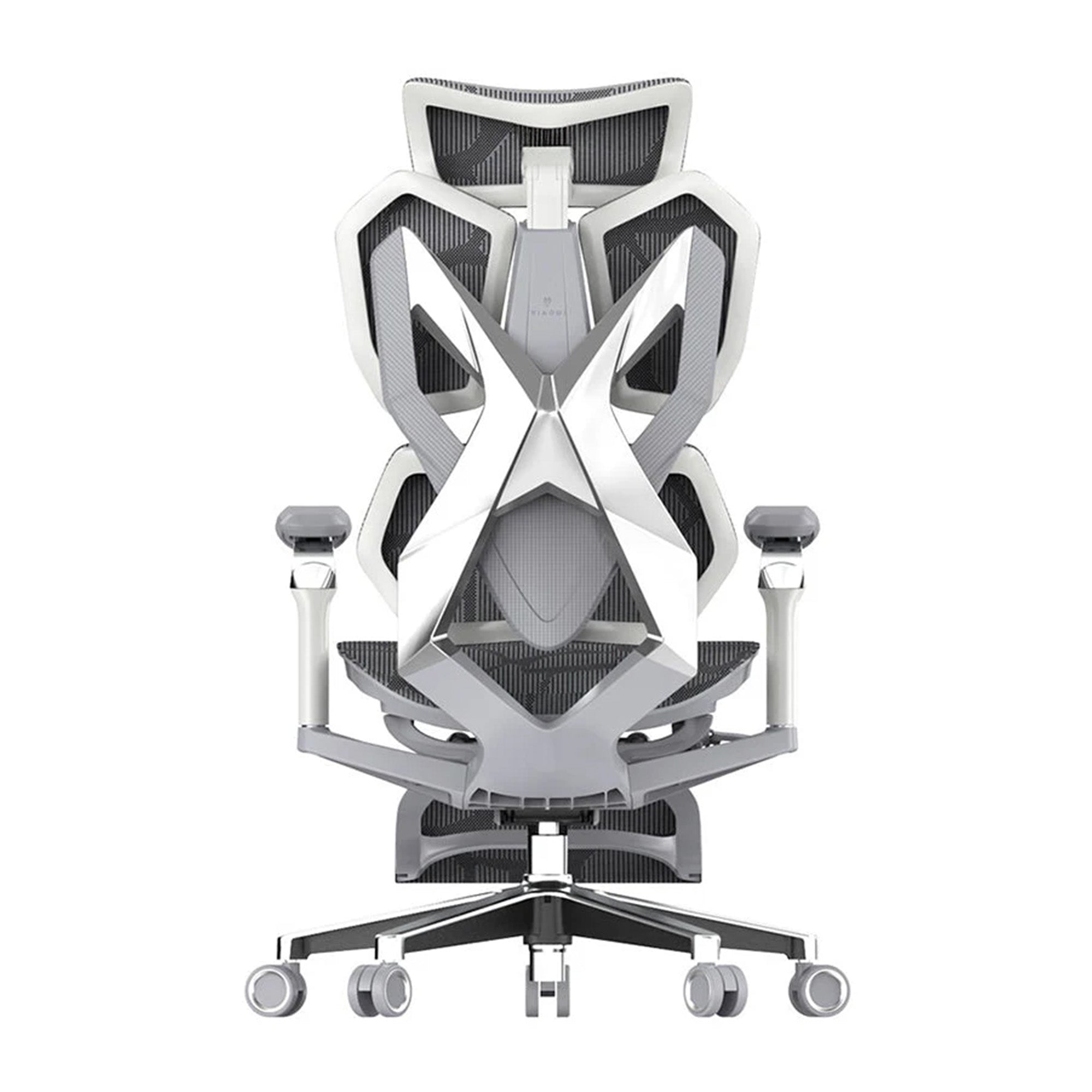
Current pricing for all models is confirmed on sihoo.com.au. The M18 at $279 is the entry point. The M57 at $329 covers most standard WFH desk workers at four to six daily hours. The Vito M90 at $379 adds adaptive lumbar for six-plus daily hours. The V1 at $529 is the specific answer for users below 165cm. The Doro C300 at $679 and Doro S300 at $949 cover extended daily hours and existing back conditions.
Conclusion
An ergonomic chair is worth it when you sit long enough to accumulate the physical load it is designed to reduce.
Below three daily hours, the accumulation is manageable with almost any chair that has basic height adjustment. Between four and six hours, the benefits of adjustable lumbar, correct armrest height, and full mesh construction become consistent and noticeable across the working week. Above six hours, the difference between a standard chair and a correctly adjusted ergonomic chair is the difference between a working day that ends with manageable tiredness and one that ends with the kind of back, neck, and shoulder tension that follows you into the evening.
The eight benefits in this guide are real. They are documented in Australian government data, peer-reviewed research, and physiotherapy cost data. They are also conditional: they depend on the chair being correctly adjusted for the specific person using it. Buy the chair that matches your daily hours and body type. Run the five settings on the day it arrives. Give it two weeks at the correct settings before assessing the result.
The investment question answers itself at that point. Either the physical toll of the current chair outweighs the cost of the replacement, or it does not. For most Australian desk workers sitting more than four hours a day, it does.
Browse the full range of best ergonomic office chairs in Australia and use your daily sitting hours as the first filter.
Better Comfort Starts Now.
Frequently Asked Questions
An ergonomic chair is important because it reduces strain on your spine, neck, and shoulders, helping to prevent discomfort and long-term back problems. It promotes proper posture, supports healthy circulation, and can increase focus and productivity during long work hours. Investing in ergonomic seating also contributes to employee well-being and overall workplace efficiency.
To choose the right ergonomic chair, consider your body size, weight, and the number of hours you spend sitting each day. Look for adjustable features such as seat height and depth, lumbar support, armrests, and headrest to customize the chair for your posture. Test the chair if possible to ensure comfort, proper support, and that it encourages natural spinal alignment.
The qualities of a good ergonomic chair include full adjustability to suit different body types, proper lumbar and neck support, breathable materials for comfort, and a durable construction. It should encourage natural spinal alignment, reduce pressure points, and allow smooth movement throughout the day. A well-built ergonomic chair enhances comfort, reduces fatigue, and supports productivity for long hours of use.
An ergonomic chair is designed to adapt to the human body and promote healthy posture. It typically includes adjustable lumbar support, seat height and depth, armrests, and a headrest. Breathable materials, tilt mechanisms, and a stable base with smooth casters are also essential to ensure comfort, mobility, and long-term support.
A good ergonomic chair supports your natural posture, has adjustable features, and allows you to sit comfortably for extended periods without pain or fatigue. High-quality materials, smooth mobility, and certifications such as BIFMA or SGS can indicate durability and reliability. Testing the chair and checking user reviews can also help confirm its effectiveness.
Shop products from this article


Save up to 40% this Oktoberfest Sale. Pay in 4 interest-free instalments with Afterpay.
SHOP NOWRecommended Posts


Ergonomic Chairs Vs. Traditional Chairs
Sep 28, 2026