

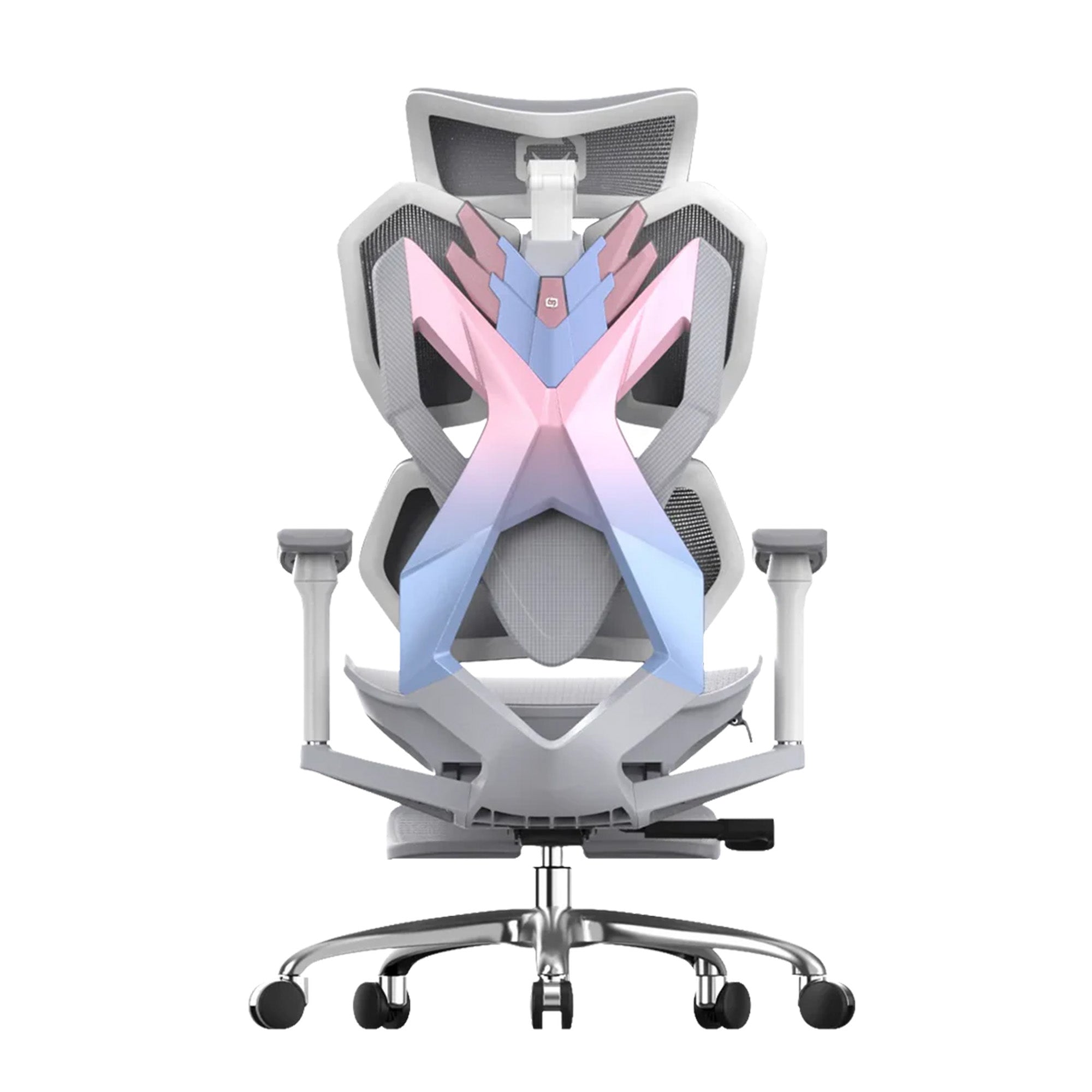
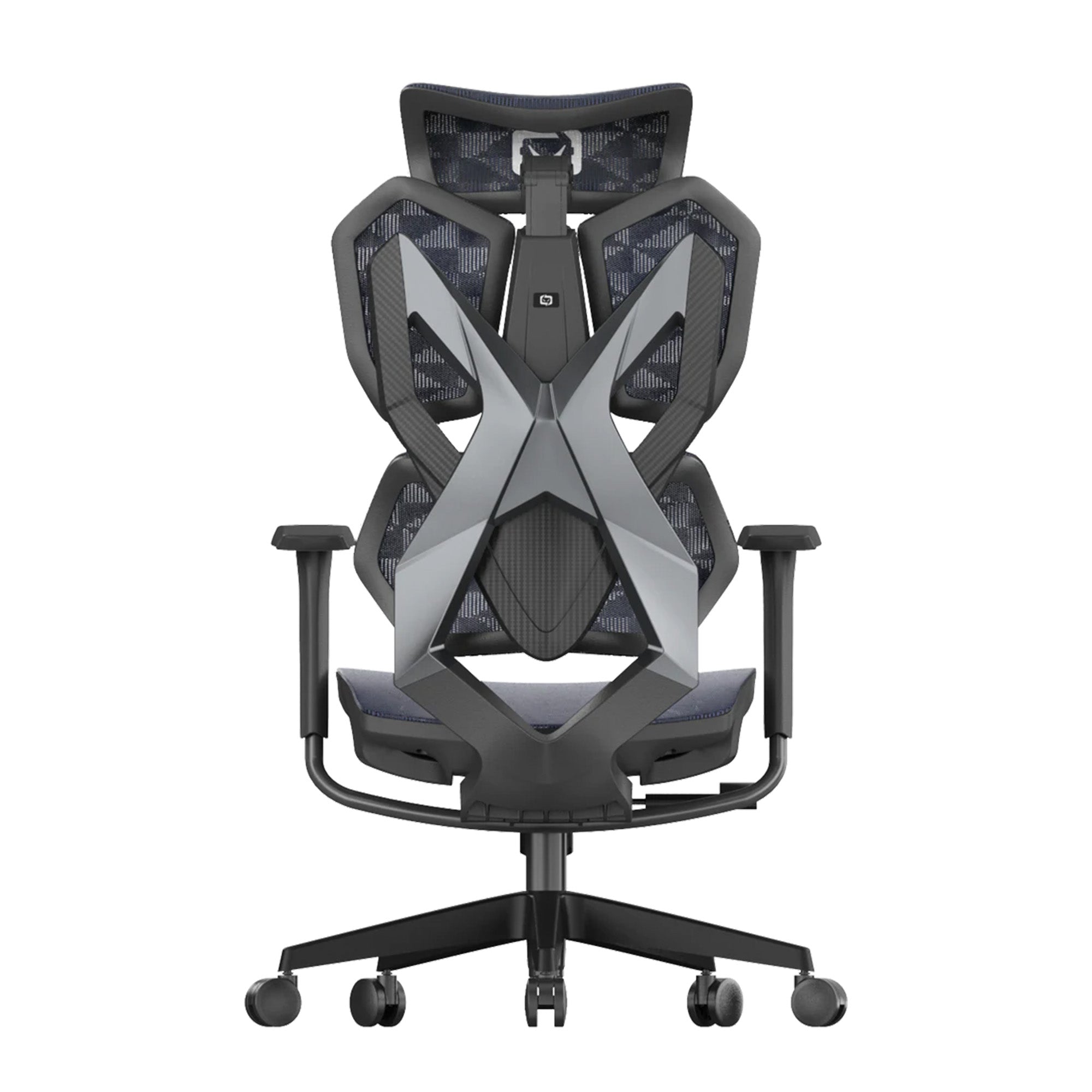

Height alone is not enough.
A reader pointed out something real on an earlier version of this page: it showed that someone 183cm tall needs roughly 60cm of seat height, then linked chairs that fell short of that by several centimetres. That's a fair complaint, and it points at the actual problem with how most ergonomic office chair guides for tall people work. They match a chair to your overall height. Overall height is not what determines fit. Leg length is, and two people the same height can need seat heights several centimetres apart.
Why Two People the Same Height Need Different Chairs
It's Leg Length, Not Height
Sit on the edge of a table so your legs hang freely. Measure from the floor to the crease behind your knee. That number, not your total height, is the seat height you actually need, so your feet sit flat and your knees land near a right angle.
Two people can both stand 183cm tall with proportionally different leg lengths, one with a longer torso and shorter legs, one the reverse. A chair sized purely off the '183cm needs X cm' logic gets one of those people right and the other wrong, which is exactly the kind of mismatch the earlier version of this page ran into.
|
THE ONE THING TO UNDERSTAND: A chair marketed as suiting your height might not suit your legs. Measure floor to knee crease, not floor to head, before checking any spec sheet. |
Checking Your Exact Fit, Not a Height Bracket
The Compare Tool Exists Specifically for This
Rather than publish another single number that may or may not match your proportions, the accurate way to check this is Sihoo's compare products tool, which takes your height directly and checks it against each model's seat height range. Specs confirmed from the official product page show without a marker. Specs estimated from the closest comparable model, where a chair doesn't have a published figure, are marked with an asterisk, so you can see exactly how confident each number is rather than treating every figure as equally certain.
This matters more for tall users than almost anyone else, since the gap between 'suits most people' and 'suits you specifically' widens the further you sit from average height. Run your exact height through the tool before relying on any general guide, including this one.

Working Out Your Own Number
If You're Searching for a Specific Seat Height in cm
Some people land on this page already knowing the number they need, searching directly for a specific seat height rather than a general recommendation. That's actually the right instinct.
To find your number without guessing: sit on the edge of a table, bed, or bench high enough that your legs hang completely free, not touching the floor. Measure straight down from the underside of your thigh, just behind the knee, to the floor. That figure is your target seat height, the point where your feet will sit flat and your knees will land at roughly a right angle once you're in the chair.
-
Around 40 to 44cm suits most people between roughly 155cm and 170cm tall, though leg proportion varies.
-
Around 44 to 48cm suits most people between roughly 170cm and 185cm tall.
-
Above 48cm is where standard chairs increasingly fall short, and checking a specific model's maximum seat height becomes essential rather than optional.
These bands are a starting estimate, not a substitute for your own measurement. Once you have your number, that's the exact figure to check against a model's stated seat height range, not your overall height.
Which Models Actually Suit Taller Users
Manufacturer Range vs. What Independent Testing Found
Manufacturer specs and independent reviews don't always agree, and taller users are exactly where that gap tends to show up. Both are worth knowing.
|
Model |
Manufacturer's stated range |
What's worth knowing before buying |
|---|---|---|
|
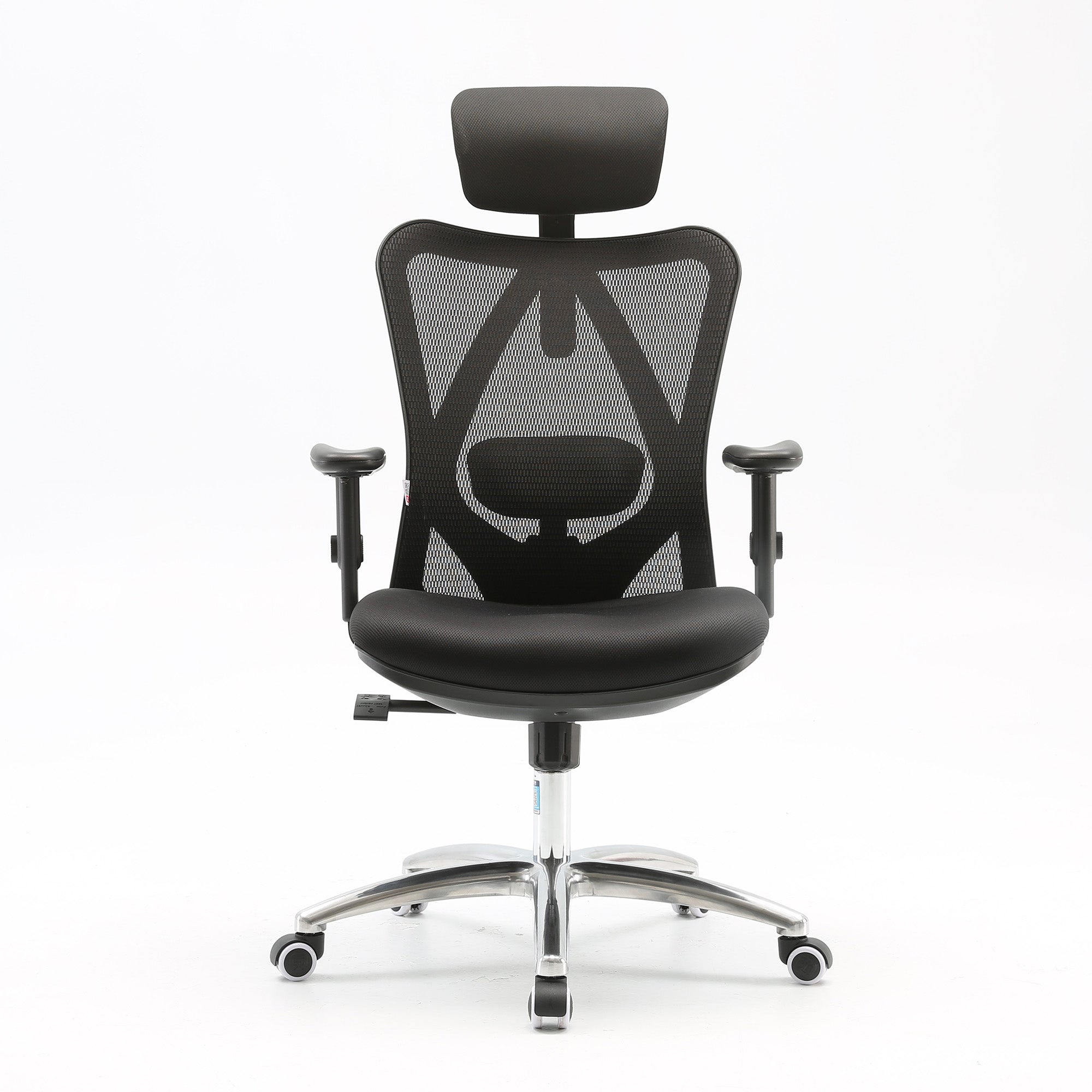
Sihoo M18 |
Specified for users up to approximately 188cm (6'2") |
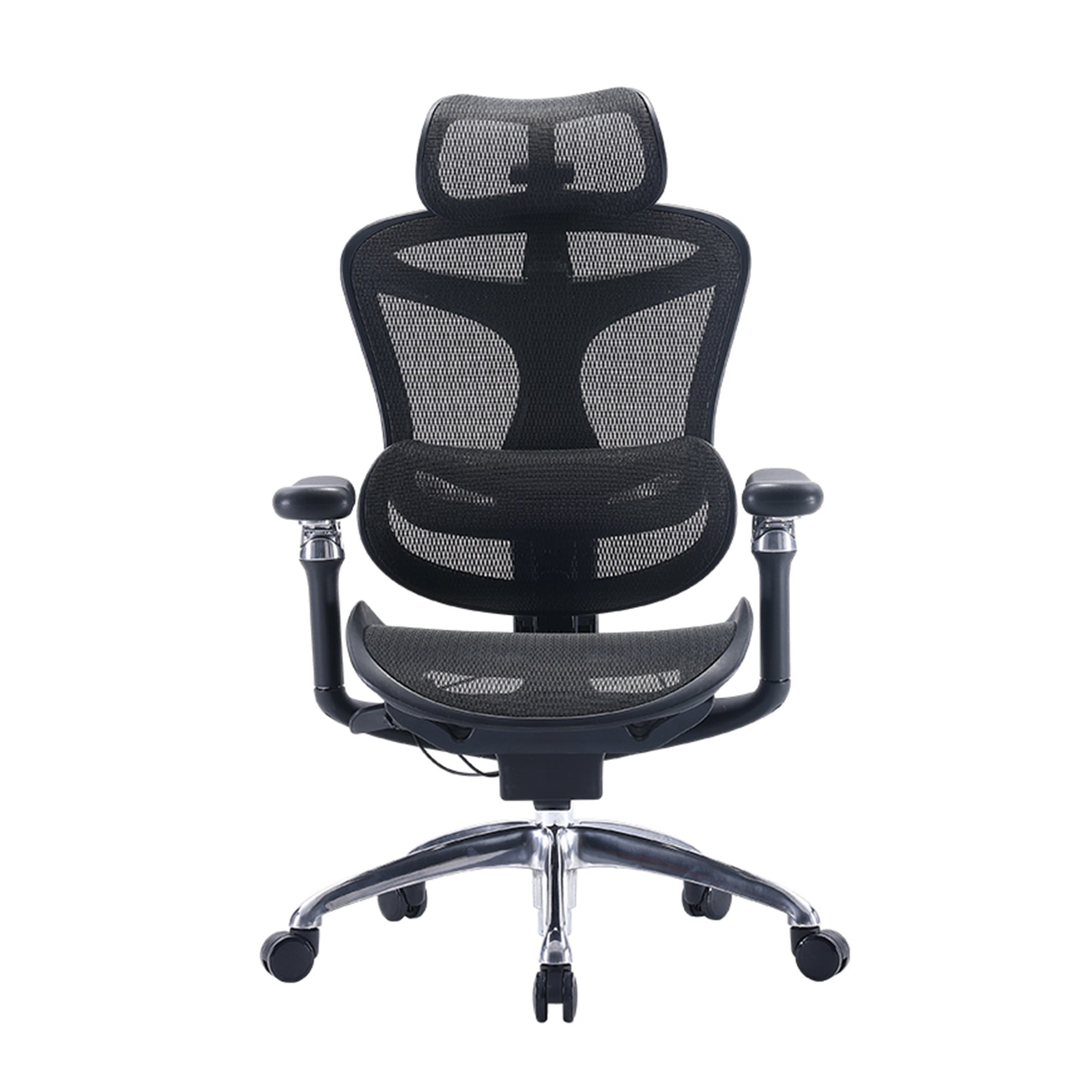
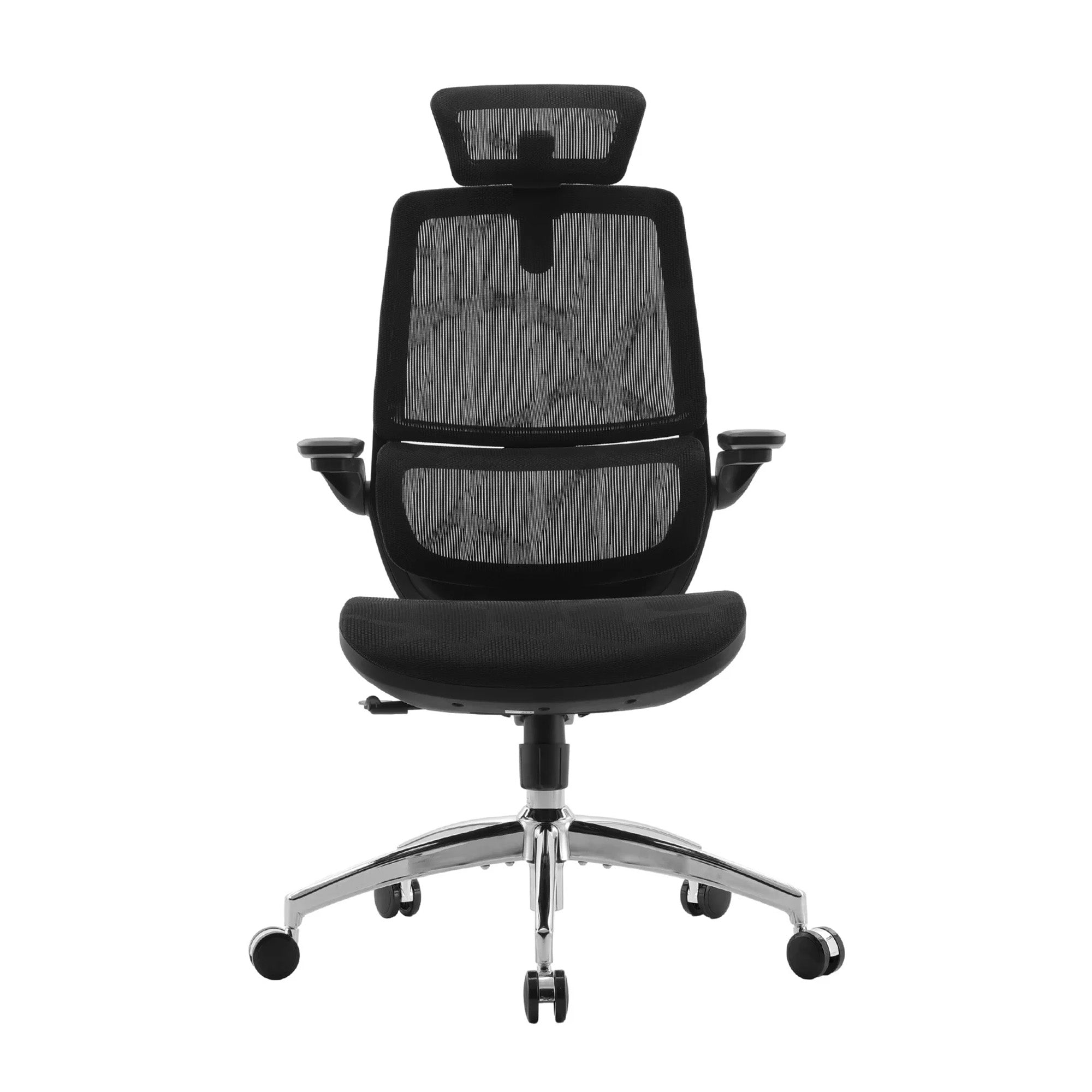
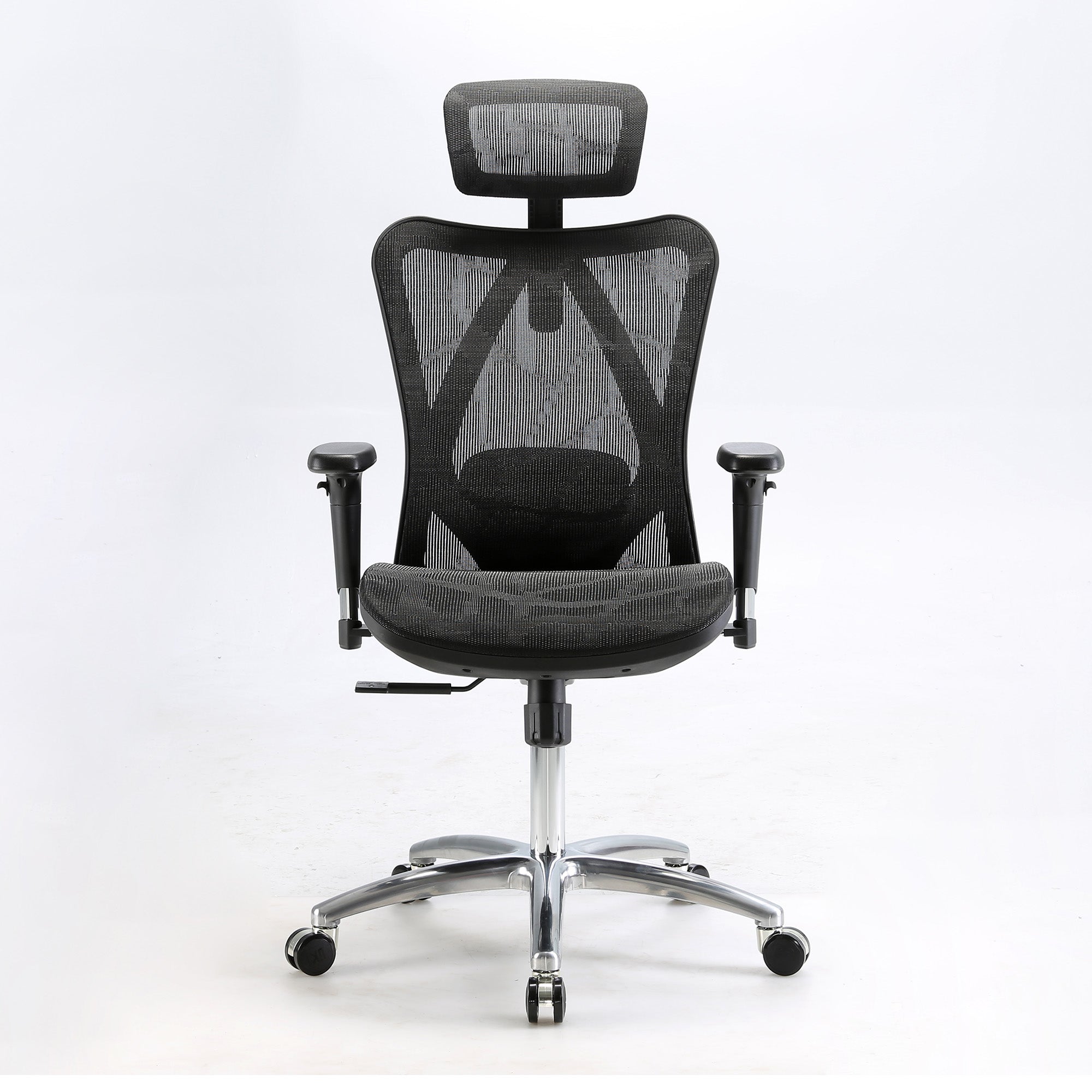
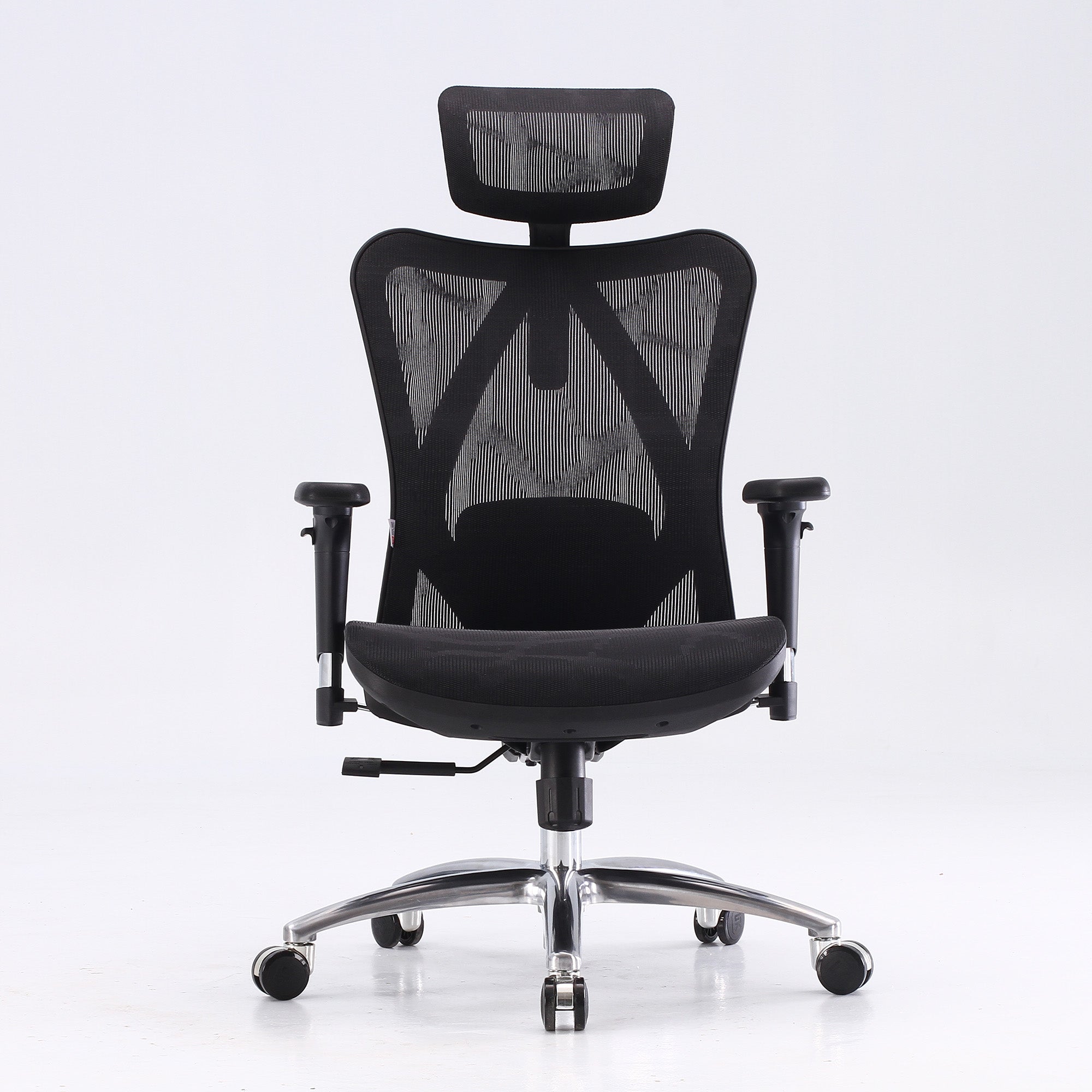
Solid entry option for users up to this range. Above it, check the compare tool before buying. |
|
Sihoo Doro C300 |
Specified for users between 150cm and 190cm |
An independent test by Notebookcheck found the backrest and headrest adjustment insufficient past approximately 180cm, despite the manufacturer's stated range. Worth weighing if you're above 180cm. |
|
Sihoo Doro S300 |
Backrest adjusts across five positions to suit 150cm to 190cm |
The widest stated range in the lineup, with independent adjustability across the backrest specifically built for that spread. |
|
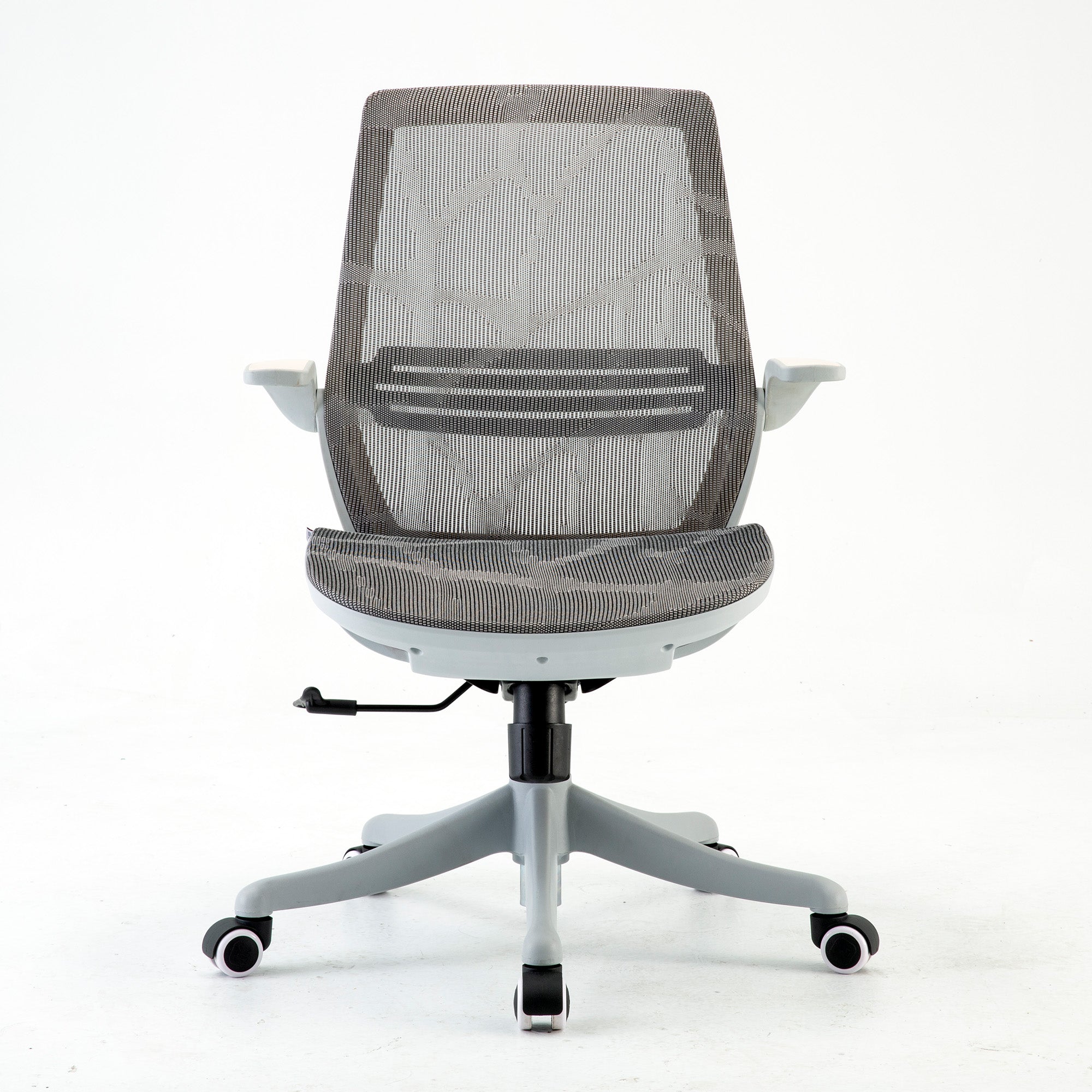
Sihoo V1 |
Not marketed specifically for tall users |
Multiple Australian buyer reviews note it suits users up to roughly 175cm well, with fit becoming noticeably tighter above that. Not the first option to consider above 175cm. |
The Doro S300 and Doro C300 note is the direct answer to the complaint that prompted this rewrite. The manufacturer's stated range and independent testing don't fully agree on the C300, which is worth knowing plainly rather than repeating only the manufacturer figure.
Big and Tall: When Weight Capacity Matters as Much as Height
Two Different Specs, Often Confused
Height and weight capacity are separate specs, and a chair suited to your height isn't automatically rated for your weight. Check both independently, since a frame built for a tall, lighter user can flex or wear faster under a heavier load it wasn't rated for.
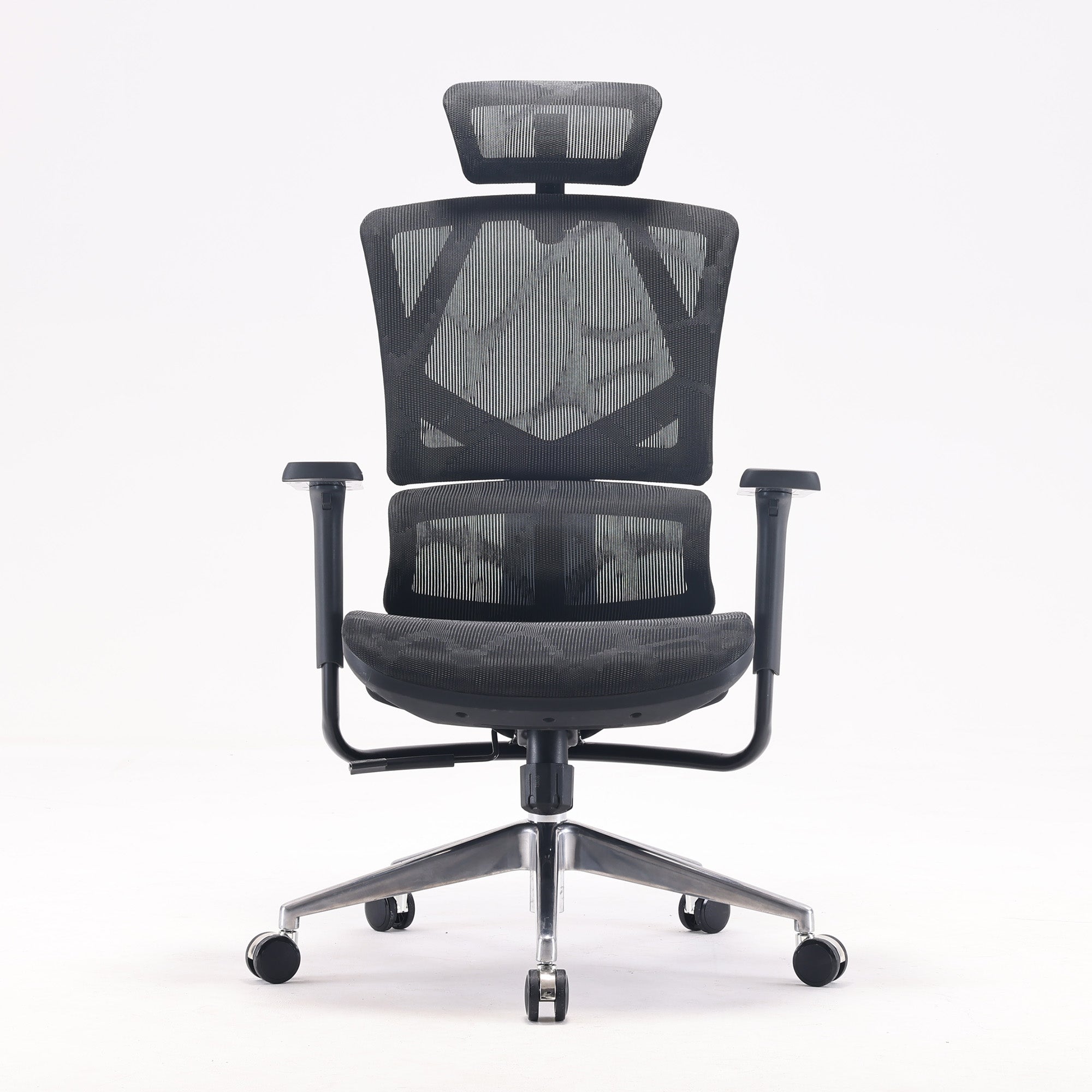
The M18 carries a higher weight rating relative to its price point, making it a reasonable starting point for big and tall users on a budget. The Doro C300 and Doro S300 both carry higher weight ratings again, alongside their extended height range, which is why they come up repeatedly for users who are tall and want a higher weight capacity in the same chair rather than choosing between the two.
For Workplaces: Fitting a Team With a Wide Height Range
One Model Rarely Covers Everyone
A team with a wide height range, particularly one including several tall staff, is poorly served by standardising on a single chair model. The compare products tool can be run against multiple team members' heights individually before an order is placed, which catches mismatches before delivery rather than after complaints start coming in. For larger or mixed-height orders, Sihoo's wholesale office chairs programme handles bulk pricing and can advise on model mix for a team spanning a wide height range.
Once chairs arrive, correct adjustment matters as much as the right model. A tall user in the right chair left at factory settings still won't get the fit they paid for.
The full setting-by-setting sequence is at how to properly adjust your ergonomic chair, worth running through regardless of how well the model itself was matched.
Conclusion
Measure legs, not height.
The single biggest fix for tall-user chair shopping is dropping the shortcut of matching a chair to overall height. Measure floor to knee crease instead, then check that number against a specific model's confirmed range rather than a general 'suits tall people' claim. The Doro S300 currently has the widest confirmed range in the lineup, the Doro C300 is strong on paper but worth checking carefully above 180cm given independent test findings, and the V1 is not the first option once you're past about 175cm.

Run your exact height through the compare products tool before buying, rather than relying on a general height bracket, including the ones in this guide.
Better Comfort Starts Now.
Frequently Asked Questions
Treat them as a starting point, not a guarantee. Independent testing has found at least one model in the range performs differently from its stated specification above a certain height. For a bulk order, it's worth trialling the specific model with your tallest and shortest staff before committing to volume.
Avoid standardising on a single model. Run the compare tool against individual team members' heights before ordering, particularly for anyone notably taller or shorter than average, and expect to order across two or three models rather than one for a genuinely mixed-height team.
Not automatically. Height range and weight capacity are separate specifications. Check both independently rather than assuming a chair rated for tall users is also rated for higher weight, or the reverse.
None in the current range are specifically rated above 190cm. The Doro S300 has the widest confirmed range up to that point. Above 190cm, check the compare tool for the closest match and confirm the exact seat height and backrest range before buying, since fit becomes tighter the further above the stated range you sit.
The stated range is usually based on overall height, not leg length or torso proportion. Two people at the same height can have meaningfully different leg lengths. Check the chair's actual seat height range against your floor-to-knee measurement specifically, rather than trusting a height bracket alone.
Not a single number, it depends on your leg length specifically, measured from the floor to the back of your knee while seated on a surface with your legs hanging freely. Match the chair's seat height to that measurement, not to a general height bracket.
Often more than a higher setting. Height affects seat height, but also backrest height, headrest reach, and seat depth, since taller users frequently have longer torsos and thighs as well as longer legs. A chair with enough seat height range but a backrest that stops short of your shoulders still leaves you unsupported.
Shop products from this article


Comments
In this arcticle you show an image displaying how people 183cm tall need 60cm of chair hieght but then all the chairs you link are like 5cm under that?!?! How can you claim to be making chairs for tall people and just straight up go against your own reesearch?