


When assessing workspace infrastructure, finance teams and business owners treat commercial seating as a standard, sunk capital expense. However, upgrading your seating infrastructure yields measurable financial returns. Whether you are outfitting a corporate office in Sydney, designing a remote work setup, or upgrading a dedicated gaming station, the fiscal impact of poor posture is substantial.
Our team at Sihoo has analysed the commercial implications of seating ergonomics. Substandard seating drives down daily operational margins via chronic physical fatigue, increased absenteeism, and accelerated staff turnover.
This comprehensive guide breaks down the financial dynamics of strategic asset procurement, specifically focusing on the upcoming EOFY sales in Australia. By timing your workspace upgrades with these upcoming office chair deals, you can capitalise on tax incentives while mitigating long-term workplace health costs. We will outline the exact return on investment (ROI) metrics behind commercial furniture deployment, showing how choosing ergonomic office chairs on sale during the EOFY sale 2026 shifts seating procurement from an expense to an appreciating operational investment.
Are Ergonomic Chairs Fully Tax-Deductible for Australian Businesses?
The most immediate financial return on premium seating procurement comes from direct tax incentives provided by the Australian Taxation Office (ATO). For asset deployment across corporate headquarters or home office spaces, understanding how ergonomic chairs are classified under current tax frameworks can significantly reduce your net acquisition costs.
Under standard ATO guidelines, business entities can claim immediate deductions or structural depreciation based on the purchase value of asset units:
-
Assets Under $300: Fully deductible within the current financial year if utilised primarily for income-producing operations.
-
Assets Over $300: Eligible for calculated depreciation schedules based on the effective life cycle of the furniture, or deductible via the Instant Asset Write-Off framework for eligible small-to-medium enterprises (SMEs).
When planning asset procurement around the EOFY in sales Australia, timing your purchase allows your enterprise to claim these deductions against the current fiscal period's taxable revenue.
|
Asset Procurement Tier |
Immediate Write-Off Eligibility |
Long-Term Depreciation Treatment |
Net Financial Impact |
|
Standard Task Seating (<$300) |
Eligible for 100% immediate deduction under standard asset thresholds. |
Not applicable; fully expensed in Year 1. |
Immediate reduction in current-year taxable income. |
|
Premium Ergonomic Solutions (>$300) |
Eligible via Instant Asset Write-Off provisions for qualifying SMEs. |
Depreciated over an effective lifespan of 10 to 15 years under standard capital rules. |
Substantial multi-year tax offsets or immediate capital expense reduction. |
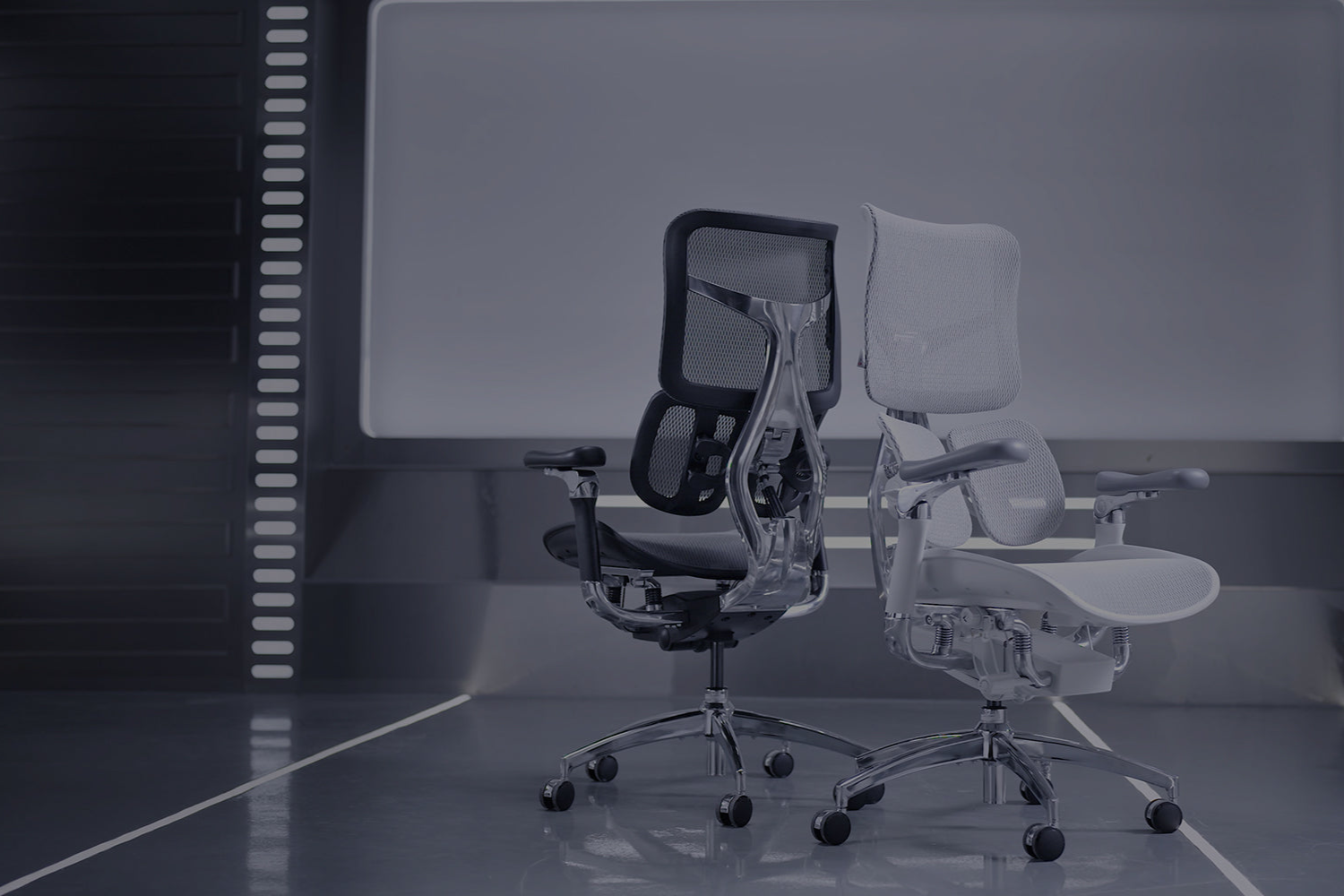
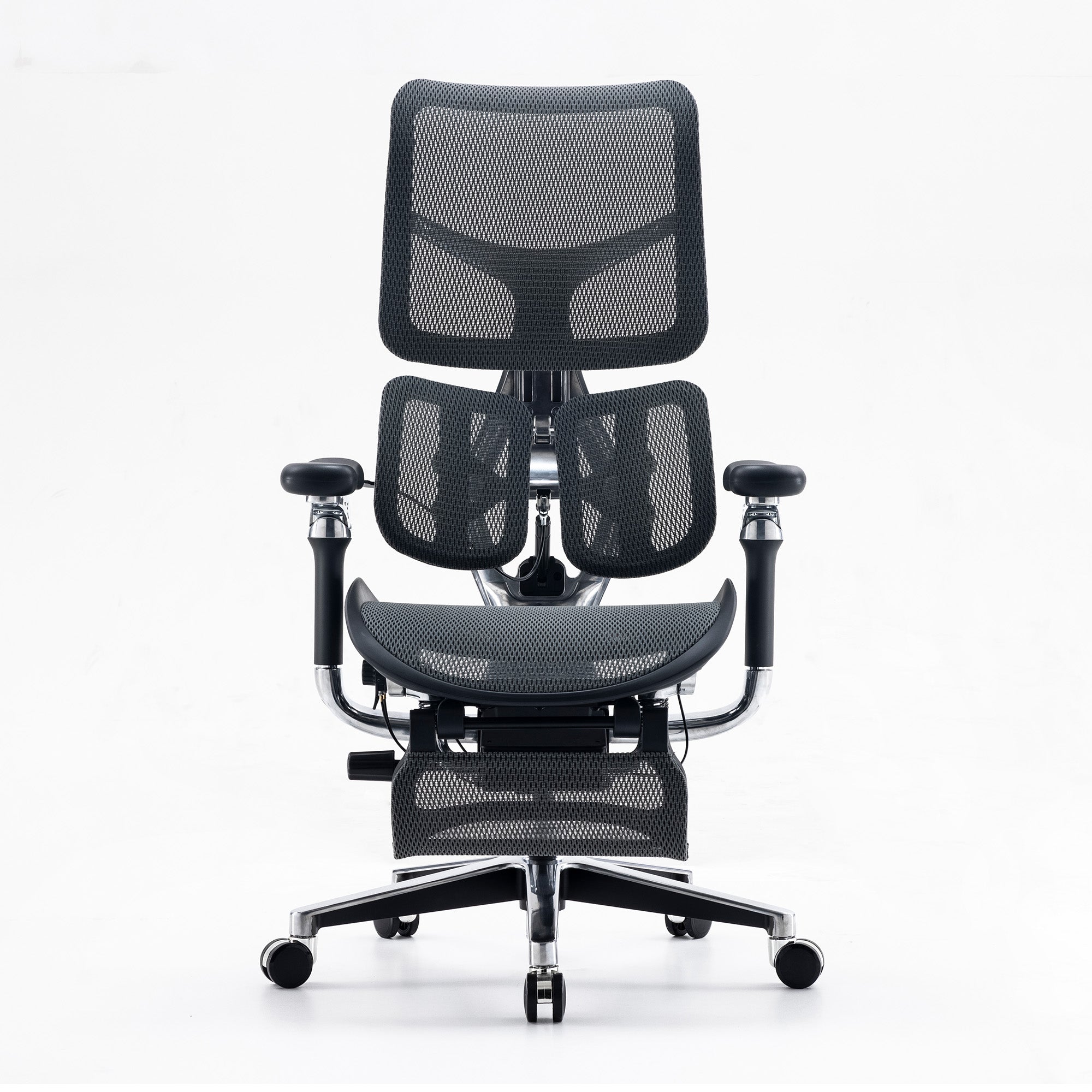
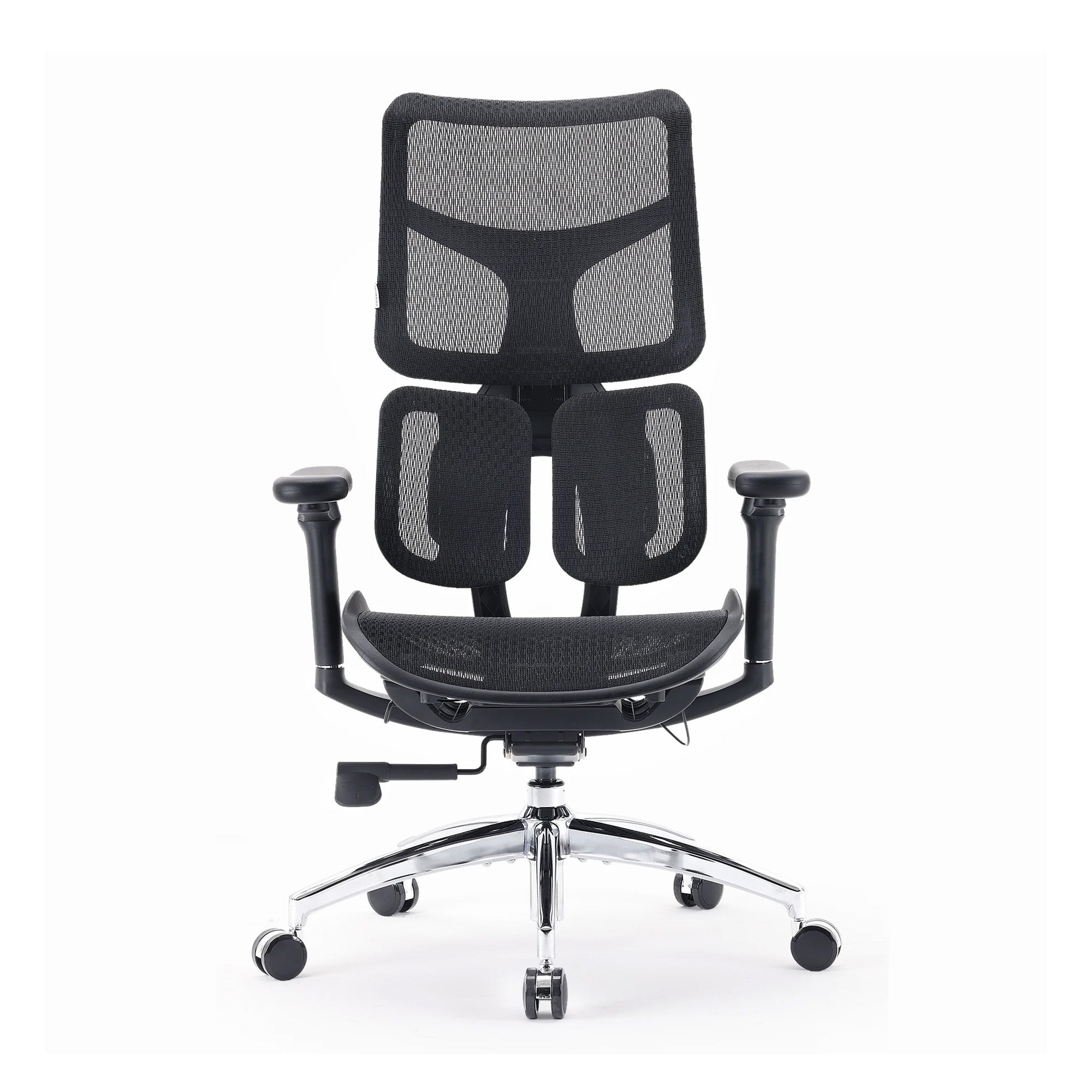
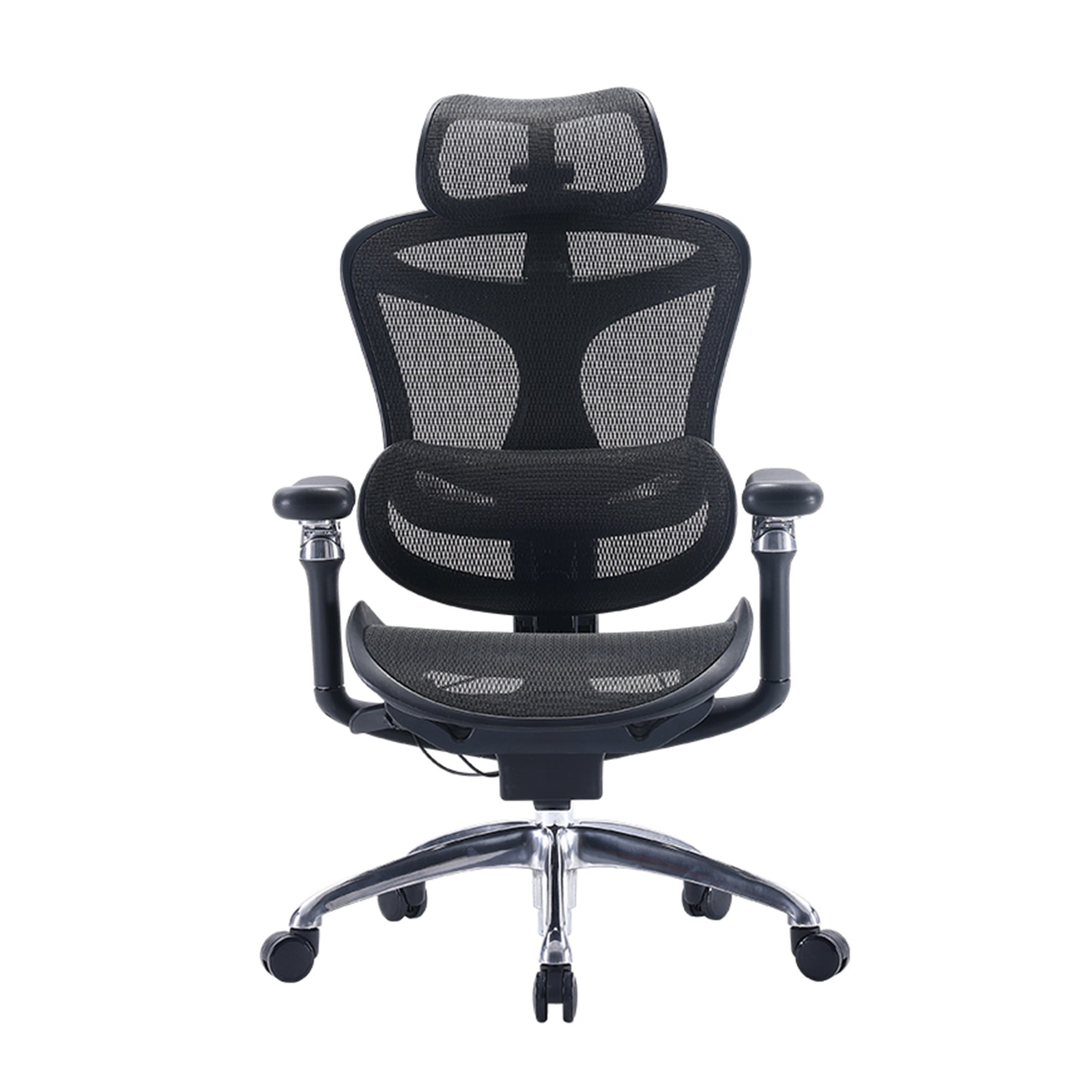
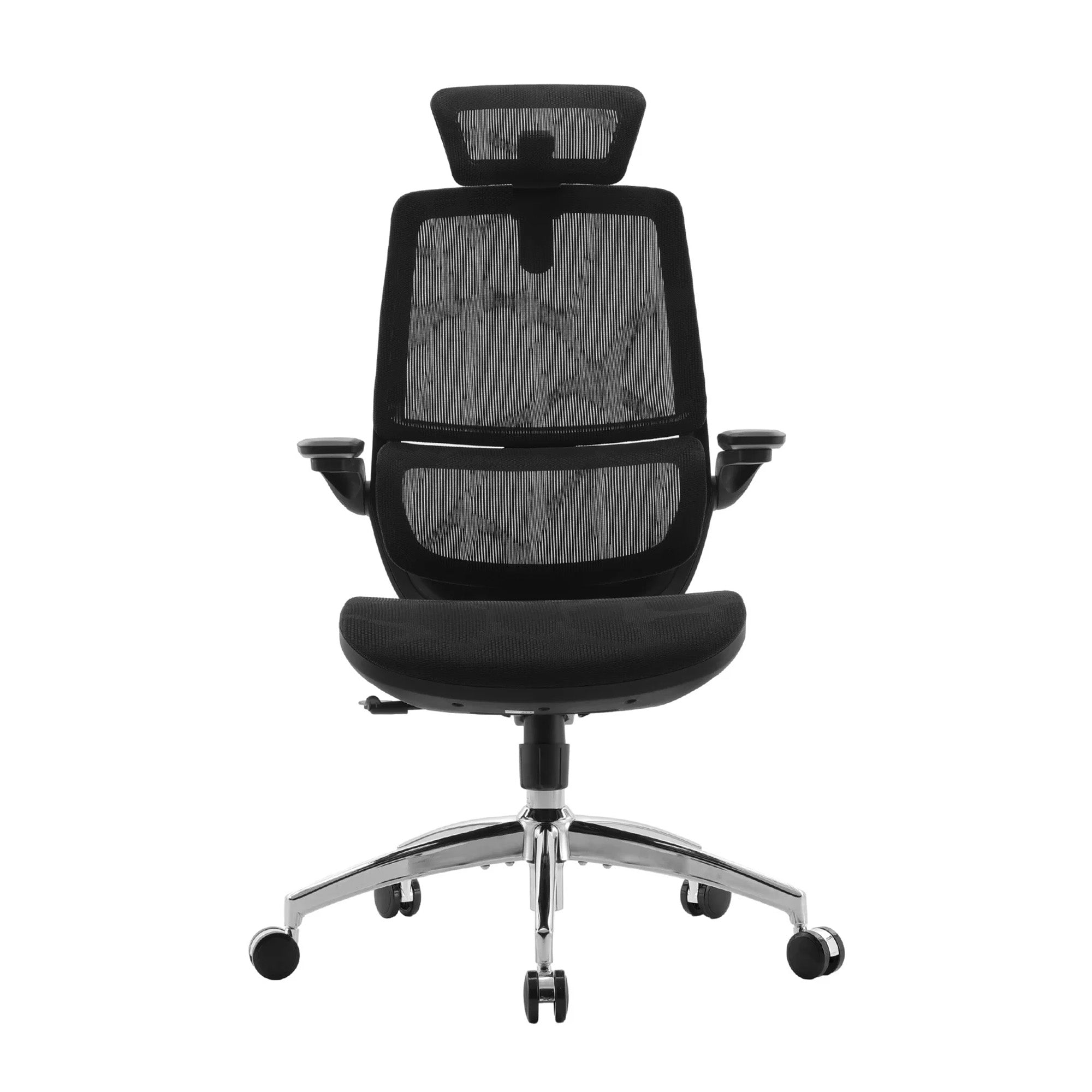
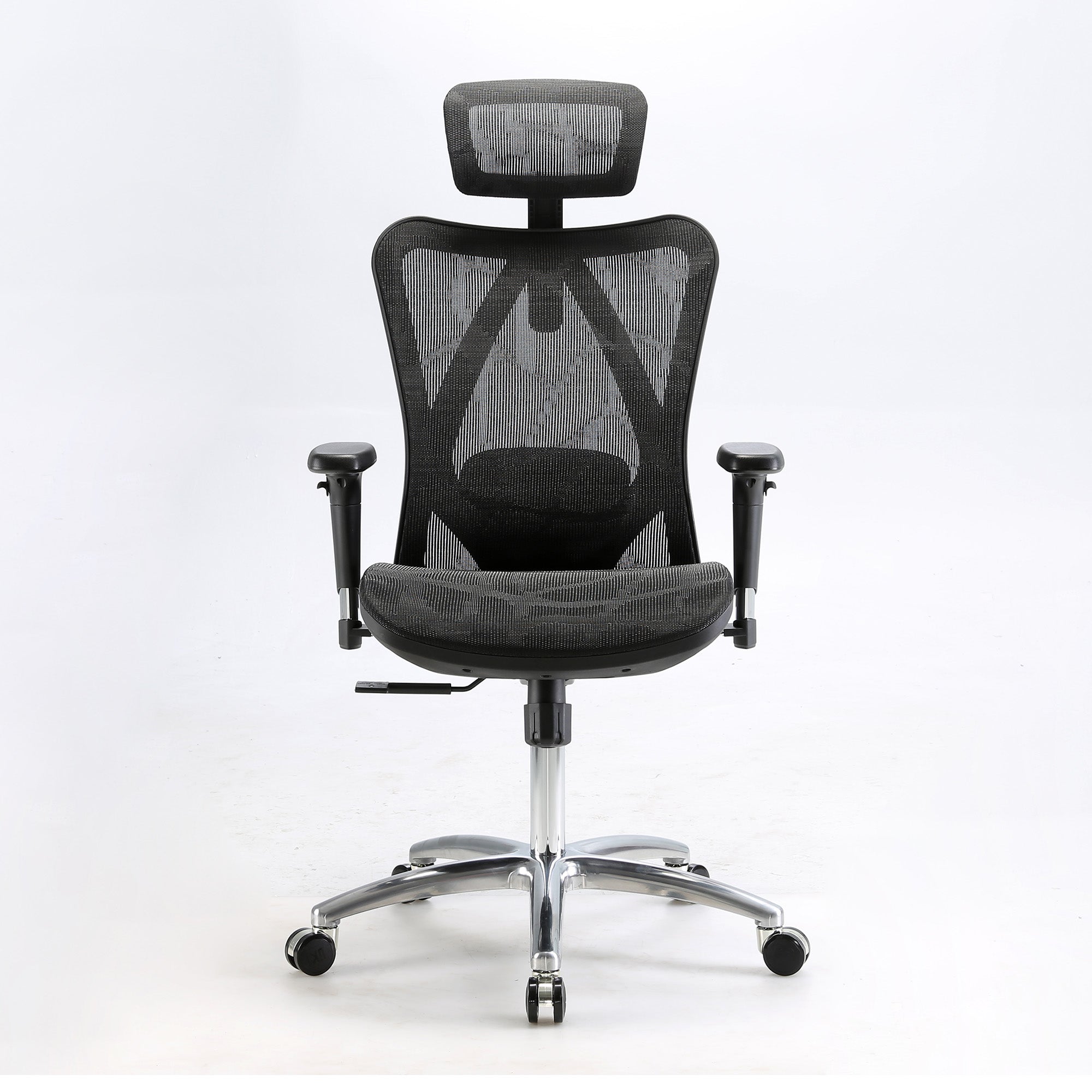
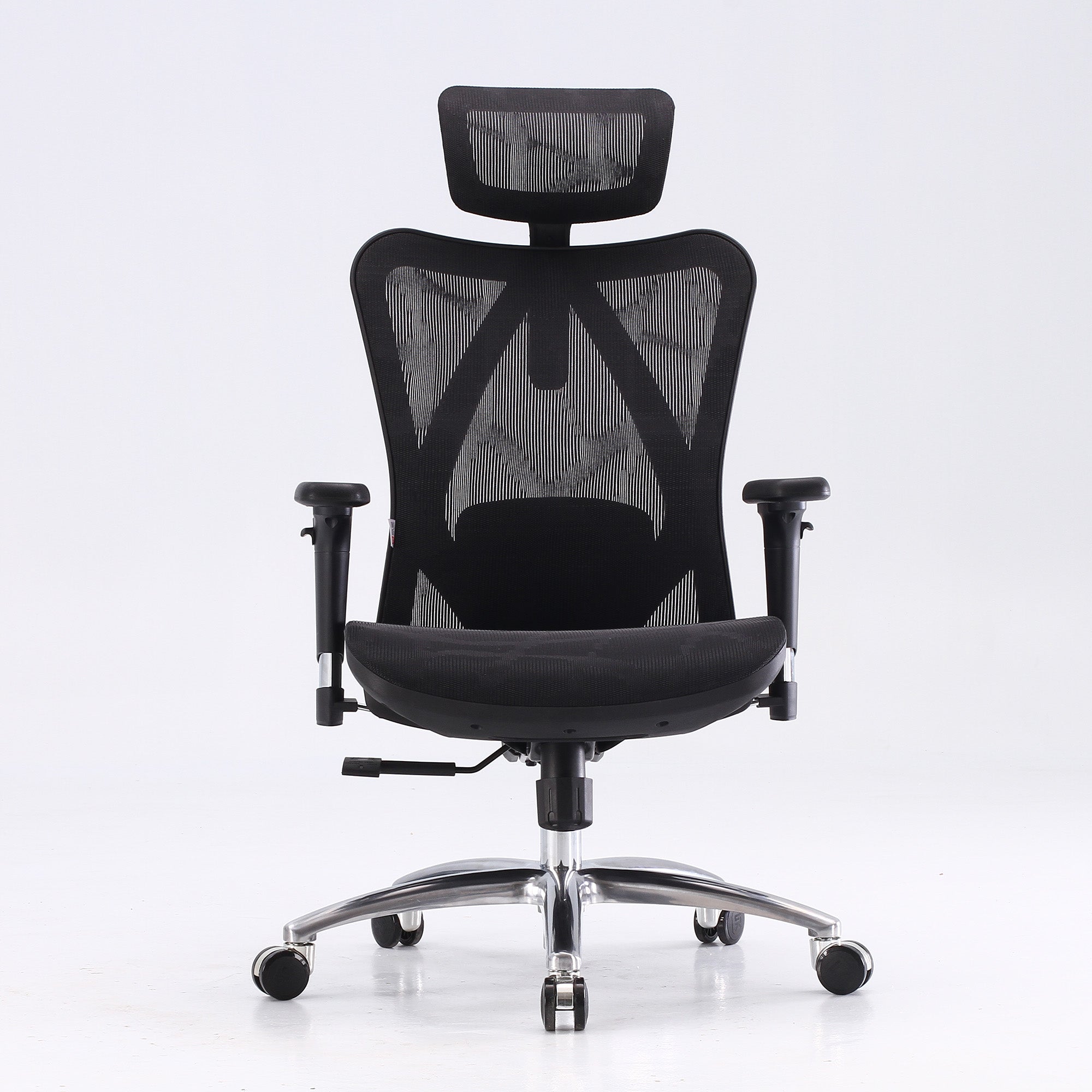
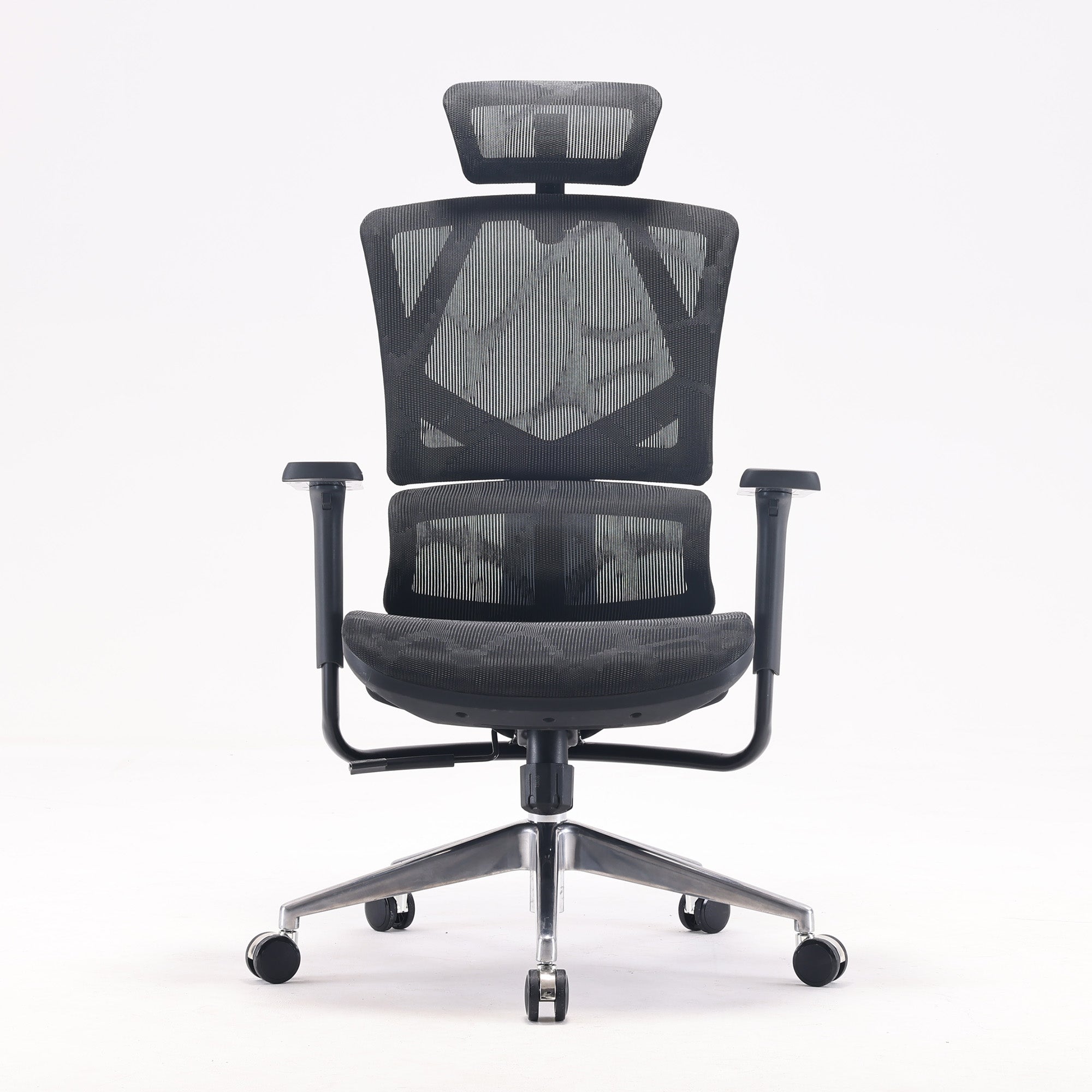
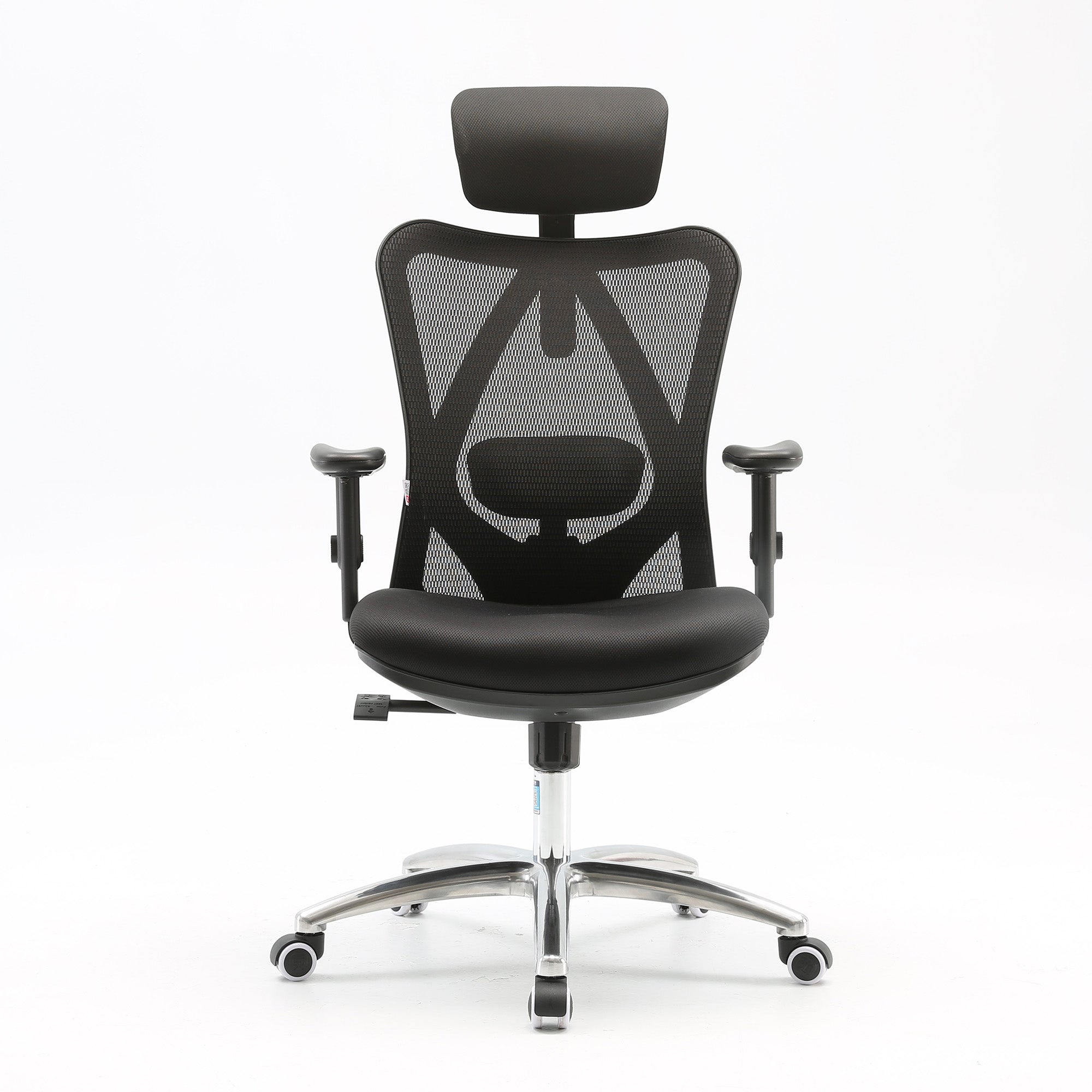
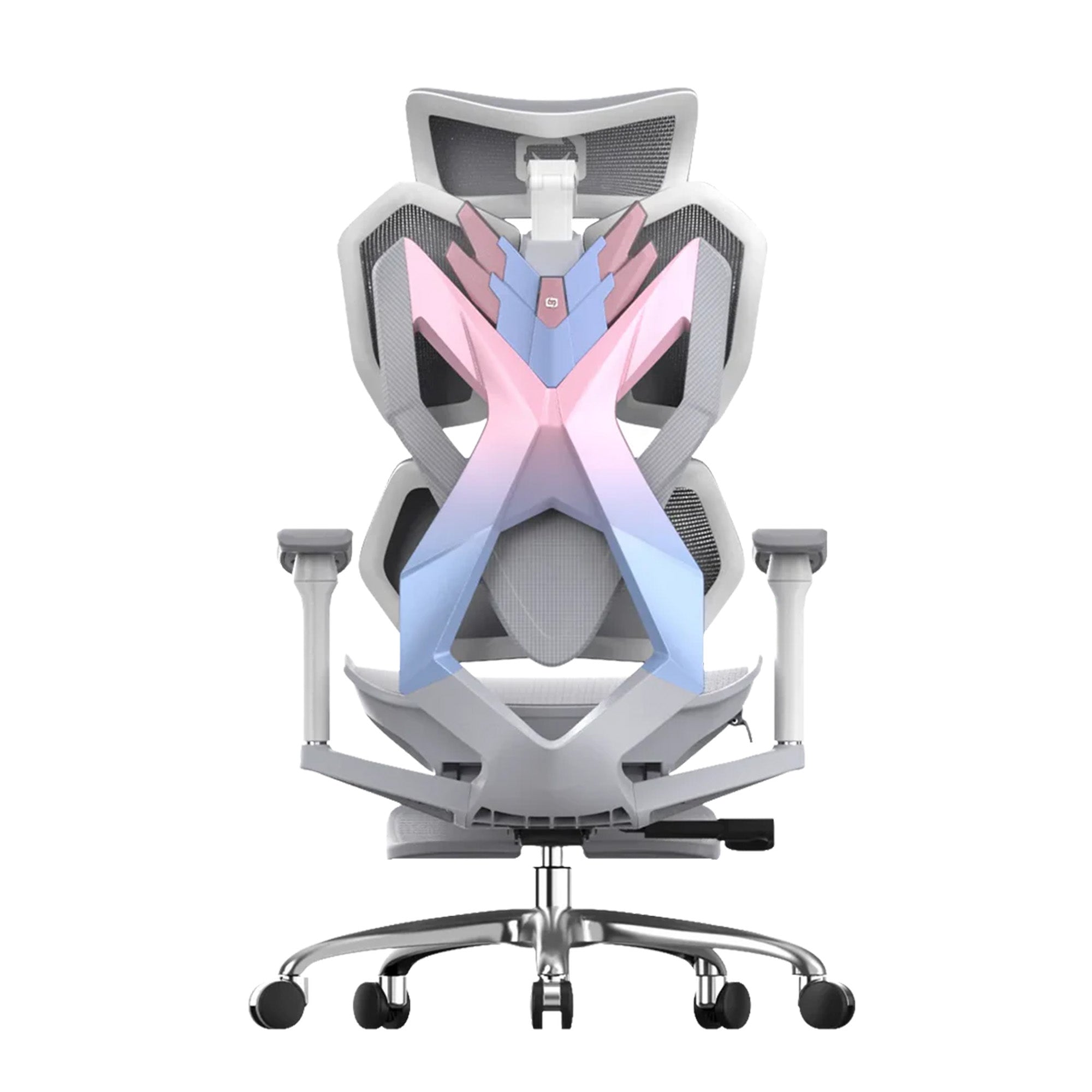
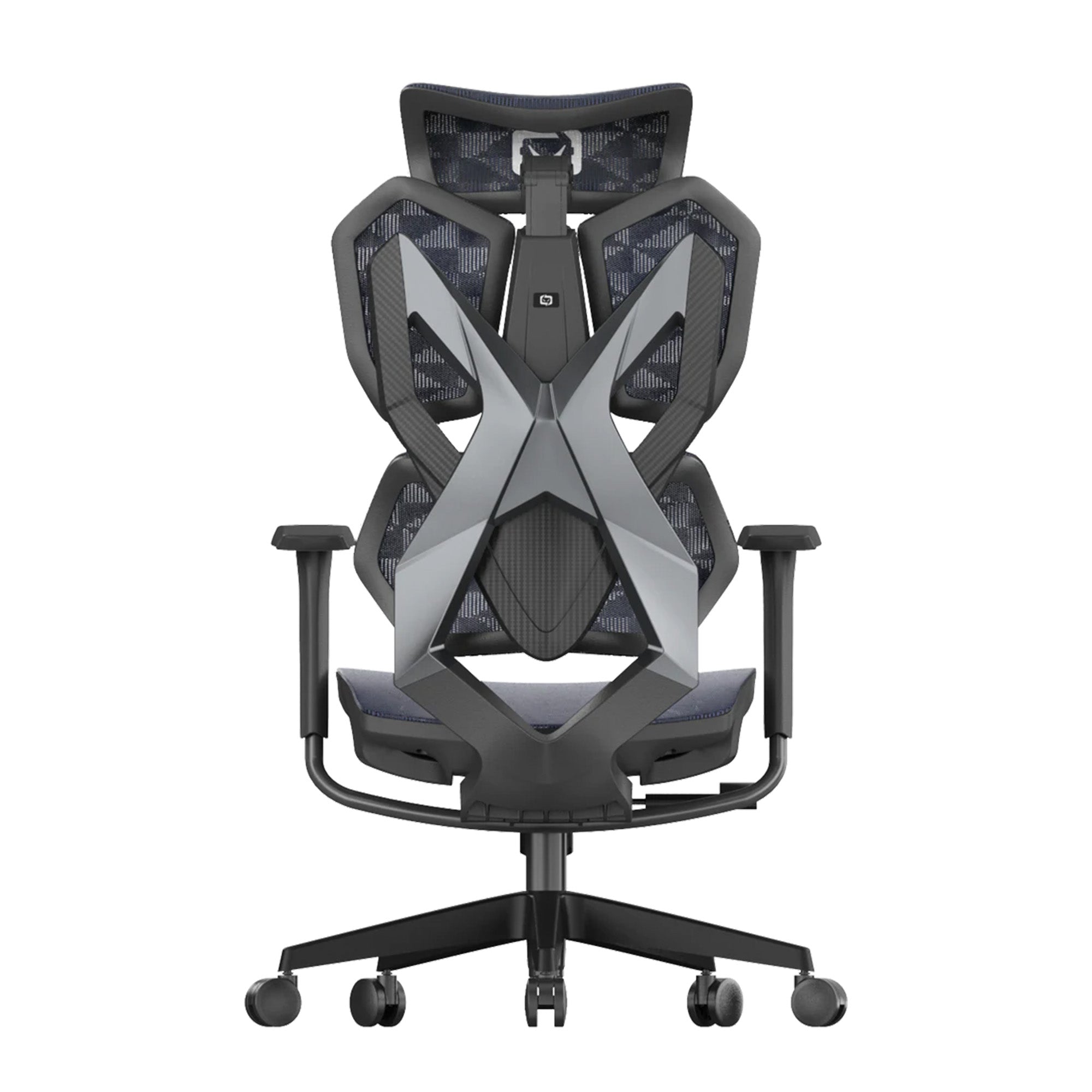
By acquiring commercial-grade seating options like the Sihoo M57 Ergonomic Office Chair or the advanced Sihoo DORO S100 Ergonomic Office Chair during seasonal promotional windows, procurement managers can combine upfront price reductions with optimised end-of-year tax positioning. This balance lowers total cost of ownership (TCO) while enhancing staff ergonomics.
How Do Ergonomic Chairs Lower Corporate Absenteeism and Workers' Comp Costs?
Repetitive Strain Injuries (RSIs) and Musculoskeletal Disorders (MSDs) are significant drivers of preventable corporate spending. According to Safe Work Australia data, lower back pain, neck strain, and shoulder tension account for a high percentage of worker absenteeism and successful workers' compensation claims.
Standard, static chairs lack adjustable support components, forcing the human spine into unnatural flexion. Over an eight-hour shift, this misalignment restricts blood circulation, causes disk compression, and inflames muscle groups.
Our design teams engineer adjustable support systems into every model to keep the pelvis, spine, and neck in optimal alignment.
By deploying seating that features multi-zone dynamic lumbar support, responsive armrests, and precise tilt mechanisms, enterprises can directly target the physical root causes of workplace injuries.
Procurement coordinators note a clear drop in physical strain complaints after using the Sihoo M57 Pro Ergonomic Office Chair. Reducing these physical issues helps mitigate the direct expenses of temporary staff cover, project delays, and rising insurance premiums.
Can Upgrading Workstations Increase Focus and Hourly Output?
The link between physical comfort and cognitive performance is clear. When an employee must constantly adjust to find a comfortable position, their focus is split, reducing their daily output.
Physical discomfort triggers micro-breaks, distractions, and cognitive fatigue. An employee dealing with lower back pain or shoulder tension will usually step away from their desk, shift around to get comfortable, or lose concentration. These lost minutes add up across a team, creating hidden drops in productivity.
Ergonomic seating provides a stable, comfortable physical foundation that helps extend periods of deep focus. Providing full-body support reduces the physical fatigue that typically builds up by mid-afternoon.
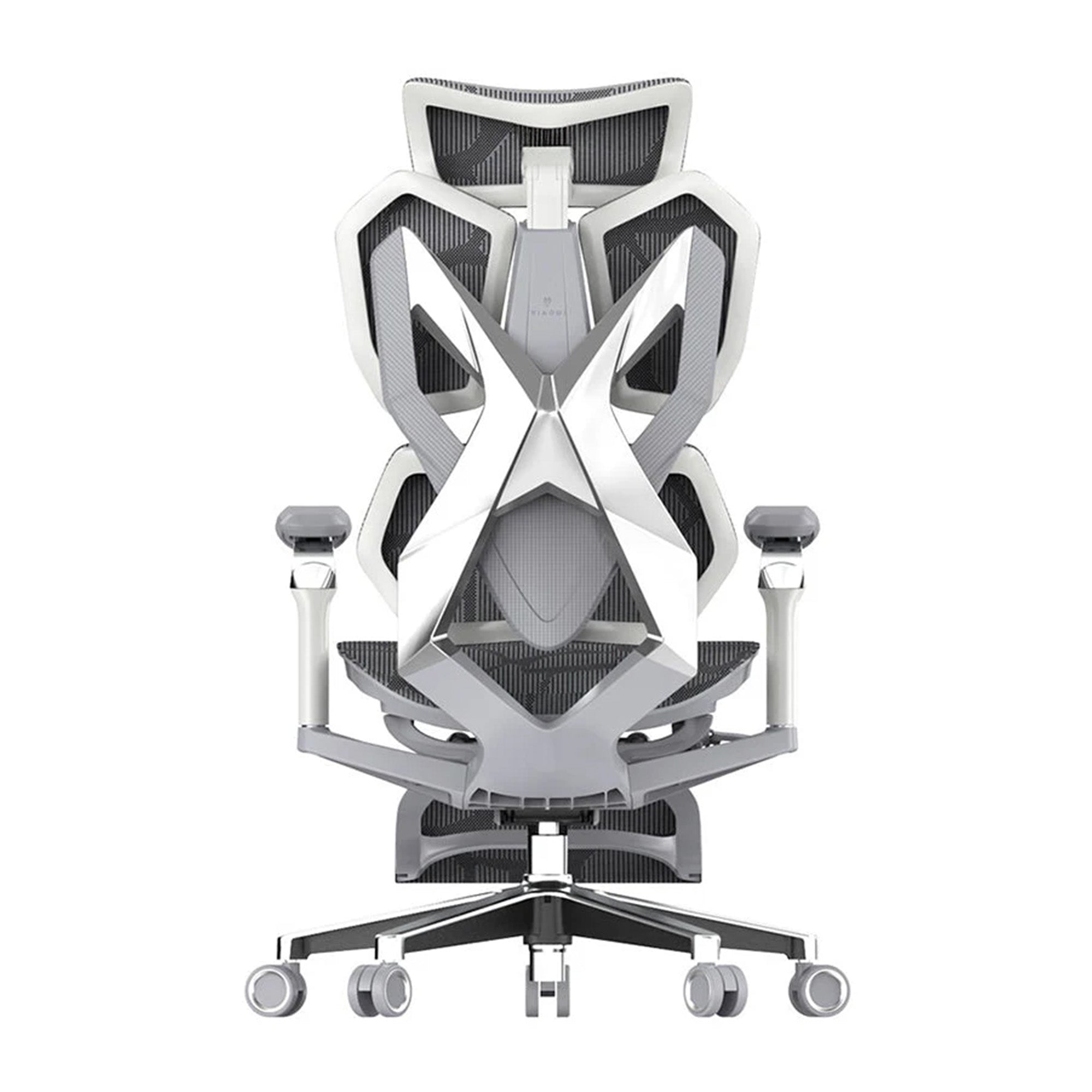
Whether an employee is managing spreadsheets or an avid gamer is settling into a long session on a specialised model like the XALLKING X5 Pro Ergonomic Gaming Chair, proper support maintains comfort over time. This sustained physical comfort keeps energy levels high, speeds up task completion, and improves accuracy across the workday.
How Does Ergonomic Infrastructure Improve Employee Retention and Talent Acquisition?
Nowadays, professionals look closely at a company's workplace culture and environment. Standard workspaces equipped with low-quality, basic furniture can suggest a lack of investment in staff well-being.
Providing premium ergonomic seating is a clear, day-to-day demonstration that an enterprise values the health and comfort of its team. This investment builds goodwill among current employees and serves as an attractive feature during recruitment.
High turnover brings significant costs, including recruitment agency fees, onboarding overheads, and lost productivity during training. Upgrading your office infrastructure helps lower these costs by building a more supportive, satisfying workspace.
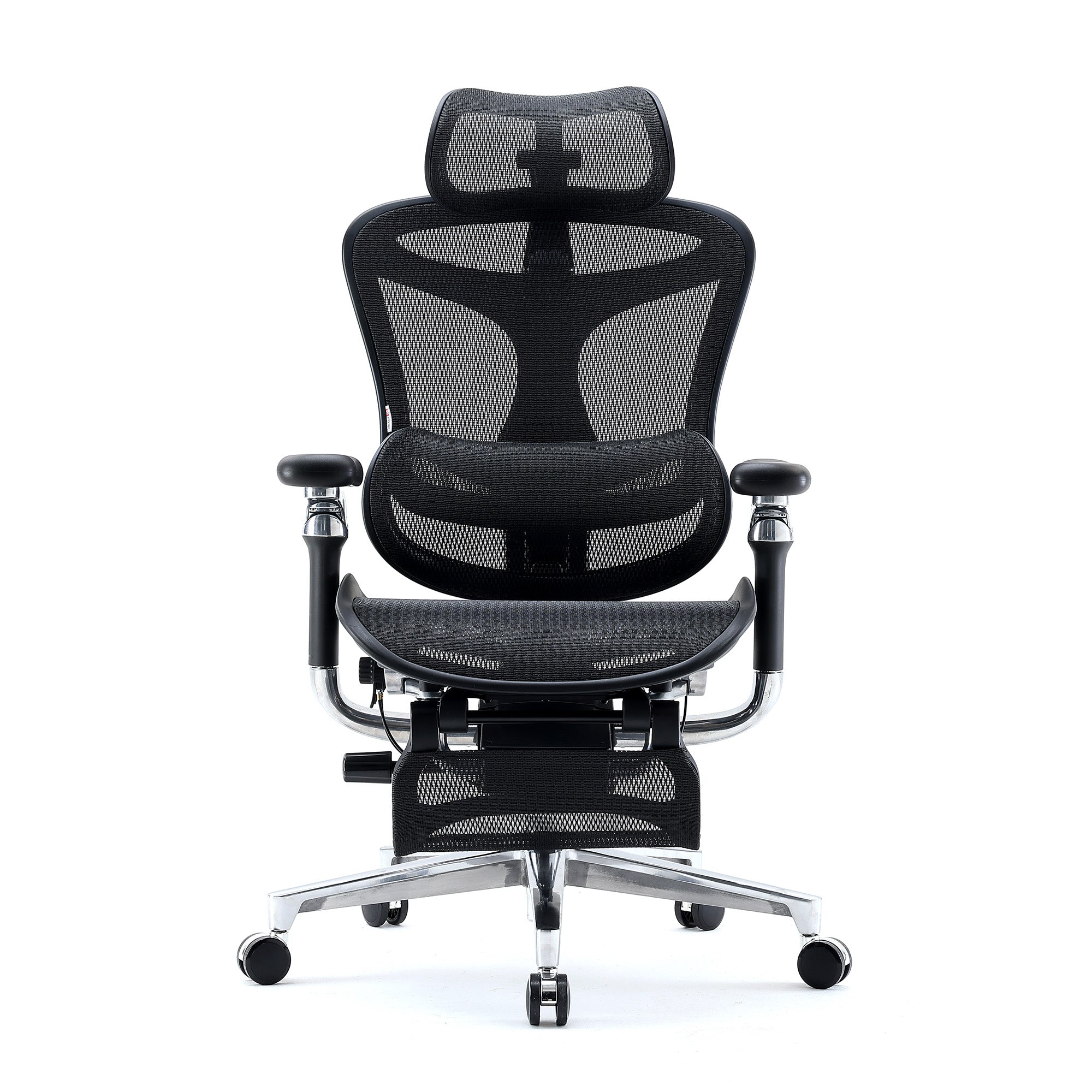
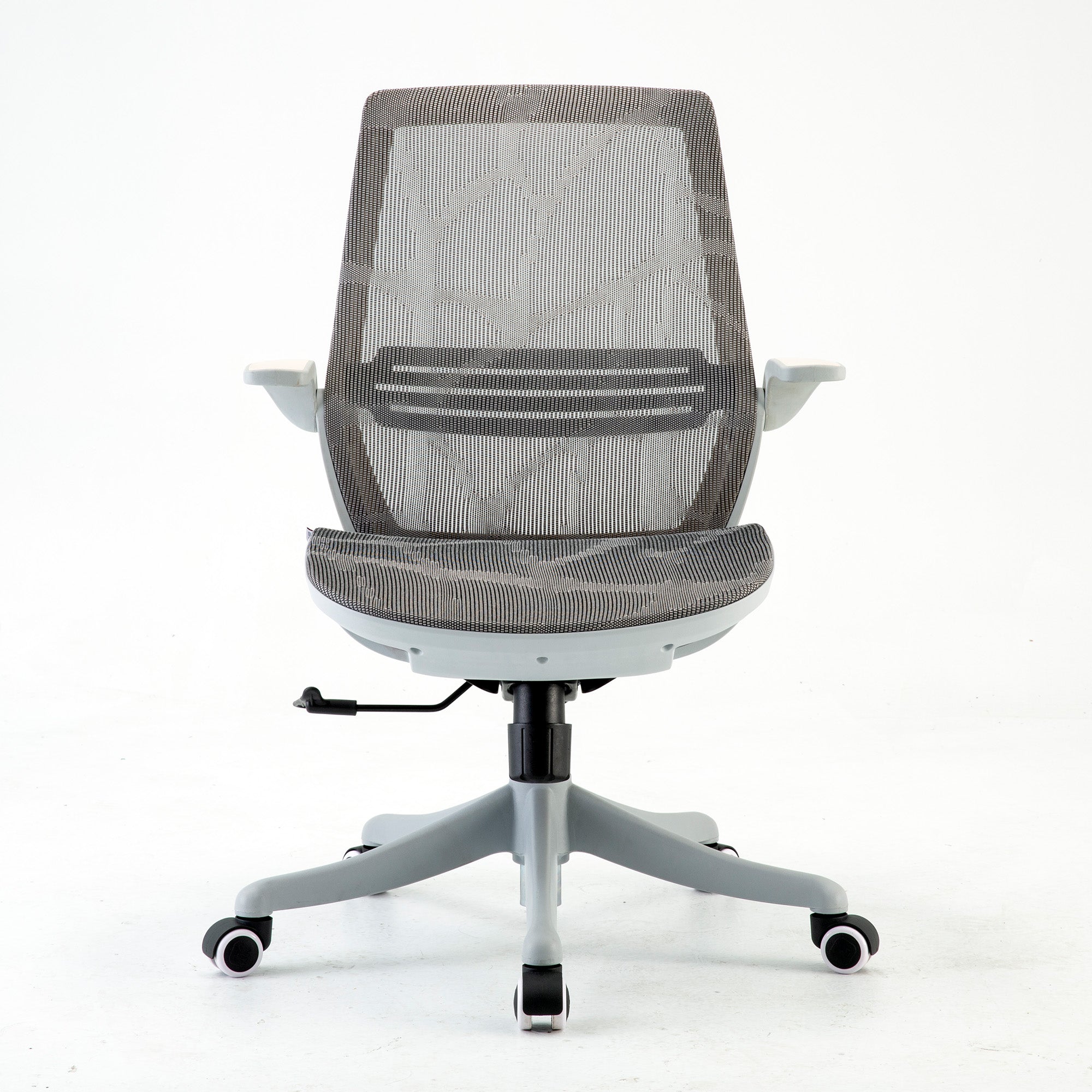
For companies using hybrid or fully remote work models, offering a premium chair stipend or providing a high-quality seat like the Sihoo A3 DORO-C300 Pro Ergonomic Office Chair helps keep distributed teams aligned and motivated. It shows remote staff that their physical health is supported, wherever they are working.
What Is the Multi-Year ROI of Durable Seating vs. Cheap Office Chairs?
Procurement departments are tempted to choose low-cost office chairs to save on immediate capital layout. However, these cheap options frequently cost more over time due to short replacement cycles and poor durability.
Low-cost task chairs are typically made with low-grade plastics, thin foam padding, and basic structural mechanisms. Under heavy daily use, these components wear down quickly.
Cushions lose their elasticity, gas lifts fail, and frames warp within 12 to 18 months. This rapid wear creates a costly cycle of constant replacement, disposal fees, and ongoing administrative work.
Our team designs furniture to avoid this high total cost of ownership. We build our products using premium materials, high-tensile mesh fabrics, reinforced steel bases, and dependable gas lifts.
Models like the top-tier Sihoo DORO-S300 Ergonomic Office Chair are built for long-term commercial use. They adapt easily to different body types, meaning a single chair can comfortably serve multiple team members over its long lifespan, delivering excellent value year after year.
Capitalise on Lasting Financial Benefits This EOFY Season
Investing in high-quality ergonomic seating provides clear financial advantages, from reducing tax liability to lowering the costs of absenteeism and staff turnover. Upgrading your office furniture is a strategic choice that supports both employee health and company productivity.
With the EOFY sale 2026, businesses have an ideal window to upgrade their workspaces. Taking advantage of the upcoming EOFY sale in Australia and office chair deals allows you to secure premium seating at reduced prices while maximising your tax benefits for the current financial year.
Frequently Asked Questions
Ergonomics reduce costs by lowering the risk of work-related injuries, musculoskeletal issues, and employee discomfort that often lead to sick leave and absenteeism. Ergonomic chairs support proper posture and comfort, helping employees stay healthy and productive. Over time, this results in fewer medical claims, reduced downtime, and improved overall efficiency.
Yes, ergonomic chairs are worth the investment for anyone who spends long hours sitting. While they may cost more than standard chairs, their benefits such as reduced discomfort, improved posture, and increased focus often outweigh the upfront price. High-quality ergonomic chairs are built to last with durable materials and adjustable features that accommodate different users. For businesses, they also contribute to employee wellbeing and productivity, which can result in lower absenteeism and better overall performance.
Ergonomic chairs help employees stay comfortable and focused by reducing physical strain during long hours of sitting. When discomfort is minimised, workers are less likely to take frequent breaks or experience fatigue. This leads to better concentration, faster task completion, and higher-quality work.
Yes, ergonomic chairs can significantly reduce absenteeism by supporting proper posture and minimising strain on the body. By preventing common issues such as back pain and joint discomfort, employees are less likely to take sick leave. This consistency helps businesses maintain steady workflows and meet deadlines.
Ergonomic chairs are considered a smart long-term investment due to their health benefits and durability. Proper support can reduce the need for treatments related to back pain and musculoskeletal issues. High-quality ergonomic chairs are built to last, providing consistent comfort and value over many years.
Shop products from this article


Save up to 49% this Clearance Sale. Pay in 4 interest-free instalments with Afterpay.
SHOP NOWRecommended Posts


Gaming Chair Or Bean Bag: What To Choose?
Sep 13, 2026