


Remember the Great Scramble of 2020? We dragged kitchen chairs into spare bedrooms. We balanced laptops on stacks of books. It felt like a temporary adventure.
Fast forward to 2026. That "temporary" nook is now your permanent headquarters. But your body is finally lodging a formal complaint.
If you have a nagging ache in your lower back, you aren't just "getting older." You are likely suffering from a remote work equipment trend that stayed past its welcome. It is time for a serious ergonomic audit.
The Six-Year Slump
In 2020, survival was the priority. We didn't optimise for lumbar curves or seat depth. We just needed a stable Wi-Fi signal.
But physiology doesn't take breaks. Your spine is like a car's suspension. You can drive on a flat tyre for a few kilometres.
Try doing that for six years. By now, your muscles are permanently tight. Your discs are under constant pressure.
In Australia, musculoskeletal disorders remain a leading cause of work-related pain. Most of this stems from "MacGyvered" setups that lack real support. Your 2020 dining chair was never built for an eight-hour shift.
The Rise of High-Tech Seating
The market has changed since the early days of the pandemic. We have seen a massive shift toward specialised ergonomic office chairs.
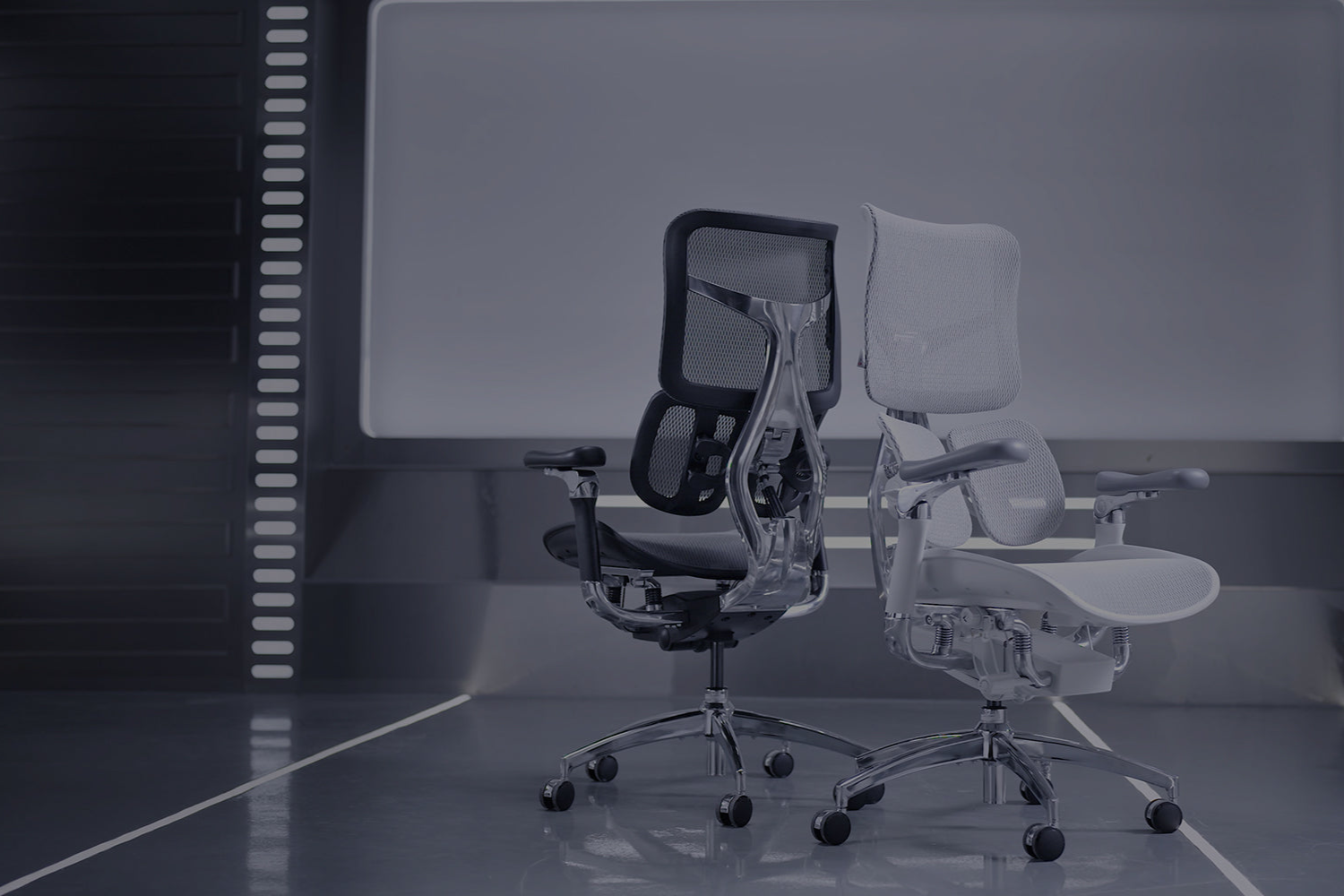
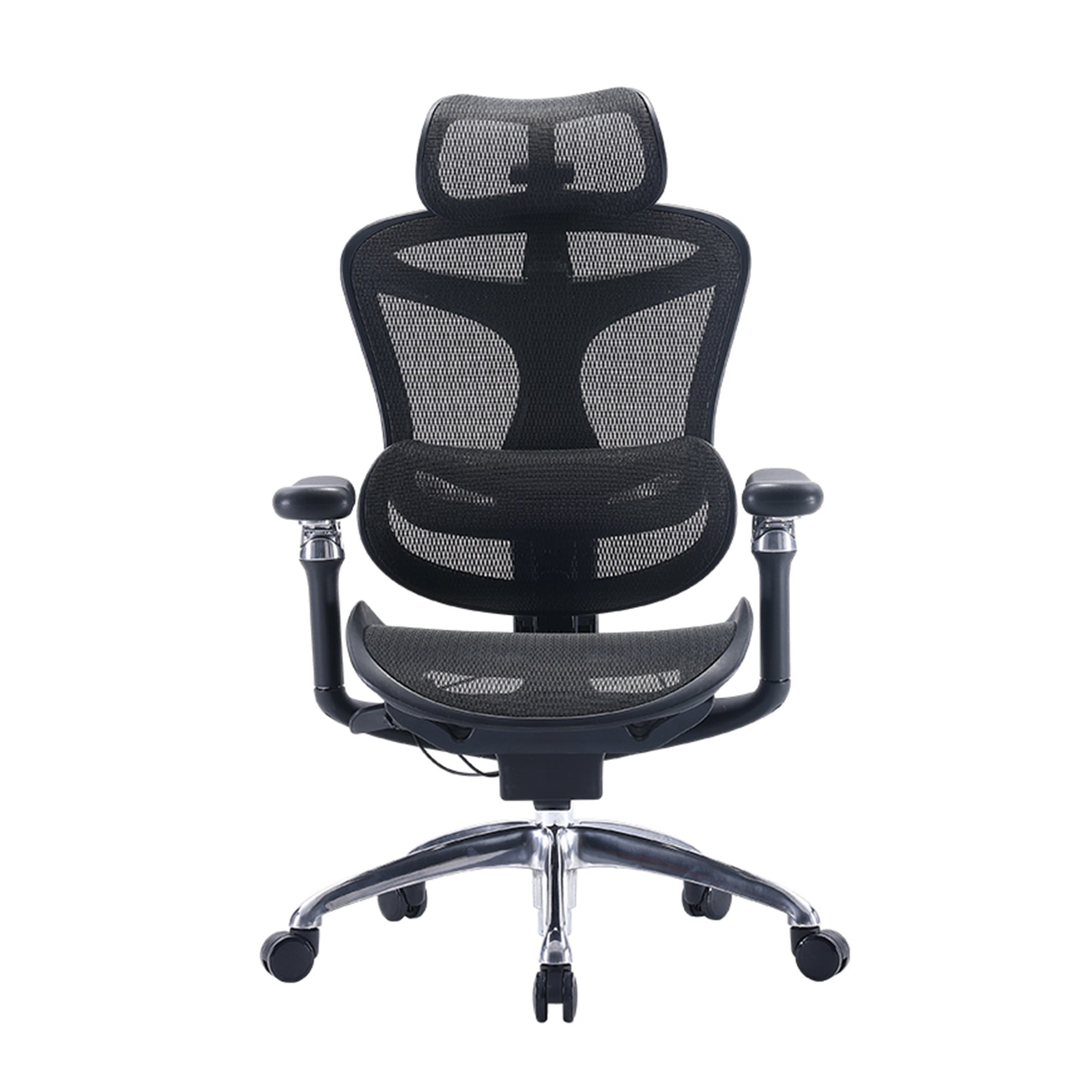
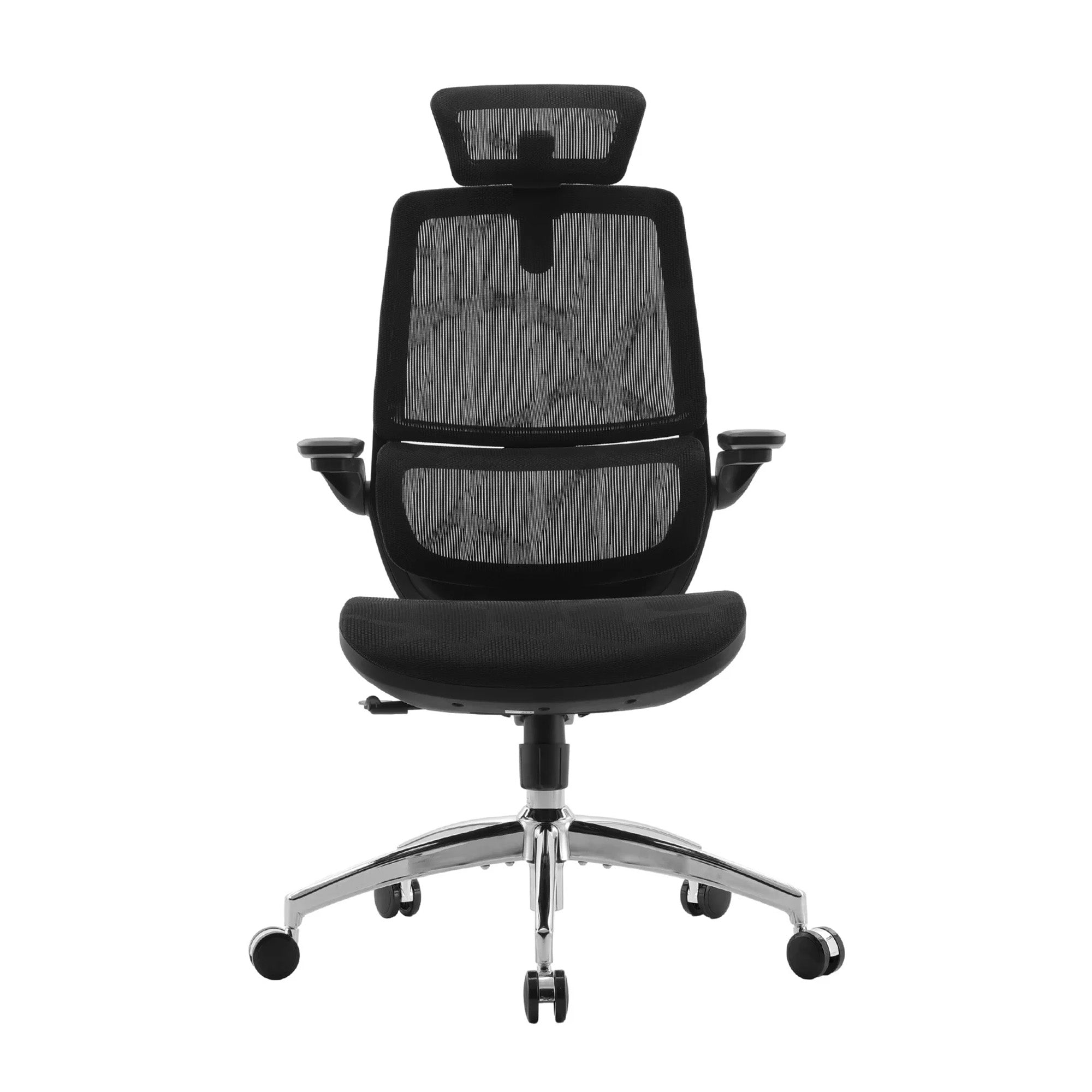
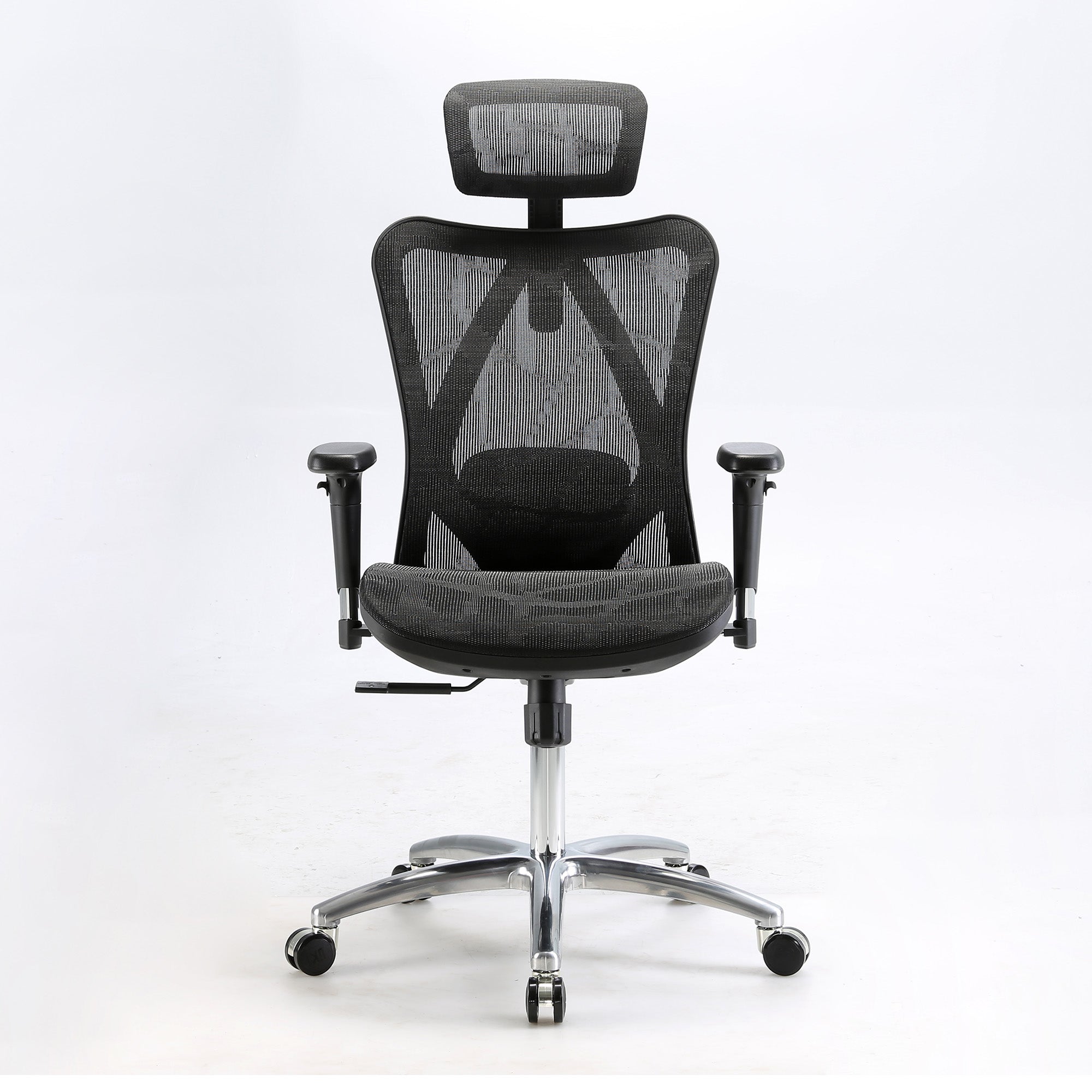
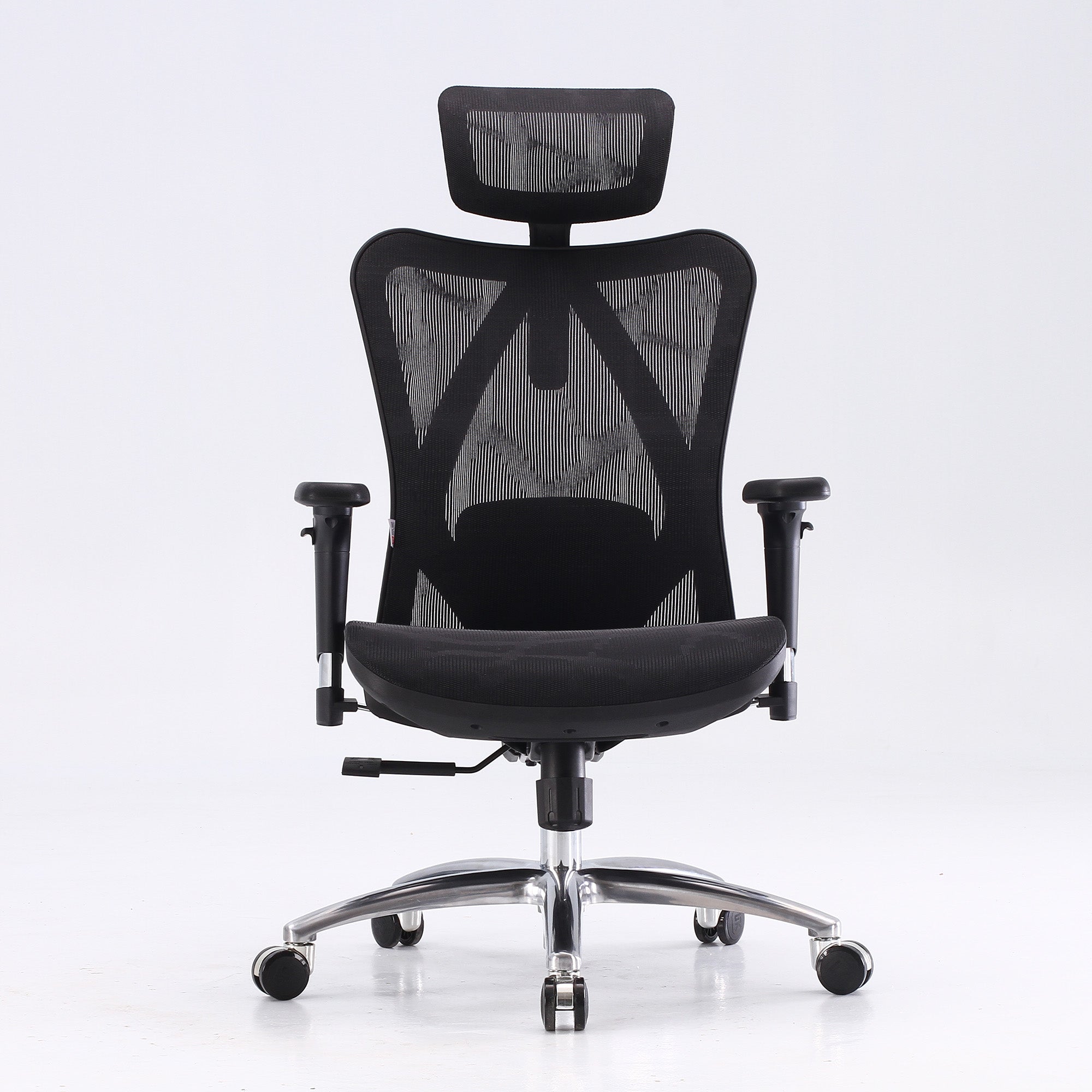
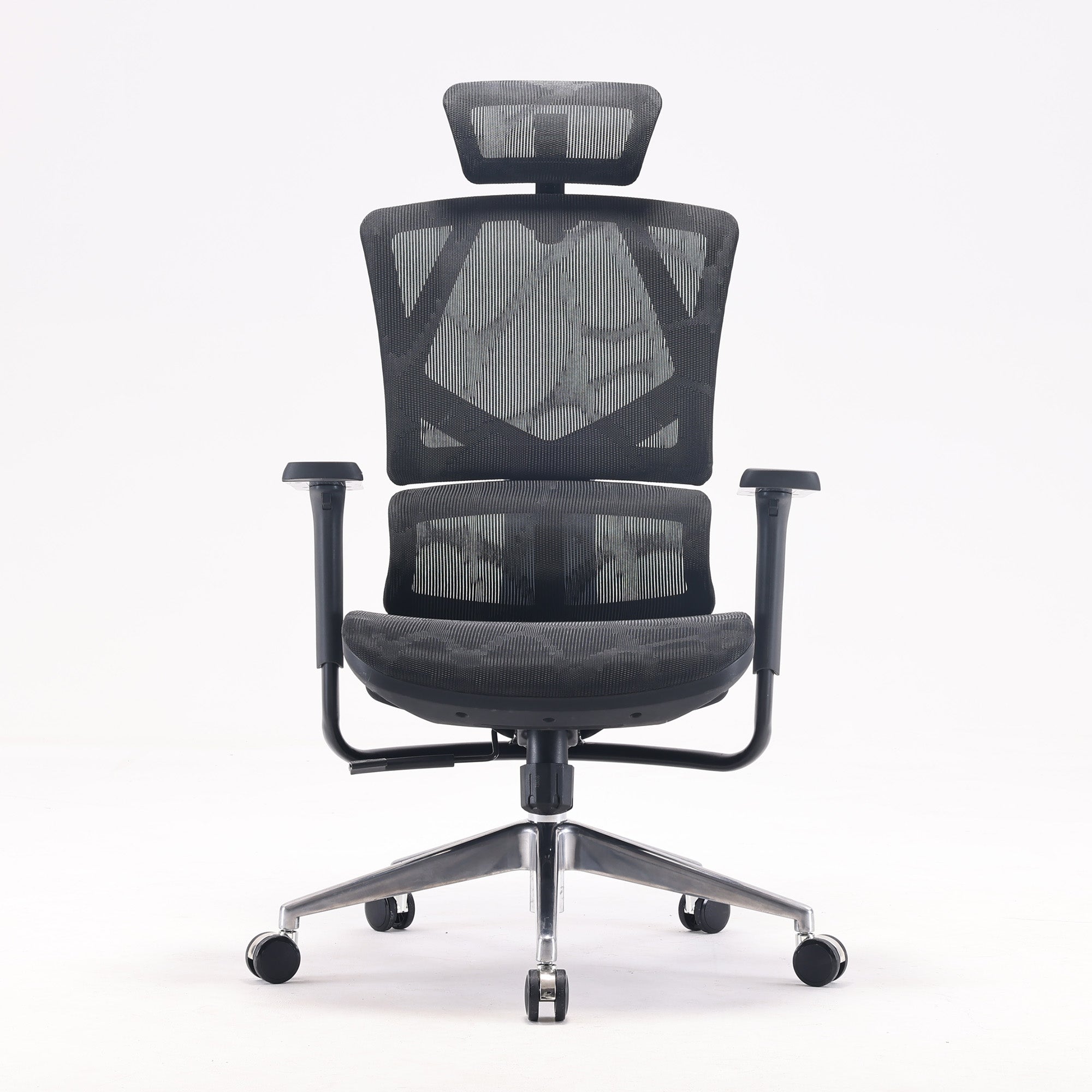
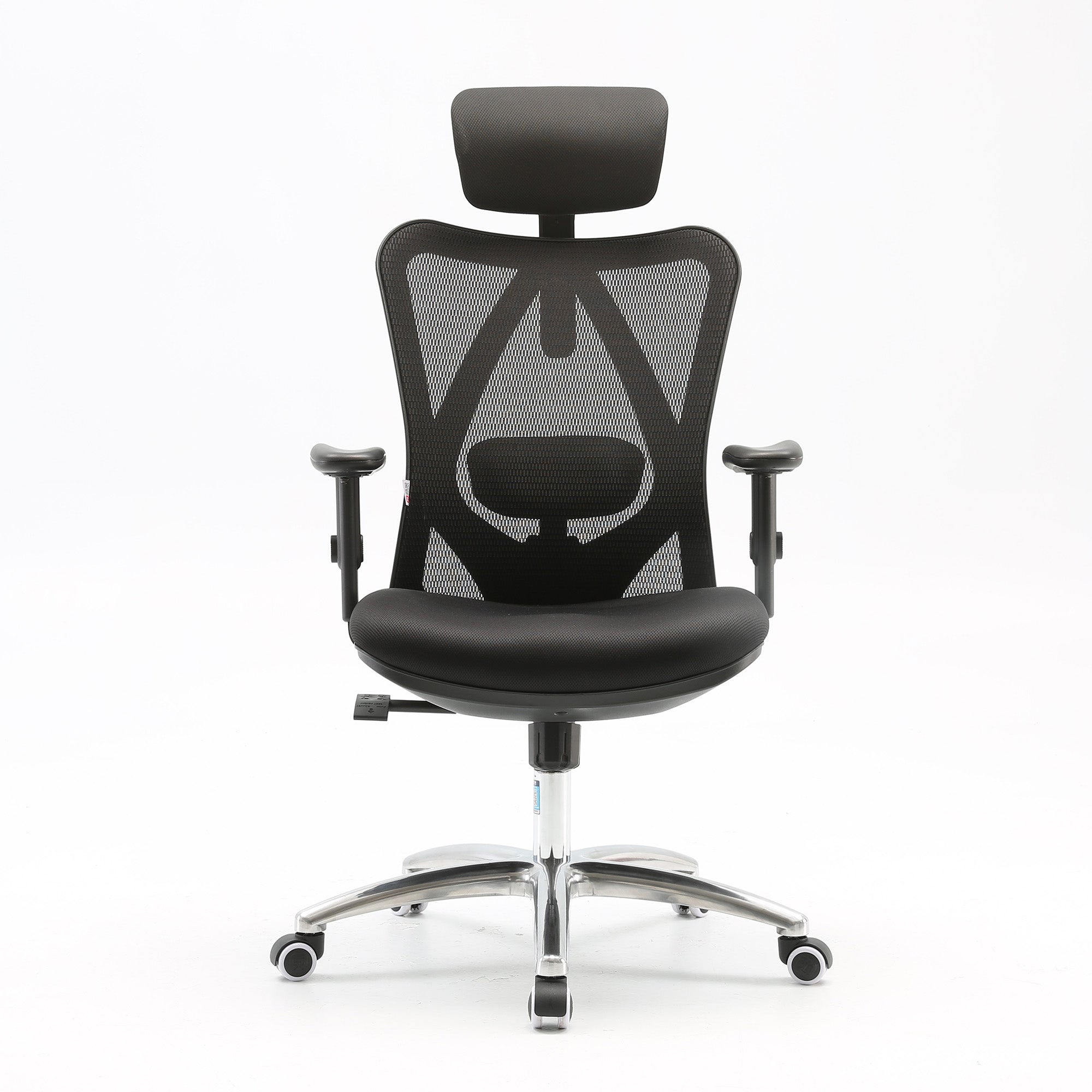
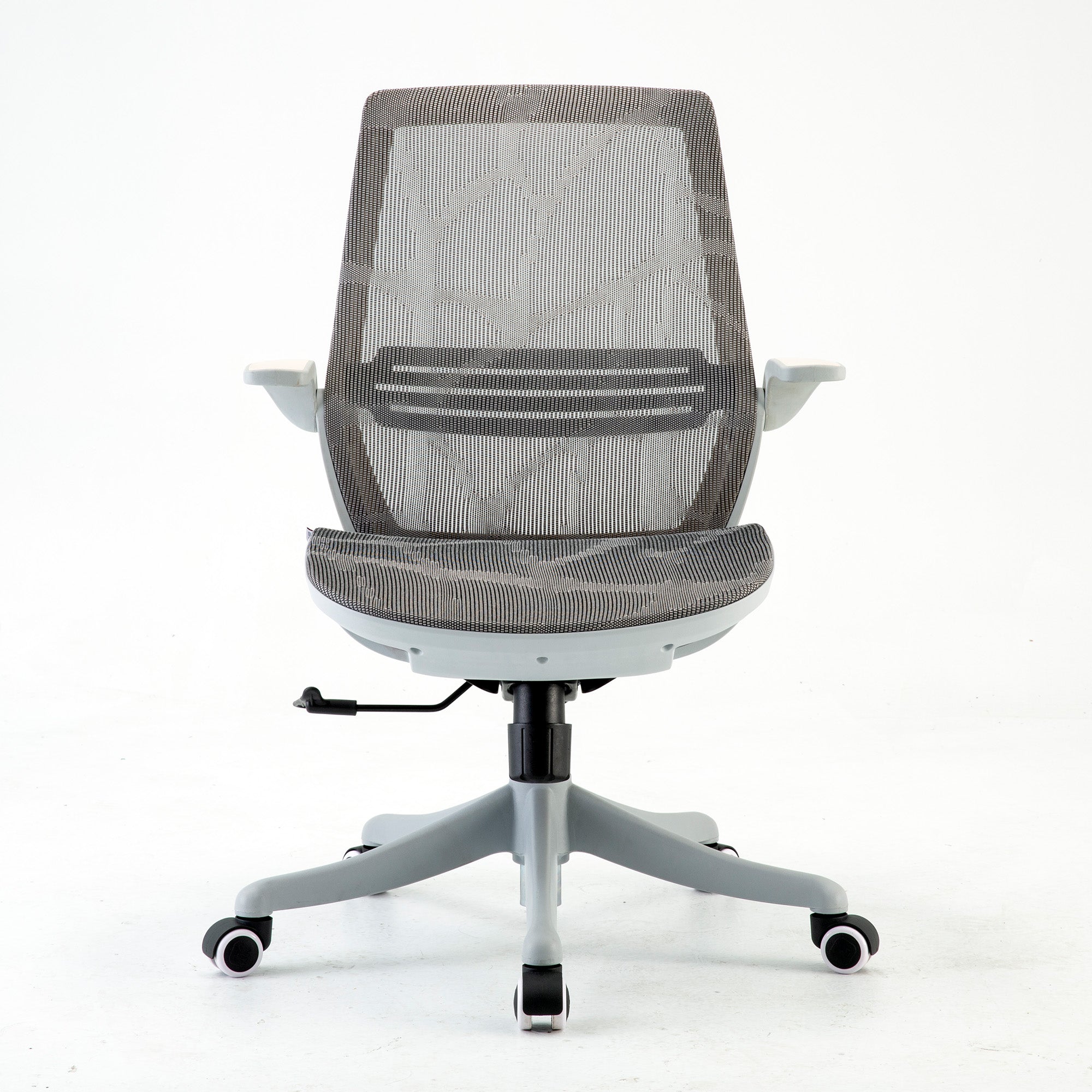
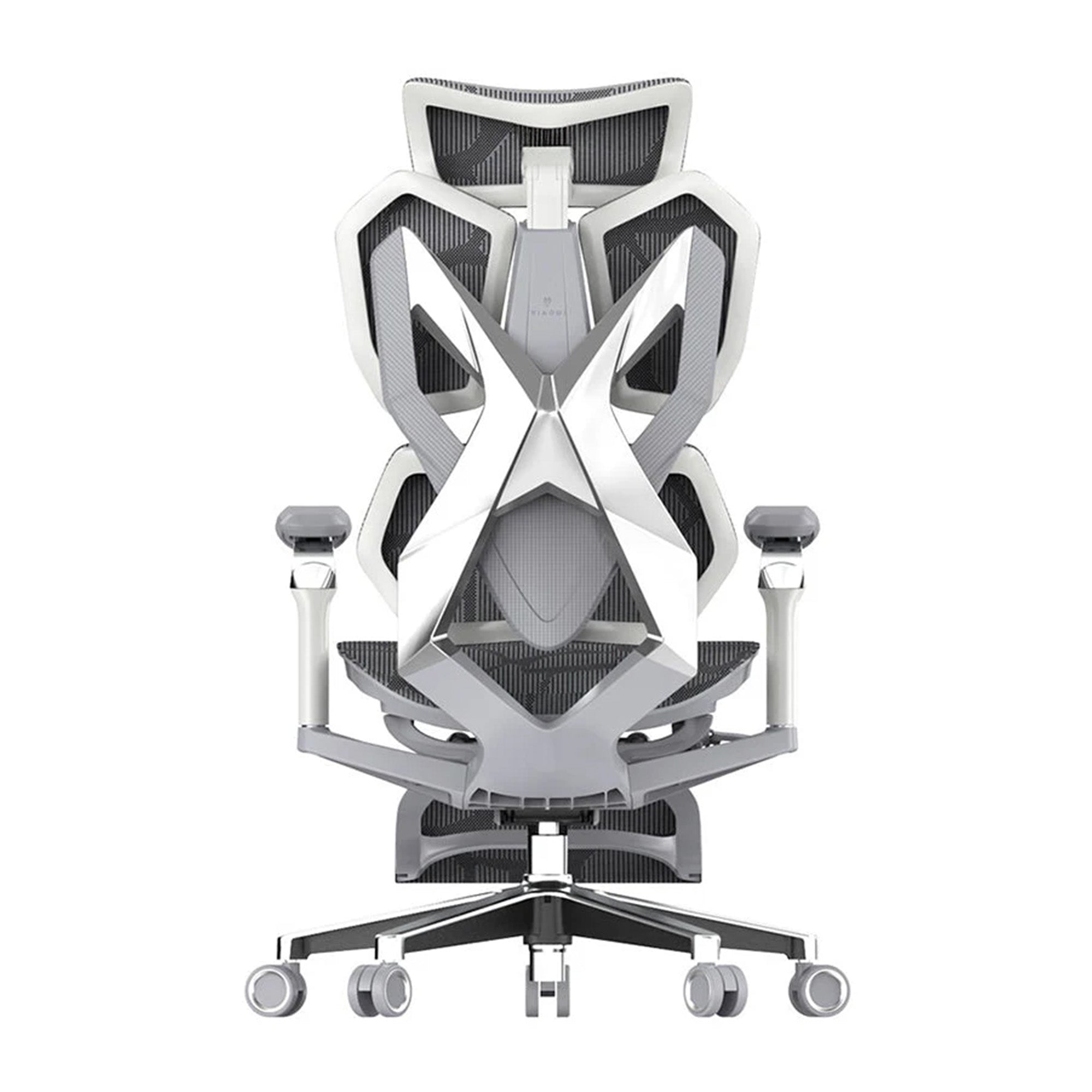
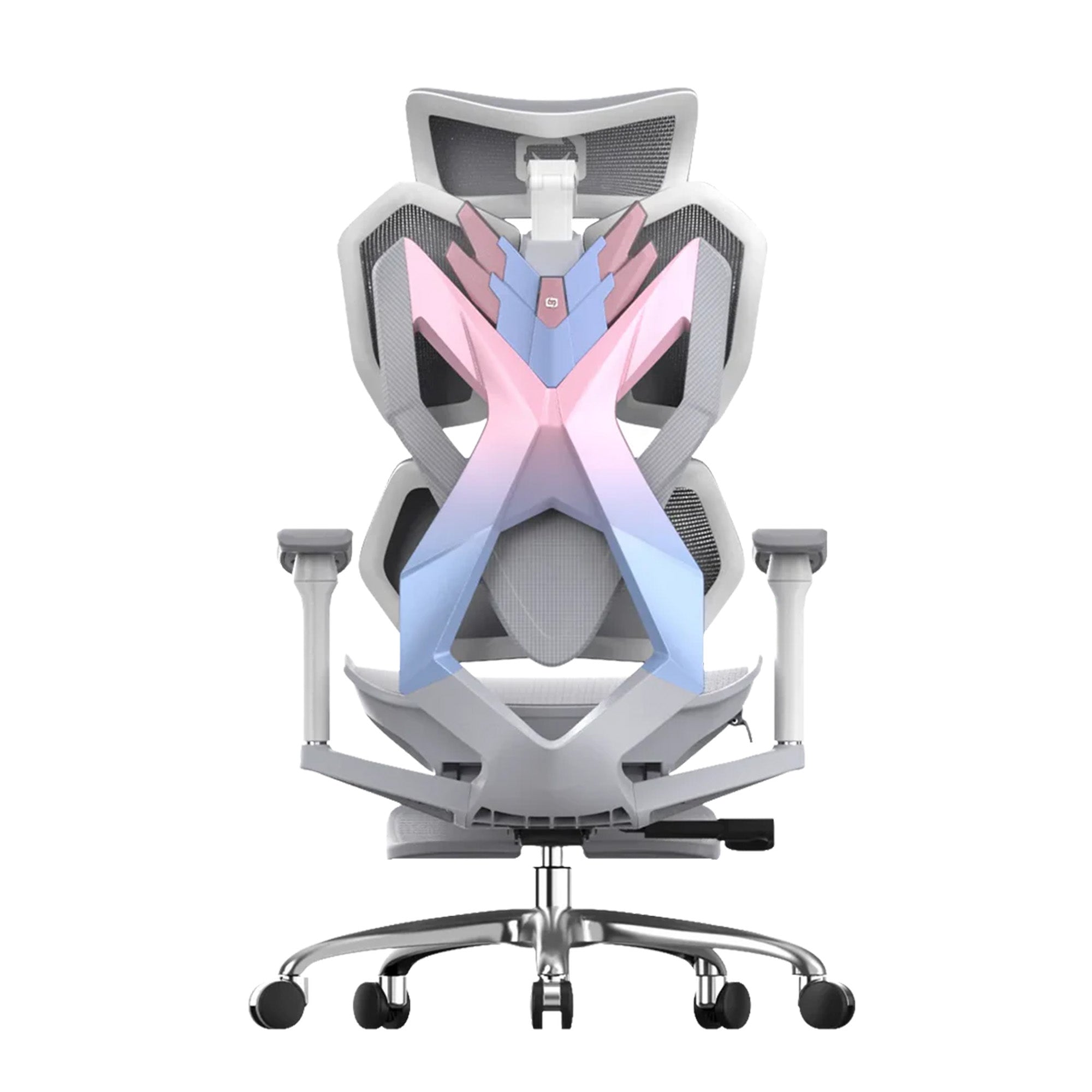
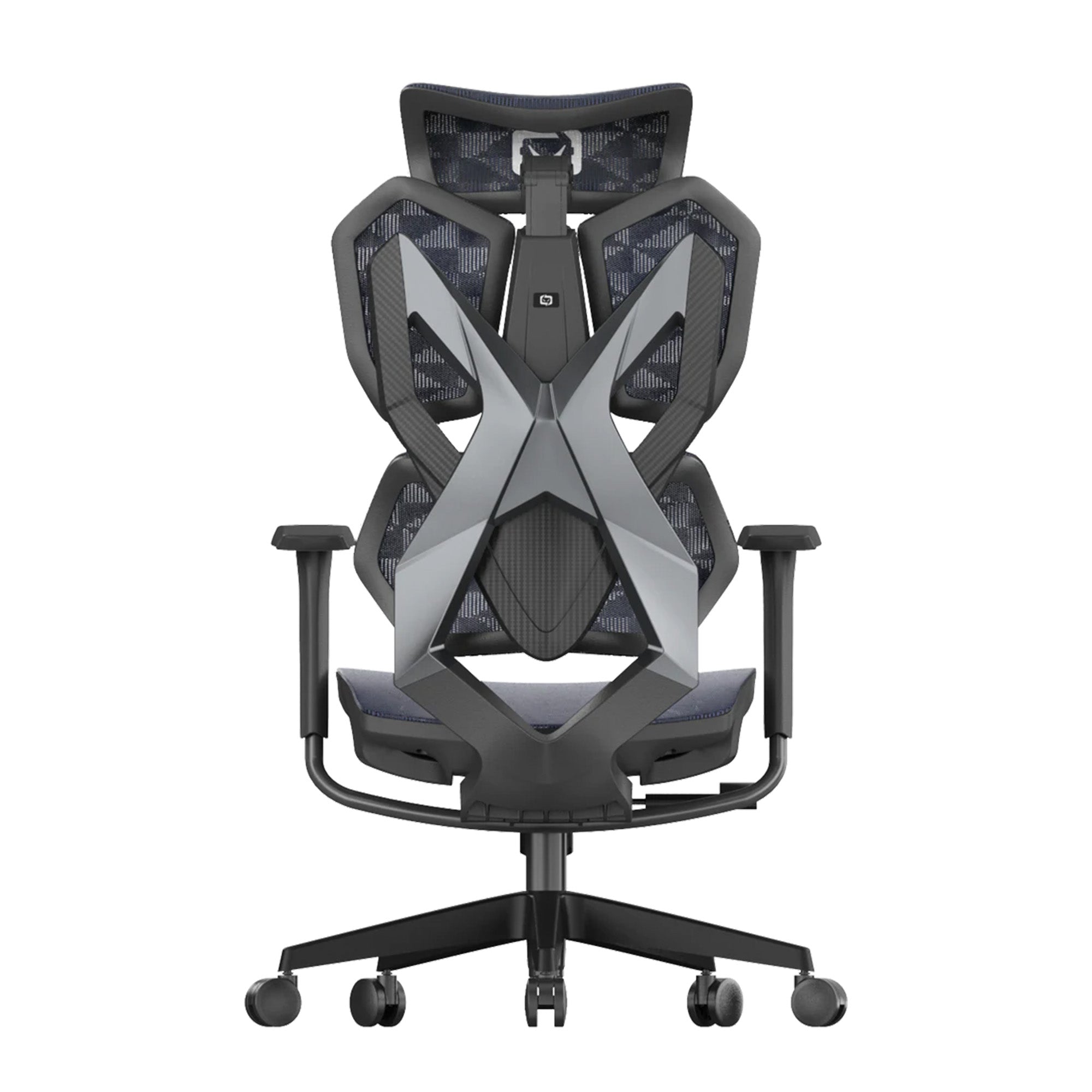
Brands like Sihoo have led the charge in this space. They focus on "dynamic support" rather than static cushions. This is the new gold standard for 2026.
Modern office chairs now feature things like "gravity-defying" recline mechanisms. These systems reduce the load on your vertebrae significantly. When you sit, the pressure on your discs increases by nearly 40%.
A high-quality chair helps redistribute that weight. It mimics your body's natural movement. This prevents the "frozen" feeling you get after a long afternoon of Zoom calls.
The Audit: Are You Outdated?
Check your current setup against these 2026 benchmarks.
|
Feature |
The 2020 "Panic" Setup |
The 2026 "Pro" Setup |
|
The Chair |
Fixed Back / Wooden Seat |
Ergonomic office chairs |
|
Screen Height |
Laptop on Desk |
Monitor at Eye Level |
|
Lumbar Support |
A Bed Pillow |
Adaptive Mesh Tracking |
|
Armrests |
None or Fixed |
4D Adjustable Arms |
Why Sihoo is Dominating the Home Office
You might have noticed the Sihoo name popping up in your feed lately. There is a reason for the hype. Their latest models use aerospace-grade materials.
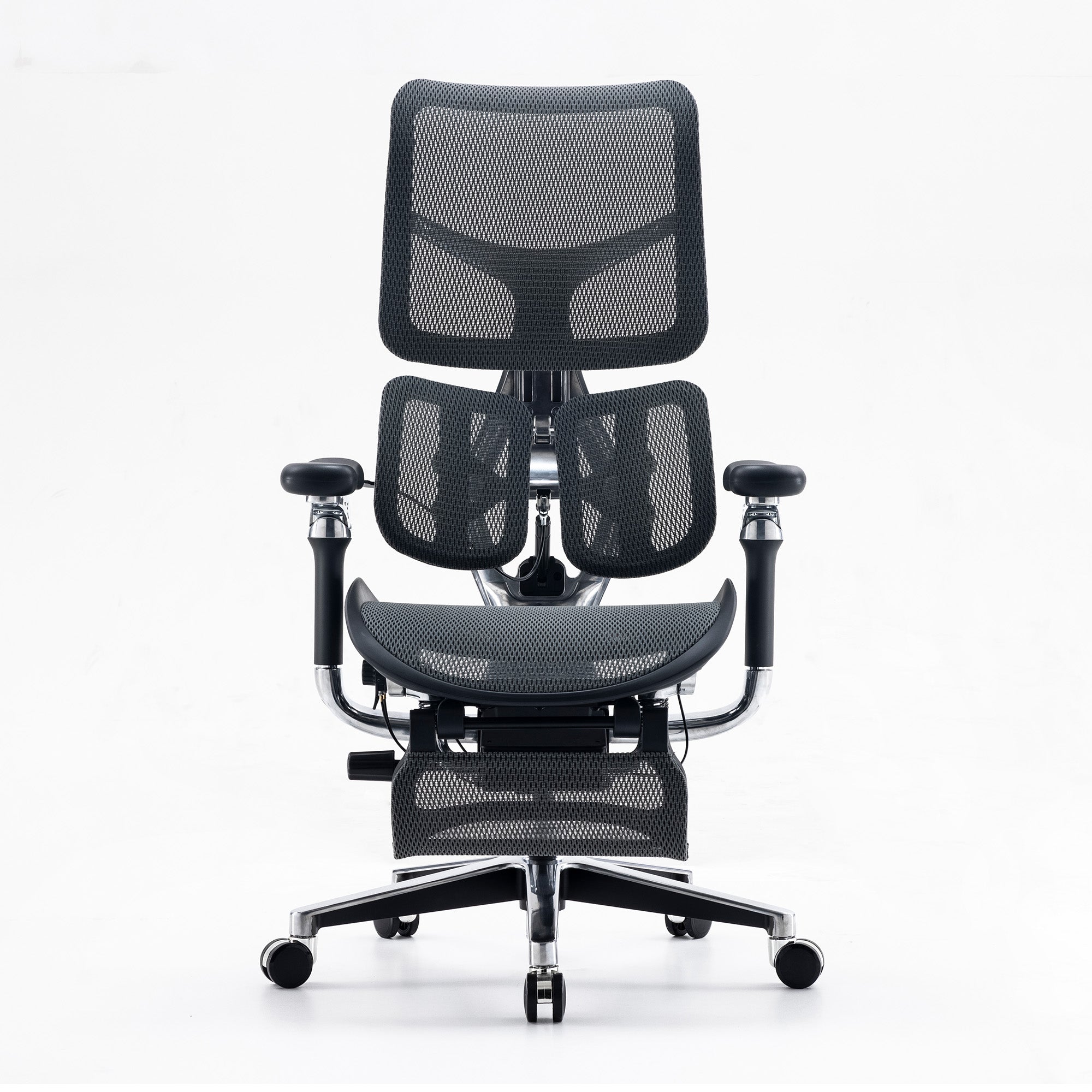
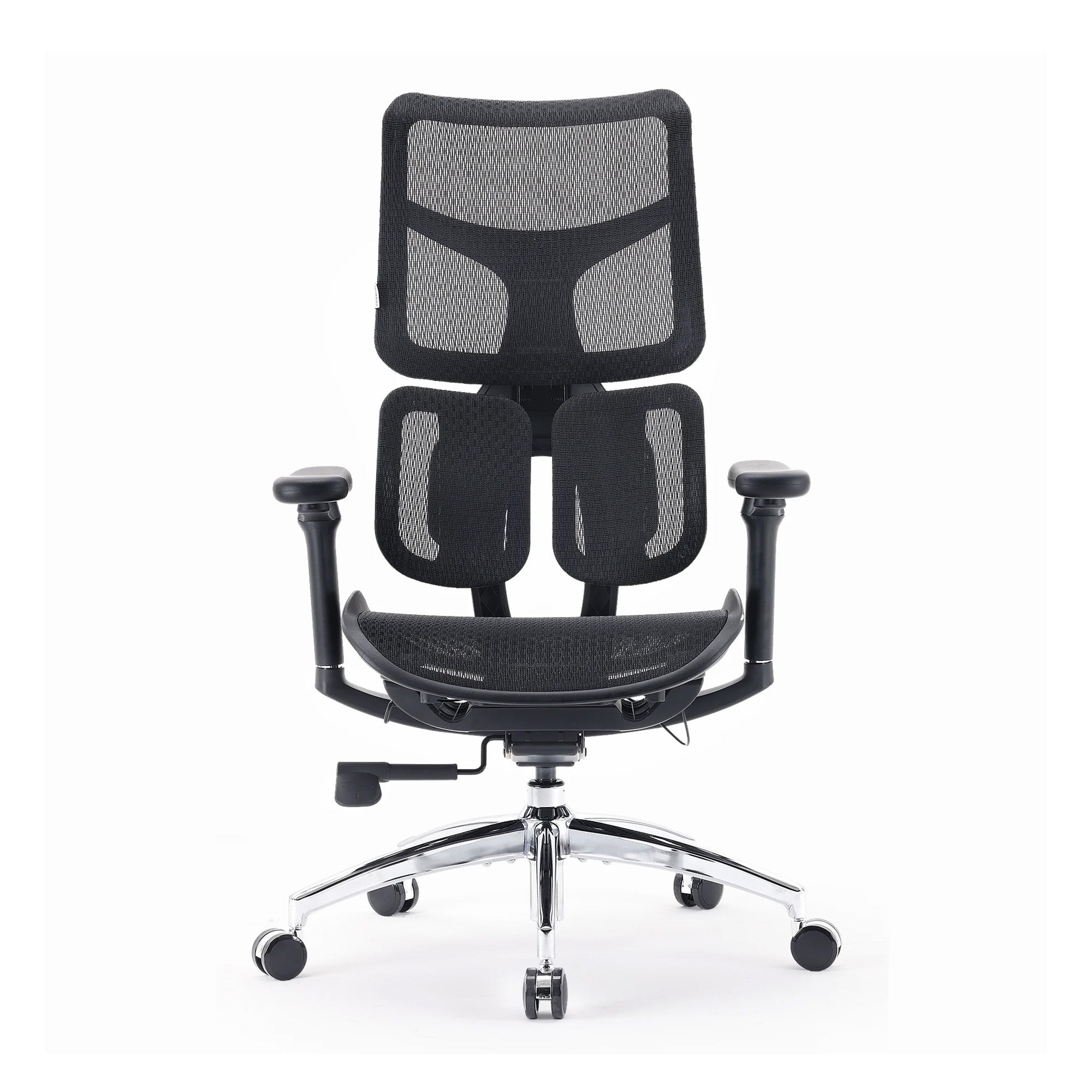
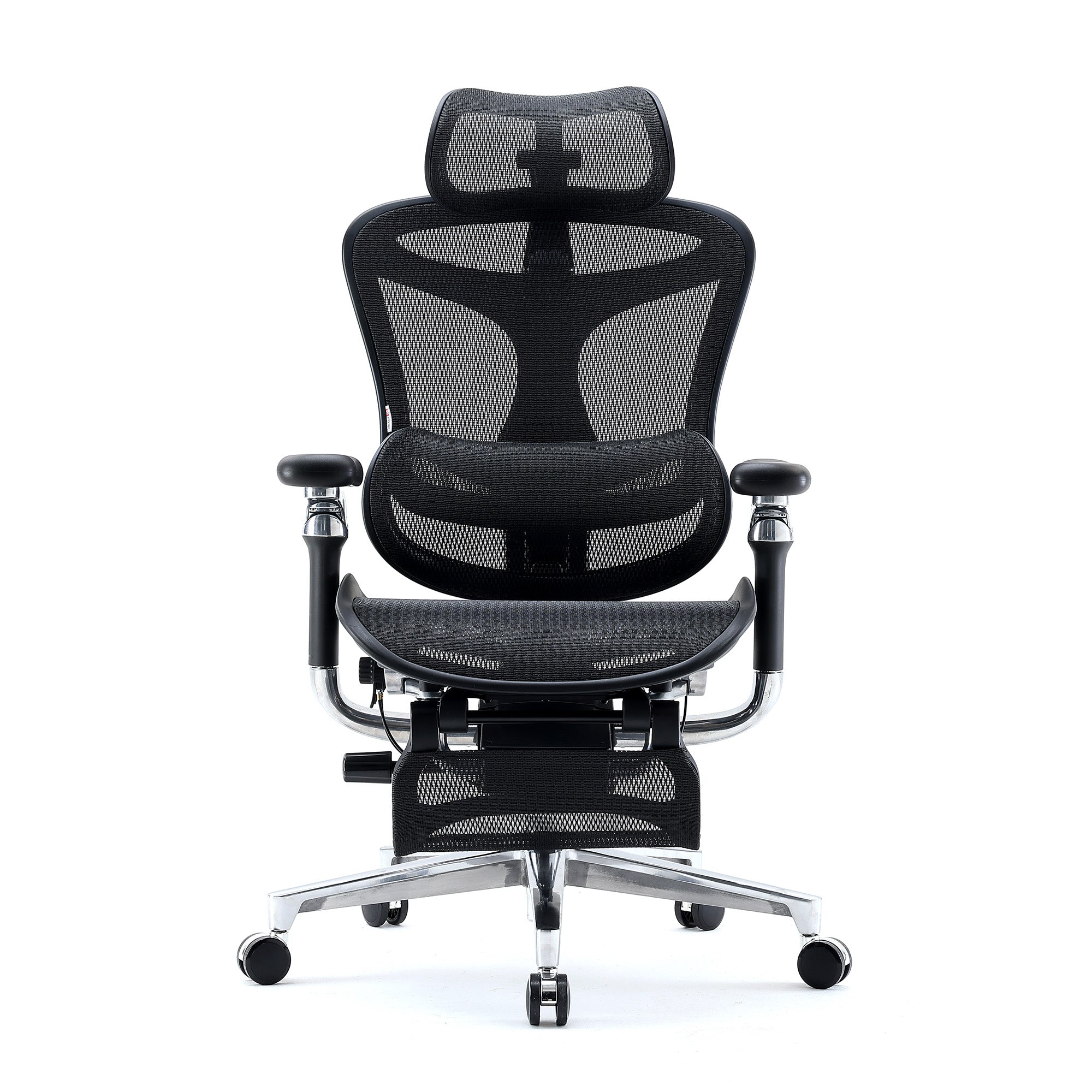
They offer "Domino" lumbar systems that move as you move. This is vital for remote work equipment trend followers who want longevity. Unlike traditional foam, their breathable mesh is perfect for the Australian summer.
It keeps you cool while providing firm support. These ergonomic chairs in Australia also offer deep seat-depth adjustment. This ensures your thighs are supported without cutting off circulation.
Your 2020 setup was a brilliant stopgap. It got you through a global crisis. But in 2026, it is a liability.
Investing in ergonomic chairs designed for the long haul isn't a luxury. It is a health necessity. Stop punishing your back with furniture designed for a 20-minute breakfast.
Your spine is the only one you get. Treat it to a chair that actually understands human anatomy. You will notice the difference by the first coffee break.
Frequently Asked Questions
Start by checking your chair height, desk height, screen position, and lumbar support. Your eyes should be level with the top of your monitor, elbows at 90°, and feet flat on the floor. Compare each element to modern ergonomic standards, and note anything that causes discomfort or strain.
Many home offices set up in 2020 used kitchen chairs, low desks, or improvised laptop stands. Over six years, these non-ergonomic setups place constant pressure on your spine, tighten muscles, and can lead to chronic back pain. Even if it felt fine initially, long-term use without proper support takes a toll.
Absolutely. Replacing a poorly designed chair with an ergonomic model, adjusting your desk height, and positioning your monitor correctly can relieve pressure on your spine and muscles. Many people notice improvement in posture and reduced discomfort within a few days of making the switch.
Look for adjustable lumbar support, seat depth, 4D armrests, breathable mesh, and a recline mechanism that moves with your body. Chairs with dynamic support adapt to your movements, keeping your spine aligned and reducing pressure on vertebrae throughout the day.
Yes, ergonomic office chairs are absolutely worth it, especially if you spend long hours sitting. Their design supports proper posture, reduces back pain, and improves circulation, which helps prevent fatigue and musculoskeletal strain. Over time, investing in a quality ergonomic chair can increase productivity and reduce health-related costs from poor seating habits.
Shop products from this article


Save up to 49% this Clearance Sale. Pay in 4 interest-free instalments with Afterpay.
SHOP NOWRecommended Posts


5 easy workspace fixes for a better workday
Apr 18, 2026

