


Mia stood up.
The new desk had gone up at nine, and by ten past she was standing with one hip kicked out, scrolling emails. By noon her calves ached and her shoulders crept toward her ears. At two she sat back down in the same old chair, and she wondered why the desk had fixed nothing.
Many people face the same choice. Should they spend on a better seat, or on a desk that rises? This guide compares the two using Australian guidance and published research, and it covers ergonomic desk chairs for home and office in Australia. It also asks a fairer question than "which one wins". A good ergonomic office chair and a sit-stand desk solve different problems, so the evidence points to movement as the real goal.
Quick answer: A standing desk helps you change position, but it does not fix a poor seat. A good chair helps when you sit, but it does not make you move. For most people, the best result is a supportive chair, a desk you can raise, and a habit of changing position about every 30 minutes.
The Ergonomic Chair vs Standing Desk Debate Misses the Point
Most online arguments treat this as a contest, but the research and the safety regulators treat it as a movement problem.
What SafeWork NSW says about long sitting
SafeWork NSW says Australian workers sit for about 76% of their work time, which is roughly five hours a day. It links long sitting with cardiovascular disease, some cancers, type 2 diabetes and musculoskeletal disorders. It also says exercise outside work does not remove these risks, and it advises getting up and moving every 30 minutes. Its control measures list height-adjustable sit-stand desks alongside breaks, task variety and walking meetings.
What Safe Work Australia says about sitting and standing
Safe Work Australia says sitting for longer than 30 minutes without a break, or all day, is likely harmful. It also says standing suits only some tasks, and it advises giving standing workers a chair, stool or support so they can alternate. So the national guidance does not say "stand instead" because its message is to vary your posture.
For a team leader, this matters. A desk budget alone does not meet the duty to reduce sitting and standing risks, because the work design, the breaks and the seating all count.
Why this changes how you shop
If movement is the goal, the best setup is the one that makes changing position easy. That can be a desk that rises, a chair that supports you when you sit, or a phone call taken on your feet. Most people need more than one of these, since each covers a different part of the day.
What the Evidence Says About Standing Desks
A standing desk sounds like a cure for sitting, but the research is more careful than the marketing.
The Cochrane review on sit-stand desks
Shrestha, Verbeek and colleagues reviewed workplace efforts to cut sitting in a 2018 Cochrane update, which covered 34 studies and 3,397 people. In the first three months, people with sit-stand desks sat about 100 minutes less each workday than people on standard desks (range 84 to 116 minutes). The review rated that evidence as low quality. Over three to 12 months the gap fell to about 57 minutes, based on only two studies. We read the Cochrane summary pages rather than the full review text, so treat our summary as a summary.
What the review could not show
The same review found no evidence beyond one year. It said the effects are likely to shrink over time. It did not measure health outcomes, and Cochrane's news summary calls the health benefits of sit-stand desks unproven. That summary also quotes co-author Jos Verbeek, who said standing hardly increases energy use. A desk is not expected to help with weight loss.
That is not a case against standing desks, but it is a case against big promises. Cochrane's news summary says standing more did not cause harms such as musculoskeletal pain in the studies, and the desks cut sitting time. The health payoff is still unproven, so we would not promise it.
The risks of standing too long
Standing all day is no safe swap. A NIOSH page from the US health and safety institute sums up a review by Waters and Dick (Rehabilitation Nursing). That review links long standing with low back pain, muscle pain, leg swelling and fatigue. The NIOSH page says dynamic movement looked like the best solution, and it adds that shifting between standing, sitting and leaning needs more study.
We have not read the full Waters and Dick paper. We relied on the NIOSH summary of it.
Old claims we removed
An earlier version of this post claimed that adjustable desks lift productivity by 45% and that standing workstations cut back and neck pain by up to 54%. We could not trace either number to a source, so we removed both. If you see them elsewhere, ask where they came from.
What a Good Chair Does That a Desk Cannot
A desk changes your height, but it does not change how your spine is held when you sit down again. Sitting is still where most people spend most of the day, even with a desk that rises.
Support for the hours you still spend seated
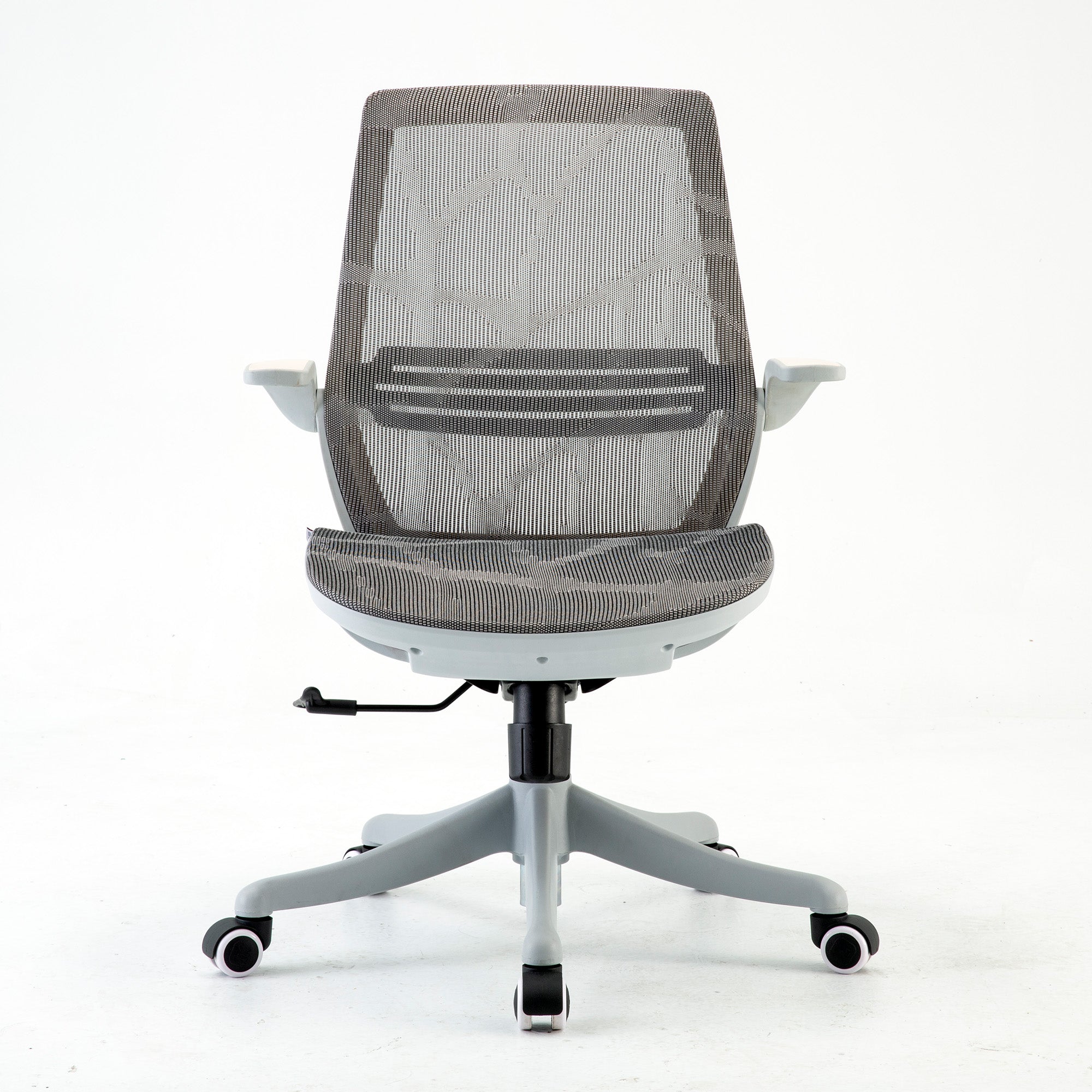
Even with a sit-stand desk, Safe Work Australia advises that workers alternate, which means long stretches in a seat. The seat has to hold you comfortably, with lumbar support, adjustable arms and a seat that fits your legs. Our posture setup guide walks through each adjustment.
What the live product pages say
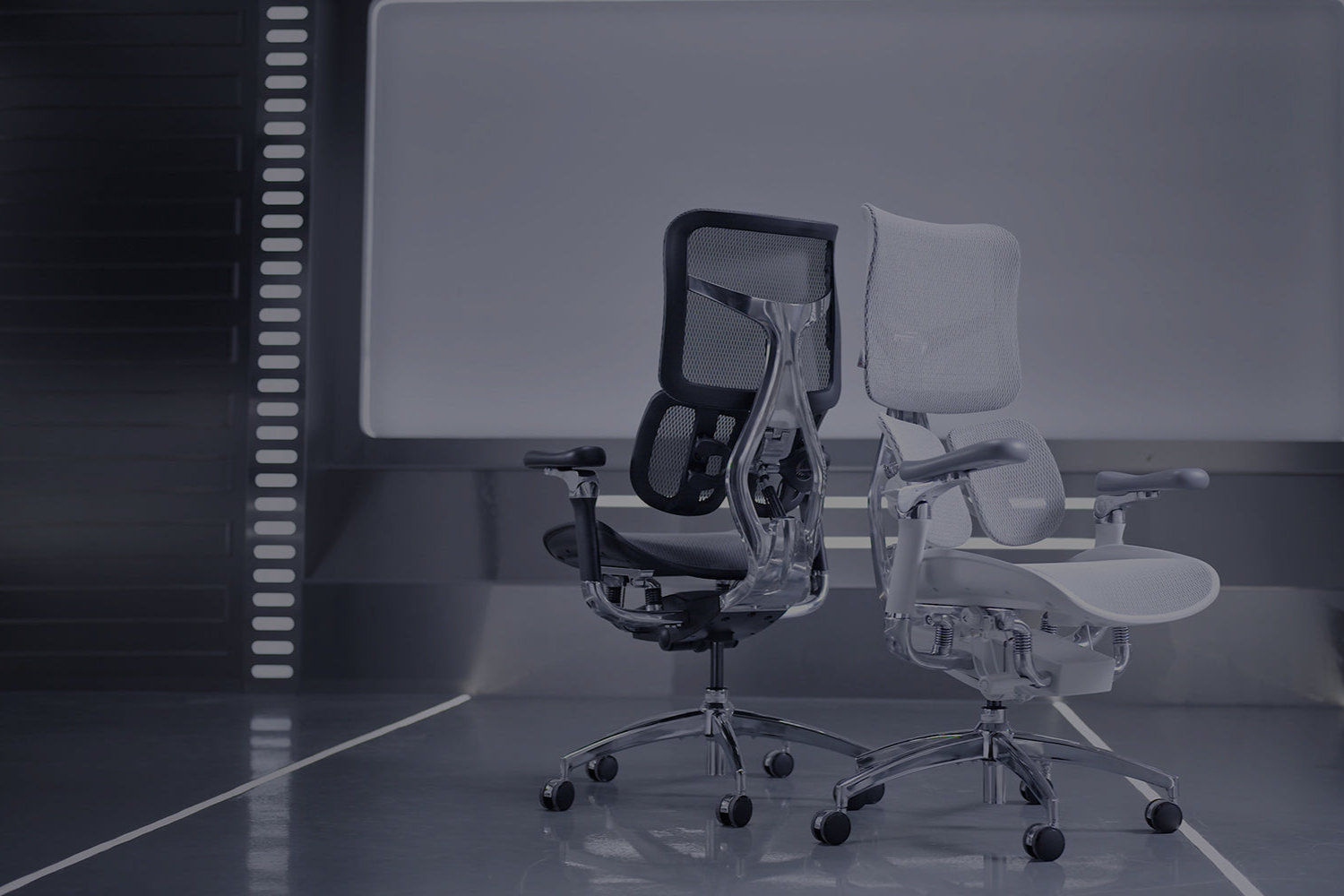
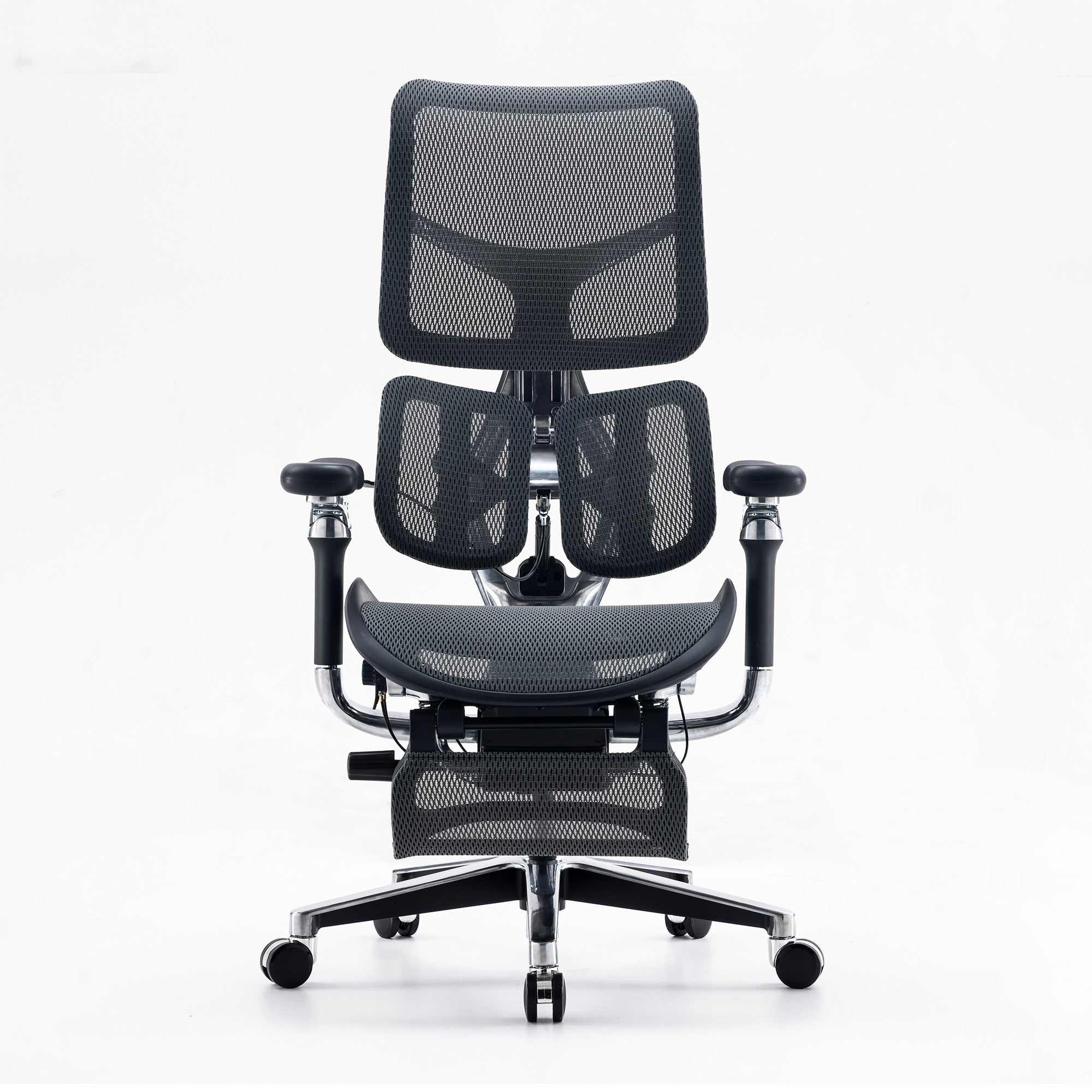
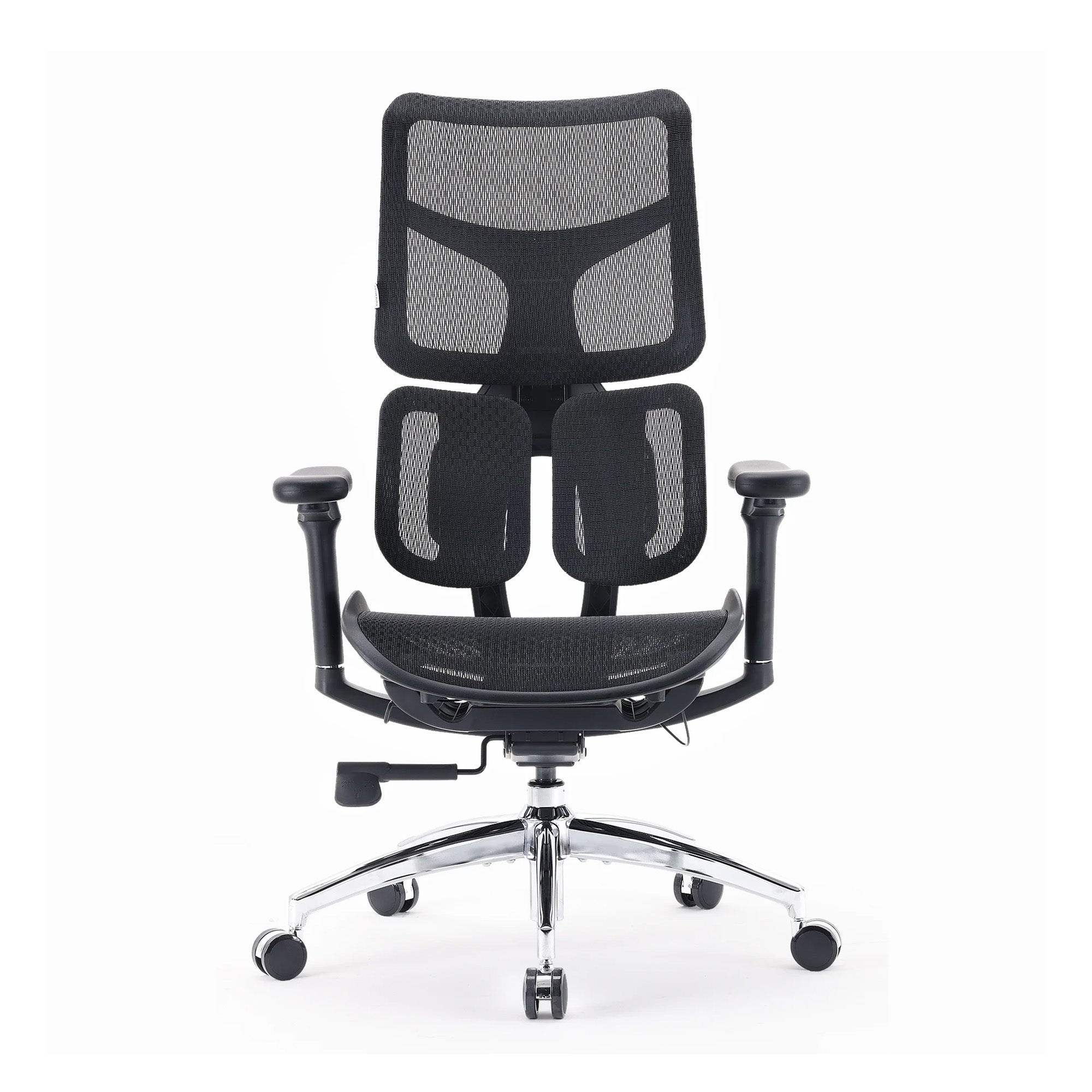
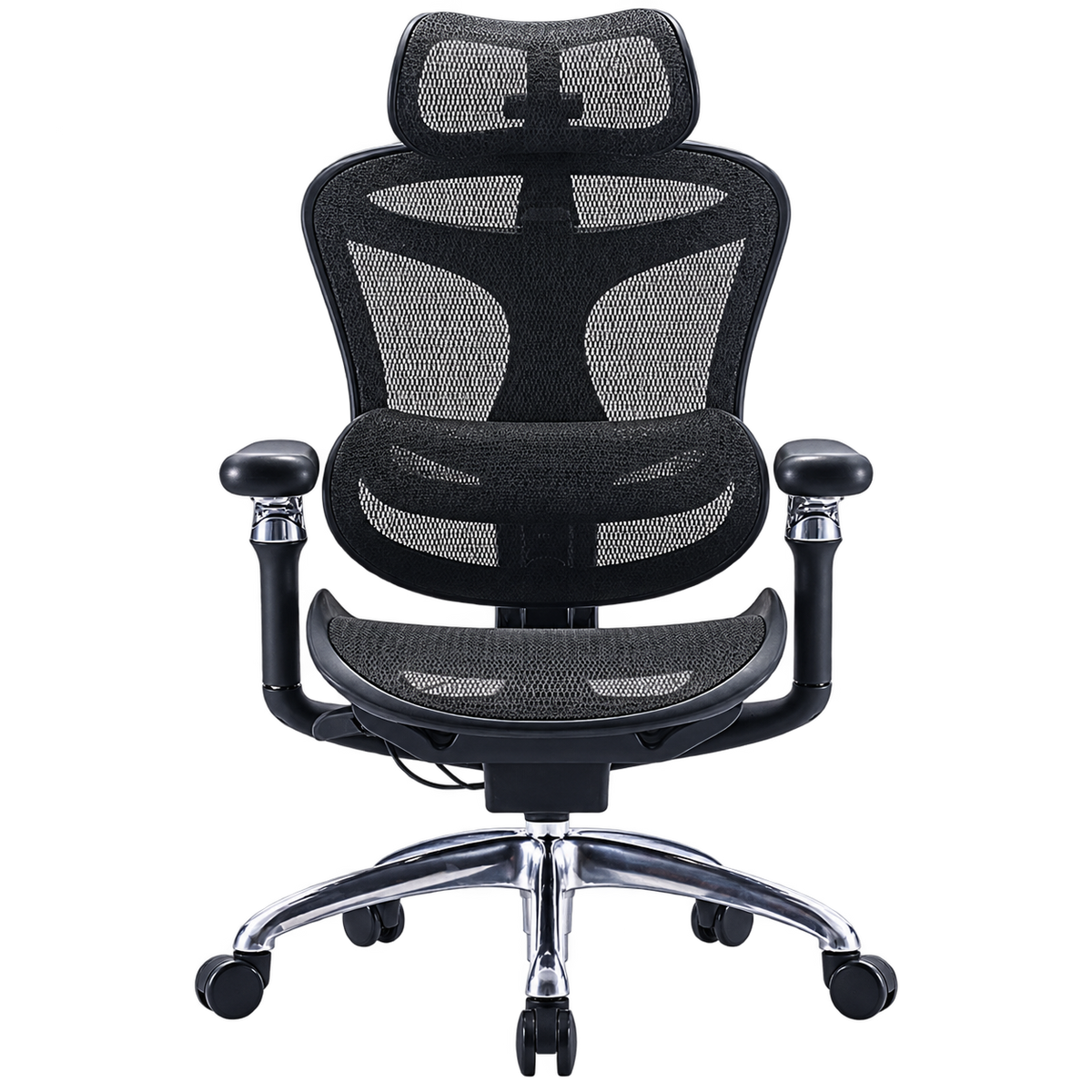
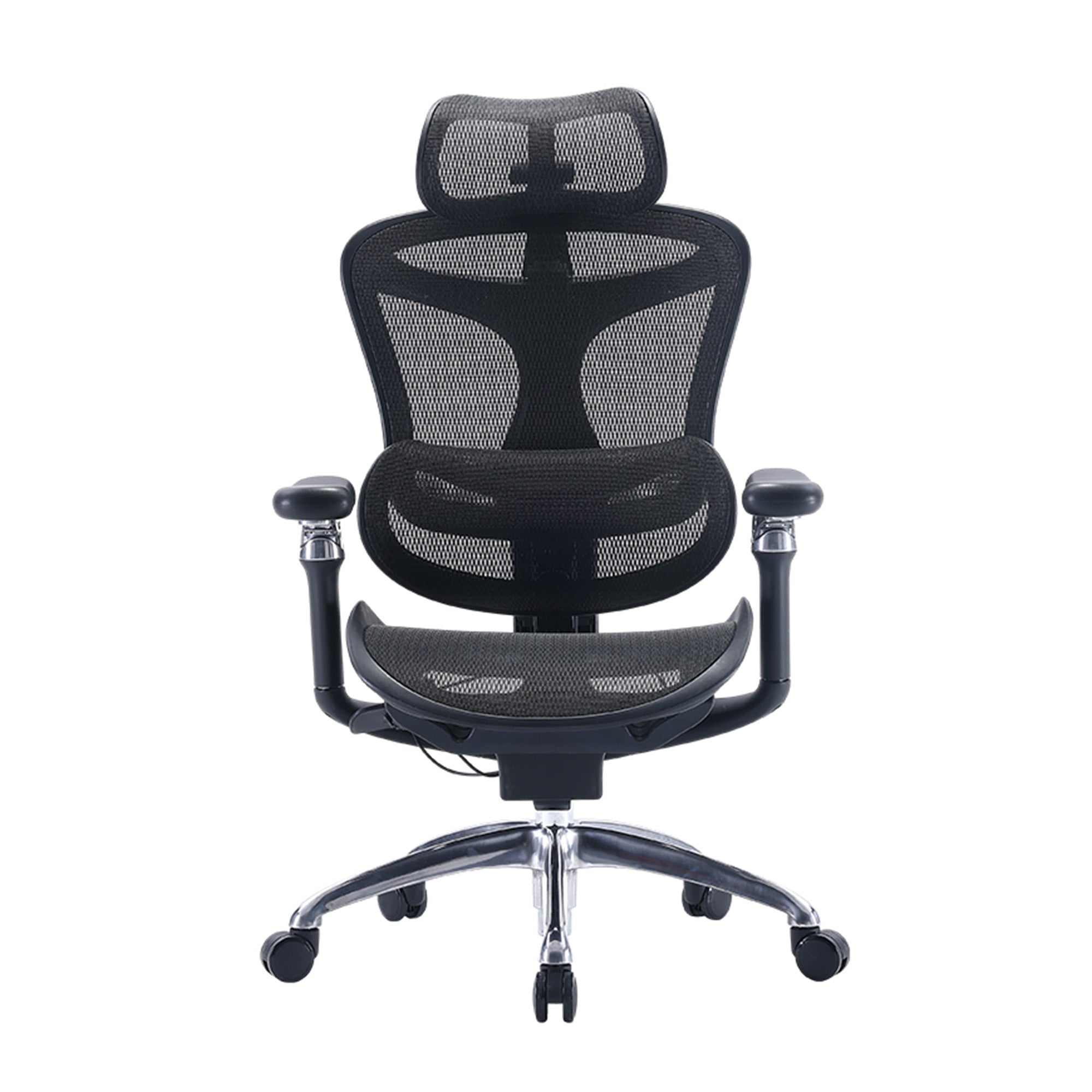
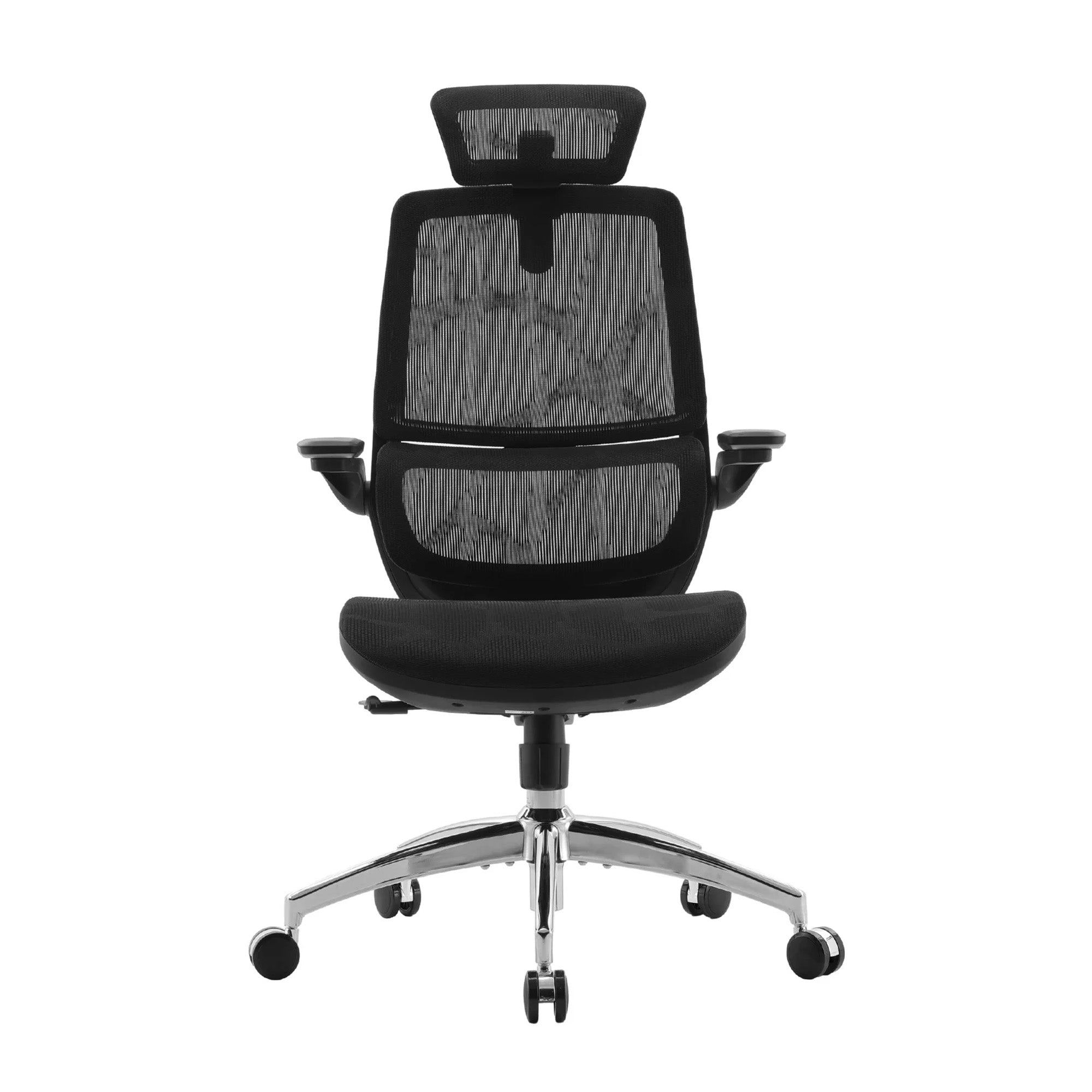
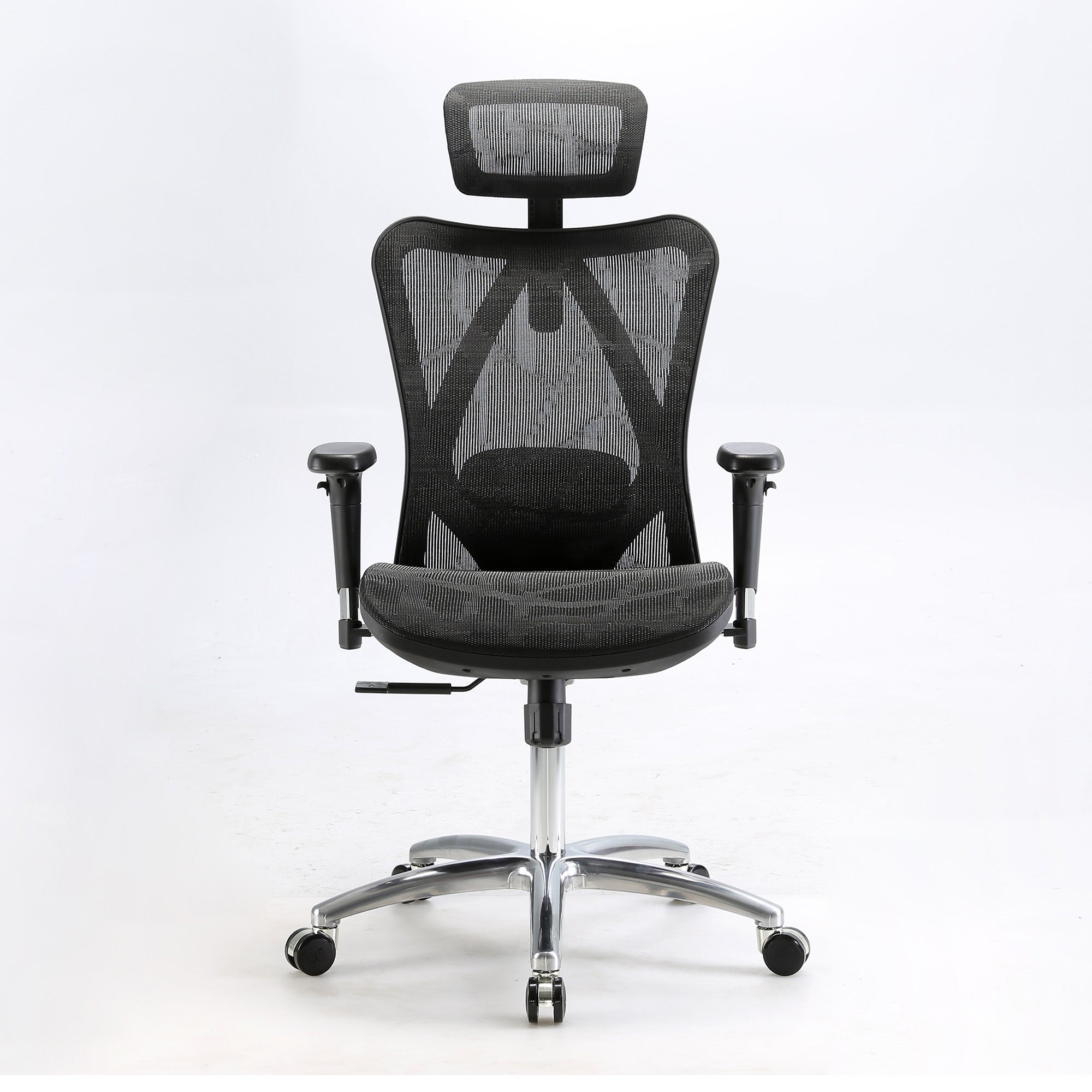
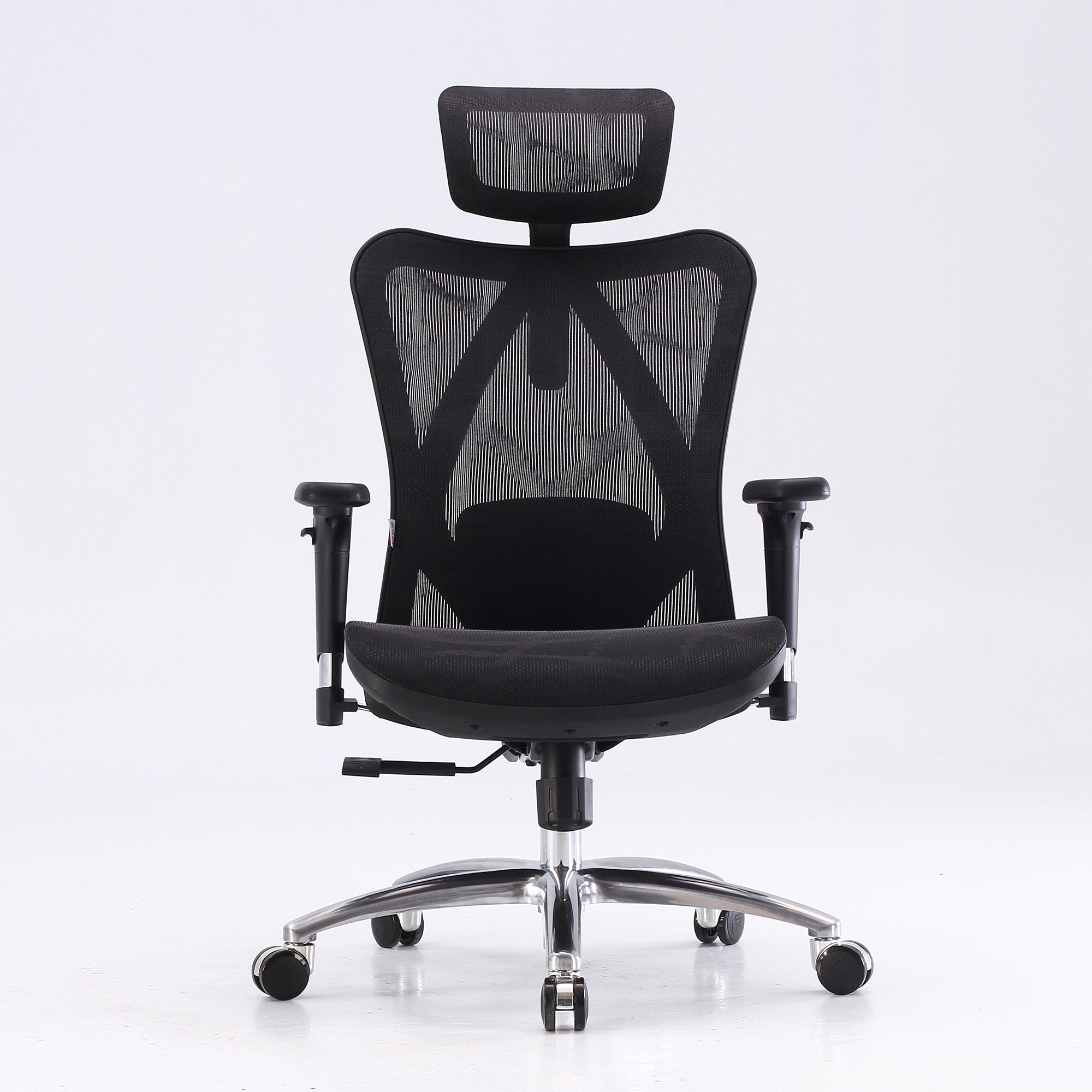
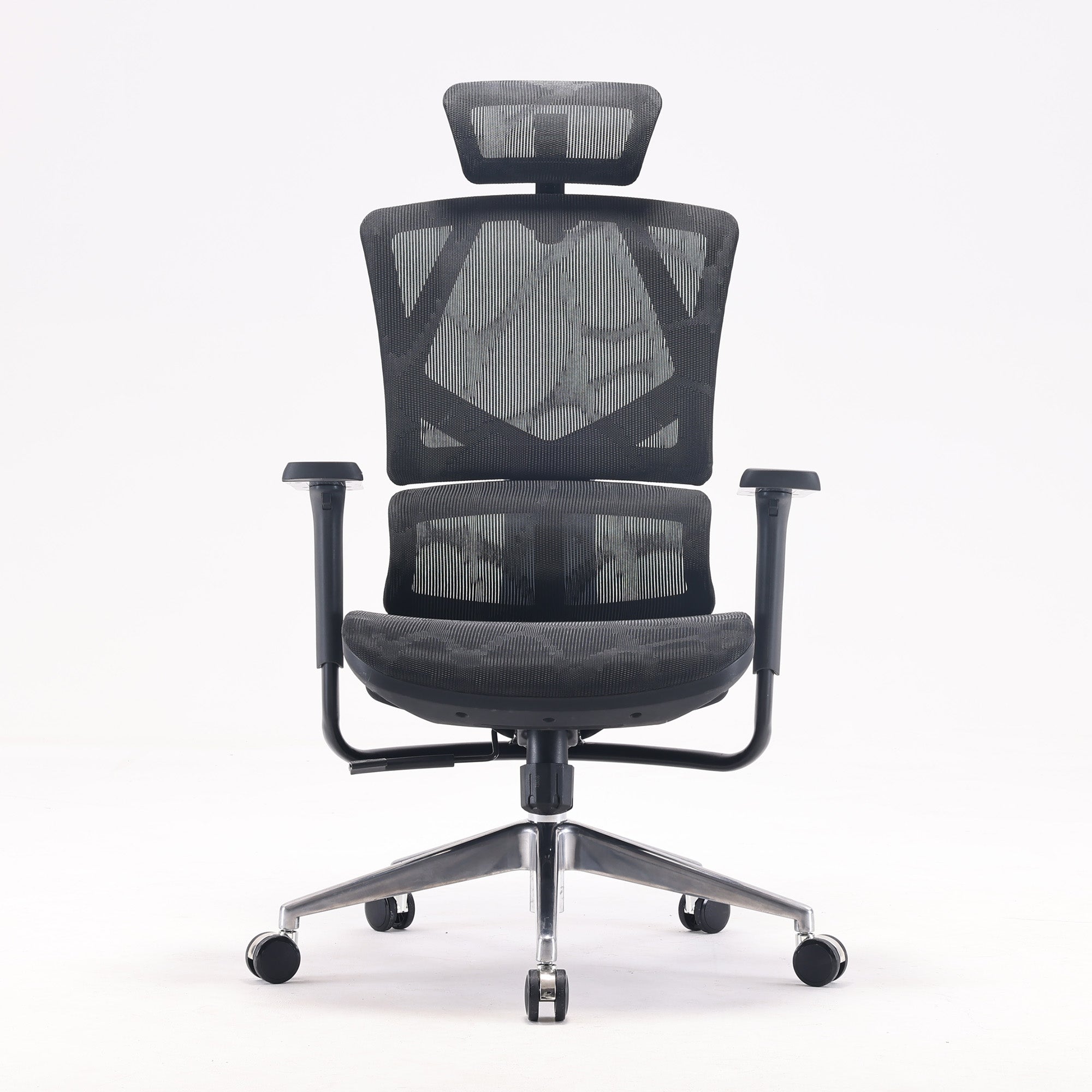
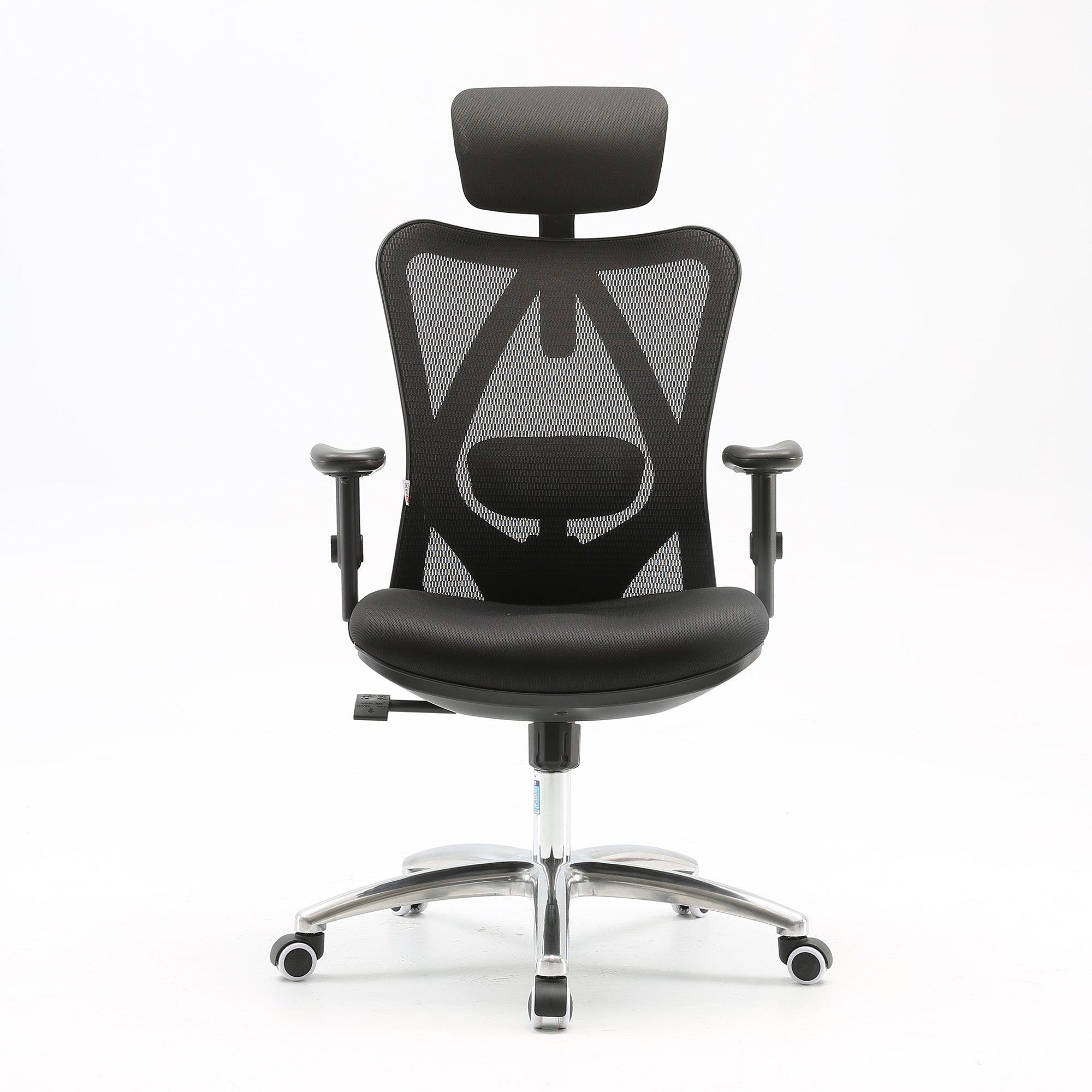
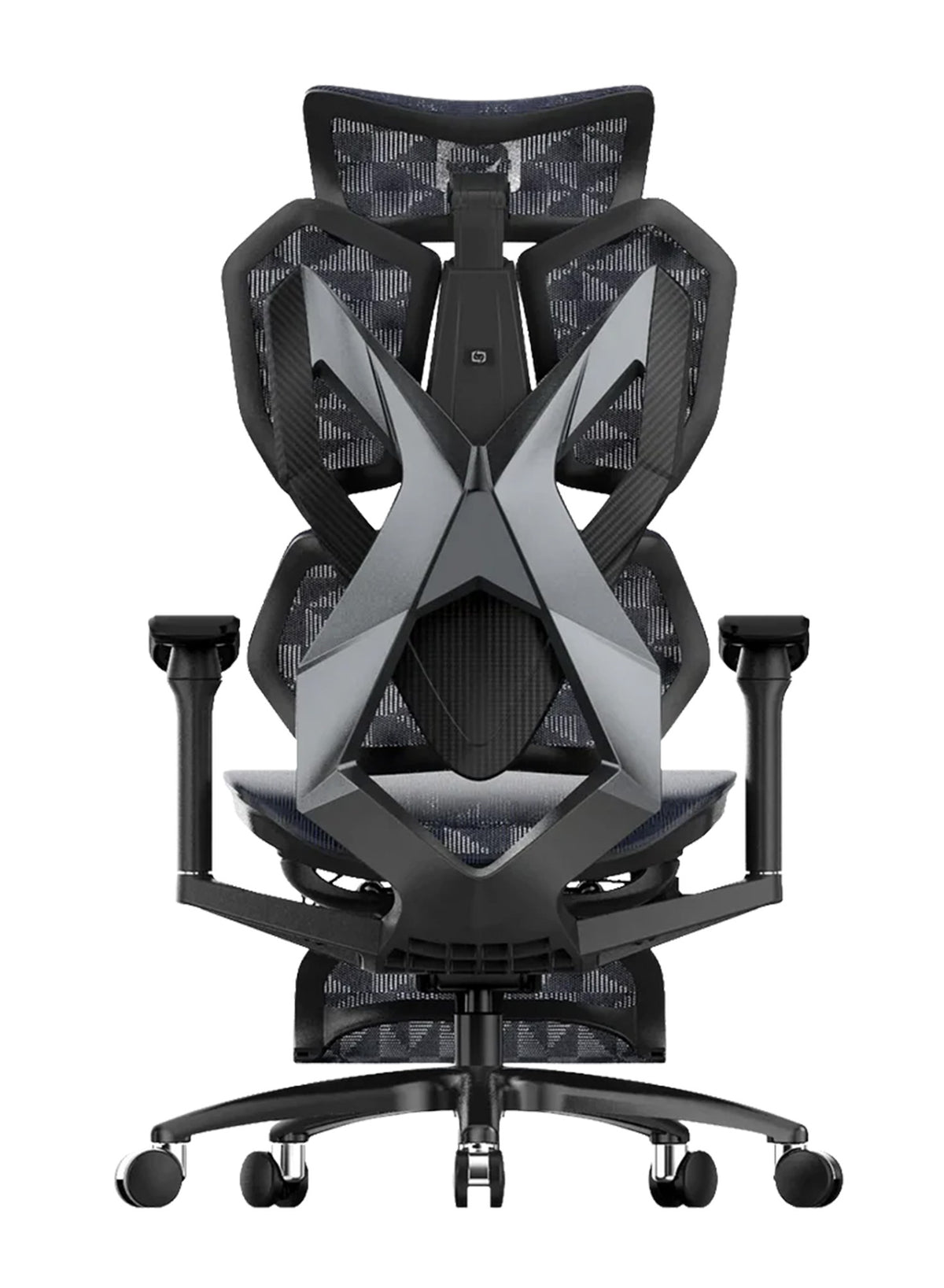
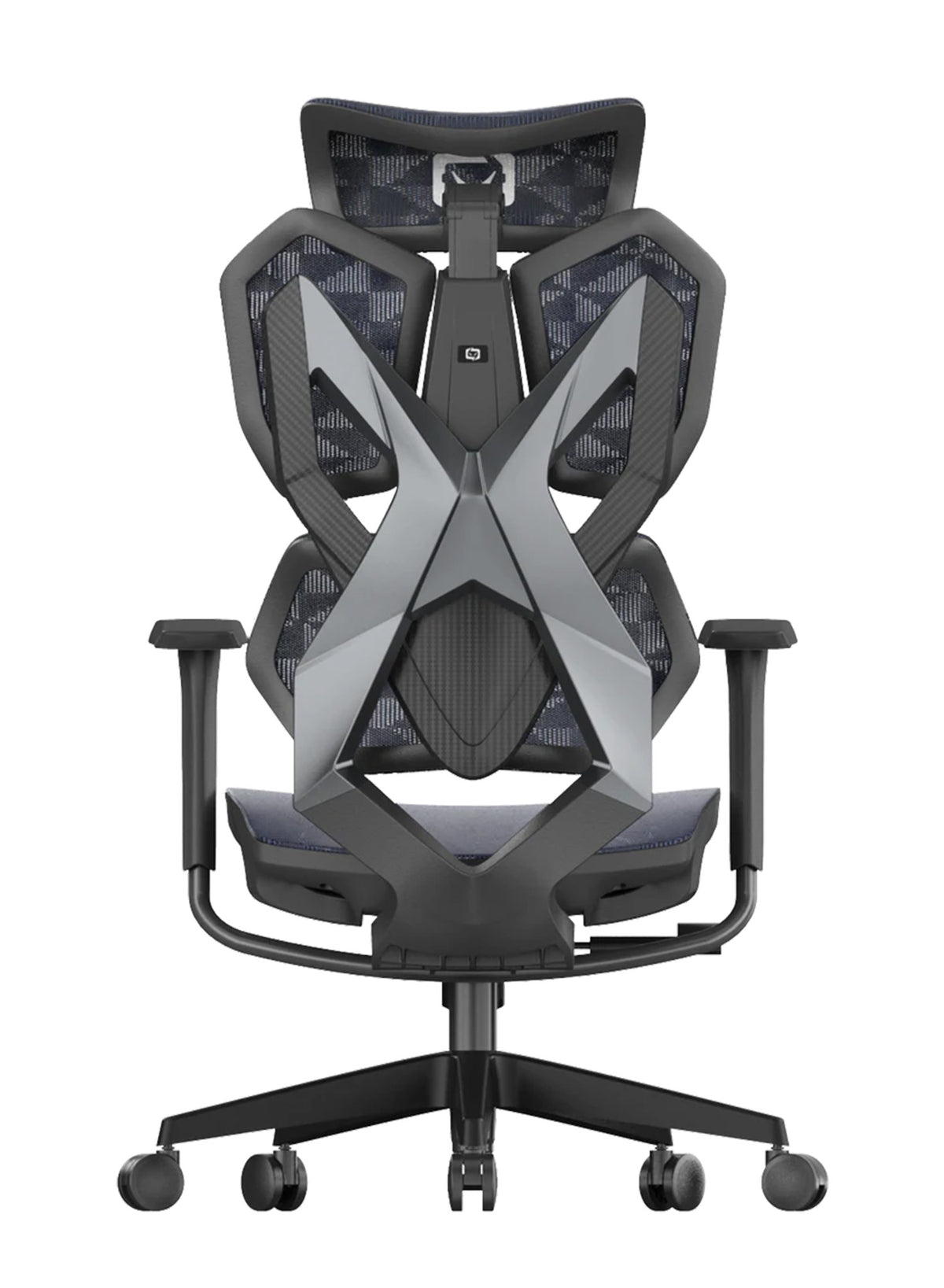
We checked product pages on 9 October 2026. The Sihoo M57 page lists dual-adjustable lumbar support, 3D adjustable armrests, a full mesh seat and back, and a 3-year warranty, and it was listed from $329 when we checked. The Sihoo Doro C500 page lists a 3D lumbar support system, six-direction armrests, seat depth adjustment of up to 4 cm, a 5-year warranty and a price of $1,199.
Prices change often. Check each page before you buy.
When a chair is not the answer
A chair cannot fix a medical problem. If back pain lasts beyond about six weeks, spreads into a leg, or comes with numbness or weakness, see a doctor or physio first. Our lower back pain chair guide covers what to look for, but it does not replace an assessment.
For teams, one good chair per desk is a start. Fit matters too, so let staff adjust their own seat. Businesses buying for several people can ask about wholesale office chairs through the commercial page.
Which Setup Fits Your Day: A Decision Table
The right answer depends on your tasks, your body and your space. This table is our own framework, built from the guidance above, and it is not a medical tool.
| Your situation | Start with | Why |
|---|---|---|
| Mostly seated, deep focus work | A supportive chair | You will still sit for long blocks, so seat comfort matters most |
| Many calls and short tasks | Sit-stand desk plus chair | Calls are easy to take on your feet |
| Sore feet or legs when you stand | Chair first, desk later | Standing too long can cause leg and back strain |
| Small home office | Chair, and a short walk plan | A desk may not fit, and walking costs nothing |
| Shared desk or hot-desking | Chair with simple adjustments | Each person can set it up in under a minute |
| Pain lasting beyond about six weeks | See a health professional | Gear may not be the cause |
Free fixes before you spend
Before buying anything, set a timer for every 30 minutes and take calls standing. You can also walk to a colleague instead of sending a message, or put a laptop on a stack of books for a short standing stint. These fixes cost nothing, and they match what Safe Work Australia suggests.
When to add gear
If the free fixes work but you keep sliding back into old habits, gear can make the good habit easier to keep. A desk that rises with one button removes friction, and a chair that fits removes discomfort.
A Sit-Stand Schedule You Can Copy
Most guides say "alternate often" and stop there, so here is a simple plan. It is our own starting template, based on the 30-minute movement advice from SafeWork NSW. It is not a prescription, and no study has tested this exact schedule.
| Time block | Position | Task type |
|---|---|---|
| First 30 minutes | Sit | Planning, focus work |
| Next 10 minutes | Stand | Emails, calls |
| Next 30 minutes | Sit | Writing, analysis |
| Next 5 minutes | Walk | Water, stretch, short errand |
| Next 20 minutes | Stand | Admin, reading |
| Remaining time | Sit | Deep work with a short break at 30 minutes |
How to start
Begin with 10 to 15 minutes of standing, twice a day, and add time only if your legs and back feel fine. If your feet ache, shorten the stand and sit back down, because standing for hours is not the goal.
Set the desk and chair to match
When you sit, your feet should rest flat and your lumbar should meet your lower back. When you stand, your elbows should sit at a relaxed right angle and your screen should be at eye level. A cushioned mat can ease pressure on hard floors, and Safe Work Australia mentions cushioning for the same reason.
Run it as a team habit
Teams do better with shared cues. A short stand-up chat, a walking one-on-one or a calendar reminder makes the habit normal. Pressure to stand more can backfire, so keep it optional.
What Sit-Stand Desks Cost on Our Site
We list two sit-stand desks, both from the Desker range. On 9 October 2026, the Desker Dual Motor Electric Sit-Stand Desk page showed $749 and the Desker Carbon Fibre Dual Motor Electric Sit-Stand Desk page showed $799. Both list a 10-year warranty and three saved heights. Prices change, so please check each page before you decide.
What the specs say
The Desker Dual Motor desk lists a 140 kg load, noise of up to 48 dB, and a collision sensor. It lists four sizes, one of which showed as out of stock, and two finishes. The Desker Carbon Fibre desk lists the same load and warranty with a black carbon fibre top.
The pages do not state the height range in text, so check the size diagrams before you buy. Make sure the lowest setting suits your seated height.
A simple cost view
A desk plus a mid-range chair costs more than either alone. If money is tight, start with the chair, build the movement habit for free, and add the desk once you know you will use it. For a team, trial one desk with willing staff before you buy many.
Where Neither Option Is the Answer
Gear helps, but it has limits, and good advice includes them.
Some problems need a professional
Pain that wakes you at night, spreads down a limb, or follows an injury needs a doctor. A physio can also tell you whether your work setup is a cause. No chair or desk replaces that kind of assessment.
Some jobs need different controls
If your job keeps you on your feet all day, a seat or stool and a cushioned mat help more than a desk. Safe Work Australia says to give standing workers somewhere to sit. If your job keeps you seated, breaks and walking matter most.
What employers owe their teams
Under work health and safety law, employers must cut sitting and standing risks as far as is reasonably practicable. That means looking at the work, not only buying gear. Safe Work Australia also points to the free BeUpstanding program for workplaces.
Our Honest Conclusion: Movement First, Then the Right Gear
If you ask whether you need a chair or a desk, the answer is usually both, plus the habit that ties them together. The desk makes standing easy and the chair makes sitting comfortable, while the 30-minute reminder does most of the work.
If you are ready to compare seats, browse the best ergonomic office chairs in Australia and read each page for current price, specs and warranty. Start with the free fixes, and add gear when it makes the habit easier to keep.
Better Comfort Starts Now.
Sources Referenced
- Shrestha N, Kukkonen-Harjula KT, Verbeek JH, Ijaz S, Hermans V, Pedisic Z. Workplace interventions for reducing sitting at work. Cochrane Database of Systematic Reviews, 2018, Issue 12, CD010912. Read via the Cochrane review summary page and the Cochrane news item "Featured review: workplace interventions for reducing time spent sitting at work" (21 June 2018), checked 9 October 2026. Full text not read.
- SafeWork NSW. Sedentary work. safework.nsw.gov.au/hazards-a-z/sedentary-work. Page last modified 29 April 2026, checked 9 October 2026.
- Safe Work Australia. Sitting and standing. safeworkaustralia.gov.au/safety-topic/hazards/sitting-and-standing, checked 9 October 2026.
- NIOSH (CDC). Prolonged Standing at Work. cdc.gov/niosh/blogs/2014/standing.html, checked 9 October 2026. Published 9 December 2014. Summarises Waters TR, Dick RB. Evidence of health risks associated with prolonged standing at work and intervention effectiveness. Rehabilitation Nursing (PubMed 25041875). Original paper not read.
- Sihoo Australia product pages (Desker Dual Motor Electric Sit-Stand Desk, Desker Carbon Fibre Dual Motor Electric Sit-Stand Desk, Sihoo M57, Sihoo Doro C500), checked 9 October 2026.
Frequently Asked Questions
Neither is better for everyone, because a standing desk helps you change position while a chair supports you when you sit. Most people end up using both, and that is fine.
There is no proven number, so start with 10 to 15 minutes, twice a day, and build up only if you feel fine. SafeWork NSW advises moving every 30 minutes.
Only a little. A Cochrane co-author said standing hardly increases energy use, so a desk is not expected to help with weight loss.
Not all day, because long standing is linked with leg and back discomfort. Safe Work Australia advises alternating between sitting and standing.
See a doctor if pain lasts beyond about six weeks, spreads into a leg, or comes with numbness or weakness.
Not by name, but employers must reduce sitting and standing risks as far as is reasonably practicable, and a sit-stand desk is one possible control.
Fit chairs first for staff who sit most of the day, then trial desks with people who take many calls. It also helps to ask staff what they would actually use.
Use shared cues such as walking meetings or reminders, and keep standing optional so nobody feels watched.
Safe Work Australia points to the BeUpstanding program, which is free for workplaces.
Shop products from this article


SIHOO’s Pre-Black Friday Sale is now on! Save up to 49%, plus get an extra $15 off with code EARLY15. Pay in 4 interest-free instalments with Afterpay.
SHOP NOWRecommended Posts


