
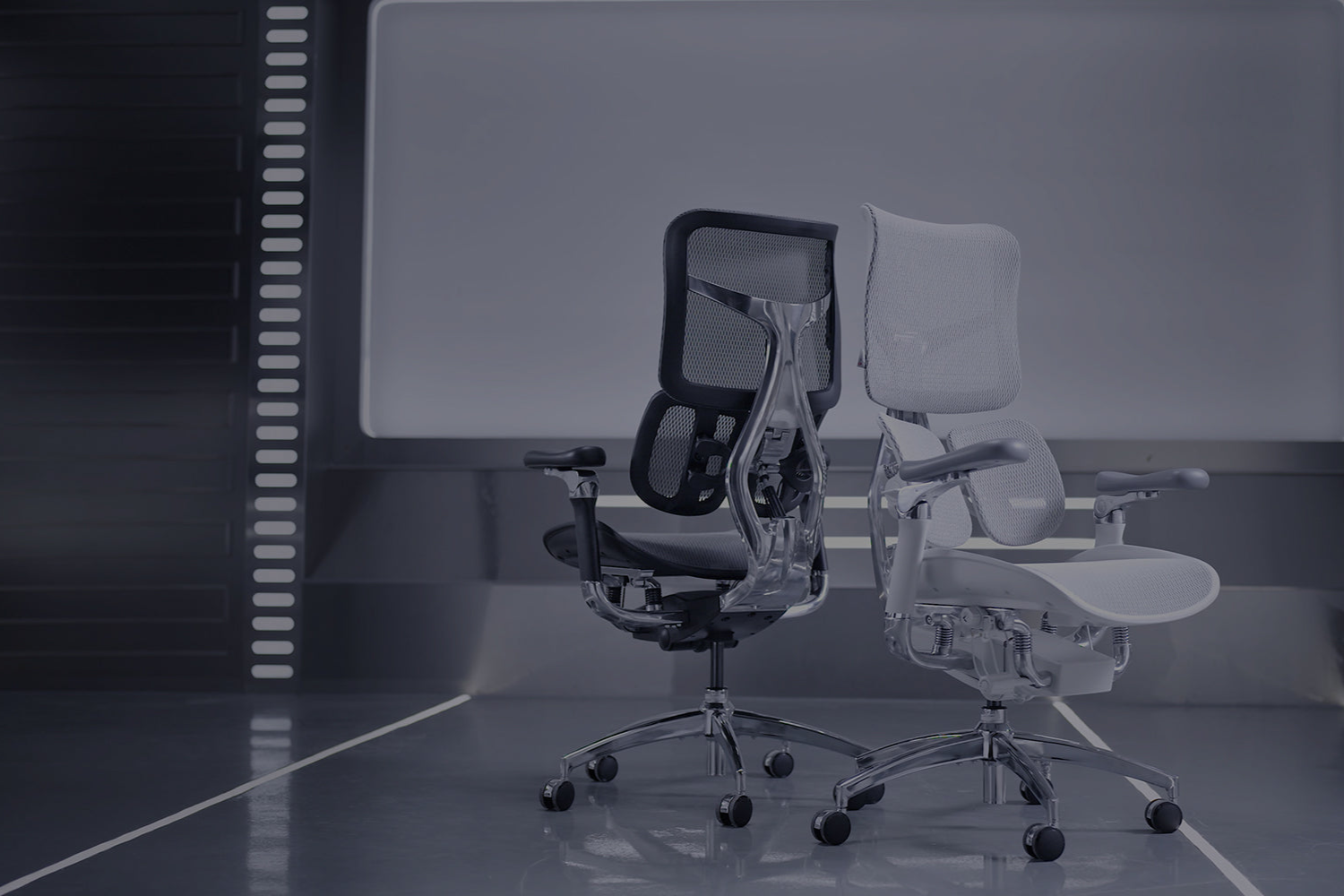
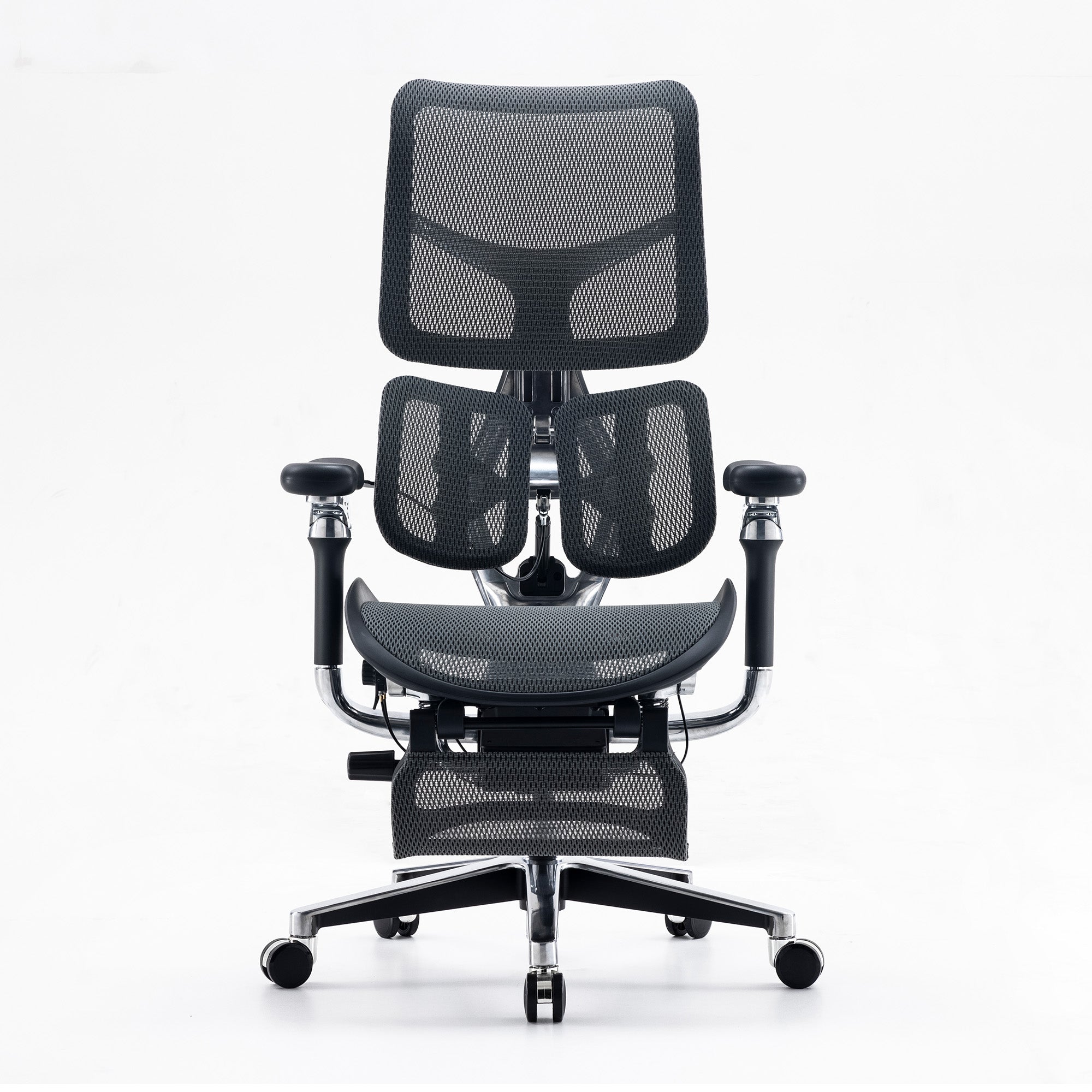
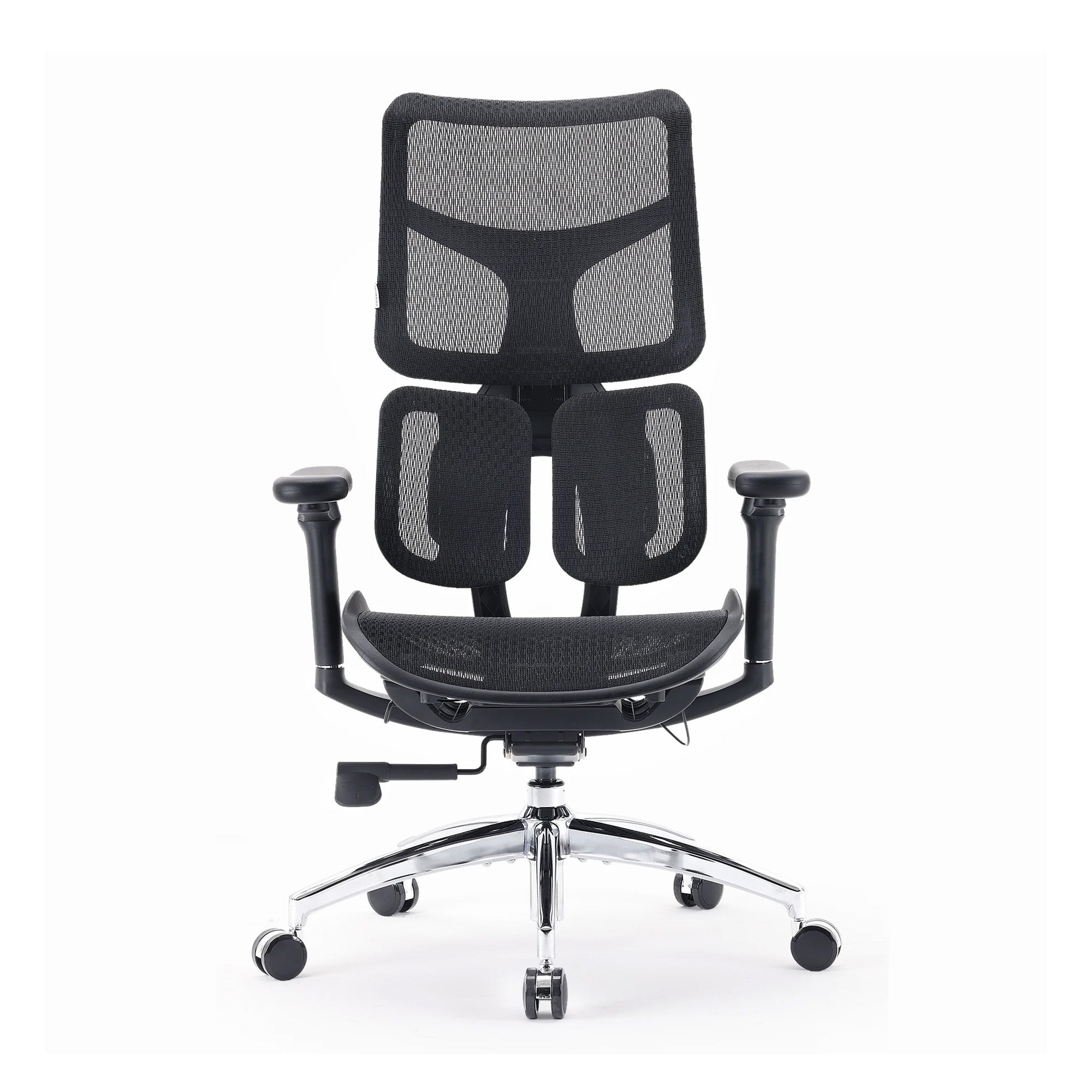
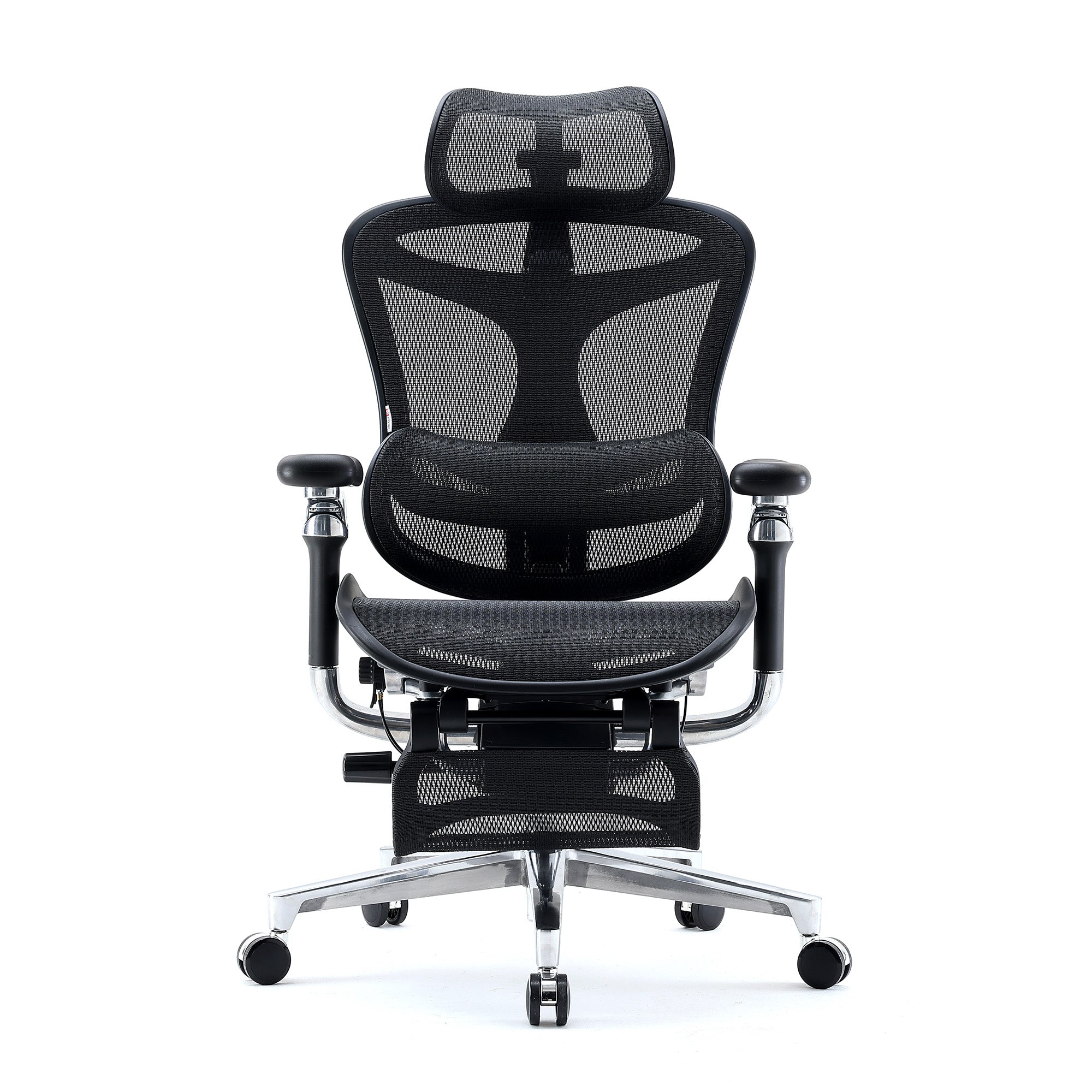
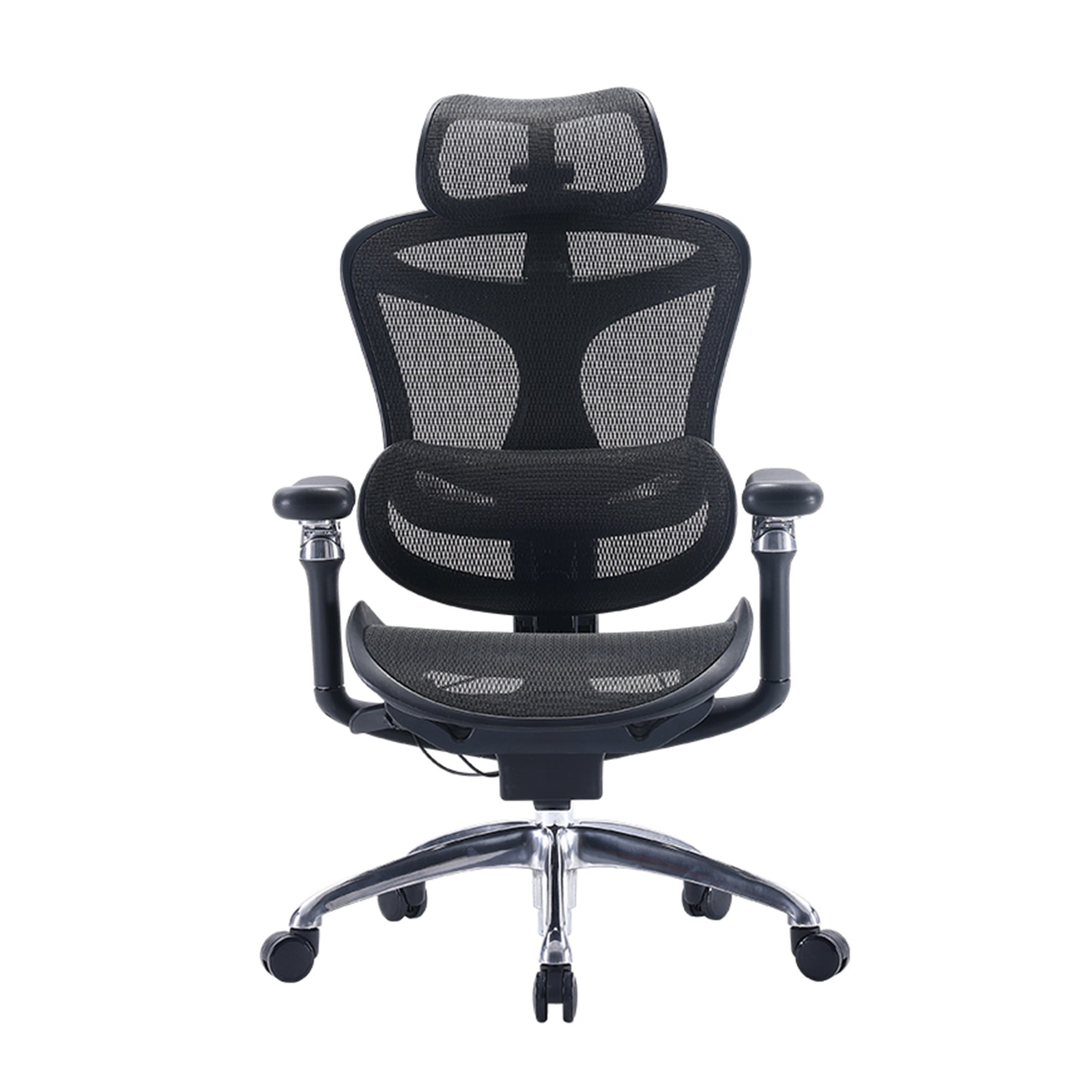
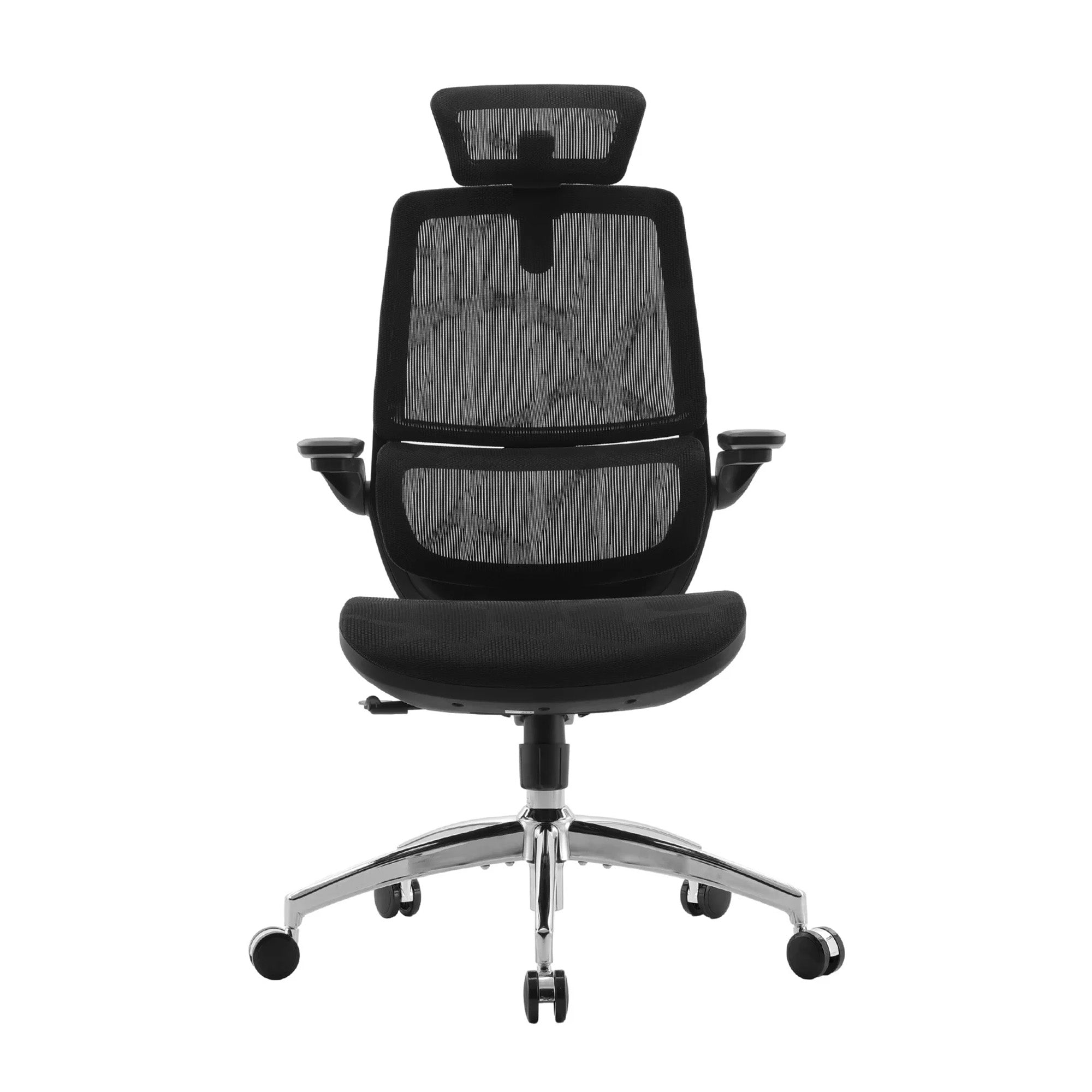
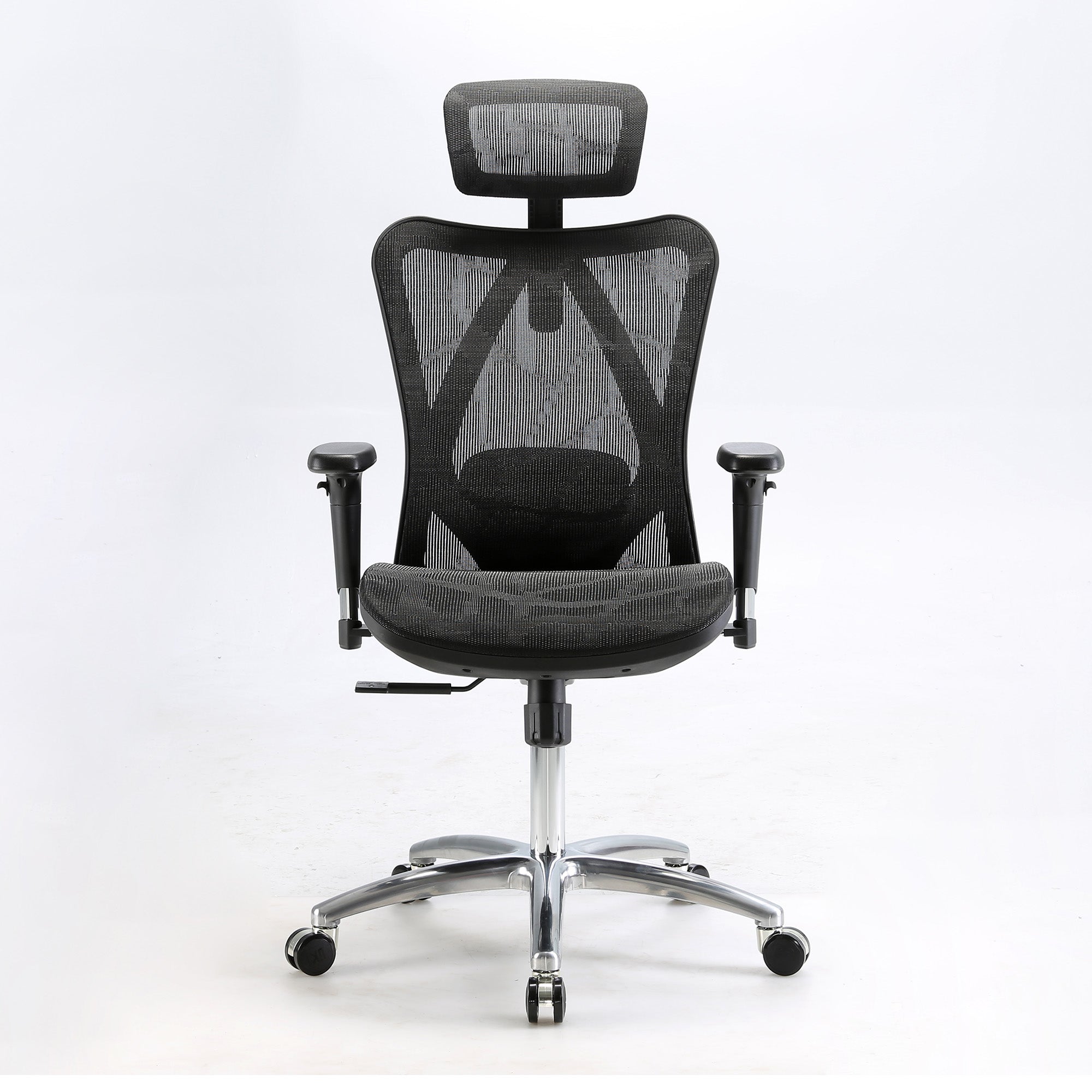
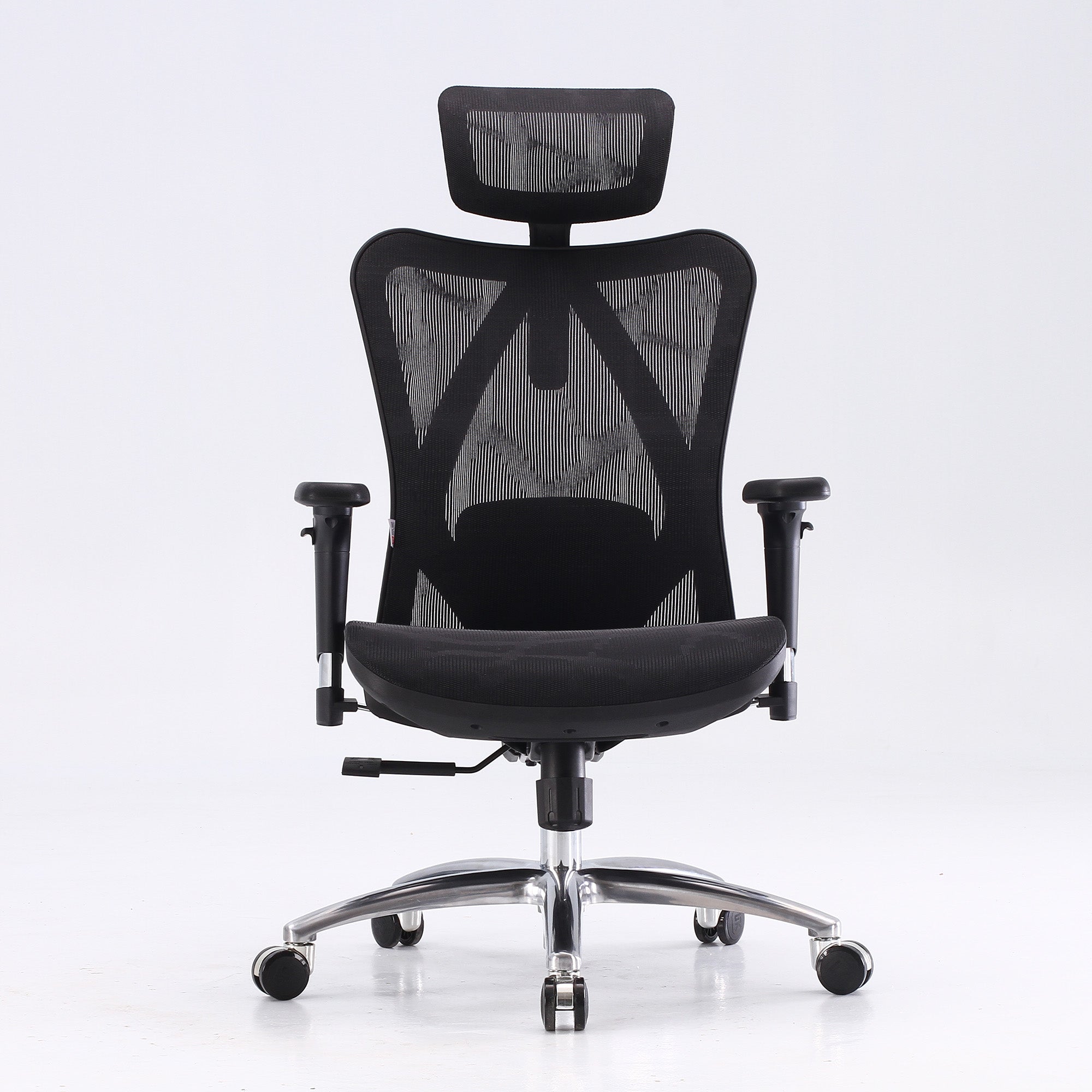
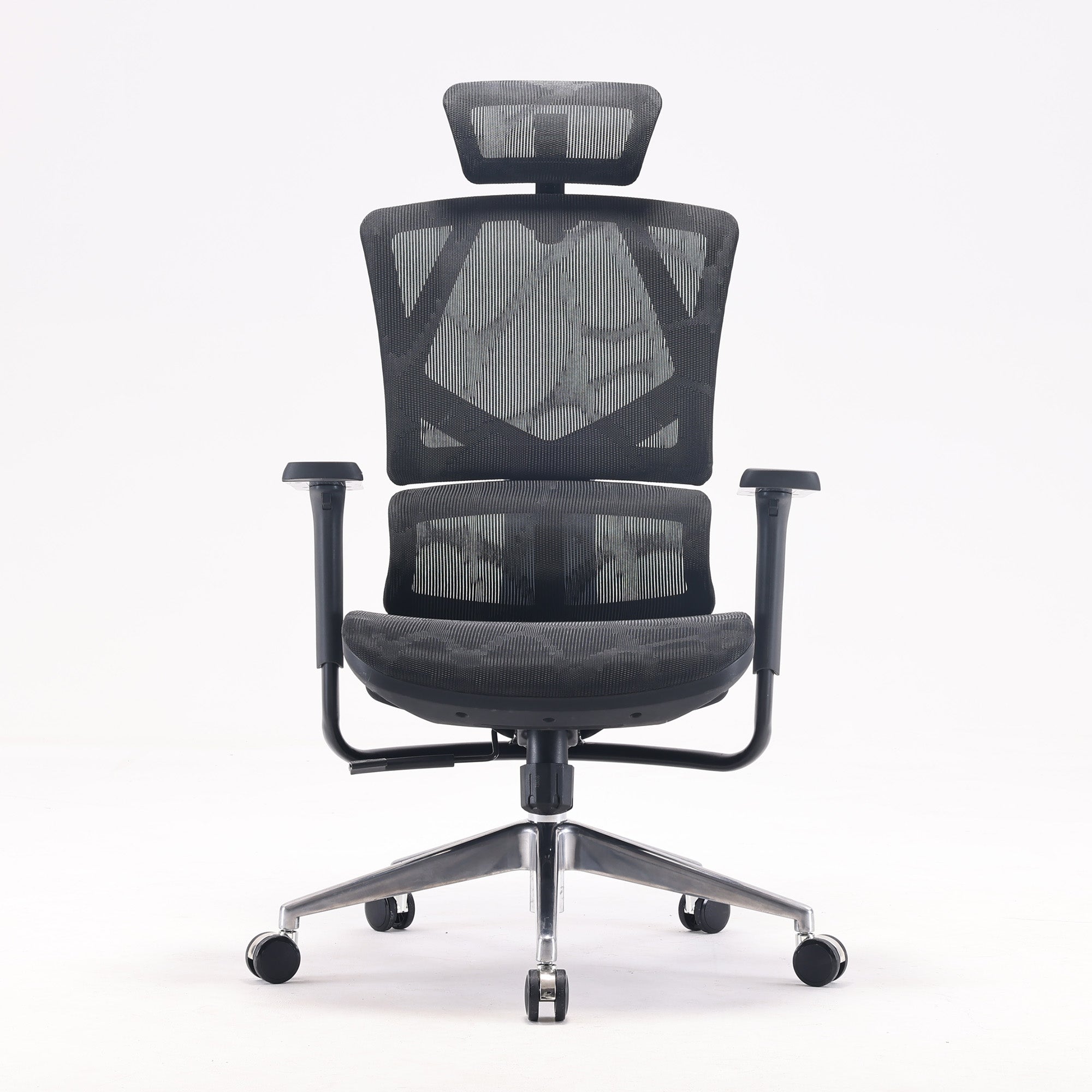
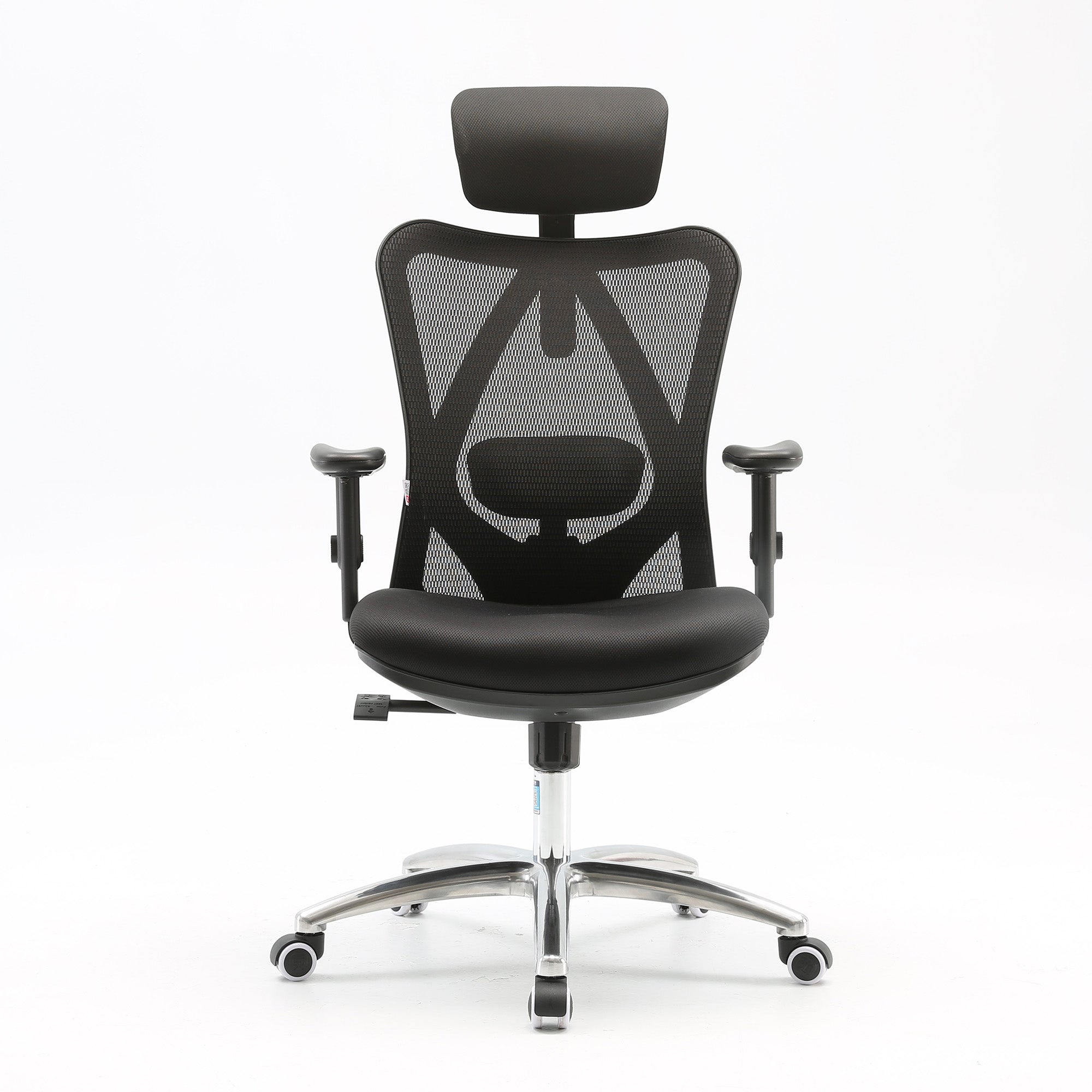
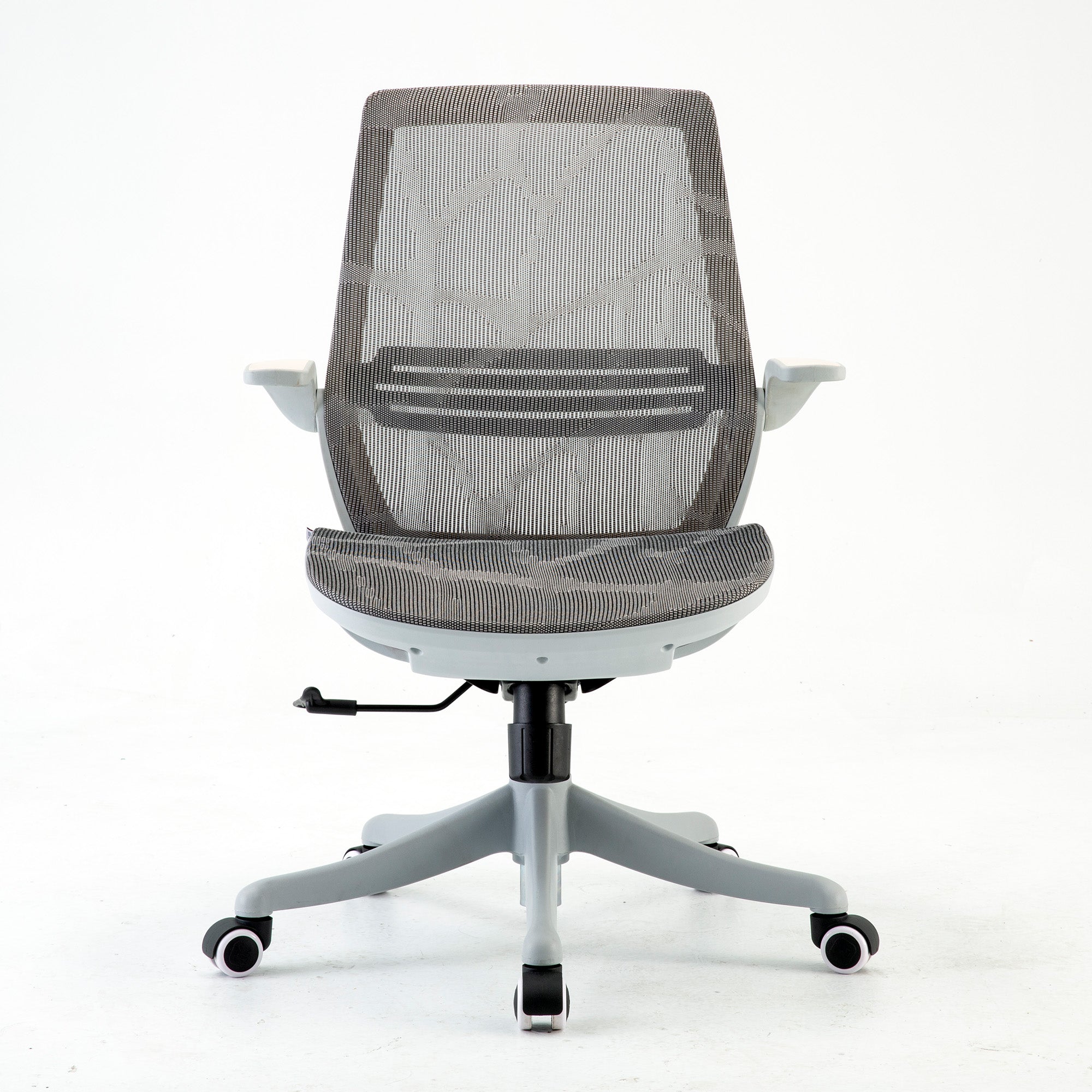
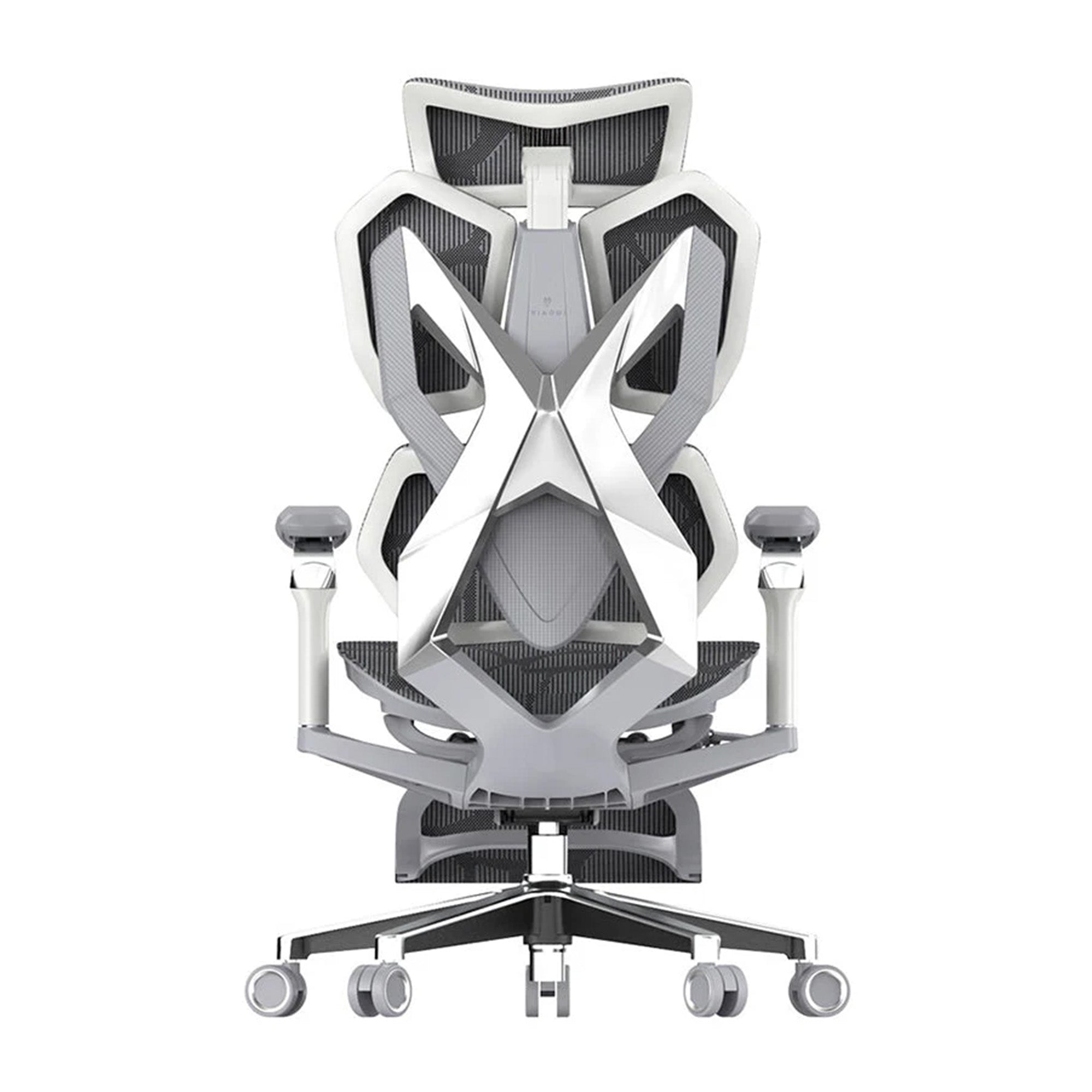

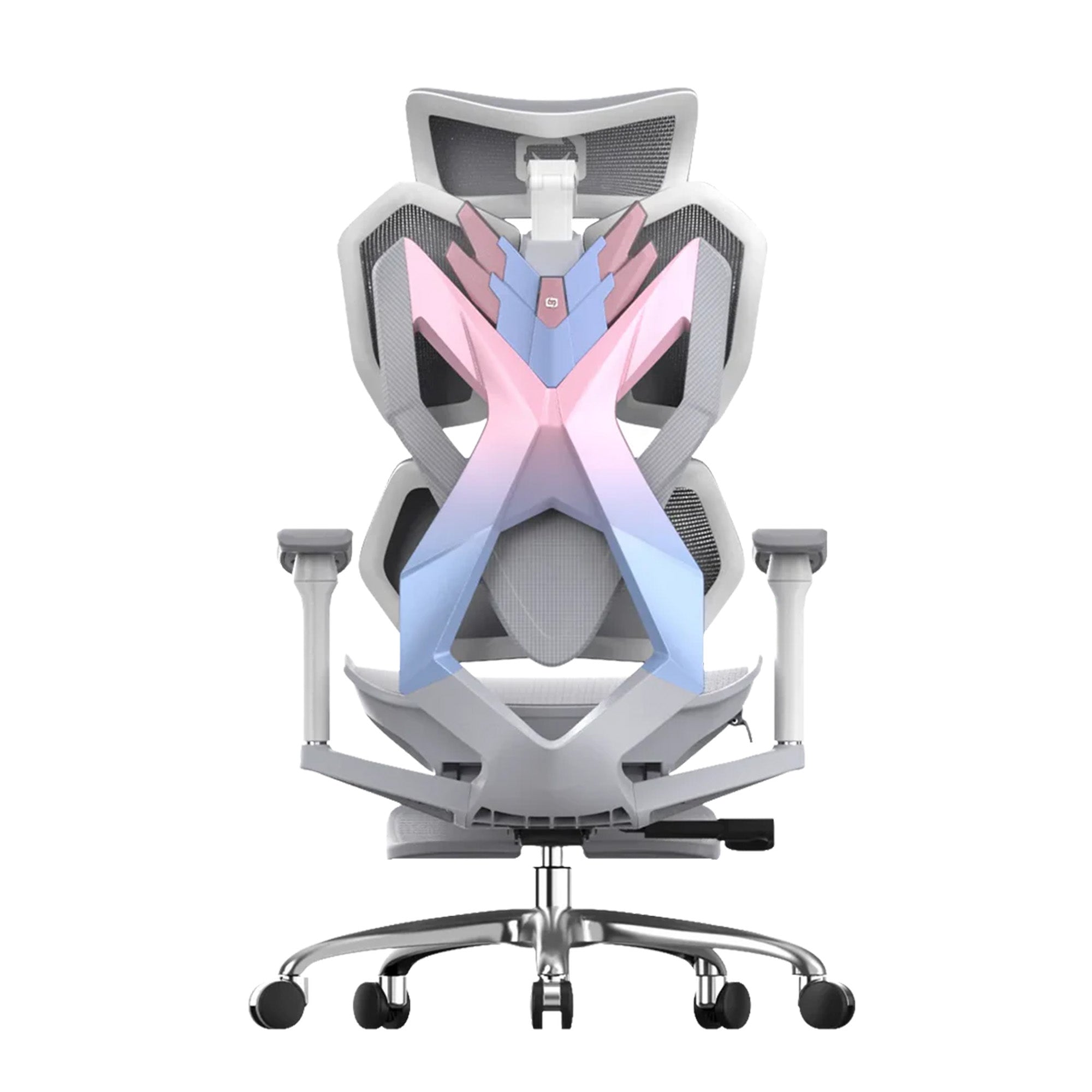
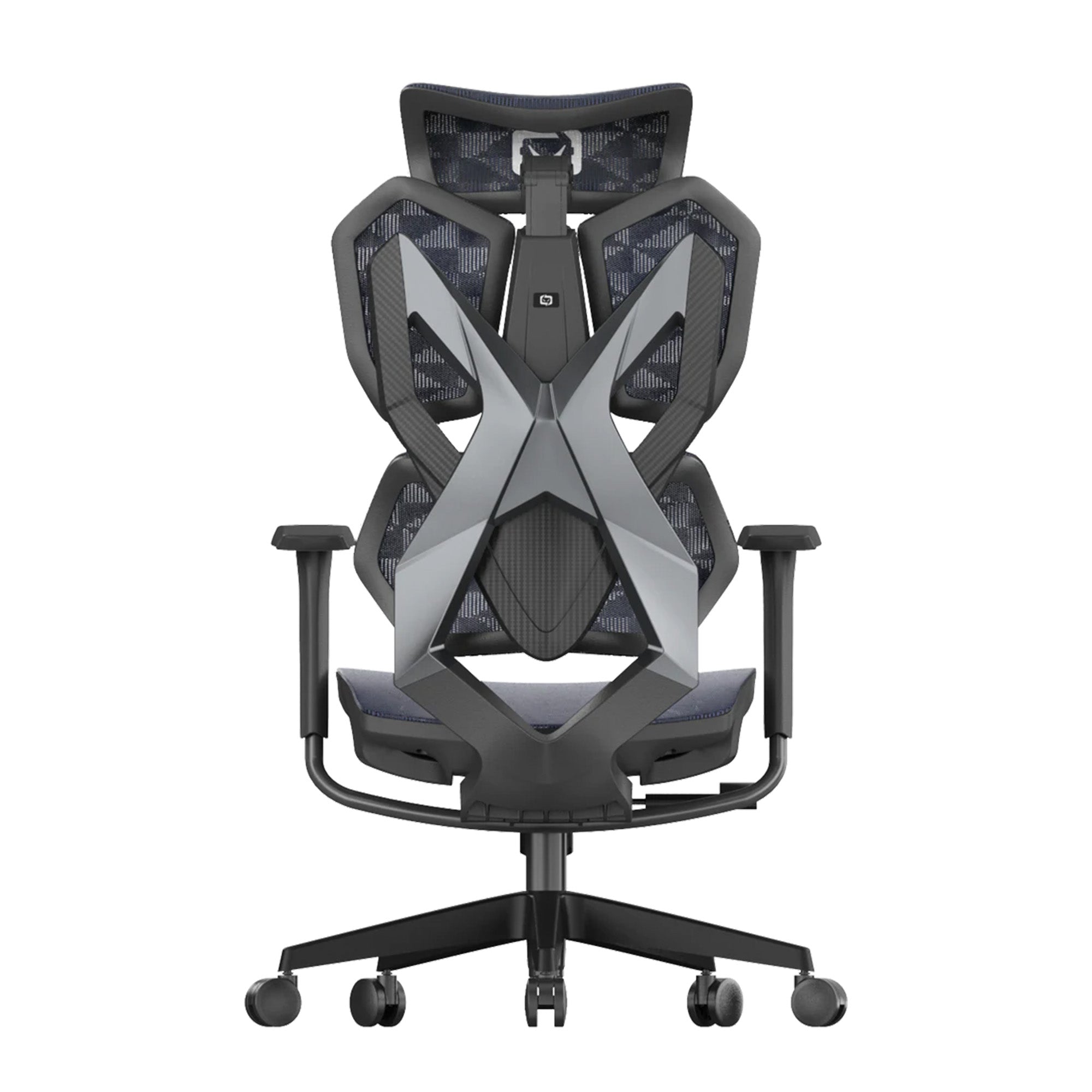

Most people wipe down their desk, clean their keyboard, and forget completely about the chair they sit in for eight hours a day. Mesh office chairs do a great job of keeping you cool and supported, but that same open-weave design that lets air through also traps dust, skin cells, hair, and the occasional coffee splash. Over time, a neglected mesh ergonomic chair looks dull, smells off, and can actually affect how well the mesh supports your back. This guide walks you through exactly how to clean a mesh office chair safely, what products to avoid, and how to keep it in good shape long term.
Whether you own a Sihoo M57, a Doro C300, or a Doro S300, the cleaning principles are the same. The good news is that mesh is one of the easier chair materials to maintain. You do not need specialist products or professional help. You need about thirty minutes, a few things you likely already have at home, and a method that will not damage the fibres.
Why Mesh Chairs Need Different Care to Fabric or Leather
How Mesh Fibres Trap Dirt Differently
Fabric chairs absorb spills and stains into their padding. Leather chairs sit on the surface and wipe off relatively easily. Mesh sits somewhere in between, and the difference matters when you are cleaning it.
Mesh is made from interwoven polymer fibres, typically polyester or nylon, stretched across a frame under tension. That tension is what gives the chair its support. When dust, sweat, and skin oils accumulate in the weave, they form a fine layer of grime that gradually reduces airflow and can cause the mesh to lose some of its responsiveness over time. The fibres themselves are durable, but they are also susceptible to fraying if you use the wrong tools or scrub too aggressively.
The other consideration is the foam or padding underneath the mesh seat. Most mesh chairs have a thin cushioned base beneath the mesh seat pan. If you oversaturate the mesh during cleaning, that moisture can seep into the foam, which takes a long time to dry and can develop a musty smell if it stays damp. Controlled moisture is the key principle in everything that follows.
What Happens If You Ignore It
A chair that has not been cleaned in six months or more will show it. The mesh discolours around the areas that contact your back and the back of your thighs. Body oils accumulate and give the mesh a slightly greasy feel. The gap between the mesh fibres narrows with compacted dust, which restricts the airflow that makes mesh chairs worth buying in the first place.
Beyond appearance, a dirty chair is a hygiene issue. A study led by Dr. Scott Kelley at San Diego State University, published in PLoS One (2012), swab-tested chairs, phones, desktops, keyboards, and mice across 90 offices and found chairs and phones carried more bacteria than any other surface tested. For shared office chairs, hot-desking setups, or any workspace where multiple people use the same seat, regular cleaning is not optional. It is basic workplace hygiene.
If your chair is already showing signs of wear and you are not sure whether cleaning will be enough to restore comfort, it may be worth reading how to make your office chair more comfortable alongside this guide. Sometimes a clean chair still needs a few setup adjustments to feel right again.
What You Need Before You Start
Safe Cleaning Supplies for Mesh
You do not need to buy anything special. All you need to do a thorough cleaning is:
-
Vacuum with a soft brush attachment. The most important tool for the dry phase.
-
Soft-bristle brush or old toothbrush. For stubborn dirt stuck in the weave.
-
Two microfibre cloths. One for applying the solution, one for rinsing it off.
-
Mild dish soap. A few drops, fragrance-free and pH-neutral if possible.
-
Lukewarm water. Heat can weaken or warp synthetic fibres.
-
Spray bottle (optional). Helps control how much moisture you use.
-
Dry towel and baking soda (optional). For patting down after the wet clean and neutralising odour.
Always put your cleaning solution on the cloth, not directly on the chair. Spraying liquid directly onto the mesh makes it unevenly wet and could push moisture into the foam below.
Avoid Products That Damage Mesh
This is where most people get into trouble. The temptation to reach for something stronger when a stain is stubborn is understandable, but the wrong product can do permanent damage to the mesh fibres and void your chair warranty.
|
Product to avoid |
Why it damages mesh |
|---|---|
|
Bleach or bleach-based cleaners |
Discolours and weakens the polymer fibres |
|
Ammonia-based products |
Strips the natural properties of the mesh and damages the frame finish |
|
Strong solvents or degreasers |
Can dissolve the bonding in the mesh and loosen it from the frame |
|
Abrasive powders or scrubbing pads |
Fray individual fibres permanently |
|
Steam cleaners |
Heat warps the synthetic mesh and can damage plastic components, despite what some general guides claim |
|
Hairdryers |
Direct heat shrinks and weakens mesh fibres. Always air dry |
|
Heavily fragranced fabric sprays |
Leave residue in the weave that attracts more dust |
If you are unsure about a product, check the care label on the underside of your chair seat. Most chairs carry a cleaning code. “W” means water-based cleaners are safe. “S” means solvent-based cleaners only. If you see “WS”, either is fine. If in doubt, mild dish soap and water is always safe on mesh.

How to Clean a Mesh Office Chair Step by Step
Step 1: First, Dry Clean
Make sure the chair is completely dry before you start. Do not go straight to the wet clean. Vacuuming and brushing first gets rid of the loose layer of dust and dirt that would turn into a paste if you added water. That paste is much harder to remove and gets deeper into the fibres.
Put the soft brush head on your vacuum and run it over the whole mesh backrest in overlapping passes, first side to side and then top to bottom. Pay close attention to the seams where the mesh meets the frame, since dust builds up heavily in these places. Do the same on the mesh seat. If your vacuum cannot reach tighter areas around the lumbar support or armrest joints, use a soft-bristle brush or old toothbrush to loosen the dirt and vacuum again. Avoid stiff bristles, since hard bristles break up the polymer strands and lower their tensile strength permanently.
Step 2: Clean Up Stains
Before a full wet clean, treat any visible stains first, since mixing a targeted stain treatment with a general clean means neither works as well.
Add about 250ml of lukewarm water to half a teaspoon of mild dish soap. Dampen a microfibre cloth in the solution and wring it out well, so it is damp, not wet. Gently rub the stain in a circular motion, working from the outside in, since working outward spreads the stain rather than containing it. For older or stubborn stains, let the damp cloth sit on the spot for two minutes before rubbing gently. Blot to lift the residue afterward rather than rubbing, since rubbing pushes the stain further in. For coffee or tea, act quickly: blot the liquid up with a dry cloth immediately, then follow with the soap solution.
Step 3: Clean the Full Mesh Thoroughly
Use the same lukewarm water and mild soap solution. Wet a microfibre cloth and wring it out until it will not drip when run across your forearm. Start at the top of the backrest and work down in sections, slightly overlapping each pass. Rinse the cloth with clean water between sections so you are not spreading the dirt you have just lifted.
Once the whole backrest is clean, go over the same spots with a second cloth dampened only with plain water, to rinse. This step matters: soap residue left in the mesh attracts dust, so a poorly rinsed chair gets dirty again faster than one rinsed properly. Repeat on the mesh seat, using a lighter touch and less moisture near the foam padding underneath.
Step 4: Clean the Base, Armrests, Frame, and Castors
The armrests, frame, gas lift column, and castor wheels all get dirty and are easy to forget. Wipe armrest pads with a damp cloth and mild soap, without soaking any foam underneath. The plastic or aluminium frame can handle a slightly wetter cloth, working into joints and adjustment mechanisms where dust and skin oils collect.
Castor wheels are often the dirtiest part of the chair. Hair, carpet fibres, and debris get caught around the axles and make the chair harder to roll. Use a toothbrush or crevice tool to clear debris from around each wheel, then wipe with a damp cloth and let dry before rolling on carpet again. Clean an aluminium base with a barely damp cloth and dry immediately to avoid water spots. The gas lift column just needs a dry cloth to remove dust and fingerprints.
Step 5: Make Sure the Chair Is Completely Dry
Most mistakes happen at this final step. Direct sunlight and hairdryers both damage synthetic mesh, since heat bends the polymer fibres, weakens the tension that holds them, and can warp plastic parts. Air drying is the only safe method.
Pat the mesh down with a dry towel after cleaning to absorb excess moisture, then move the chair somewhere with good airflow, an open window or door, and let it dry completely before sitting on it. This usually takes two to four hours in good airflow, up to twelve hours somewhere humid. A fan on low, facing the chair, speeds this up safely by moving air rather than adding heat.

How Often Should You Clean Your Mesh Chair
Weekly Maintenance, Monthly Deep Clean
|
Frequency |
What to do |
Who this applies to |
|---|---|---|
|
Weekly (under 5 minutes) |
Vacuum with soft brush attachment, wipe armrests with a dry cloth, check castors for tangled hair |
Everyone, as baseline maintenance |
|
Monthly (20-30 minutes) |
Full five-step process: dry clean, stain treatment, wet clean, frame wipe-down, air dry |
Standard home office users |
|
Every 2-3 weeks |
Same full process, increased frequency |
8+ hours daily use, shared chairs, warm/humid environments, eating at the desk |
|
After each rotation, minimum weekly |
Full or partial clean depending on visible soiling |
Shared or hot-desking office chairs |
|
Every 3-6 months |
Baking soda odour treatment: sprinkle on dry mesh, leave 30 minutes, vacuum off completely |
All users, as a seasonal reset |

Caring for Your Sihoo Chair Specifically
Sihoo Mesh Material Notes
Sihoo chairs use a high-quality breathable mesh across their range. The M57, Doro C300, and Doro S300 all feature mesh engineered for both airflow and long-term structural integrity, designed to hold tension and shape under sustained daily use, but like all mesh materials, it benefits from gentle care.
The Doro C300 features a split backrest design where each side of the mesh flexes independently. When vacuuming, run the brush attachment over both halves individually and pay attention to the central join, where debris tends to accumulate along the split line.
The Doro S300 has a dual-layer mesh backrest. Both the outer mesh layer and the inner support structure benefit from the vacuum dry-clean step. Take extra time along the outer edges of the backrest where the two mesh layers meet the frame, since grime tends to settle in these recessed areas.
If you have recently set up your Sihoo chair and want to confirm it is adjusted correctly for your body before cleaning, this guide on how to properly adjust your ergonomic chair covers the setup steps in detail. A well-adjusted chair also sits more evenly on the castors, which means dust and debris distribute more predictably and are easier to clean.
Warranty and Care Reminders
Sihoo Australia offers a three-year warranty on the M57 and a five-year warranty on the Doro series. Using harsh chemical cleaners, steam, or abrasive tools can damage the mesh, discolour the frame finish, and in some cases affect your warranty coverage. The cleaning method outlined in this guide uses mild soap and water, which is safe for all Sihoo chair materials and will not affect your warranty.
If you notice any changes in mesh tension, loose stitching at the frame edges, or damage to the adjustment mechanisms, contact Sihoo Australia support rather than attempting repairs yourself. Their team can advise on replacement parts or warranty claims, reachable at support@sihoo.com.au or 1300 002 580.
For anyone setting up a home office around their chair, these home office design ideas are worth a look. A well-organised workspace tends to stay cleaner because there is less clutter collecting dust near the chair in the first place.
Final Tips to Keep Your Sihoo Chair Looking and Performing Its Best
Cleaning a mesh office chair is not complicated. Vacuum regularly, clean with mild soap and a barely damp cloth when needed, avoid heat and harsh chemicals, and always let it air dry fully. Follow those four principles and your chair will stay fresh and supportive for years.
-
Keep a microfibre cloth at your desk for quick wipe-downs of the armrests and headrest at the end of the day. This thirty-second habit prevents the slow accumulation of skin oils that causes most discolouration.
-
If you eat at your desk, consider a chair cover or desk mat to catch crumbs before they reach the seat. Shaking out a cover is far easier than vacuuming crumbs out of mesh.
-
Check the mesh tension every few months by pressing the backrest with your hand. If it feels noticeably looser or starts to sag, contact Sihoo support, since a sagging backrest provides less lumbar support and no amount of cleaning will fix that.
-
When cleaning the room around you, tilt the chair seat up or move it out of the way so floor or desk cleaning products do not accidentally spray onto the mesh.
If you are reading this guide because your current chair is not comfortable even when clean, it may be time to look at whether it is the right chair for your body and working style. This guide to the best office chairs for long hours of sitting covers what to look for if you are considering an upgrade.
And if you are tall or on the shorter side and have never had a chair properly fitted to your measurements, the ergonomic chair guide for tall people is worth reading alongside this care guide. A chair that fits well and is kept clean is the combination that makes the biggest difference to how your back feels at the end of a long day.
Better Comfort Starts Now.
Sources Referenced
-
Kelley, S.T. et al. (2012). Office chair and phone bacterial contamination study, San Diego State University. Published in PLoS One, May 2012. Swab-tested chairs, phones, desktops, keyboards, and mice across 90 offices in New York, San Francisco, and Tucson; found chairs and phones carried the most bacteria of the five surfaces tested. Replaces the prior unattributed 'research has noted' phrasing with a named, dated, verifiable source.
-
Sihoo Australia live site, product specifications, warranty terms, and mesh construction details for M57, Doro C300, and Doro S300, verified live during research for this update.
-
This piece absorbs and replaces /blogs/all-about-ergonomic-chair/how-to-clean-and-maintain-your-ergonomic-chair, which contained no unique content worth preserving, see merge notes below.
Frequently Asked Questions
Body odour in a mesh chair is almost always caused by accumulated sweat and skin oils in the fibres. Sprinkle baking soda lightly over the dry mesh, leave it for thirty minutes, then vacuum it off thoroughly. For persistent odour, do a full wet clean with the mild soap solution first, allow the chair to dry completely, and then do the baking soda treatment. Do not use air freshener sprays directly on the mesh. They mask the smell temporarily and leave a residue that attracts more dust.
The mesh or the foam underneath got too wet during the clean and did not dry completely before you used the chair. The moisture trapped in the foam grew mould or bacteria, which causes the musty smell. To fix it, do another clean using a barely damp cloth, then allow the chair to dry for at least twelve hours in a well-ventilated space before using it. Going forward, wring your cloth out more thoroughly during the wet clean and prioritise the air dry step.
Act immediately. Blot the liquid with a clean dry cloth to absorb as much as possible before it penetrates the fibre. Do not rub. Once you have blotted as much as you can, treat the area with the mild soap and lukewarm water solution using a barely damp cloth. Blot again to lift the residue. Then allow it to air dry fully. The faster you respond to a spill, the better the outcome.
No. Direct sunlight applies UV heat that weakens synthetic mesh fibres over time and can warp plastic chair components. It may look like it is drying the chair faster, but it is doing subtle damage in the process. Move the chair to a shaded, well-ventilated area and let it air dry naturally. A fan on low is the only safe way to speed up the process.
For chairs with a fixed lumbar cushion, wipe around and underneath it with a barely damp cloth. Remove any lumbar cushion that detaches before cleaning the mesh behind it, and clean the cushion separately. For dynamic lumbar supports like those on the Doro C300 and S300, clean the mesh surface the same way as the rest of the backrest. The mechanism itself does not need wet cleaning. Wipe the outside of the mechanism housing with a dry cloth to remove surface dust.
General office cleaning costs, including products and services used to maintain chairs and workstations, are typically deductible as business operating expenses. If you bring in a professional cleaning service specifically to deep clean your office chairs, that cost is generally claimable. Consult your accountant for confirmation, as deductibility depends on how the cleaning relates to your business operations and the current ATO guidance for your situation.
Yes. Mild dish soap, lukewarm water, and microfibre cloths are safe across the full Sihoo range including the M57, Doro C300, and Doro S300. The cleaning process is identical across all three models. The only difference is that the Doro C300 has a split backrest that needs attention along the central join, and the S300 has a dual-layer mesh that benefits from extra time along the frame edges. Avoid bleach, ammonia-based products, and steam on all models.
Maintaining a clean and safe working environment is a core obligation under the Work Health and Safety Act. While there is no specific regulation that names chair cleaning, the general duty of care requires employers to provide a safe and hygienic workplace. Dirty chairs that harbour bacteria, allergens, or unpleasant odours in a shared environment can be considered a hygiene risk. Documenting a regular chair maintenance schedule is a practical way to demonstrate that your organisation takes workstation hygiene seriously.
Create a simple maintenance schedule and assign it to a rotating member of the team or include it in your office cleaning contract. Keep a small cleaning kit near the chairs, including a handheld vacuum, two microfibre cloths, and a spray bottle with mild soap solution. The five-step process takes around twenty to thirty minutes per chair for a deep clean. A weekly maintenance vacuum takes under five minutes. For larger offices, consider deep cleaning chairs in batches of five or ten on a rolling monthly rotation.
For chairs in dedicated workstations used by one person, monthly deep cleans are sufficient with weekly maintenance wipes. For shared or hot-desking chairs that rotate between multiple users, clean after each changeover or at minimum weekly. High-traffic chairs in customer-facing or health-related environments should be wiped down daily. The more people sharing a chair, the more frequently it needs attention.
Shop products from this article


