

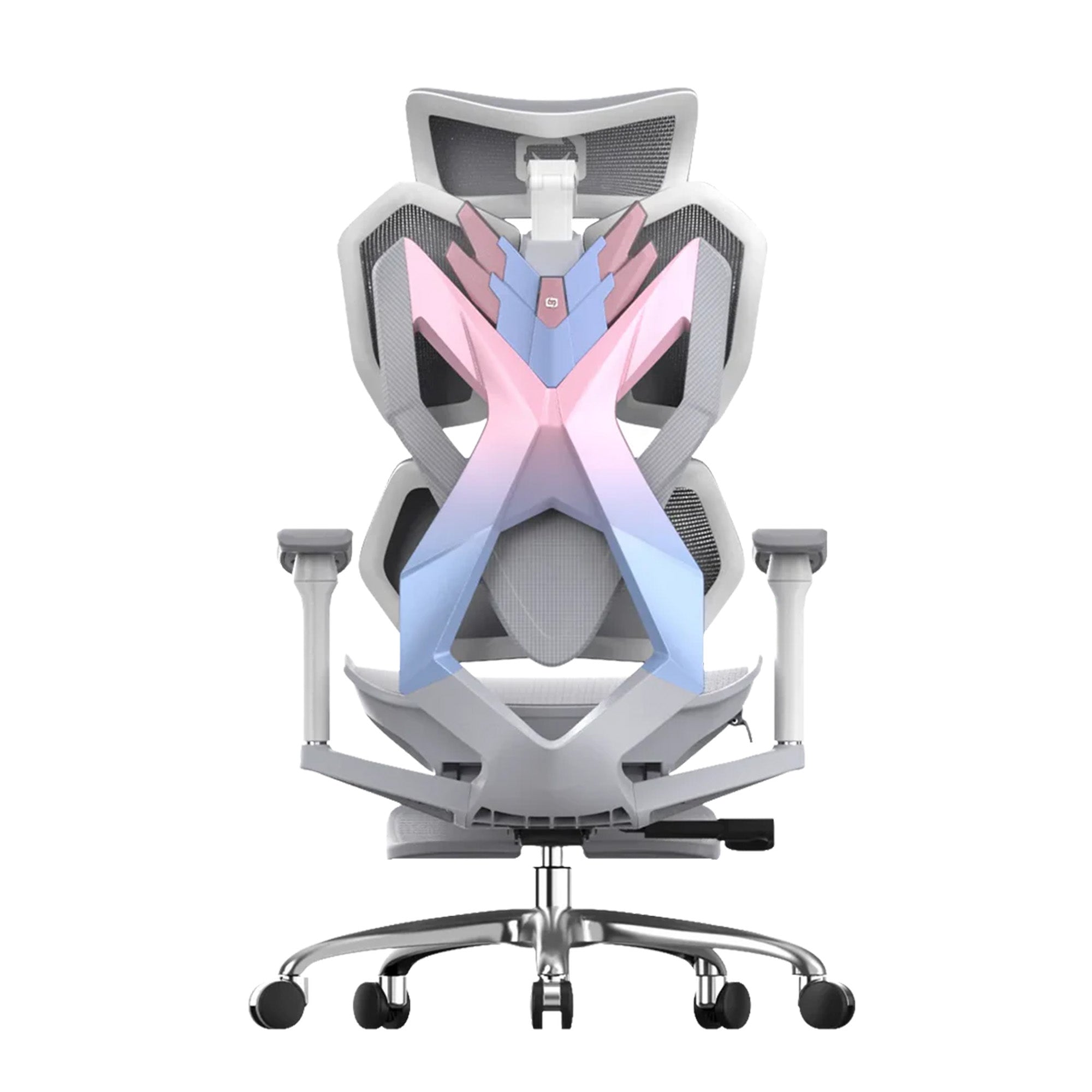
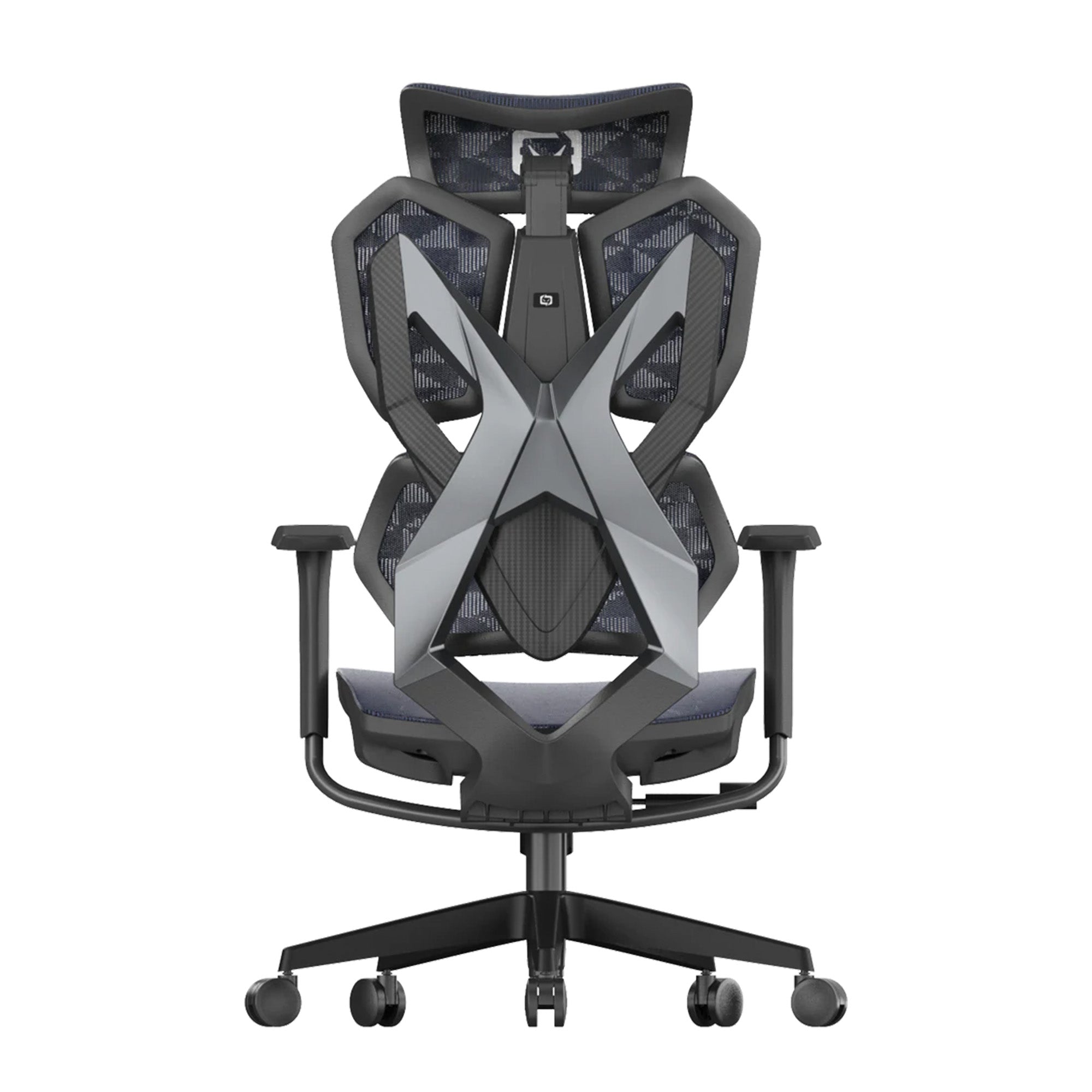

When looking for ways to boost office productivity, don’t ignore the effects of office furniture. Over time, it can wear out, become outdated and fail to meet the evolving needs of a growing business. And your office furniture, from your chairs to your cabinetry, might be what’s reducing the overall functionality and appeal of your workspace.
So, how do you know it’s time for an upgrade? Look for the obvious and not-so-obvious signs that it’s time to renew your office furniture.
Your Furniture Is Damaged or Showing Signs of Wear and Tear
Any physical damage to your chairs and desks, such as broken armrests, are clear-cut signs it’s time to renew your office furniture. If the damage is not apparent, look for signs of wear and tear like scratches, dents, cracks, loose screws and parts, squeaks and creaks, flattened cushions and wobbly legs.
Also, observe if there is any loss in the functionality of your office furniture, like chairs that don’t adjust fully or drawers that don’t fully slide open and shut. What may seem like minor inconveniences in your office furniture can compound to create major roadblocks in your operations.
Employee Productivity Is Slowing Down
If you’ve noticed a loss of productivity but can’t seem to pinpoint the cause, observe the satisfaction your employees get from your office furniture. Uncomfortable chairs and narrow desks cause poor ergonomics in the workplace and give rise to chronic back problems, fatigue, headaches and other repetitive stress injuries such as carpal tunnel syndrome and tendonitis. Additionally, all of these can trigger stress, worsening the overall well-being of your employees.
A higher number of absences in your workforce could be a sign it’s time to renew your office furniture. If your current furniture lacks lumbar support, adjustable features and proper keyboard and mouse placement, consider upgrading to ergonomic chairs and desks to better support employees’ physical and mental health.
Your Office Culture Is Evolving
As your business grows, so do the needs of your employees. The way people work, collaborate and thrive may have changed since you purchased your existing furniture.
For example, your office may now require more open and collaborative spaces, making partitioned desks and narrow cubicles unsuitable for the workspace. Employees may have also developed healthier habits and prefer adjustable standing desks that allow them to move throughout the day.
You Need More Storage, Organisation, and Functionality
One of the signs it’s time to renew your office furniture is the accumulation of clutter, making your workspace feel disorganised and look unprofessional. See if there are overflowing cabinets, limited filing space or insufficient storage for office supplies. Those are signs to invest in functional furniture with ample storage capacities, such as filing cabinets, bookshelves and modular desks.
Also consider cable management, as technology has become an integral part of the modern workplace, so have an abundance of wires and cables. Your office needs to accommodate laptops, printers and other devices with built-in charging outlets and wire management ports for more efficient organisation.
Your Furniture Doesn’t Reflect Your Branding
Furniture is part of the overall design of your office and your chairs, desks, storage, tables and sofas contribute to your branding more than you think. Clunky vinyl couches, leather chairs and narrow cubicles speak of older times and may no longer represent your company’s younger and collaborative culture.
So, if you want to impress your clients and inspire your employees, consider revamping your office with modern furniture that is both stylish and functional. Start with mesh ergonomic chairs, modular desks, plush couches and a bespoke reception desk that represent your business well.
You Prioritise Cost Efficiency
How often should you replace office furniture? The average lifespan of most office chairs, desks and cabinets is 7 to 10 years. However, you might consider upgrading your office furniture earlier for cost efficiency, especially if ageing furniture requires frequent repairs.
Additionally, having to cover the cost of absent employees due to injuries or illness caused by poor ergonomics is another sign it’s time to renew your office furniture. With long-lasting ergonomic furniture, you can reduce unnecessary expenses and observe a cost-efficient office.
How Often Should You Replace Office Furniture?
The short answer is: It depends. The general guideline is to consider upgrading every 7 to 10 years, when most manufacturer warranties run out. However, the quality of the furniture, level of usage, the office’s budget and changing needs all play into the decision to invest in new chairs, desks and storage.
Ultimately, it’s more important to consider how your furniture affects your employees’ productivity and the office’s appeal. Signs that it’s time to renew your office furniture will manifest, from visible damage to productivity losses due to poor ergonomics, these are clear indications that you need to revamp your office with new furniture, even before the warranty expires.
Refresh Your Office with Furniture from SIHOO — Australia’s Leading Ergonomic Chair Provider
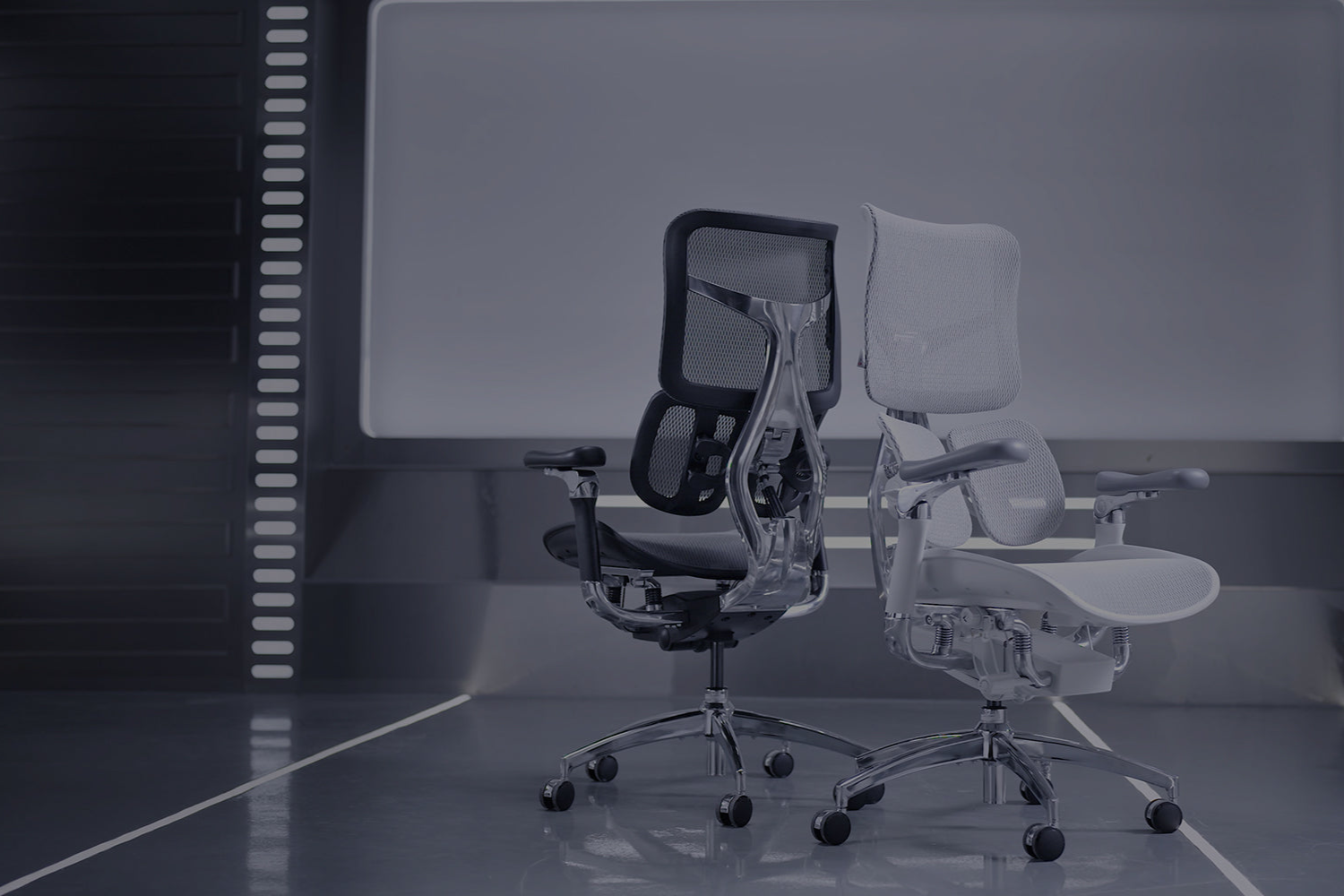
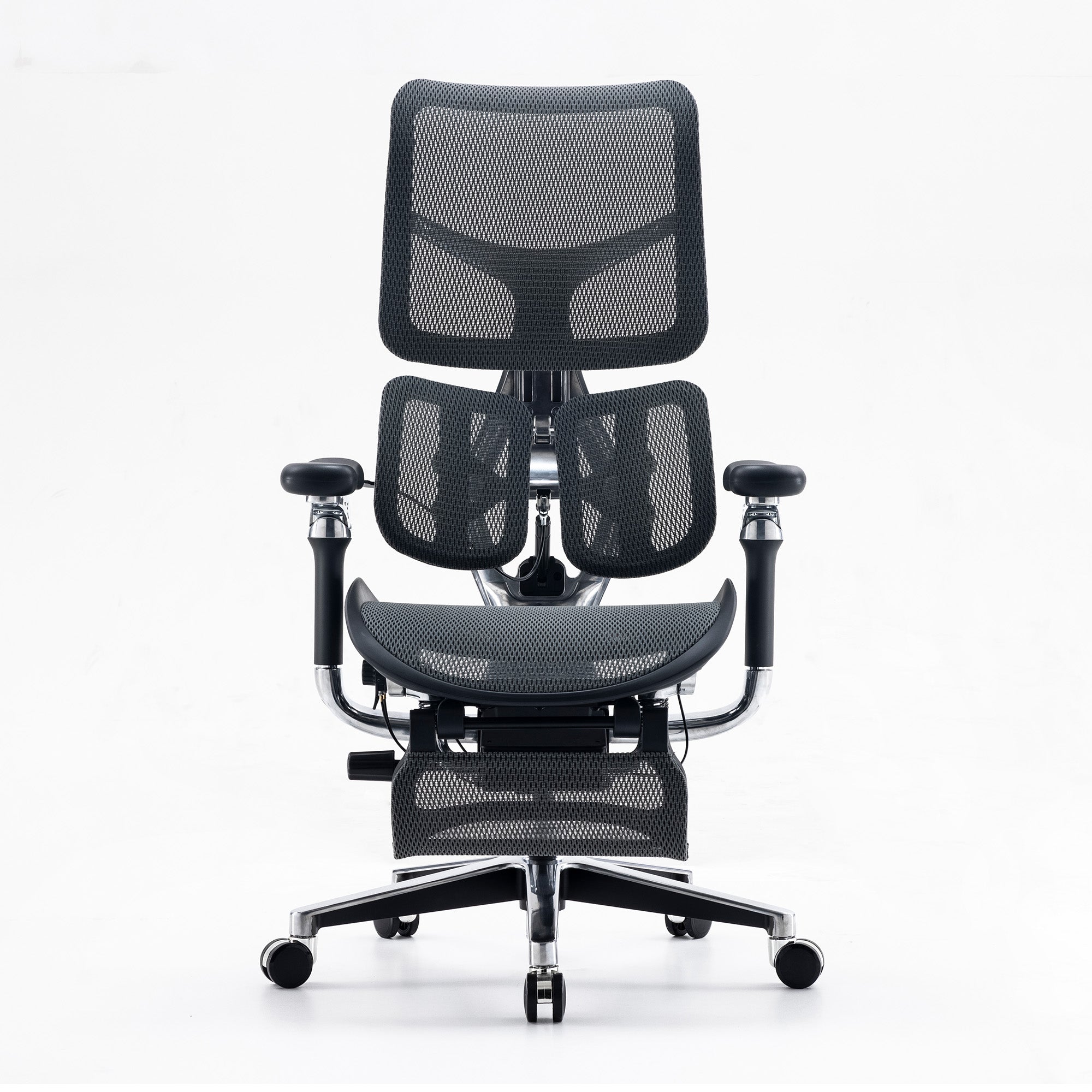
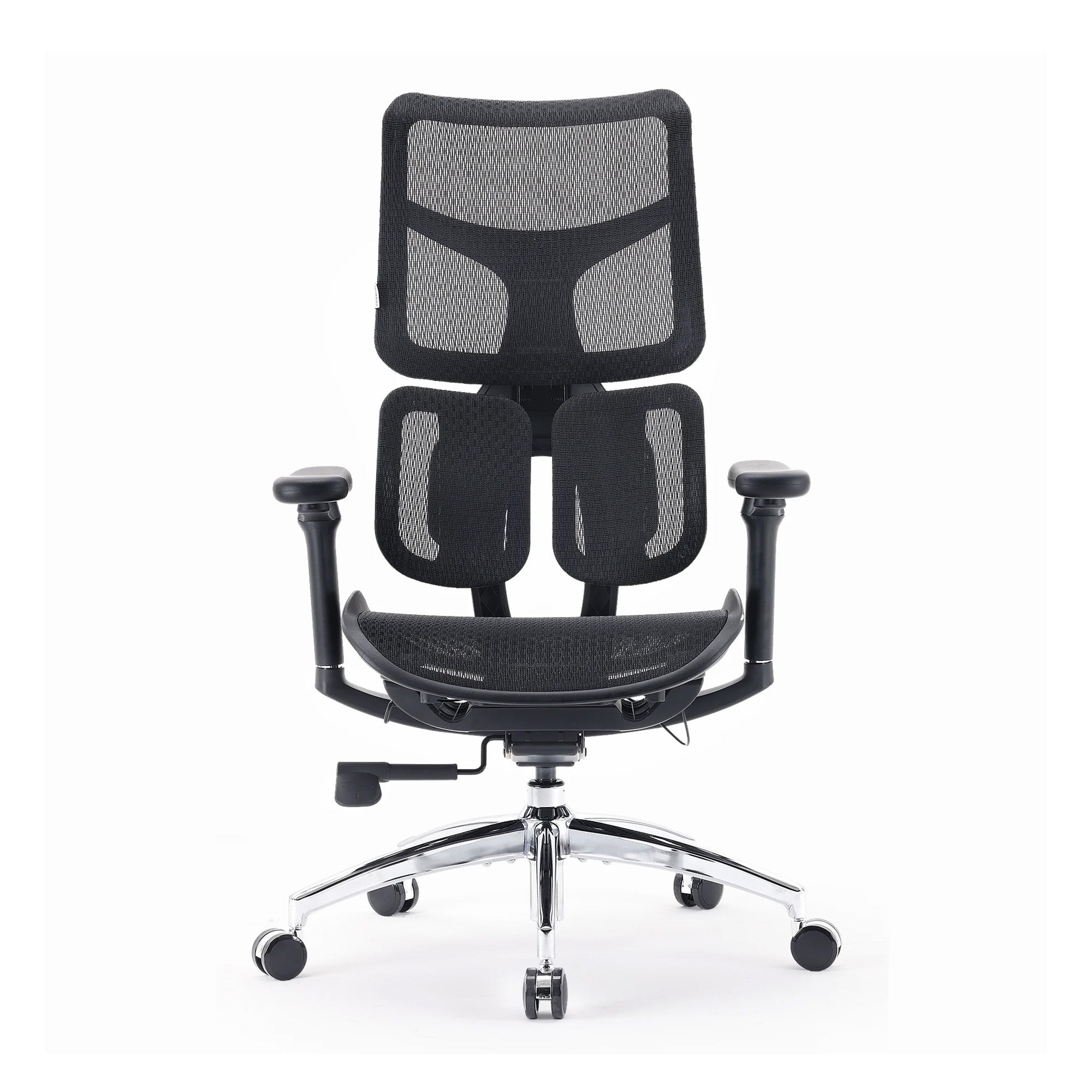
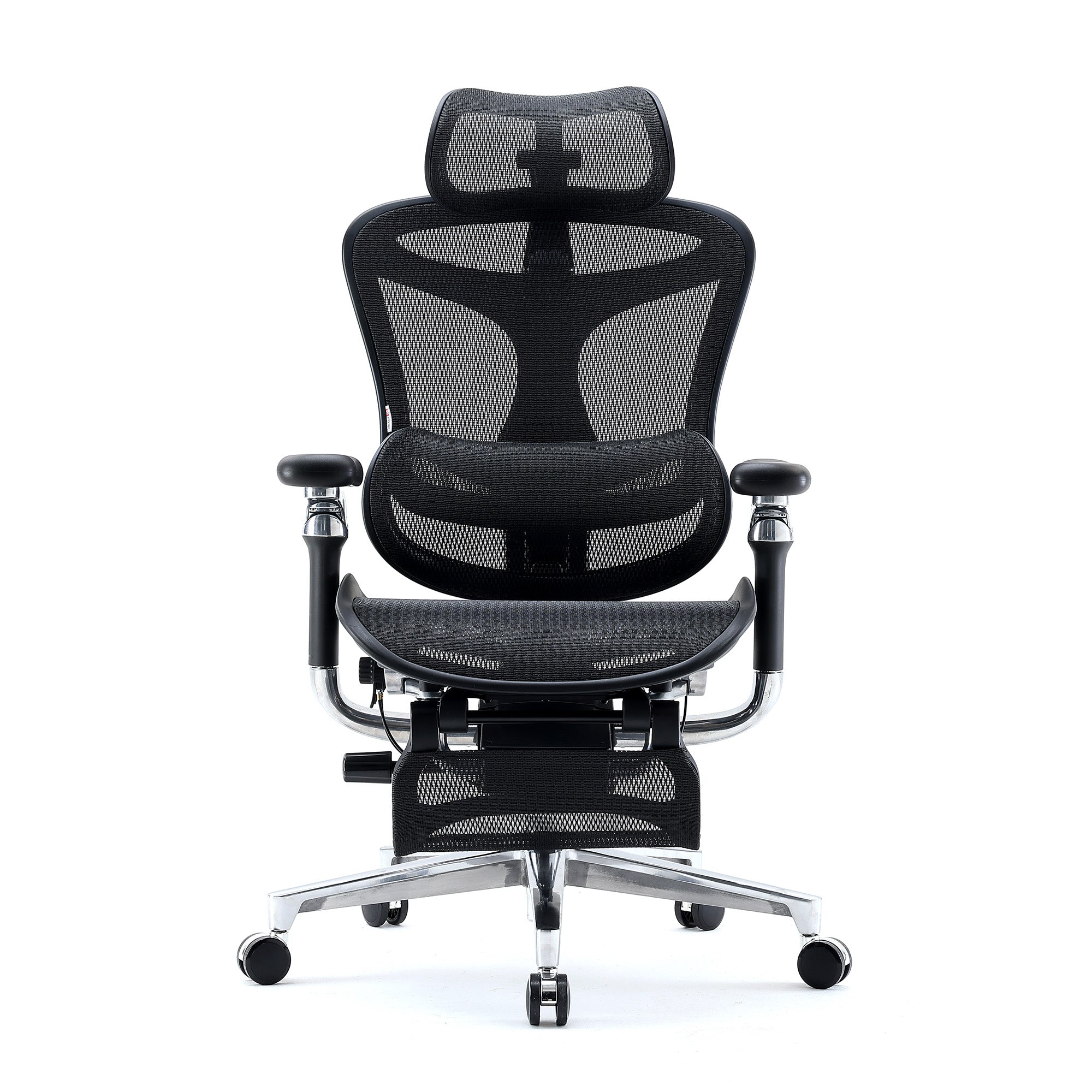
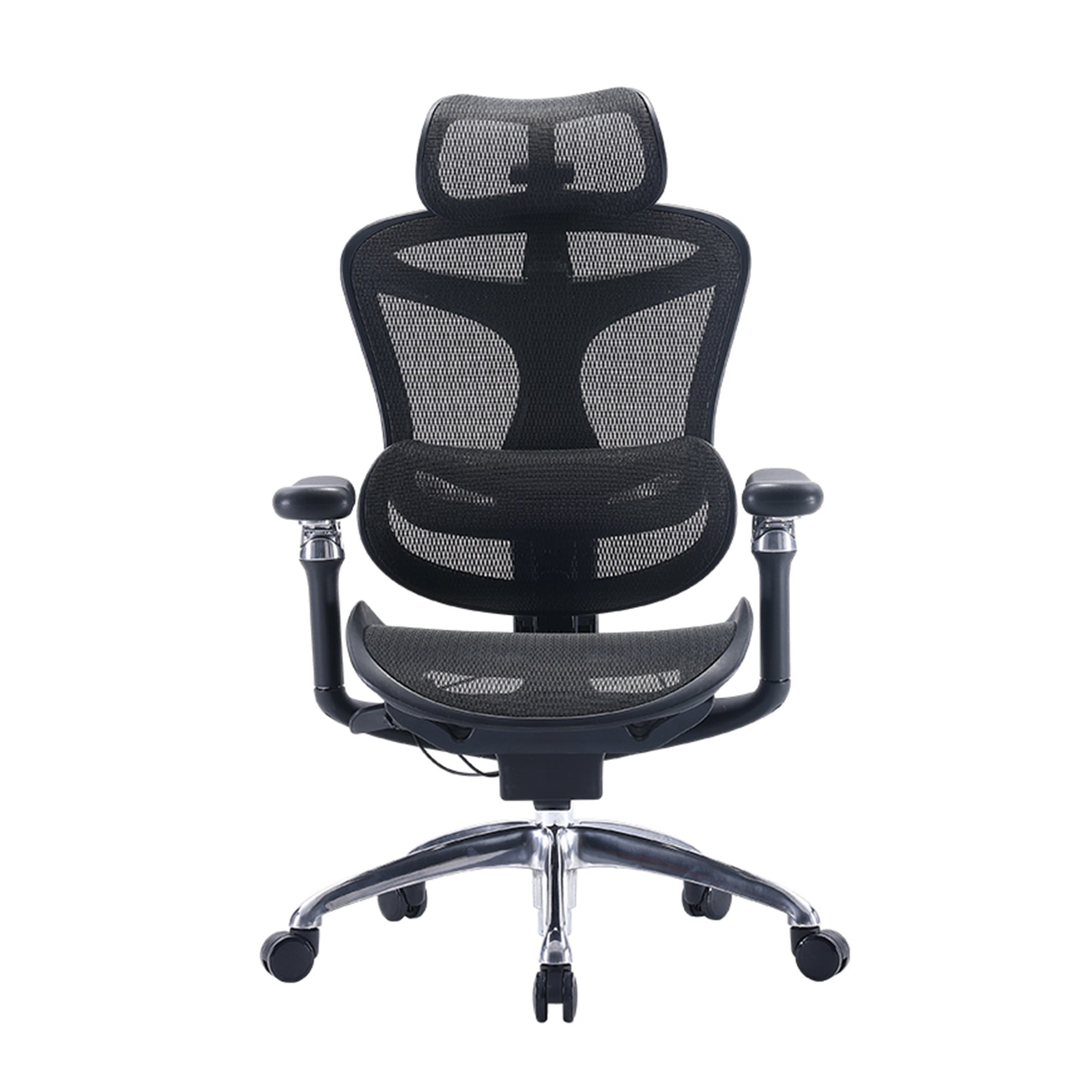
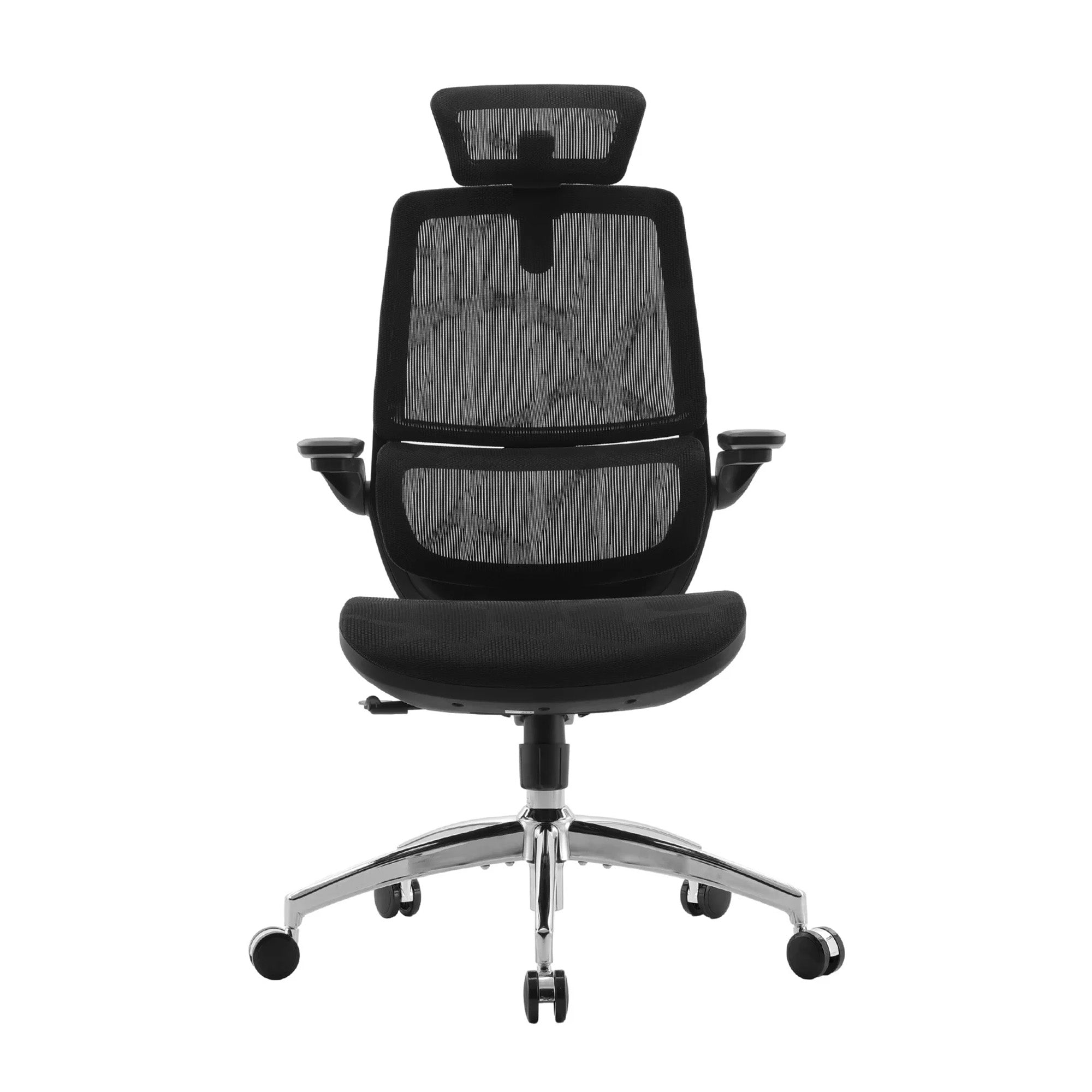
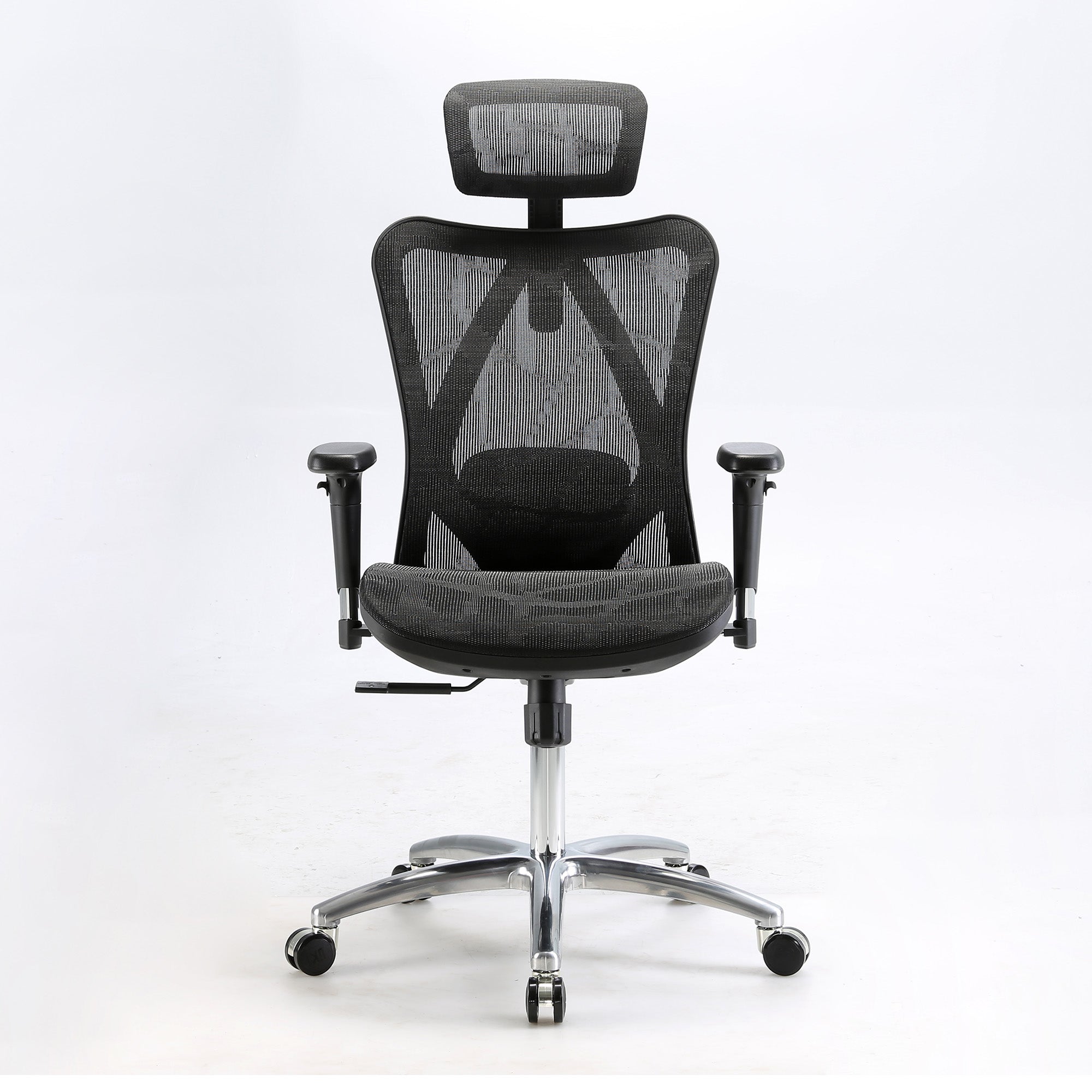
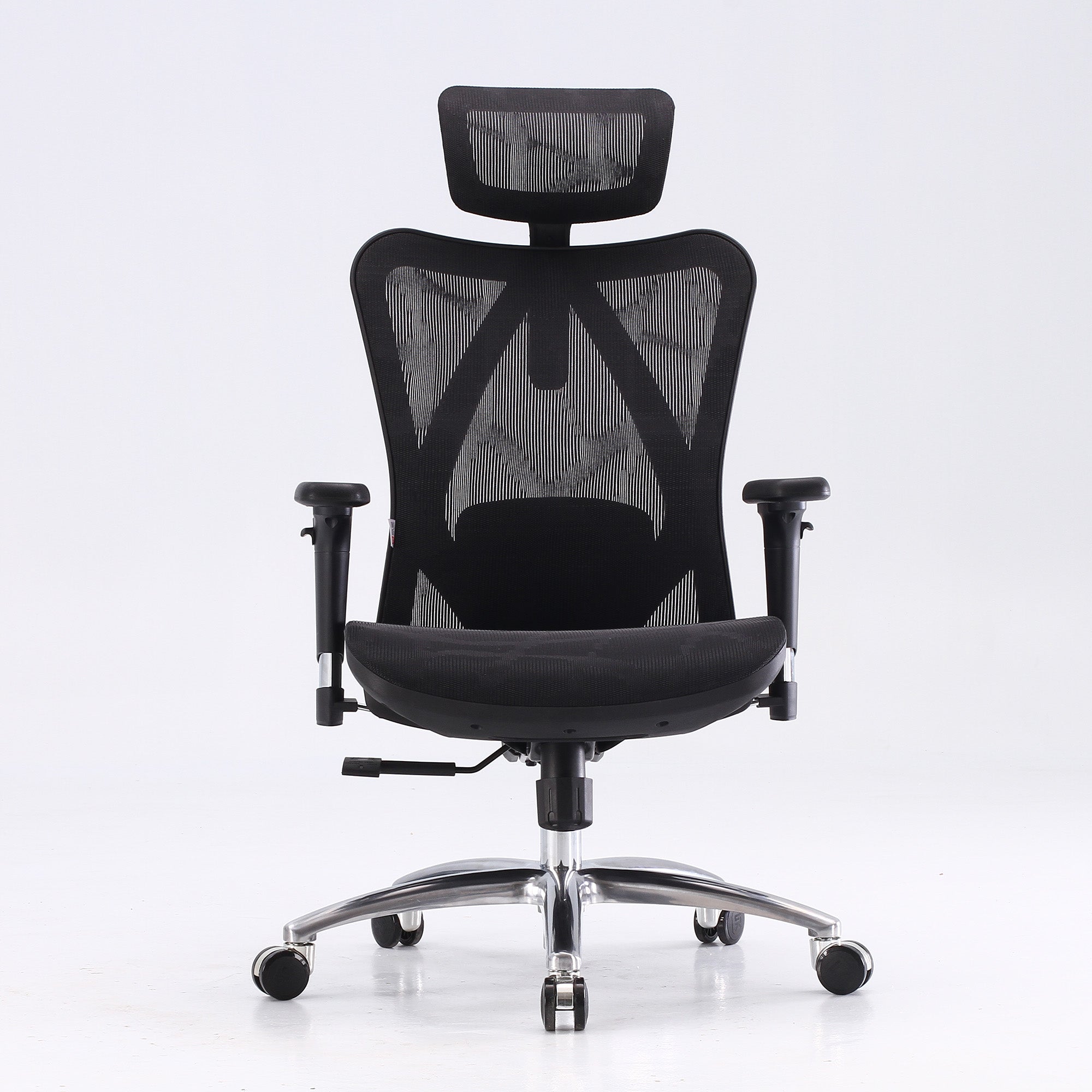
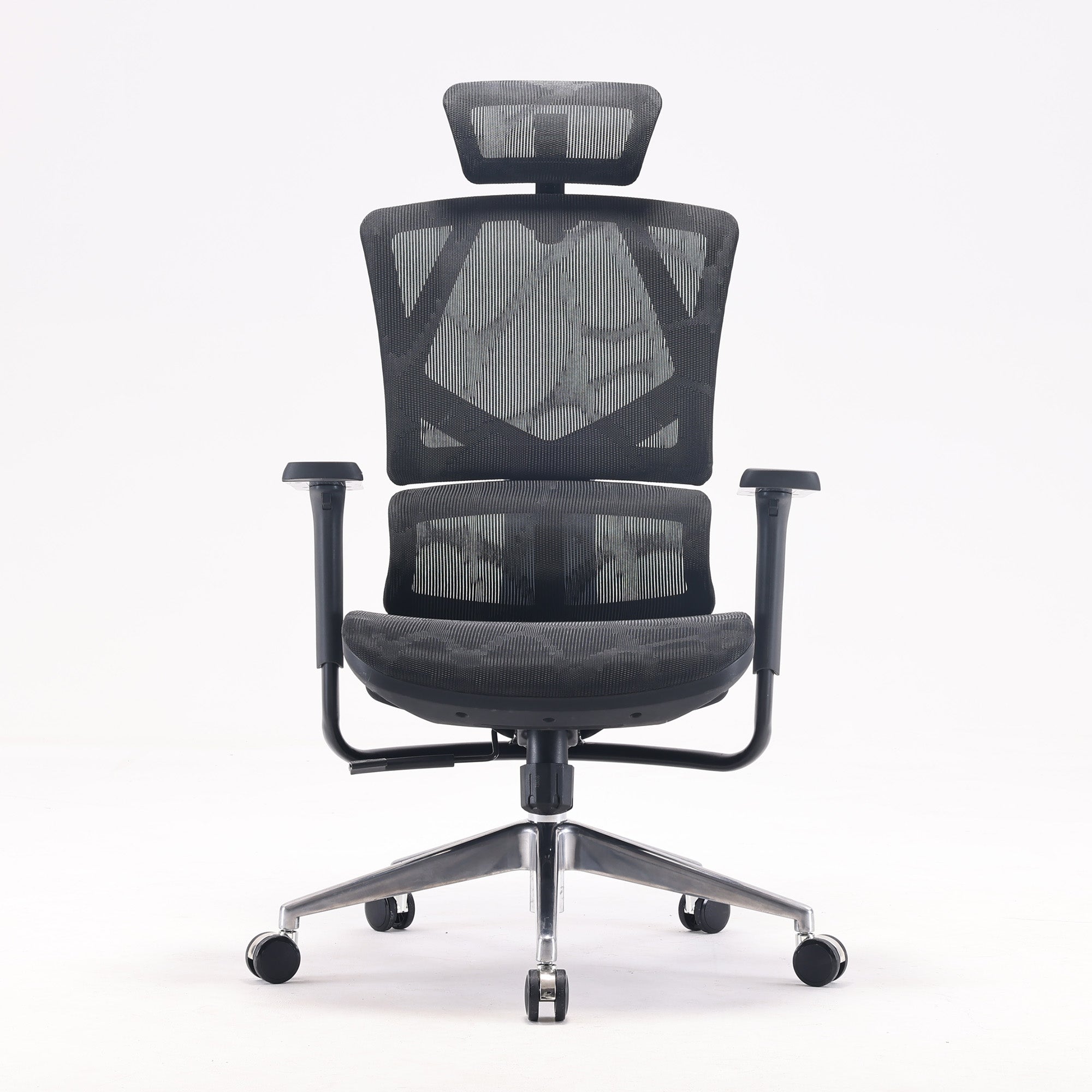
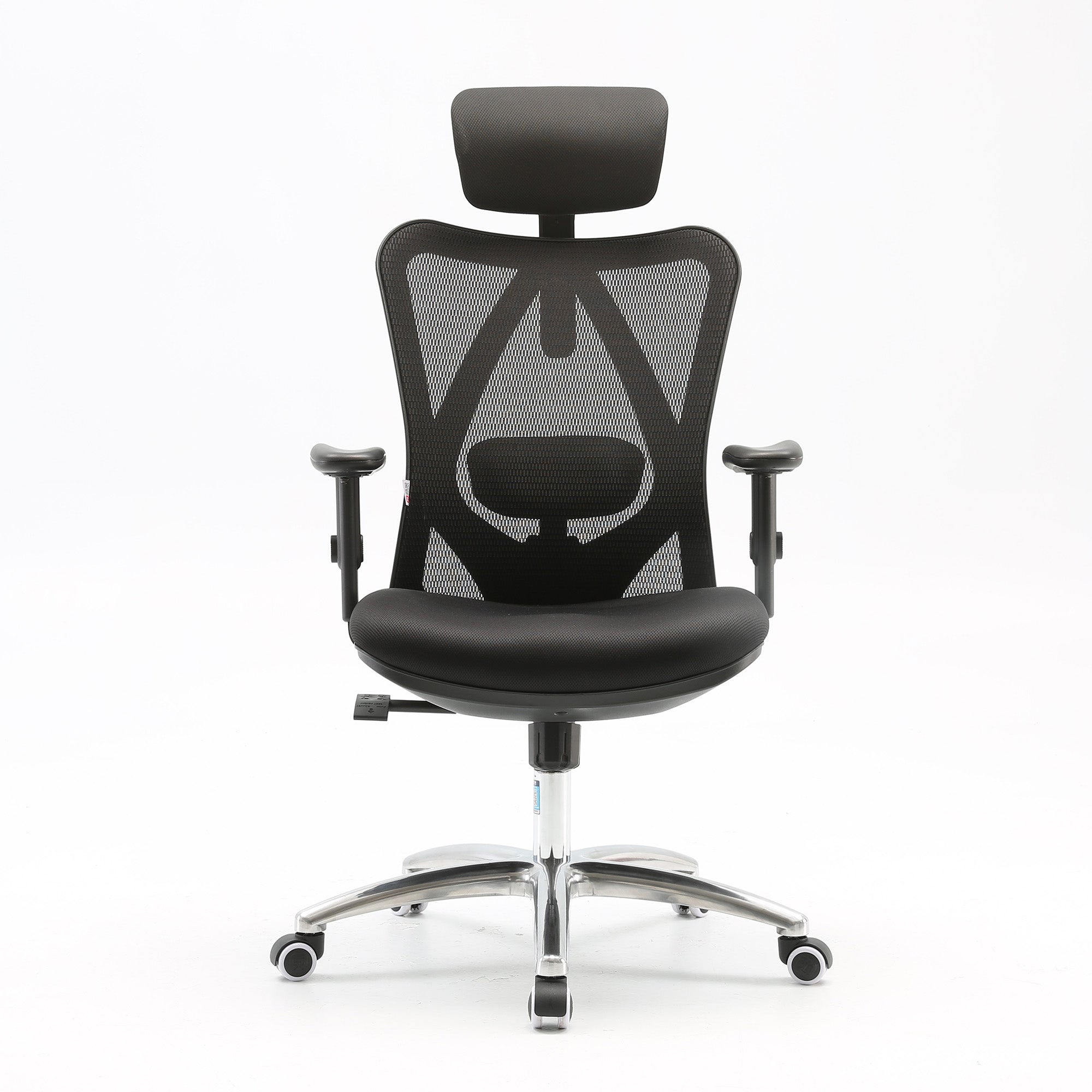
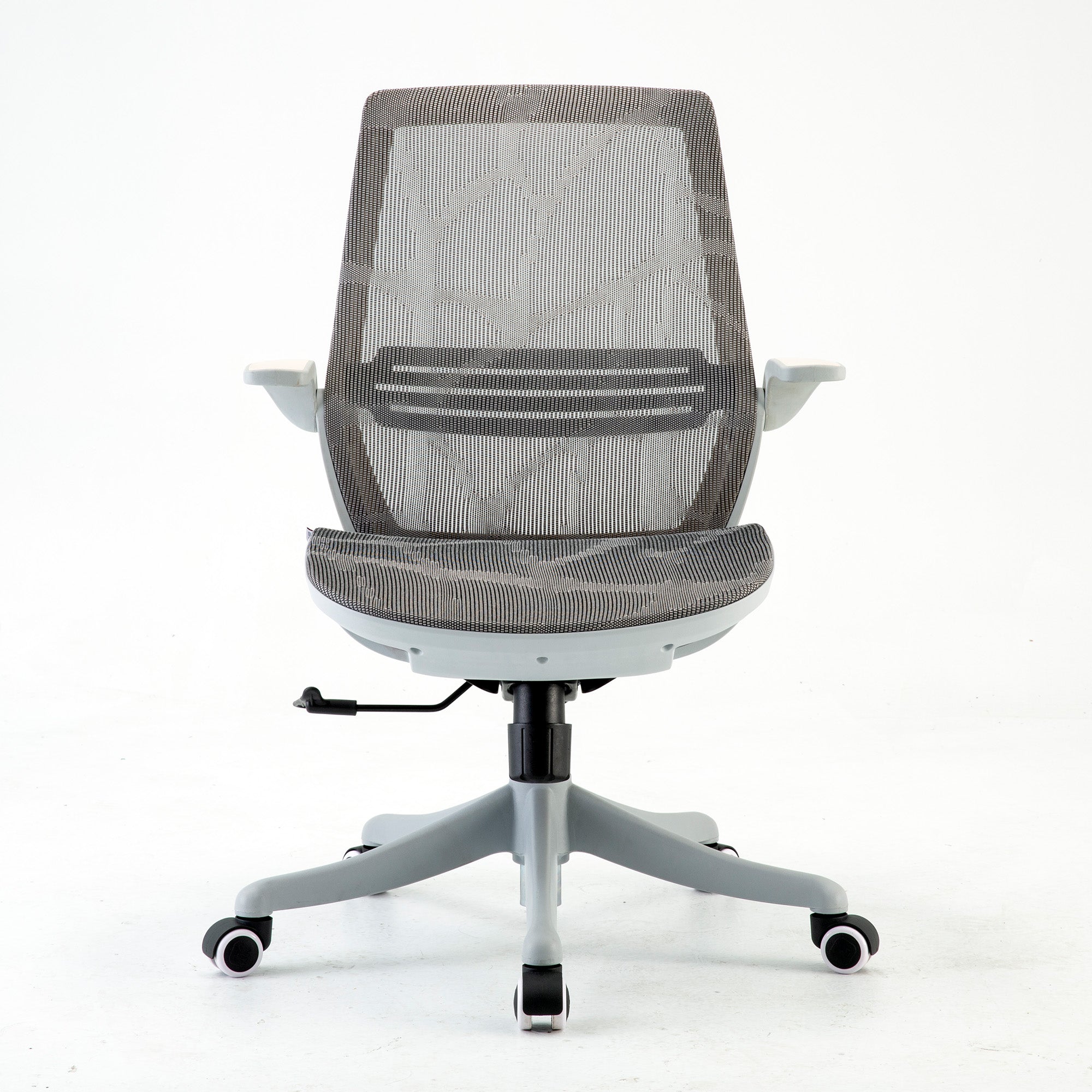
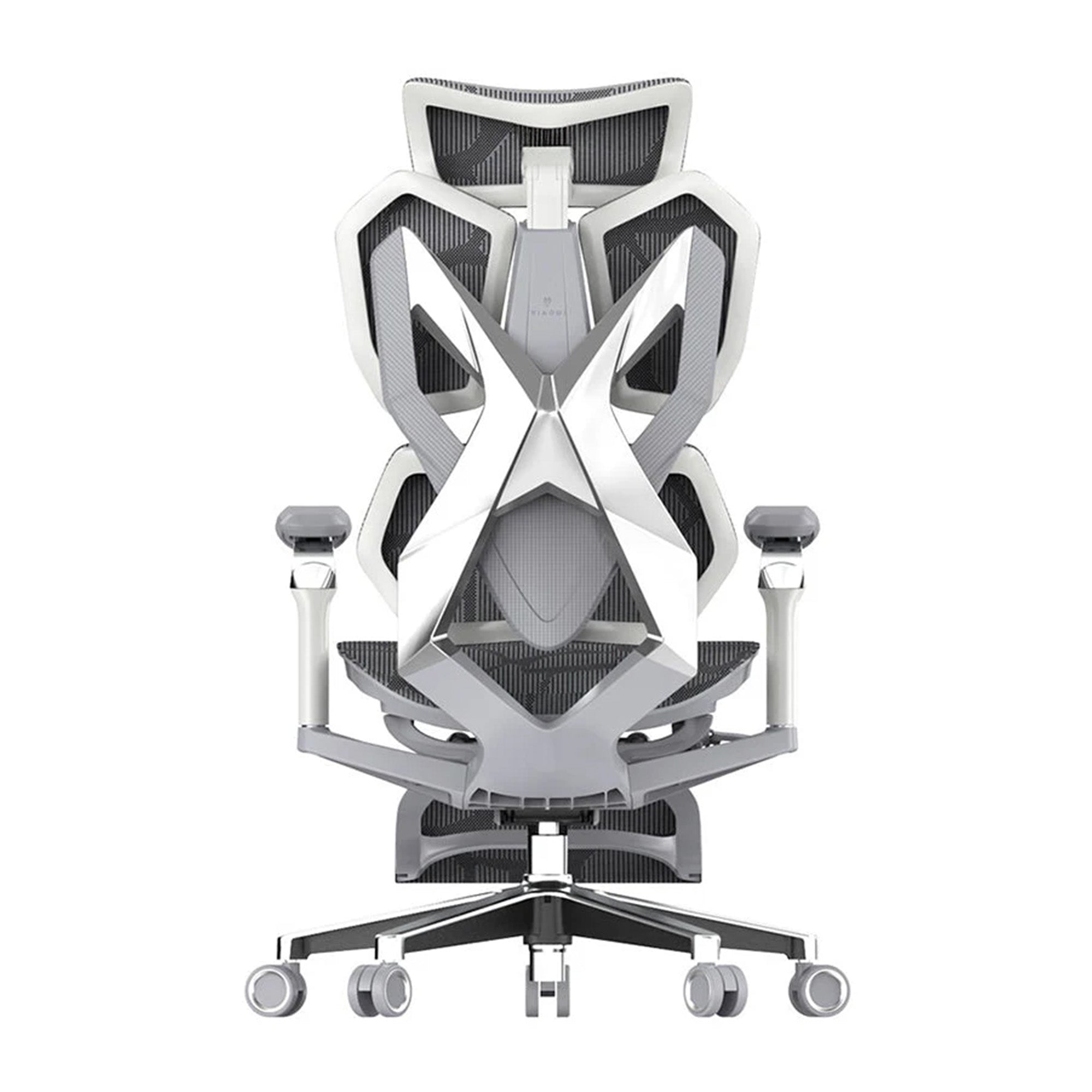
If you’re looking for office furniture made with excellent craftsmanship and premium materials, you’ve come to the right place. Here at SIHOO, we pride ourselves on our range of best ergonomic chairs designed and engineered with modern workers in mind. These sleek mesh chairs feature a contoured back, adjustable arm and lumbar support and advanced synchronised tilting technology.
Provide comfort and support even during extended work hours and ensure the well-being of your employees. When you invest in our ergonomic furniture, you invest in the productivity of your employees and, ultimately, your bottom line.
Enable your employees to customise their work chair to their body size and preferences. Whether they prefer reclining or sitting upright, placing their hands on the armrest or their desk, they can find comfort in our ergonomic chairs.
If you’ve decided to pay attention to the signs that it’s time to renew your office furniture, look no further than SIHOO to fulfil your ergonomic needs. Browse our ergonomic chairs in Australia collections on our website and upgrade your office with ergonomic seating today. Our warehouse is located in Sydney, but we deliver to all major cities in Australia. We also accept pre-orders for our chairs and offer assembly service for an additional charge.
For any questions or concerns, fill out our contact form or call us at 1300 002 580.
Frequently Asked Questions
Office furniture should typically be replaced every 7 to 10 years, depending on usage, quality, and maintenance. However, many pieces can last longer if regularly renewed through reupholstering, refinishing, or repairs. Investing in ergonomic and durable furniture also helps extend the lifespan while maintaining comfort and professional appearance.
The average lifespan of office furniture ranges from 7 to 15 years, depending on material quality, usage, and care. Wooden desks and metal frames often last longer than low-cost plastic alternatives. Regular cleaning, ergonomic use, and timely repairs can significantly extend the lifespan of your furniture while maintaining comfort and functionality.
The office furniture industry is evolving toward sustainability, ergonomics, and adaptability. Modern workplaces now prioritise adjustable desks, mesh ergonomic chairs, and modular layouts that support hybrid work models. Eco-friendly materials, smart furniture with built-in technology, and flexible designs that balance comfort with productivity are shaping the next generation of office spaces.
The primary focus should be on ergonomics, efficient space use, and natural lighting. Desks and chairs should support good posture and reduce back strain, while screens should be positioned at eye level to prevent neck tension. Keeping the workspace organised with adequate storage and cable management also promotes concentration and a professional environment at home.
Common signs include visible wear and tear, loose parts, persistent discomfort, and reduced employee performance. Outdated furniture that lacks lumbar support or doesn’t match a company’s evolving culture can also hinder workplace satisfaction. Upgrading to ergonomic, functional furniture restores comfort, enhances collaboration, and reflects a more modern and productive office culture.
Shop products from this article


Save up to 40% this Oktoberfest Sale. Pay in 4 interest-free instalments with Afterpay.
SHOP NOWRecommended Posts


Ergonomic Chairs Vs. Traditional Chairs
Sep 28, 2026