
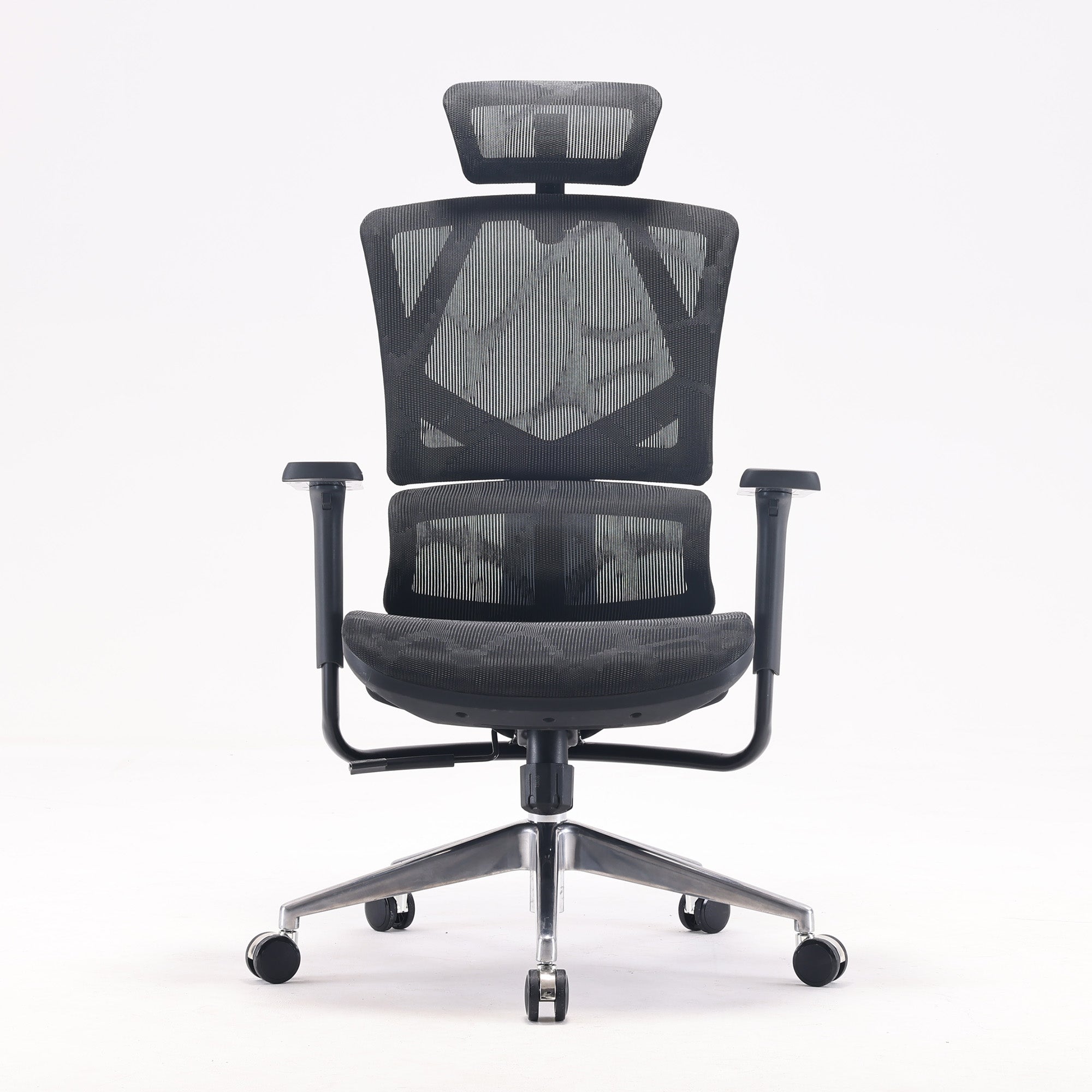
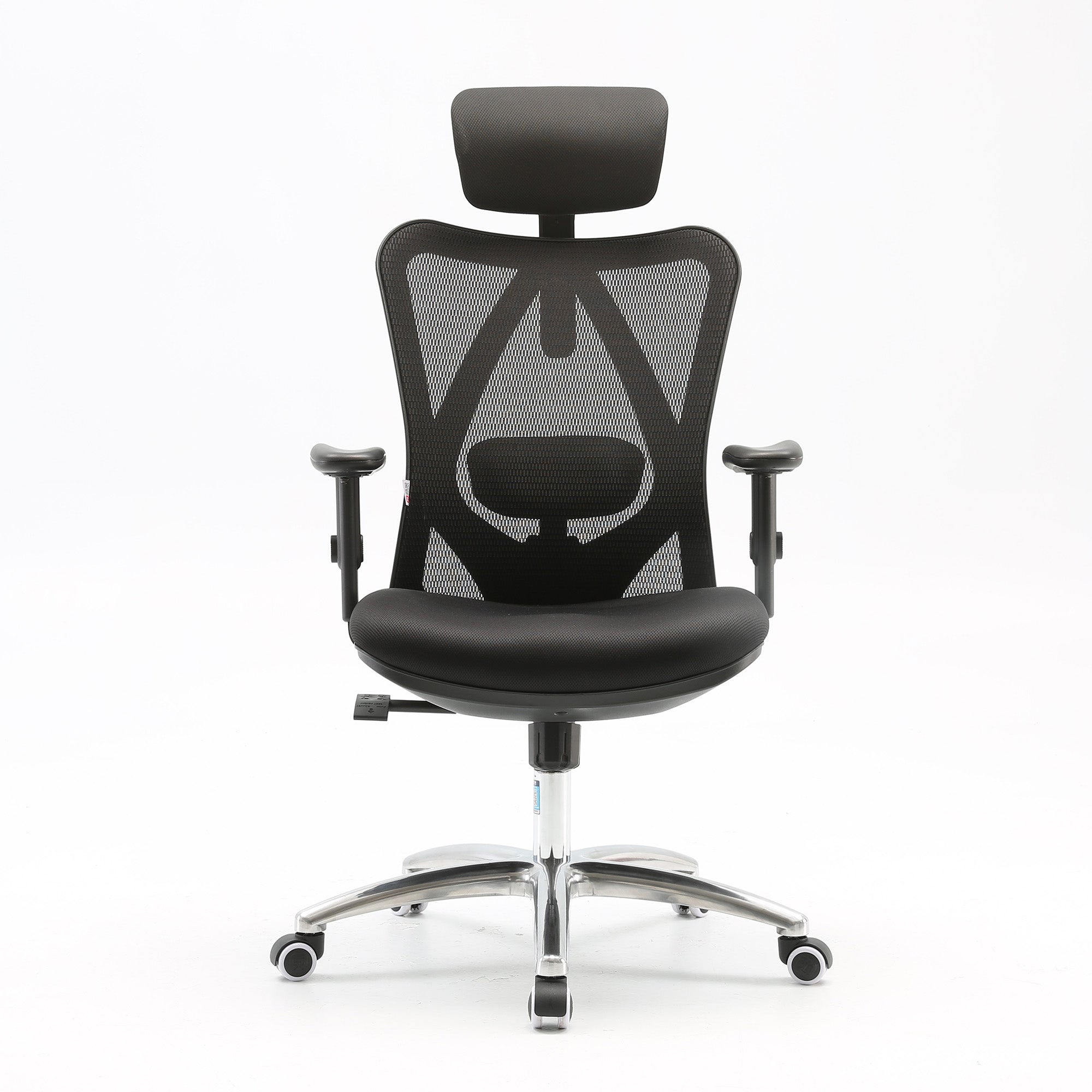
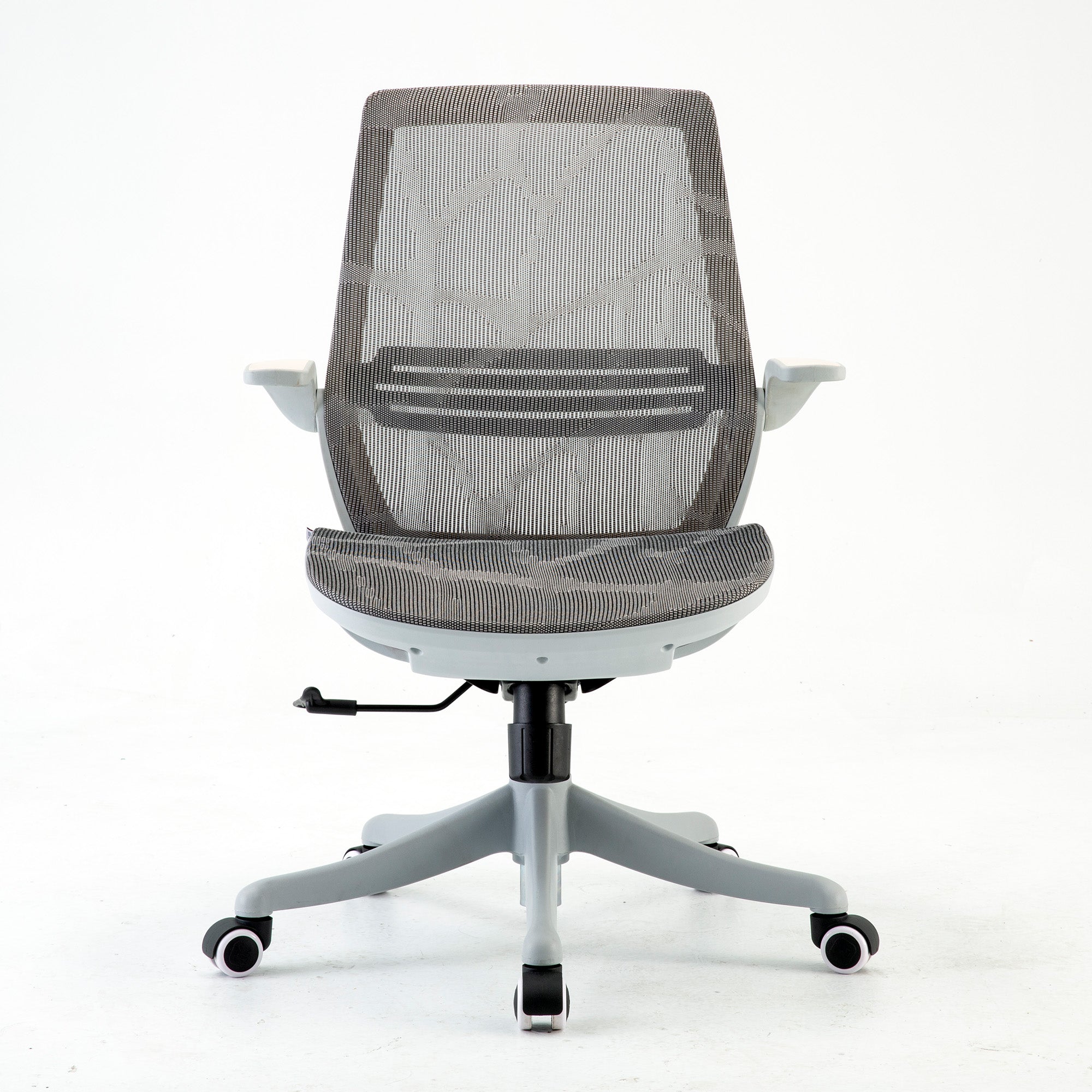
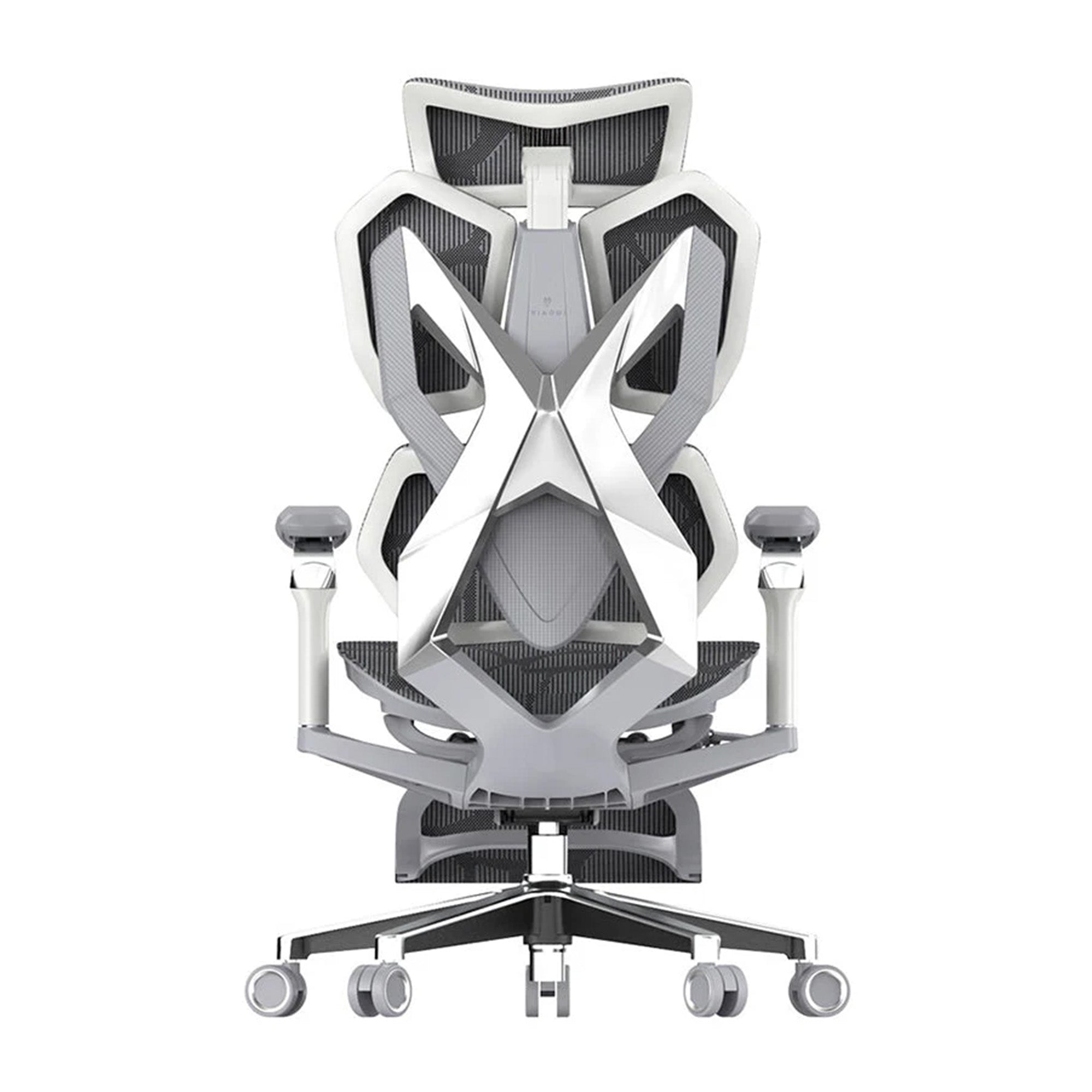

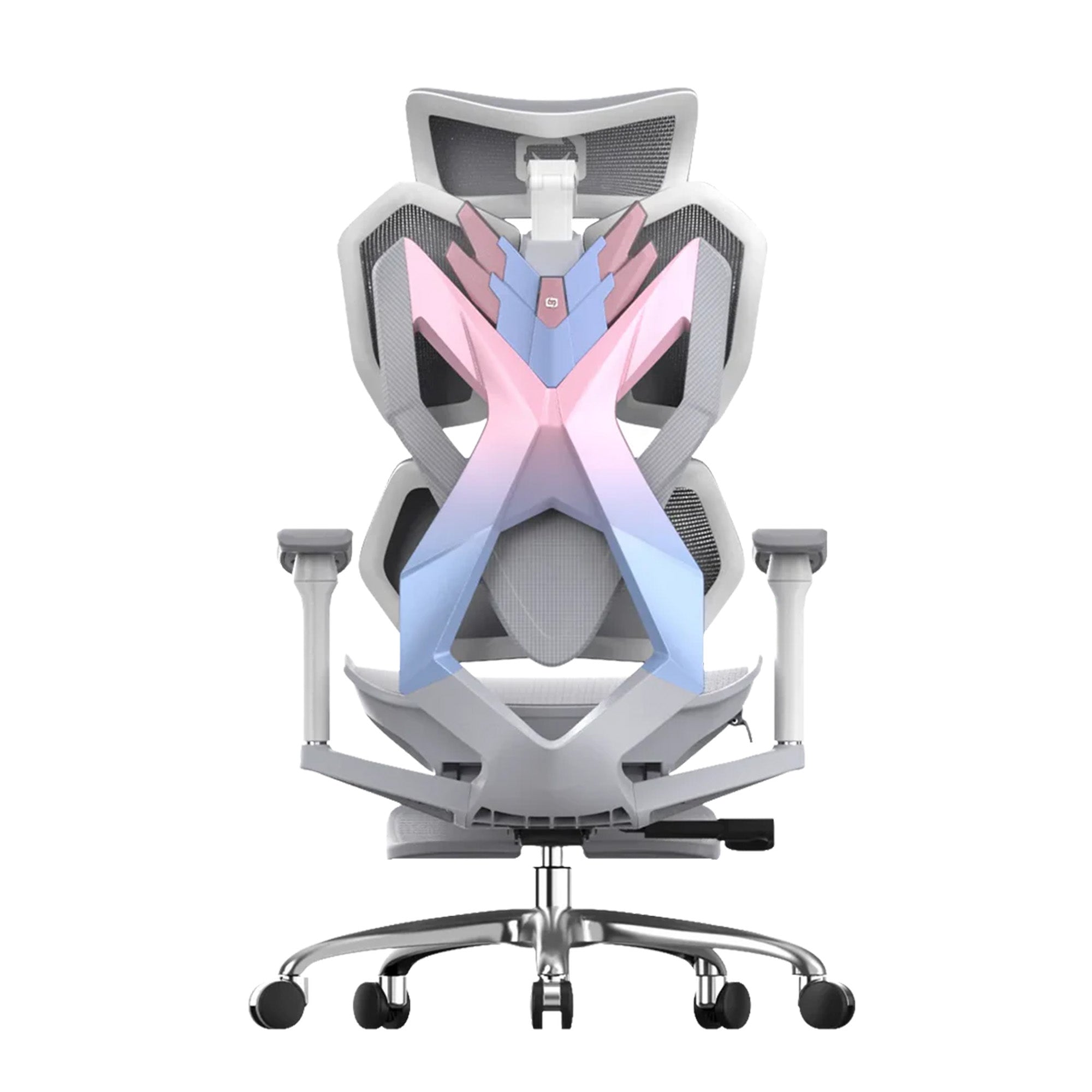
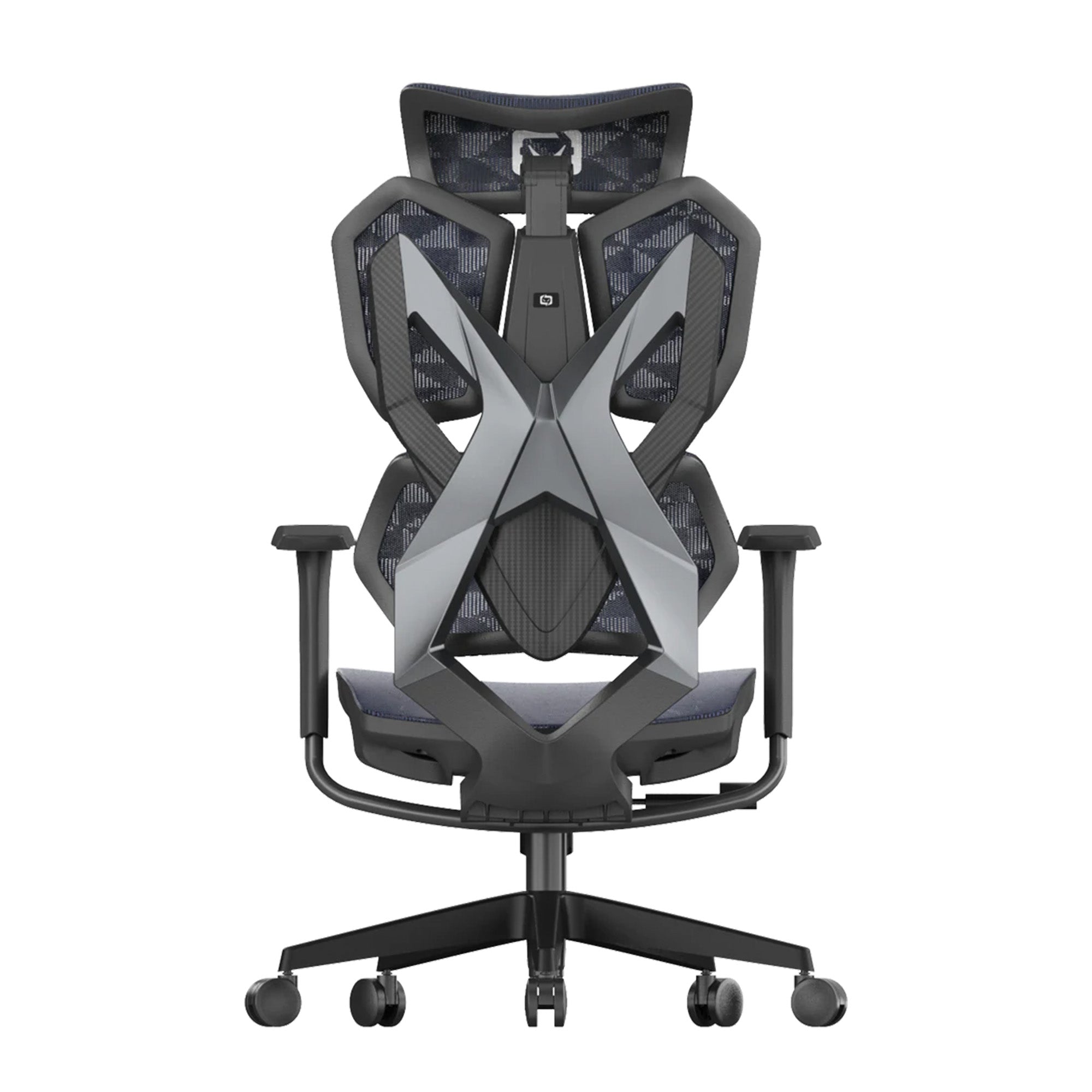

As the summer sun begins to fade and the leaves change color, it's that time of year again – back to school season. While parents and students alike focus on shopping for new clothes, notebooks, and backpacks, one essential item often goes overlooked: the chair. Yes, you read that right – the humble chair can make all the difference in a student's learning experience. In this article, we'll delve into the importance of choosing the right chair for students, how it impacts their well-being and learning outcomes, and offer some practical tips for selecting the perfect chair. Let's explore why the right chair can be a game-changer for students as they head back to school.
The Hidden Impact of Chairs on Learning
When it comes to creating an optimal learning environment, it's easy to think of high-tech gadgets, innovative teaching methods, and engaging curriculum. However, one element that often flies under the radar is the physical comfort and ergonomic design of classroom furniture, particularly chairs. Research has shown that the quality of seating can have a profound impact on students' ability to focus, retain information, and participate actively in the learning process.
Ergonomics: More than Just a Buzzword
Ergonomics, the science of designing and arranging objects to fit the needs of the human body, plays a crucial role in the design of classroom furniture. Students spend a significant portion of their day sitting, whether it's in lectures, group discussions, or individual study sessions. An ill-fitting chair can lead to discomfort, fatigue, and even long-term health issues such as back pain and poor posture.
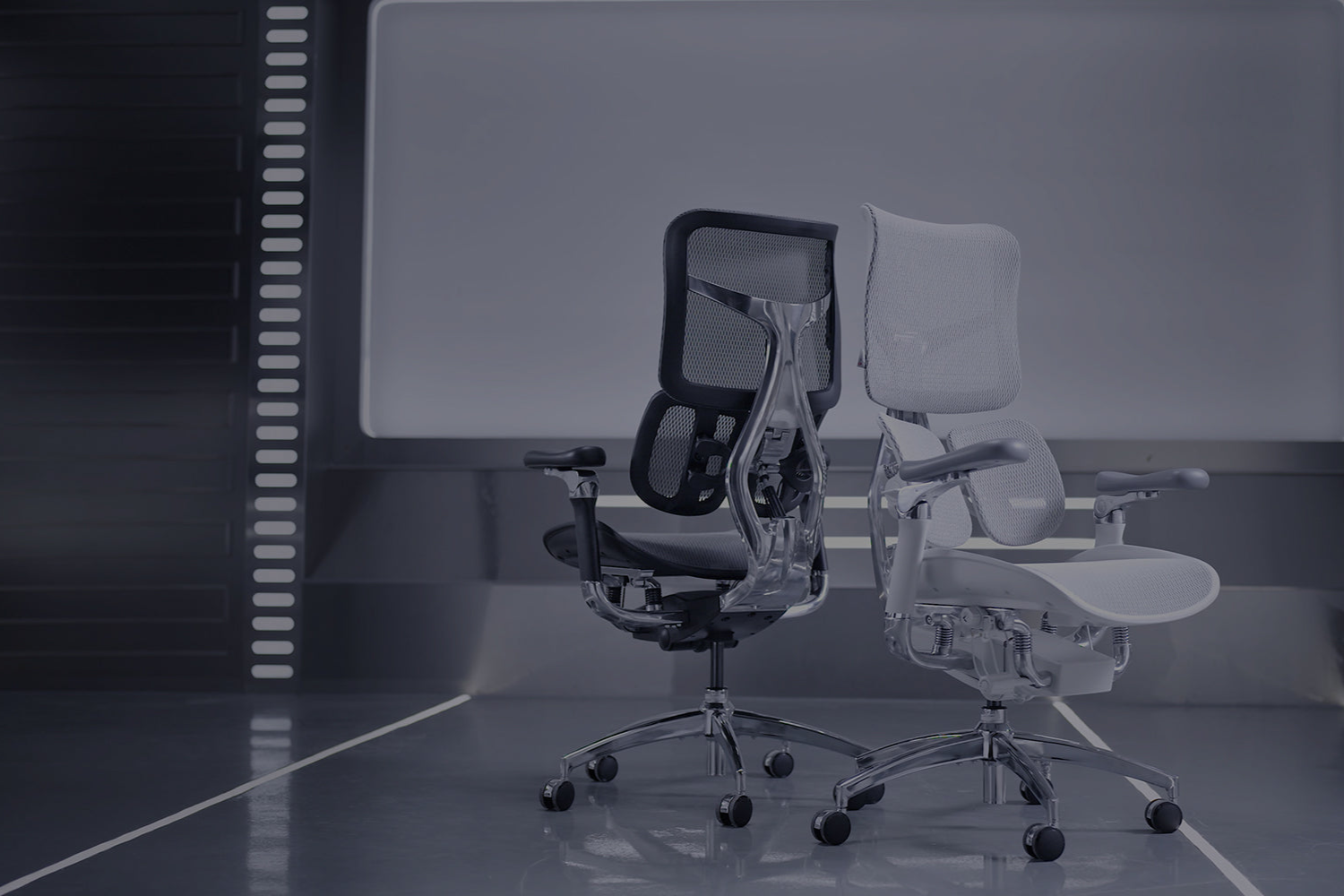
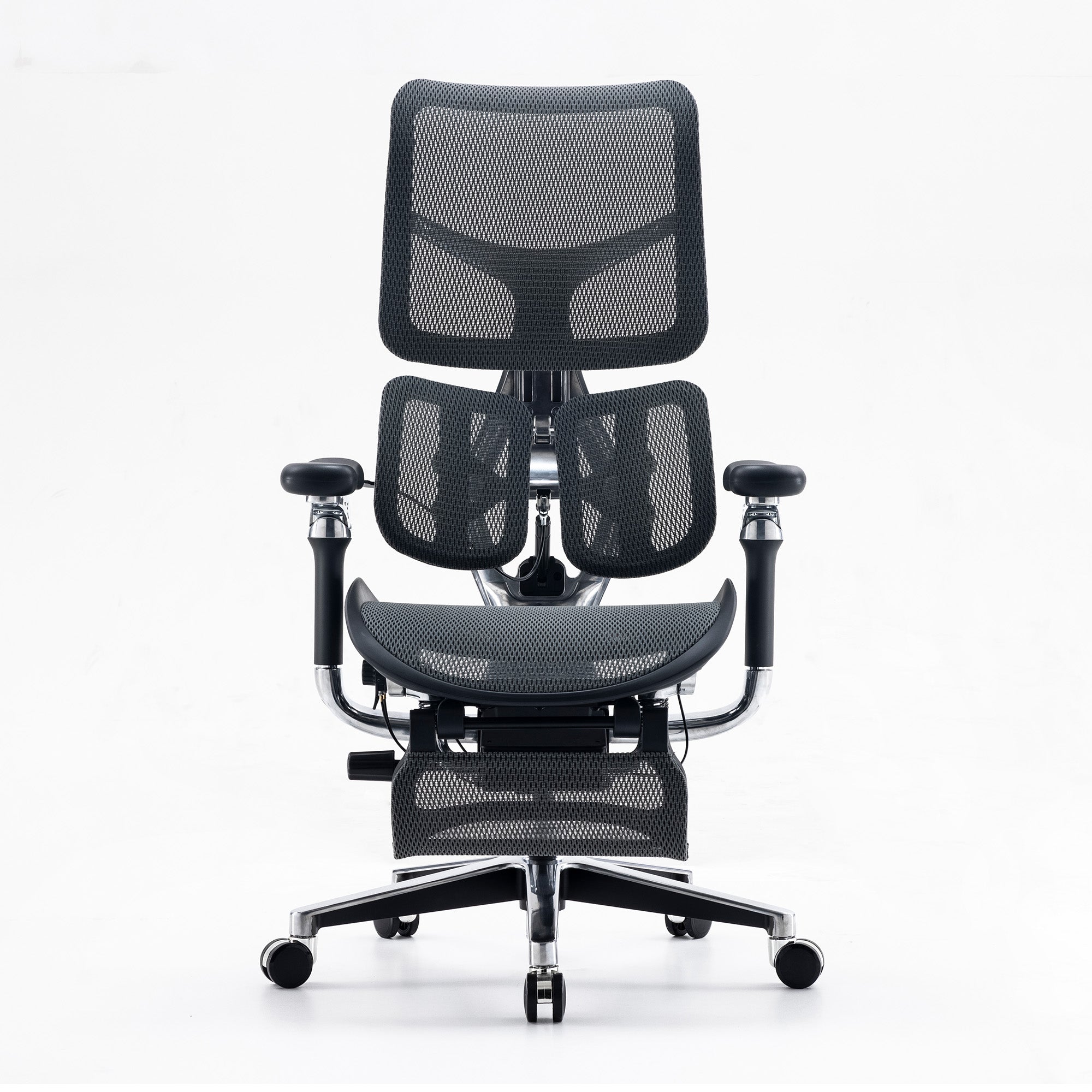
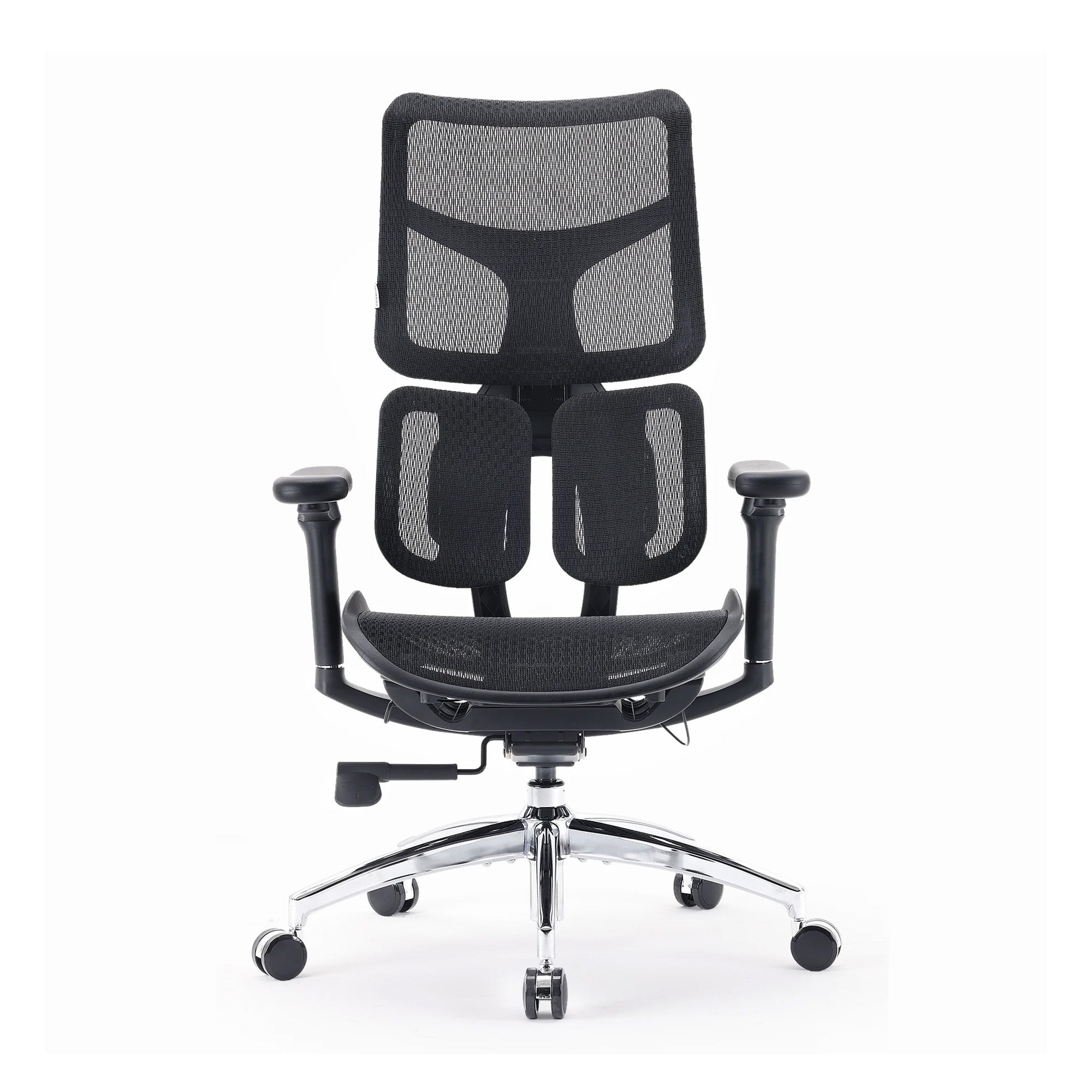
Ergonomically designed chairs are crafted with the human body in mind, providing proper support to the spine, hips, and thighs. When students sit in chairs that encourage good posture, they are less likely to experience discomfort or distraction. This translates into improved concentration, as students can focus their energy on the material being taught rather than fidgeting to find a comfortable position.
Active Learning and Collaboration
The traditional notion of education as a one-way transfer of knowledge from teacher to student has evolved. Modern classrooms emphasize active learning, group discussions, and collaborative projects. In such environments, the flexibility and mobility of chairs become paramount.
Chairs with features like swivel bases and caster wheels empower students to move around easily, facilitating dynamic group interactions and spontaneous discussions. Students can quickly shift their focus from one point of interest to another without the constraints of static seating. This not only enhances engagement but also encourages the development of teamwork and communication skills – essential attributes for success in the 21st century.
The Mind-Body Connection: How Chairs Affect Learning Outcomes
The impact of chairs on learning goes beyond physical comfort. The mind-body connection is a powerful phenomenon that influences how students absorb and process information. A comfortable and supportive chair can contribute to positive emotional experiences, which, in turn, foster a conducive learning atmosphere.
Reduced Stress and Anxiety
Imagine a student trying to concentrate on a complex math problem while constantly adjusting their uncomfortable chair. The frustration and stress caused by such a situation can hinder cognitive function and lead to decreased comprehension. On the other hand, a well-designed chair that promotes relaxation and comfort can help reduce stress and anxiety, allowing students to approach their studies with a clear and focused mind.
Enhanced Cognitive Performance
Studies have shown that physical discomfort and distractions can negatively impact cognitive performance. Discomfort diverts cognitive resources away from the task at hand, making it harder for students to process and retain information. When students are at ease in their chairs, they can allocate their cognitive resources to higher-order thinking, problem-solving, and critical analysis – skills that are essential for academic success.
Selecting the Perfect Chair: Practical Tips
Now that we understand the importance of choosing the right chair, let's explore some practical tips to help parents, students, and educators make informed decisions when selecting classroom chairs.
1. Prioritize Ergonomics
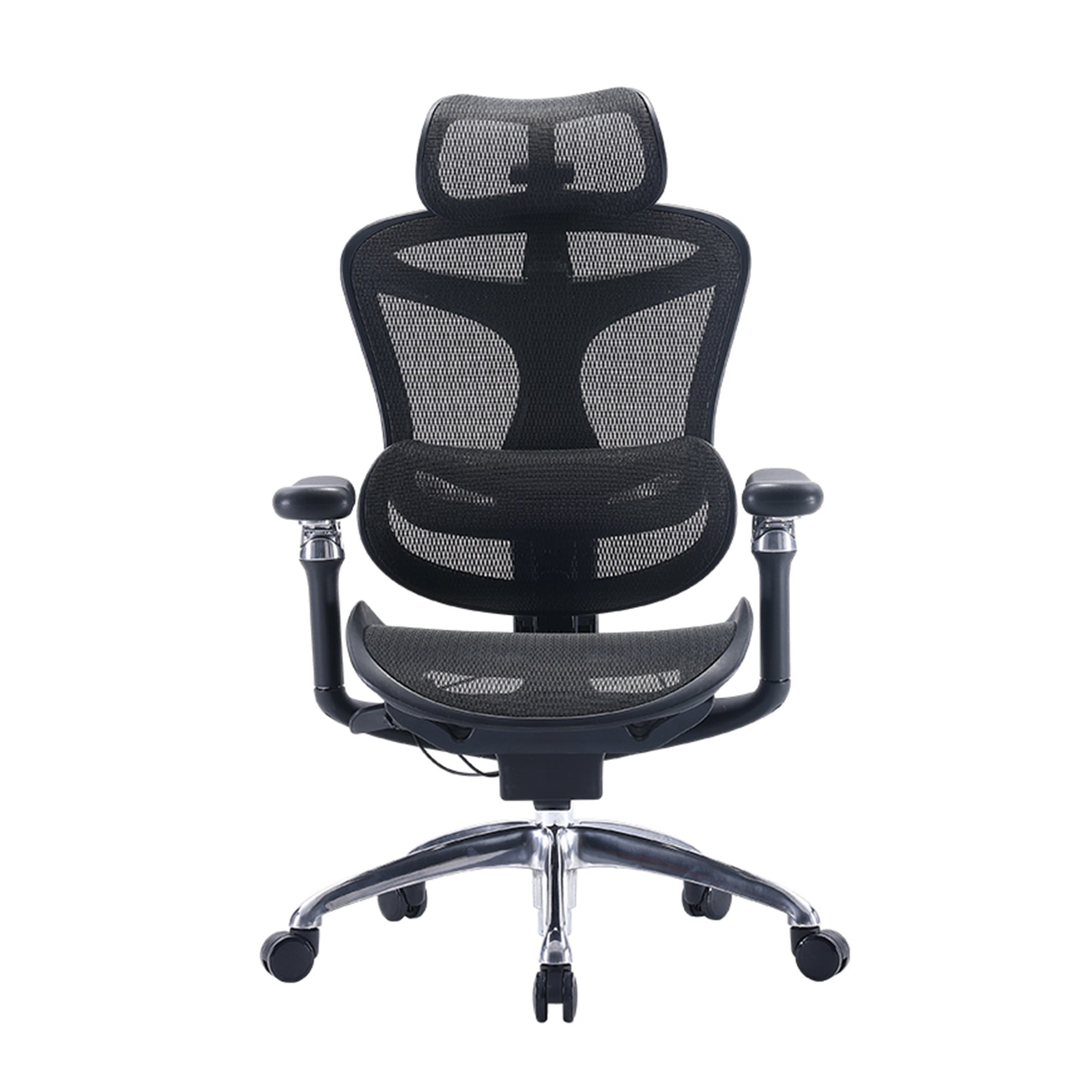
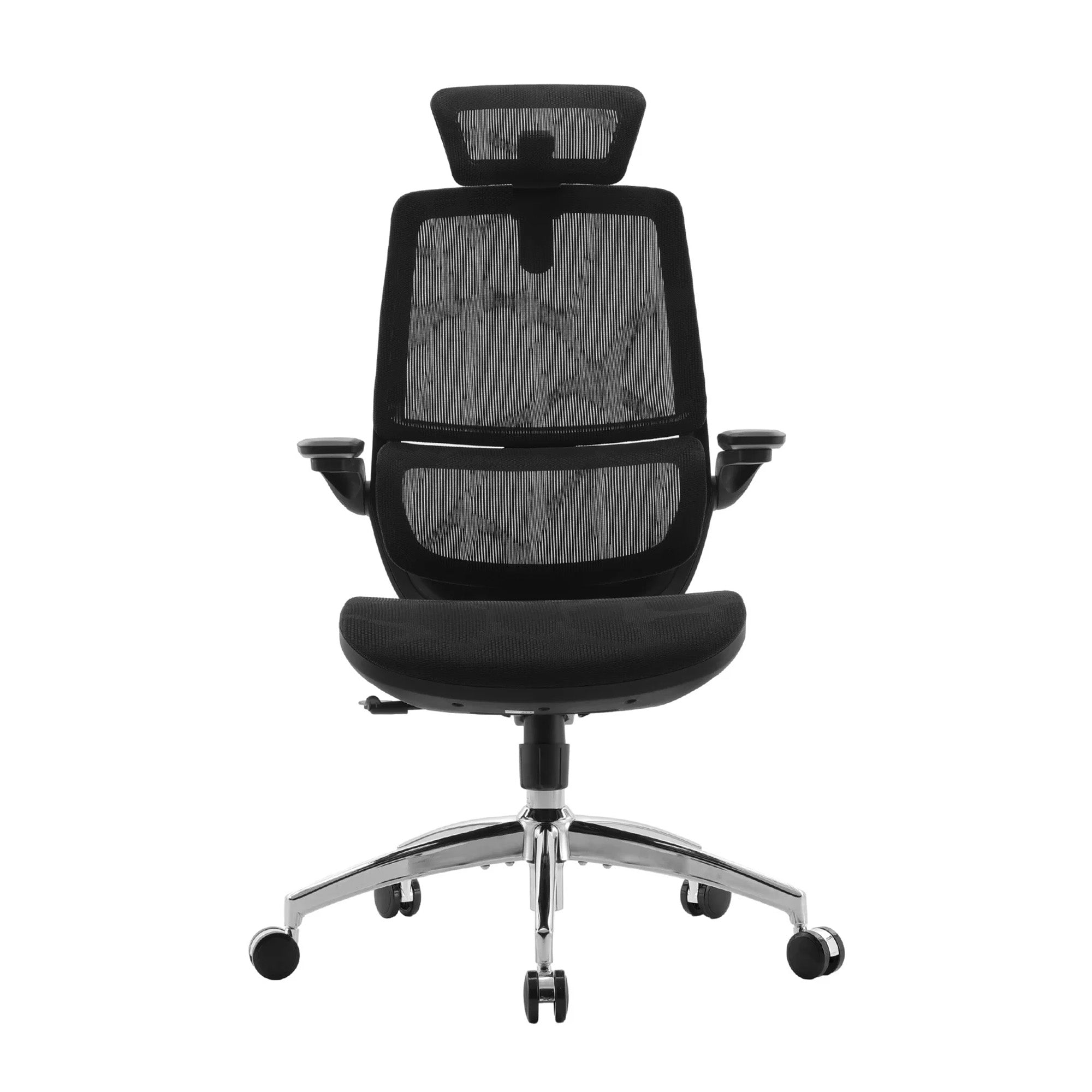
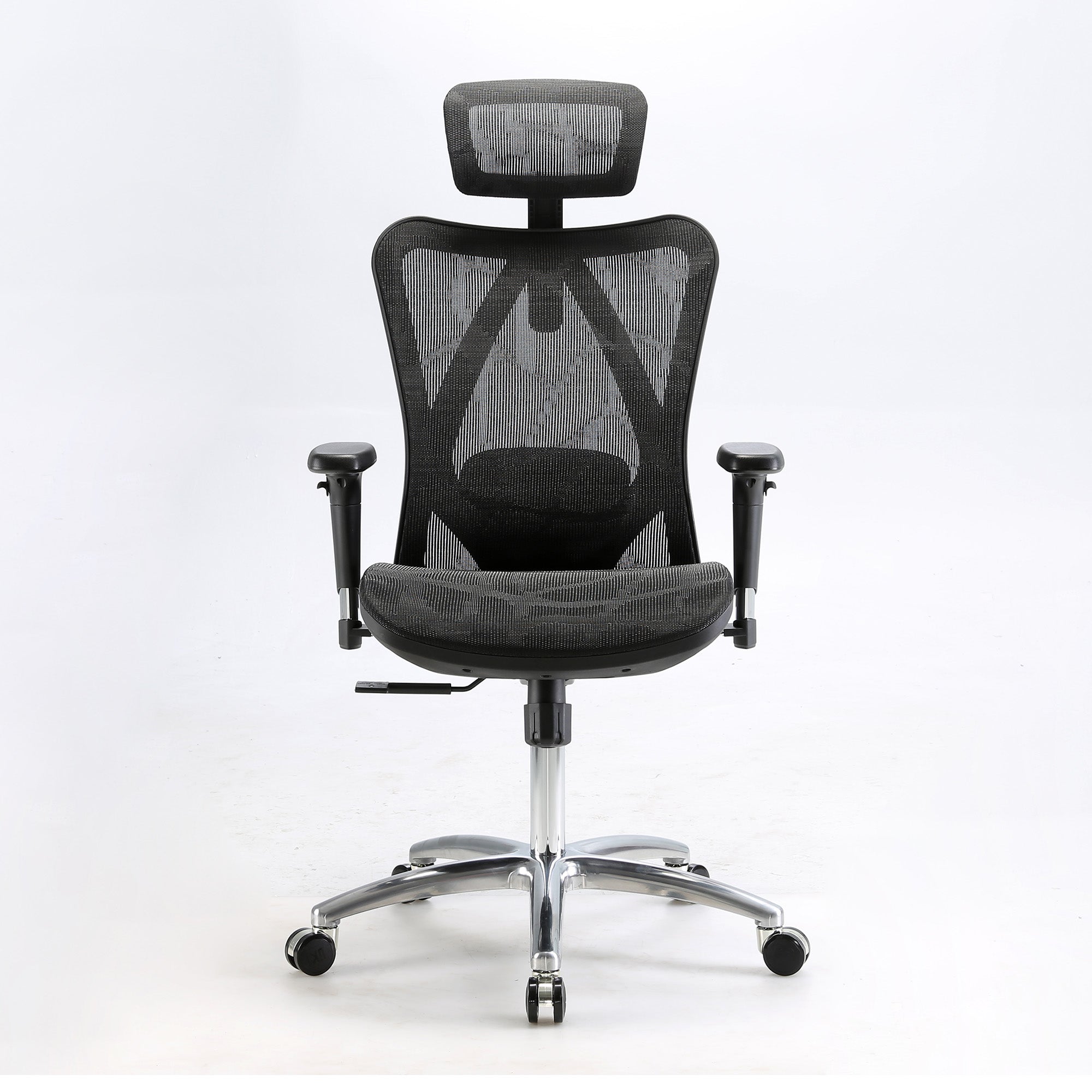
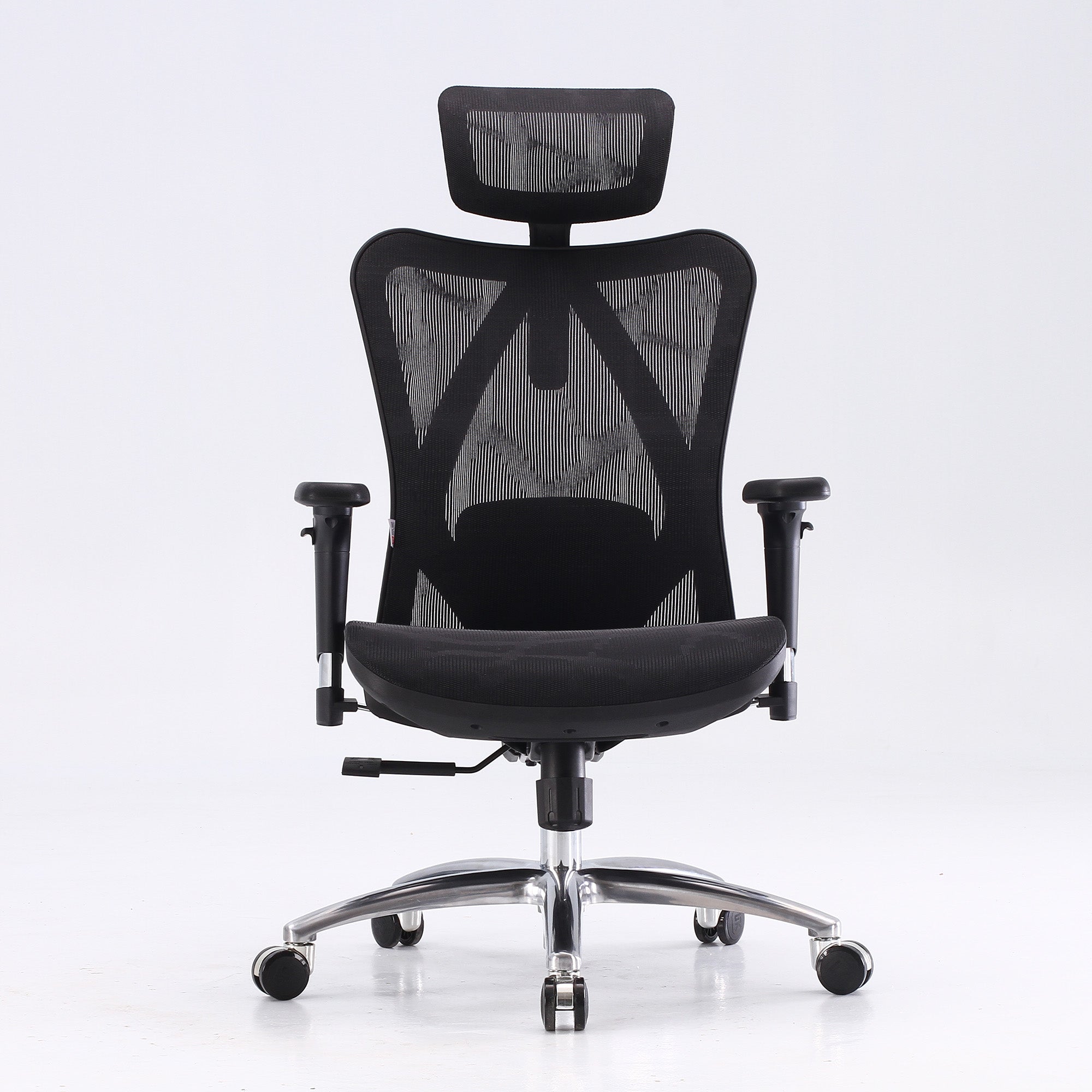
When shopping for chairs, prioritize ergonomic features such as adjustable seat height, lumbar support, and comfortable padding. Chairs with contoured designs that mimic the natural curvature of the spine provide optimal comfort and support.
2. Consider Flexibility
For classrooms that emphasize collaboration and group work, consider chairs with swivel bases, caster wheels, or even stackable options. Flexibility in seating arrangements enhances the versatility of the learning space.
3. Test for Comfort
Whenever possible, test chairs for comfort before making a purchase. Invite students to sit in different chairs and provide feedback on their comfort levels. Remember, what works for one student may not work for another, so it's important to choose ergonomic chairs that cater to a variety of body types.
4. Durability and Maintenance
Invest in chairs that are built to withstand the rigors of daily classroom use. Chairs made from high-quality materials are more likely to remain comfortable and functional over time, reducing the need for frequent replacements.
5. Involve Students in the Process
Empower students to have a say in the selection process. Their input can provide valuable insights into what features are most important for their comfort and learning needs.
Conclusion
As students prepare to head back to school, the significance of the right chair should not be underestimated. The choice of seating goes beyond aesthetics – it directly influences students' physical well-being, emotional state, and cognitive performance. Ergonomically designed chairs contribute to comfort, reduced stress, and enhanced focus, creating an environment where students can thrive academically and personally.
Parents, educators, and school administrators should view classroom chairs as an investment in students' overall learning experience. By prioritizing ergonomic design, flexibility, and student input, we can ensure that every student has the opportunity to learn, engage, and excel to their fullest potential. So, before you embark on that back-to-school shopping spree, remember: the right chair can truly make all the difference in a student's educational journey.
Frequently Asked Questions
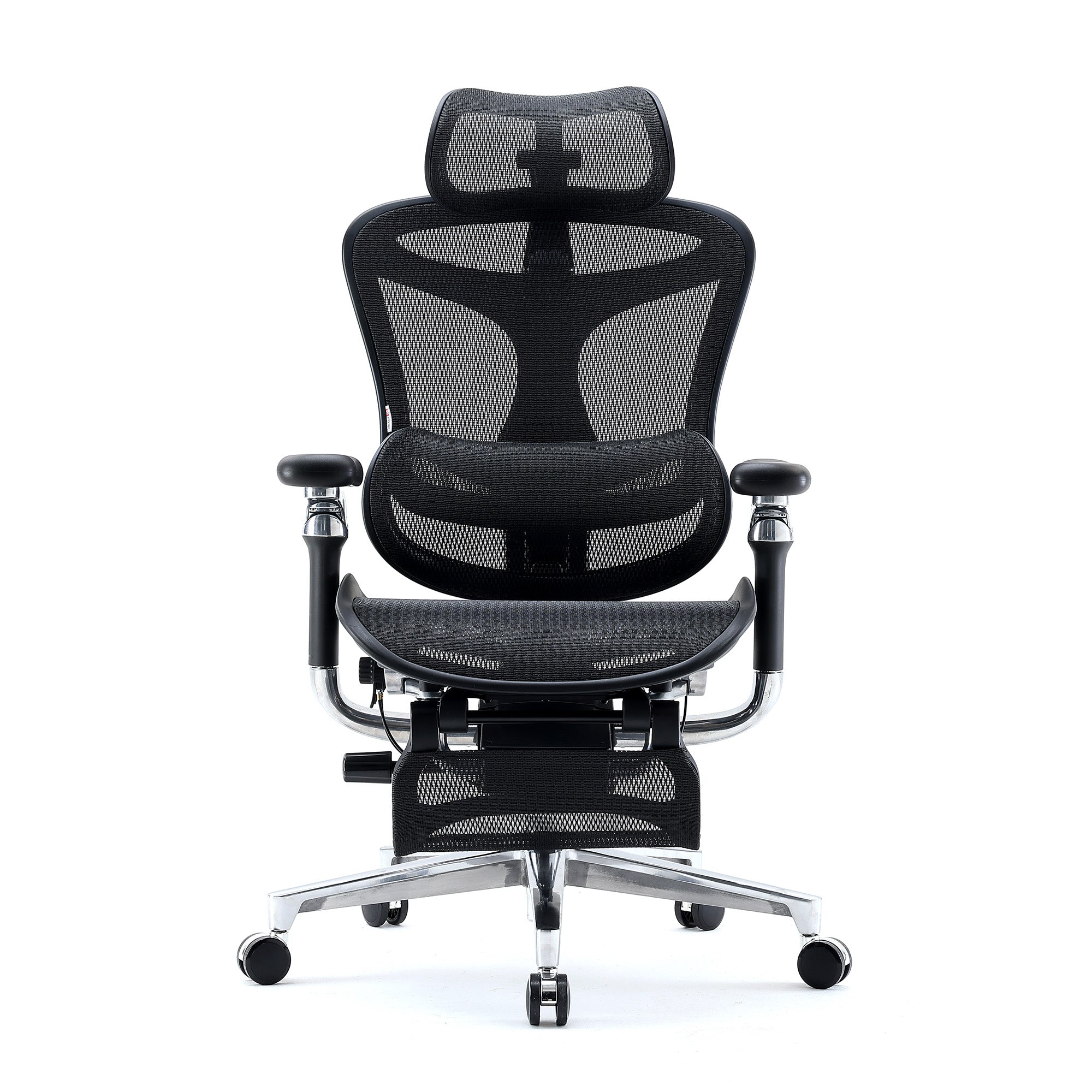
The best chair for students is one that supports the spine, encourages good posture, and stays comfortable during long hours of studying. The SIHOO Doro C300 is well suited for students because it features dynamic lumbar support, adjustable armrests, and a supportive headrest. These features help reduce back and neck strain, allowing students to focus on their studies without discomfort.
The best chair for studying is one that supports good posture and promotes comfort for long periods. Ergonomic chairs with adjustable seat height, lumbar support, and contoured cushions are ideal because they align with the natural curve of the spine and reduce pressure on the hips and thighs. Features like swivel bases and caster wheels also allow for mobility, making it easier for students to switch focus between tasks without strain.
Ergonomic chairs help students maintain comfort, which allows them to dedicate more mental energy to learning. When physical discomfort is minimized, students are less likely to fidget or lose focus. A supportive chair encourages proper posture, improves circulation, and reduces fatigue, all of which contribute to enhanced cognitive performance, problem-solving abilities, and memory retention.
Yes, a well-designed chair can significantly reduce physical stress, which in turn helps manage emotional stress. Discomfort from a poorly fitting chair can create frustration and tension, making it harder for students to concentrate. Ergonomic chairs provide proper support to the spine, neck, and shoulders, promoting relaxation and reducing stress levels so that students can approach their studies with a calm and focused mindset.
When selecting chairs for students, it’s important to consider ergonomics, adjustability, and durability. Chairs should accommodate different body types and provide proper lumbar support, comfortable padding, and appropriate seat depth. Flexibility, such as swivel functions or mobility on caster wheels, is also valuable for collaborative learning environments. Involving students in the selection process can ensure that the chairs meet their comfort and learning needs.
Shop products from this article


Save big on the Doro C300 Pro V2 during the Online Frenzy Sale. Pay in 4 interest-free instalments with Afterpay.
SHOP NOWRecommended Posts


Sihoo's Best-Selling Ergonomic Chairs Right Now
Jul 31, 2026

