

The old "nine-to-five" grind is pretty much a dinosaur at this point. We’ve spent decades pretending humans are just machines that can churn out high-quality work at a constant, linear rate from breakfast until the afternoon commute. But anyone who’s ever stared blankly at a spreadsheet knows that’s a load of rubbish.
Recently, the brainiacs over at Microsoft started poking around in keyboard data and realised something fascinating. We don’t just have one big productivity spike in the morning. Instead, a lot of us are hitting what they call a "Triple-Peak Day." It’s a bit of a game-changer, really. It means instead of one burst of energy, we’re seeing three distinct waves: morning, afternoon, and—here’s the kicker—a sneaky third one late at night.
If you’re the type who finds their brain finally switching on after the kids are tucked away and the house is quiet, you aren't "lazy" during the day. You’re likely just wired for this triple-peak rhythm. Mastering this flow is one of the most essential work productivity tips 2026 has to offer.
1. Breaking Down the Three Peaks
To actually get a handle on this, you’ve got to spot the waves before you can ride ‘em. Even though everyone’s internal clock is a bit of a unique beast, the day usually shakes out like this:
-
Peak 1: The Morning Slog-to-Success (9:00 AM – 11:00 AM): This is when your cortisol levels are doing their thing. It’s the prime time for "heavy lifting"—you know, the tasks you’ve been dreading. Eat that frog!
-
Peak 2: The Afternoon Low-Gear (2:00 PM – 4:00 PM): We’ve all felt that post-lunch slump where you just want a nap. But once that passes, you usually find a steady, if less intense, rhythm. It's perfect for clearing out the inbox or jumping on a Zoom call with the team.
-
Peak 3: The Night Owl’s Creative Kick (9:00 PM – 11:00 PM): This is the modern phenomenon. No Slack pings, no "hey, have you got a minute?" interruptions. Just you and your thoughts. It’s where the real "eureka" moments often hide.
2. Finding Your "Biological Prime Time"
You can't just force this. You have to figure out your own Biological Prime Time (BPT). It’s a term Sam Carpenter used in Work the System, and it basically means the window where your brain is firing on all cylinders.
Try this: for a week, track how you feel every hour. Scale of one to ten. And look, try to lay off the double-shot lattes for a bit so you can see your actual baseline.
Think of it like this: Effort × Biology = Output.
If your biology is dragging at a zero, it doesn't matter if you put in ten hours of effort—your output is still going to be zilch. One hour of BPT work is worth three hours of "zombie mode" work. Simple maths, really.
3. Support Your Peaks with the Right Gear
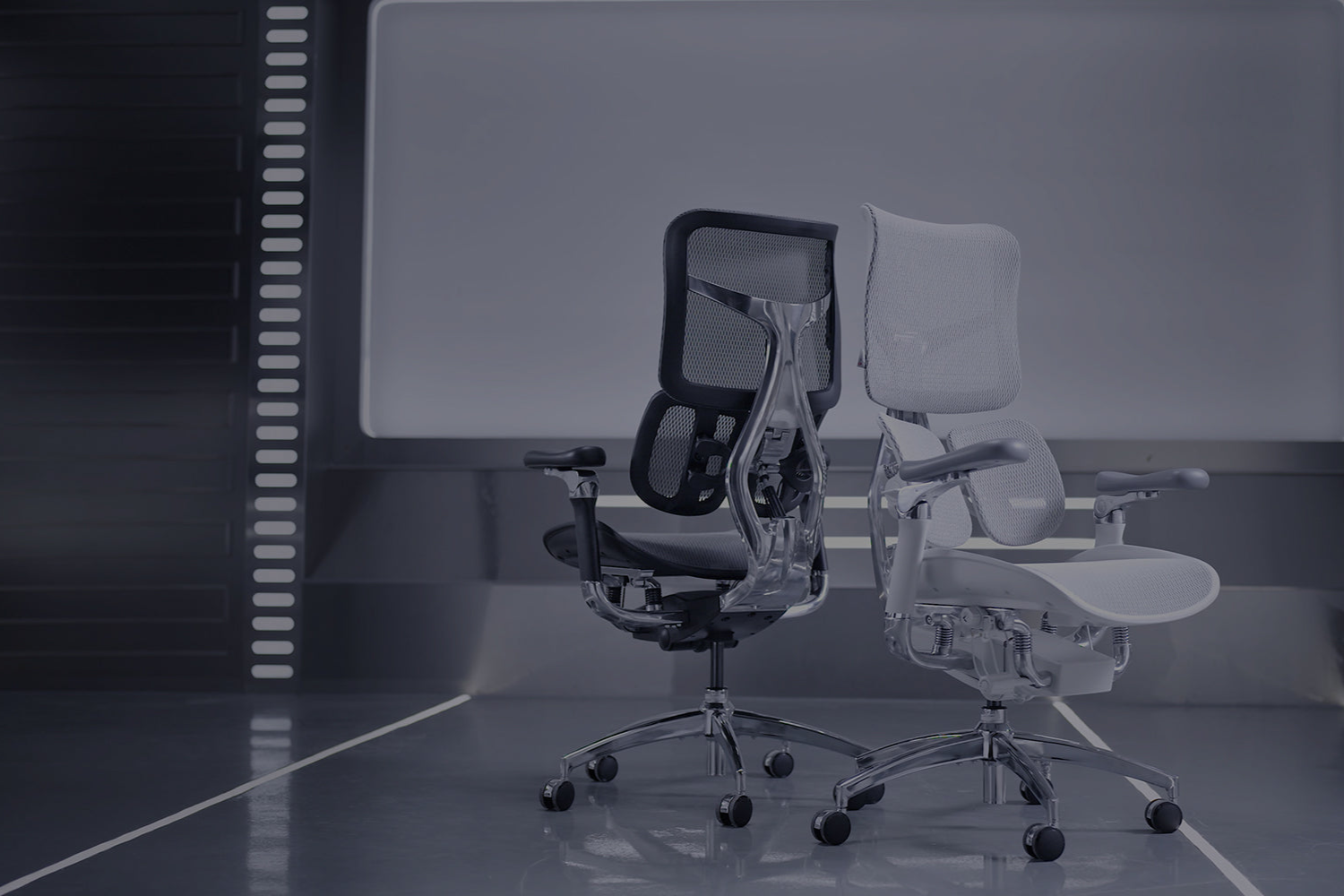
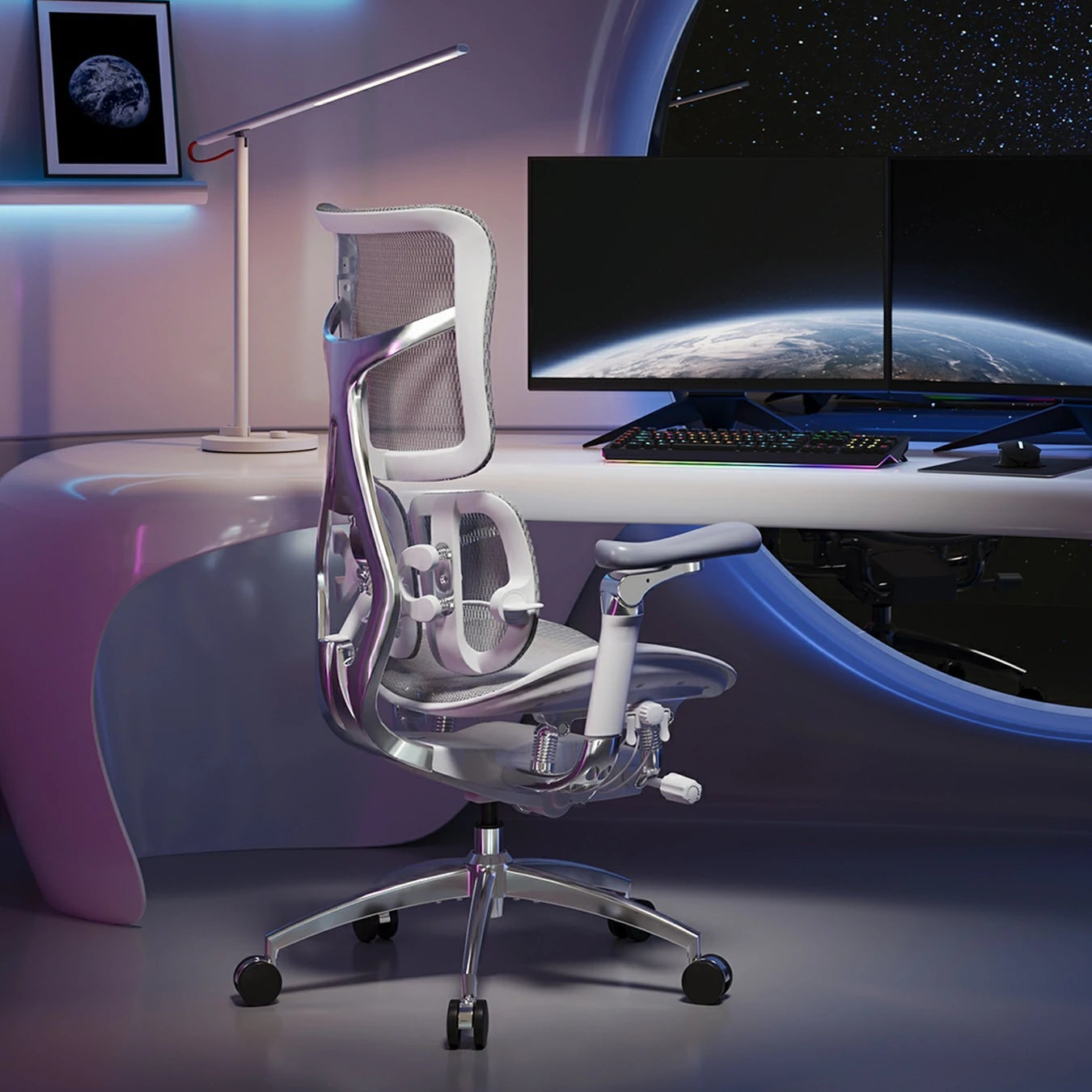
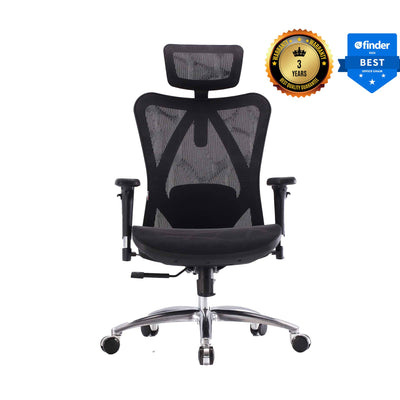
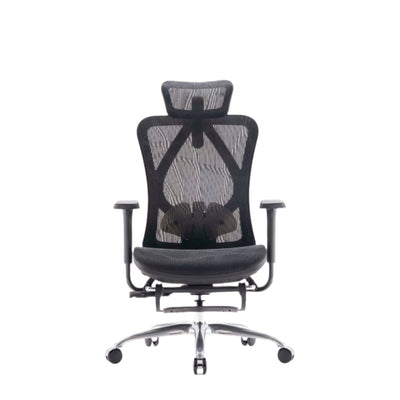
You can have all the mental focus in the world, but if your back is screaming, your productivity will tank. This is where your physical setup matters. High-quality ergonomic office chairs aren't just a luxury; they are performance infrastructure.
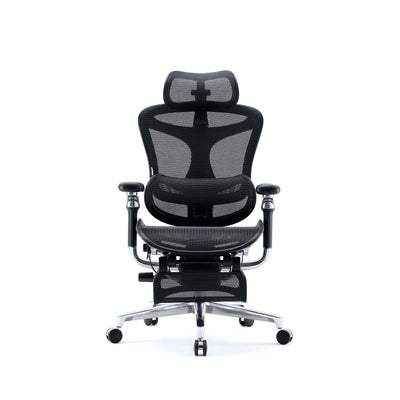
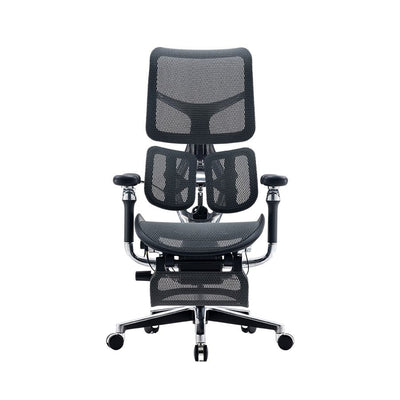
If you're looking for the gold standard, Sihoo has been making waves lately. Their ergonomic chairs in Australia, like the Doro S300 ergonomic chair, use aerospace-grade "anti-gravity" mechanisms that make you feel weightless. When you're in that third peak late at night, having office chairs that actually support your spine’s natural S-curve is the difference between a breakthrough and a morning backache. Sihoo chairs are designed for these long-haul sessions, ensuring your body stays as sharp as your mind.
4. How to Actually Use the Peaks
Don't waste your morning "clearing the decks." Answering piddly little emails when your brain is at its sharpest is a total waste of "cognitive gold."
-
The Morning Rule: Block out your calendar. No meetings before 11:00 AM if you can swing it.
-
The Afternoon Shift: Your "social battery" is usually better than your "analytical battery" here. This is the time to collaborate and brainstorm.
-
The Night Shift: Keep it low pressure. This shouldn’t feel like "overtime." It’s a choice. Use it for the stuff that makes "Future You" happy—researching a project or just organising your thoughts for tomorrow.
5. Respect the "Valleys"
What you do when you aren't working is just as vital. When you hit those troughs (usually around 1:00 PM and 7:00 PM), give yourself a break. I’m a big fan of "Active Rest." Maybe a ten-minute Yoga Nidra session or just the 20-20-20 rule—look at something twenty feet away for twenty seconds every twenty minutes. Your eyes (and your sanity) will thank you.
And for heaven's sake, watch the caffeine. If you’re smashing coffee at 4:00 PM to survive a slump, you’re probably going to wreck your third peak—and your sleep.
6. Don’t Become an "Ever-On" Robot
The massive danger here is that "Triple Peak" starts to look like "I’m working from dawn 'til dusk." That is a one-way ticket to Burnout City.
If you’re going to work from 9:00 PM to 10:30 PM, you must take a massive break in the afternoon. You’re shifting your hours, not adding more to the pile. Set a "Digital Sunset." Give yourself at least thirty minutes of screen-free time before hitting the hay so your brain can actually shut down.
_______________________
The 40-hour week was made for factory workers, not for people who think for a living. We aren't robots. Our energy has seasons, even within a single day. Once you stop fighting your natural rhythm and start working with the grain, everything gets a whole lot easier.
Stop trying to manage your time like a 1950s foreman. Start managing your energy like a pro.
Frequently Asked Questions
A triple-peak day refers to having three natural bursts of energy throughout the day—typically in the morning, afternoon, and late evening. Instead of forcing yourself to work at a constant pace, you align tasks with these peaks to improve efficiency and output. This approach helps you focus on high-priority work when your brain is most alert, making your productivity more sustainable and effective.
To identify your biological prime time, track your energy and focus levels hourly for several days and look for patterns. Most people notice consistent windows where they feel sharper, more creative, or more motivated. Once identified, schedule your most demanding tasks during these periods to maximise output and reduce mental fatigue.
The late-night peak is often free from interruptions, making it ideal for deep thinking and creative tasks. With fewer distractions like emails or meetings, your brain can enter a more focused and reflective state. For many people, this quiet period unlocks ideas and insights that are harder to access during busier parts of the day.
Ergonomic office chairs support your spine, reduce strain, and promote better posture, especially during extended work periods. When your body is comfortable, you’re less likely to experience fatigue or distractions caused by discomfort. This becomes even more important during late-night or extended peak sessions, where physical support directly impacts mental performance.
The key is to shift your work schedule, not extend it. If you plan to use a late-night productivity peak, balance it by taking proper breaks earlier in the day. Prioritising rest, limiting caffeine late in the afternoon, and maintaining a consistent wind-down routine will help you stay productive without sacrificing your health.
Shop products from this article


Recommended Posts


7 autumn wellness rituals that start at your desk
Mar 03, 2026