


The clock hits 3:00 PM. Your inbox is overflowing. Your heart is racing, and that looming deadline feels like a physical weight on your chest. We have all been there. In the modern Australian workplace, work stress management is no longer just a luxury. It is a survival skill.
When your body enters 'fight or flight' mode, your brain struggles to think clearly. You lose your edge. Your productivity plummets. But what if you could flip the switch back to calm in just five minutes?
The Biology of the Buzz
Your nervous system acts like a sophisticated internal thermostat. The sympathetic branch gears you up for action. Conversely, the parasympathetic branch helps you rest and digest.
High-pressure days keep us stuck in high gear. This chronic activation leads to burnout and physical tension. To break the cycle, we must communicate directly with the vagus nerve. This nerve is the superhighway of relaxation in your body.
1. The Power of the "Physiological Sigh" (0–1 Minute)
Stanford neurobiologists have identified the fastest way to lower your heart rate. They call it the physiological sigh. It is a simple breathing pattern that pops the tiny air sacs in your lungs. This action offloads carbon dioxide rapidly.
How to do it:
-
Take a deep breath in through your nose.
-
Follow it immediately with a second, shorter, sharp inhale.
-
Exhale slowly through your mouth until your lungs are empty.
Repeat this three times. You will feel a wave of calm wash over your shoulders almost instantly. It is a stealthy tool you can use even during a tense Zoom call.
2. Support Your Spine, Support Your Mind (1–2 Minutes)
You cannot calm your mind if your body feels under threat. Physical discomfort sends 'danger' signals to the brain. This is why your setup matters immensely.
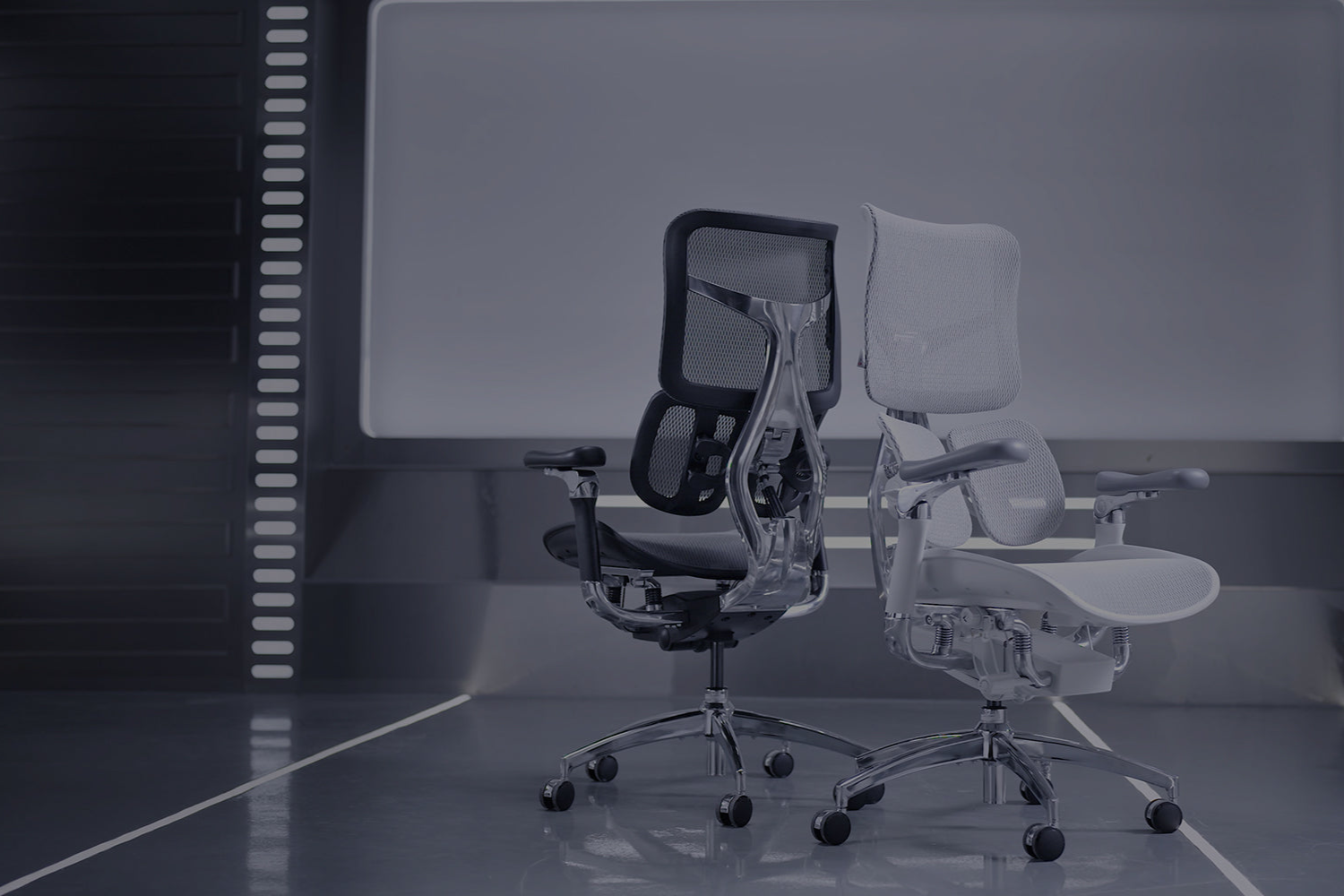
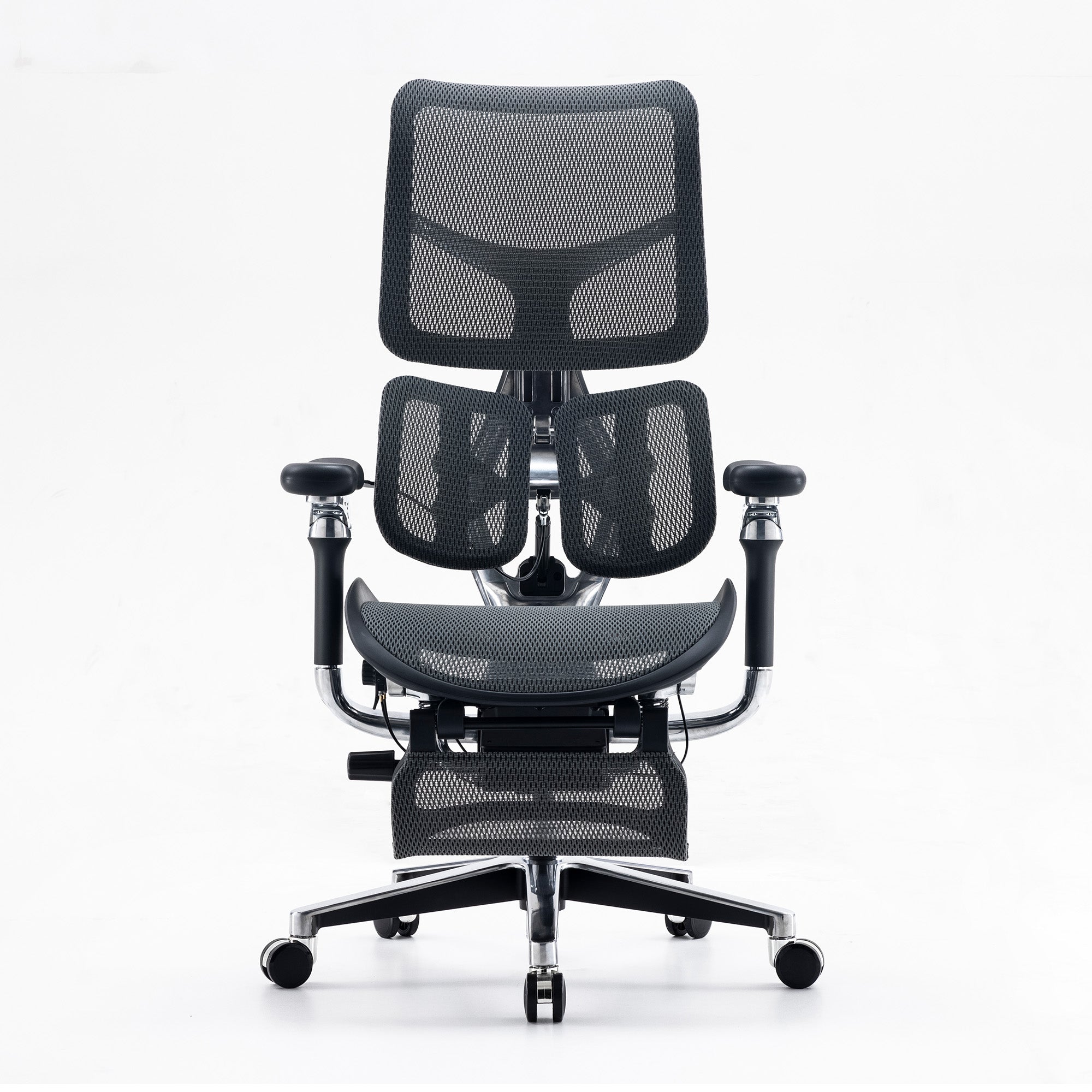
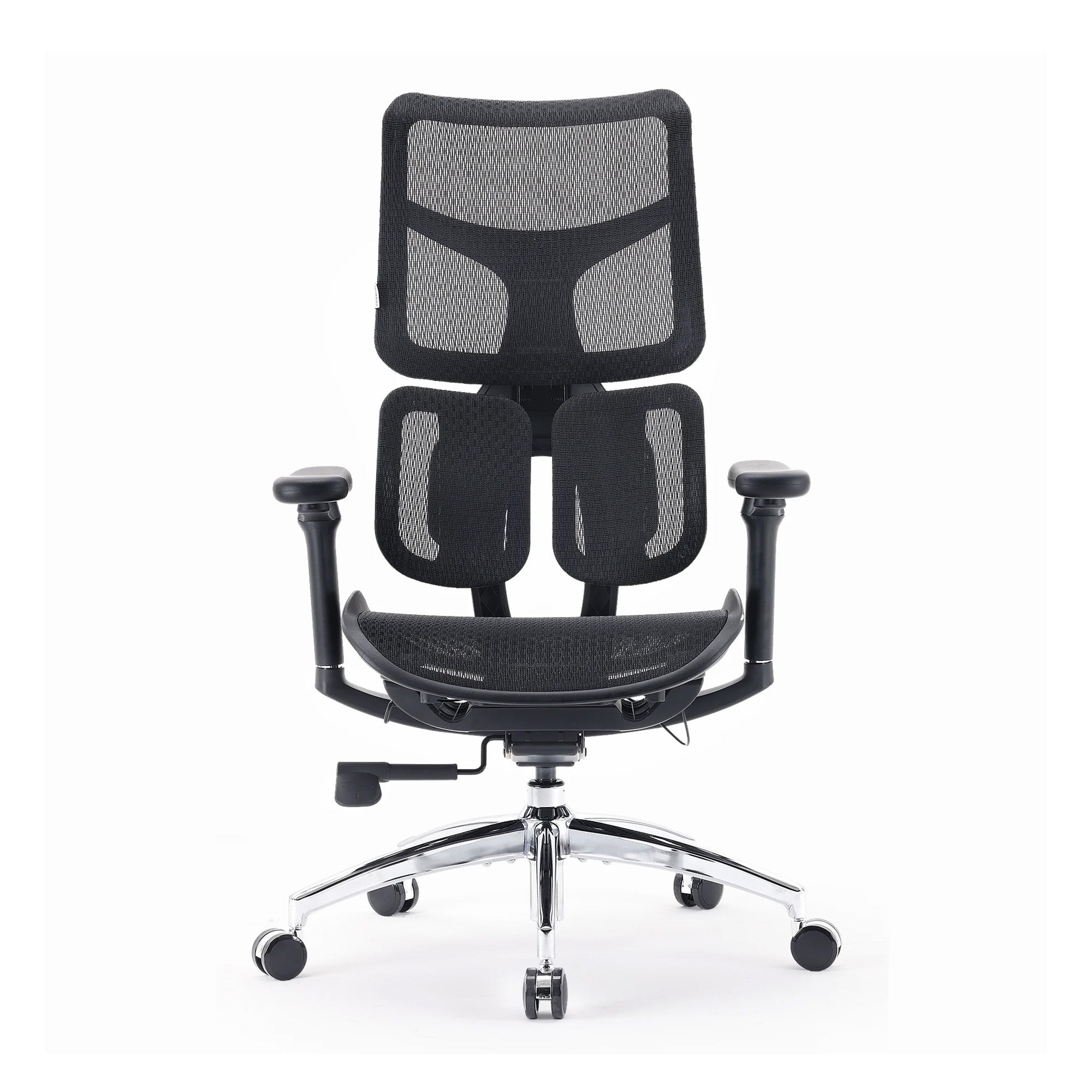
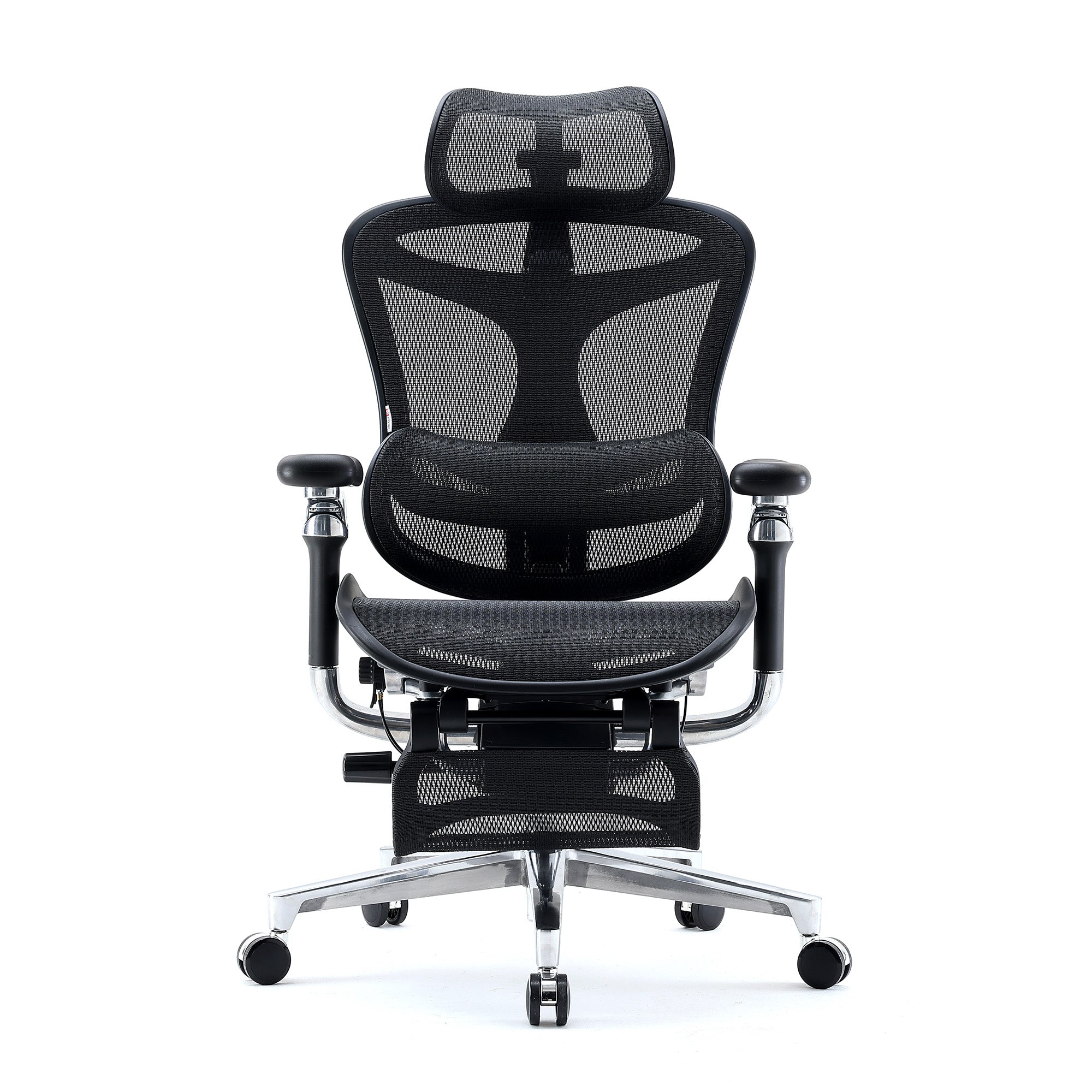
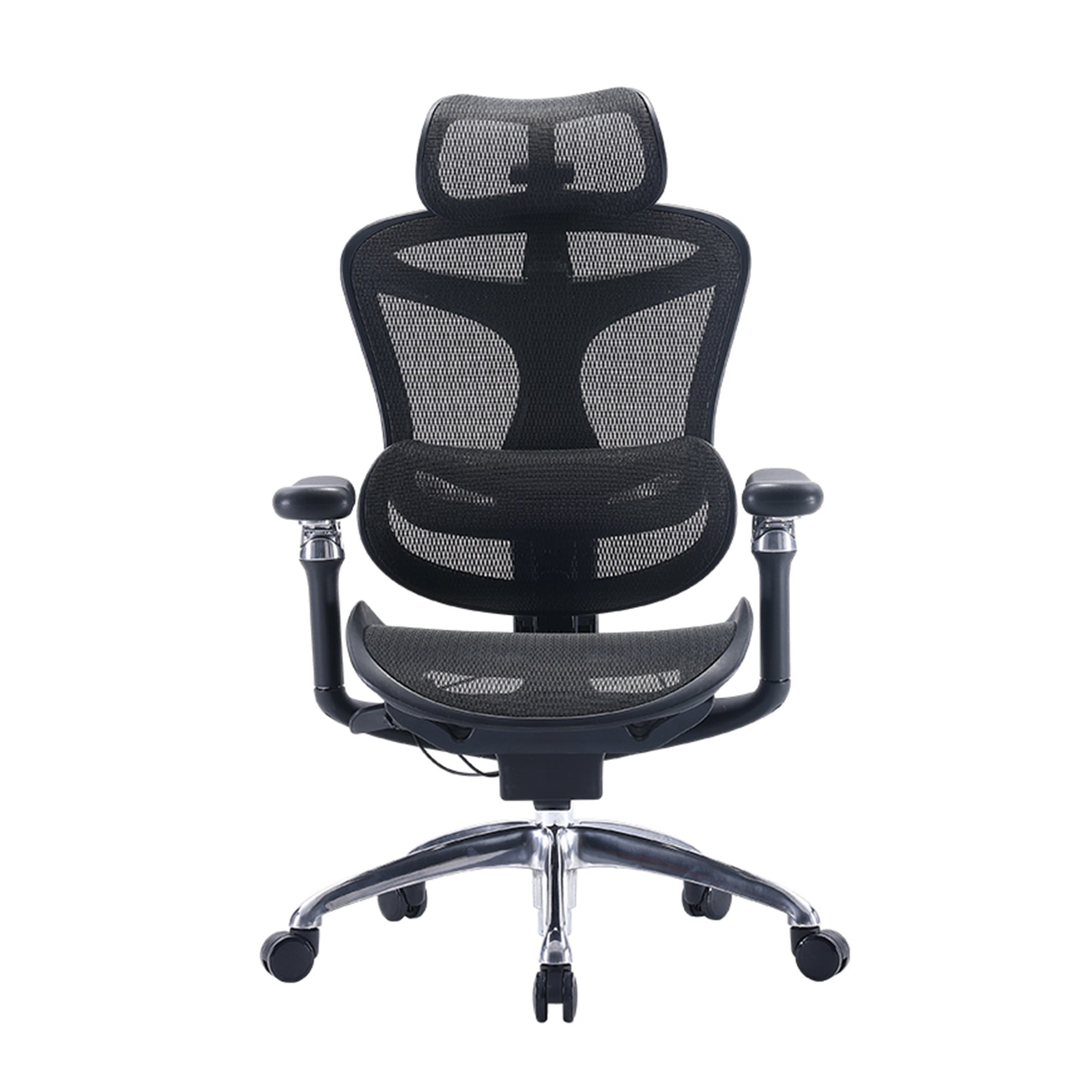
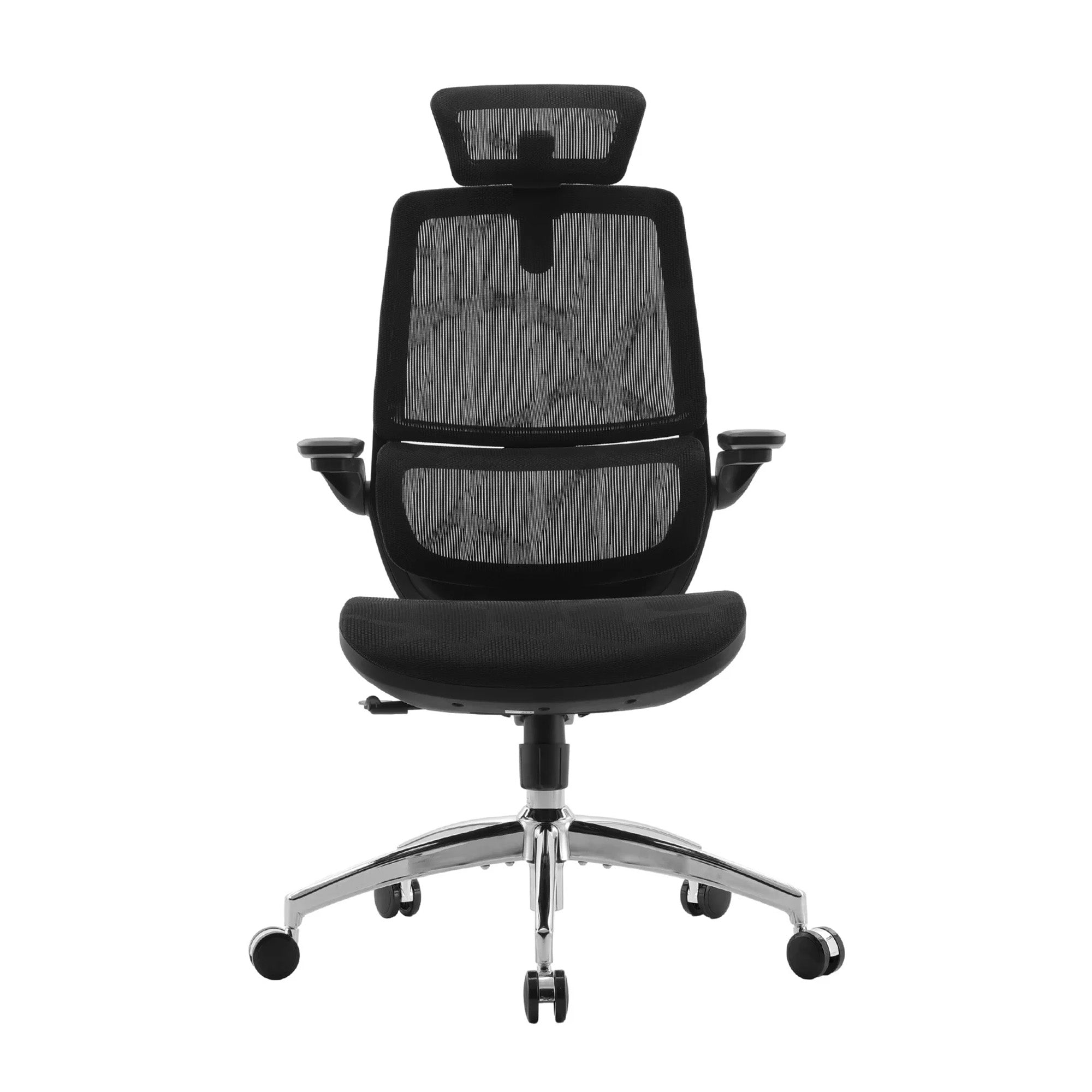
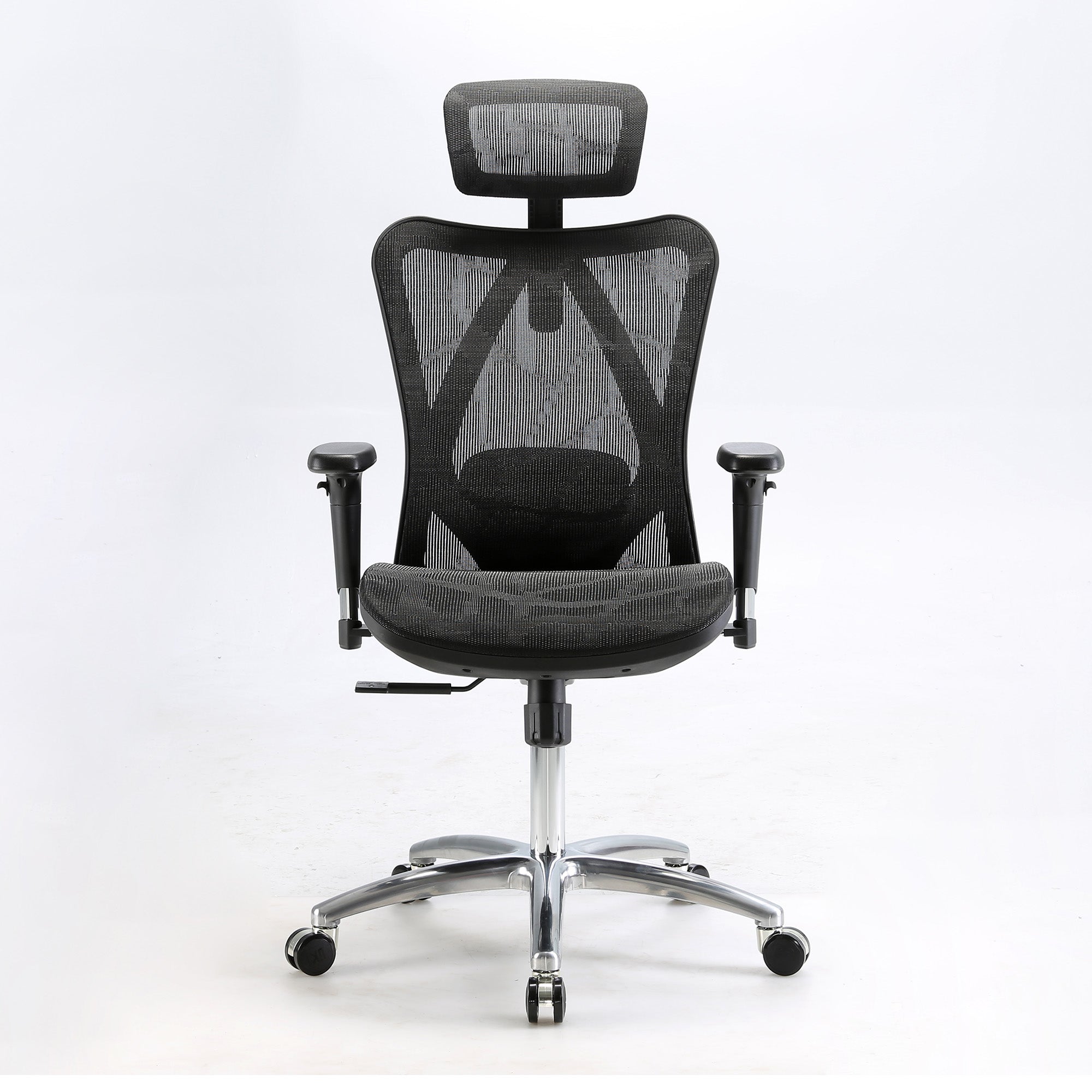
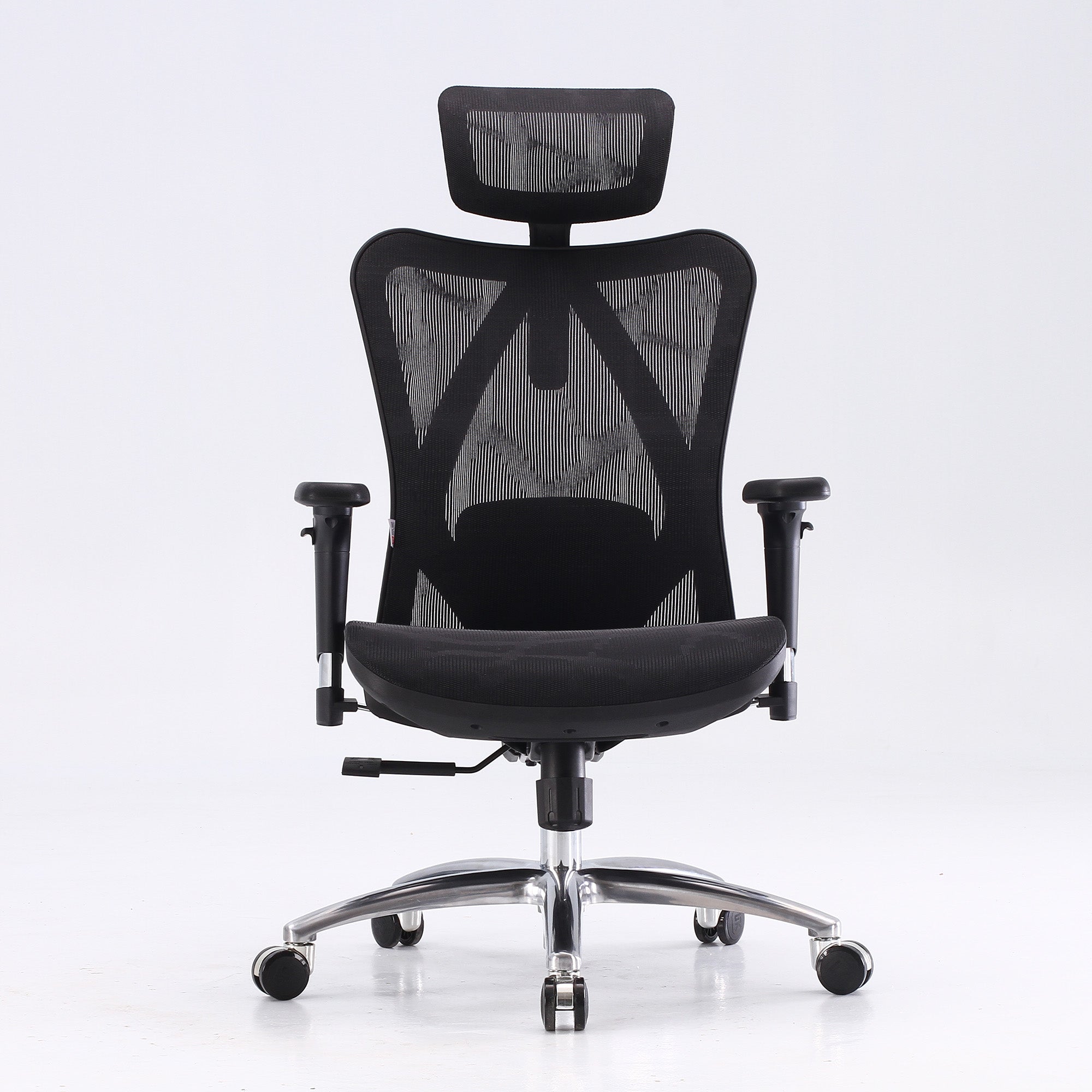
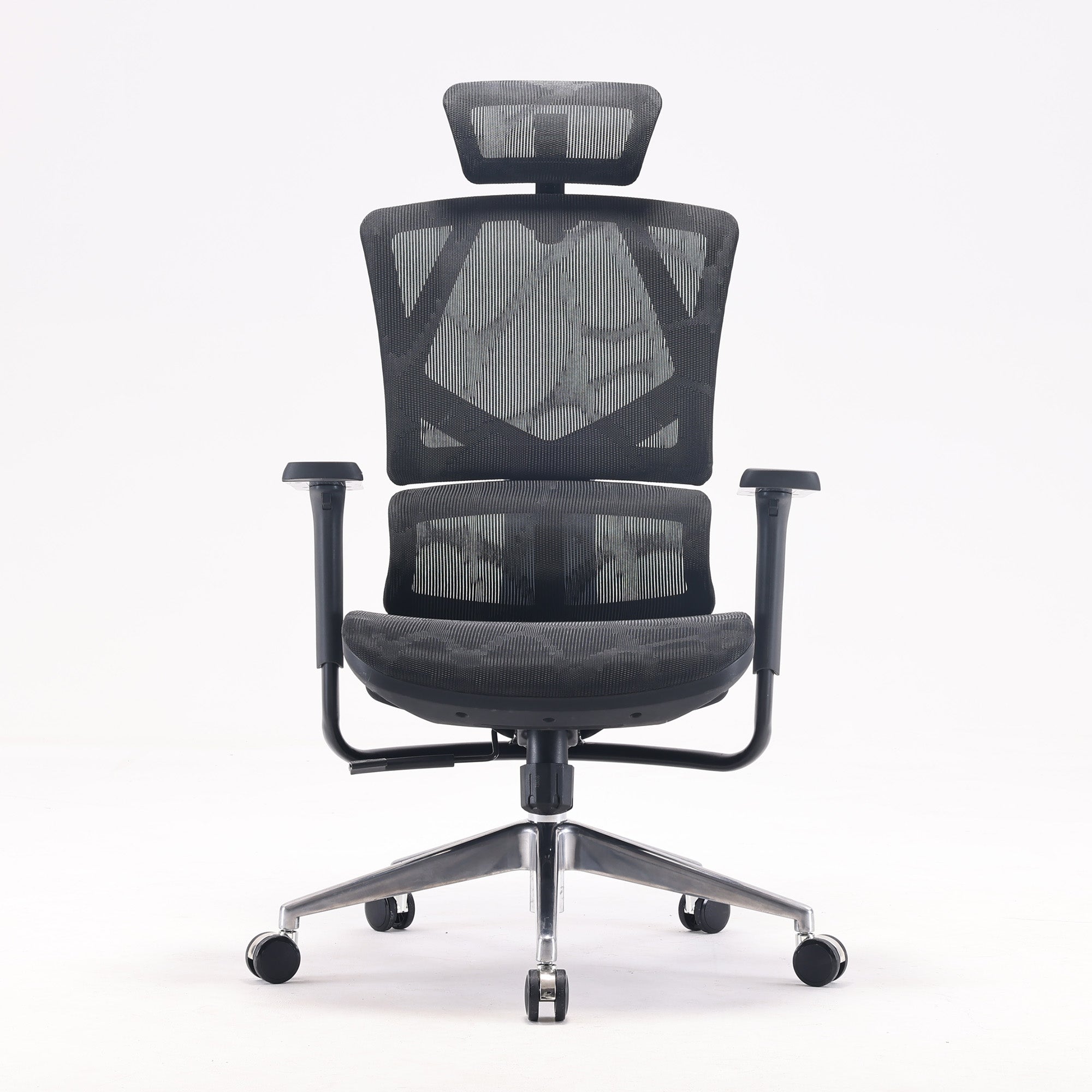
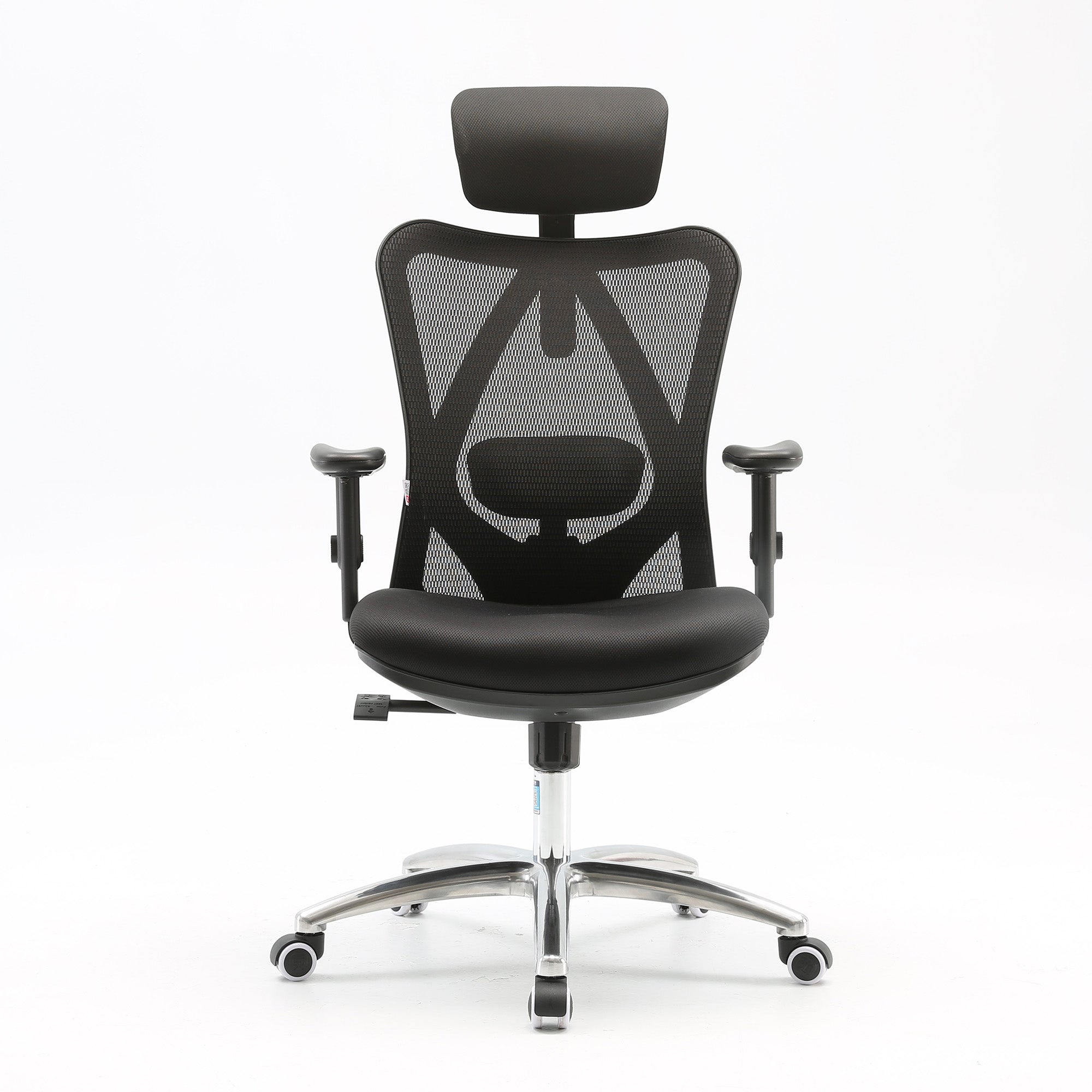
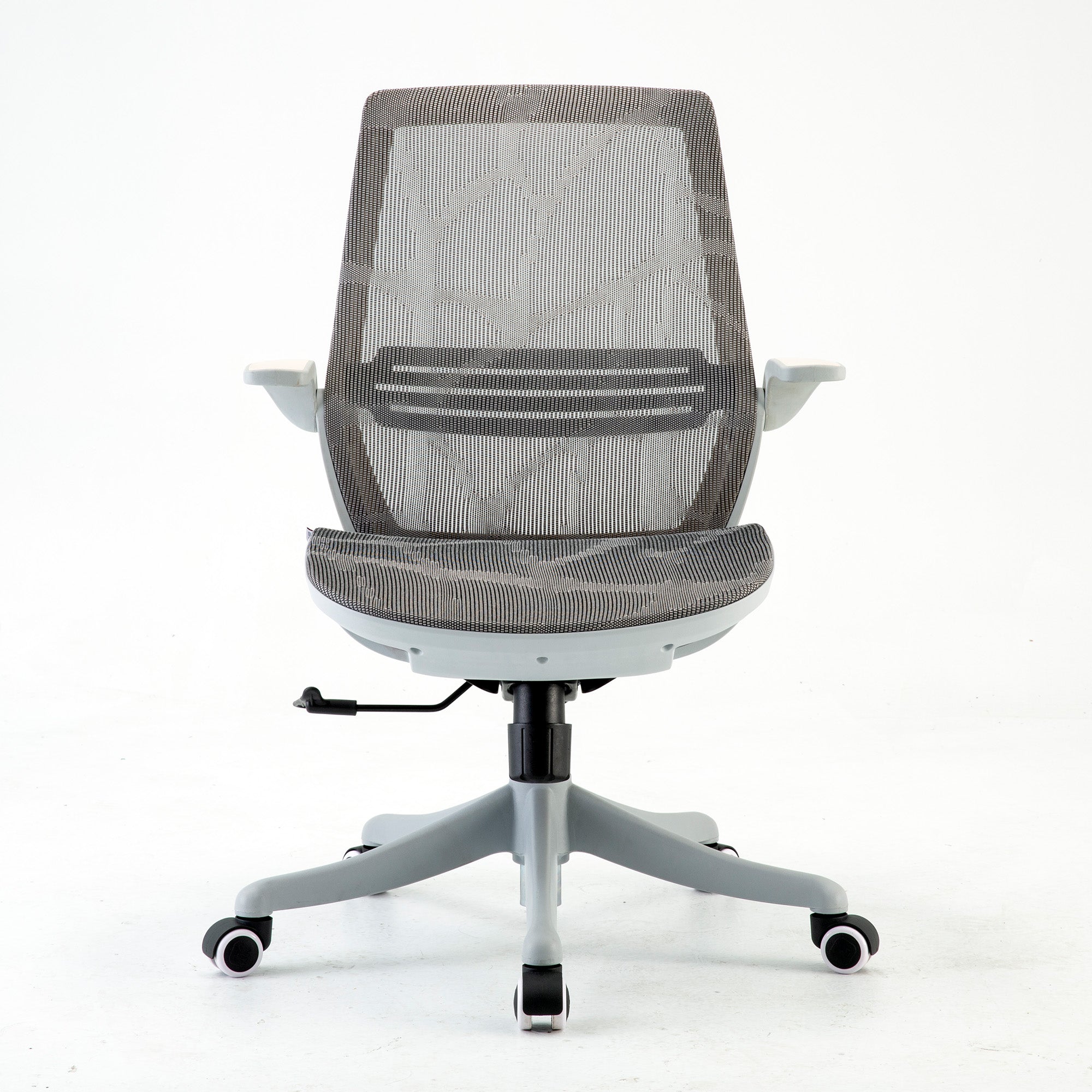
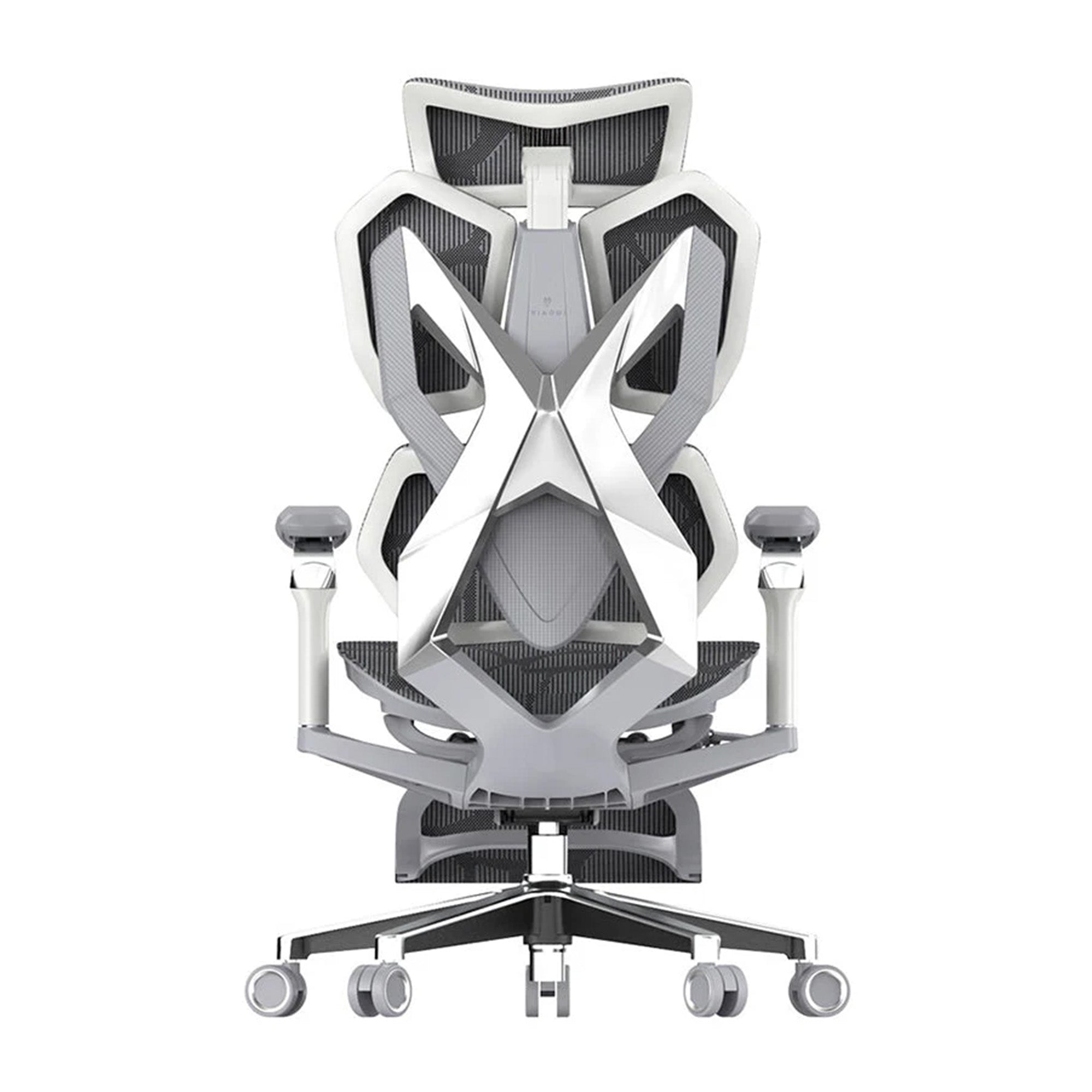
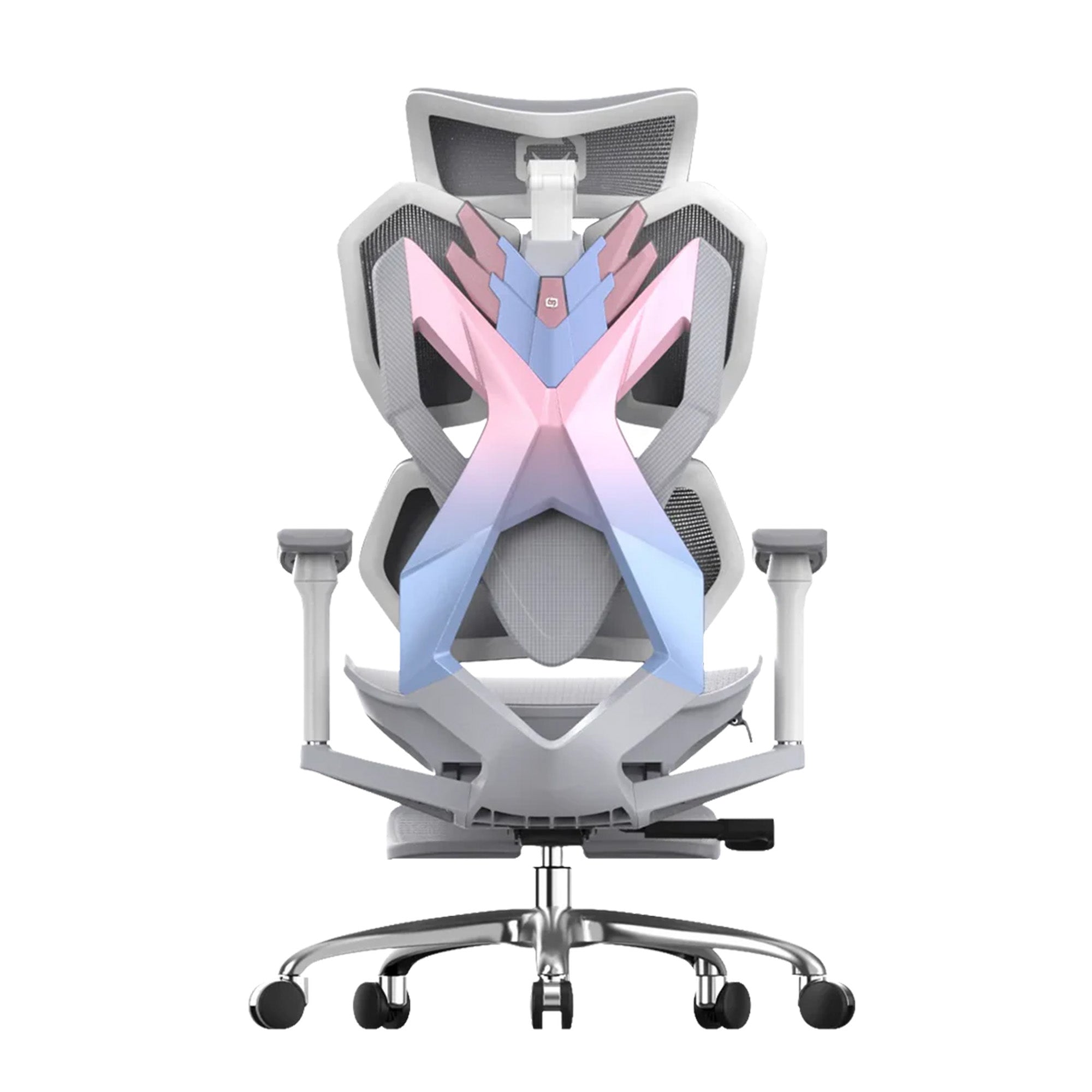
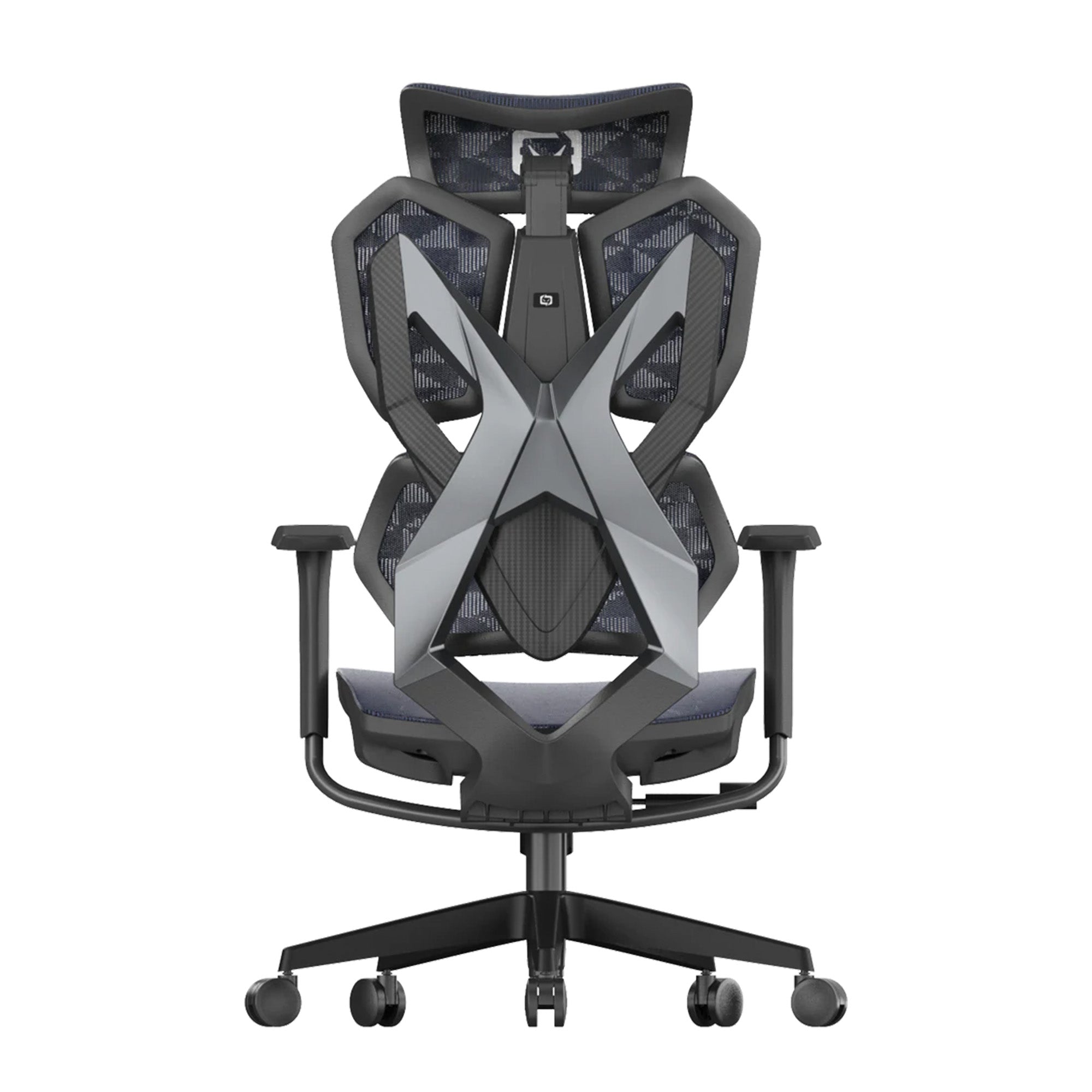
Investing in high-quality ergonomic chairs is a foundational step for work stress management. A chair that mirrors the natural curve of your spine reduces muscular strain. When you sit in Sihoo office chairs, your body feels supported rather than stressed.
Sihoo focuses on dynamic support. Their ergonomic chairs in Australia allow you to lean back and open your chest. This physical openness signals safety to your nervous system. If you are hunched over a laptop, your brain thinks you are hiding from a predator. Sit tall, breathe deep, and let the chair do the heavy lifting.
3. The Cold Water Reset (2–3 Minutes)
Have you ever wondered why a splash of cold water feels so refreshing? It triggers the 'mammalian dive reflex'. This is an ancient biological response that slows the heart down to conserve oxygen.
If you are feeling overwhelmed, head to the office bathroom. Splash ice-cold water on your face for thirty seconds. Alternatively, hold a cold drink against your wrists or the back of your neck. This temperature shift forces your nervous system to 'reboot'. It breaks the loop of anxious thoughts immediately.
4. Panoramic Vision (3–4 Minutes)
Stress gives us 'soda straw' vision. We focus intensely on one problem, which heightens our internal alarm. To counter this, we need to broaden our gaze.
-
Look away from your screen.
-
Pick a point in the distance.
-
Soften your eyes and try to see the periphery of the room.
See the walls to your left and right without moving your head. This 'panoramic vision' is linked to the calming centers of the brain. It tells your amygdala that there are no immediate threats nearby.
5. Somatic Release: The Shake-Off (4–5 Minutes)
Animals in the wild shake their bodies after escaping a predator. They are literally shaking off the excess adrenaline. Humans often bottle that energy up, leading to stiff necks and headaches.
Stand up from your ergonomic chairs and let loose. Shake your hands, your arms, and your legs. Jump on the spot for twenty seconds. It might feel silly, but it works. This movement discharges the pent-up energy of a stressful morning.
Once you finish, sit back into your Sihoo chair. Notice how much lighter your limbs feel. You are now primed to return to your tasks with renewed clarity.
Creating a "Restorative" Workspace
Resetting your nervous system is easier when your environment helps you. A cluttered desk leads to a cluttered mind. Similarly, a rigid, uncomfortable seat leads to a rigid, uncomfortable mood.
When selecting office chairs, look for adjustability. The best ergonomic chairs adapt to your movements throughout the day. Sihoo designs furniture that encourages healthy micro-movements. These small shifts prevent your body from 'freezing' in a stress posture.
Australia’s high-pressure work culture demands better tools. We cannot always change our deadlines. However, we can change how our bodies react to them. By combining these five-minute tools with better ergonomics, you regain control.
You do not need an hour of meditation to find peace. You simply need to speak the language of your biology. Use your breath, your vision, and your physical support system to stay grounded.
Frequently Asked Questions
A 5-minute nervous system reset is a quick, science-backed routine designed to calm your body and mind during high-pressure workdays. It uses techniques like breathing exercises, cold water stimulation, and micro-movements to reduce stress and improve focus.
The physiological sigh is a two-part inhale followed by a slow exhale. It quickly lowers heart rate and relieves tension in the lungs, signalling your body to switch from fight-or-flight mode to a calmer parasympathetic state.
Ergonomic chairs support your spine, improve posture, and reduce muscle strain. When your body feels safe and comfortable, your nervous system recognises it, helping to lower stress and improve mental clarity during work.
Splashing cold water on your face or wrists triggers the mammalian dive reflex. This slows the heart rate, reduces adrenaline, and interrupts anxious thought patterns, giving your body a rapid reset during stressful moments.
Yes. Actions like shaking your hands, arms, or legs discharge pent-up adrenaline and muscle tension. These micro-movements, combined with proper posture and breathing, help your nervous system return to a relaxed, focused state.
Shop products from this article


Save up to 49% this Clearance Sale. Pay in 4 interest-free instalments with Afterpay.
SHOP NOWRecommended Posts


