


There is a subtle but growing shift in how early careers feel today. A generation ago, being 25 often meant having the energy and drive to take on long hours and new challenges with enthusiasm. Early roles were seen as a time to learn, grow, and build momentum.
Today, the experience looks very different.
We are now seeing young Australian professionals just a few years into their careers already showing signs of fatigue that used to be associated with much more senior roles. Some describe this as hitting an “entry-level wall” much earlier than expected.
Instead of building energy, many are starting their careers already managing burnout, pressure, and constant digital demands. The result is a workforce that feels stretched too soon, even at the beginning of their professional journey.
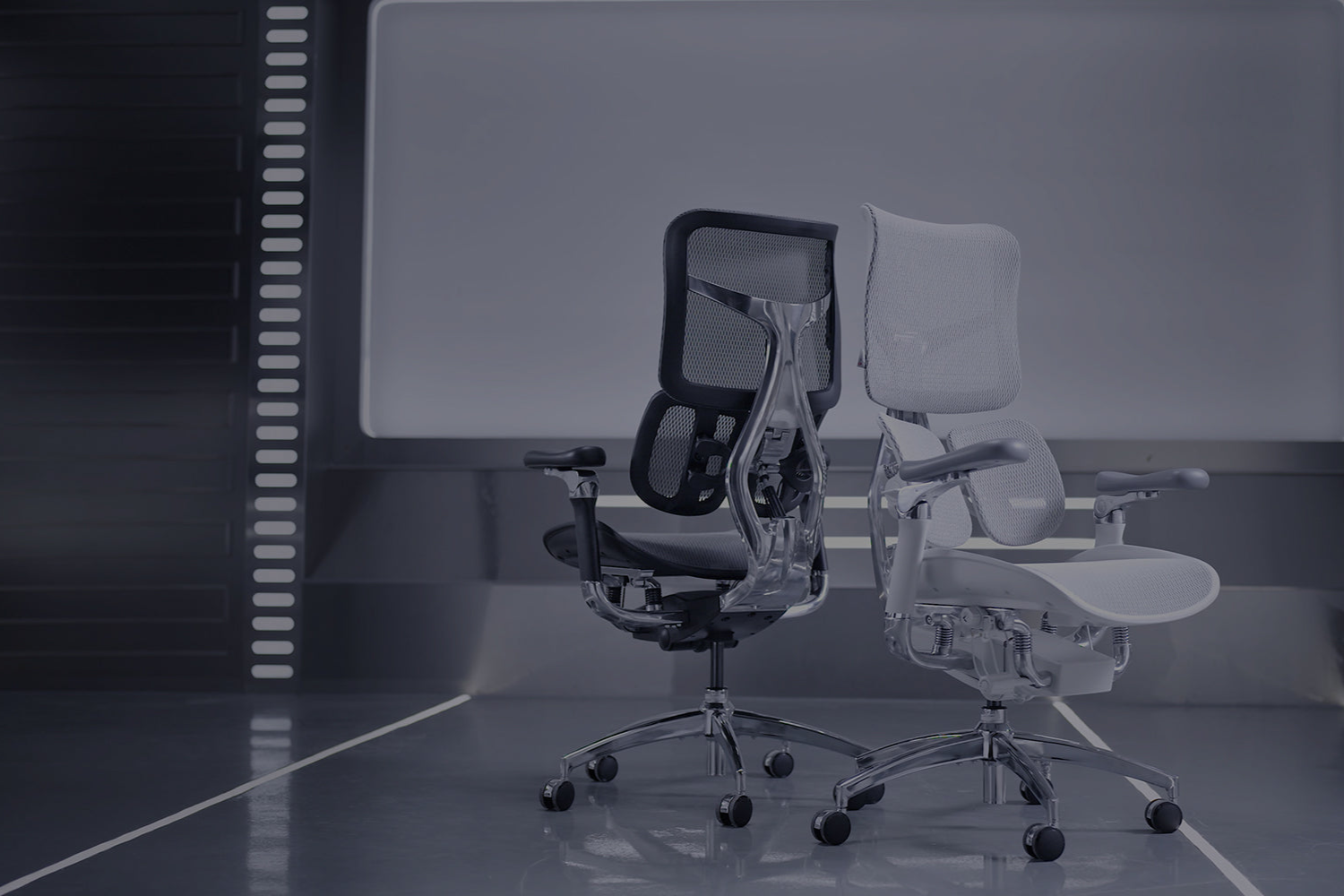
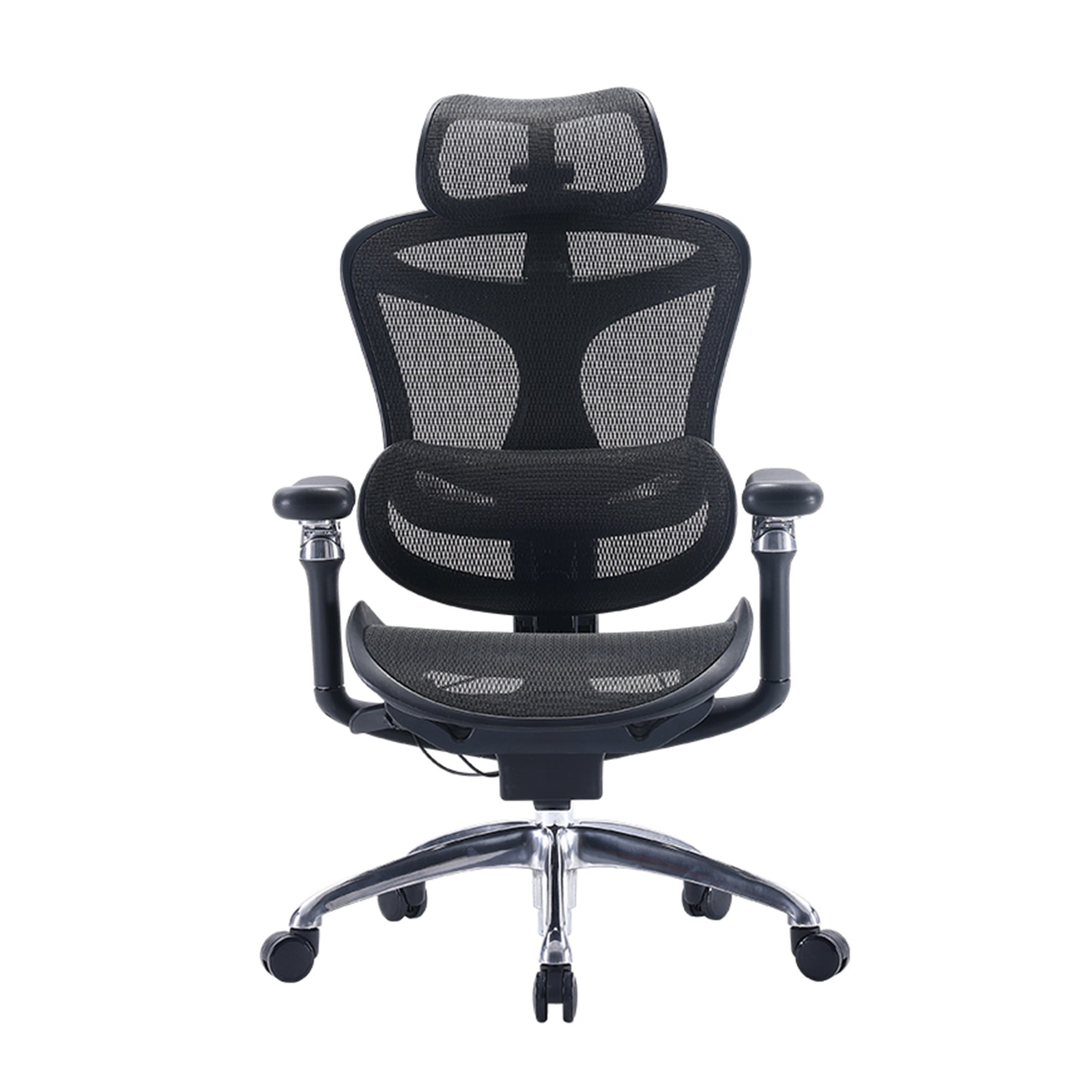
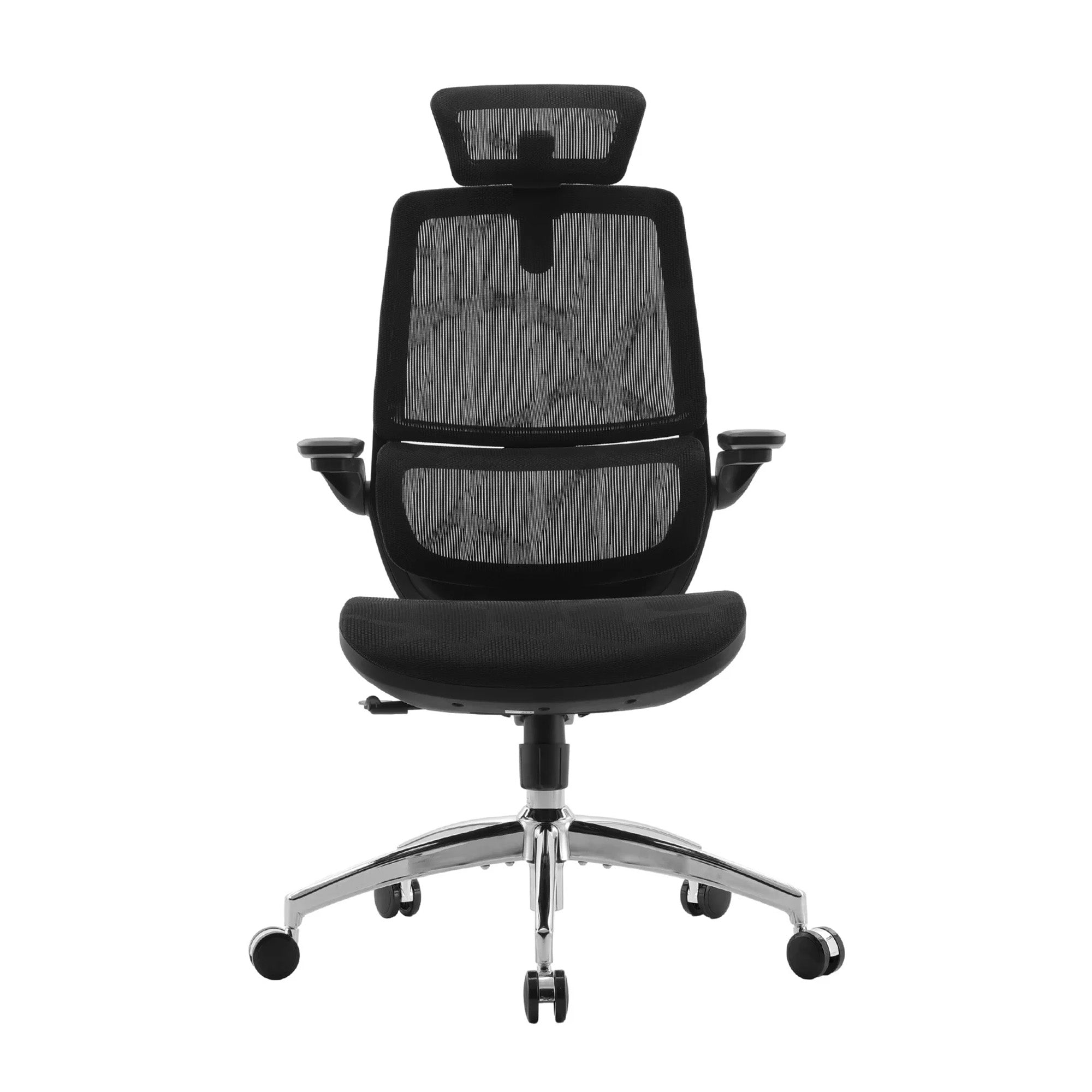
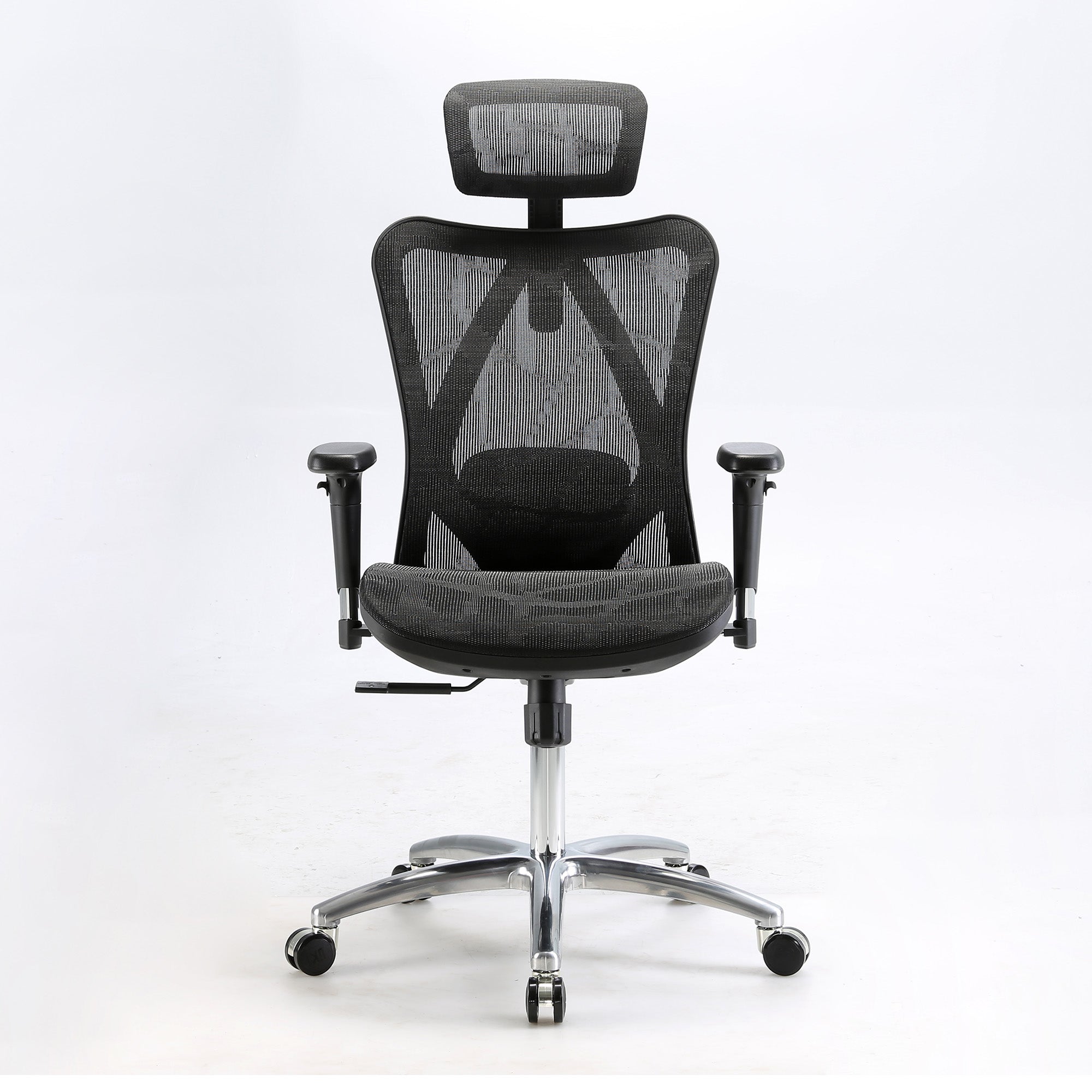
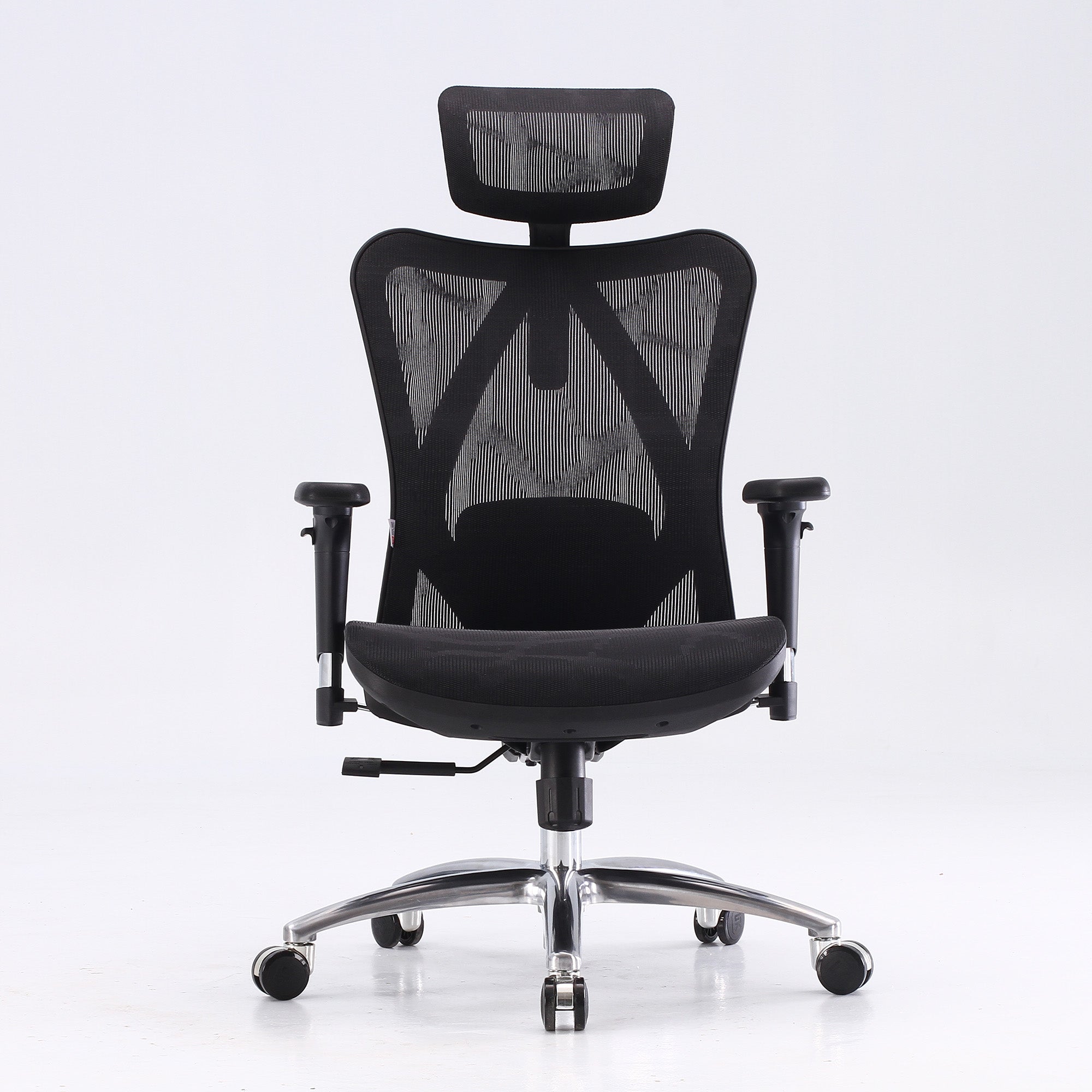
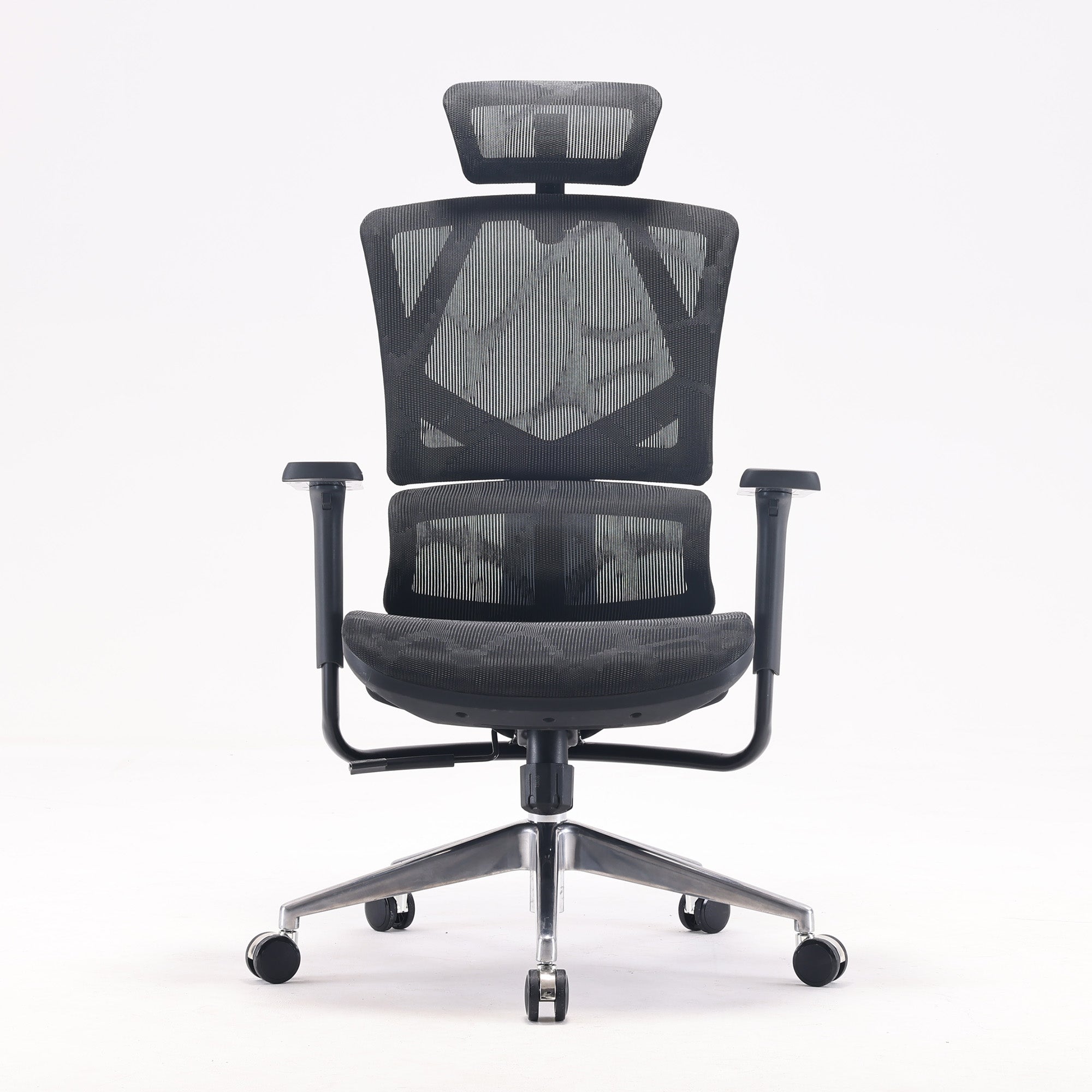
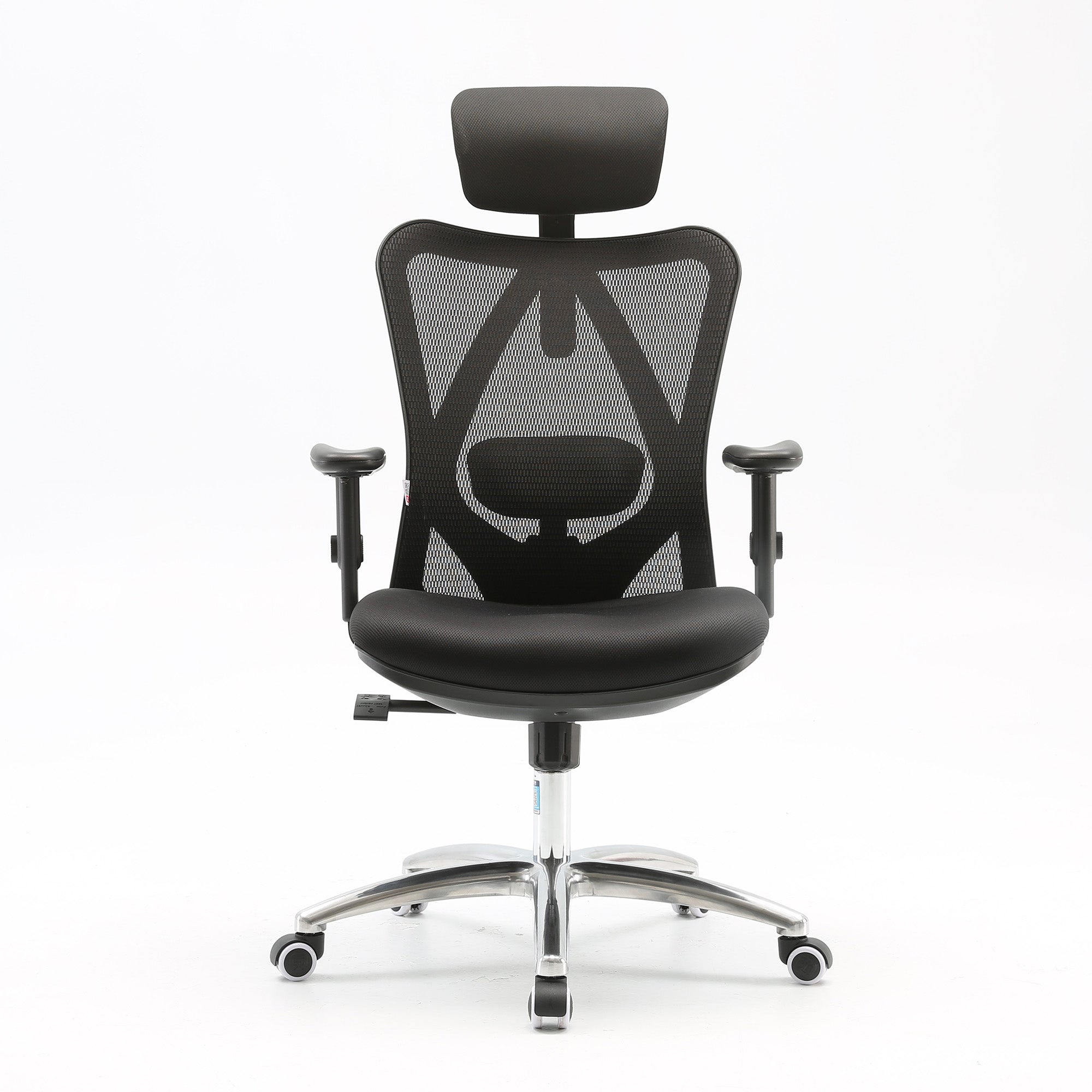
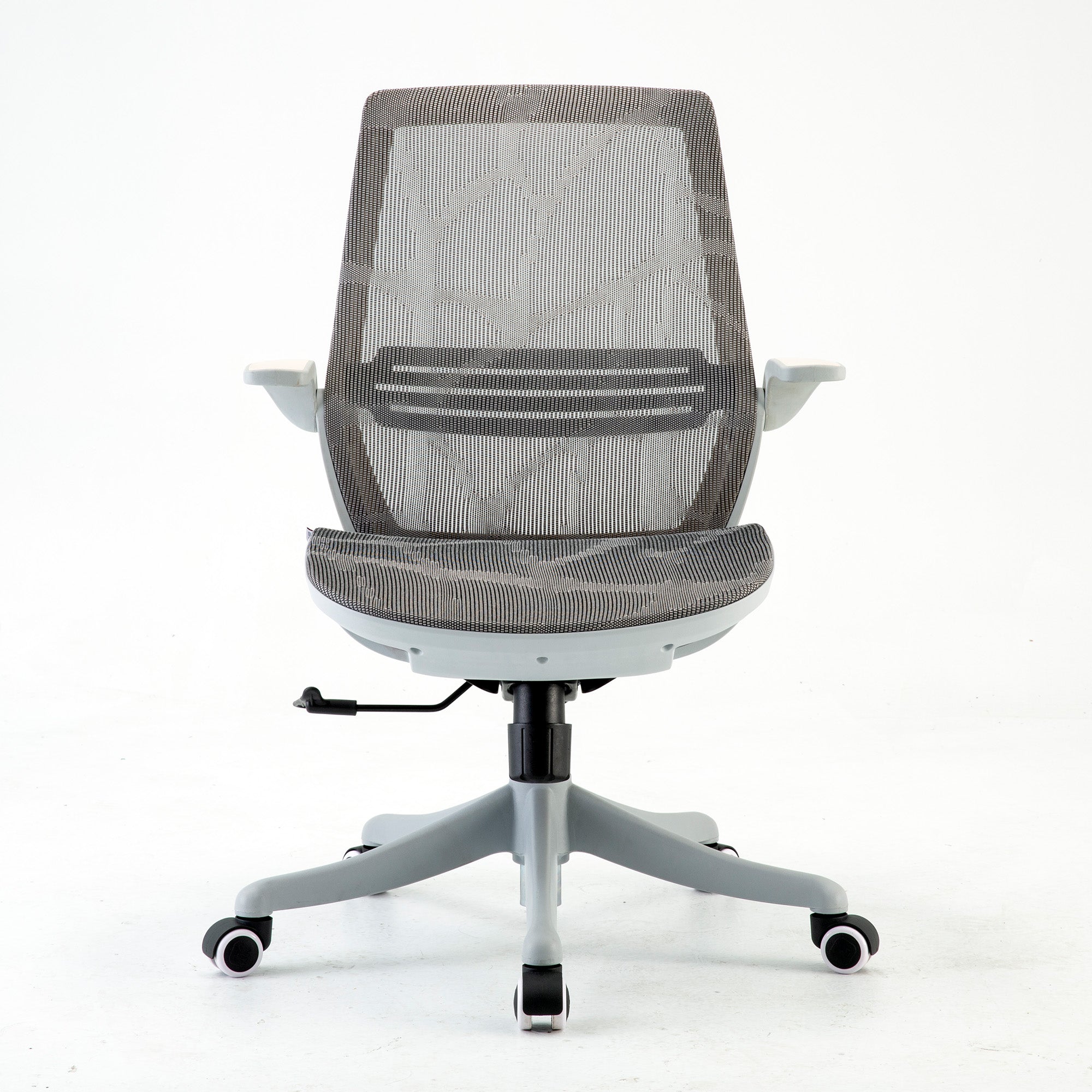
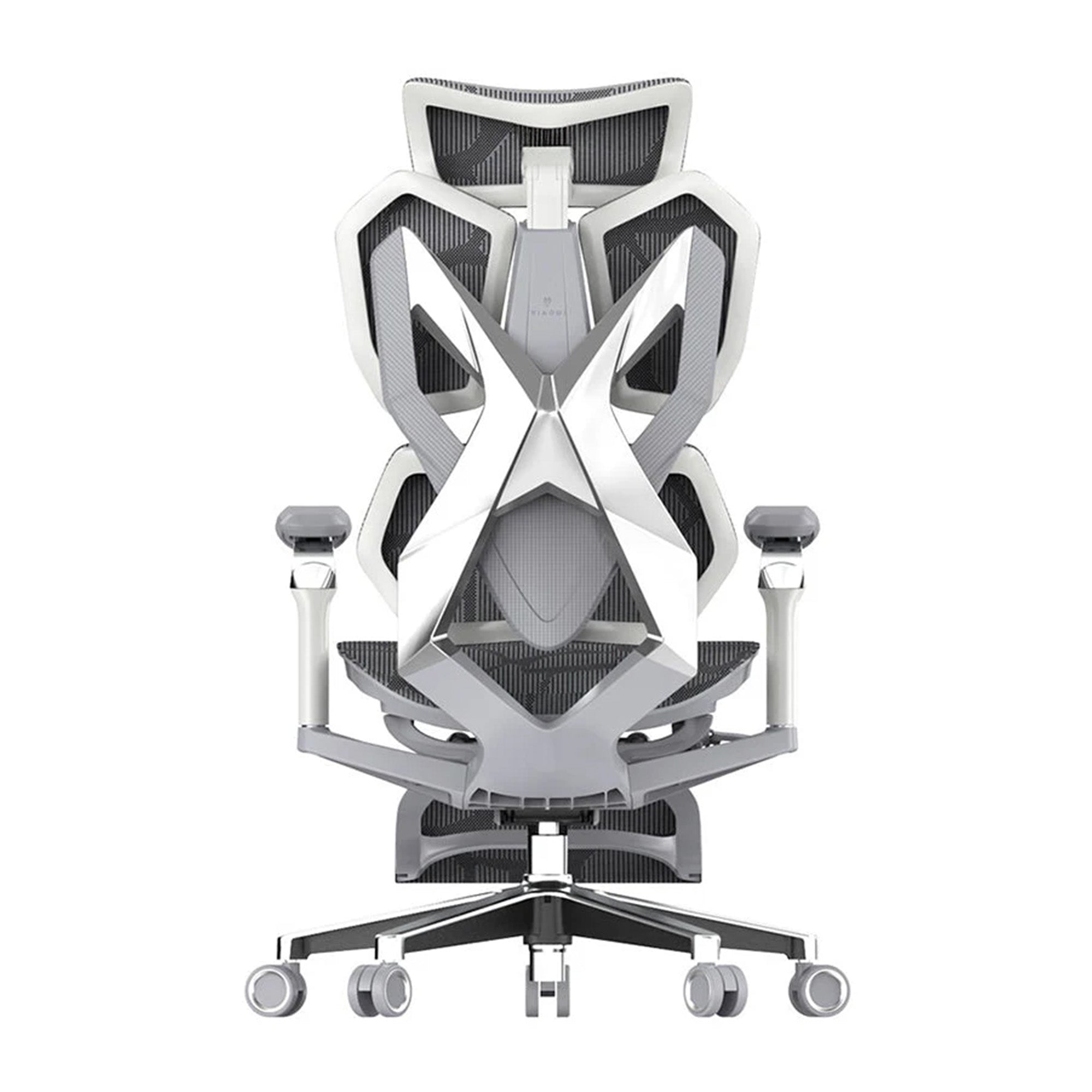
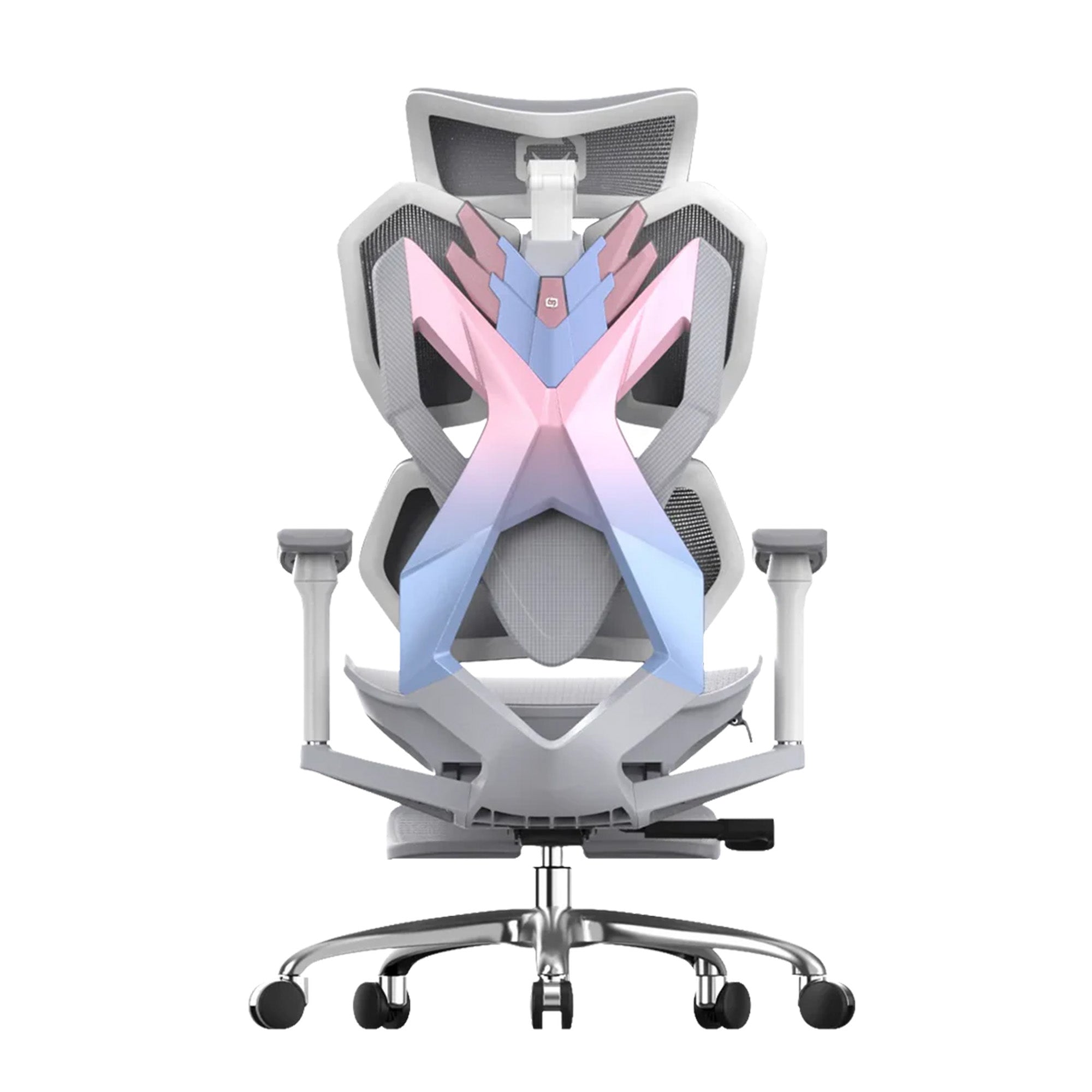
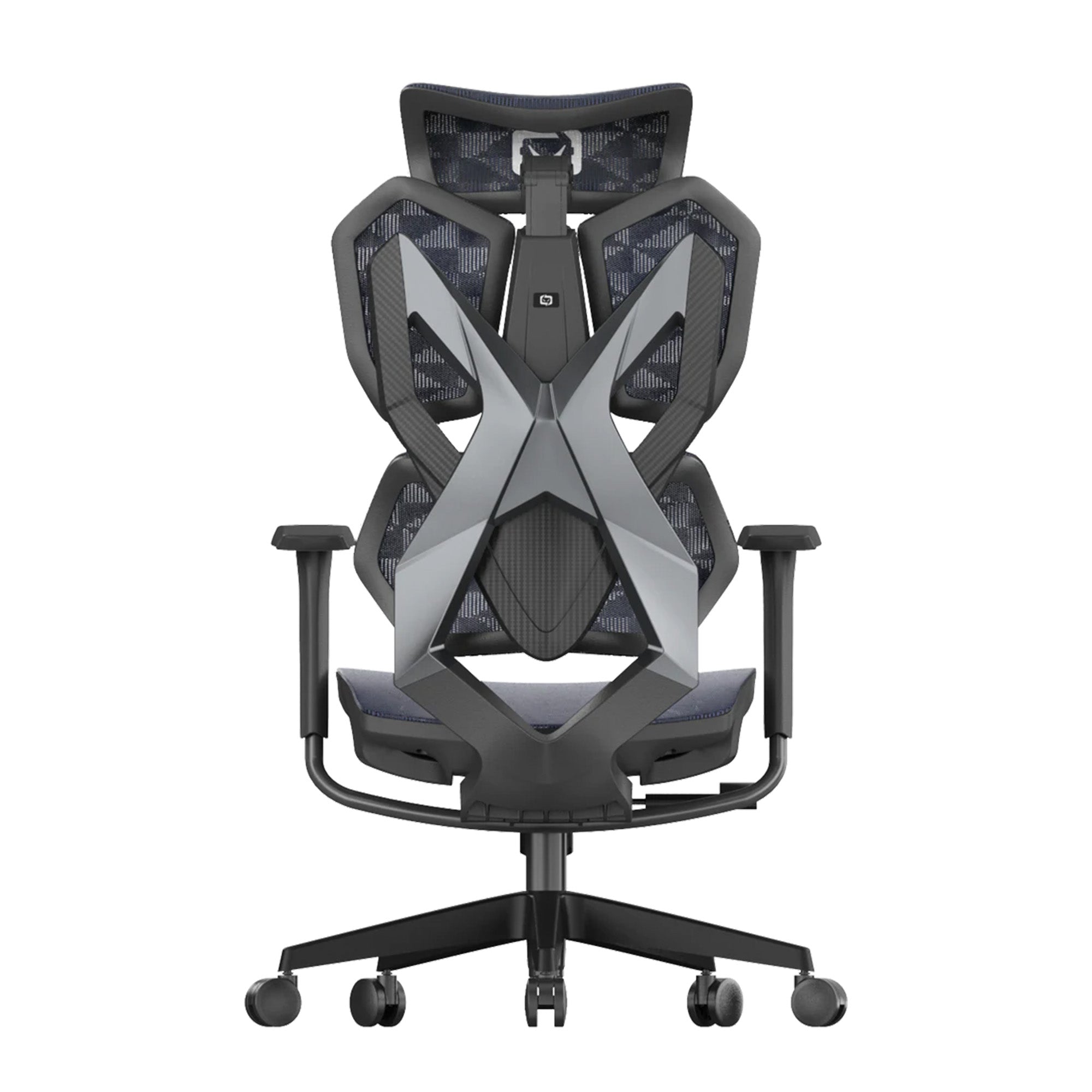
For some, a good vacation can save the day. But for most, a simple “ergo” shift is the answer. Going for an ergonomic chair option may seem a mundane solution to an existential problem but it can be the difference between “feeling good” and “just living.”
The Flexible Trap: Why Your Back is Screaming
We were all sold this dream, right? The digital nomad life. Working from a hammock in Bali or just hopping on a Zoom call from the comfort of your own sofa. But the truth is, the "work from anywhere" vibe mostly just turned into "work everywhere, all the time."
The Dissolving Boundary
Your living room has officially been colonised by the boardroom. Your nervous system is basically a laptop that never actually shuts down; it just stays on a permanent standby until the internal battery fries itself. This constant connectivity is a primary driver of early-career exhaustion.
The Cost of "Making Do"
When your home becomes your cubicle, the lack of a proper setup starts taking a heavy physical toll. I see so many young professionals starting their climb while hunched over kitchen benches or, even worse, folded like a pretzel on a soft couch.
Without a dedicated ergonomic chair, your body stays in a state of high-intensity tension. You might not feel it at 9:00 AM, but by 3:00 PM, your spine is essentially screaming for help. If you don't have a legitimate office chair, your physical frame never gets a chance to reset. Over time, this physical strain isn't just a body problem; it leaks directly into your brain.
It is like compounding interest, but for human misery. A poor office chair might seem like a minor inconvenience when you’re 22, but by the time you hit 25, the cumulative impact on your posture and focus is pretty much undeniable. That's when you realise that a high-quality Doro ergonomic chair was all you needed all along.
The Biological Cost of the Digital Hustle
We normally talk about burnout as if it’s purely a psychological state, something you can just think your way out of with a bit of mindfulness. But the biology of work is unavoidable. To maintain high-level cognitive function—the kind of creative problem-solving that actually gets you promoted—your brain requires a stable physical base.
Investing in "Neuro-Productivity"
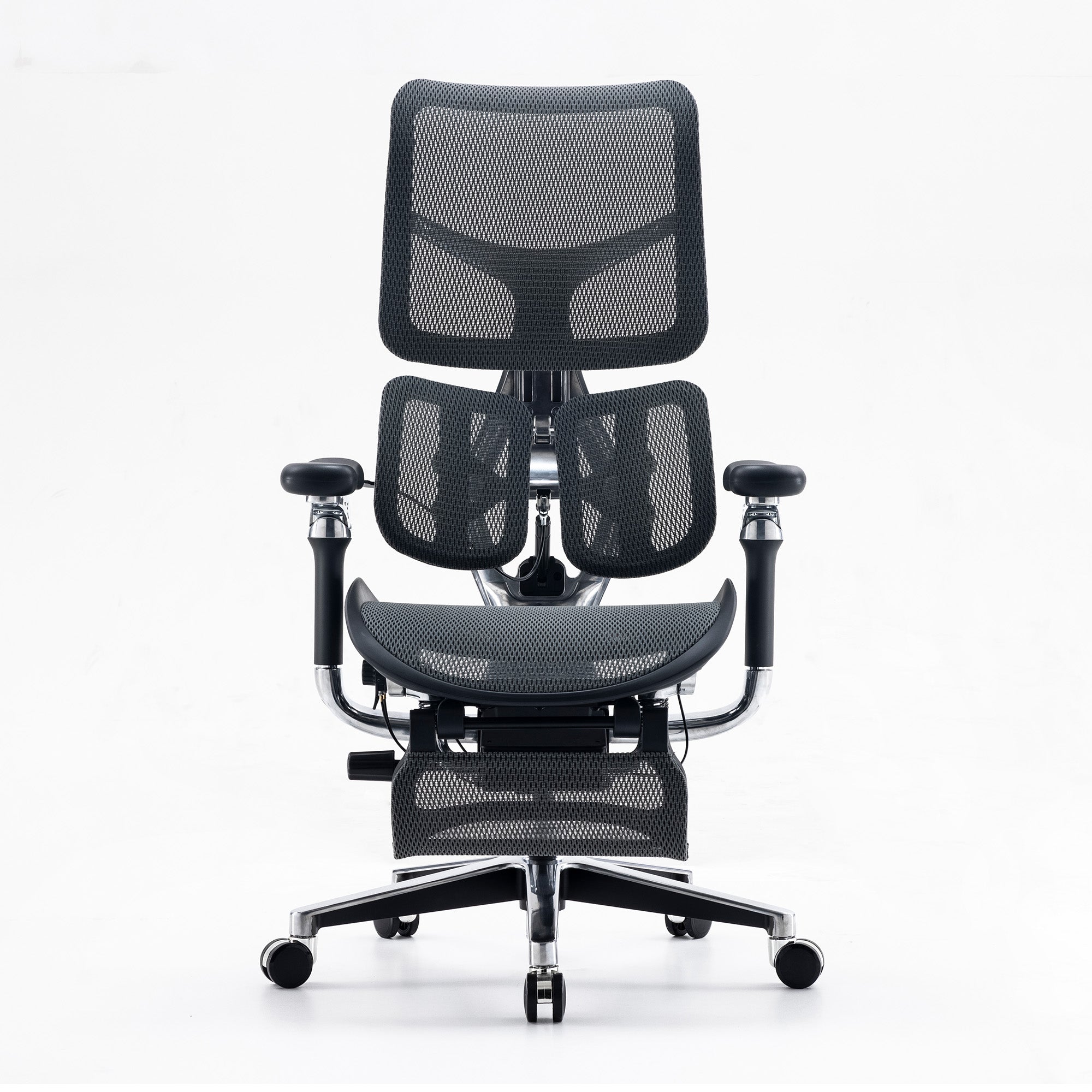
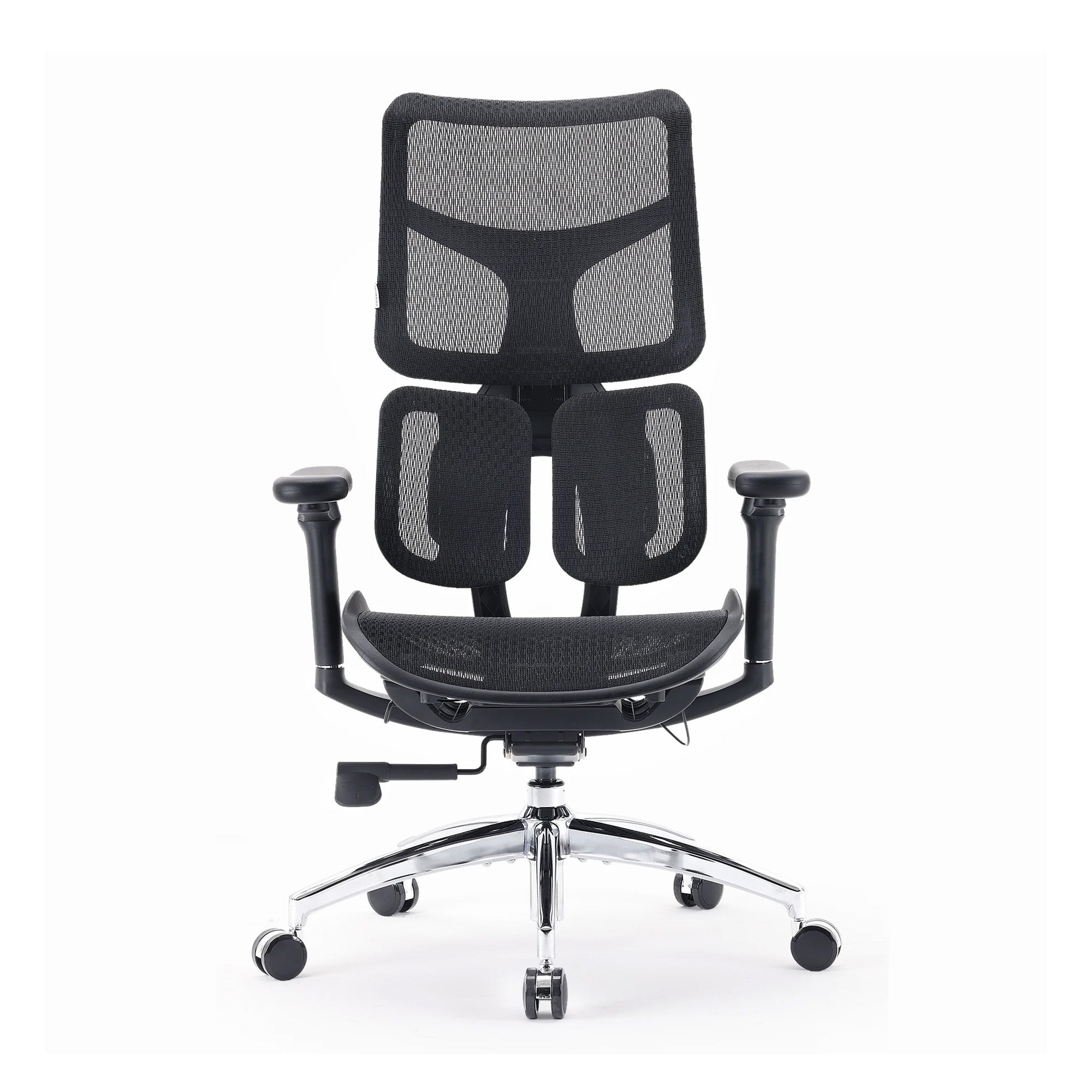
This is exactly where the importance of a pro-grade ergonomic office chair becomes a career necessity rather than some mid-life luxury. Brands like Sihoo have spent years researching the nitty-gritty of how skeletal alignment influences something called neuro-productivity.
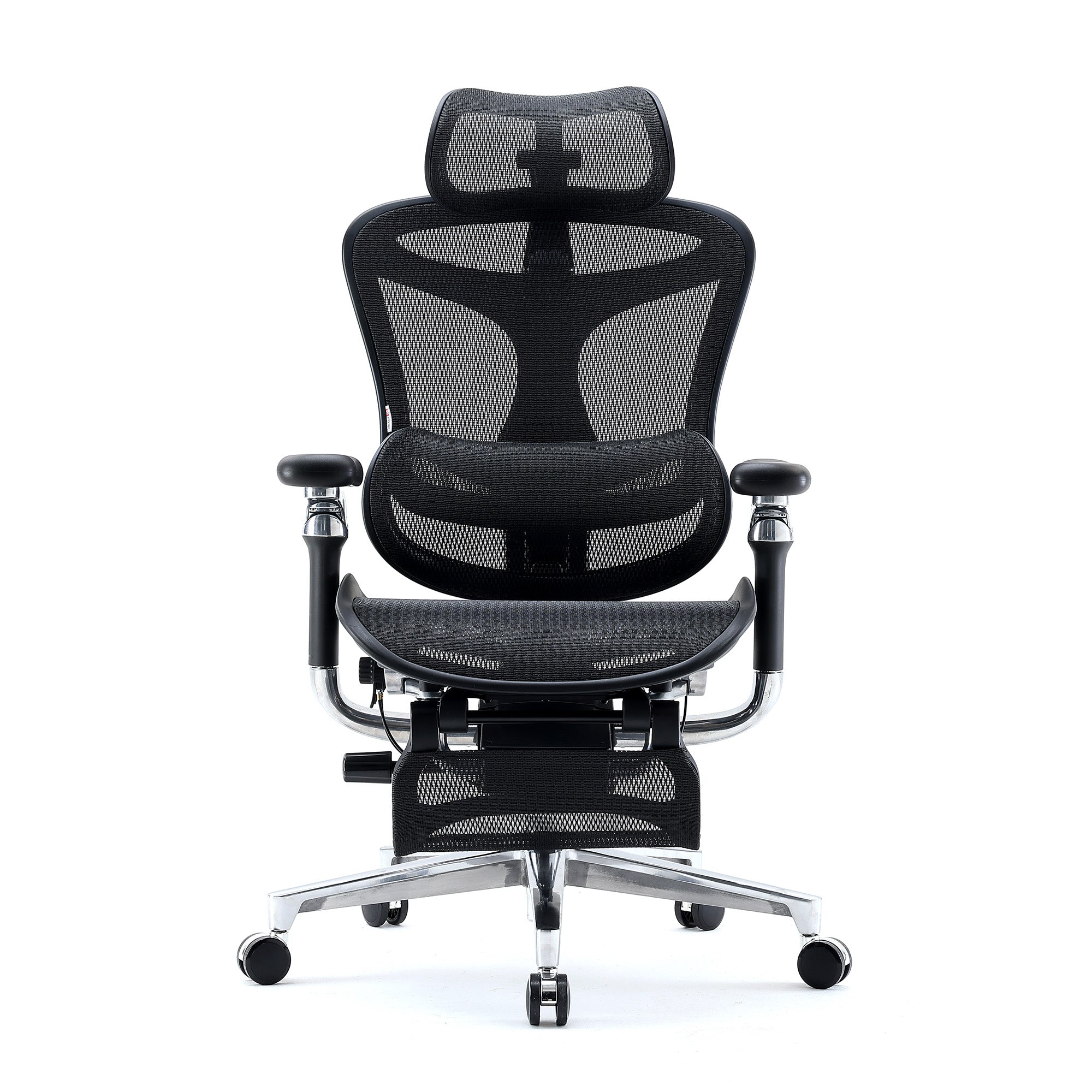
It sounds fancy, but it’s actually pretty simple. When you sit in a high-quality ergonomic chair, the adjustable lumbar support and specialised headrests ensure that your spine maintains its natural S-curve. This actually reduces the cortisol spikes associated with physical pain.
Saving Your RAM
Think of it like computer hardware. If your office chair doesn't support your frame, your brain has to divert a massive chunk of energy just toward maintaining balance and managing discomfort. That leaves way less RAM available for your actual job. You’re literally making yourself less intelligent by sitting in a bad chair.
Why 25 is the New 45
So, why are we seeing these work burnout signs so incredibly early in the game? The entry-level wall is usually built from three main bricks:
-
Economic Pressure: The cost of living is skyrocketing in cities like Sydney and Melbourne, and many young workers feel like they simply cannot afford to take a break or say no to soul-crushing overtime.
-
Performance Theatre: Social media has created this bizarre pressure to not only do your job but to perform the role of a hyper-successful professional at all times. This leads to a specific kind of hustle culture burnout where you’re exhausted just from trying to look busy.
-
Physical Neglect: Entry-level salaries often lead to people "making do" with cheap, flat-pack furniture. Sitting for ten hours a day in a non-ergonomic office chair effectively accelerates the physical ageing process. It’s why we have 25-year-olds walking around with the back problems of a 45-year-old.
Building a Foundation for Career Longevity
To build a career that actually lasts more than a few years, you have to optimise your life for stability and ergonomics.
Setting Digital Hard-Stops
You have to learn how to disconnect. If your workplace uses Slack or Teams, set your status to "away" the second the clock hits 5:00 PM. That mental buffer is essential for recovery.
The Anchor of Your Workspace
But more importantly, you need to take control of your physical space. If you are working from a tiny apartment or a budget-conscious startup office, your office chair is your most important tool. Treating yourself to a Sihoo ergonomic chair in Australia is quite literally an investment in your future earning potential.
Reducing those physical work burnout signs can literally extend your daily "battery life." The dynamic tracking provided by a top-tier ergonomic chair allows you to move while you work, preventing the physical stagnation that leads to brain fog.
Breaking Through the Wall
If you are 25 and feeling the crushing weight of the entry-level wall, just remember that burnout is not a personal failure on your part. It is a systemic mismatch between your environment and your biological needs. You cannot "meditate" your way out of a career that is physically taxing your limits every hour of the day.
Start with the variables you can actually control. Do a quick audit of your own work burnout signs:
-
Are you tired because the work is hard, or are you tired because your office chair is forcing your body into a defensive, slumped position?
-
Are you stressed by the deadlines, or by the fact that your lower back hasn't had proper support in six hours?
Takeaways for the Gen Z Pro
-
Audit your physical space: Ensure your ergonomic office chair supports your lower back and neck to reduce that creeping physical fatigue.
-
Stop ignoring the signs: Don't push through the headaches or the irritability; these are classic work burnout signs that something is wrong.
-
Upgrade your gear: A professional office chair is a tool for growth, not just a piece of furniture. It’s the foundation of your entire workday.
-
Set your boundaries: The entry-level wall is high, sure, but you can climb it if you pace yourself and protect your health.
The entry-level wall doesn't have to be the end of your professional enthusiasm. By recognising those work burnout signs early and investing in a workspace that includes a proper ergonomic chair, you can ensure that your mid-20s are a period of genuine growth rather than just a slow countdown to total exhaustion.
Frequently Asked Questions
The “entry-level wall” refers to early-career burnout happening much sooner than expected, often within the first few years of work. Gen Z workers face constant digital demands, high expectations, and blurred work-life boundaries, which create sustained pressure without enough recovery time.
Burnout at a young age is often caused by a mix of long working hours, financial pressure, and the need to constantly stay connected. Many also work in poor physical environments, such as non-ergonomic setups, which add physical strain that contributes to mental fatigue over time.
A poorly set up workspace forces your body into uncomfortable positions, leading to muscle tension, fatigue, and reduced focus. Over time, this physical discomfort drains mental energy, making it harder to concentrate and increasing the risk of burnout.
Common signs include constant fatigue, lack of motivation, irritability, brain fog, and physical discomfort like back or neck pain. These symptoms often build gradually and are easy to ignore until they start affecting performance and well-being.
Start by setting clear work boundaries, taking regular breaks, and improving your physical work setup. Investing in proper tools like an ergonomic chair and maintaining a consistent routine can help reduce strain, improve focus, and support long-term productivity.
Shop products from this article


Save up to 49% this Clearance Sale. Pay in 4 interest-free instalments with Afterpay.
SHOP NOWRecommended Posts


5 easy workspace fixes for a better workday
Apr 18, 2026
