
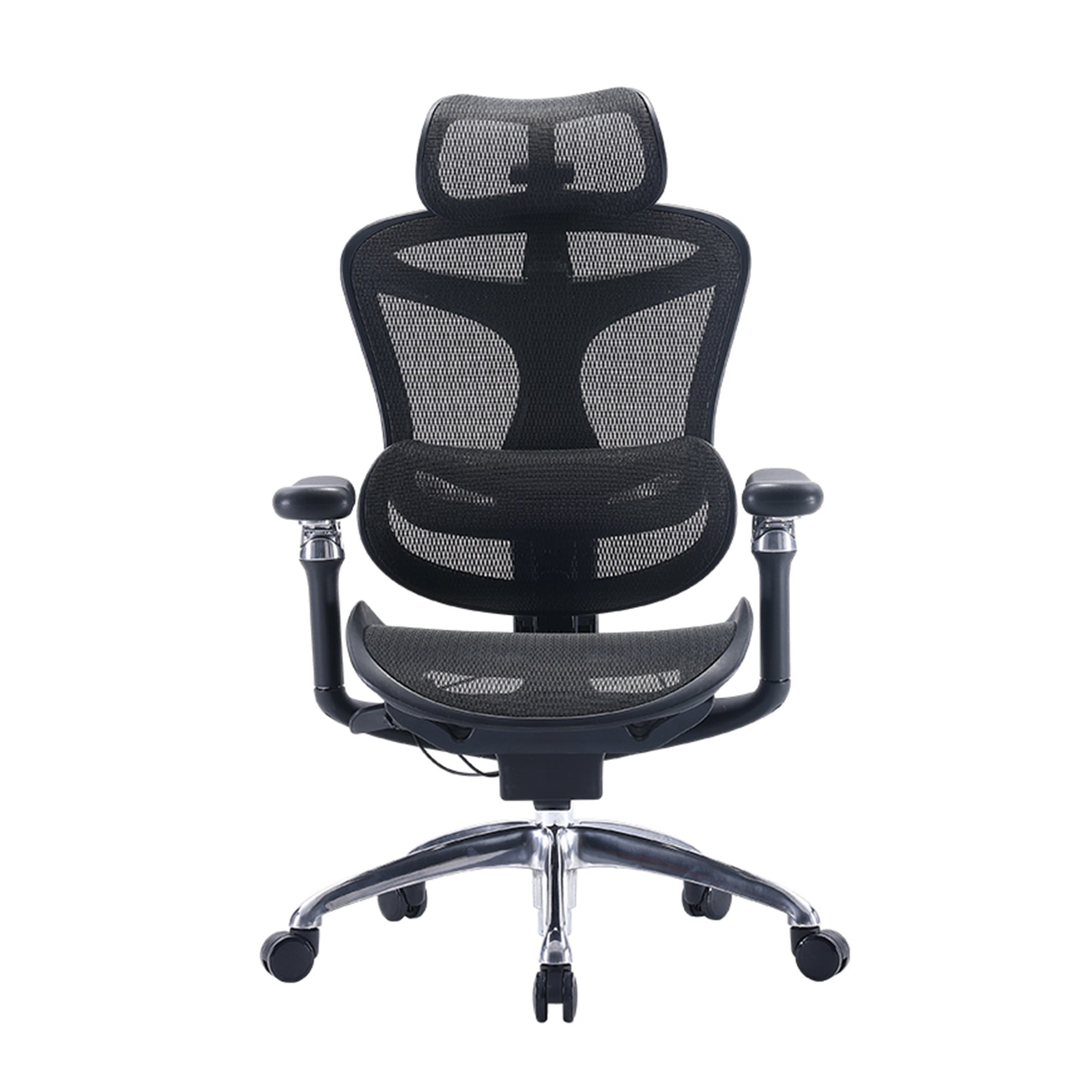
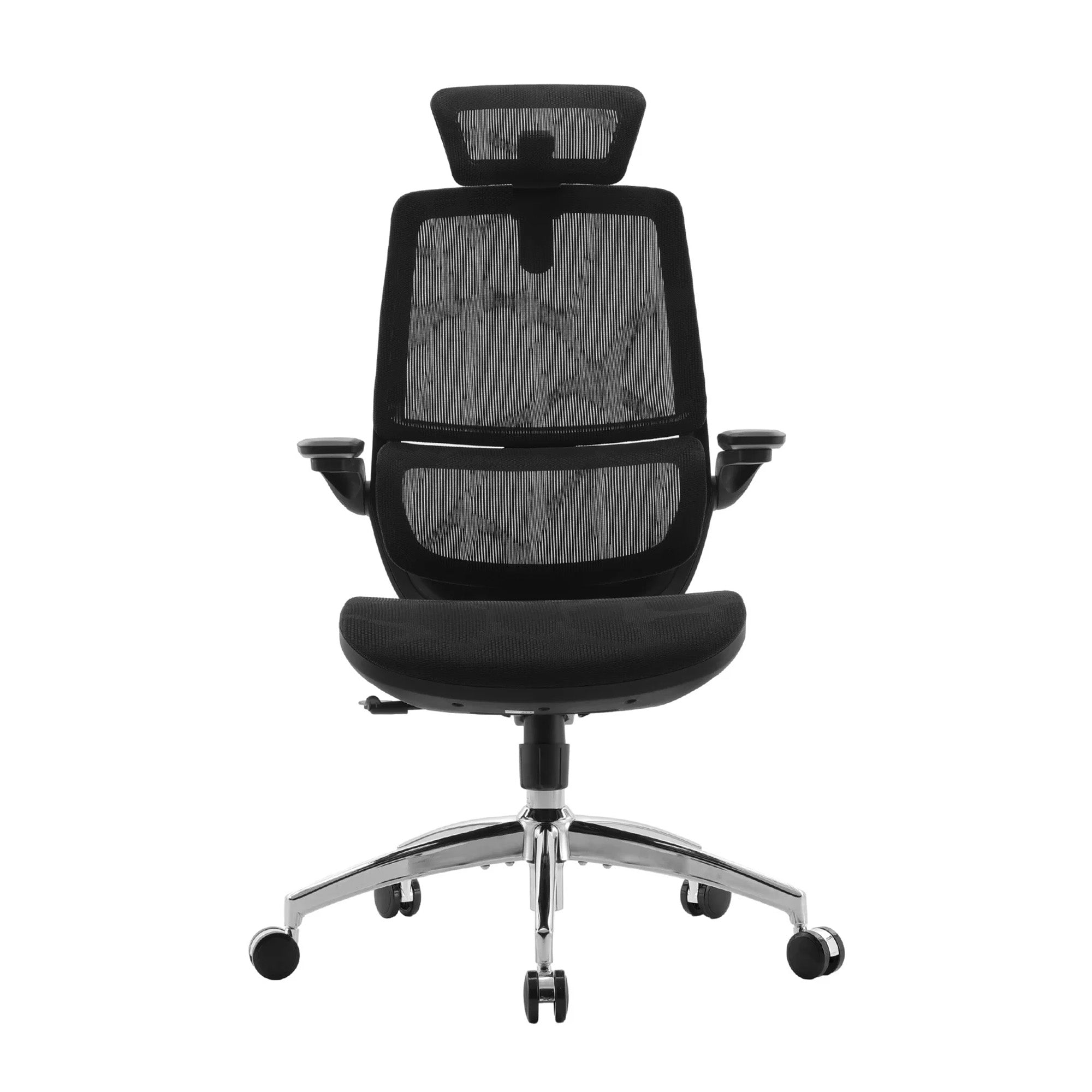
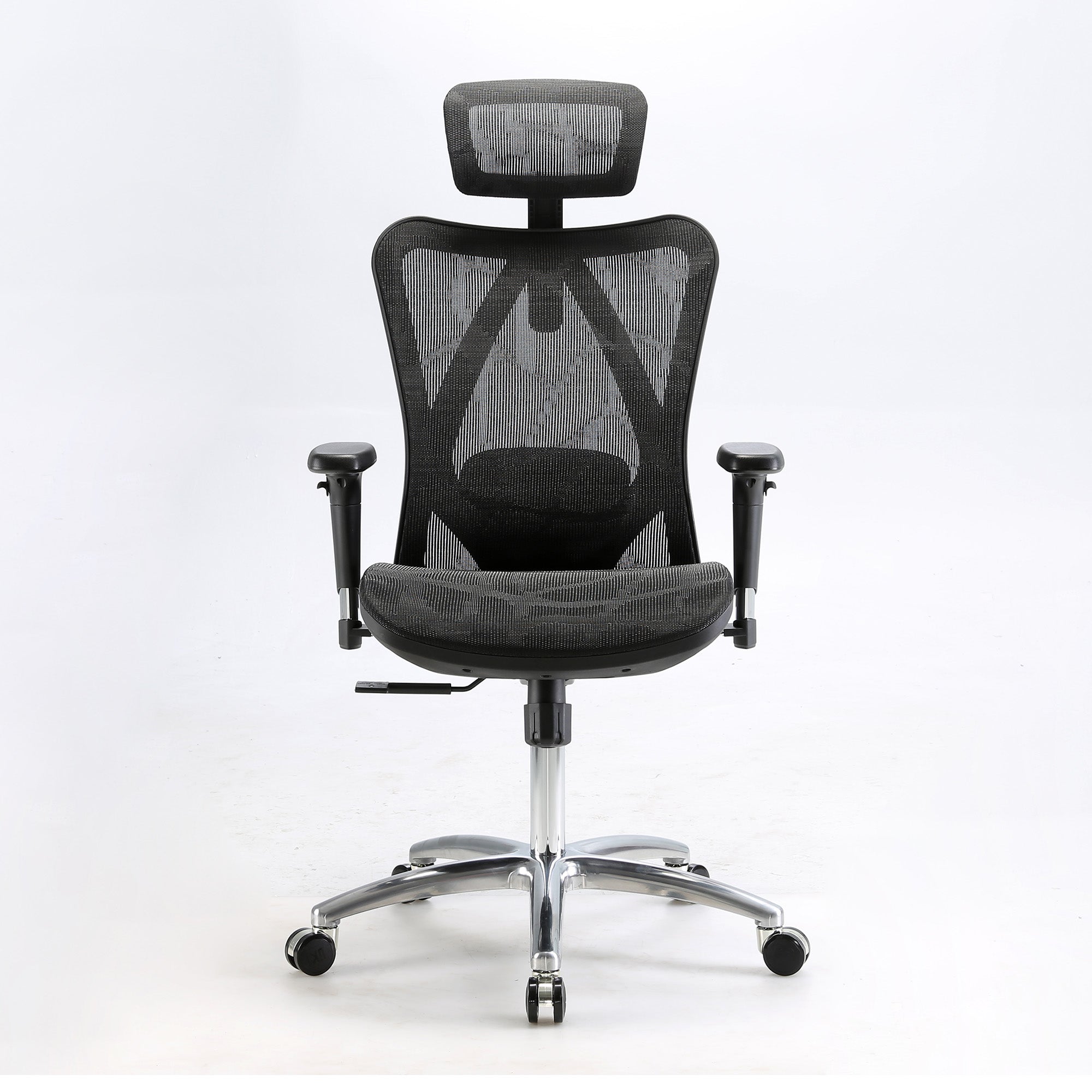
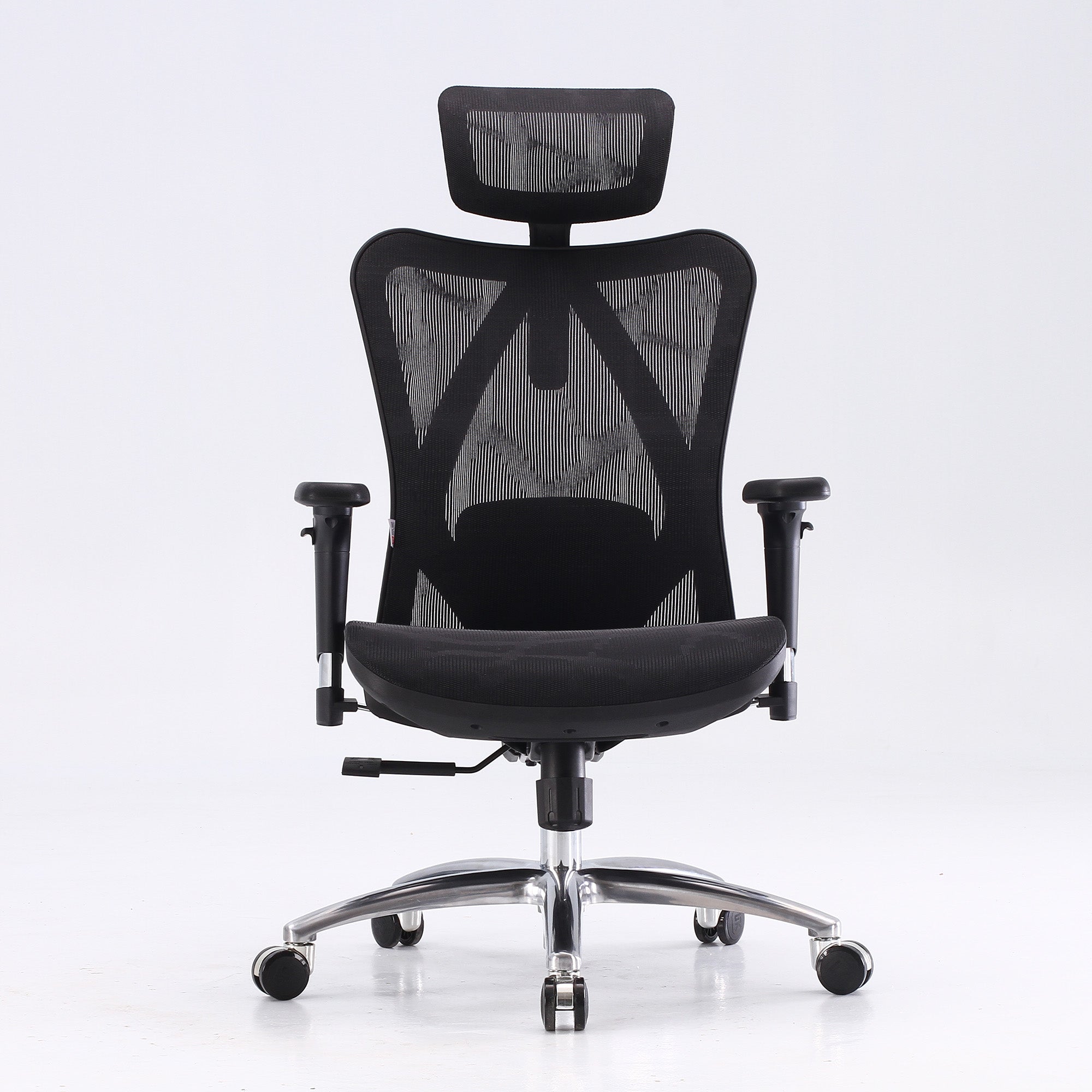

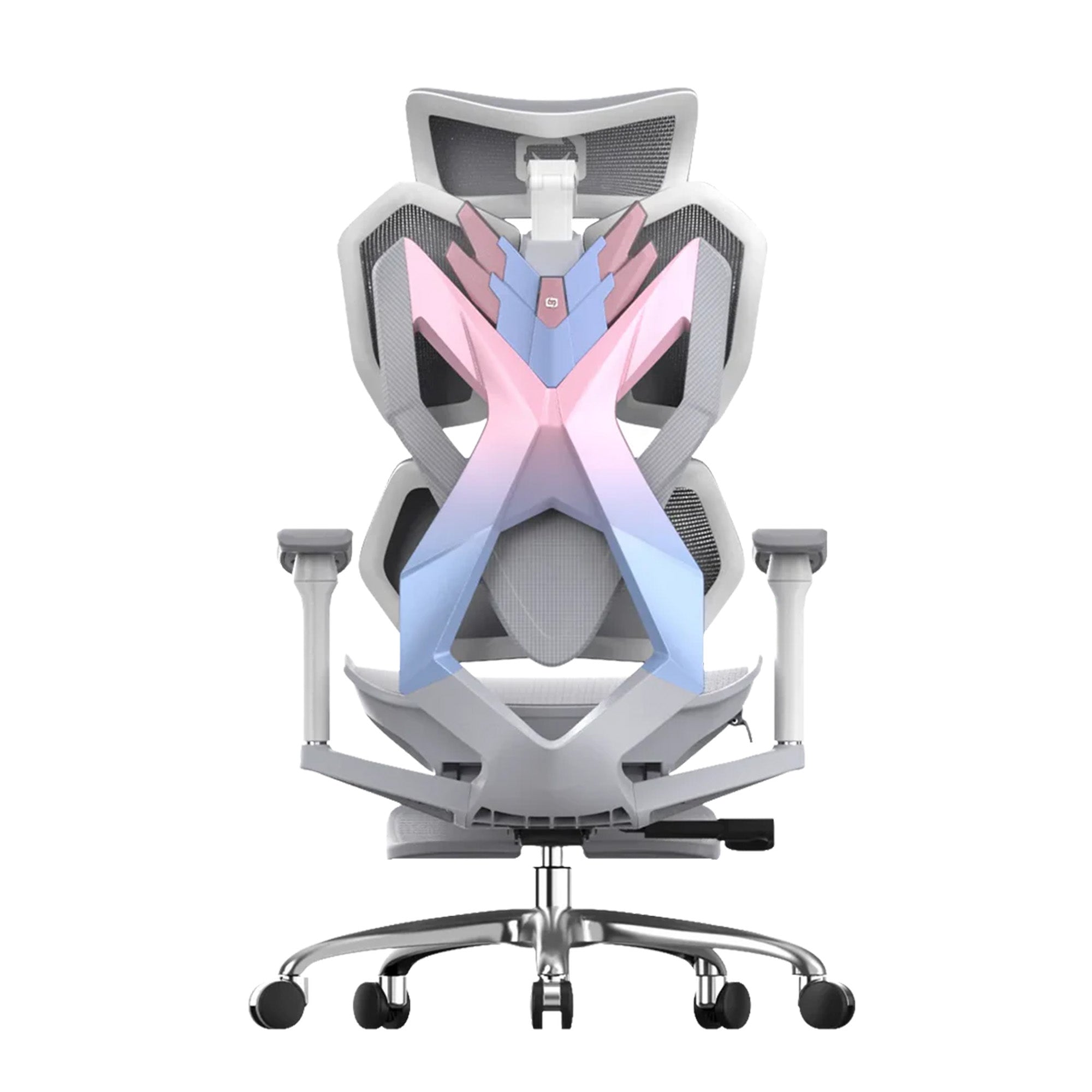
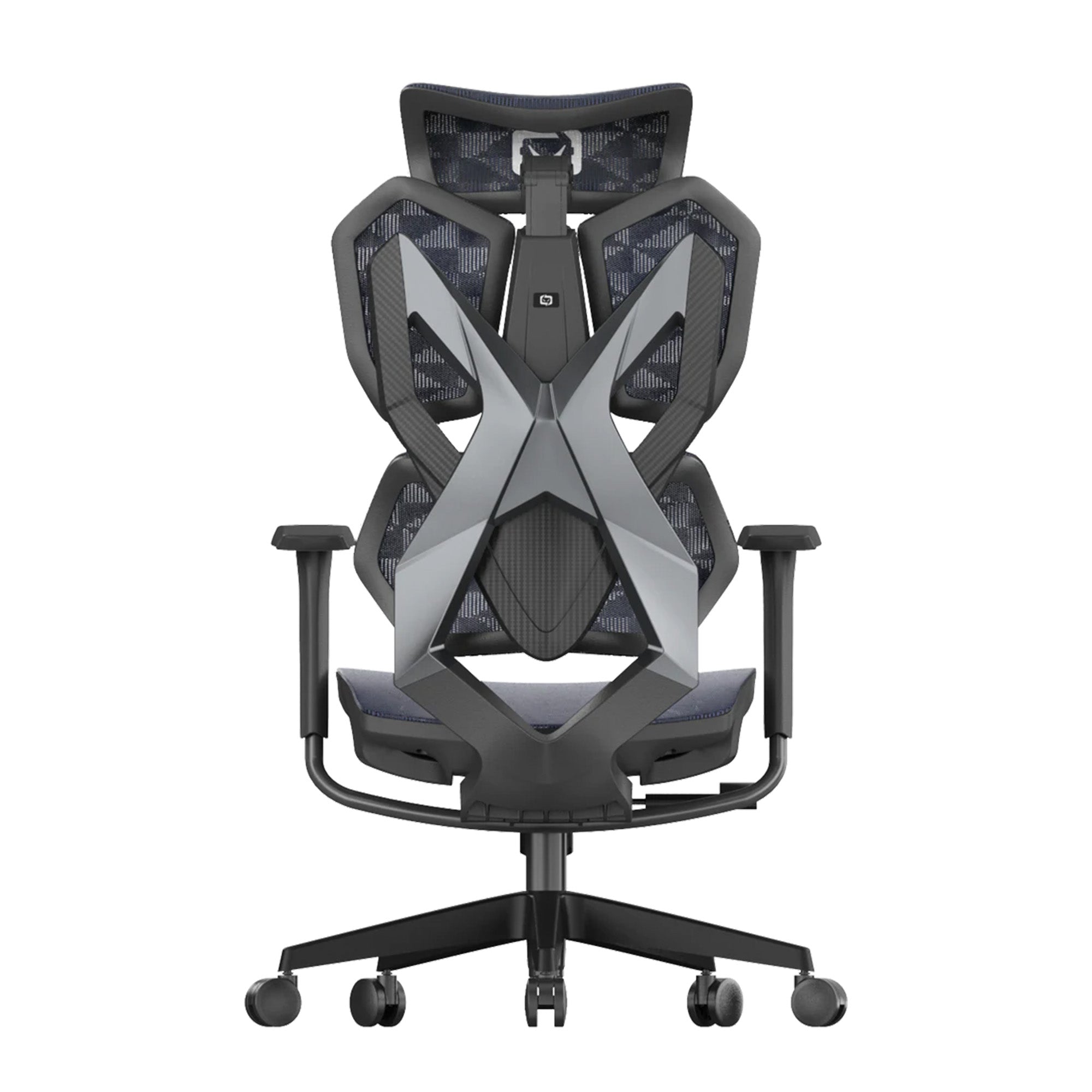

The mid-afternoon slump is a universal struggle. By 2:00 PM, your lower back is likely throbbing, your vision is blurring over a spreadsheet, and that stack of empty mugs is looking more like a cry for help than a desk accessory. While we usually blame a heavy workload for our exhaustion, the environment itself is often the true culprit. Across Australia, more professionals are starting to realise that upgrading to a better ergonomic chair can make a noticeable difference in how they feel throughout the day.
Your workspace is the cockpit of your professional life. Tiny friction points, like a screen that is slightly too low or a cluttered surface, create a massive cognitive load that drains your battery before the day is even half finished.
Well, you do not need a five-figure office renovation to fix this. By following these tips for sale shopping and implementing high-impact adjustments, you can turn your desk into a sanctuary of productivity.
1. Ergonomic Office Chairs on Sale: The Foundation of Comfort
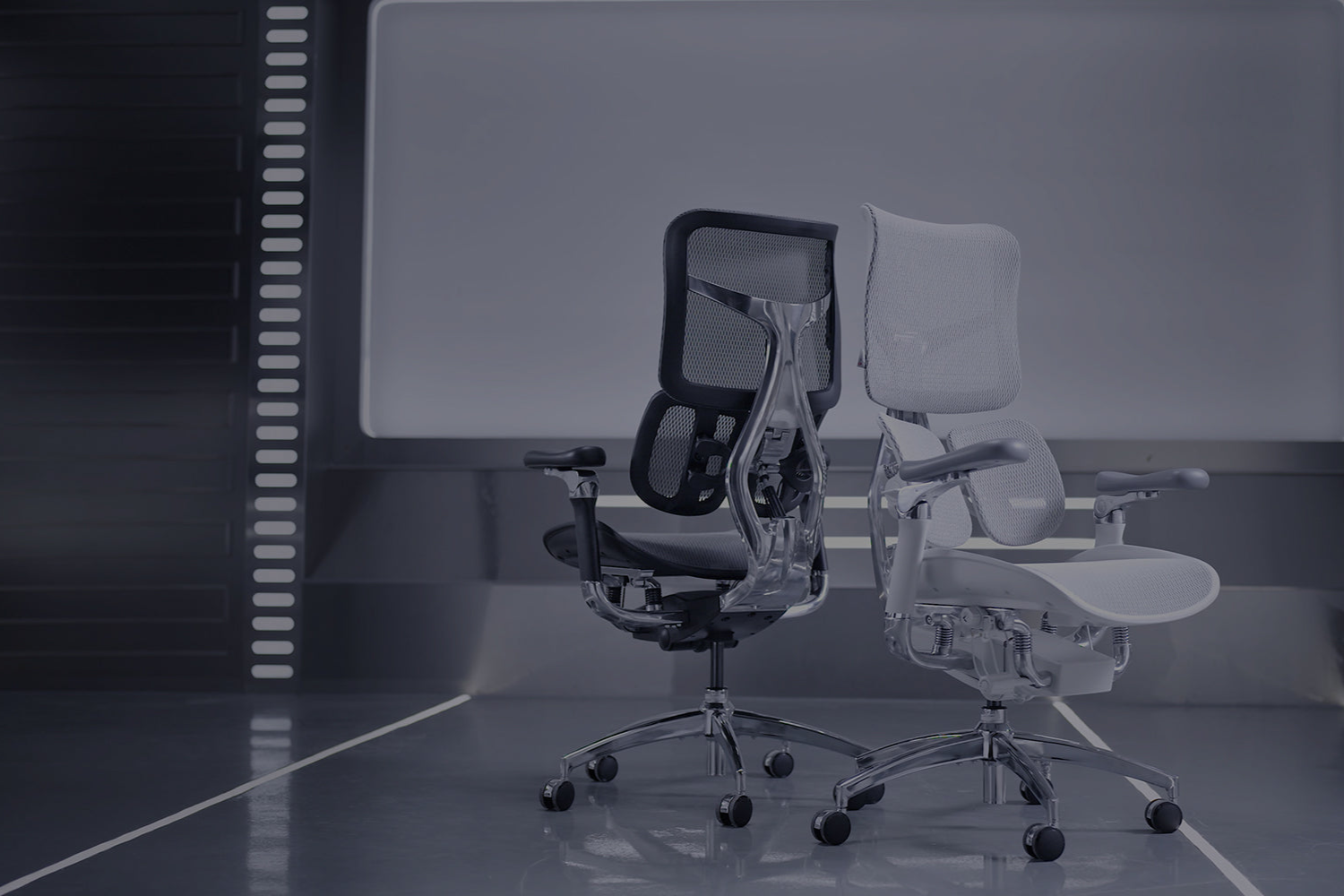
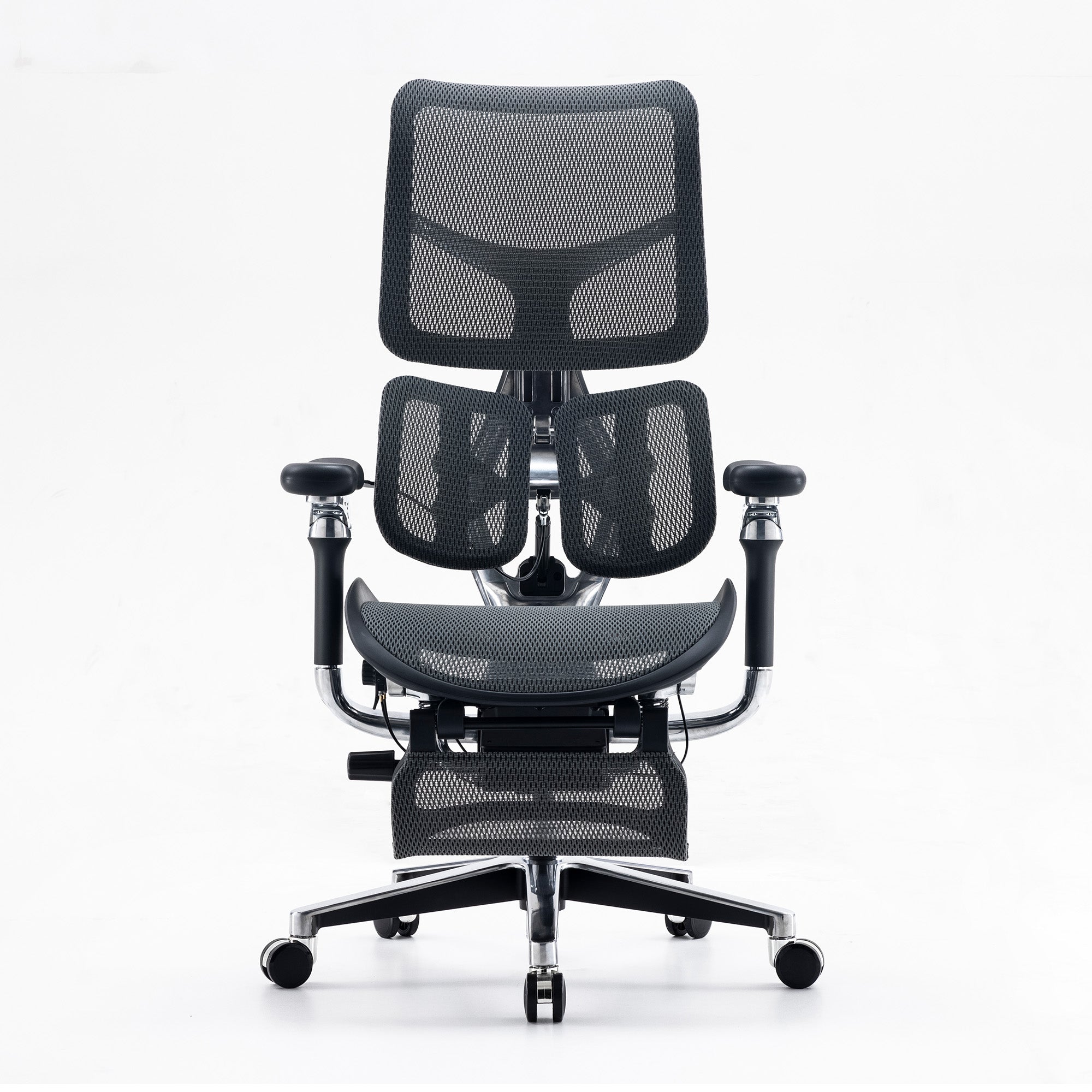
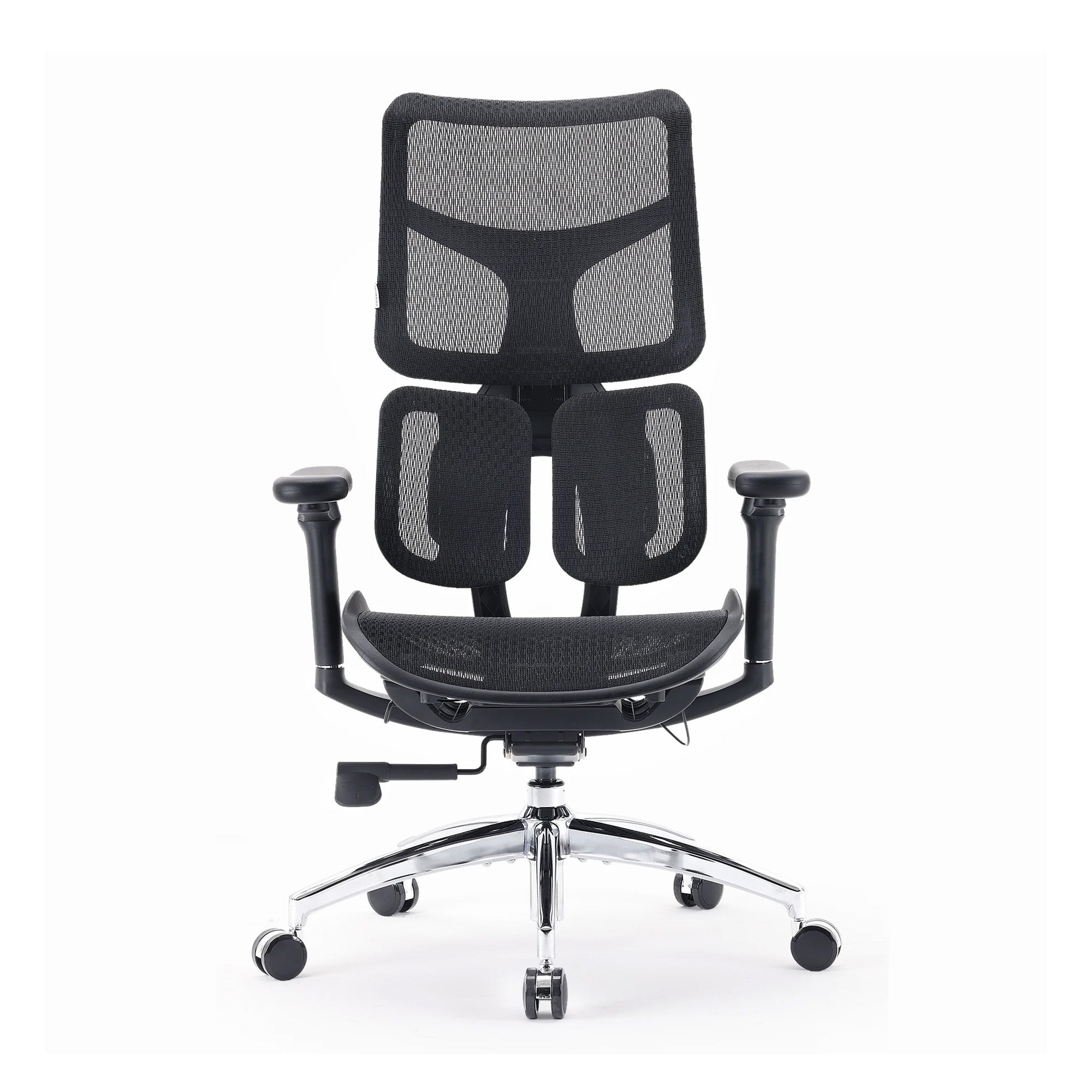
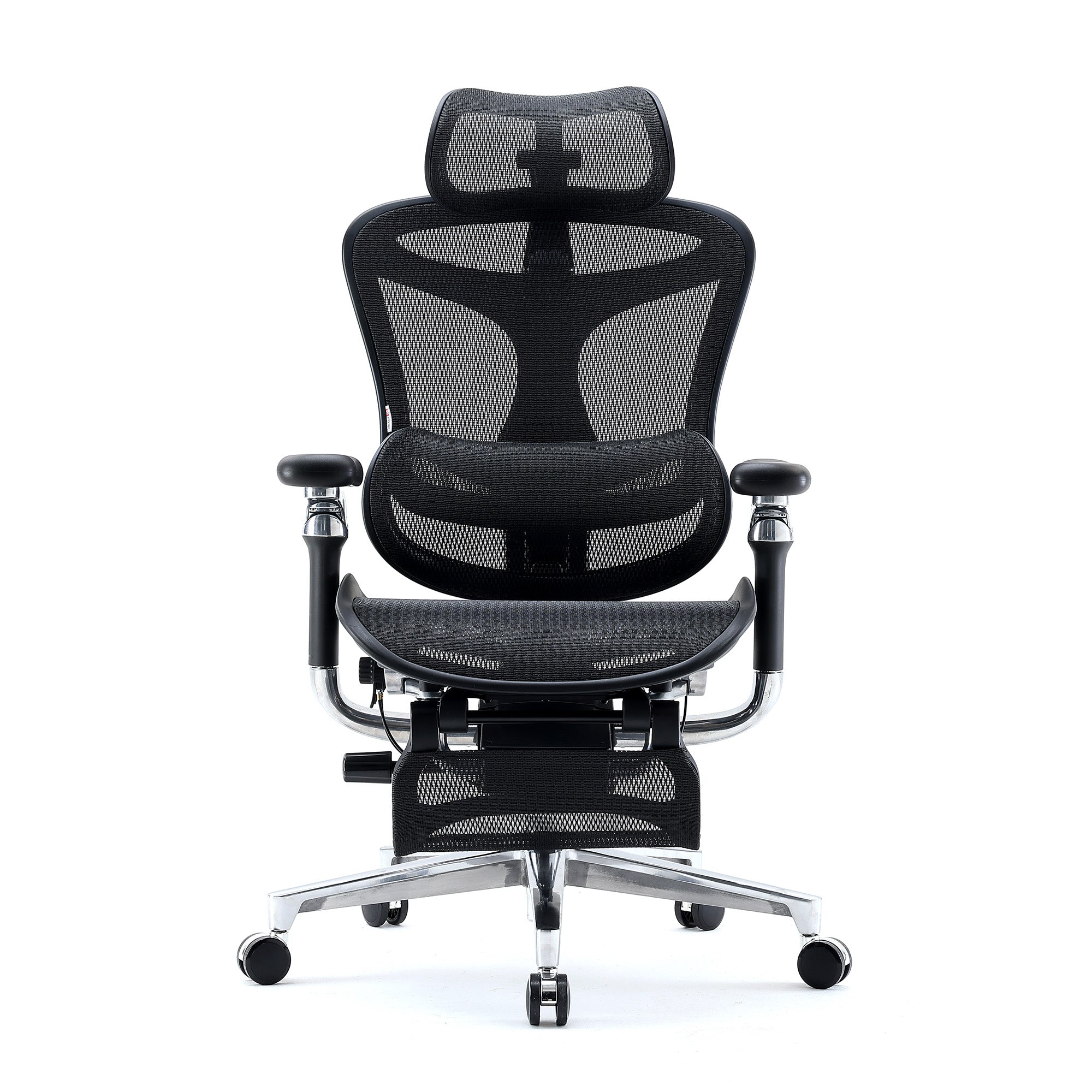
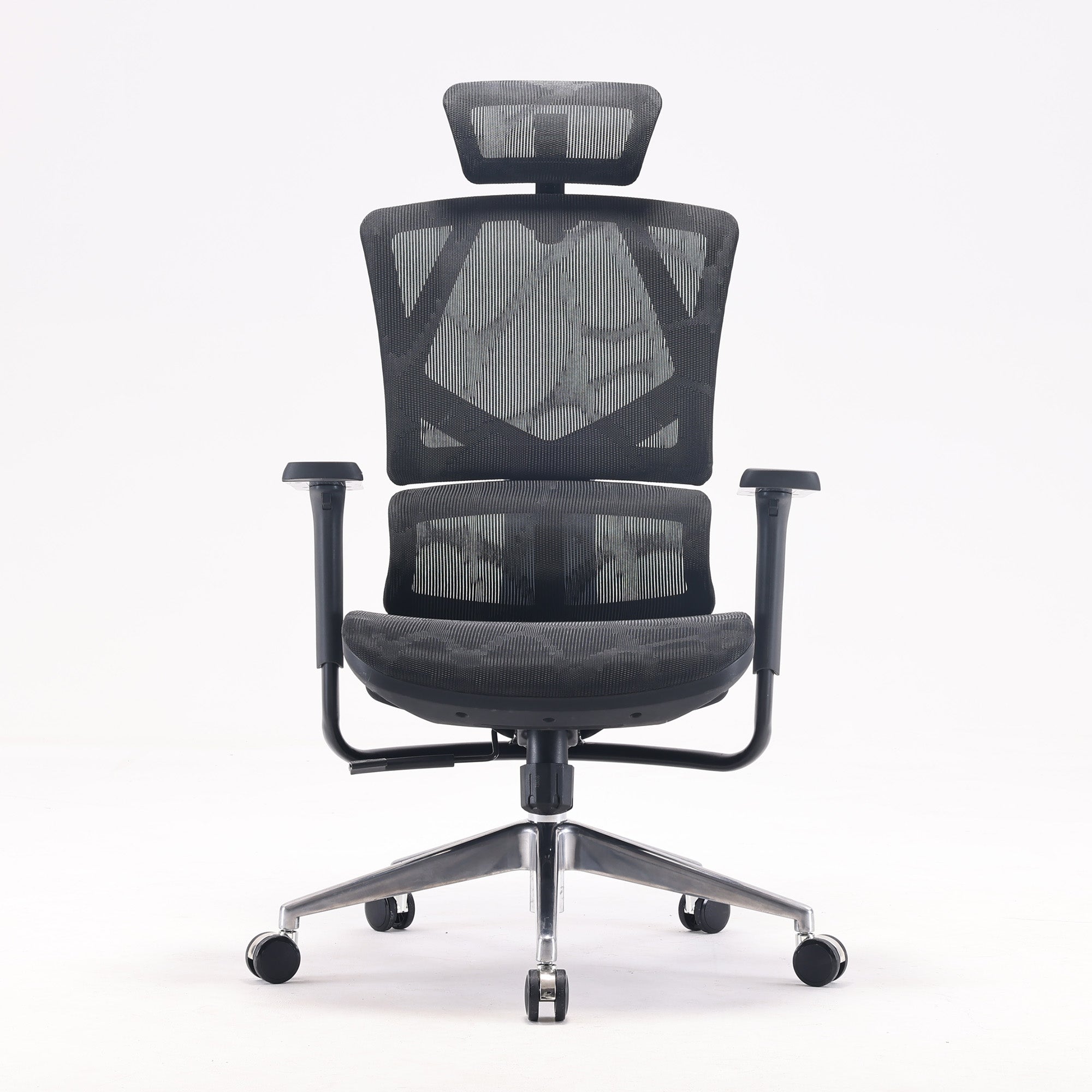
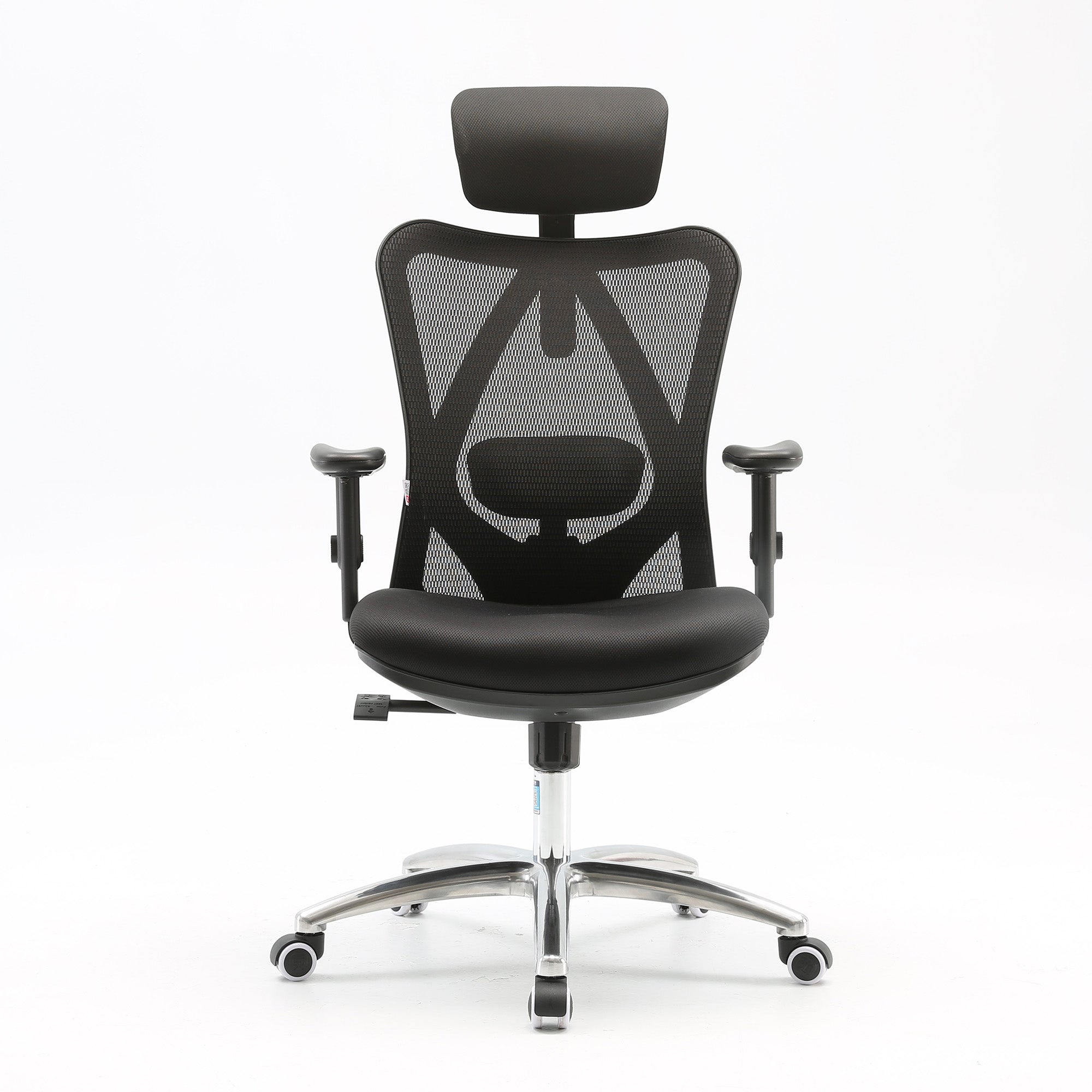
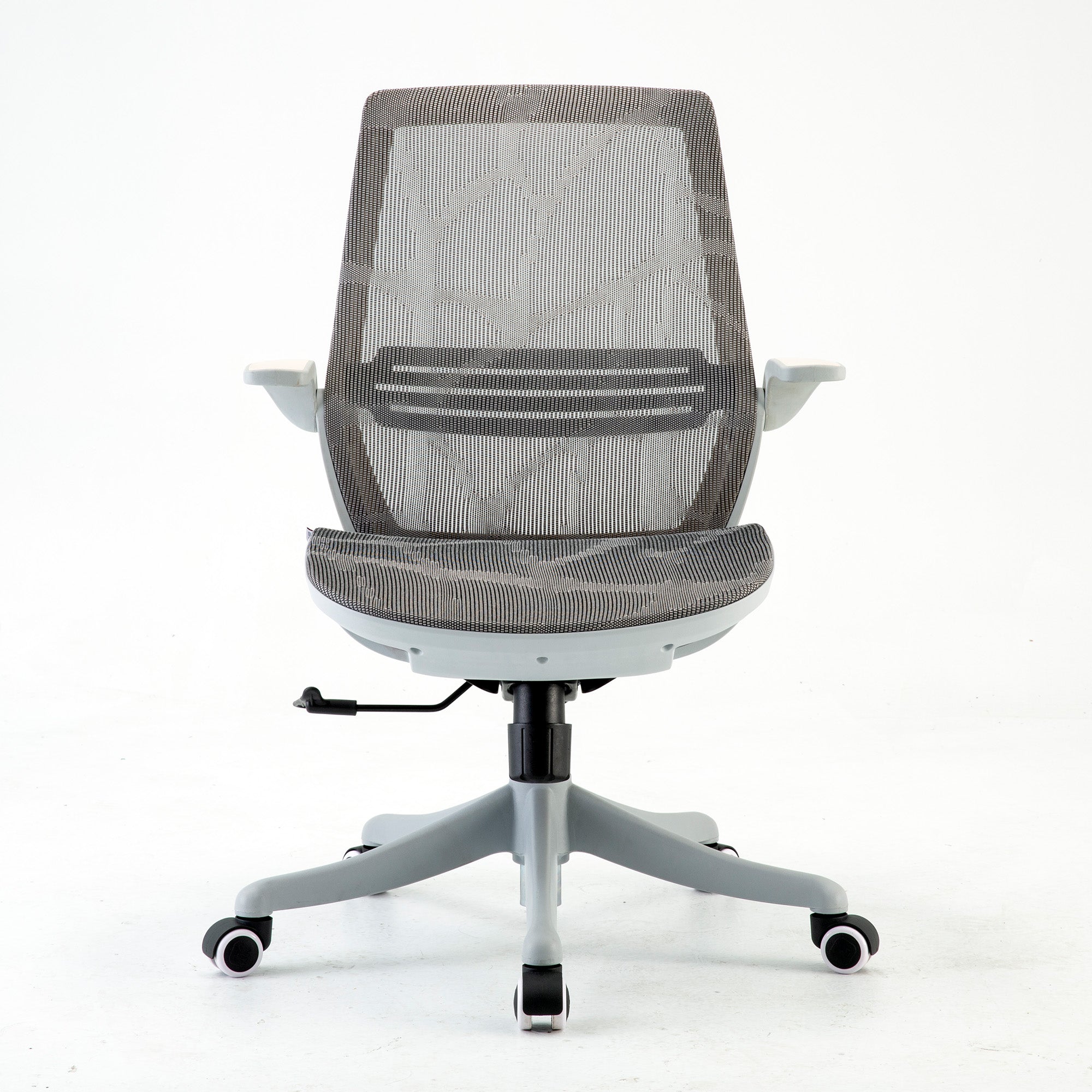
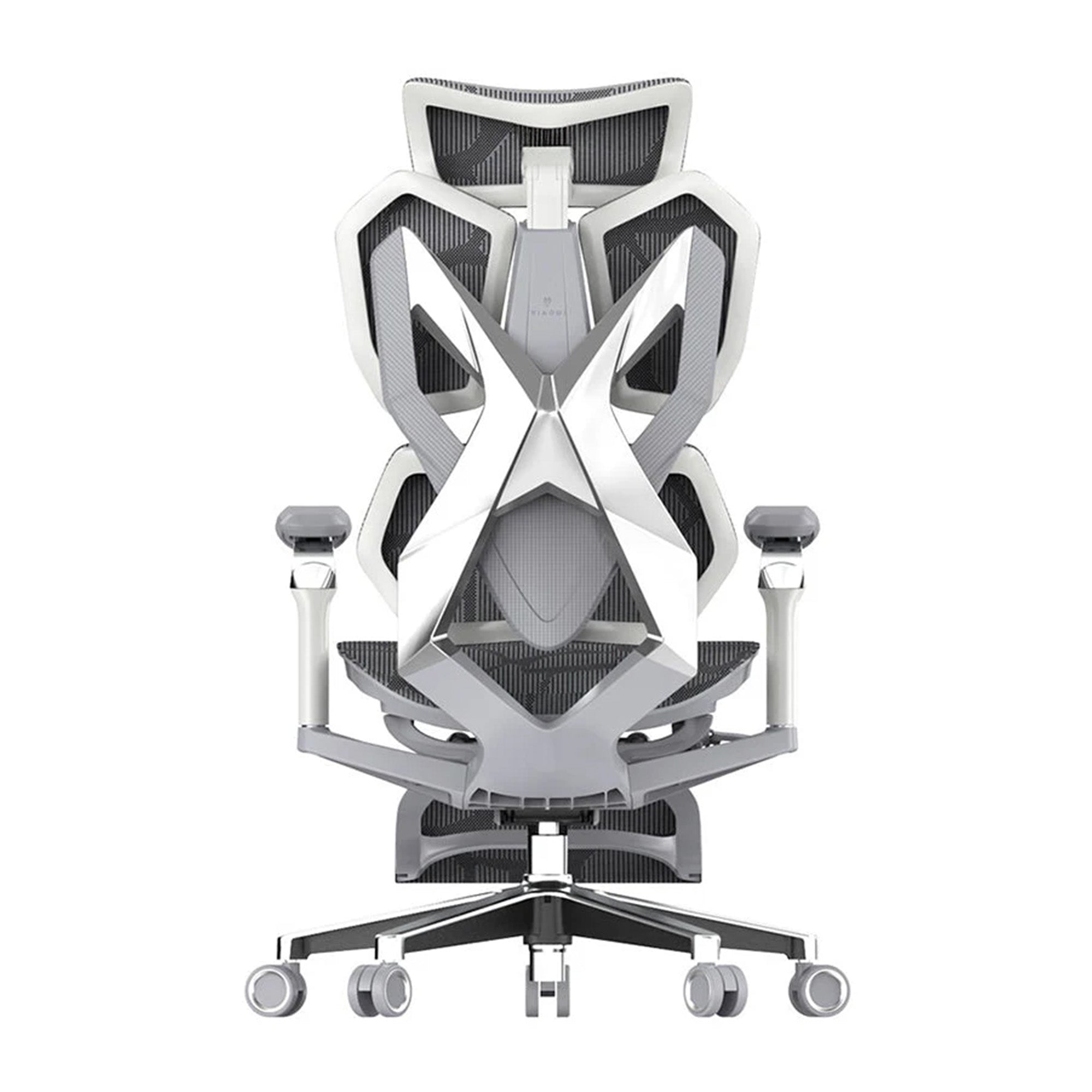
If you are sitting for eight hours a day, the physical quality of your seat dictates your long-term health. Many people settle for dining chairs or worn-out stools, but investing in a dedicated Sihoo chair can drastically alter your energy levels.
-
The S-Curve Support: A quality ergonomic chair in Australia should force your spine into its natural S-shape. If a high-end model is out of reach, look for mid season sale deals to snag professional gear at a fraction of the cost.
-
The Budget Hack: Until you find the right office chair deals, use a rolled-up towel in the small of your back to provide temporary lumbar support.
Experience a total workspace transformation during our Mid-Season Refresh, featuring huge markdowns on a wide range of ergonomic chairs designed for ultimate support.
2. Optimise Your Visual Ergonomics
Most Australians set up their monitors where they feel right, which is almost always too low. Looking down at a screen causes your head to tilt forward, putting immense strain on your neck—a phenomenon often called tech neck.
-
Eye-Level Alignment: The top third of your computer screen should be level with your eyes. When looking straight ahead, you should see the top of your browser bar.
-
The Distance Rule: Keep your screen about an arm’s length away. If you find yourself leaning in to read, increase the font size rather than moving your chair closer.
-
Lighting Matters: Position your desk perpendicular to windows to avoid glare. If you are stuck under harsh fluorescent lights, a small desk lamp with a warm bulb can reduce headaches.
3. Master the 15-Inch Prime Real Estate Rule
Clutter is a productivity killer. Every object in your field of vision competes for your brain’s attention. If your desk is covered in old mail and tangled chargers, your brain is subconsciously processing that mess instead of your task.
-
The Focus Zone: Imagine a 15-inch circle around your keyboard. Only items you use every single hour, such as your mouse or a glass of water, are allowed here.
-
The Daily Reset: At the end of each shift, take 120 seconds to clear the decks. Returning to a clean slate the next morning is the psychological equivalent of a deep breath.
4. Curate Sensory Focus Cues
Our brains are highly associative. If you work in the same place where you eat or watch movies, your brain struggles to flip the work mode switch. You can use sensory anchors to tell your nervous system exactly when it is time to perform.
-
Scent and Sound: Use a specific essential oil, like peppermint, only during deep work hours. Similarly, creating a specific playlist helps you slide into a flow state faster.
-
The Physical Uniform: Some find that putting on a specific pair of glasses or a certain jumper acts as a physical signal that the workday has officially begun.
5. Implement a Movement Station
The biggest workspace mistake is staying sedentary. Static postures lead to reduced blood flow, which is why you feel foggy by 3:00 PM.
-
The 20-20-20 Rule: Every 20 minutes, look at something 20 feet away for 20 seconds to relax your eye muscles.
-
Strategic Placement: Move your bin or printer to the other side of the room. This forces you to stand up and walk occasionally, keeping your circulation active.
The Power of Small Changes
None of these fixes require a weekend-long project. However, their cumulative effect is profound. When you find the right ergonomic office chairs on sale and clear your visual field, you stop spending energy on enduring your day and start spending it on excelling.
Keep an eye out for mid season sale deals to upgrade your equipment, and remember that even small adjustments to your monitor height can make a world of difference.
Frequently Asked Questions
Start with the basics that have the biggest impact: your chair, monitor height, and desk clutter. A proper ergonomic chair supports your posture, your screen should be at eye level to avoid neck strain, and a clean desk reduces distractions. These three alone can noticeably improve how quickly you get into focus mode.
Ergonomic office chairs reduce strain on your back, neck, and shoulders, which helps you stay comfortable for longer periods. When your body is properly supported, you spend less time adjusting your position or taking breaks due to discomfort, allowing you to maintain consistent focus and output.
Your monitor should be about an arm’s length away, with the top third of the screen aligned with your eye level. This setup prevents you from tilting your head forward or downward, which can cause neck pain and fatigue over time.
Clutter increases mental load because your brain processes everything in your field of vision. Even if you’re not actively paying attention to it, it still drains your focus. Keeping only essential items within reach helps reduce distractions and makes it easier to stay on task.
Staying in one position for too long reduces blood flow, which can lead to fatigue and brain fog. Simple habits like standing up regularly, stretching, or repositioning items in your workspace encourage movement. This helps maintain energy levels and keeps your mind sharp throughout the day.
Shop products from this article


