


Focus is not one problem.
Most advice treats it like one, so a single list of tips gets handed to everyone regardless of what is actually pulling their attention away. Someone whose lower back aches by 2pm and someone drowning in Slack notifications are not experiencing the same problem, and the fix for one does close to nothing for the other. This guide starts by helping you work out which of three categories your focus problem actually falls into: physical, environmental, or cognitive. An ergonomic office chair solves exactly one of those three. Knowing which one you have first is what makes the rest of this useful.
Three Kinds of Focus Problem, Not One
Why a Generic Tips List Rarely Works
Concentration breaks down for different reasons, and they call for different fixes.
A physical focus problem comes from the body demanding attention: shifting in your seat, a tightening lower back, restlessness that has nothing to do with the task itself. An environmental focus problem comes from the workspace interrupting you: notifications, noise, a colleague's conversation carrying across the room. A cognitive focus problem comes from the work itself: too many tasks in rotation, switching between them constantly, no single thing held in mind long enough to make progress on it.
Most people have a mix of all three at different points in the day. The table below is the fastest way to work out which one is driving today's problem.
Which One Do You Actually Have
A Three-Minute Self-Diagnosis
|
What you notice |
Likely category |
What actually helps |
|---|---|---|
|
You shift position constantly, or notice tightness in your back or shoulders by early afternoon |
Physical |
Check chair fit first: lumbar position, seat depth, armrest height. A better chair addresses this directly. |
|
Your phone, email, or a colleague pulls your attention every few minutes, even when the work itself is fine |
Environmental |
Address the interruption source directly: notifications, physical noise, or a lack of a closed-door option. A new chair will not touch this. |
|
You have several tasks open at once and keep switching between them without finishing any |
Cognitive |
Reduce active task count and batch similar work. This is a task-management problem, not a comfort or noise problem. |
|
You feel tired and unfocused despite a quiet room and a comfortable seat |
Possibly none of the above |
Check sleep, meal timing, and workload volume before assuming the workspace is the cause. |
|
THE ONE THING TO UNDERSTAND: A focus problem only gets fixed by matching the solution to its actual cause. Buying a better chair for an environmental or cognitive problem will not help, and it is a common, expensive mistake. Diagnose first. |
If Yours Is Physical
What the Body Does Before You Notice
Research on prolonged static sitting has found that the deep trunk muscles supporting the spine begin fatiguing within 15 to 25 minutes of unsupported sitting, well before any conscious sense of discomfort sets in. By the time you notice the ache, the muscles have already handed the support job to passive structures like discs and ligaments, and your body starts sending small, repeated signals demanding a position change. Each of those position changes is a genuine, if brief, break in attention.
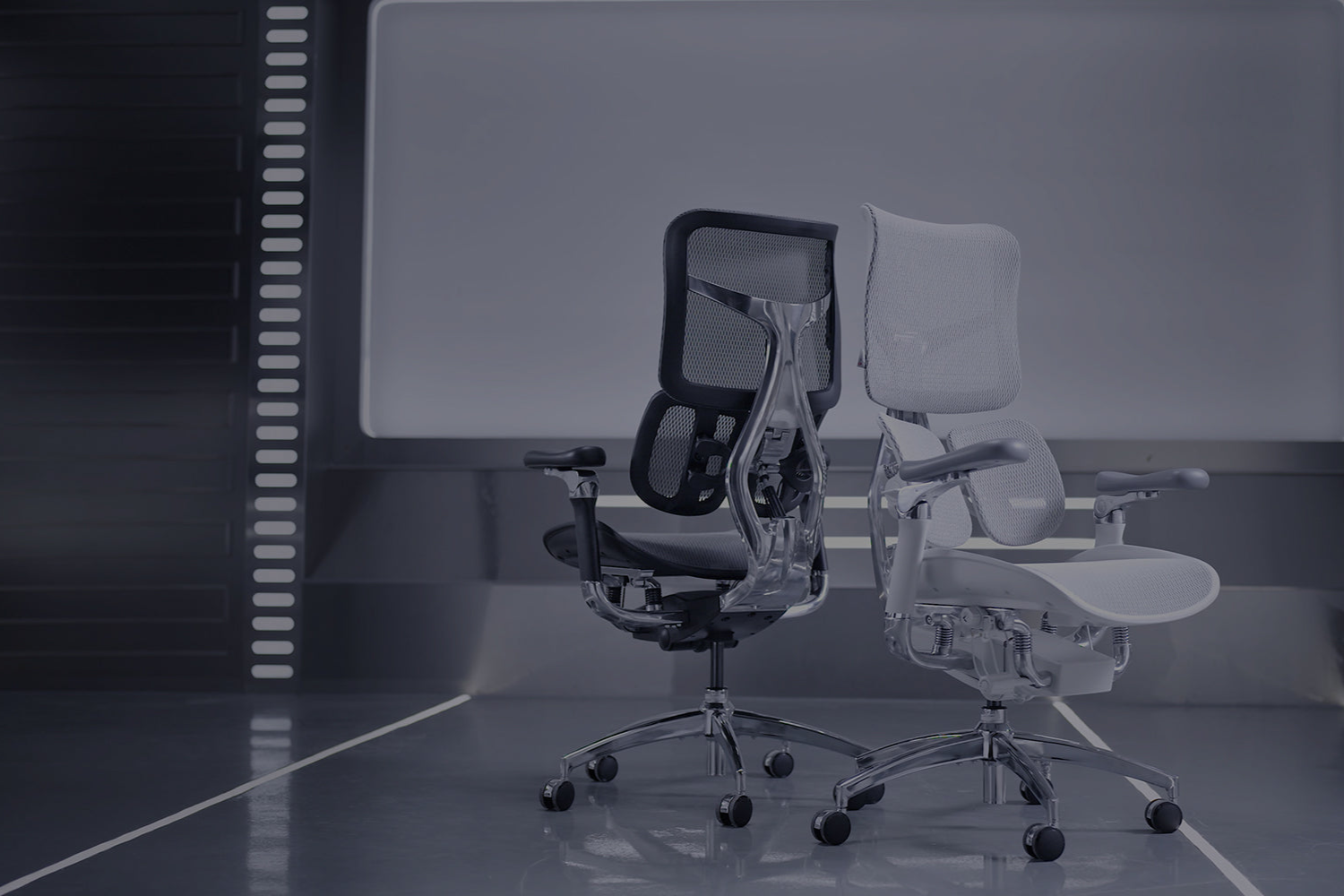
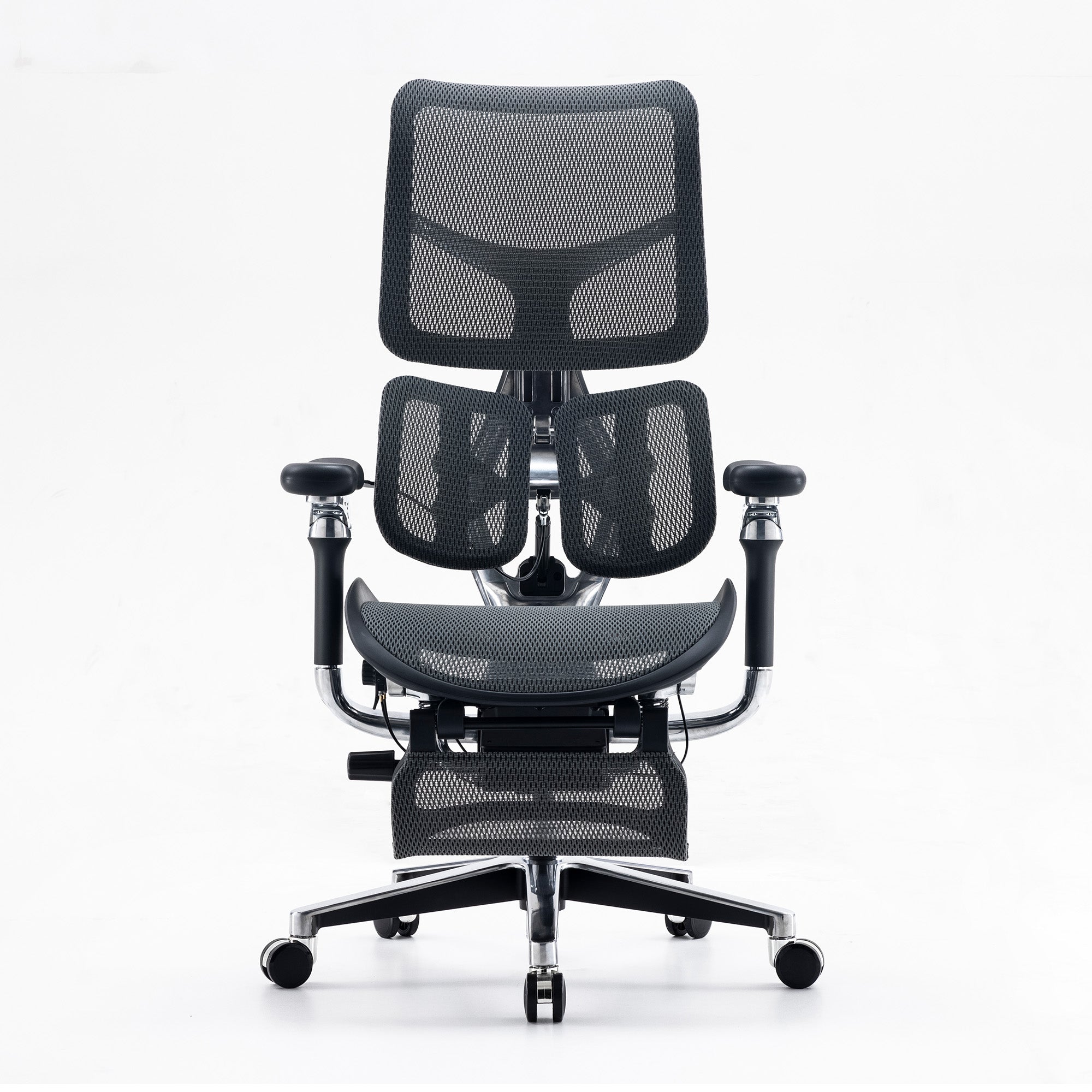
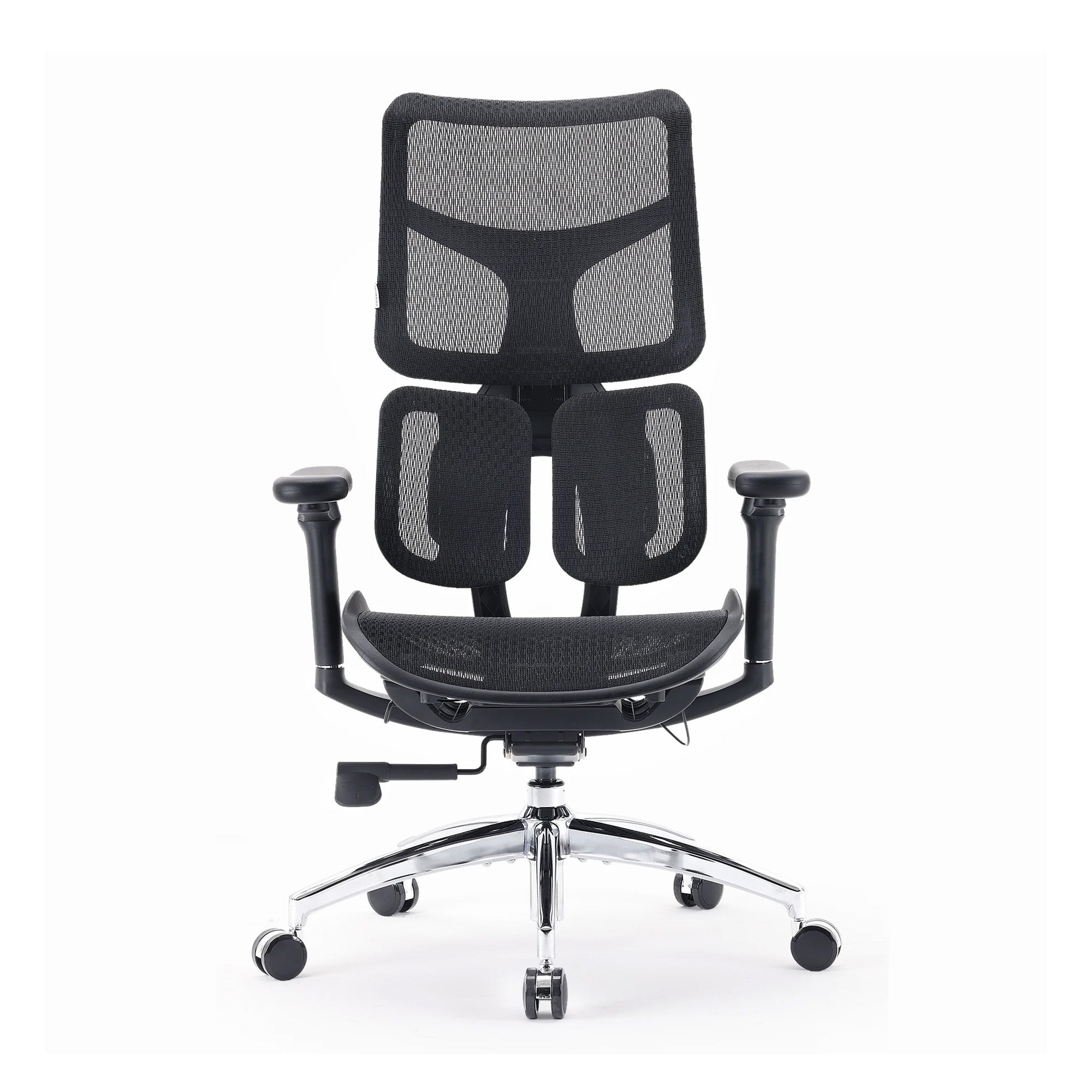
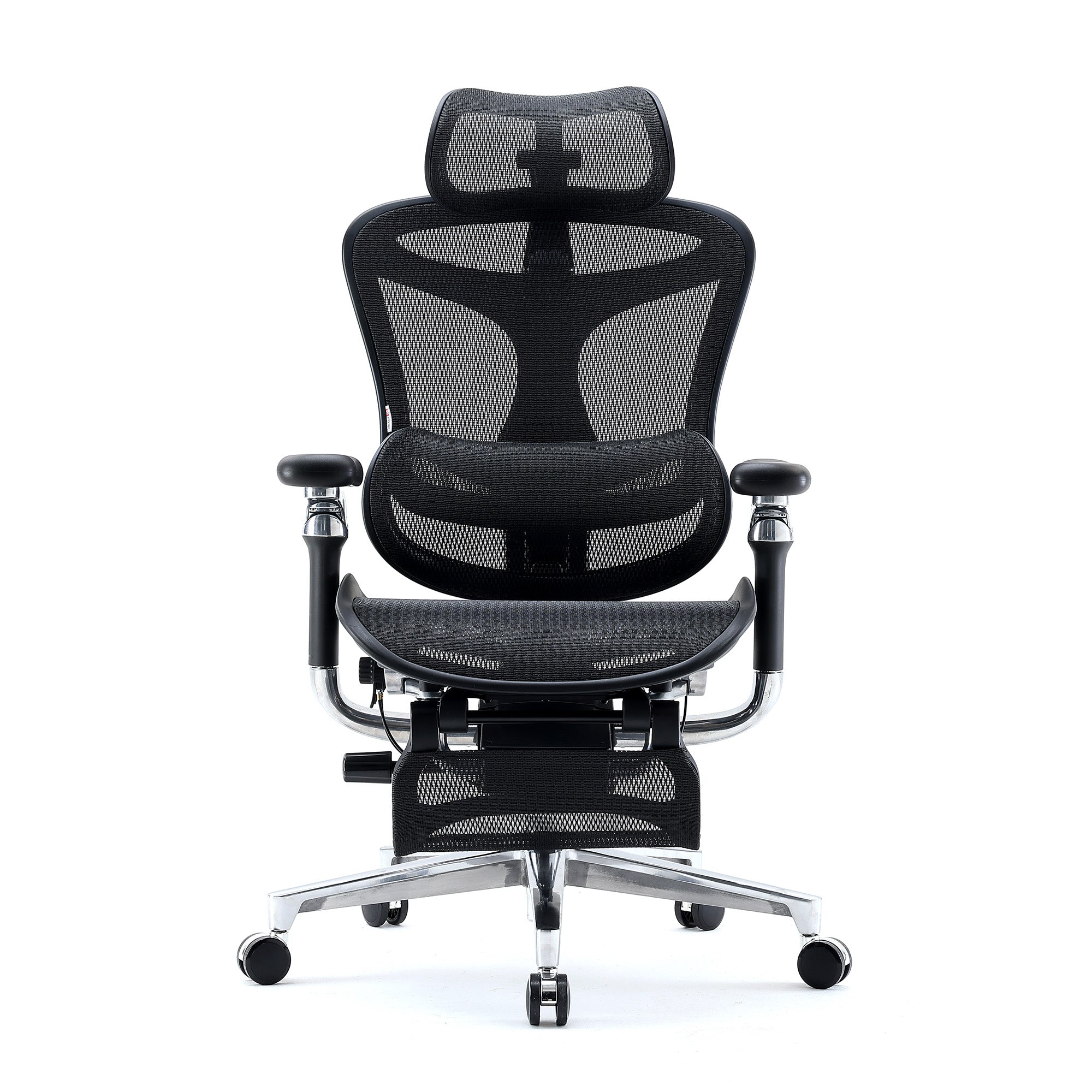
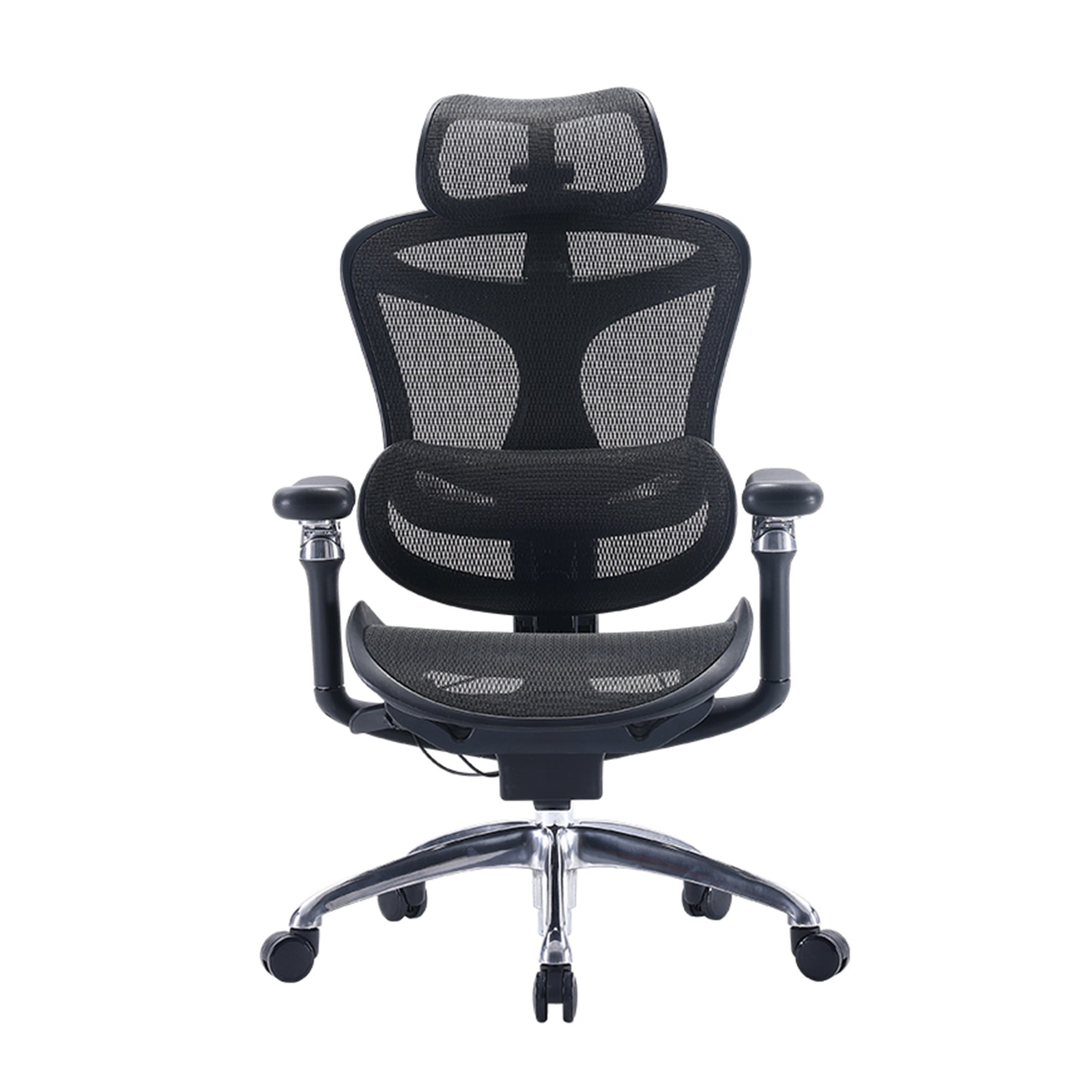
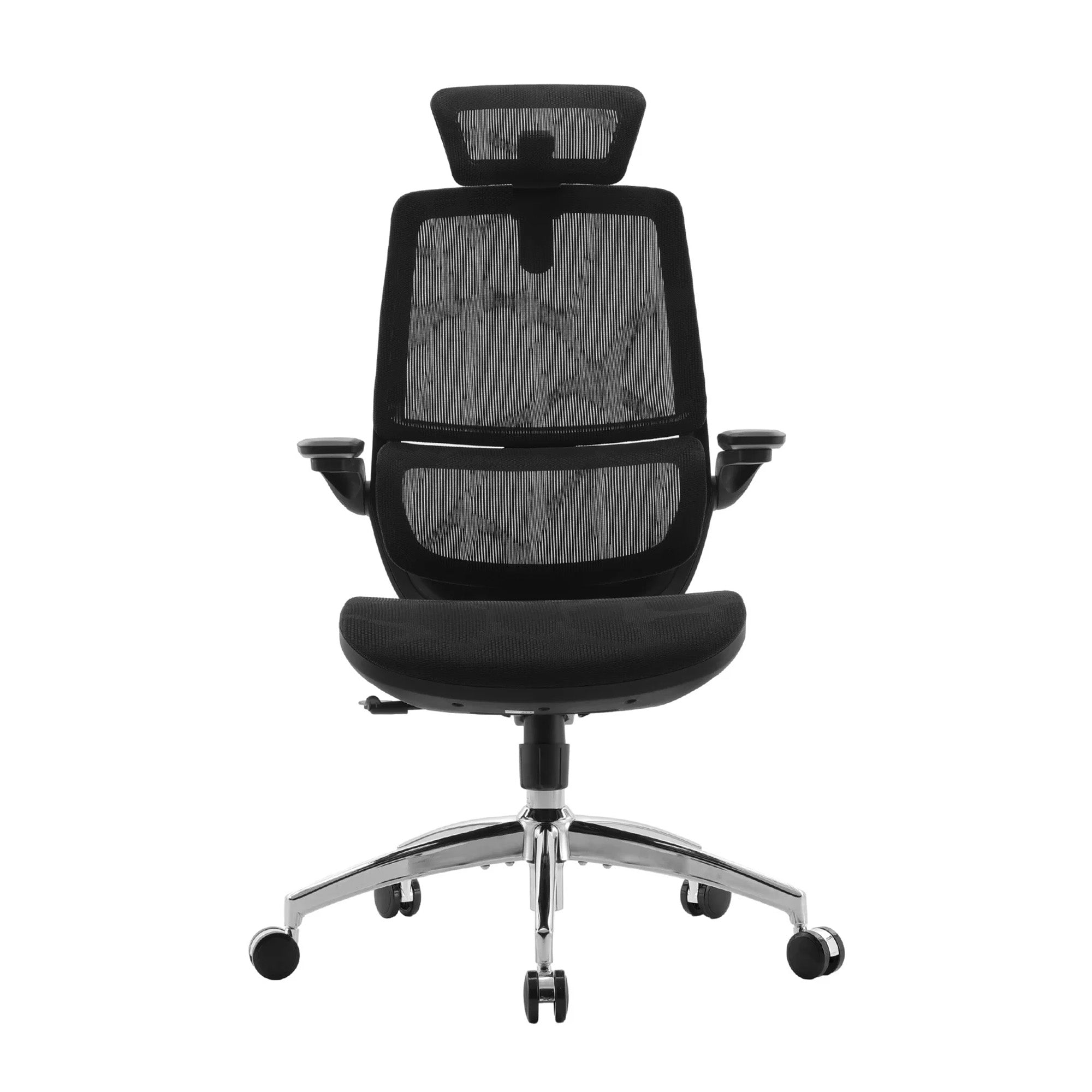
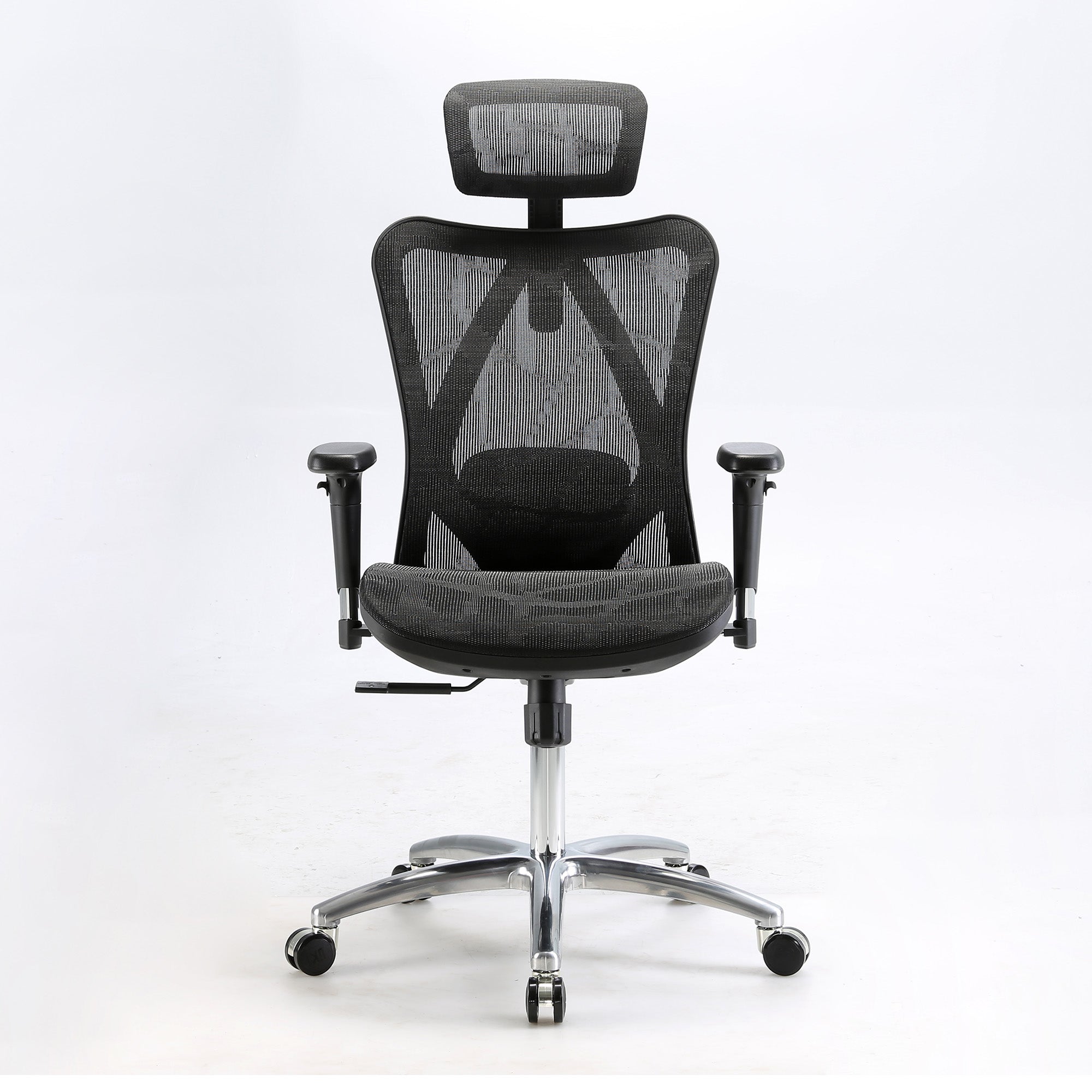
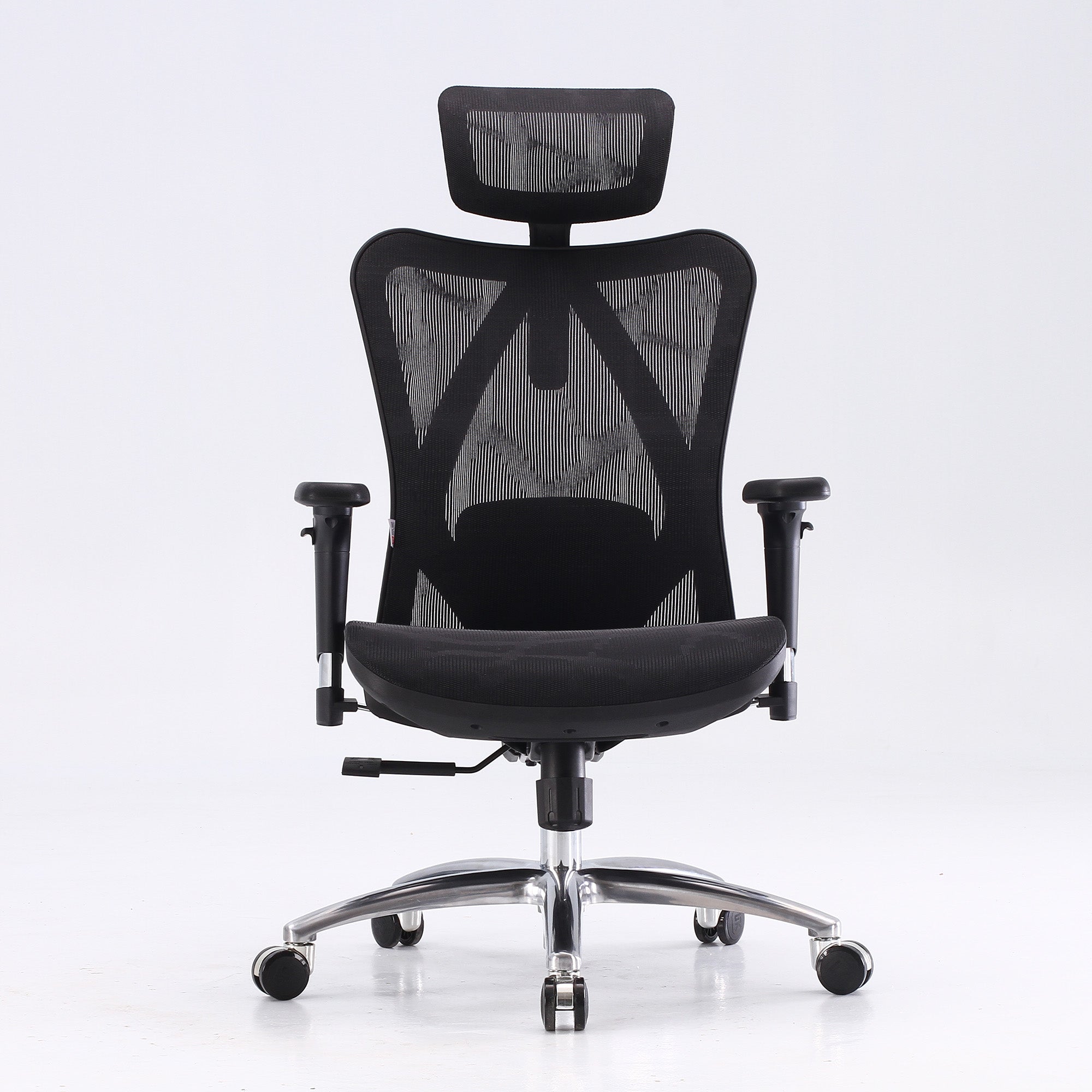
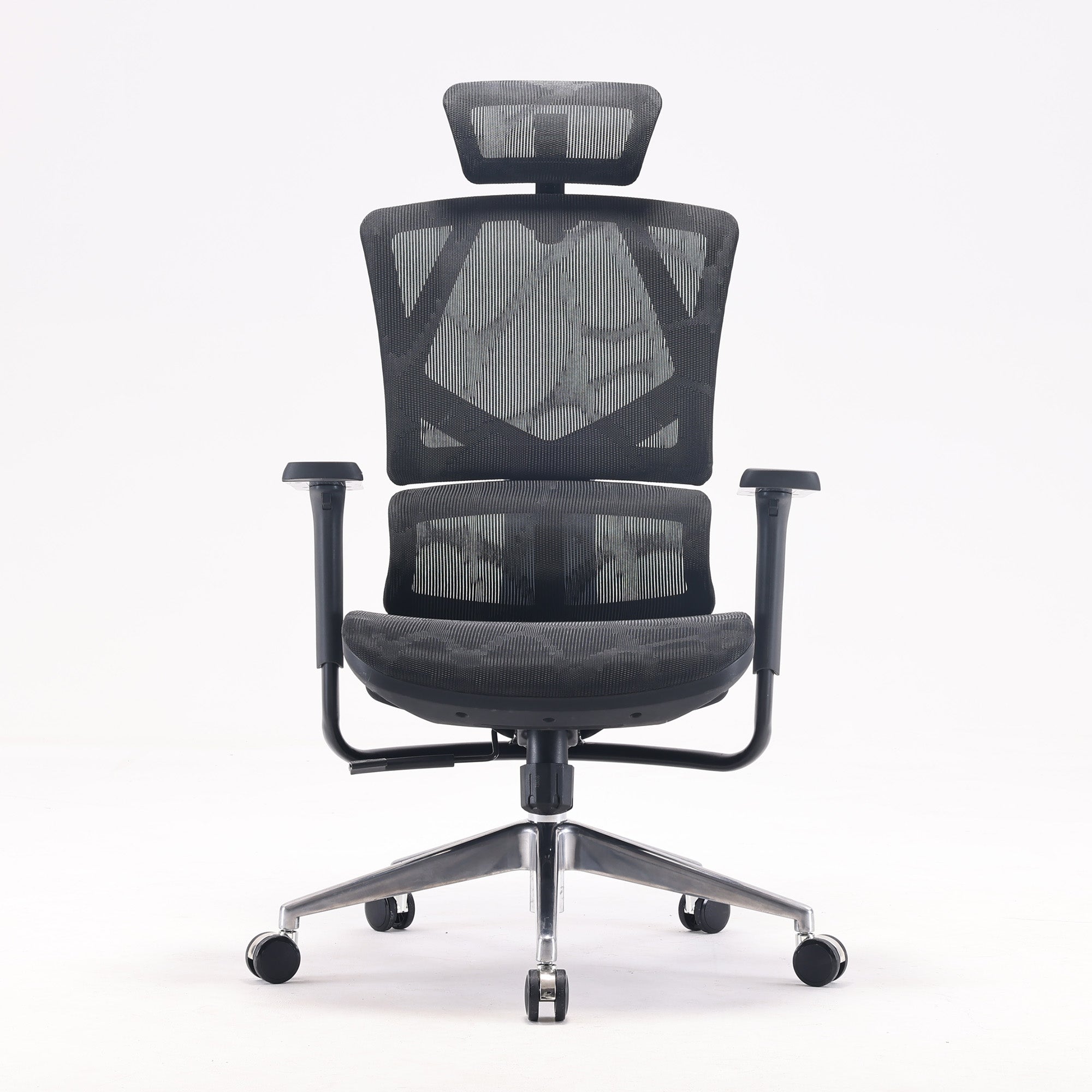
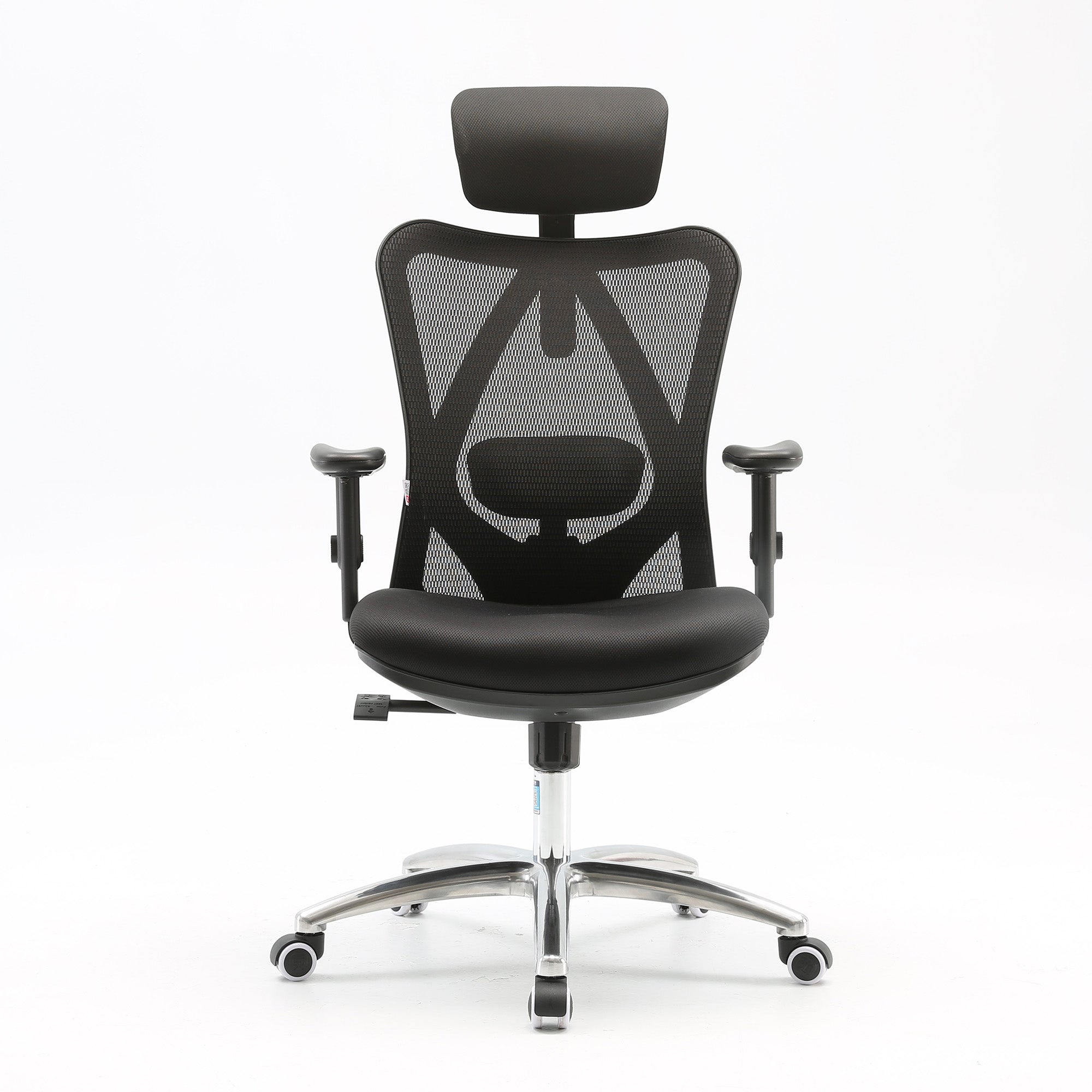
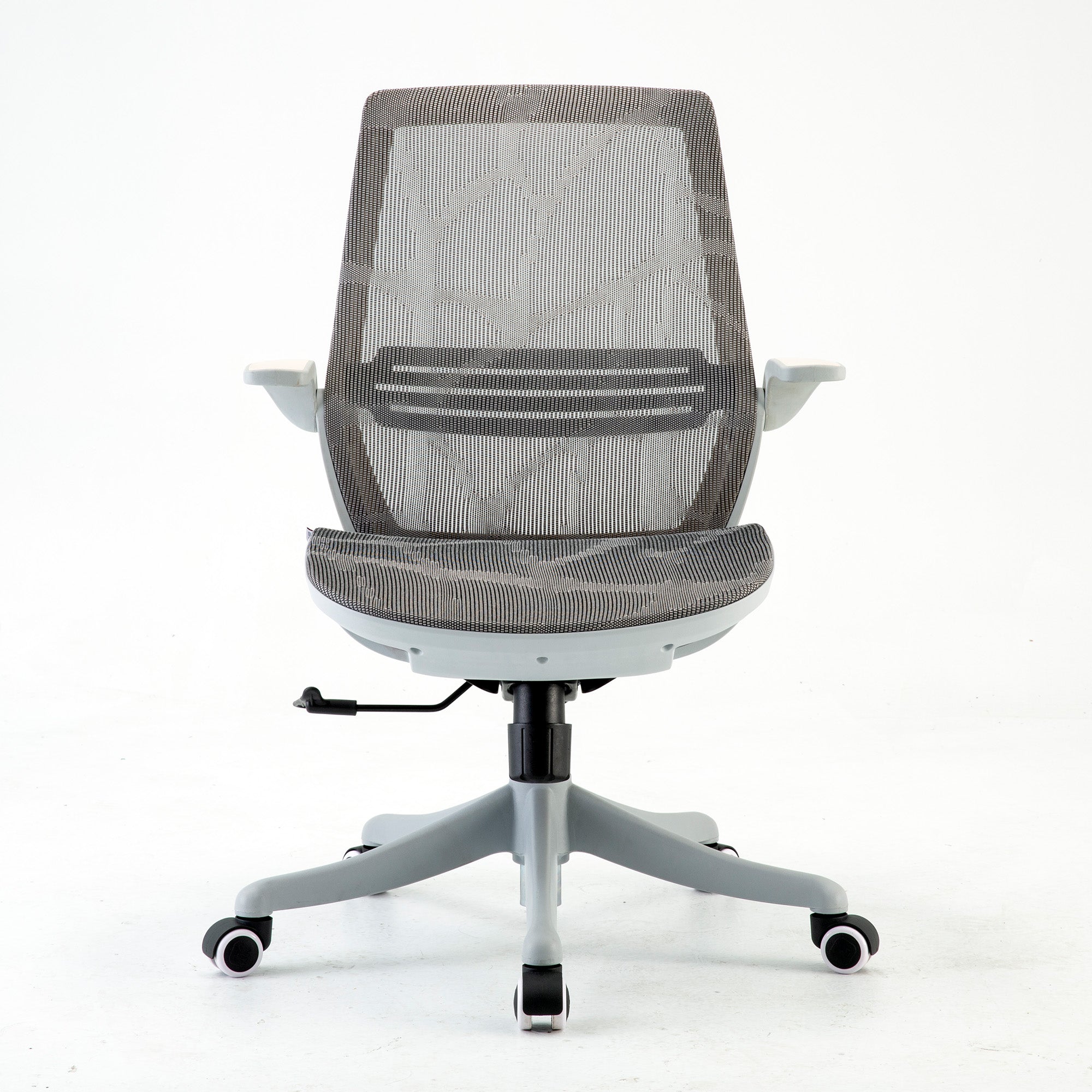
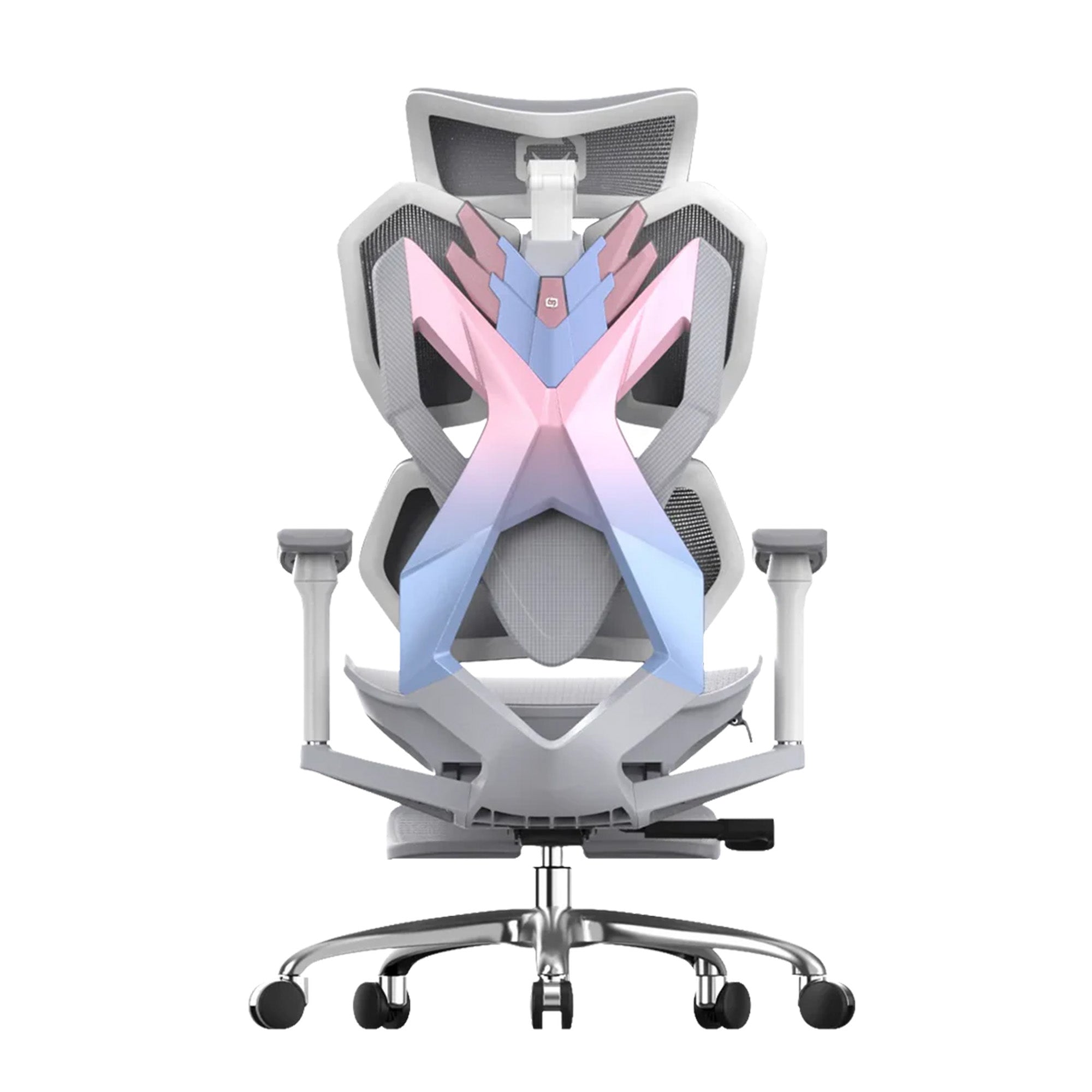
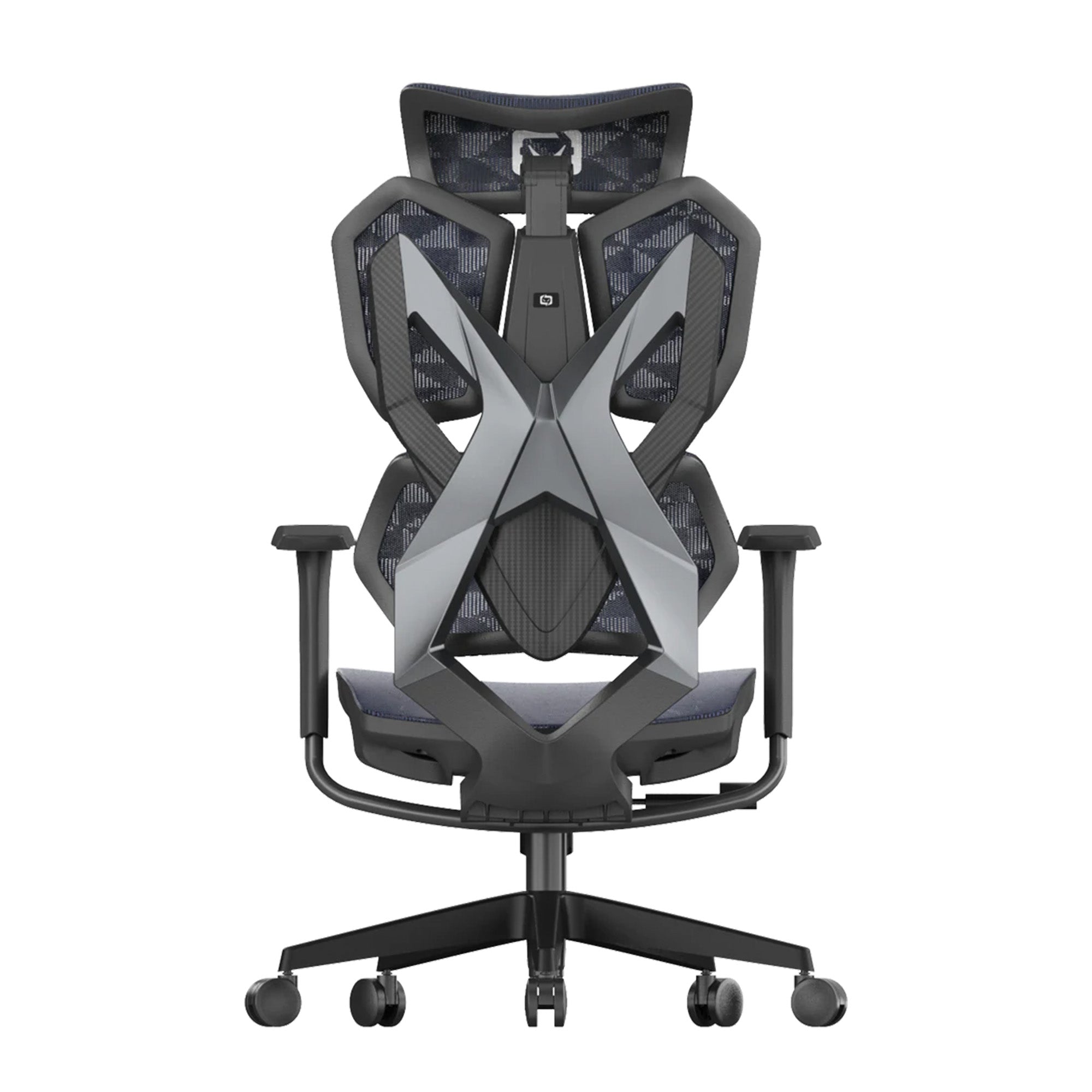
The direct fix is checking lumbar position, seat depth, and armrest height on your current chair before assuming you need a new one. If the current chair does not adjust enough to meet those needs, the Sihoo M57 and Vito M90 both cover the basics at an entry price point, and the Doro C300 adds dynamic lumbar support that tracks movement through the day, which matters more the longer your hours run.
If Yours Is Environmental
Noise Costs More Than It Feels Like It Should
A study by Jahncke and colleagues, published in the Journal of Environmental Psychology in 2011, found that open-plan office noise measurably reduced cognitive performance and slowed recovery from mental fatigue compared to quieter conditions. The effect is not just annoyance. It is a measurable drop in the ability to sustain attention on a task, and it persists after the noise stops, not just during it.
-
If notifications are the source: turn off non-essential alerts entirely rather than muting them, since a muted notification still shows as a red dot competing for attention.
-
If ambient noise is the source: closed-back headphones do more than noise-cancelling earbuds for sustained focus, since they block a wider frequency range.
-
If a shared space is the source: a genuinely quiet block of time, even 45 minutes with the door closed, outperforms an entire unstructured day.
None of these are chair problems, and no amount of lumbar support fixes a notification pinging every four minutes.
If Yours Is Cognitive
Task Switching Has a Measurable Cost
Rubinstein, Meyer and Evans, in a study published in the Journal of Experimental Psychology in 2001, found that switching between tasks imposes a measurable time cost each time it happens, driven by the brain re-establishing the rules for the new task before it can properly begin. Individually, each switch costs a small amount of time. Repeated dozens of times across a day, doing five things badly is measurably slower than doing them in sequence.
-
Cut active task count. Two or three items genuinely in progress, not eight, reduces the number of switches your brain has to pay for.
-
Batch similar work. Grouping emails, admin, or calls into blocks rather than interleaving them with deep work reduces the number of rule changes your brain has to make.
-
Accept that this one takes longer to fix. Physical and environmental fixes can show results within days. Cognitive load usually needs a genuine change in how work gets assigned or scheduled, not a personal habit change alone.
For Workplaces: Matching the Fix to the Actual Problem at Scale
Why a Team Chair Upgrade Sometimes Underperforms
A common pattern in workplace ergonomics spending is buying new chairs for a team whose actual focus problem is environmental or cognitive. The chairs help, marginally, because comfort always helps somewhat, but the underlying complaint does not move because it was never a seating problem.
Before a chair refresh, it is worth a genuine two-minute check across the team: are complaints mostly physical (back pain, restlessness), environmental (interruptions, open-plan noise), or cognitive (overloaded task lists, constant context switching)? Safe Work Australia data puts roughly 76 percent of work hours in a seated position, which makes the physical category worth addressing regardless. But if the loudest complaint is actually about interruptions or workload, a chair order will not be the fix, and it is worth saying so before the budget gets spent. For teams that do confirm a genuine physical need across several desks, Sihoo's wholesale office chairs programme handles bulk pricing and delivery coordination.
Conclusion
Match the fix to the cause.
A focus problem that gets treated as one generic thing rarely improves, because the advice that helps a physical problem does nothing for an environmental one, and neither touches a cognitive one. Spend three minutes with the table above before changing anything. If it points to your chair, check fit first and upgrade only if the current one genuinely cannot meet your needs. If it points to noise or notifications, the fix is faster and cheaper than a new chair. If it points to task switching, expect it to take longer, since it usually needs a change in how work is structured, not just a personal habit.
Browse the full ergonomic chair range if your diagnosis points to the physical category.
Better Comfort Starts Now.
Frequently Asked Questions
Safe Work Australia data shows roughly 76 percent of work hours are spent seated, which supports addressing physical fit regardless. But if the underlying complaint is workload or interruption-driven, a furniture spend without addressing the actual cause is money spent without resolving the original problem.
Not necessarily in that order. A quick team check on whether complaints are mostly physical, environmental, or cognitive should come first. Chair spending helps a genuine physical problem well. It does not meaningfully improve an interruption-heavy or overloaded workload, and spending there first can mean the actual complaint persists.
Start with whichever is easiest to fix, usually environmental, since disabling notifications costs nothing and takes minutes. Address physical fit next. Cognitive load is the hardest to shift alone and often needs a conversation about workload, not just a personal system.
Physical fixes, like adjusting or upgrading a chair, often show results within a few days. Environmental fixes, like disabling notifications, can show same-day improvement. Cognitive fixes generally take longer, since they usually require a change to how tasks are scheduled or assigned, not just a personal habit shift.
No. A chair addresses the physical category specifically, discomfort, restlessness, and the fatigue that comes from unsupported sitting. It will not resolve notification overload or a task list that is genuinely too long.
Use the three-minute check: if you notice yourself shifting position or feeling stiffness by early afternoon, it is likely physical. If your attention breaks because of notifications, noise, or interruptions even when you are comfortable, it is environmental. If you have several tasks open and keep switching between them without finishing any, it is cognitive.
Shop products from this article


Save up to 49% this Spring Sale. Pay in 4 interest-free instalments with Afterpay.
SHOP NOWRecommended Posts


