
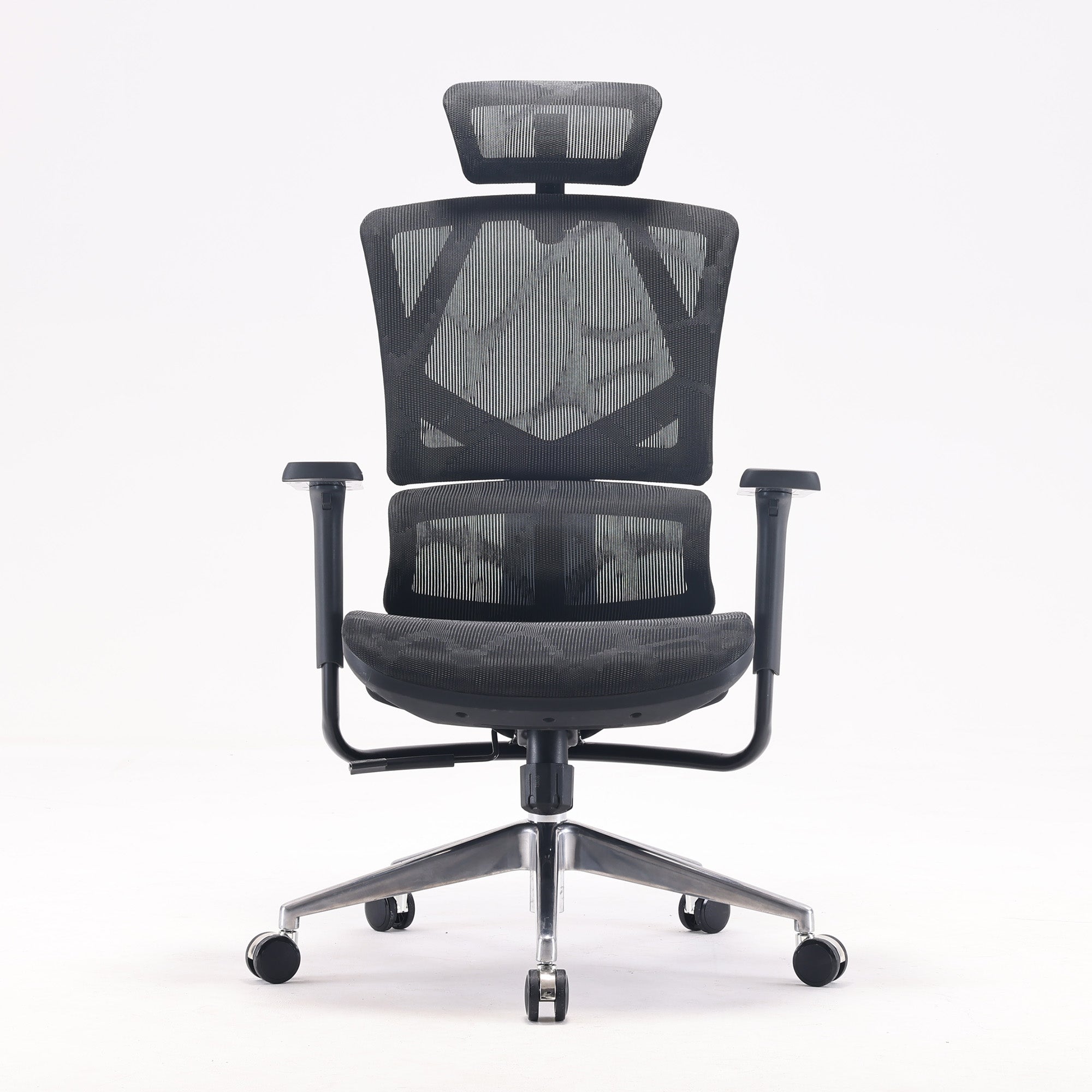
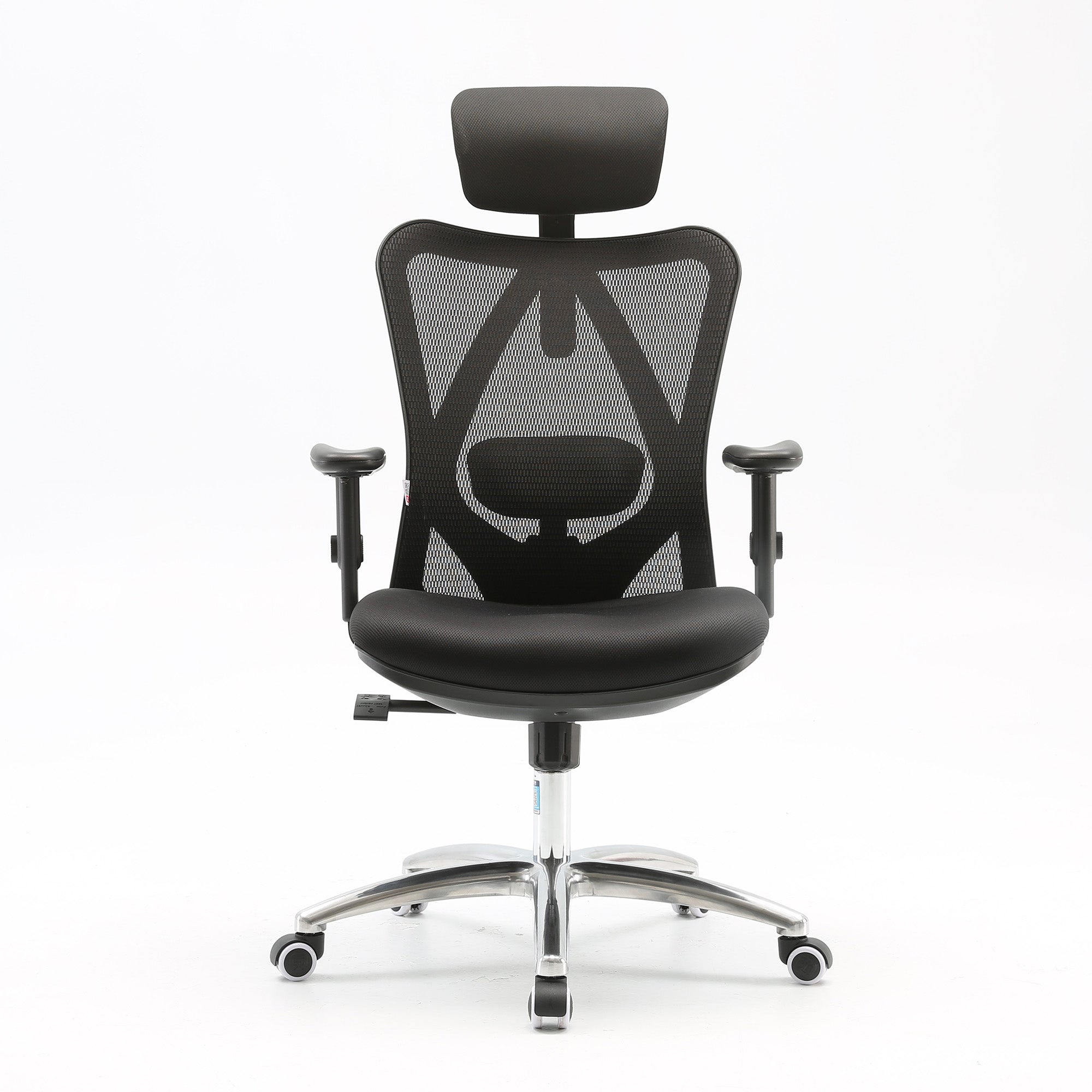
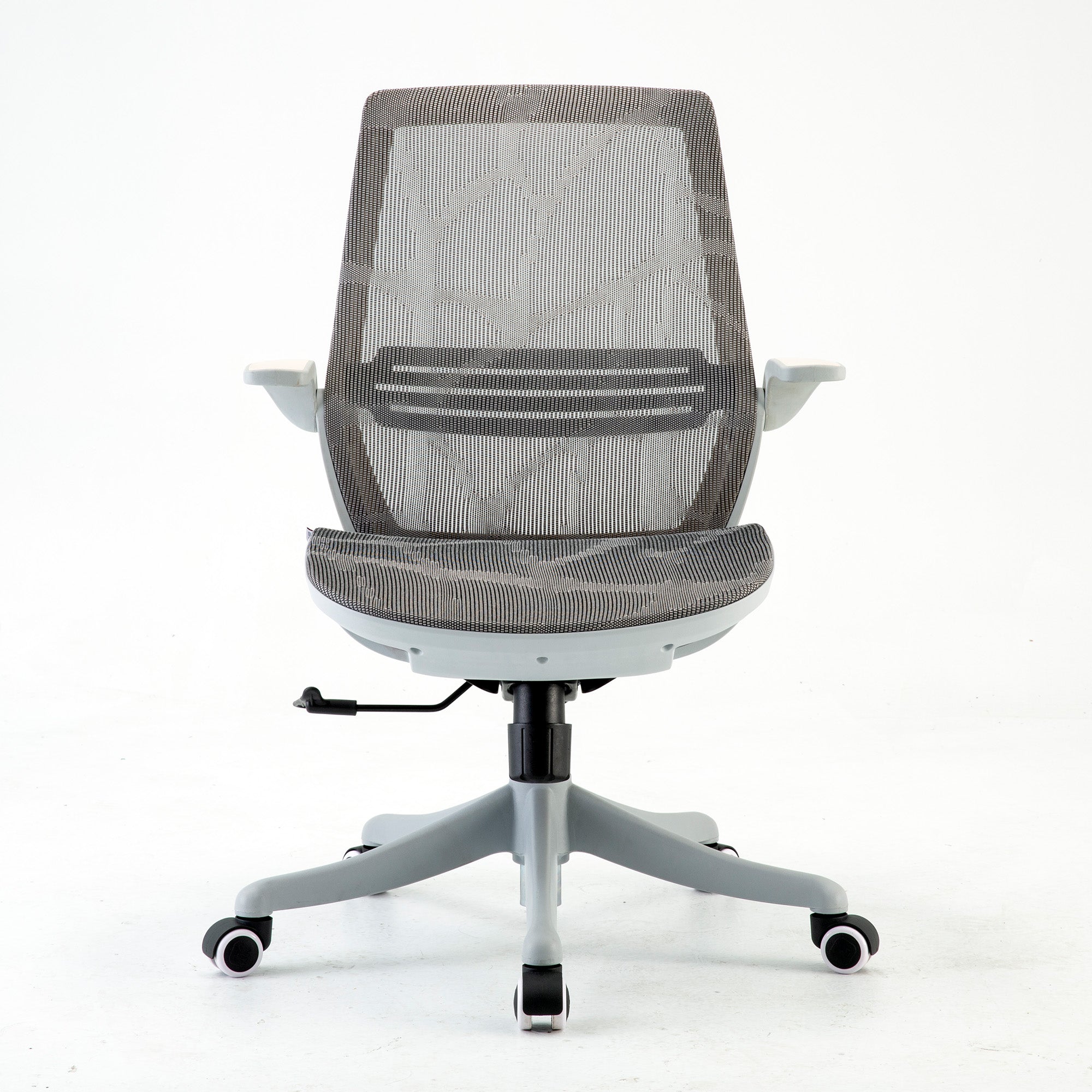
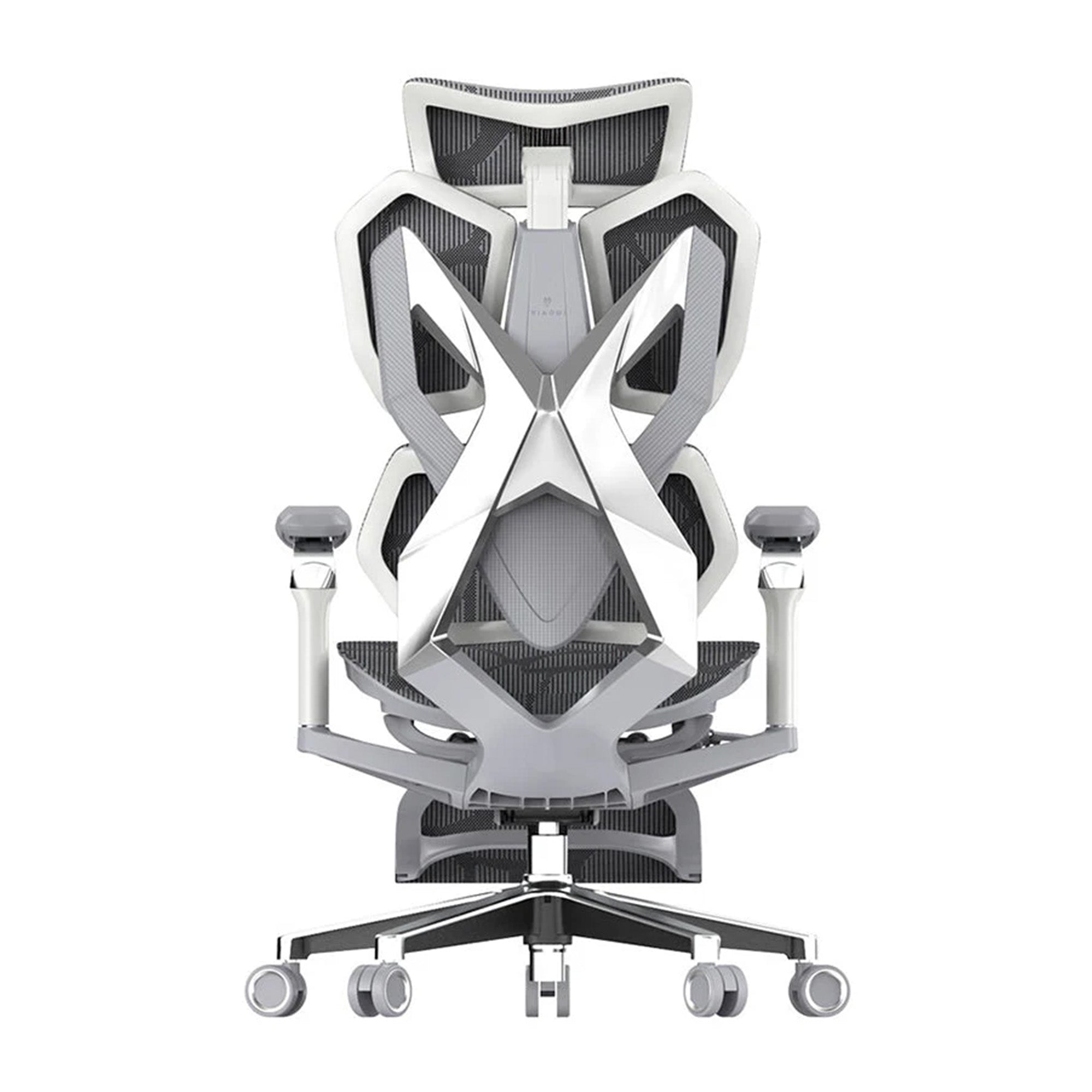

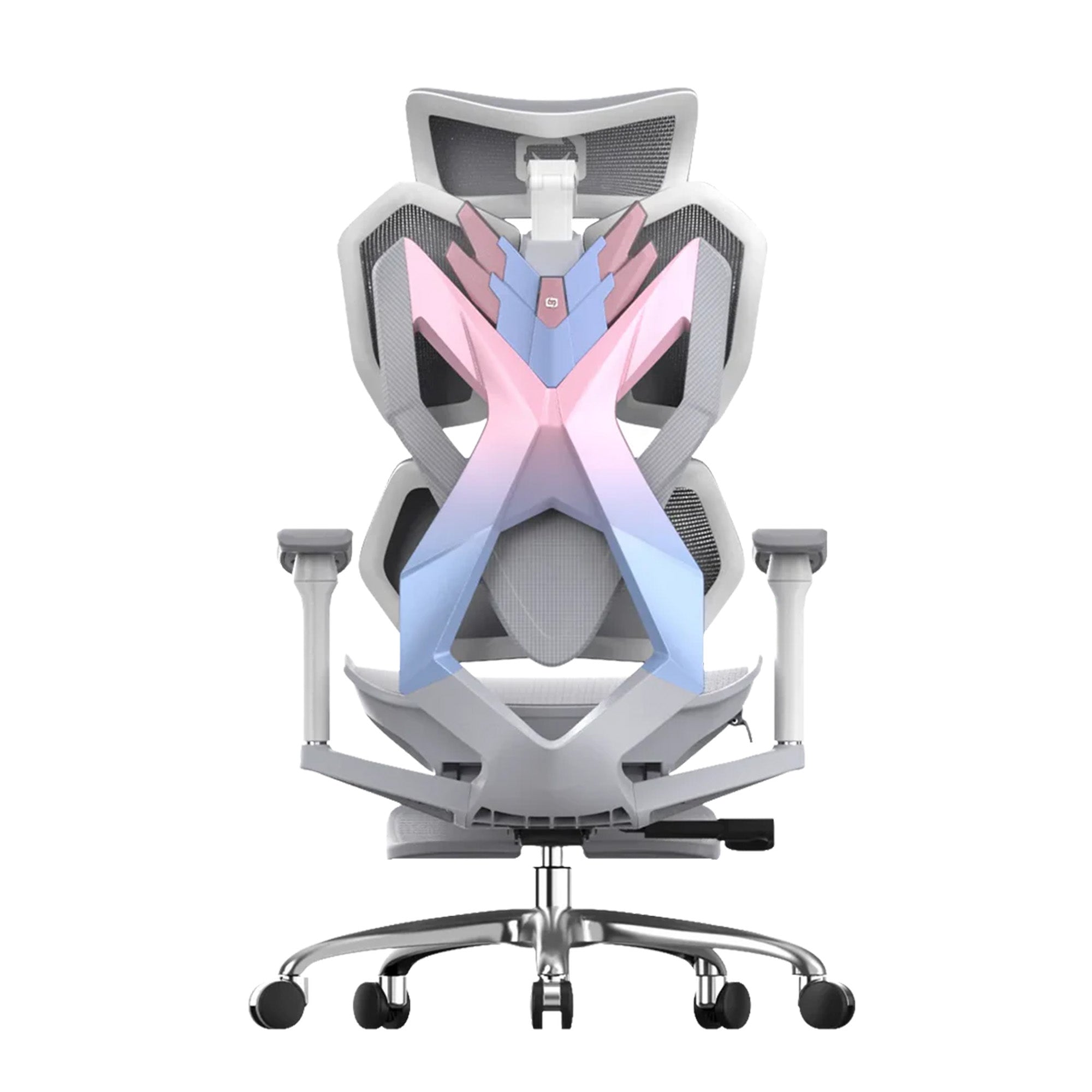
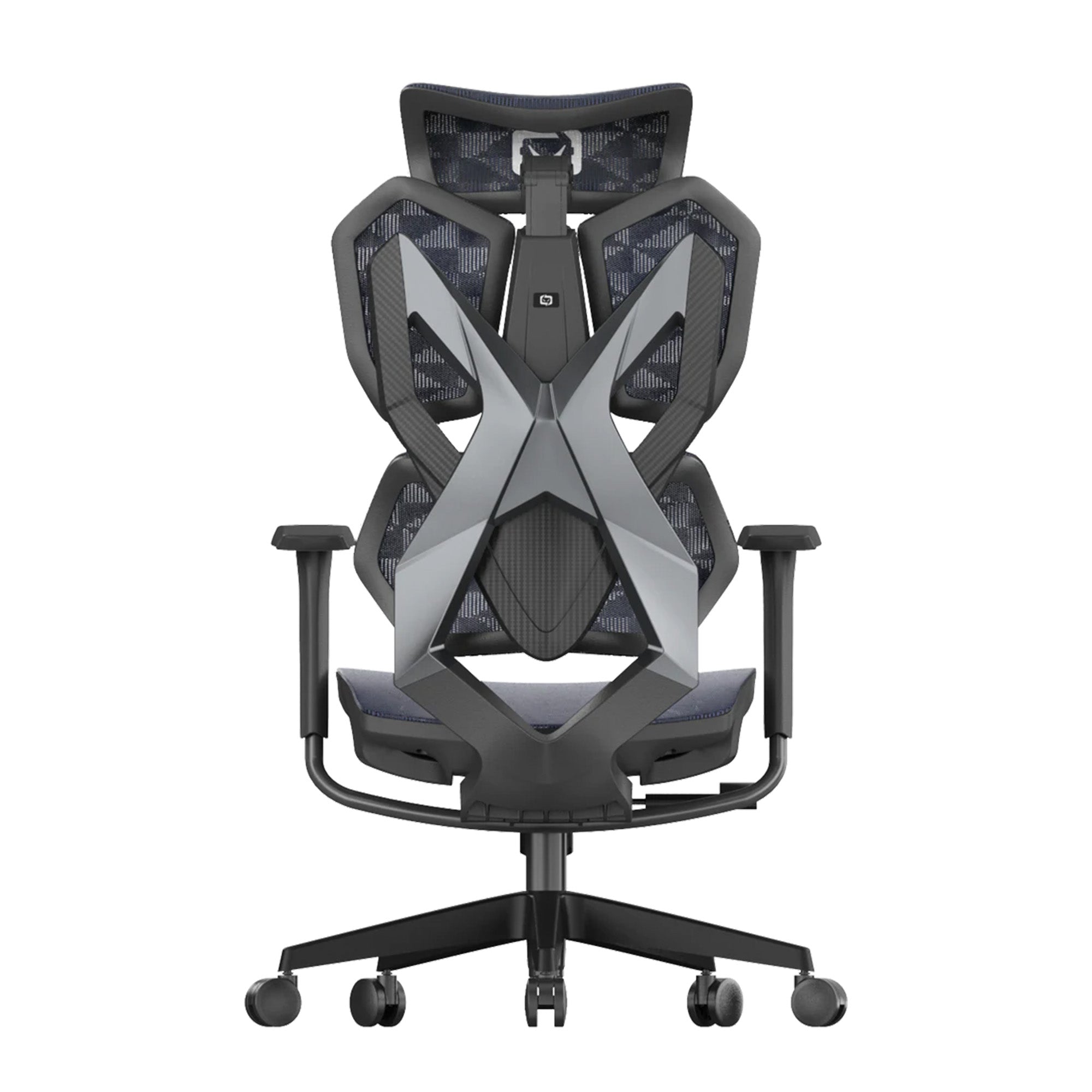

The ergonomic chair is on the balance sheet.
The cost of the chair is visible. The cost of what the chair does to the person sitting in it for eight hours a day is not. It shows up instead as a WHS claim filed in the third year, as a physiotherapy bill the employee pays quietly and mentions to nobody, as the slight but persistent reduction in afternoon output that looks like a motivation problem but is actually a posture problem, and eventually as a resignation letter from someone who could not articulate why they were tired all the time.
This blog is not an argument for buying expensive chairs. It is a transparent calculation of what the cheaper option actually costs. The data is sourced from Safe Work Australia, the State Insurance Regulatory Authority of NSW, the Australian Institute of Health and Welfare, and peer-reviewed research. Every figure is cited and every calculation is shown.
The conclusion is not that premium chairs are always the right answer. It is that the decision to buy a $150 chair over a $500 one should be made with the full cost picture visible, not just the purchase price.

The Four Cost Categories Most Businesses Do Not Track
Why the Invoice Price Is the Wrong Number
Office chair procurement decisions are almost always made on purchase price. That is a reasonable starting point. It is the wrong endpoint.
The purchase price of a chair captures one category of cost: the acquisition. It does not capture the productivity drag from an employee who is physically uncomfortable for six hours of every working day. It does not capture the WHS claim risk from a chair whose mechanisms fail after eighteen months of commercial use. It does not capture the physiotherapy and medical costs the employee absorbs personally. And it does not capture the contribution of physical discomfort to the employee attrition rate that most businesses track without connecting to the environment that contributed to it.
Four cost categories together produce the real number.
-
Direct WHS claim costs: the compensation paid when a serious musculoskeletal injury results in a formal claim.
-
Presenteeism: the productivity lost when employees are at their desks but operating below capacity because of physical discomfort.
-
Absenteeism and medical costs: the sick days and healthcare costs that flow from accumulated musculoskeletal load.
-
Turnover risk: the contribution of physical discomfort to employee dissatisfaction and attrition.
None of these appear on the chair invoice. All of them are real costs with real Australian data behind them.

Cost 1: WHS Claims and Musculoskeletal Injuries
What the Safe Work Australia Data Shows
In 2023-24, Australian workers lodged 146,700 serious workers compensation claims, defined as claims involving at least one week of lost working time, according to Safe Work Australia's Key WHS Statistics 2025. Body stressing, the mechanism category covering the majority of musculoskeletal disorders linked to sustained sitting and poor workstation design, accounted for 50,326 of those claims. That is 34.5 percent of all serious claims.
The median compensation paid for a serious workers compensation claim in 2022-23 was $16,300. Safe Work Australia reports the median rather than the mean because serious claims have a long tail of very high-cost outliers that would distort an average figure.
The $16,300 median is the floor, not the ceiling. The NSW State Insurance Regulatory Authority data, covering all serious MSD claims in NSW over the five years from 2018-19 to 2022-23, puts the average cost per serious MSD claim at $64,759, with an average of 20 weeks of lost time per injured worker.
THE CLAIM COST: The average serious musculoskeletal disorder workers compensation claim in NSW costs $64,759 and results in 20 weeks of lost productivity per injured worker. Source: SIRA, five-year average 2018-19 to 2022-23, cited in SafeWork NSW MSD Prevention Plan 2026.
The Indirect Costs That Do Not Appear in the Claim
The $64,759 is the direct compensation cost. It does not include the management time spent handling the claim, which typically runs to several hours per week across the life of the claim. It does not include the cost of temporary replacement staff or redistributed workload. It does not include the productivity gap that accumulates while the injured employee is on modified duties. And it does not include the insurance premium implications for the employer following a claim.
A single avoided serious MSD claim saves the organisation significantly more than $64,759 when all these factors are included. The direct compensation cost alone is the number most organisations focus on. It is the smallest part of the total.
The Connection to Chair Quality
Body stressing injuries in office environments are not primarily caused by acute events. They develop gradually from sustained physical load applied in the wrong direction over months and years. An employee sitting in a chair without adequate lumbar support for three years accumulates a spinal load profile that a chair with correct lumbar support would have distributed differently. The injury does not announce itself until it reaches clinical significance. By that point, the cost is already determined.
Research from the Scandinavian Journal of Work, Environment and Health published in 2019, based on a cluster randomised trial of 763 office workers in Brisbane organisations funded by the NHMRC, found that workstation ergonomics interventions produced measurable reductions in presenteeism and monetised productivity loss at the 12-month mark. The trial compared ergonomics plus targeted exercise against ergonomics plus general health promotion, with both groups receiving a workstation assessment. The ergonomics-based intervention group showed a statistically significant improvement. For context on how the chair fits into the broader workstation picture, the guide on how ergonomics improves employee productivity covers the full research base.

Cost 2: Presenteeism and the Invisible Productivity Drain
The Number That Explains More Than Any WHS Statistic
Most of the cost of a bad chair never shows up in a WHS report. The employee who is uncomfortable at their desk for six hours a day does not file a claim. They adapt. They shift around. They lose focus a little earlier in the afternoon. They produce work that is correct but not quite as sharp as it would be without the background discomfort they have been managing since 11am.
This is presenteeism. It is defined as reduced productivity while at work due to a health condition, and it costs Australian employers significantly more than absenteeism.
A 2017 study commissioned by SafeWork NSW, conducted by researchers Yu and Glozier and drawing on HILDA Survey data and ABS wage data, estimated the average annual cost of presenteeism per employee at $1,680 per year, compared to $825 per employee per year for absenteeism. Presenteeism costs more than double absenteeism because it operates continuously, invisibly, across every working day, rather than in identifiable blocks of absence.
THE PRESENTEEISM FINDING: Presenteeism costs Australian employers $1,680 per employee per year on average, more than double the $825 per employee per year cost of absenteeism. Source: Yu S. & Glozier N. (2017), Mentally Healthy Workplaces in NSW: A Return on Investment Study, SafeWork NSW.
What This Means for a Team of Twenty
For a team of 20 employees, a presenteeism rate of $1,680 per person per year produces a $33,600 annual productivity drag. That figure represents the baseline across all health conditions, not just musculoskeletal discomfort. Musculoskeletal conditions are among the highest contributors to presenteeism in office environments.
Research on the ergonomic interventions measured in the Pereira et al. 2019 Brisbane trial found monetised productivity loss per employee at 12 months of AU$1,464 in the ergonomics intervention group versus AU$1,563 in the comparison group. That $99 annual difference per employee, multiplied across 20 staff, represents $1,980 per year. Modest in isolation. Across five years it is $9,900 per team, and this is before any WHS claim, any sick leave, or any replacement hire is factored in.
Washington State Department of Labor and Industries cost-benefit analysis of its ergonomics standard, conducted in 2000, estimated a benefit-cost ratio of 4.24 for ergonomic interventions across all covered industries, with individual sector ratios ranging from 1.55 to 7.03. The rule that generated this analysis was subsequently repealed by initiative in 2003, but the underlying case studies and the 4.24 ratio remain the most frequently cited primary-source ergonomics ROI figure in the occupational health literature. For office environments, the conservative end of the range applies, and a 2 to 3 times return on ergonomic investment is a defensible estimate for a knowledge-worker context.

Cost 3: Absenteeism and Out-of-Pocket Medical Costs
The Sick Leave Pattern Nobody Connects to the Chair
Musculoskeletal disorders are the leading cause of disability and the third-largest category of direct health expenditure in Australia, costing the health system $16.3 billion in 2023-24 according to the Australian Institute of Health and Welfare. A significant portion of that expenditure is borne by employees directly, through physiotherapy, GP visits, specialist consultations, and allied health appointments that never appear in an employer's WHS data because they are absorbed privately.
An initial physiotherapy consultation in Australia typically costs $90 to $150, with follow-ups in the $75 to $120 range based on Bupa's 2024-25 schedule of fees. An employee experiencing chronic lower back discomfort from sustained poor posture will typically seek treatment at some point. The sequence is usually: ignore it for months, manage it with over-the-counter pain relief, eventually book a physiotherapy appointment when it becomes disruptive, attend several follow-up sessions, return to the same chair that caused the problem, and repeat the cycle.
None of this appears in the employer's accounts. The cost sits entirely with the employee. But the productivity implications of the chronic discomfort that drives the physiotherapy visits do appear, diffusely, in the output quality and engagement levels of the team.
The Absenteeism Contribution
Absenteeism at $825 per employee per year across a team of 20 produces an annual cost of $16,500. Musculoskeletal conditions are not the only contributor to absenteeism, but they are among the most preventable, particularly those arising from sustained sedentary work in an inadequately configured environment. The portion of absenteeism attributable to musculoskeletal discomfort from office seating is impossible to isolate precisely, but the causal pathway from sustained unsupported sitting to progressive spinal load to clinical symptoms to sick leave is well documented in occupational health research.

Cost 4: Turnover Risk and the Physical Environment Connection
The Link Most Exit Interviews Do Not Capture
Physical discomfort rarely appears as the primary reason an employee leaves a role. The exit interview typically captures the narrative the employee has constructed around their departure: a better opportunity, a role misalignment, a relationship with a manager. The physical environment is almost never named because the employee has not connected their chronic afternoon fatigue to the chair they have been sitting in for two years.
The connection exists in the research. Physical workplace conditions, including seating quality and workstation configuration, are consistently identified in occupational health literature as contributors to employee wellbeing, engagement, and intention to leave. An employee who is consistently uncomfortable at work develops a broader negative association with the workplace that is difficult to separate from the specific physical cause.
What Turnover Actually Costs in Australia
The cost of replacing a knowledge worker in Australia is typically estimated at 1 to 1.5 times their annual salary when recruitment fees, onboarding time, training, and the productivity gap during the transition period are included. For a role paying $80,000 per year, the replacement cost ranges from $80,000 to $120,000.
AHRI benchmarks, cited in multiple Australian HR industry sources, estimate that each employee departure costs at least 50 percent of that person's annual salary, rising to 150 to 200 percent for specialist or senior roles. A team of 20 people with an annual turnover rate of 15 percent, which is below the Australian average for many industries, produces three departures per year. At a conservative $40,000 per departure for mid-level roles, that is $120,000 per year in replacement costs.
The proportion of that figure attributable to physical environment dissatisfaction is not measurable with precision. What is measurable is that the physical environment is a contributing factor to the employee experience that shapes engagement, wellbeing, and retention. Treating it as a zero-cost variable in the turnover calculation is not accurate.
The Full Cost Model: A Team of Twenty Over Five Years
How the Numbers Stack Up
The table below models the costs across the four categories for a team of 20 employees over five years, comparing a scenario where standard budget chairs are purchased at $150 per seat against quality ergonomic chairs at $500 per seat. All figures are based on Australian primary sources. Where a precise figure cannot be attributed, the calculation uses the conservative end of the available range.
|
Cost category |
Budget chair scenario |
Quality ergonomic chair scenario |
5-year difference per team |
|
Chair purchase cost (20 seats) |
$150 x 20 = $3,000 (replaced every 2.5 yrs = $6,000 over 5 yrs) |
$500 x 20 = $10,000 (lasts 7+ yrs with 3-5 yr warranty) |
$4,000 more upfront; $6,000 vs $10,000 over 5 yrs |
|
Presenteeism loss |
$1,680 per employee per year = $168,000 per year for 20 staff |
Estimated 15-20% reduction = $25,200-$33,600 per year recovered |
$126,000-$168,000 recovered over 5 years |
|
MSD WC claim risk (NSW average) |
Higher risk: $64,759 average per serious MSD claim (SIRA 2022-23) |
Lower risk: even one avoided claim saves $64,759 |
$64,759 per avoided claim |
|
Physio and medical costs |
$90-$150 per session x 6-8 sessions per employee per year = $1,080-$2,400 per affected employee |
Reduced incidence; fewer claims |
$1,080-$2,400 per year per affected employee |
|
Absenteeism |
$825 per employee per year = $16,500 per year for 20 staff |
Reduction proportional to MSD risk reduction |
Material but difficult to isolate |
|
Employee turnover risk |
Physical discomfort is a contributing factor; replacement cost 1-1.5x salary |
Better comfort reduces attrition risk |
One avoided departure at $80k salary = $80,000-$120,000 saved |
Notes: Presenteeism and absenteeism figures from SafeWork NSW / Yu & Glozier (2017). MSD claim cost from SIRA 2018-19 to 2022-23 five-year average, NSW data. Physio costs from Bupa 2024-25 schedule. Turnover replacement cost from AHRI benchmarks. Chair lifespan from industry data (Eureka Ergonomic, G|M Business Interiors). All figures are illustrative estimates. Actual outcomes depend on team health, workstation configuration, and management practices. This is not a guarantee of specific financial outcomes.
The Per-Year Chair Cost Comparison
The comparison that changes most purchasing decisions is the per-year cost of the chair itself, once replacement cycles are factored in.
|
Chair tier |
Typical retail price (AU) |
Commercial lifespan |
Annual cost (chair only) |
|
Budget (Officeworks, IKEA) |
$69 to $249 |
1 to 3 years |
$83 to $166 per year |
|
Mid-range ergonomic |
$329 to $699 |
5 to 7 years |
$57 to $116 per year |
|
Premium ergonomic |
$900 to $2,500+ |
10 to 15 years |
$75 to $167 per year |
Lifespan estimates are based on commercial-use industry benchmarks. Budget chairs may fail earlier under heavy daily use. Mid-range and premium ergonomic chairs carry 3 to 5-year and 10-15-year warranties respectively. Source: Eureka Ergonomic (2026); G|M Business Interiors (2022); BTOD warranty analysis.
At the mid-range ergonomic tier, the annual chair cost per seat is $57 to $116, which is comparable to the $83 to $166 per year for a budget chair that requires replacement every two to three years in commercial use. The difference in per-year cost is marginal. The difference in WHS risk profile, presenteeism contribution, and productive lifespan of the user is not.
What the Return on Investment Looks Like
The Conservative Calculation
A team of 20 people, each spending $500 on a quality ergonomic chair rather than $150 on a budget chair, spends $7,000 more at purchase. That is the visible cost.
Against that $7,000 additional outlay, the conservative case involves a single avoided serious MSD claim ($64,759 in direct compensation), a 15 percent reduction in presenteeism-related productivity loss ($25,200 per year across the team), and one fewer attrition event over five years ($80,000 in replacement costs). Total: $169,959 in recoverable value against $7,000 additional investment.
The calculation does not need to be this dramatic to hold up. Even if no serious claim occurs, even if presenteeism improves by only 10 percent, and even if the turnover rate is unaffected, the five-year saving in avoided chair replacements alone ($6,000 in avoided repurchases) nearly offsets the upfront cost difference. The risk reduction is the upside, not the baseline.
The EOFY Angle
For businesses reviewing their office seating as part of an EOFY purchasing cycle, the financial case is further strengthened by the $20,000 instant asset write-off, confirmed as law for 2025-26 by the ATO. Every Sihoo chair in the current range falls below the $20,000 per-asset threshold. A business purchasing 20 Sihoo Vito M90 chairs at $379 each writes off $7,580 in the current financial year rather than depreciating over multiple years. The true out-of-pocket cost, net of tax at the 25 percent small business rate, is $5,685 for the full order.
For businesses conducting a pre-EOFY review of their office furniture and calculating whether to include seating in this year's capital purchase plan, the guide to how ergonomics improves employee productivity provides the research foundation, and this blog provides the cost model to support the internal case.

Which Chair Addresses Which Cost Driver
Matching the Specification to the Risk Profile
Not every team has the same risk profile. The chair specification that best addresses the cost drivers depends on the nature of the work, the daily hours of seated use, and the existing health profile of the team.
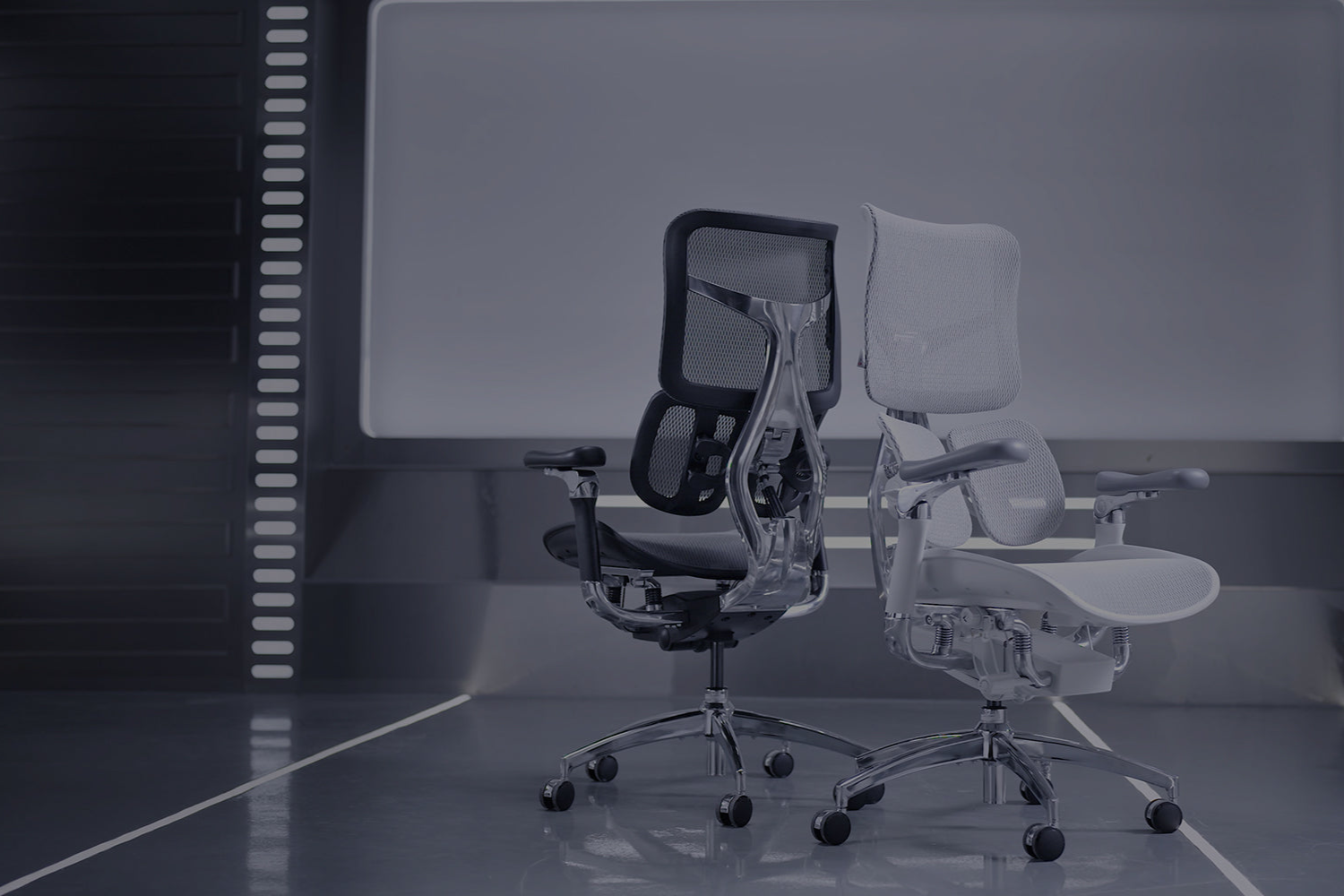
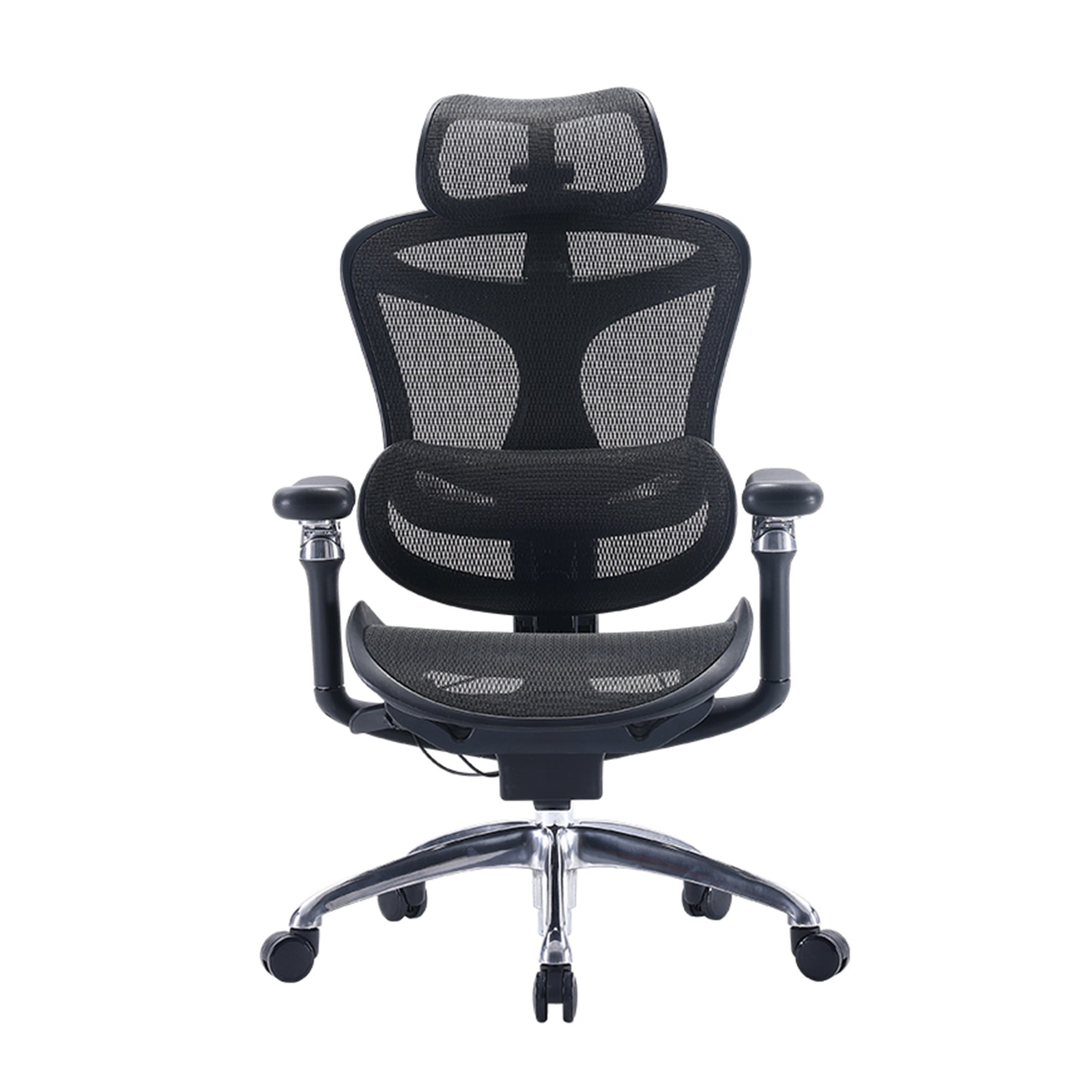
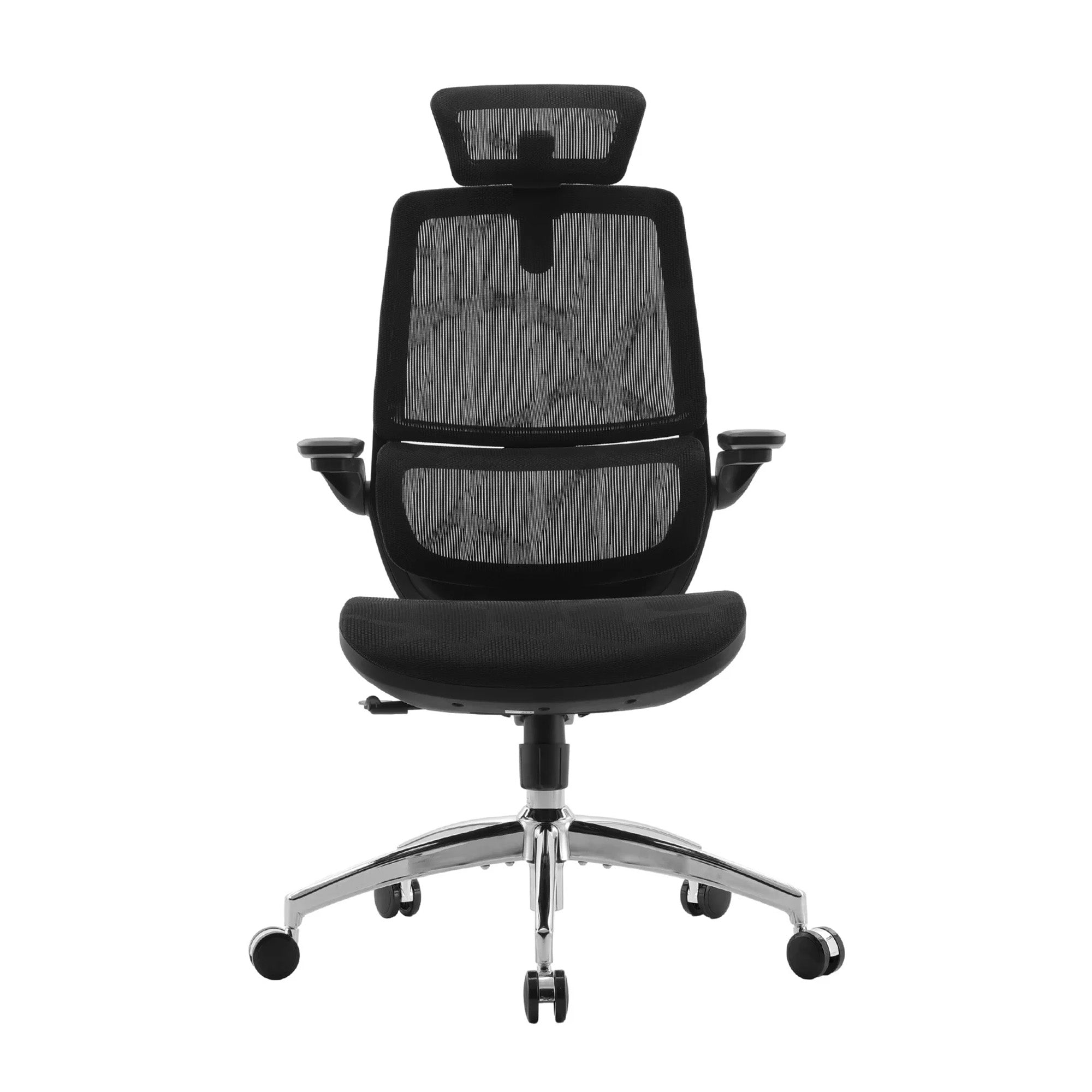
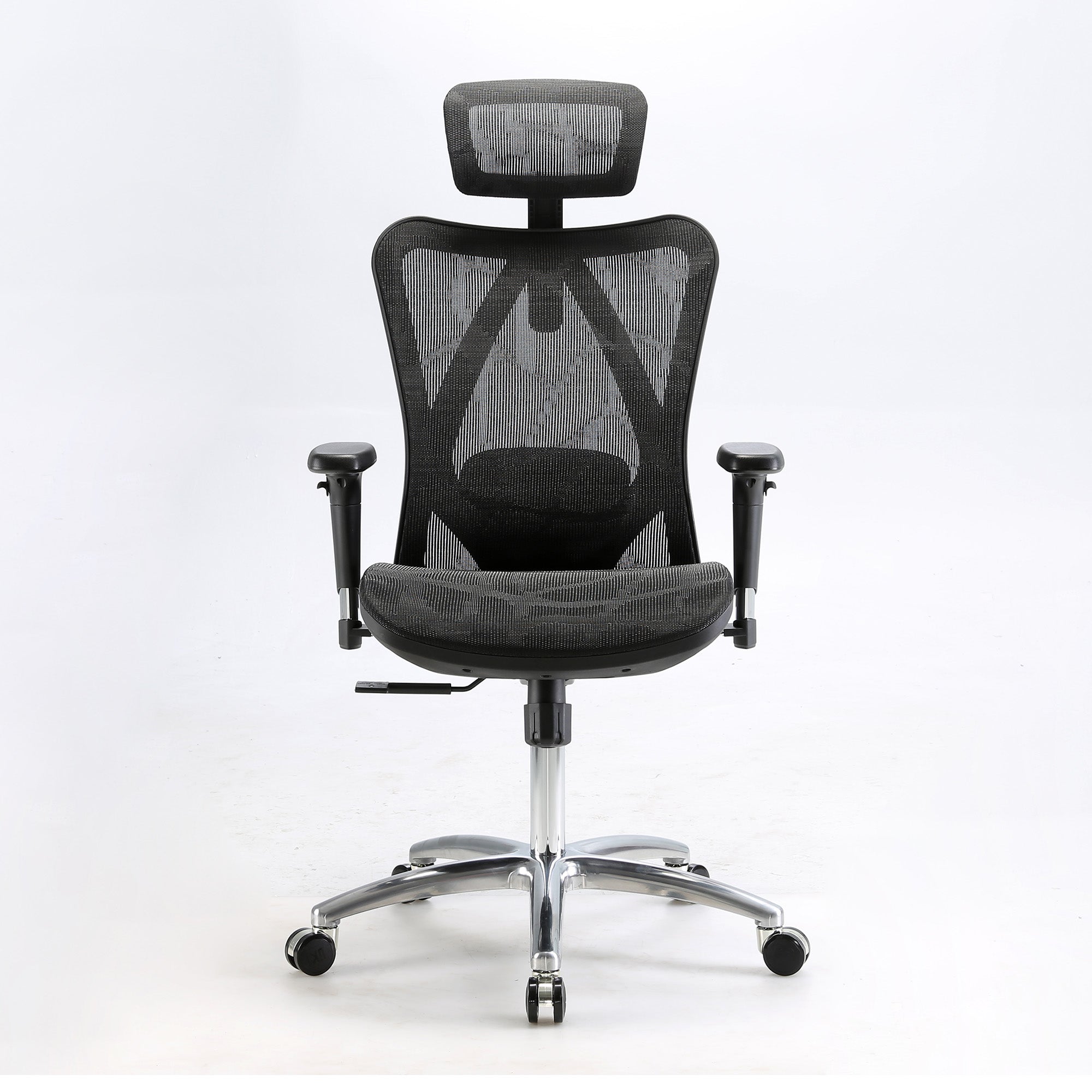
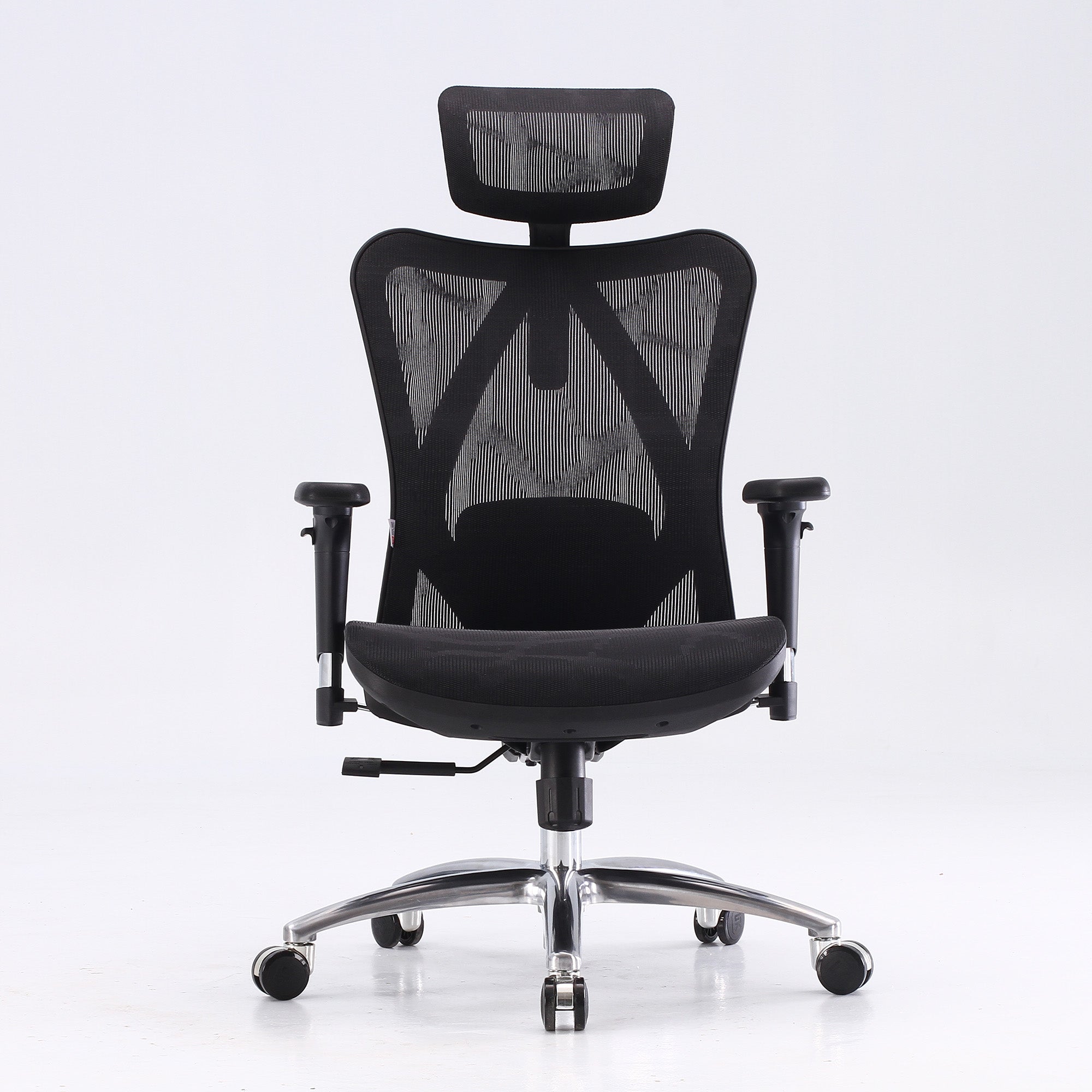
Standard office roles, four to six hours daily: The primary cost driver is presenteeism from low-level discomfort accumulated across the working day. The specification required is adjustable lumbar support, correct seat depth, and 3D armrests. The Sihoo M57 at $329 covers these requirements at the entry point of the quality ergonomic range.
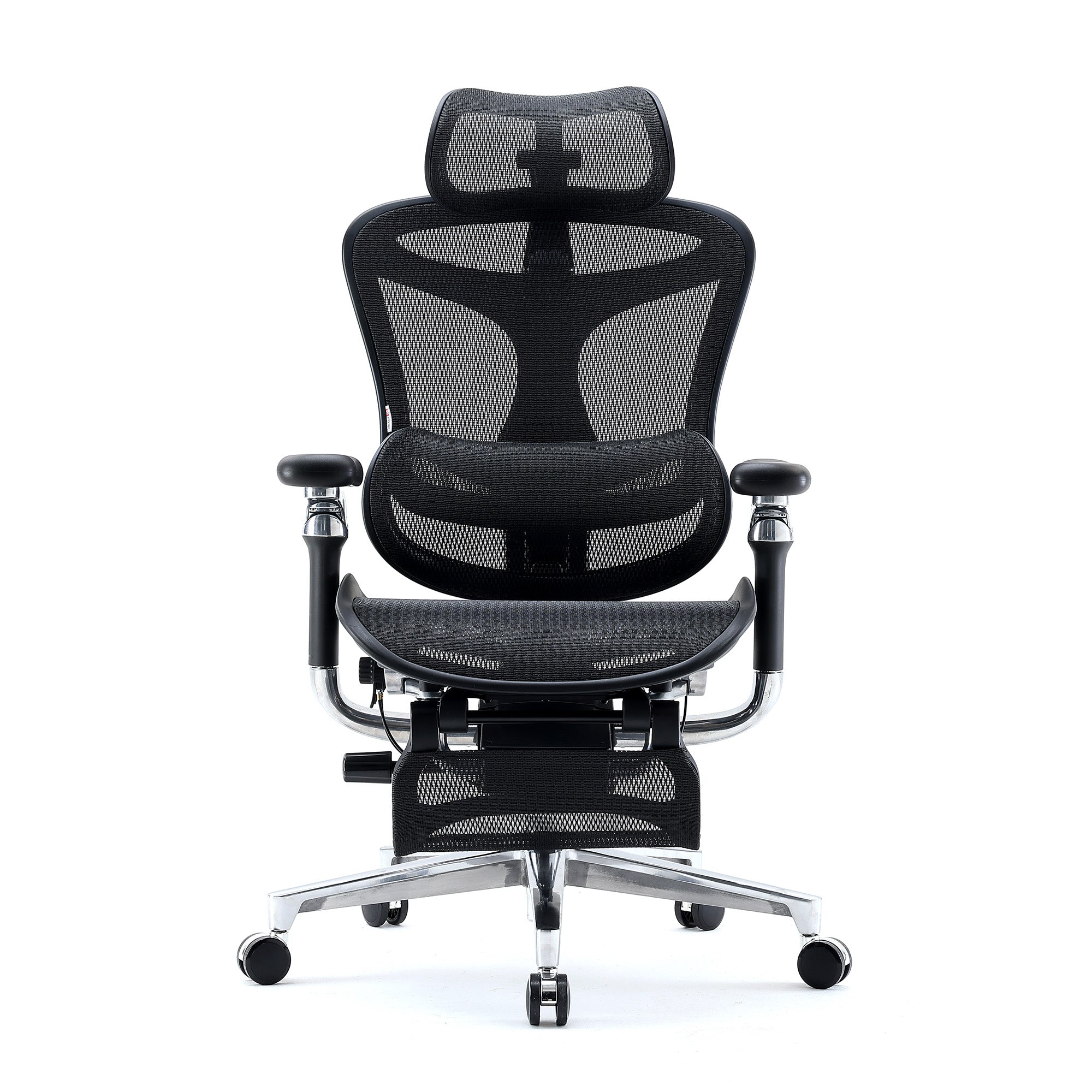
Roles with six or more daily hours or existing back sensitivity: The primary cost driver shifts toward WHS claim risk as cumulative load increases with daily hours. An adaptive lumbar system that maintains support automatically across the full range of working postures reduces the rate at which spinal load accumulates. The Sihoo Vito M90 at $379 provides an elastic adaptive lumbar that responds to sitting angle and body weight without requiring the employee to remember to readjust it.
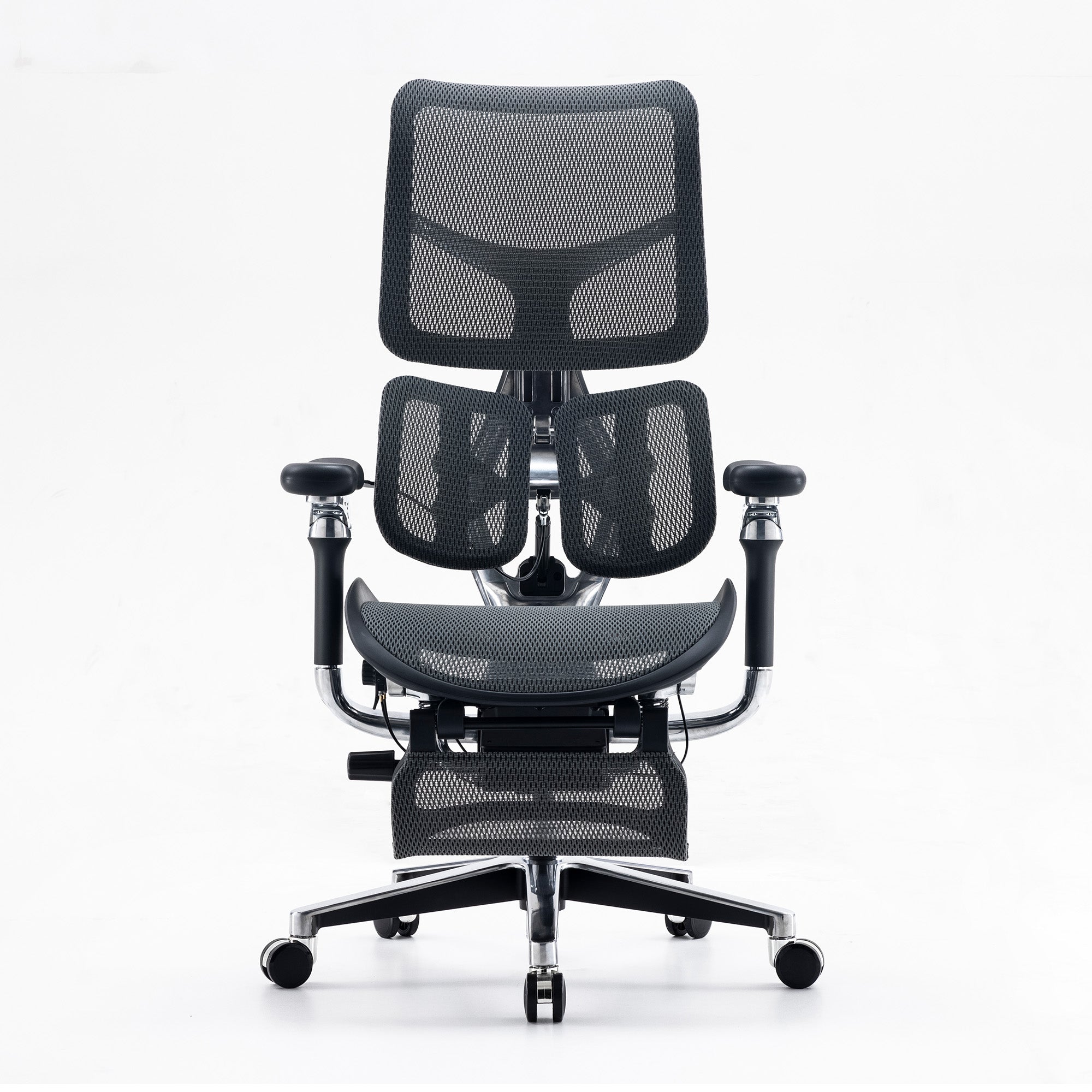
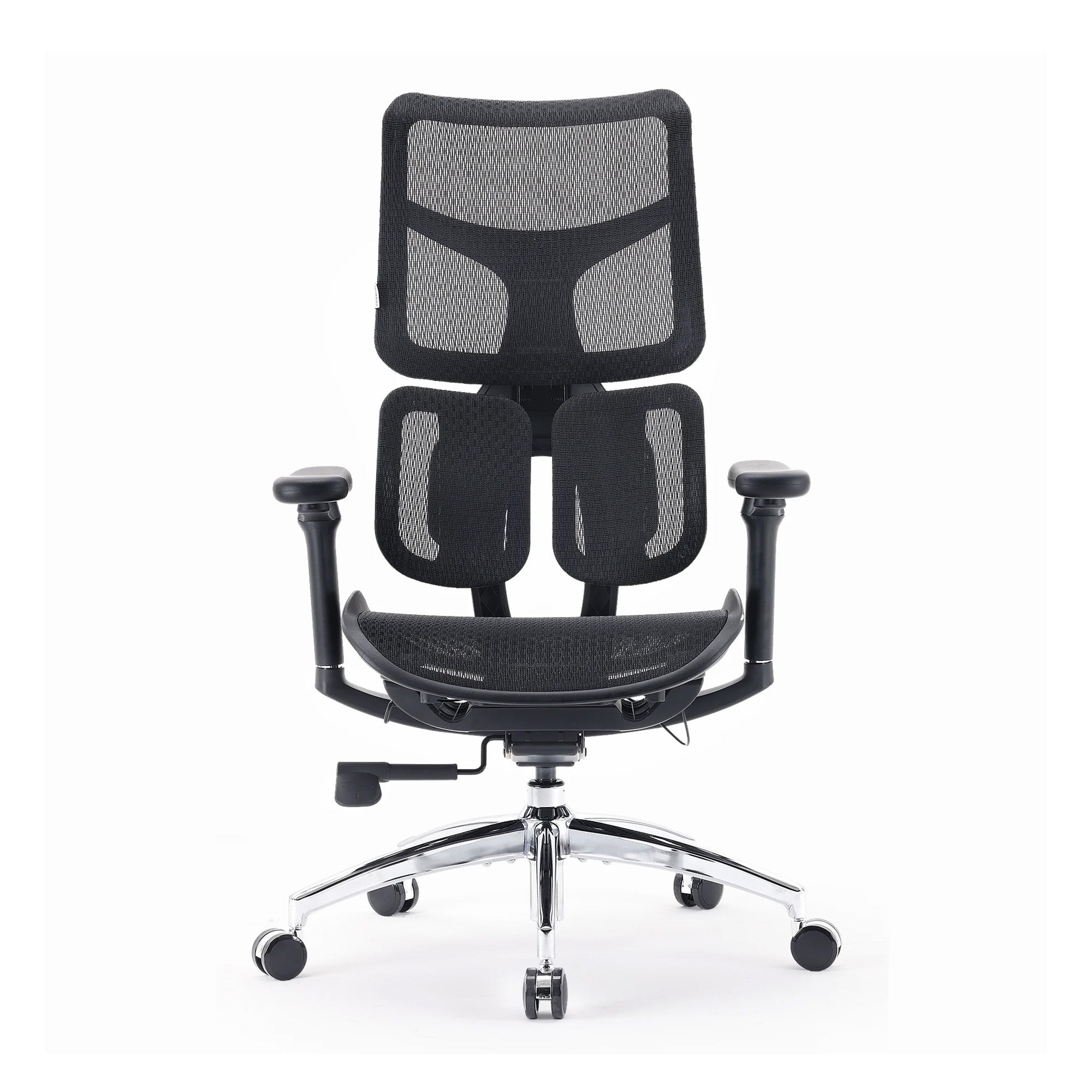
Senior roles, eight-plus hours daily, or contact centre environments: The primary cost driver is the combination of WHS claim risk and presenteeism from sustained daily sitting. Dynamic lumbar support that tracks spinal movement across the full range of working postures is the relevant specification. The Sihoo Doro C300 and Sihoo Doro S300 provide split backrest and dynamic lumbar systems respectively, suited to the highest daily-use profiles.
Mixed teams with varying height distributions: The additional risk factor is seat depth mismatch for shorter employees, which causes lumbar contact loss regardless of how well the lumbar support is positioned. The Sihoo V1's sliding seat depth mechanism directly addresses this for users under 165cm. The full body type specification framework is covered in the guide to choosing ergonomic chairs for teams with different body types.
Hot-desking or high-rotation environments: The additional cost driver is adjustment failure, where shared chairs are never reconfigured between users. An adaptive lumbar system removes the manual adjustment dependency. For businesses sourcing wholesale office chairs for high-rotation environments, the Sihoo Doro C500 provides the widest adjustment range in the Sihoo range for shared use across a mixed team.
What Good Actually Looks Like in Practice
The Difference Between Spending on Chairs and Investing in Them
Purchasing quality ergonomic chairs is not sufficient on its own. The research is consistent on this point: the outcome from an ergonomic intervention depends heavily on implementation quality. A $600 chair that is never adjusted from its factory default delivers very little more benefit than the $150 chair it replaced.
The implementation steps that determine whether the chair investment produces the intended outcome are straightforward. Every employee receives a workstation setup session when the new chairs arrive, covering the five key adjustments in order: seat height, seat depth, lumbar position, armrests, and recline tension. The setup is documented. New employees receive the same session as part of their onboarding. An annual review checks whether the adjustments have drifted and whether any chairs have worn to the point where they no longer hold their settings.
The complete operational process for this, including a structured workstation review checklist, is covered in the office ergonomics checklist for businesses, and the team implementation framework is in how to build an ergonomic office setup for teams.
The Correct Framing for the Internal Business Case
The most effective internal argument for a chair upgrade is not a wellness argument. It is a cost-avoidance argument.
The question is not "should we invest in our employees' comfort?" That framing invites the response that comfort is a personal matter and the organisation should not be responsible for it. The correct framing is: "We are currently carrying approximately $33,600 per year in preventable presenteeism costs, a meaningful WHS claim risk given that 34.5 percent of all serious workers compensation claims in Australia involve body stressing, and a replacement cost liability of $80,000 to $120,000 every time a knowledge worker leaves. The chair upgrade reduces all three. The net cost over five years is negative."
That argument, presented with the Australian-sourced data in this blog, is substantially harder to decline than a request for nicer furniture.
Conclusion
A bad office chair has one visible cost and several invisible ones.
The visible cost is the purchase price. The invisible costs are the presenteeism running at $1,680 per employee per year, the WHS claim risk anchored by a $64,759 average serious MSD cost in NSW, the physiotherapy appointments the employee pays for and does not mention, and the contribution of physical discomfort to the attrition rate that costs $80,000 to $120,000 every time a knowledge worker leaves.
None of these are theoretical. Every figure in this blog is sourced from Australian government data, peer-reviewed research conducted in Australian workplaces, or industry benchmarks with traceable primary sources. The calculation is transparent and the methodology is shown. The numbers are conservative.
The chair that costs $500 instead of $150 spends $350 more on day one. It recovers that difference within the first month of avoided presenteeism alone. Every month after that, across its seven-year commercial lifespan, it is paying back the cost of the chairs it replaced.
Browse the full range of best ergonomic office chairs in Australia and find the model that matches your team's daily hours, height distribution, and risk profile.
Better Comfort Starts Now.
Sources Referenced
-
Safe Work Australia, Key Work Health and Safety Statistics Australia 2025: 146,700 serious claims 2023-24p; 34.5% body stressing; median compensation $16,300 — data.safeworkaustralia.gov.au/insights/key-whs-statistics-australia/latest-release
-
SIRA / SafeWork NSW, MSD Prevention Plan to 2026: $64,759 average cost per serious MSD claim; 20 weeks average time lost; 52% of serious NSW claims are MSDs — safework.nsw.gov.au/resource-library/musculoskeletal-disorders
-
Yu S. & Glozier N. (2017), Mentally Healthy Workplaces in NSW: A Return on Investment Study, SafeWork NSW: presenteeism $1,680 per employee per year; absenteeism $825 per employee per year — nsw.gov.au (PDF)
-
Pereira M et al. (2019), Scandinavian Journal of Work, Environment and Health, 45(1): 42-52: Brisbane cluster RCT, 763 office workers, 14 organisations, NHMRC-funded — DOI: 10.5271/sjweh.3760
-
Washington State DoL&I, Ergonomics Standard Cost-Benefit Analysis (2000): benefit-cost ratio 4.24 (range 1.55-7.03); note: underlying rule was repealed in 2003 — cited in Ergo-Plus.com
-
AIHW, Health System Spending on Disease and Injury Australia 2023-24: musculoskeletal disorders $16.3 billion, third-largest disease group — aihw.gov.au/reports/health-welfare-expenditure
-
AIHW, Chronic Musculoskeletal Conditions Summary: 7.3 million Australians (29%) with chronic MSK conditions — aihw.gov.au/reports/chronic-musculoskeletal-conditions
-
Bupa Australia Physiotherapy Schedule of Fees 2024-25: initial consultation $85.50-$101.72; follow-up $72.66-$90.54 — bupa.com.au
-
Safe Work Australia / Deloitte Access Economics (2022), Safer Healthier Wealthier: $28.6 billion annual GDP gain from eliminating work-related injury and illness — safeworkaustralia.gov.au
-
AHRI benchmarks (multiple industry sources 2023-25): employee replacement cost 1-1.5x annual salary for knowledge workers — ahri.com.au
Frequently Asked Questions
Start with the data in this blog. The $64,759 average cost of a serious MSD claim in NSW and the $1,680 per employee per year presenteeism figure are both from Australian government-linked sources. Frame the request as a cost-avoidance issue rather than a comfort preference. Document the specific ergonomic problem with your current chair and the specific adjustment or replacement that would address it. If the chair cannot be adjusted to fit your body correctly, that is a WHS issue under the Work Health and Safety Act 2011, not a personal preference. Putting the request in writing creates a record that a verbal conversation does not.
Yes, subject to the standard conditions. The ATO explicitly lists chairs as office furniture that can be claimed separately from the 70 cents per hour working from home fixed rate. For a chair costing $300 or less, you can claim the full cost immediately in the year of purchase, apportioned for any private use. For a chair costing more than $300, you depreciate it over its effective life. Keep the invoice, document your work-use proportion, and consult your accountant for your specific situation.
The clearest indicator is whether the pain or discomfort is present at the start of the working day and increases through it, or whether it appears and disappears independently of how long you have been sitting. Pain that worsens progressively through a seated working day and reduces after movement breaks is strongly associated with posture and seating. Pain that is present regardless of activity or that is sharp and acute is more likely to have a clinical cause that warrants a GP or physiotherapist assessment. If the pain is sitting-correlated, start with the chair adjustment: seat height, seat depth, and lumbar support position in that order.
Use the four-category model in this blog. Start with what you know: the number of employees, their average salary, and the annual turnover rate. Apply $1,680 per employee per year for presenteeism as a baseline cost across the team. Then check your WHS claim history: how many body stressing claims have been filed in the last five years, and what has each cost in direct compensation? Use the $64,759 NSW average as a proxy if you do not have your own data. Finally, estimate your annual turnover cost using 1 to 1.5 times the average salary per departure. Add the four categories and compare against the cost of a quality chair upgrade. The case usually presents itself.
The Work Health and Safety Act 2011 requires employers to eliminate or minimise ergonomic risks so far as is reasonably practicable. It does not mandate a specific chair model or standard. What it does require is that the seating provided does not create an unreasonable risk of musculoskeletal injury. A chair that cannot be adjusted to fit the individual user, or whose mechanisms have failed such that it no longer maintains the correct position, presents a foreseeable and addressable ergonomic hazard. The practicability of providing better seating, given that quality ergonomic chairs cost $329 to $699 and the average serious MSD claim costs $64,759, is not a difficult argument to make.
The most common reason ergonomic chairs do not deliver their expected outcome is that they were never correctly adjusted for the individual users. Research consistently shows that a high proportion of office workers never adjust their chairs after the initial setup. A chair adjusted to factory defaults for one person and then used by another produces little more benefit than a non-ergonomic chair. The second most common reason is that the chairs have worn to the point where the mechanisms no longer hold their settings. Check whether the lumbar supports are maintaining their position across the day, whether the seat height is drifting, and whether the armrests are holding their setting. If none of these apply, commission a workstation assessment to identify whether the issue is the chair or the broader workstation configuration.
Present it as a risk management and cost-avoidance decision rather than a wellbeing investment. The framing that works with finance teams is: "We are carrying X dollars in preventable presenteeism costs per year and Y dollars in WHS claim exposure based on our current claim history. The chair upgrade costs Z dollars upfront, qualifies for the $20,000 instant asset write-off in the current financial year under confirmed ATO legislation, and has a payback period of under 12 months against the presenteeism figure alone." Attach the Safe Work Australia source for the claim cost data and the SafeWork NSW source for the presenteeism figure. Numbers from government sources are harder to dismiss than vendor claims.
Shop products from this article


Save up to 40% this Oktoberfest Sale. Pay in 4 interest-free instalments with Afterpay.
SHOP NOWRecommended Posts


