


There is a version of this conversation that starts and ends with back pain. Uncomfortable employee, doctor's appointment, a week off, workers' compensation claim. Case closed. But the real impact of poor workplace ergonomics on productivity runs much deeper and much quieter than the claims that make it into a safety report.
Across Australian workplaces, employees who are physically uncomfortable at their desks are losing focus earlier in the day, making more errors, moving around more than they need to, and leaving the office more tired than the work itself warrants. None of that shows up as a formal injury claim. It just shows up as an organisation performing below what it is capable of.
This guide is for business owners, office managers, and HR professionals who want to understand exactly how ergonomics connects to productivity, what the Australian data shows about the cost of getting it wrong, and what practical steps deliver the most measurable return. The ergonomic chair is one part of that picture, but it is far from the whole story.
The Productivity Problem Most Businesses Are Not Measuring
Absenteeism Is Only the Visible Part
In 2023 to 2024, Australian workers lodged 146,700 serious workers' compensation claims involving at least one week away from work, according to Safe Work Australia's 2025 statistics. That is more than 400 serious claims every single day. Musculoskeletal and connective tissue diseases were among the most common injury types, and body stressing, the mechanism behind the majority of desk-related injuries, accounted for the highest percentage of all claims.
Each serious claim for a work-related musculoskeletal disorder costs an average of around $65,000 per claim in direct compensation costs, based on SafeWork NSW data covering 2018 to 2023. That figure does not include the cost of temporary replacement staff, lost institutional knowledge, reduced output during recovery, or the management time spent handling the claim.
But absenteeism is just the number that gets tracked. The larger and less visible cost is presenteeism, employees who show up to work but are not performing at full capacity because of physical discomfort. A person sitting in an uncomfortable chair for six hours a day is not off sick. They are not in a compensation claim database. They are just a little less focused, a little more distracted, a little more likely to give a task 70 percent of their attention instead of 100 percent. Multiply that by a team of 20 or 50 people and the aggregate output loss becomes significant.
What the Research Shows About Discomfort and Output
Research consistently shows that physical discomfort directly affects cognitive function and concentration. When the body is managing pain signals — even low-level discomfort — the brain diverts a portion of its processing capacity toward managing that input. Tasks that require sustained attention, complex reasoning, or careful communication take longer and produce lower quality results.
A study published in the Journal of Ergonomics Research in 2025 found that when physical exertion demands exceed what the body can manage comfortably, employees frequently compensate in ways that reduce quality and increase error rates. In an office context, that translates to employees shifting in their chair to find a more comfortable position every few minutes, losing their train of thought, or making decisions with less care because they are fatigued earlier than they would otherwise be.
Ergonomic workstation research has found that optimised, height-adjustable setups improve task cycle time by around 18 percent compared to fixed, non-optimised workstations. Workers complete the same tasks more efficiently when their physical environment is fitted to them rather than when they are forced to adapt to an environment that was not designed for their body.
For a deeper look at what this means specifically for office seating, the guide to ergonomic office seating for workplace productivity explores the direct connection between chair quality and daily output.

The Real Cost of Poor Ergonomics for Australian Businesses
Workers' Compensation and WHS Liability
Australia's Work Health and Safety Act 2011 requires employers to take reasonable steps to ensure the health and safety of their workers. That obligation extends to workstation design, seating, and the physical environment in which employees carry out their work. Failing to address known ergonomic hazards does not just expose employees to injury risk — it exposes the organisation to regulatory enforcement action and civil liability if an injury occurs.
The ACA reports that musculoskeletal disorders cost the Australian economy more than $55.1 billion annually when direct health costs, lost productivity, absenteeism, and quality of life impacts are combined. Desk workers using computers in non-ergonomic workspaces account for a meaningful share of those claims, despite sitting work being often perceived as inherently lower-risk than physical labour.
Eliminating work-related injury and illness entirely is not a realistic goal for most businesses, but the economic scale is instructive. Safe Work Australia's Safer, Healthier, Wealthier report estimates that removing work-related injury and illness from the economy would grow Australia's GDP by $28.6 billion annually and create 185,500 new full-time jobs. Even modest improvements at the individual business level contribute to that picture.
The Hidden Cost of a Poor Psychosocial Climate
Research from the University of South Australia published in 2024 found that organisations with a poor psychosocial safety climate reported 160 percent more days lost due to workplace injury or illness compared to organisations with a healthy climate. The cost per claim was also 104 percent higher in low-quality workplace environments.
Physical ergonomics and psychological safety are more connected than most businesses realise. An employee who feels their physical comfort and safety is not valued by their employer is more likely to experience stress, disengagement, and reduced motivation — all of which compound the productivity losses that flow from physical discomfort alone. The organisations that invest in ergonomics are not just buying better chairs. They are demonstrating that they take employee wellbeing seriously, which has measurable flow-on effects for retention, engagement, and team culture.
Recruitment and Retention
The cost of replacing an employee in a knowledge-based role in Australia typically ranges from 50 to 200 percent of that person's annual salary when recruitment, onboarding, and the productivity gap during the transition period are factored in. Physical discomfort at work is one of the contributing factors to employees deciding to leave a role.
As Gen Z and younger millennials make up a growing share of the Australian workforce, expectations around workplace wellness have shifted. A 2024 report on Gen Z workplace expectations found that this cohort places a meaningfully higher value on employers who invest in physical and psychological wellbeing than older generations did at the same career stage. Ergonomic workspaces are no longer seen as a perk by younger workers — they are increasingly seen as a baseline expectation.

What Ergonomics Actually Changes About the Way People Work
Sustained Focus Across a Full Workday
The most direct productivity benefit of a properly ergonomic workspace is the ability to maintain focus through a full working session without the quality of attention degrading. An employee sitting in a chair that fits their body correctly, at a desk at the right height, with a screen at the right distance and angle, does not need to spend cognitive energy managing physical discomfort. That energy stays available for the work.
Physical discomfort triggers microbreaks — the small, unplanned interruptions where an employee shifts in their seat, stands up briefly, stretches, or simply loses concentration for thirty seconds and has to refocus. These are invisible on any productivity dashboard but they accumulate. In a six-hour seated work session, the difference between a comfortable and an uncomfortable chair can be dozens of these microbreaks, each of which has a refocusing cost in time and cognitive load.
Fewer Errors and Higher Output Quality
Fatigue degrades accuracy. This is well established across occupational health research and applies as much to knowledge workers writing reports or reviewing contracts as it does to production workers on a manufacturing line. An employee who is physically fatigued by the end of the afternoon from sitting in an inadequate chair is more likely to miss details, make calculation errors, or produce work that requires revision.
The converse is also true. Ergonomic interventions that reduce physical fatigue extend the period during which an employee can produce high-quality output. The practical effect is that the productive part of the workday — the hours during which an employee is genuinely performing at a level the organisation benefits from — is longer when the physical environment supports rather than degrades their capacity.
Reduced Interruptions from Injury and Recovery
Ergonomic improvements that prevent musculoskeletal injuries from developing in the first place eliminate a category of disruption entirely. The employee who does not develop a repetitive strain injury or chronic lower back pain from sitting incorrectly for two years does not take the six to eight weeks of sick leave that the average serious MSD claim involves. The team around them is not disrupted. The manager is not managing a replacement or a modified duties arrangement. The organisation's institutional knowledge stays intact.
Research demonstrates that proactive ergonomic programs — those implemented before complaints are lodged rather than in response to them — are significantly more effective at preventing injury and maintaining productivity than reactive programs. Organisations that conduct regular workstation assessments and upgrade seating and equipment on a scheduled basis see lower injury rates and better retention outcomes than those that wait for an incident to trigger a review.
What Australian Businesses Should Do About It
Start with a Workstation Assessment
The most reliable starting point is to assess what your team is actually working with. Many organisations that have never conducted a formal workstation review find a significant proportion of staff working at setups that do not meet basic ergonomic standards — monitors too high or low, chairs not adjusted for the individual user, keyboards and mice positioned in ways that increase wrist and shoulder load.
A workstation assessment does not need to involve external consultants for a small team. A structured internal review using Safe Work Australia's computer-based work guidelines as a reference can identify the most significant issues quickly. The key areas to assess are seat height and lumbar support, monitor height and distance, keyboard and mouse positioning, and whether staff know how to adjust their chairs correctly.
Most ergonomic chair problems in the workplace are not equipment problems — they are setup problems. A good chair adjusted incorrectly provides little more benefit than a poor chair. This step-by-step guide to properly adjusting an ergonomic chair covers every adjustment in order, and it is worth distributing to all staff whenever new chairs are introduced.
Prioritise Seating as the Foundation
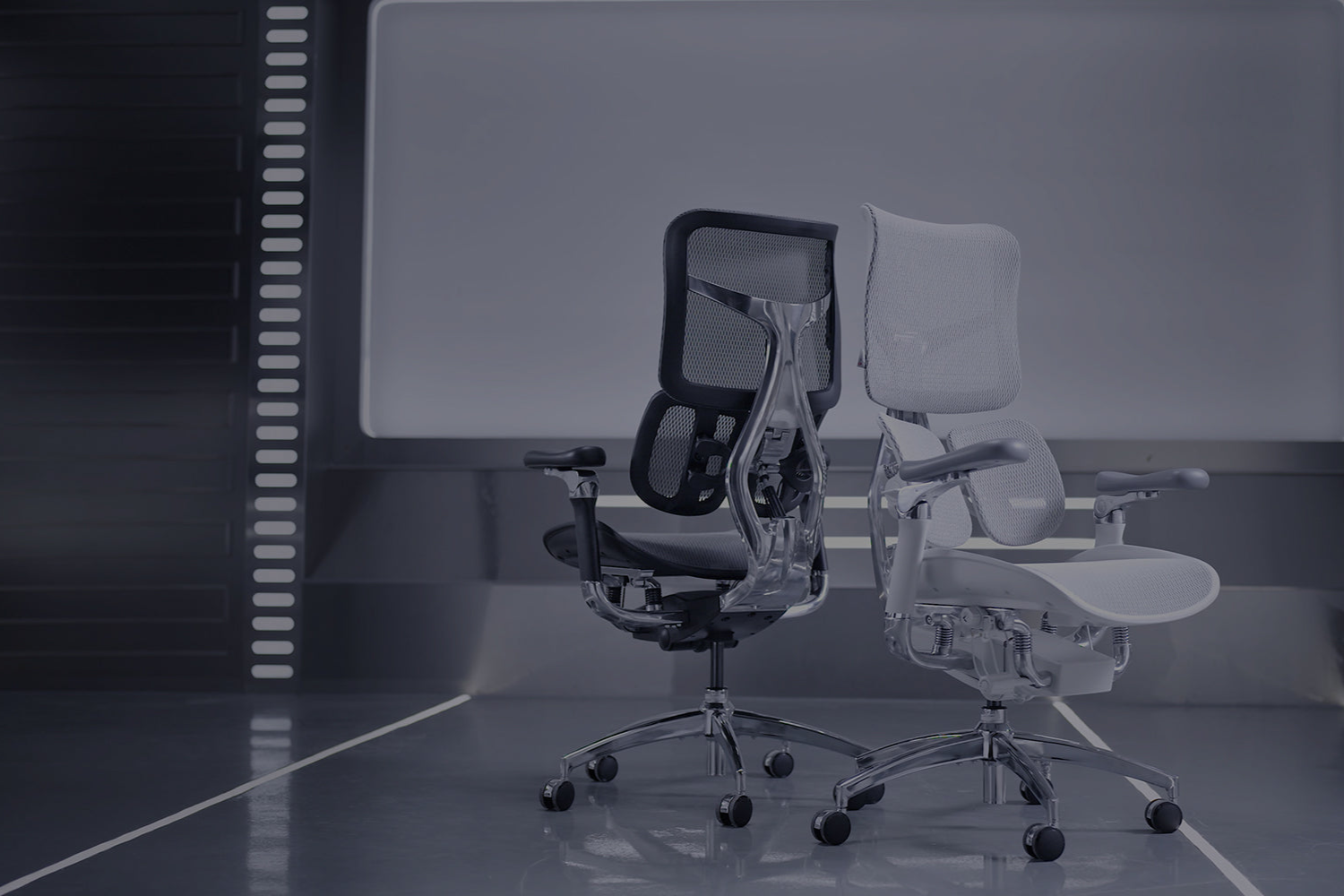
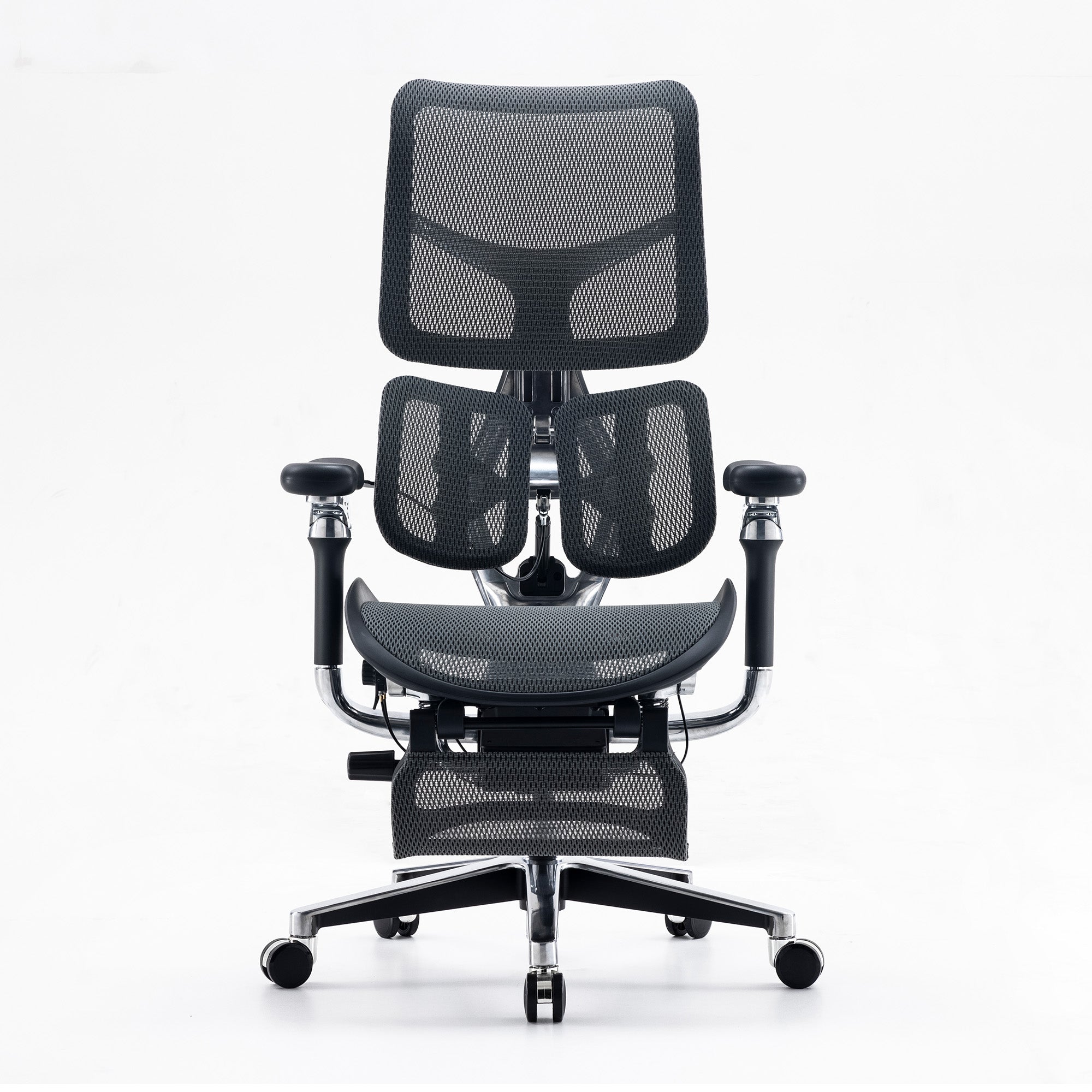
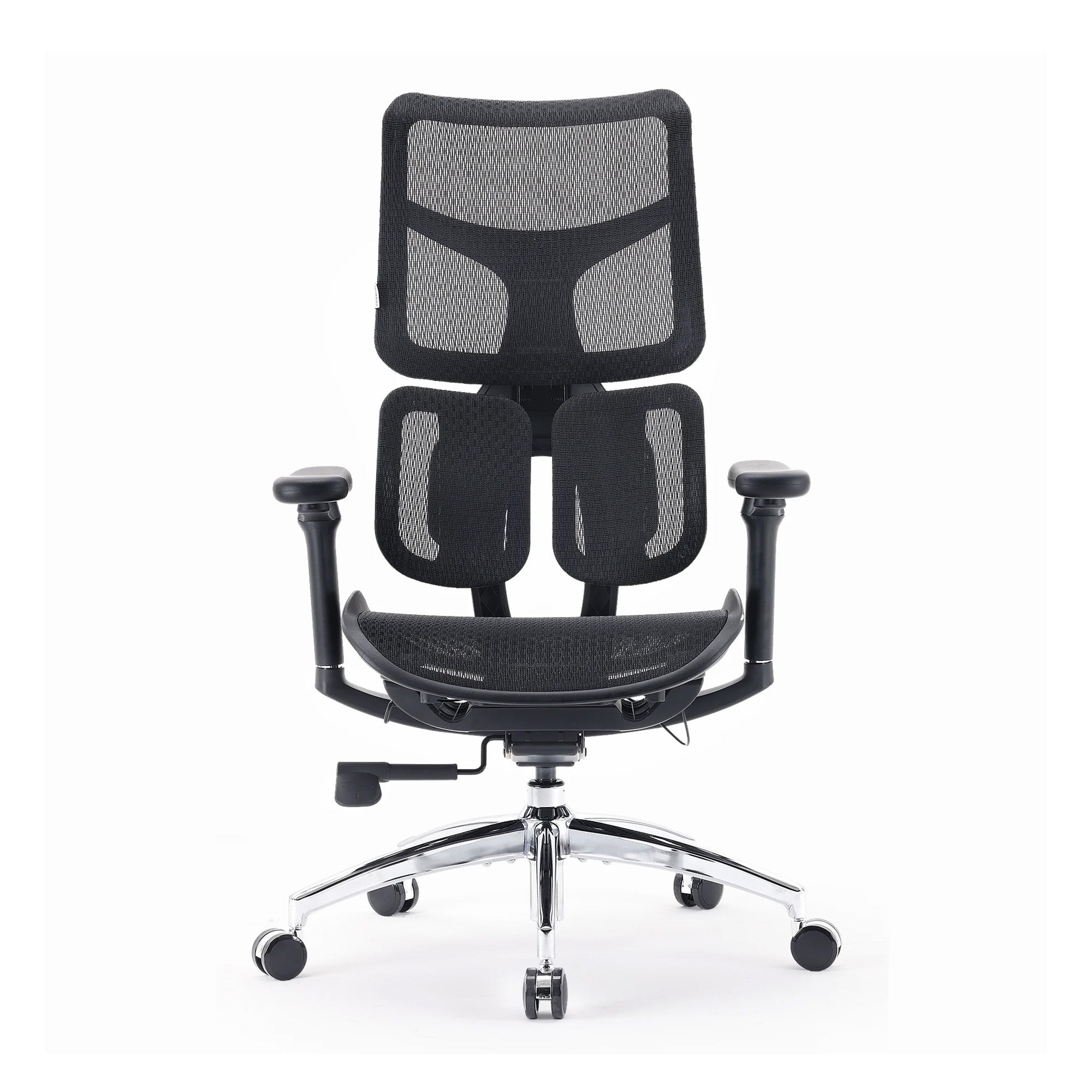
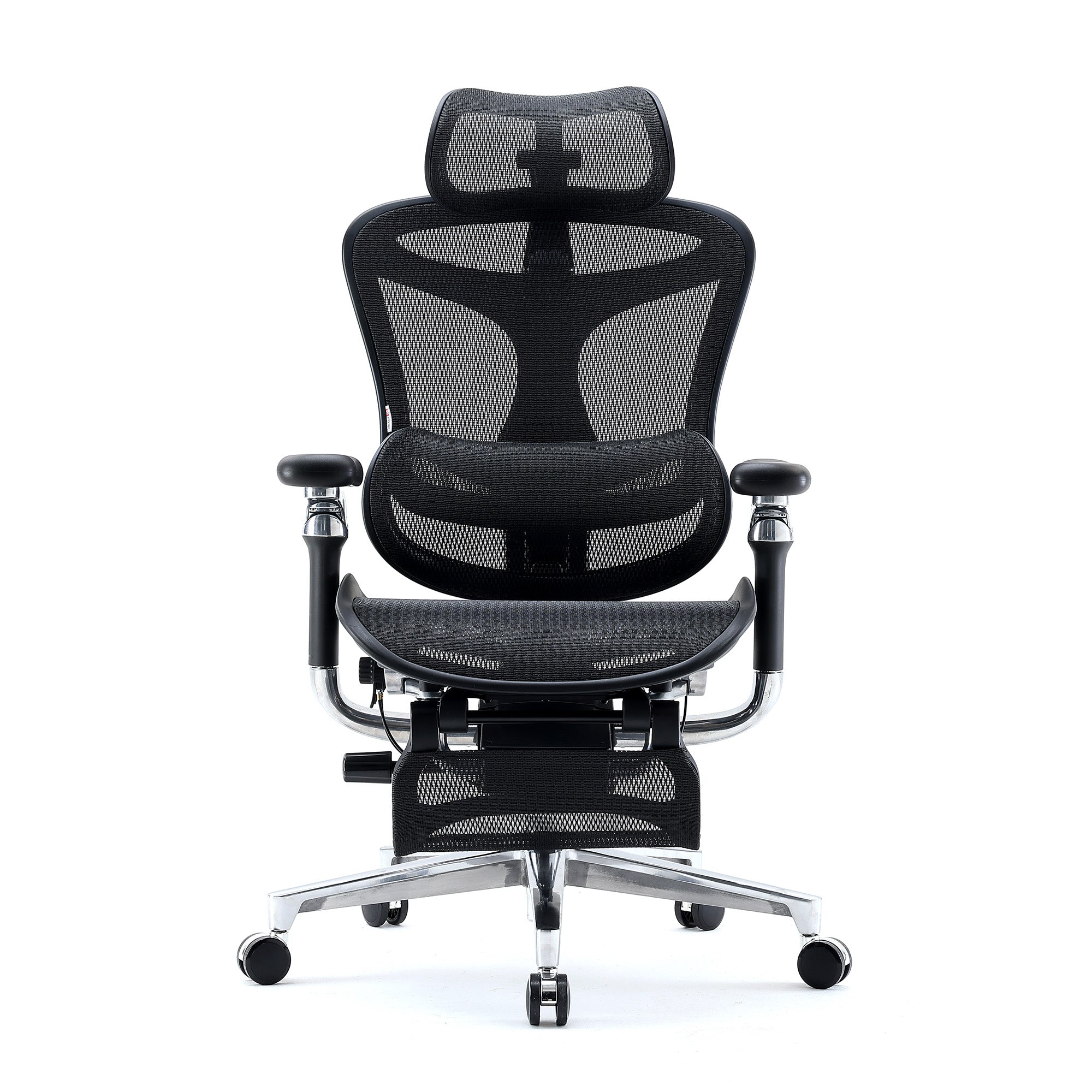
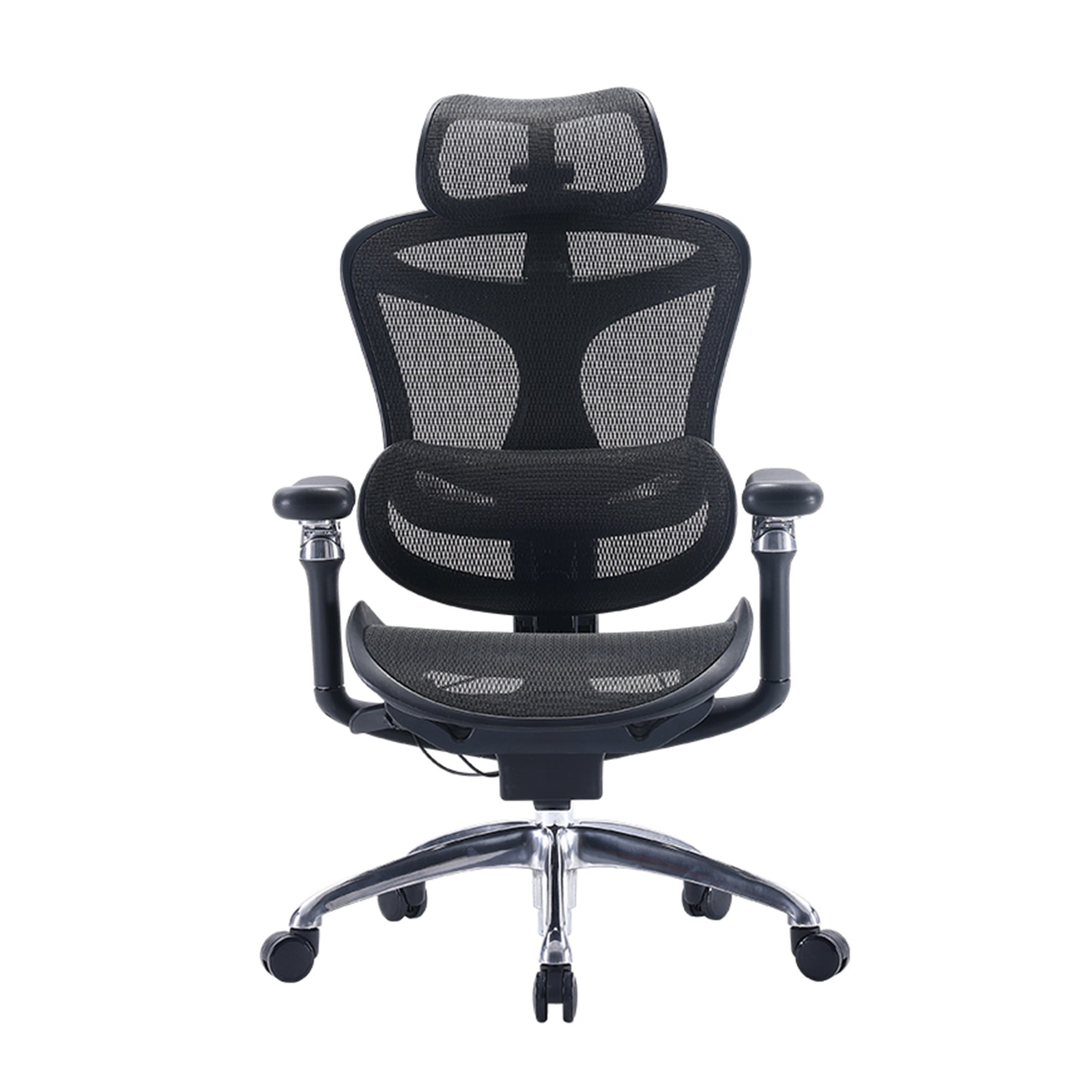
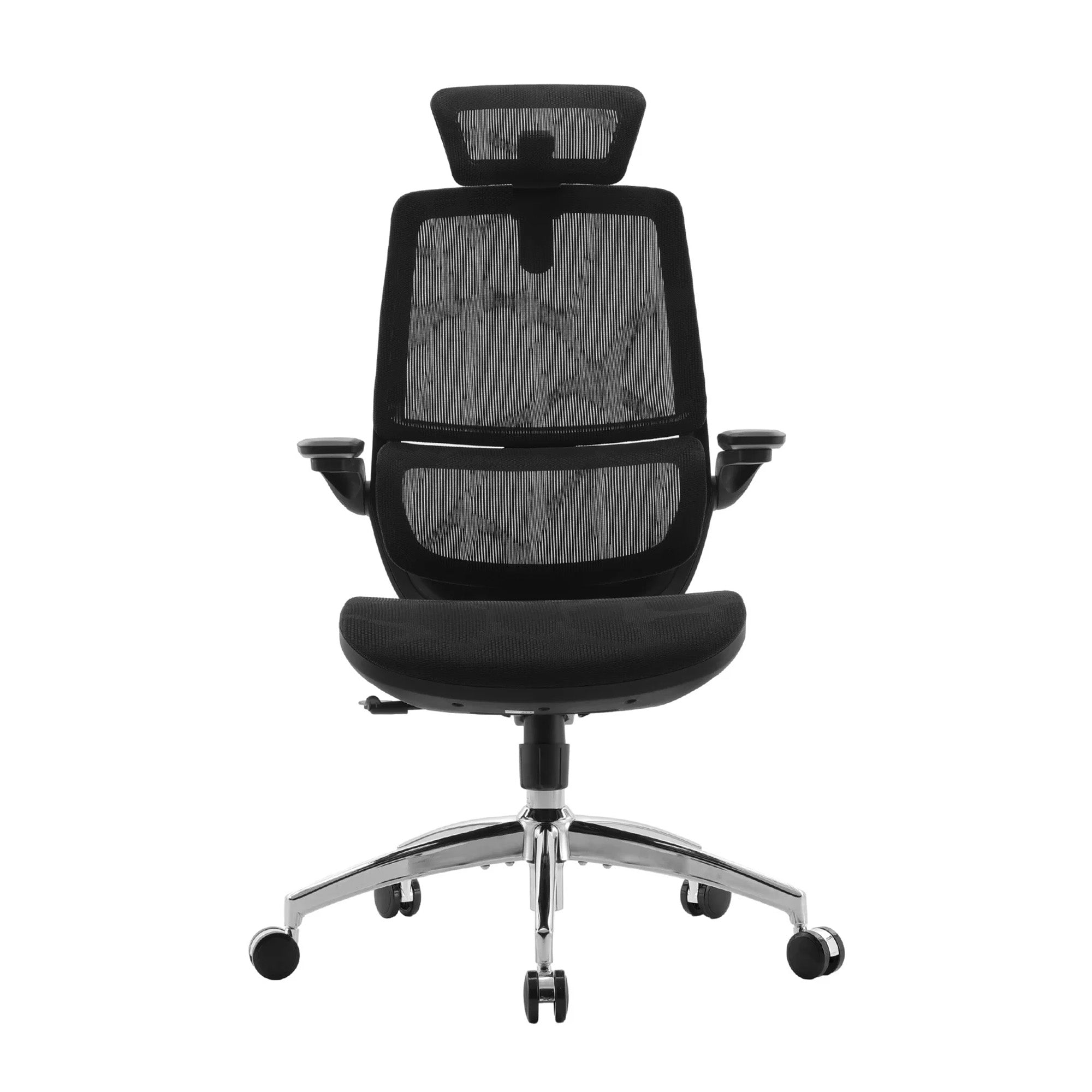
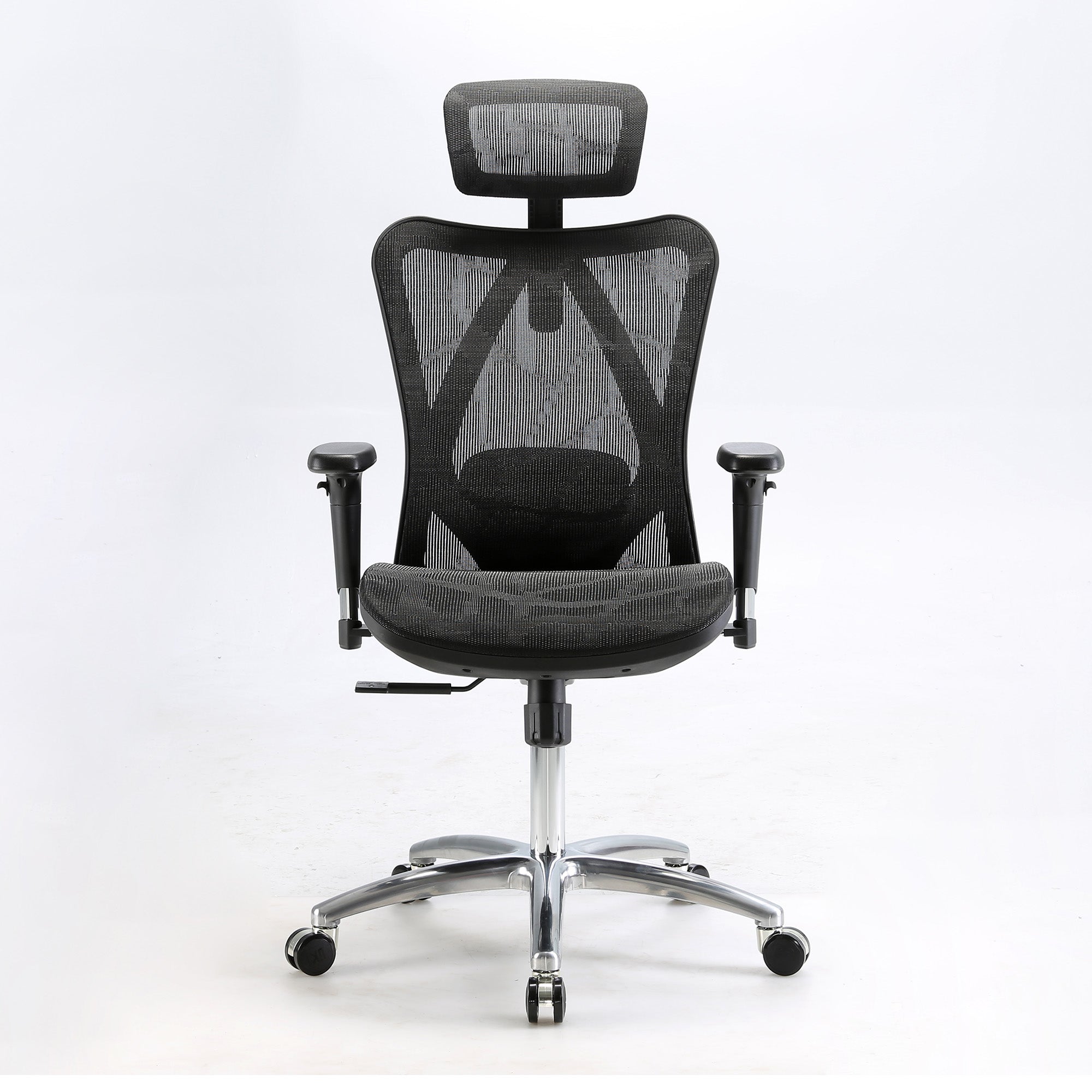
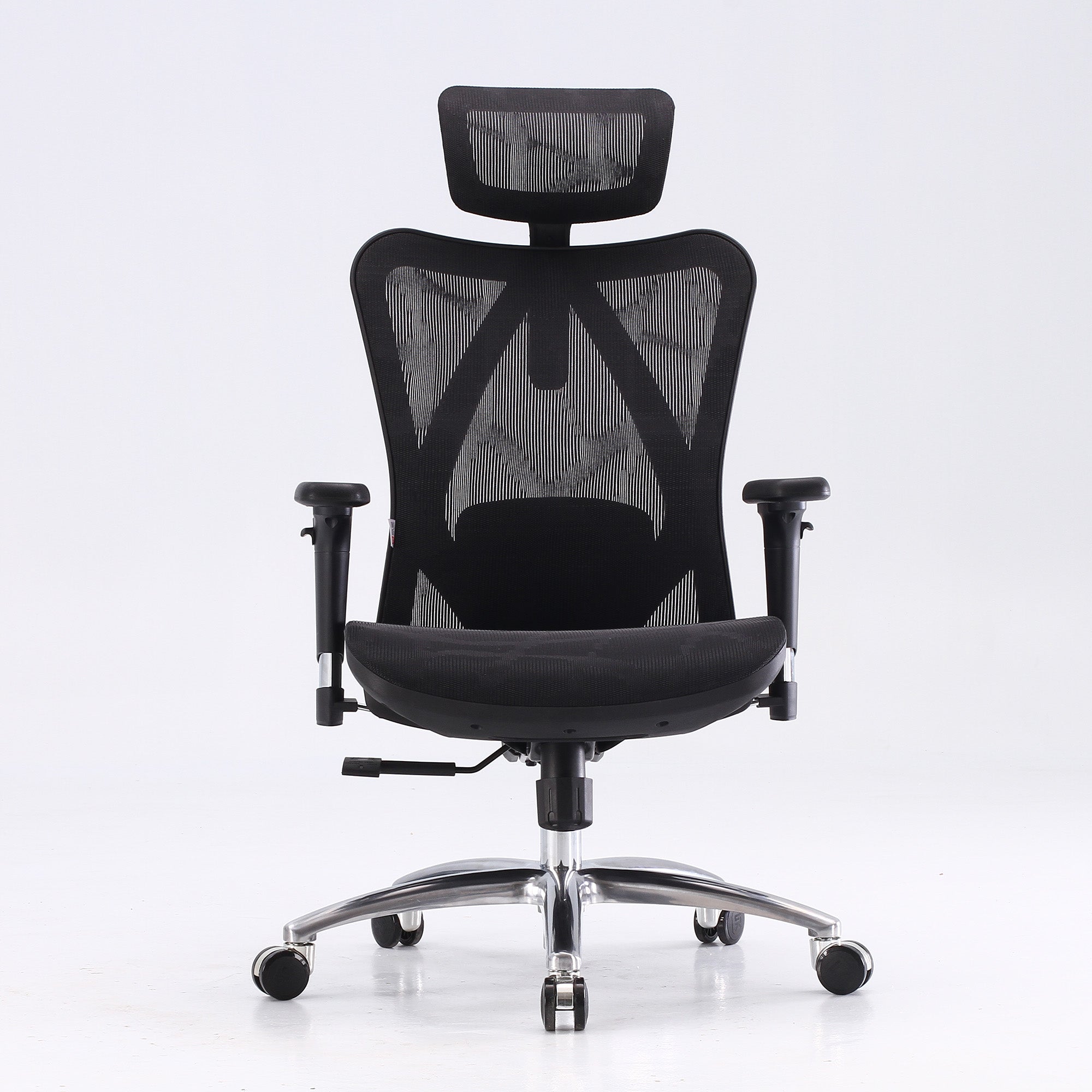
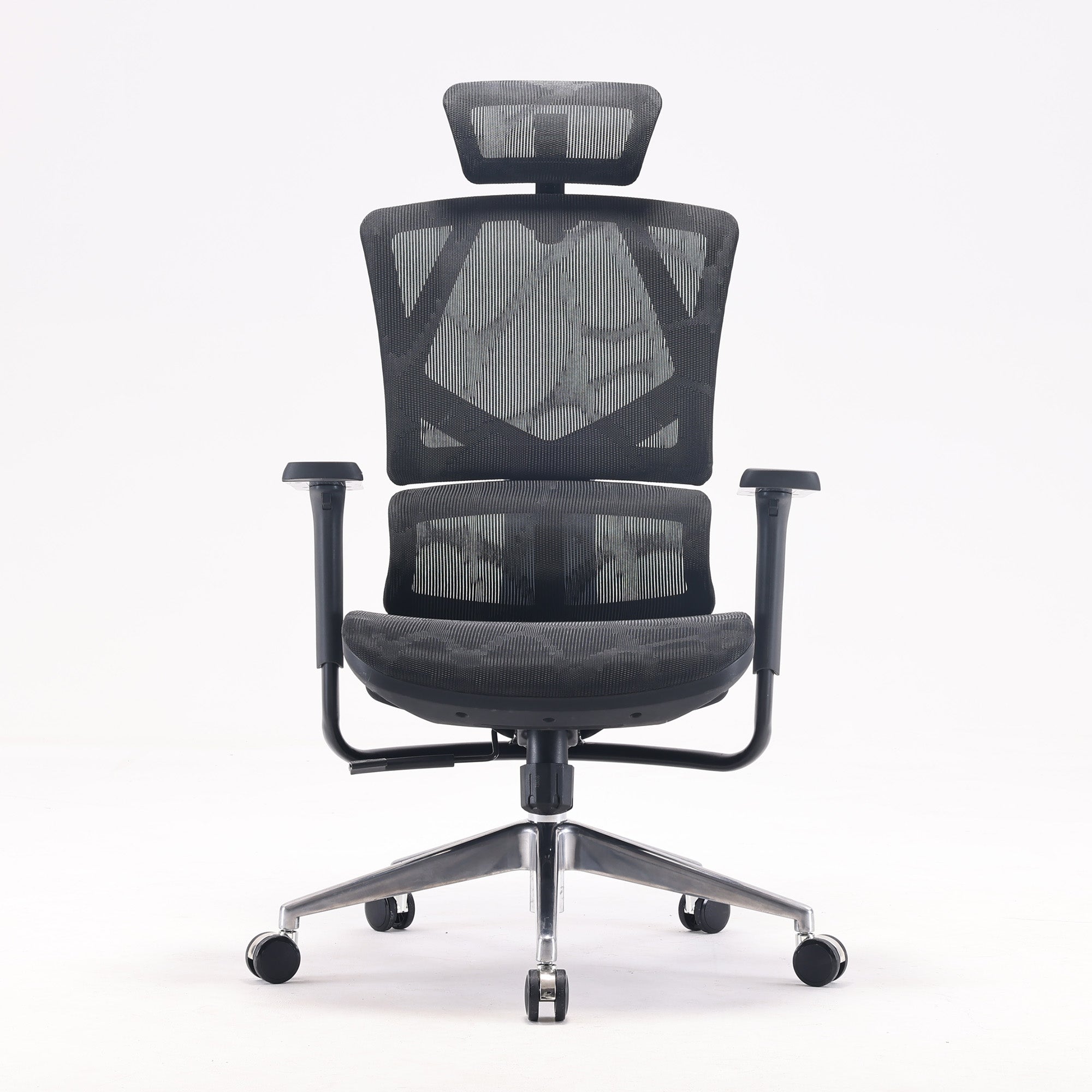
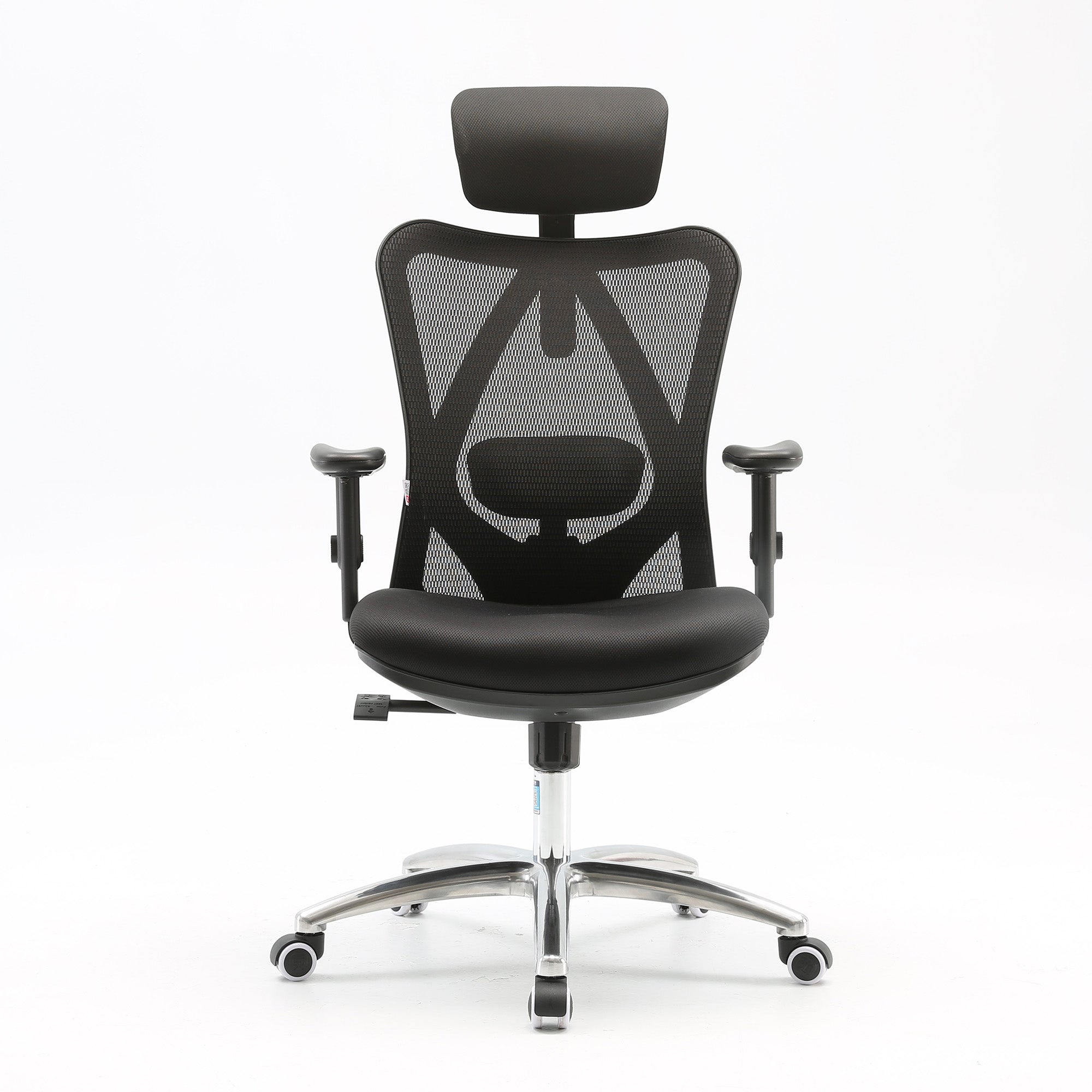
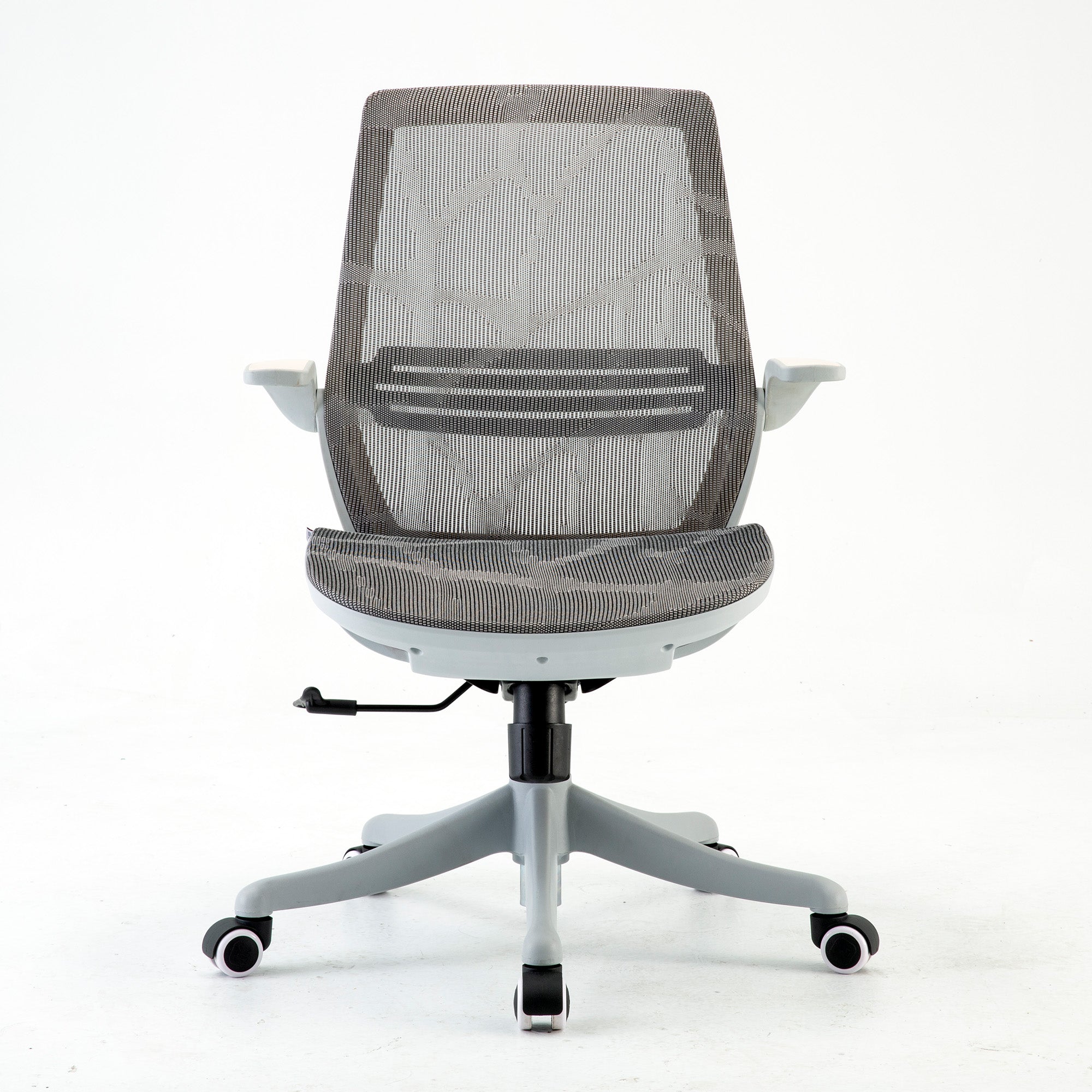
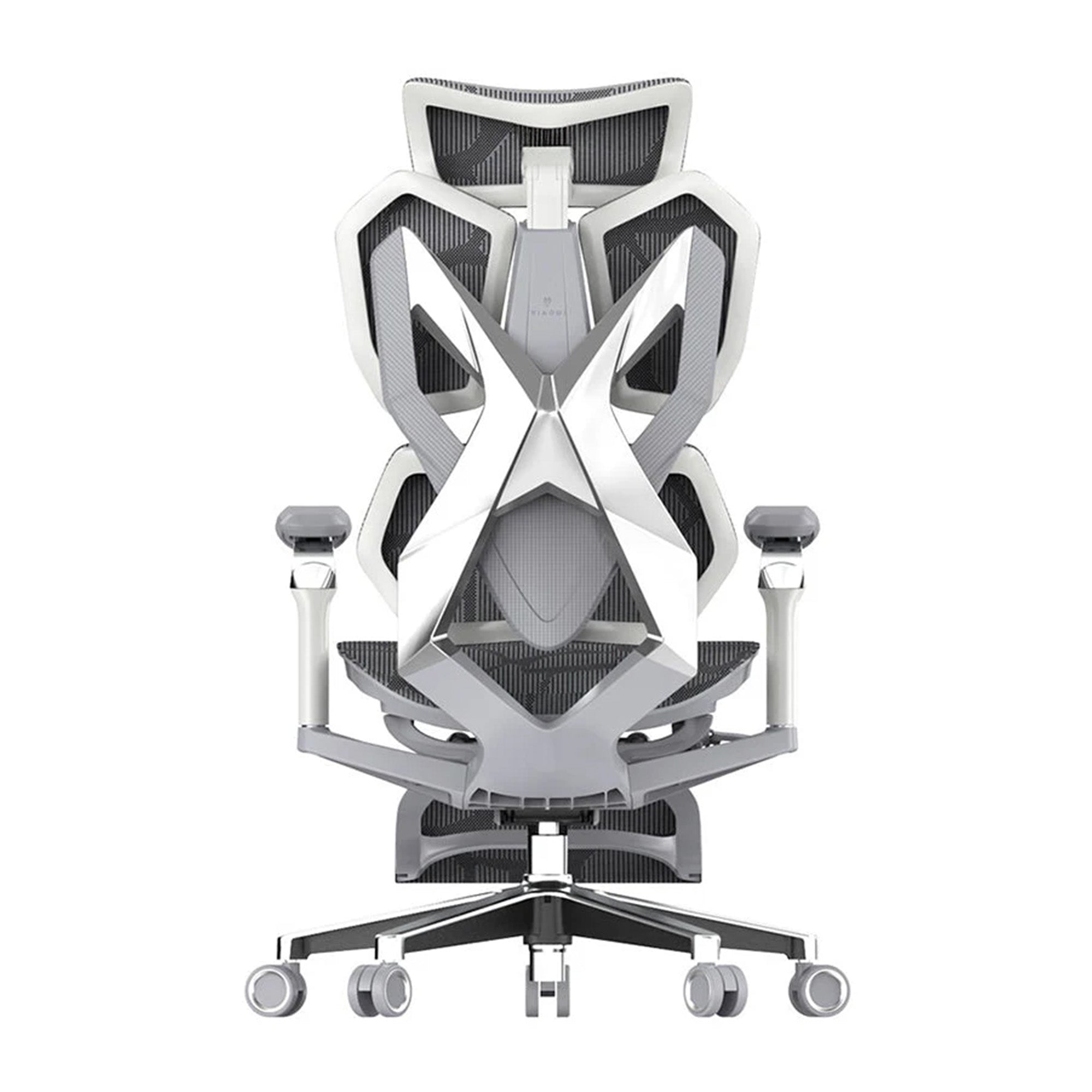
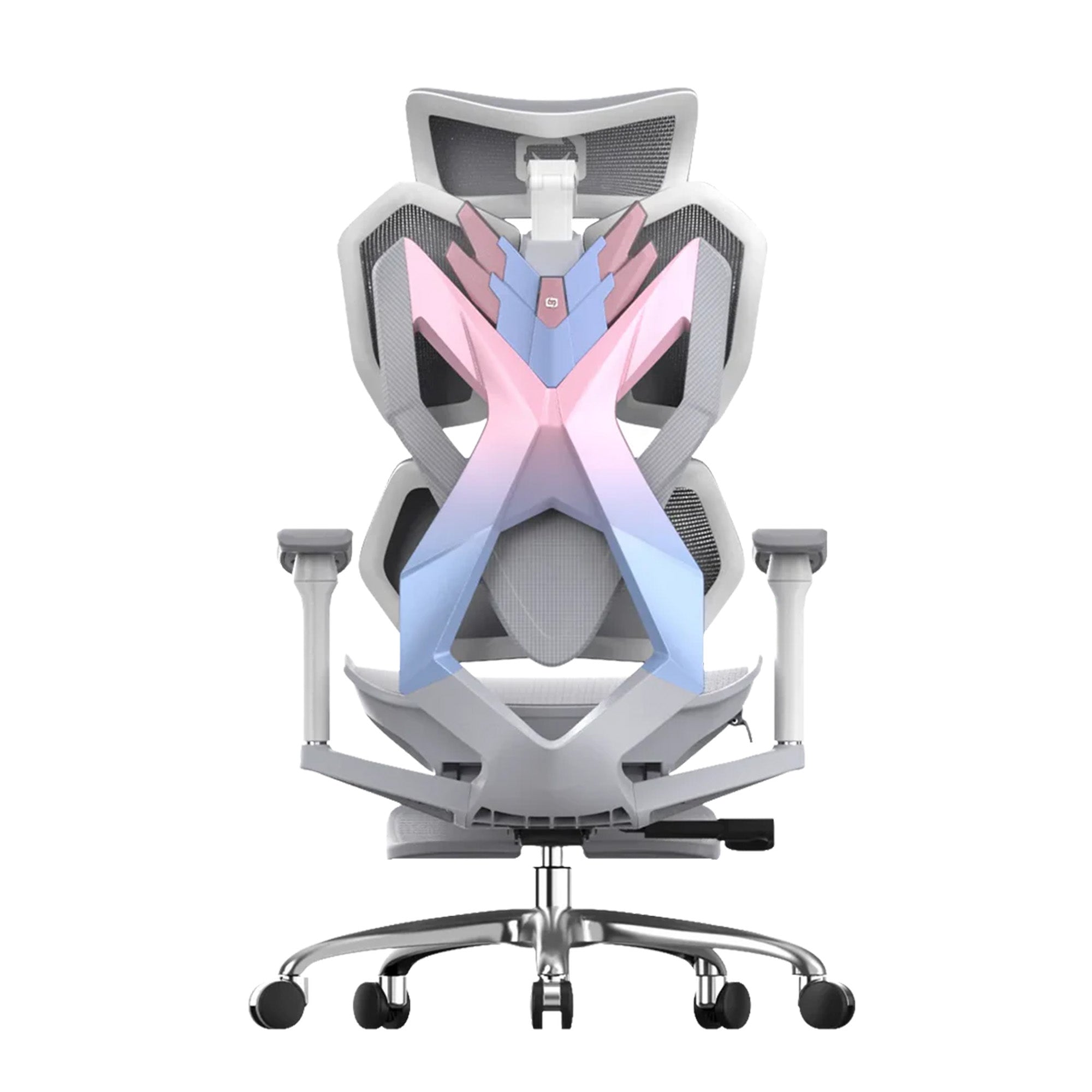
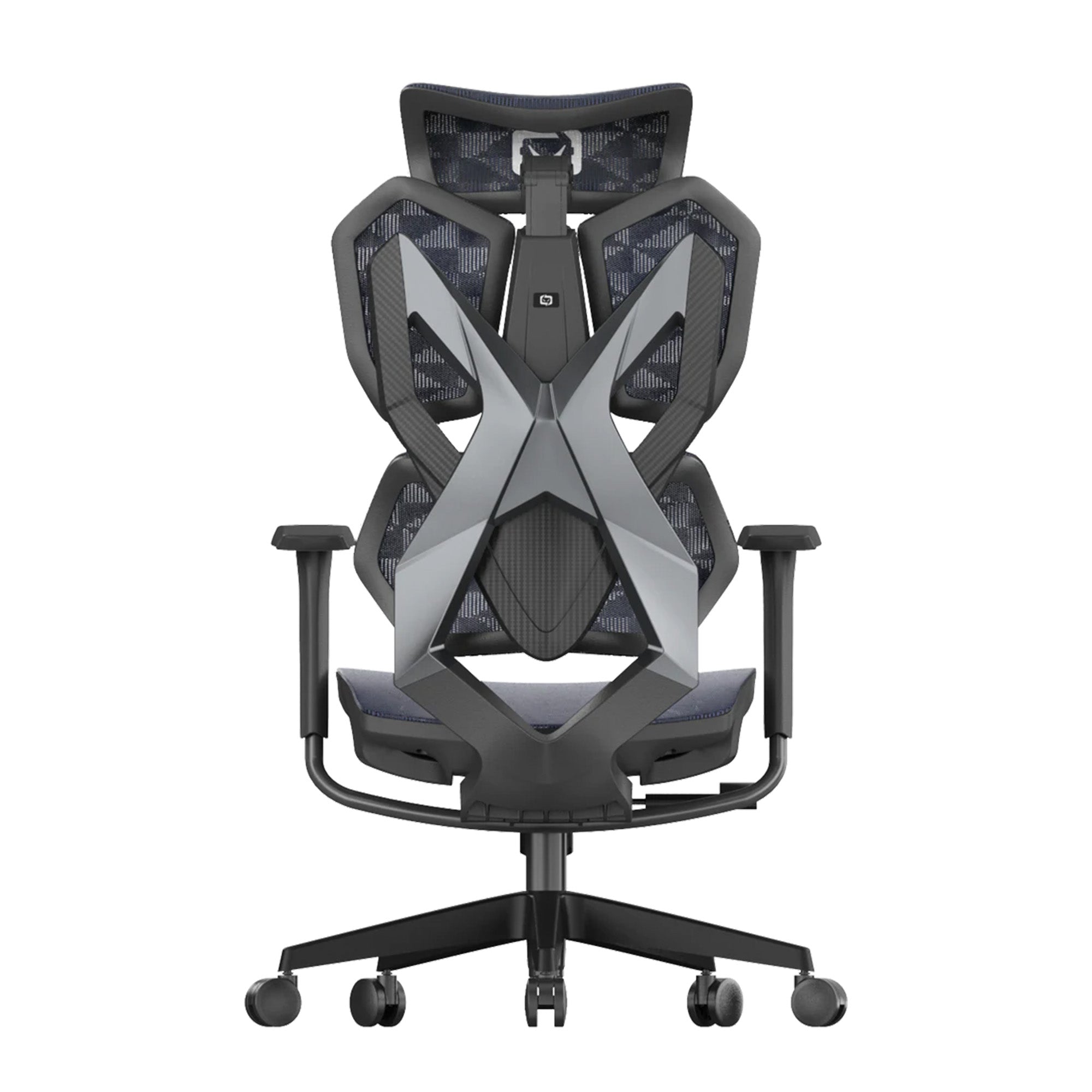
Of all the ergonomic interventions available to an office, seating has the highest return on investment for a seated workforce because it is the piece of equipment that interacts with the employee's body for the entire working day. A well-specified ergonomic chair with adjustable lumbar support, seat height, seat depth, and 3D or 4D armrests addresses the majority of the physical risk factors associated with prolonged sitting.
The key features to prioritise for an office environment are adjustable lumbar support that moves to match different spine shapes, seat height adjustment that covers a range suitable for your team's height distribution, and armrests that can be positioned to keep shoulders relaxed regardless of desk height. For teams with significant height variation, seat depth adjustment becomes important to ensure the chair fits users on both ends of the range.
For offices procuring chairs at scale, the guide to the best office chairs for long hours of sitting covers what to look for when buying for a team rather than an individual, including how to balance adjustability range, durability, and cost per seat.
Build a Maintenance and Review Schedule
Ergonomic improvements do not hold their value without maintenance. Chairs wear out. Staff change. New employees start in roles without being shown how to adjust their workstation. An annual workstation review — combined with a simple onboarding step that introduces new staff to their chair adjustment options on their first week — keeps the improvements you invest in working as intended.
Chair maintenance is also worth building into the schedule. A chair that is uncomfortable because it is dirty, worn, or mechanically compromised provides less support than it was designed to. The adjustment mechanisms need to be checked, the mesh needs to be cleaned, and the castors need to be free of debris. This is straightforward to manage with a basic quarterly maintenance routine.
Sihoo Australia has published a full care guide covering how to clean and maintain a mesh office chair properly, including which products to use, what to avoid, and how often different cleaning tasks should be carried out.
Train Employees to Use Their Equipment
One of the most consistently overlooked factors in workplace ergonomics programs is training. Research has shown that a significant proportion of office workers do not know how to adjust their chair correctly and do not use the lumbar support. An organisation that invests in good chairs but does not ensure employees know how to use them is leaving a meaningful portion of that investment on the table.
Training does not need to be a formal session. A five-minute walkthrough with a new employee covering seat height, lumbar support positioning, armrest adjustment, and recline tension is enough to ensure the chair performs as intended. A printed or digital quick-reference card placed on or near the chair for the first few weeks reinforces the setup without requiring ongoing manager involvement.
What the Return on Investment Looks Like
The Financial Case for Employers
Research cited by the Washington State Department of Labor and Industries found that for every dollar invested in ergonomic interventions, businesses typically see a return of $3 to $6 through increased productivity and reduced injury-related costs. Companies that implement ergonomic solutions have seen reductions in absenteeism due to musculoskeletal disorders of around 67 percent and productivity improvements of around 15 percent in studies tracking these outcomes.
For an office of 20 people where the average salary is $70,000 per year, a 15 percent productivity improvement across the team represents $210,000 in additional effective output annually. Against the cost of upgrading seating across that team, the payback period is typically measured in weeks or months rather than years. Even a conservative productivity improvement of five percent represents a meaningful financial return against the cost of proper ergonomic seating.
Beyond the direct productivity figure, the WHS cost reduction has its own financial logic. Preventing even one serious musculoskeletal claim in a small team saves an average of $65,000 in direct compensation costs, not counting indirect costs. A comprehensive ergonomic seating upgrade for a team of 20 people costs a fraction of a single serious claim.
The Business Case Beyond the Numbers
There is also a dimension of the ergonomics investment that does not appear in a spreadsheet but shapes business performance in meaningful ways. Employees who work in physical environments that are designed to support them report higher job satisfaction, stronger engagement, and greater loyalty to their employer. These outcomes affect recruitment success, retention rates, and the quality of discretionary effort — the extra contribution that engaged employees make that disengaged employees do not.
Eliminating workplace injury is not achievable entirely through ergonomics alone. But building a workplace environment where physical comfort is taken seriously, where the setup is maintained, and where employees feel their wellbeing is a priority creates the conditions for a workforce that performs at a higher and more consistent level. That is the core case for ergonomics as a business investment rather than a compliance cost.
For businesses thinking about how to approach this practically, the office ergonomics checklist for businesses is a useful reference for conducting a structured review of your current setup.
Sources Referenced
-
Safe Work Australia, Key Work Health and Safety Statistics Australia 2025 — safeworkaustralia.gov.au
-
Safe Work Australia, Safer, Healthier, Wealthier: The Economic Value of Reducing Work-Related Injuries and Illnesses
-
Australian Chiropractors Association (ACA), WorkSpace Week 2024 Media Release — chiro.org.au
-
University of South Australia, Psychosocial Safety Climate Global Observatory, Safety Science, 2024 — doi:10.1016/j.ssci.2024.106602
-
Thomas SE, Denny AM, Yeldo AS, Optimising Work Environment: An Integrative Study of Ergonomic Interventions and Their Impact on Contemporary Workplace Productivity, Journal of Ergonomics Research, April 2025
-
ABC Money, The Economic Case for Ergonomics in the Modern Workplace, May 2025 — abcmoney.co.uk
-
BOSTONtec / NC State University Ergonomics Center, Employee Productivity Statistics — ergonomic workstation research
-
SafeWork NSW, Cost per Serious WHS Claim Data 2018-2023
-
Australian Bureau of Statistics, Work-Related Injuries 2021-22 — abs.gov.au
-
Howden Group, What Australia's 2025 Work Health and Safety Data Means for Employers — howdengroup.com
Shop products from this article


Save up to 49% this Click Frenzy Sale. Pay in 4 interest-free instalments with Afterpay.
SHOP NOWRecommended Posts


