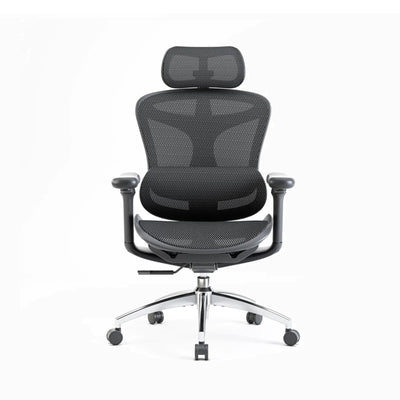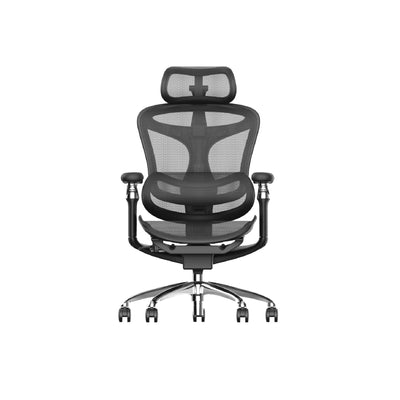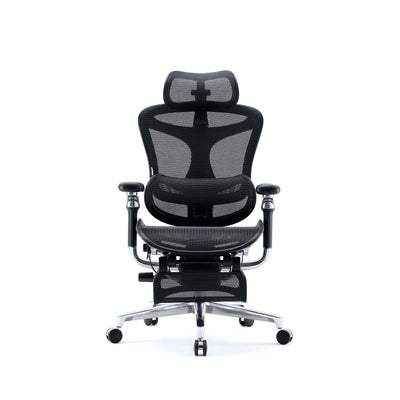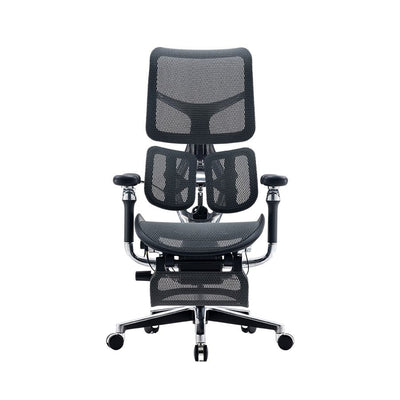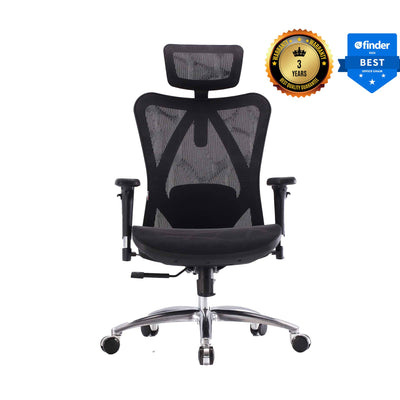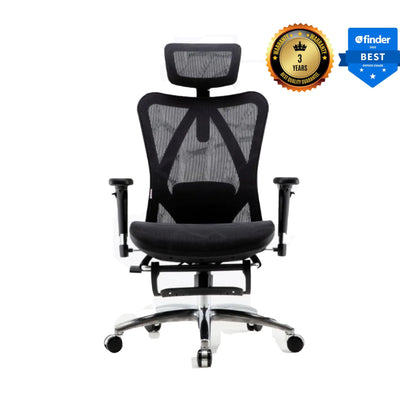

With more individuals than ever working from home or spending long hours at a desk, a good ergonomic chair is vital. But even the best ergonomic chairs can only do so much if they are not used properly. In this blog, we'll explore some common mistakes to avoid when using ergonomic chairs. Whether it's due to a lack of understanding about how to adjust the chair to fit your body or simply overlooking the importance of regular movement, being aware of these issues can help you maximise the benefits of your chair.

Signs That You May Be Using Your Ergonomic Chair The Wrong Way
Identifying signs that you may be using your ergonomic chair incorrectly is crucial for maintaining a comfortable and supportive workspace. Here are some indicators that you might need to change the way you’re using your chair:
- If you consistently experience discomfort or stiffness, it could be a sign that your ergonomic chair is not properly adjusted or suited to your body.
- If you find yourself slouching, leaning forward or hunching over frequently, your chair may not be providing enough support.
- If your feet dangle or if there's excessive pressure on the back of your thighs, it suggests that the chair height or seat depth may be incorrect for your body proportions.
- Constantly adjusting your position to see your monitor or experiencing eye strain might be a sign that your chair's height is incorrect.
Regularly assess your sitting experience and be mindful of any discomfort. If you notice any of these signs, take the time to readjust your chair settings or consider investing in a new ergonomic chair that better suits your body and working habits.
If you’ve noticed any of these signs, here are common mistakes to avoid when using ergonomic chairs and tips on how to maximise the benefits of your ergonomic chair:
Ignoring Lumbar Support
Imagine your spine as a tall tower of building blocks. The blocks at the bottom represent your lower back or lumbar region. If those lower blocks are wobbly or not well-supported, the whole tower becomes unstable, and you might experience discomfort.
In an ergonomic chair, lumbar support is like a customised cushion specifically designed to keep those lower building blocks in place. Ignoring this lumbar support is like taking away that cushion — it leaves your lower back vulnerable and unsupported.
Tip: Most ergonomic chairs allow you to adjust the lumbar support. Take the time to find the right height and depth to match the natural curve of your spine.
Overlooking The Armrests
The whole idea of an ergonomic chair is to make your workspace comfortable and efficient. Ignoring the armrests is like leaving out a crucial tool — it makes the job harder. If your arms are constantly unsupported, you might find yourself hunching over or reaching too far.
Tip: Set your chair up so that your arms are comfortably parallel to the ground. Also, ensure the armrests aren't too wide or narrow. They should comfortably support your arms without making you feel cramped or like you're reaching too far.
Wrong Seat Height
If your chair is too high or too low, your legs might feel strained or dangling uncomfortably. This can lead to fatigue and distraction. An incorrect seat height can also affect the blood flow to your legs and feet, leading to discomfort and numbness.
Tip: When you sit, your feet should comfortably touch the ground. If they dangle or if you have to tiptoe, adjust the seat height. Your thighs should be parallel to the floor. If your knees are higher or lower than your hips, it's time to adjust your seat height.
Sitting Too Long Without Movement
One of the most common mistakes to avoid when using ergonomic chairs is thinking that you can remain stationary the whole day. Even in the most ergonomic chair, sitting puts pressure on your spine. If you stay in one position for too long, it's like asking your back to do overtime without a break.
Tip: Stand up, stretch and move around for a few minutes every hour. Simple stretches at your desk can also do wonders. Reach for the sky, touch your toes or rotate your wrists and ankles.
Choosing The Wrong Seat Size
Opting for the wrong seat size is a common pitfall when using ergonomic chairs. Just like sitting too long, selecting an ill-fitting chair can lead to discomfort and potential health issues. If the seat is too large or too small, it can negatively impact your posture and overall comfort.
Tip: Ensure your chair provides proper support by choosing the right seat size. Don’t forget to try out an ergonomic chair in person or check the dimensions if you’re shopping online.
Forgetting To Reassess Your Needs
As children grow, their body proportions change, affecting the way they interact with their chairs. A chair that was once suitable may no longer provide the necessary support for their evolving physique. The same principle applies to adults, especially if you experience shifts in weight, posture or health conditions, leading to back pain and discomfort.
Tip: If your current chair no longer aligns with your body's requirements, consider purchasing a new ergonomic chair that may be a better fit.
In conclusion, while ergonomic chairs are designed to support you, their effectiveness depends on proper use. By knowing the common mistakes to avoid when using ergonomic chairs we've outlined — such as neglecting to adjust your chair to fit your body, forgetting to take regular breaks or sitting in the same position for extended periods — you can harness the full potential of your ergonomic chair.
Shop Our Range Of Ergonomic Chairs At SIHOO
Embrace the ultimate sitting experience with SIHOO's range of ergonomic office chairs, designed to keep back pain and discomfort at bay. Say goodbye to hunching and hello to improved posture and increased productivity. Whether you're tackling long hours at your desk or looking for a healthier way to work, SIHOO's ergonomic chairs are your solution.
Frequently Asked Questions
To use an ergonomic chair correctly, adjust the seat height so your feet rest flat on the floor and your thighs are parallel to it. Align the lumbar support with the natural curve of your lower back, and position the armrests so your elbows rest comfortably at a 90-degree angle. Ensure your monitor is at eye level to avoid hunching, and sit with your back fully supported by the chair. Remember to move and stretch regularly to avoid stiffness, even in the best ergonomic chair.
Lumbar support is crucial because it maintains the natural inward curve of your lower spine. Without it, your lower back can slouch, leading to discomfort, fatigue, and long-term postural problems. Adjustable lumbar support allows you to fine-tune the chair to your body, reducing strain and keeping your spine properly aligned throughout the day.
Even with the best ergonomic chair, staying seated in one position for too long can put pressure on your spine and muscles. It’s recommended to stand up, stretch, or walk around for a few minutes every hour. Simple desk stretches, such as reaching overhead, rotating wrists and ankles, or bending forward gently, can improve circulation, reduce stiffness, and maintain comfort.
Your ergonomic chair may be the wrong size if your feet dangle, your knees are higher or lower than your hips, or the seat feels too wide or narrow. An incorrect seat size can affect posture, reduce comfort, and create strain on your back and legs. To ensure proper fit, check the seat depth, width, and adjustability before buying, or test the chair in person whenever possible.
You should consider replacing your ergonomic chair if it no longer aligns with your body, shows visible wear, or fails to provide proper support. Changes in weight, posture, or health can make a previously suitable chair uncomfortable. Also, if adjustments no longer function smoothly or the cushioning has lost its resilience, investing in a new ergonomic chair is worthwhile for long-term comfort and spinal health.