


You are lower again.
It does not happen dramatically or all at once. You set the seat where you like it and get into an email. Twenty minutes later your elbows sit above the desk and your shoulders have crept up towards your ears. You lift the lever, the seat rises, and the whole thing starts again.
It is one of the most annoying faults a chair can develop, partly because it happens slowly enough to ignore. People put up with it for months, adjust their posture around it, and blame their back rather than the cylinder underneath them.
The good news is that the cause is simple and the decision is clear. Before you shop the Halloween Sale for a replacement ergonomic office chair, it is worth ten minutes to work out which of three situations you are actually in.
Why the Seat Drops While You Are Sitting On It
One part is responsible almost every time, which is good news, because it makes the diagnosis quick.
The gas lift is a sealed cylinder of pressurised nitrogen. When you press the lever, a valve opens and your body weight either pushes the seat down or the gas pressure lifts it up. Release the lever and the valve closes, holding the seat where it is.
When a chair sinks, that seal has failed. Gas escapes past it under load, so the seat slowly gives way while you sit. The lever still works, the chair still rises, and it still will not hold.
That is why the fault is progressive rather than sudden. A small leak drops you over twenty minutes, a larger one over two.
Two things matter here. The cylinder is a sealed unit, so the leak cannot be repaired and the part is simply replaced. Because it is pressurised, it is also not something to open, drill or cut.

The Safe Checks You Can Do Yourself
There are three checks worth running, and none of them involve opening, removing or dismantling anything.
Confirm it is the gas lift and not the lever. Set the seat to its lowest position and sit still for fifteen minutes. If it holds at the bottom but sinks from any height, the cylinder is leaking. If it moves even at the bottom, something is loose instead.
Check the lever linkage. With the chair empty, press the lever and listen. A clear hiss and smooth travel means the valve is working. No hiss and no movement can mean a disconnected cable, which is a different and cheaper problem.
Look for oil. A thin film of oil on the cylinder shaft is a strong sign the seal has gone. Wipe it clean, use the chair for a day, then look again.
Those three take about twenty minutes in total and they tell you what you are dealing with.
Now the part we would rather you did not skip. Do not attempt to remove, puncture, heat or cut a gas cylinder. It is under pressure and the failure mode is violent. The internet is full of hose clamp and duct tape workarounds, and they turn an adjustable chair into a fixed height one at best.
Check the Warranty Before You Buy Anything
This is the step most people skip, and it is the one that saves the most money.
Our product warranty policy runs for three years and names the hydraulic gas lift mechanism directly. It also covers the seat and backrest, armrests, base and castors, lumbar support, headrest and recline mechanism. Misuse and normal cosmetic wear are not covered.
So if your Sihoo chair is under three years old and the cylinder has failed on its own, that is a warranty matter rather than a shopping trip. Parts ship direct, so you never freight the whole chair back. The replacement part request form handles gas lifts, along with armrests, castors, bases, headrests and footrests.
We would rather send you a cylinder than sell you a chair you did not need. If you bought elsewhere, check that brand's cover with the same question. Not how long the warranty runs, but whether the gas lift is named in it.
Offices should check purchase dates across the floor before approving any replacement budget. Chairs bought at the same time often fail at the same time. A batch still under warranty is a very different conversation with finance.

When Replacing Makes More Sense Than Repairing
Once the chair is out of warranty, the decision comes down to four fairly practical questions.
|
Question |
Lean towards repair |
Lean towards replace |
|---|---|---|
|
How old is the chair? |
Under 5 years |
Over 7 years |
|
Is anything else failing? |
Only the cylinder |
Mesh sagging, armrests loose, base cracked |
|
Did it fit you properly? |
Yes, it was comfortable |
You were already compensating for it |
|
What is a cylinder plus fitting? |
A small share of a new chair |
Approaching half of a sale price chair |
The pattern is fairly straightforward once you lay it out. A cylinder on an otherwise sound chair that fits you well is worth replacing. A cylinder on a chair where the mesh has gone slack and the armrests rattle is money spent on the first of several repairs.
There is also a question worth asking honestly. Was the chair right for you before it failed? People often nurse a chair that never fit properly, because replacing it feels wasteful. A failed cylinder is a reasonable moment to stop.
What It Costs to Wait
This is worth being blunt about, because most people do wait, often for months.
A chair that sits two or three centimetres too low changes your whole desk position. Your elbows rise above the desk, so your shoulders lift to meet it and your wrists bend up towards the keyboard. Your screen is suddenly too high as well, so your neck tilts back to compensate.
None of that is dramatic on any single day. Over a few months of eight hour days it is a posture you did not choose and would not have chosen.
So the cost of waiting is not really the cylinder. It is the weeks spent working in a position that gets worse every twenty minutes, then resets, then gets worse again.

What a Replacement Should Actually Offer
If you are replacing, the fault you just lived through tells you what to look for.
A gas lift named in the warranty. You now know why this matters. Check the covered parts list rather than the headline duration.
Parts that ship to you. Whether a brand can send a cylinder, a castor or an armrest without collecting the chair decides how a future fault feels.
A seat height range that suits you with room to spare. If your setting was near the bottom or top of the old chair's travel, the cylinder was working at its limit every day. Choose a range where your height sits nearer the middle.
Enough adjustment to change position through the day. Recline locks let you shift load rather than holding one posture, which is easier on both you and the mechanism.
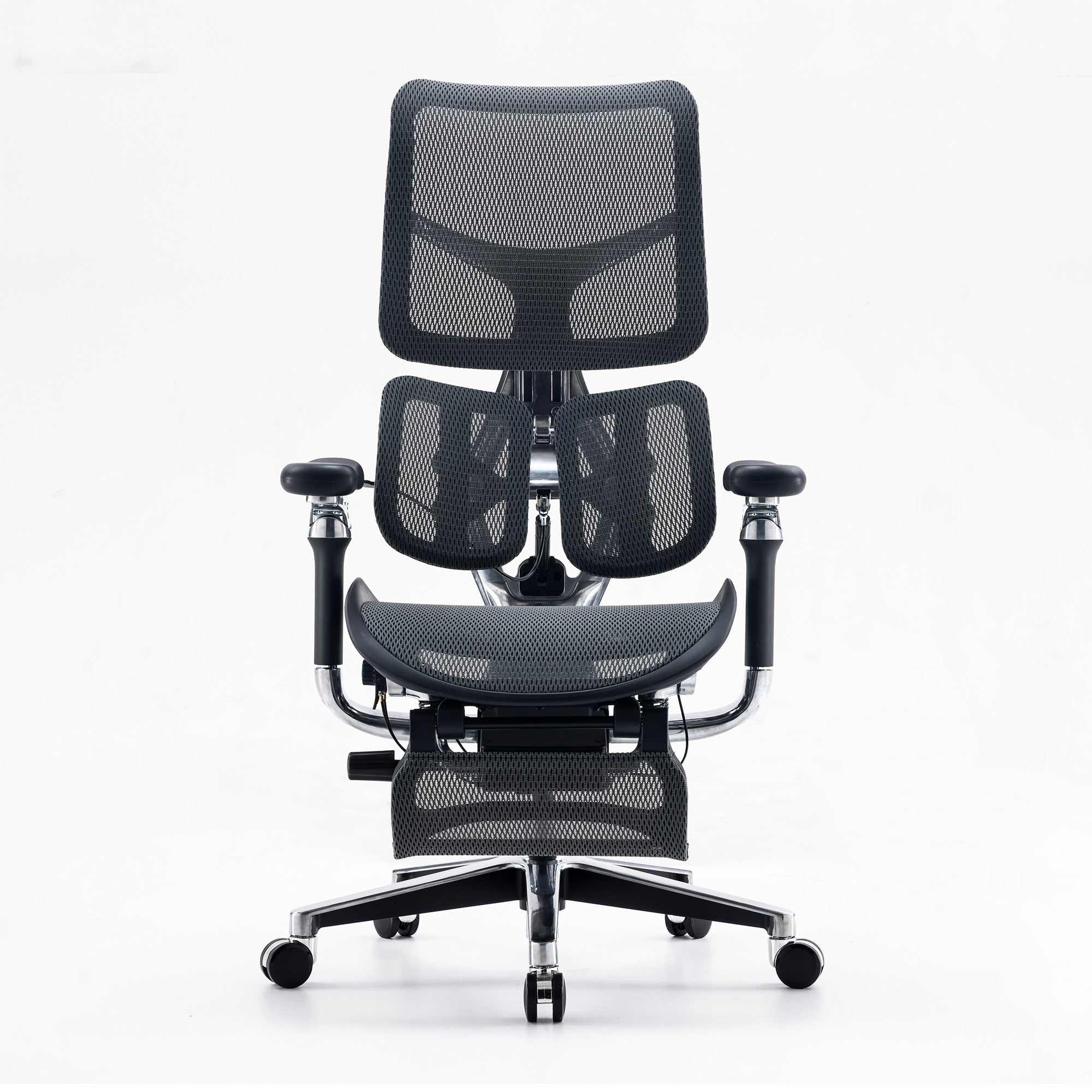
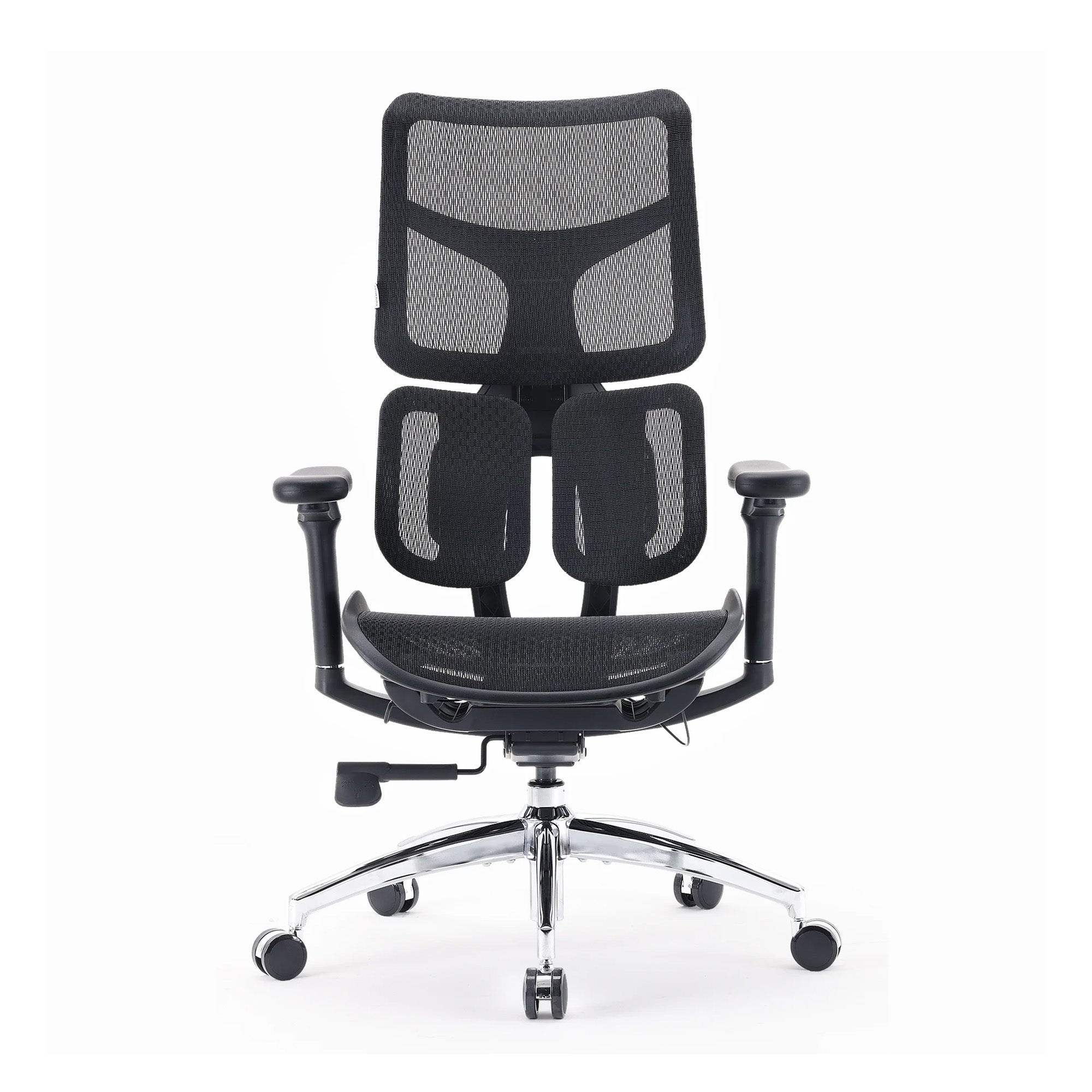
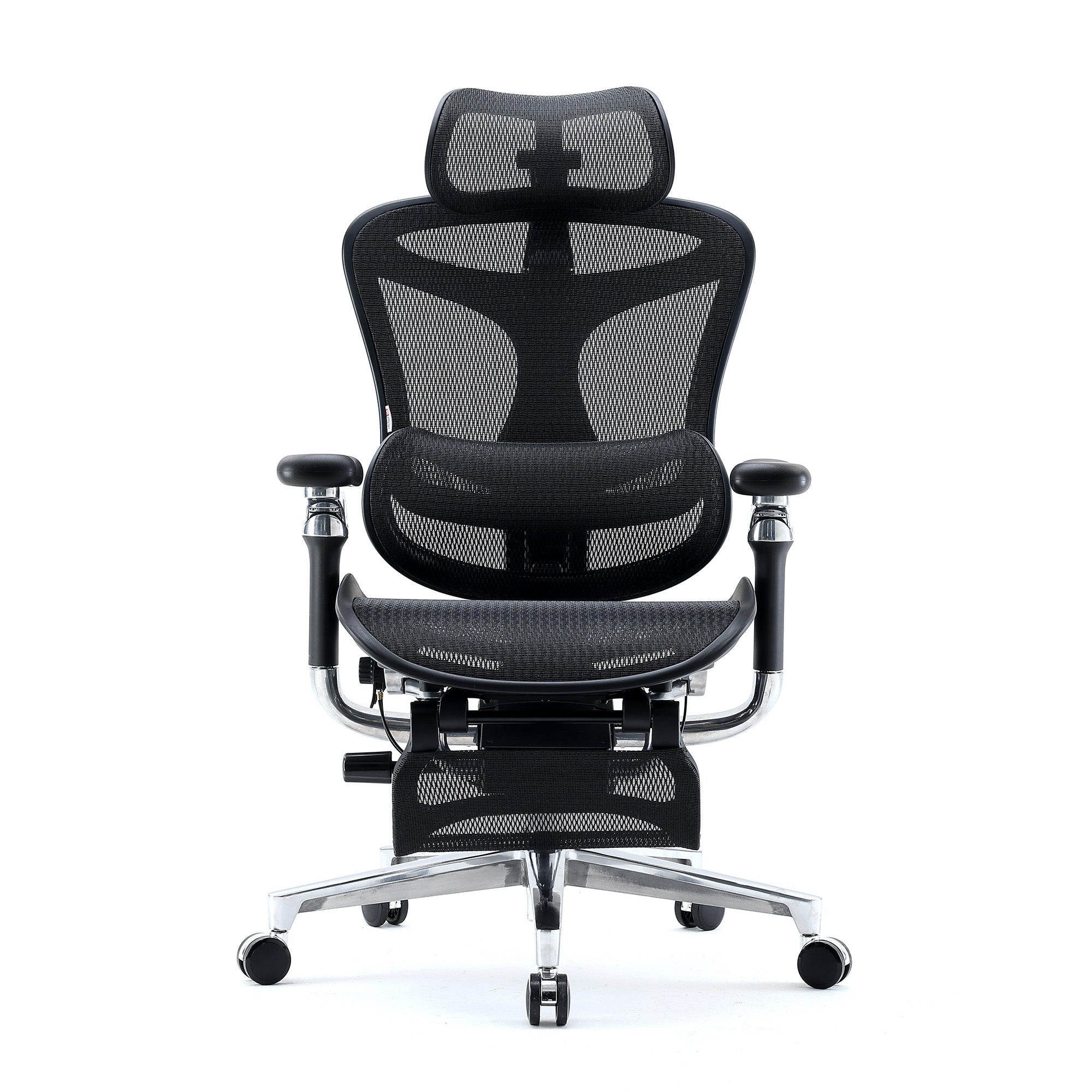
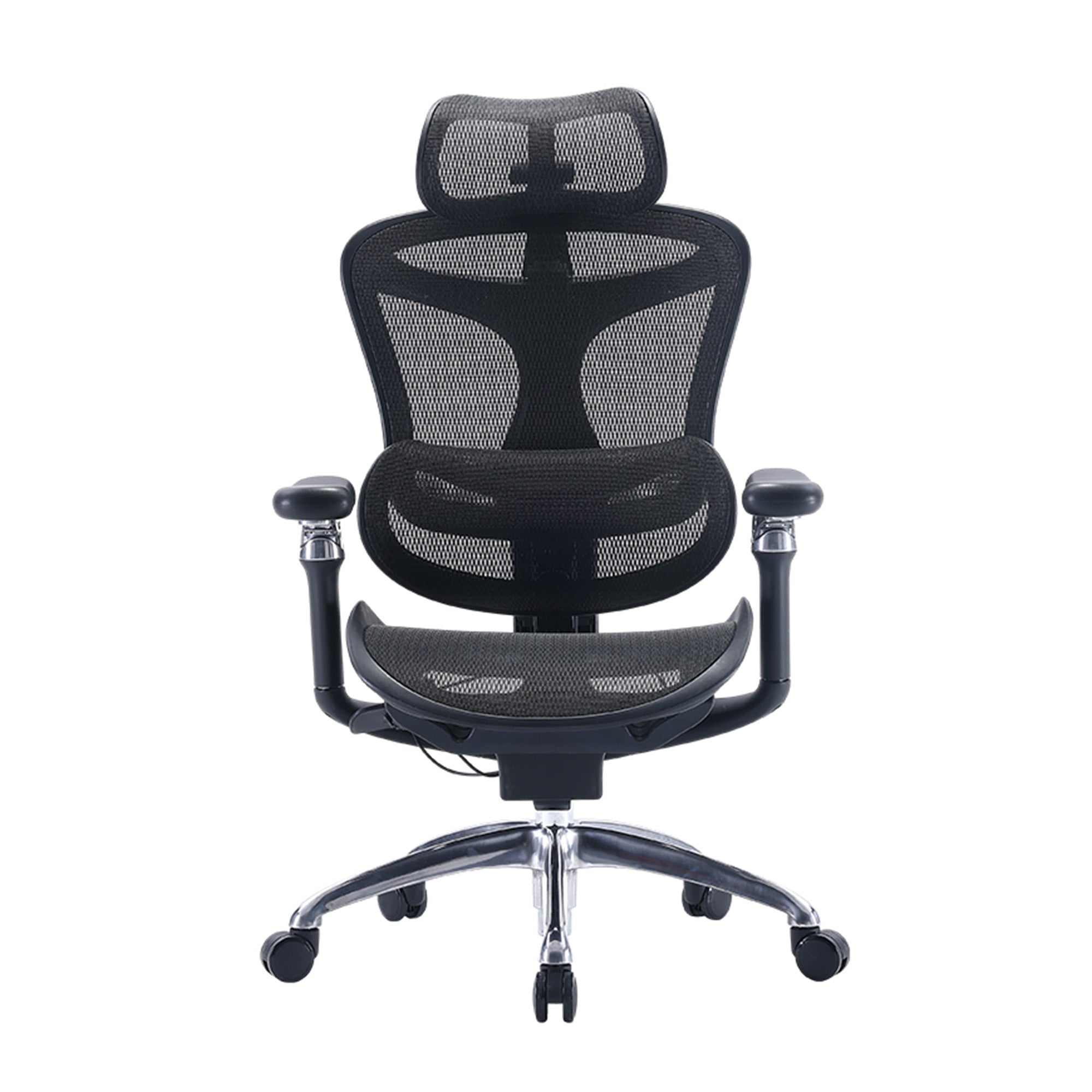
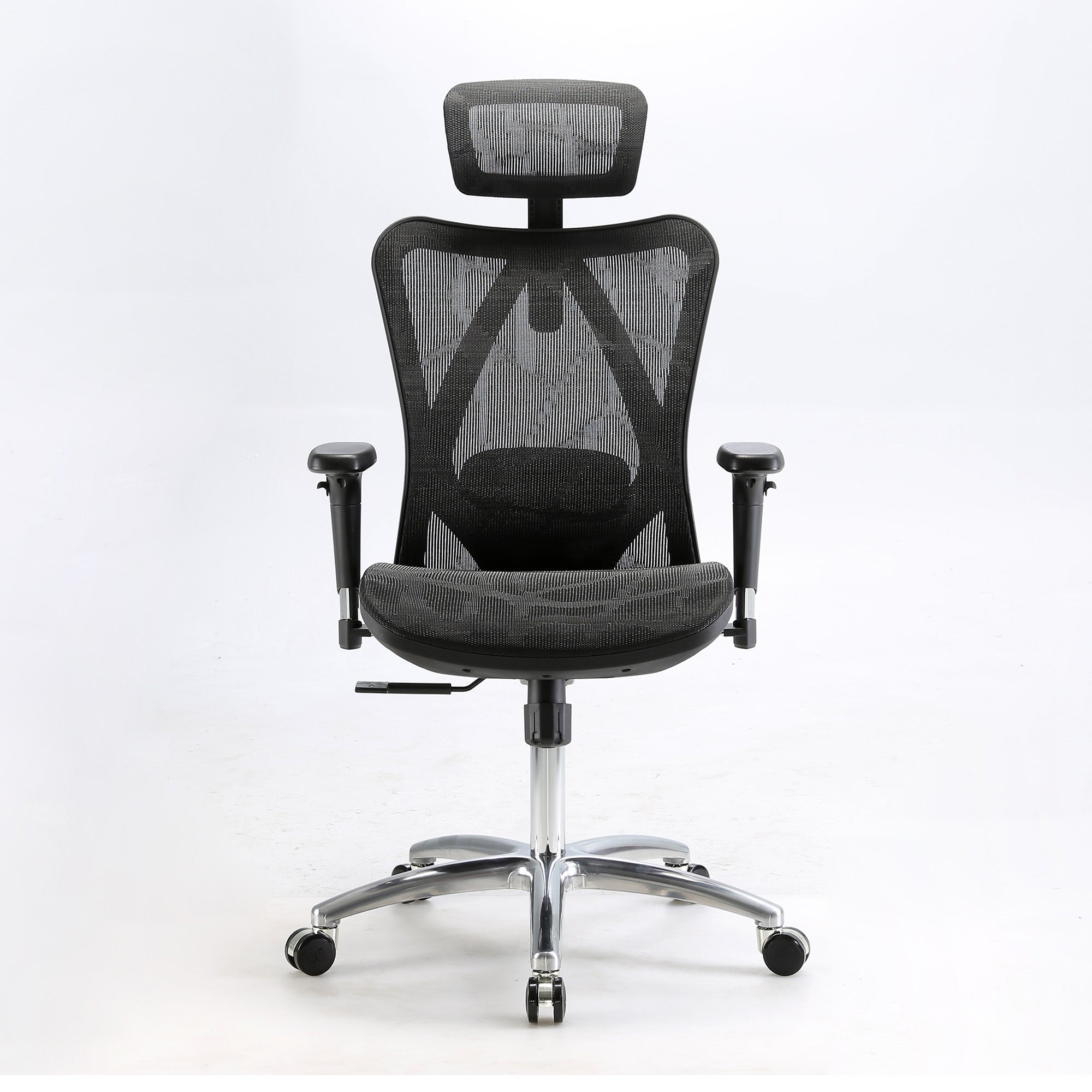
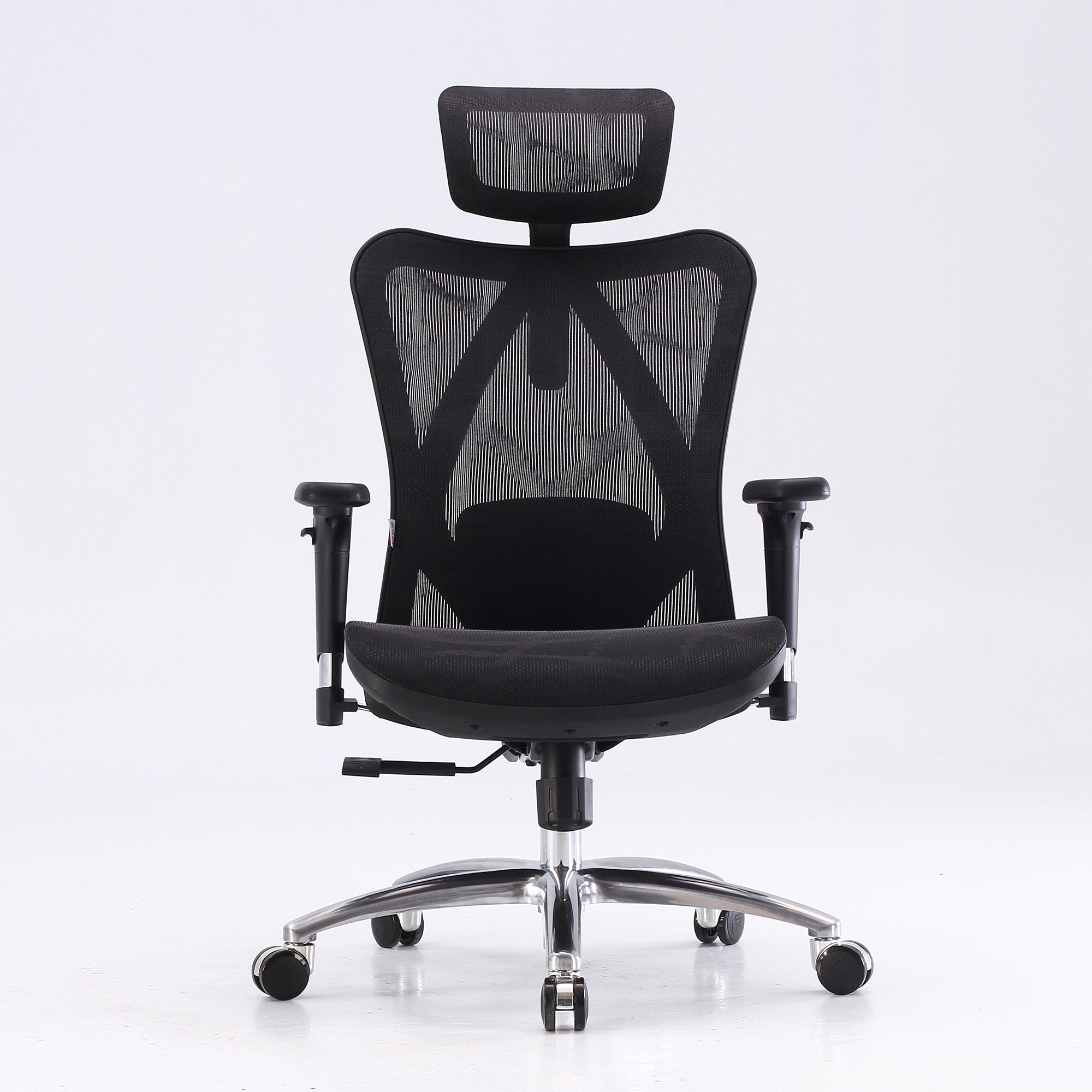
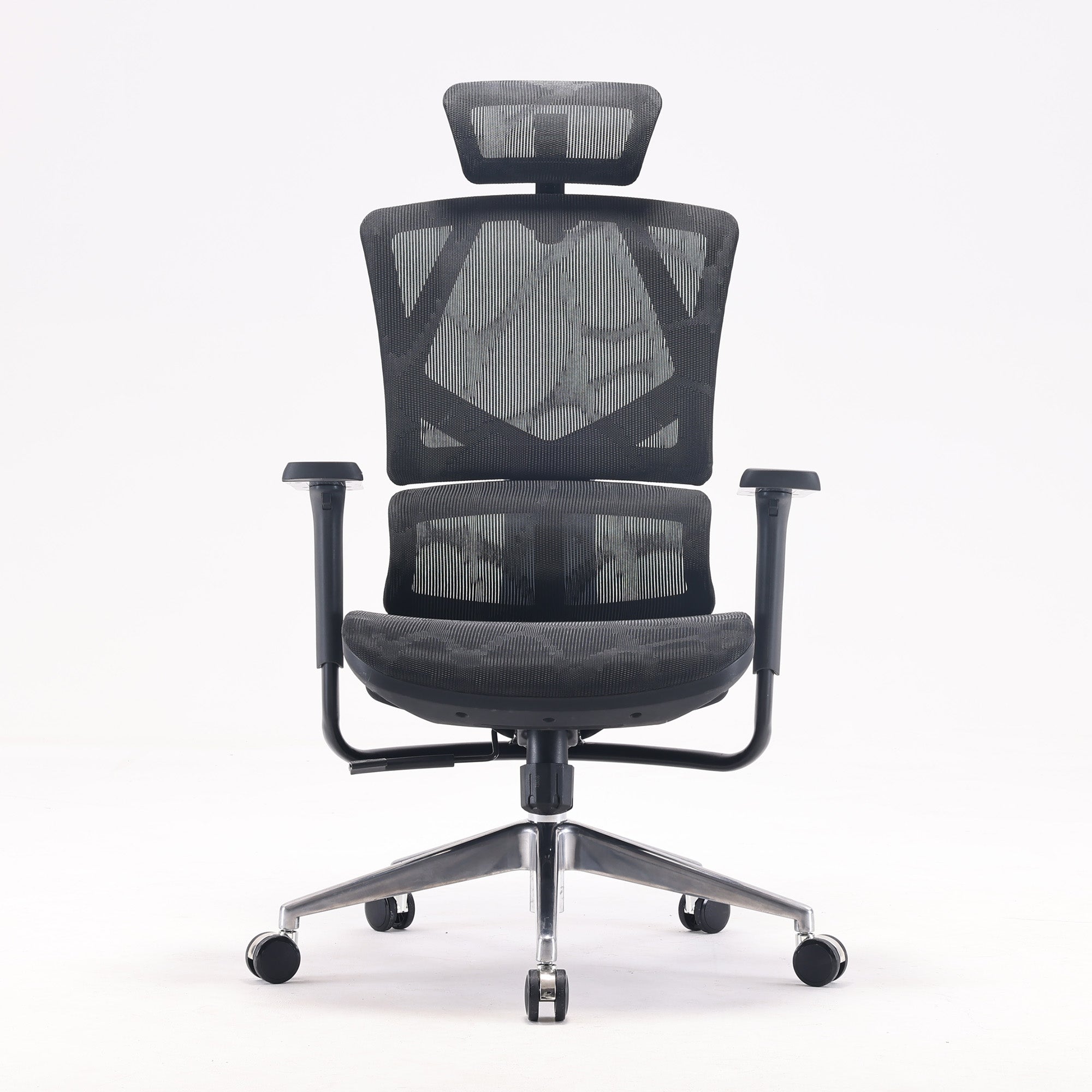
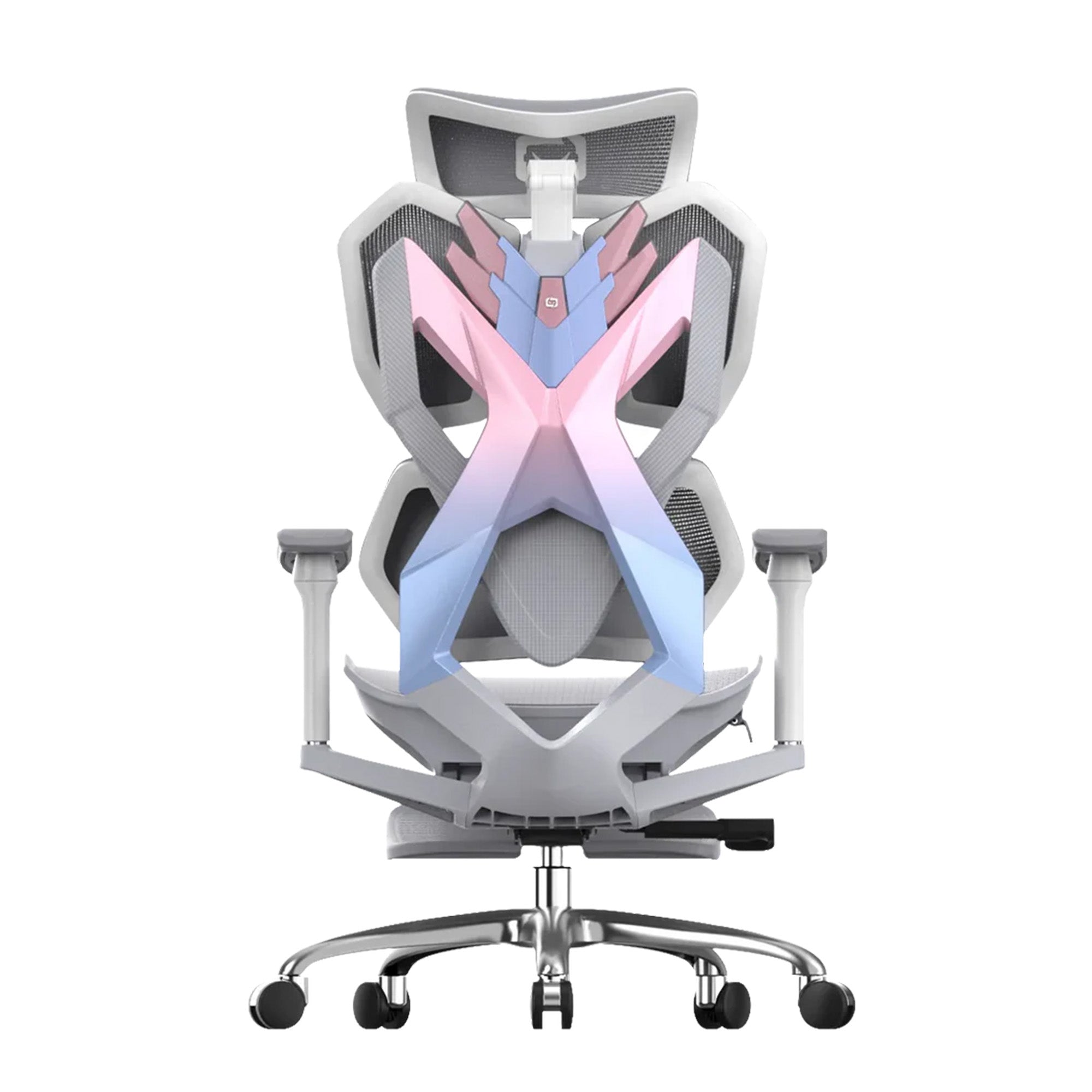
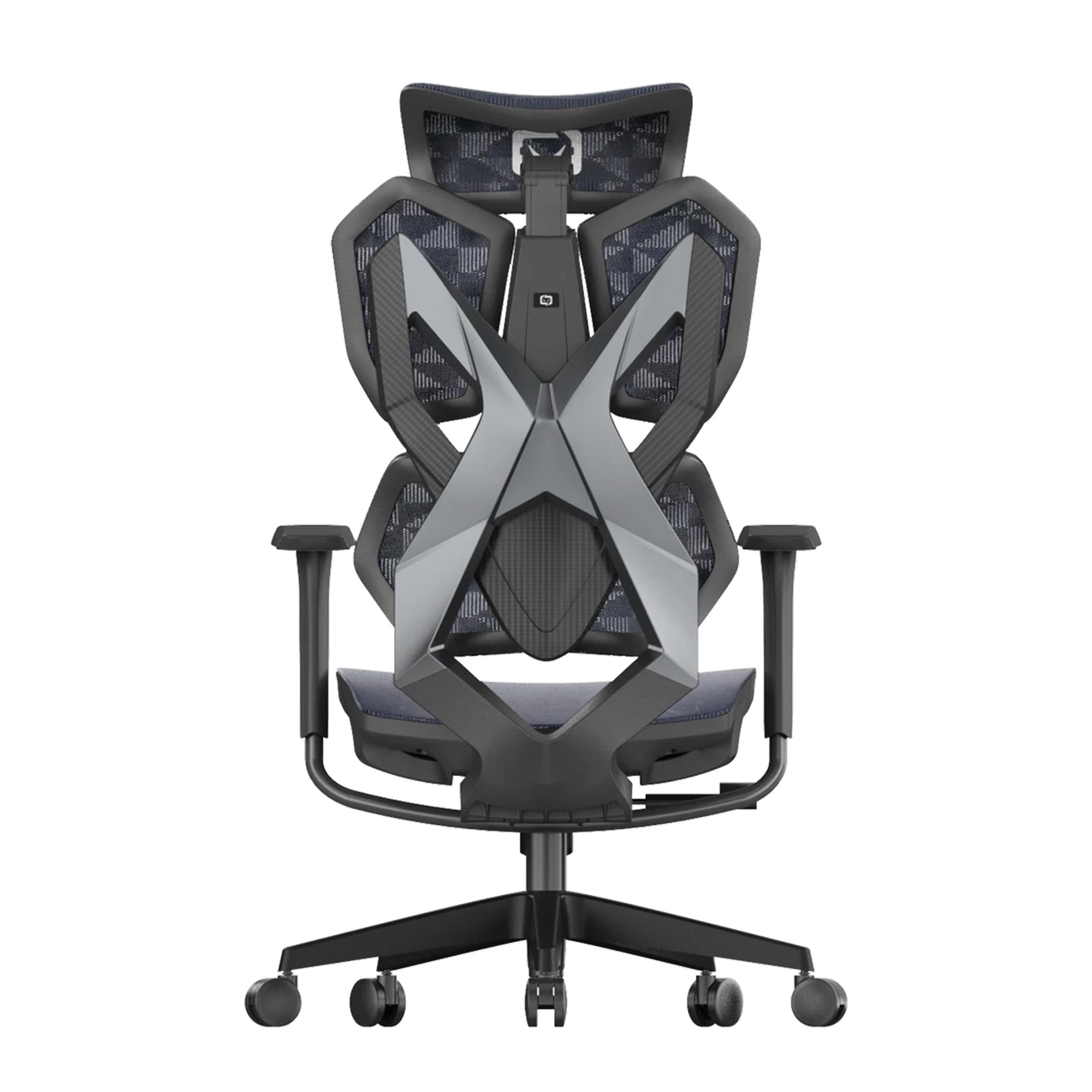
The Doro C300 Pro lists a seat height range of 44 to 54 centimetres and a 150 kilogram limit. Its recline locks sit at 105, 120 and 135 degrees. The Doro C300 Pro V2 carries the same recline locks, with 8D Bionic armrests and seat depth from 42.9 to 47.0 centimetres. Both are covered for three years, gas lift included.
Where This Guide Stops
There are two honest limits to what this guide can do for you. A sinking chair is a mechanical fault, not a health diagnosis. Sitting low for months can leave you with back, neck or shoulder pain. If that has not settled, please see a physiotherapist or your GP. Better support may reduce pressure, and a new chair is not a treatment.
This guide also does not cover every reason a chair fails. A seat that tilts rather than sinks, a base that wobbles, or a backrest that will not hold its angle are different faults with different answers.
Deciding During the Halloween Sale
Here is the whole decision laid out in the order we would work through it.
Confirm it is the cylinder using the three checks. If the chair is under three years old, claim it rather than replace it. If it is out of warranty and otherwise sound, a cylinder is usually worth fitting. If the chair is old, failing in more than one place, or never fit you properly, the sale is a sensible moment to replace it.
Then choose from the best ergonomic chairs in Australia range with the covered parts list open, not just the price. Halloween Sale pricing sits at https://sihoo.com.au/pages/halloween-sale-ergonomic-chairs.
If you are replacing several at once, our bulk office chairs team can work through warranty dates before you spend anything.

Conclusion
A chair that sinks is telling you one specific thing. The gas cylinder has lost its seal, and no amount of adjusting will change that.
What happens next is a decision rather than a purchase. Under warranty, it is a part we send you. Out of warranty on a sound chair, it is a repair worth making. On a chair that is tired in several places, or one that never suited you, it is the moment to move on.
The sale is a good reason to act on that decision now rather than in March. It is not a reason to skip the first two options.
Better Comfort Starts Now.
Sources Referenced
-
Sihoo Australia warranty policy: 3 year warranty covering seat and backrest, armrests, base and castors, hydraulic gas lift mechanism, lumbar support, headrest and reclining mechanism. Misuse and normal wear excluded. Retrieved 12 September 2026.
-
Sihoo Australia replacement part request page: parts ship direct, covering armrest, castor, gas lift, base, headrest and footrest under the 3 year warranty. Retrieved 12 September 2026.
-
Sihoo Australia, Doro C300 Pro product page: seat height 44 to 54 cm, recline locks at 105, 120 and 135 degrees, 150 kg limit, 3 year warranty. Retrieved 12 September 2026.
-
Sihoo Australia, Doro C300 Pro V2 product page: 8D Bionic armrests, seat depth 42.9 to 47.0 cm, recline locks at 105, 120 and 135 degrees, 150 kg limit, 3 year warranty. Retrieved 12 September 2026.
Frequently Asked Questions
The gas lift cylinder has lost its seal, so pressurised gas escapes past it under your weight. The lever still works and the chair still rises, but it cannot hold the height.
No. The cylinder is a sealed, pressurised unit, so it is replaced rather than repaired. Do not puncture, cut or heat one, and treat hose clamp workarounds as a way of making the chair fixed height.
On our chairs, yes. The hydraulic gas lift mechanism is named in our three year warranty. Check the covered parts list rather than the warranty length if you bought another brand.
When the chair is beyond about seven years old, when more than one part is failing, or when a cylinder and fitting approach half the cost of a sale priced chair. Also when the chair never fit you properly.
Check purchase dates before approving any budget. Chairs bought together often fail together, and a batch still inside warranty is a claim rather than a capital request.
Look for a warranty that names the gas lift, and a supplier that ships parts direct. Then choose a seat height range that puts most of your team nearer the middle of the travel than the ends.
Shop products from this article


