
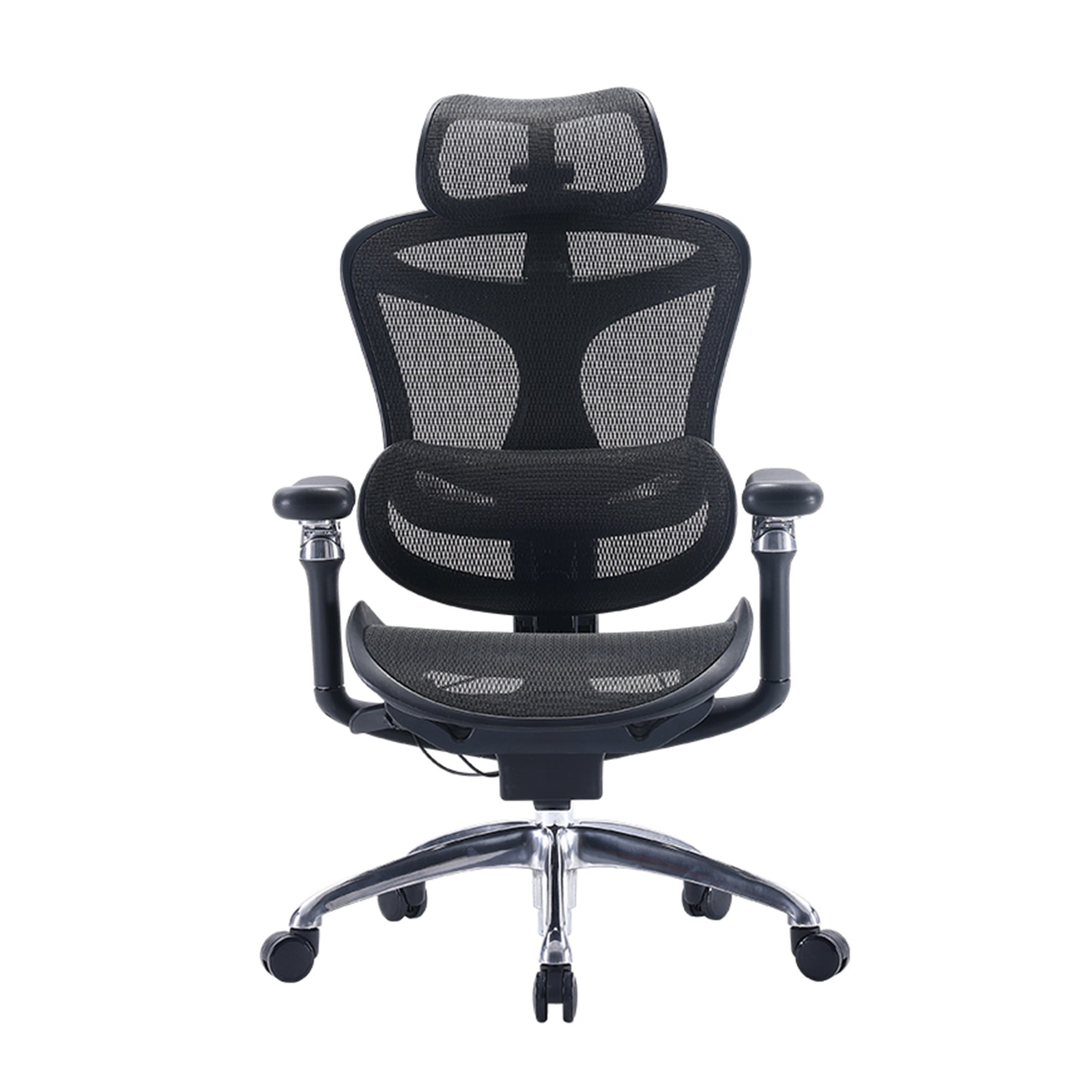
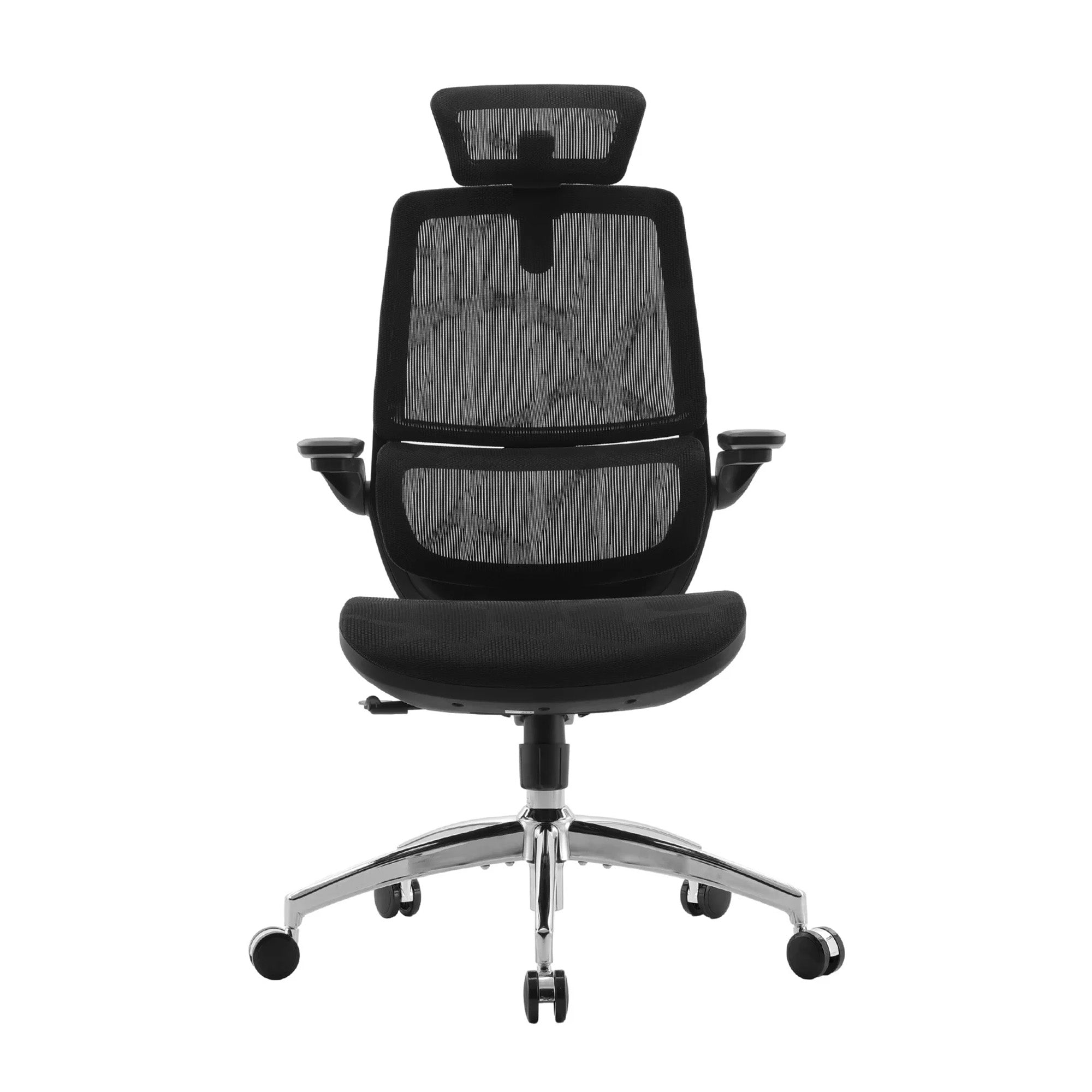
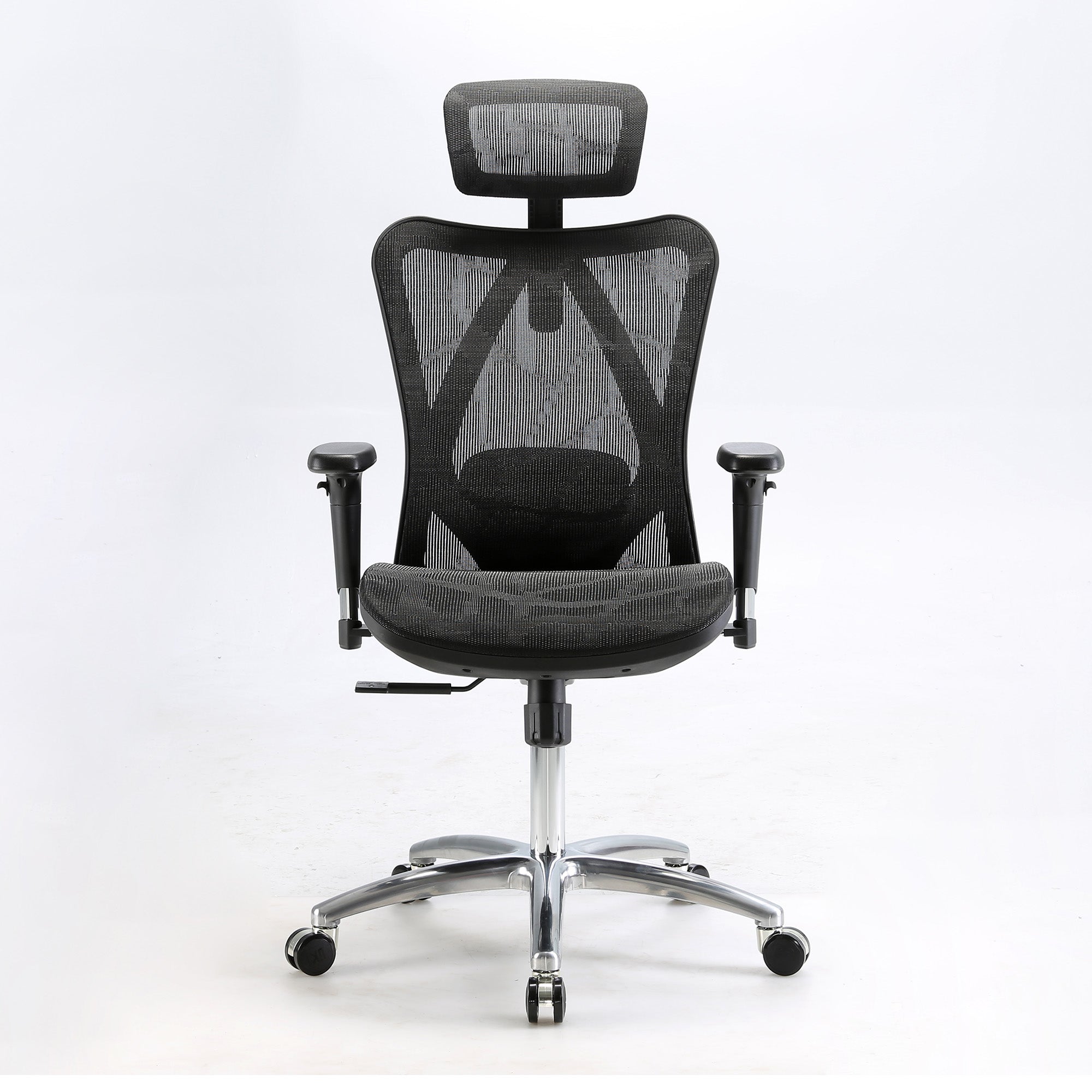
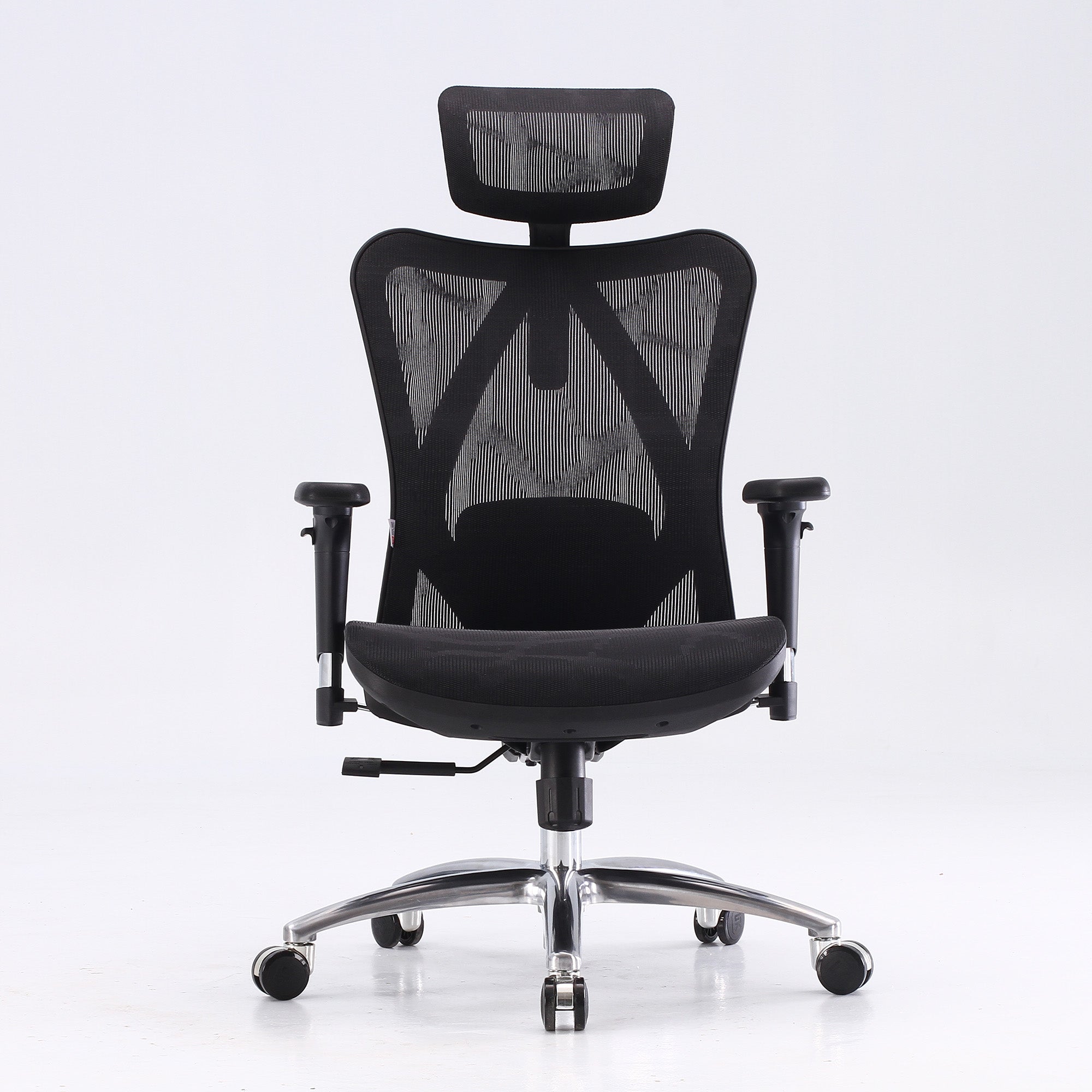

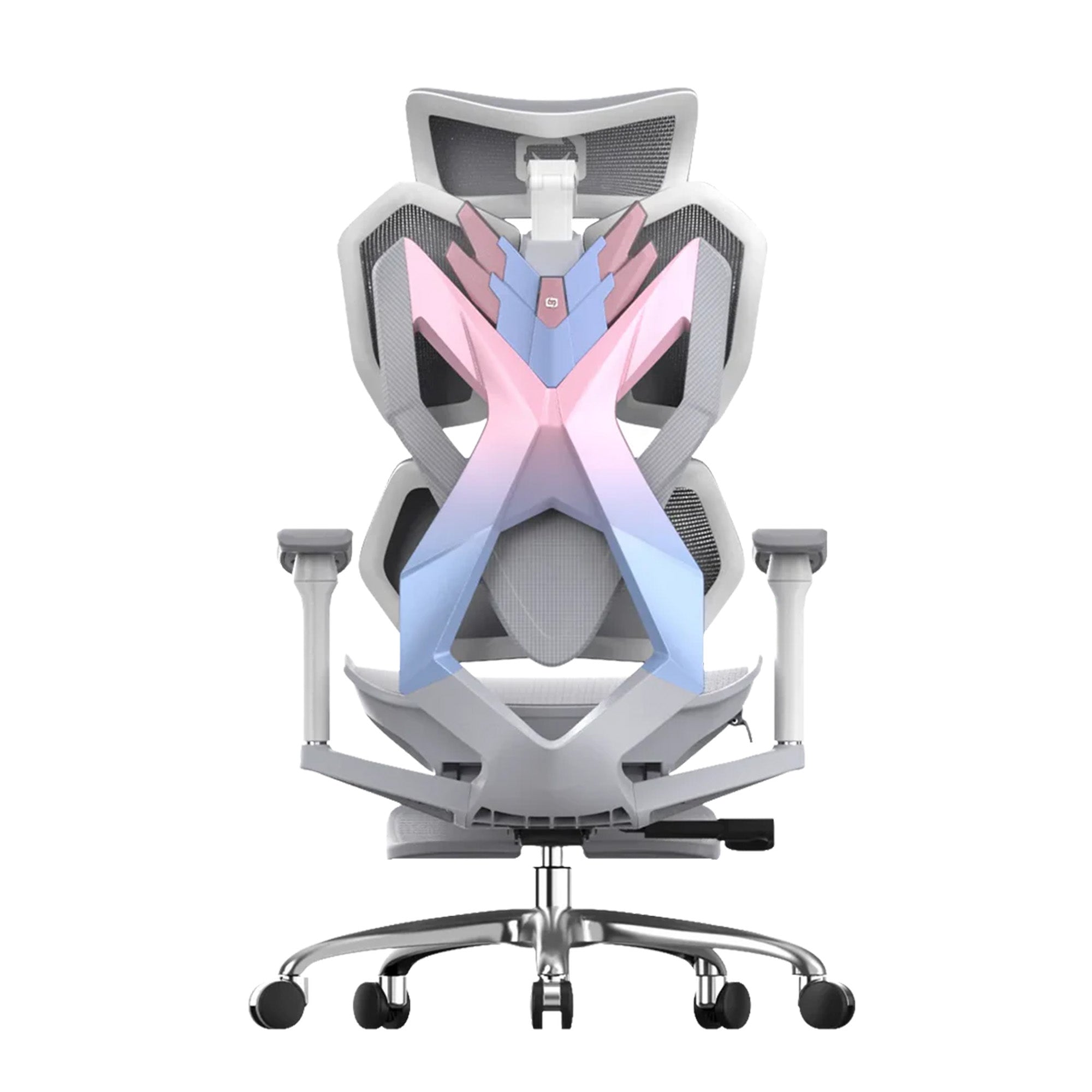
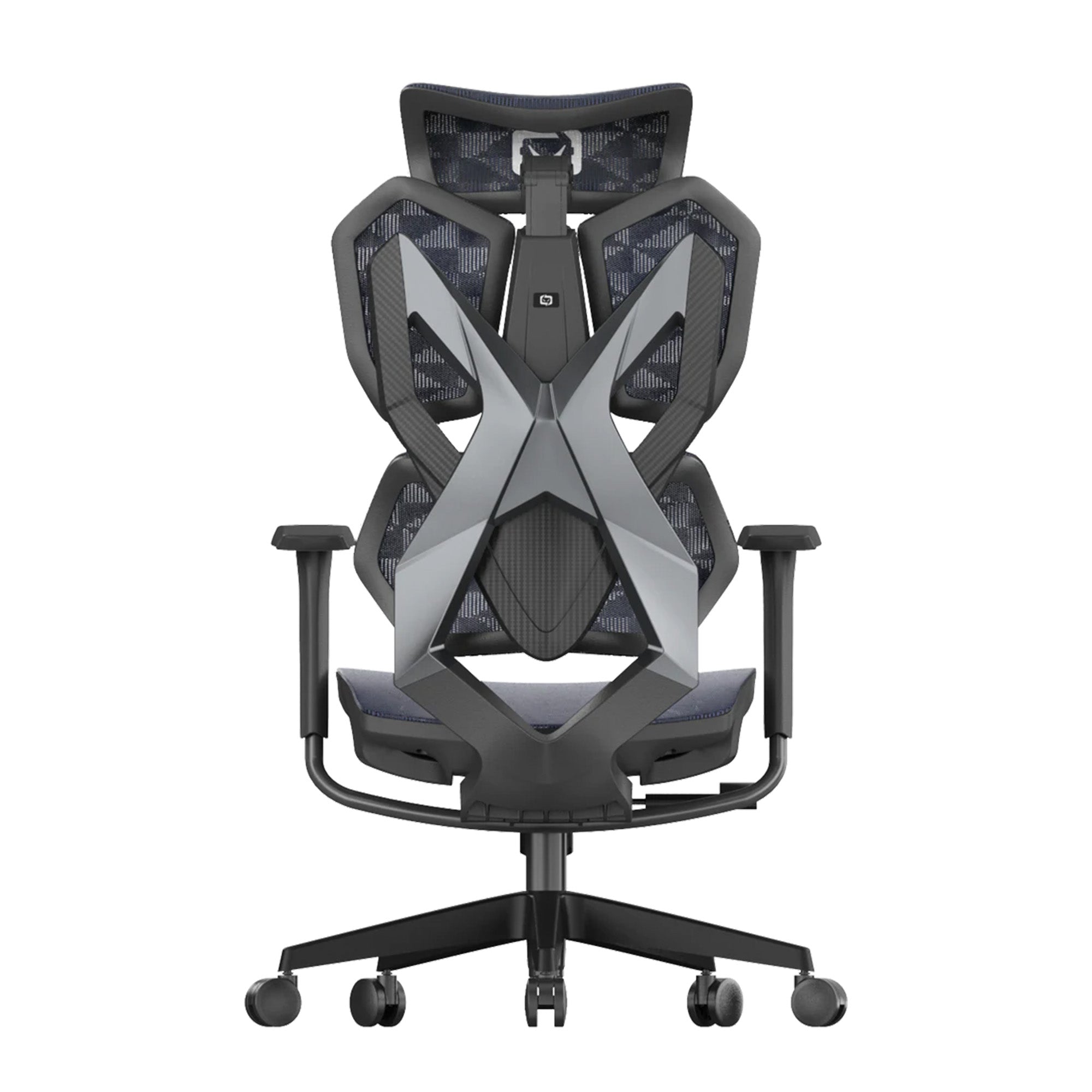

The push to improve focus and productivity has led people to experiment with everything from sleep tracking to supplements. Along the way, even desks and chairs have become part of the conversation. Many people exploring standing desk benefits also start rethinking their ergonomic chair, especially when they realise how much of the workday is still spent sitting.
Across Australia, more people are paying attention to how their workspace affects not just comfort, but how well they actually think and perform throughout the day.
One idea that keeps coming up is that switching to a standing desk can make you “smarter.”
It sounds appealing. Stand more, feel sharper, think better. But that idea needs context. Your IQ is not going to change because you stood up for a few hours. What can change is how well you stay focused, how clearly you think, and how consistent your energy is across the day.
To understand where standing desks actually help, you need to look at how your body influences your brain. Posture, movement, and energy levels all play a role in how you work and think.
The "Active Body, Active Mind" Logic
The idea behind standing desks is simple. Your brain performs better when your body is not completely inactive.
Spending long stretches sitting, especially when your posture starts to slip, can leave your body less engaged and more sluggish. Breathing becomes less efficient, circulation slows, and your muscles are barely active. Over time, this affects how alert and focused you feel, particularly later in the day.
Standing interrupts that pattern.
When you are on your feet, your body becomes more active. Muscles support your posture, your heart rate lifts slightly, and blood flows more efficiently. This helps your brain stay alert and responsive, especially during routine tasks.
You will also notice a difference in how awake you feel. Standing naturally encourages a more alert state, which can make it easier to stay on track when working through lighter tasks.
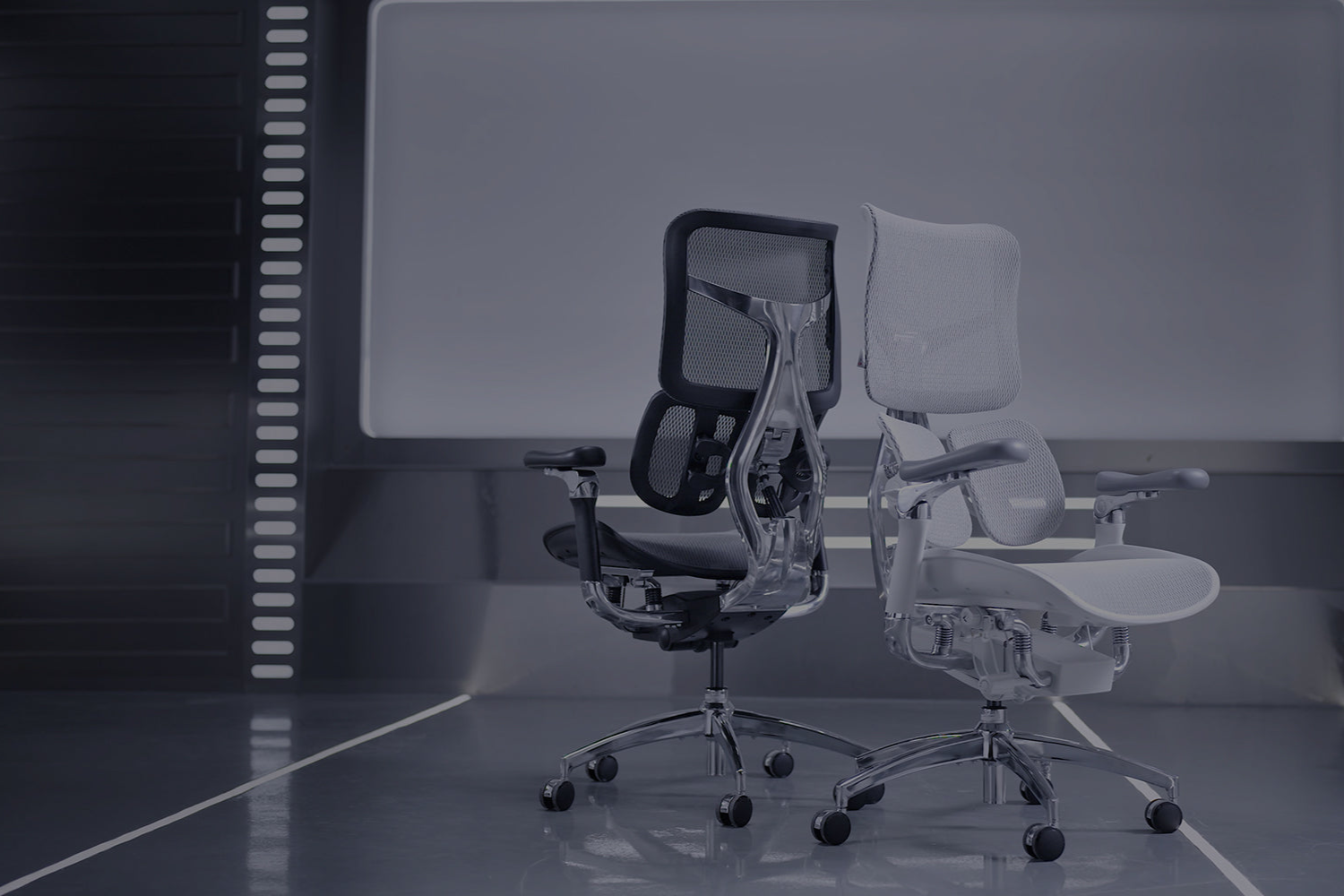
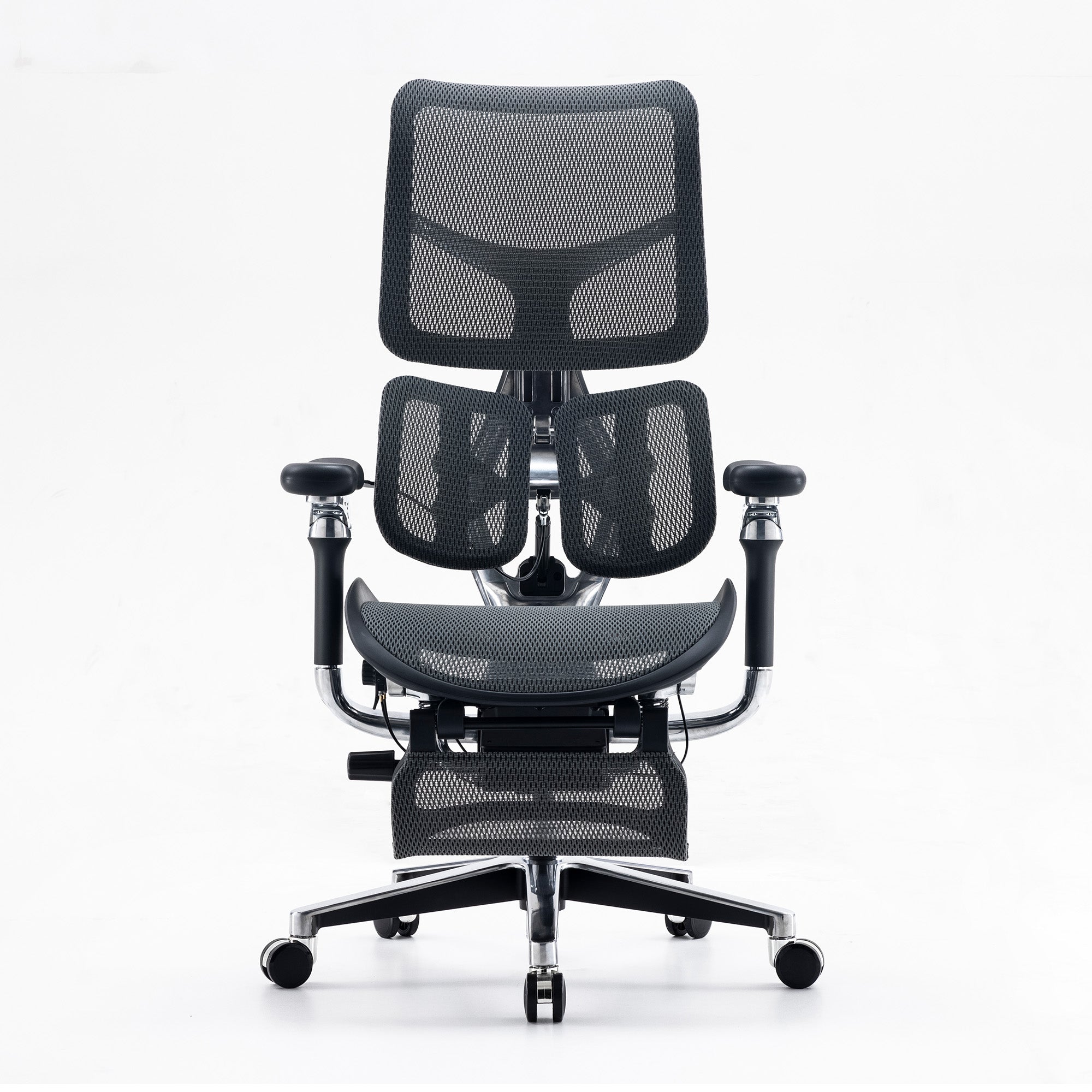
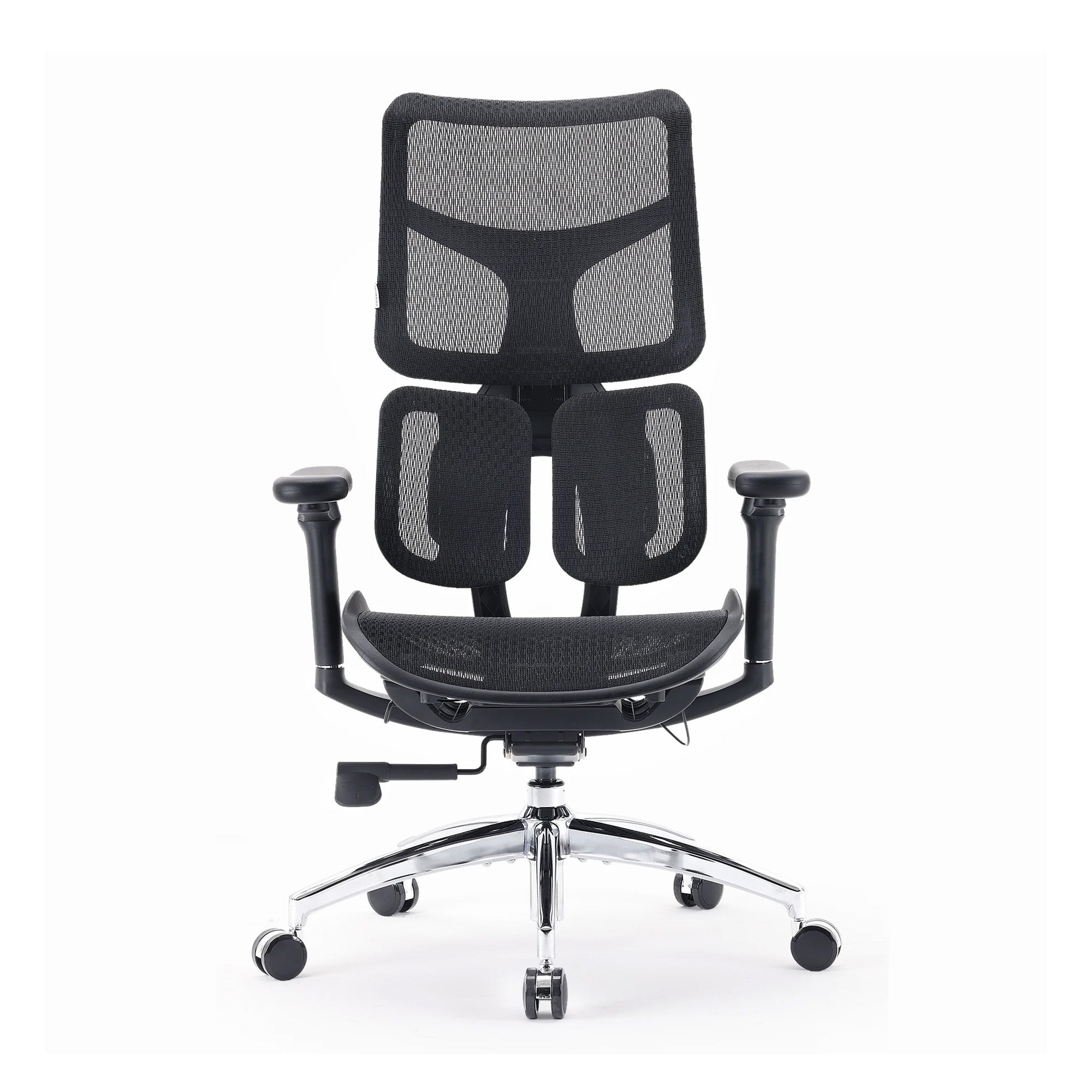
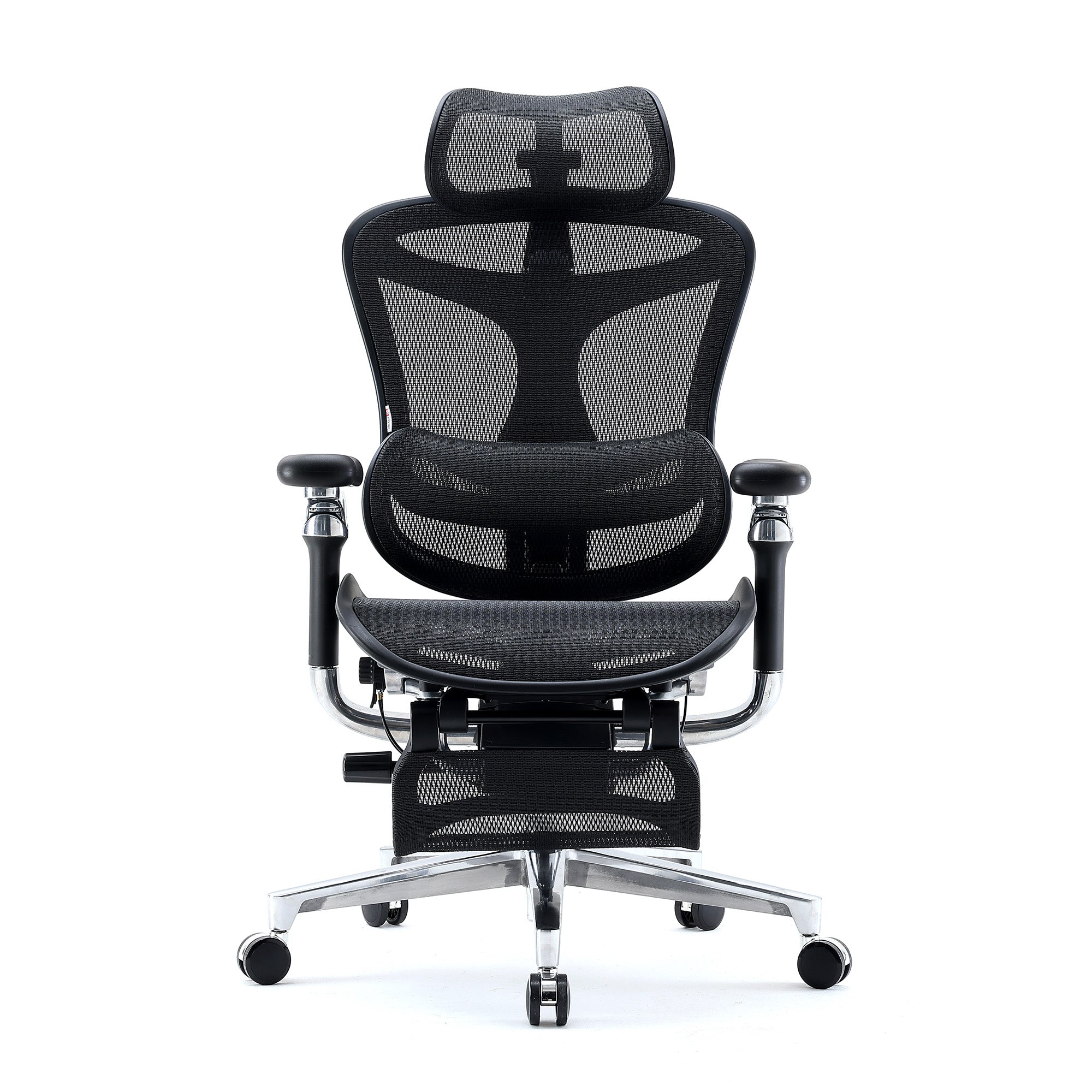
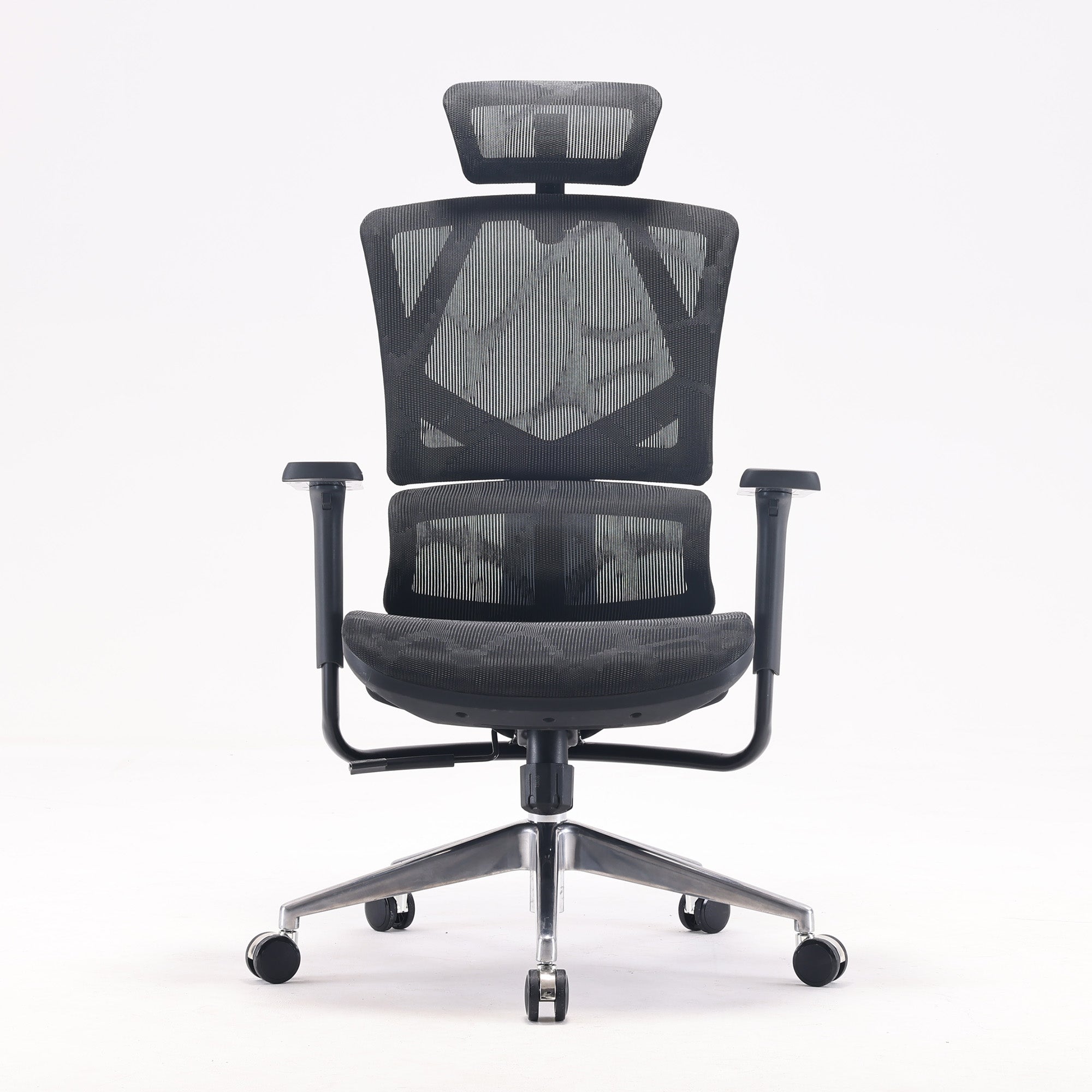
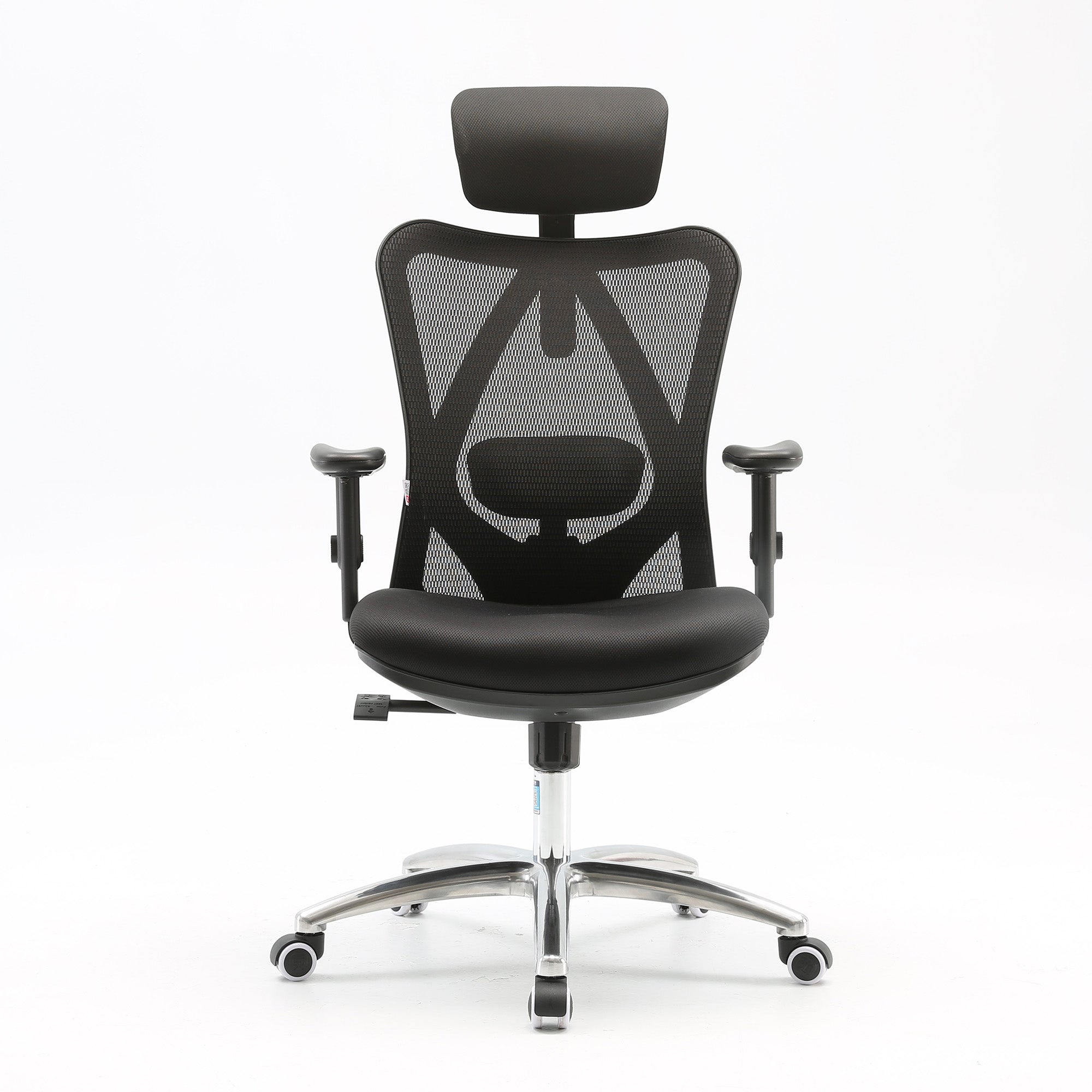
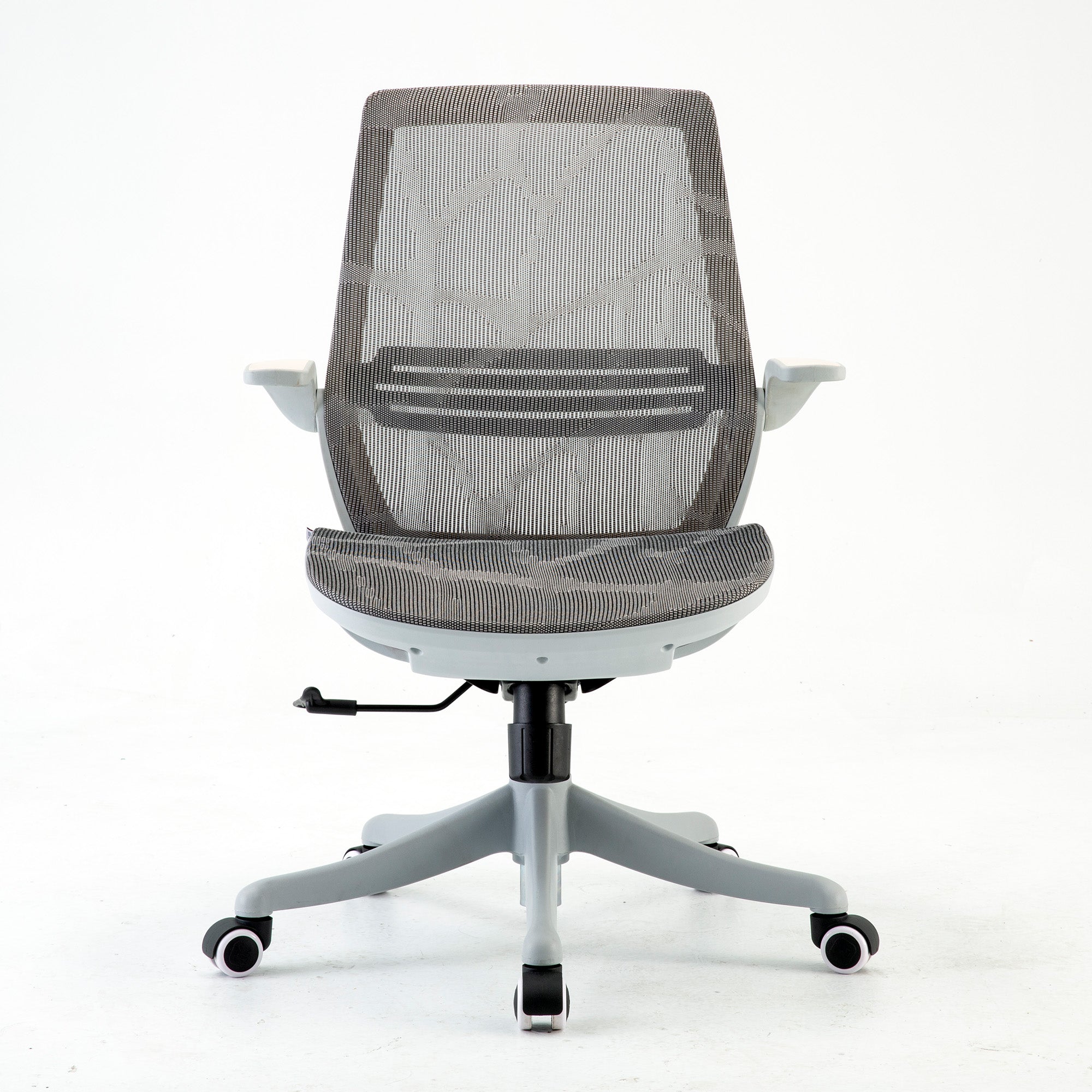
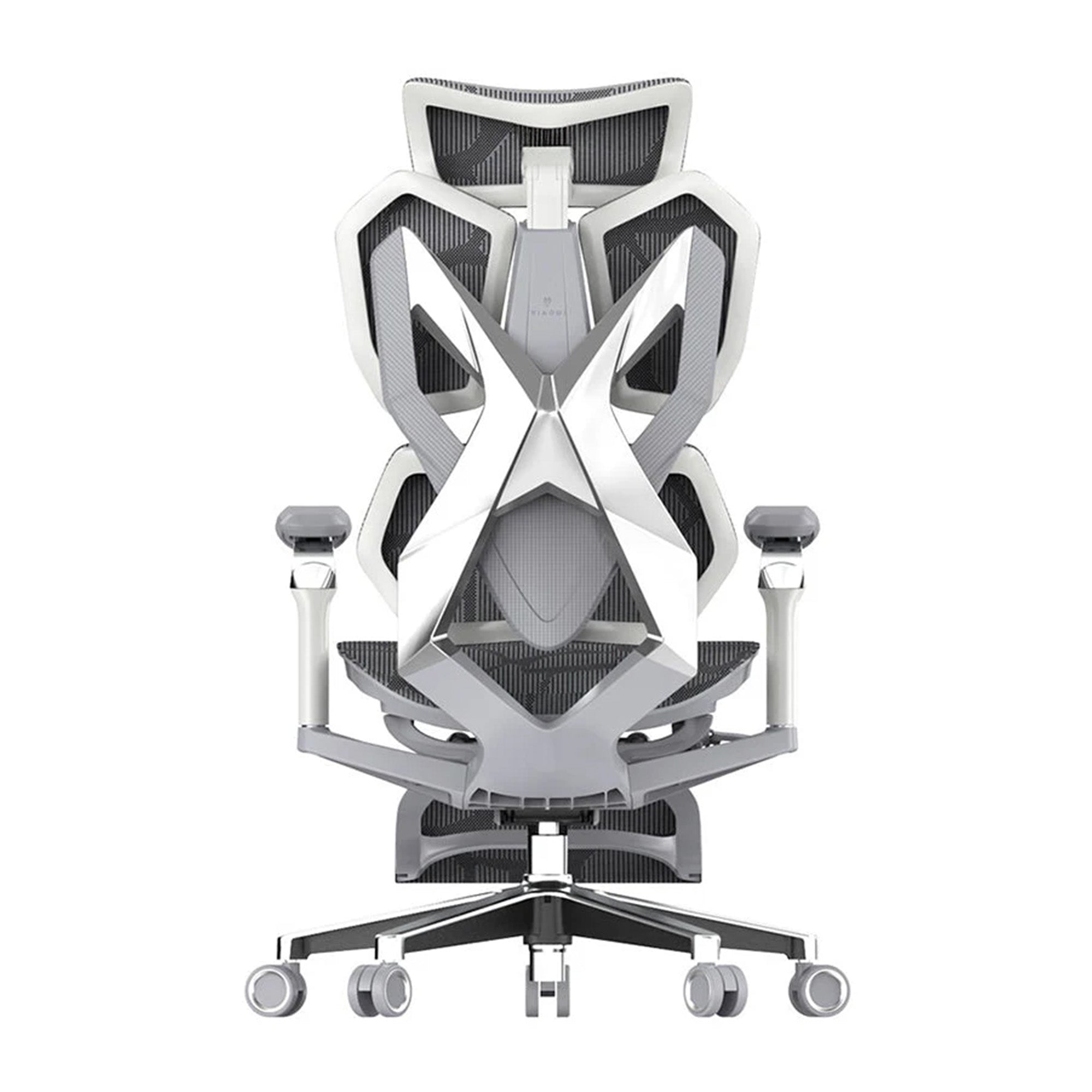
That said, sitting is not the problem on its own. The issue is how you sit. If your chair does not support your body properly, your posture collapses and your body works harder than it needs to. A properly designed ergonomic office chair keeps your spine supported and allows you to stay comfortable even during extended periods of work.
What’s the Real Word from the Labs?
Once you move past the hype, research paints a more balanced picture.
Standing desks do not increase IQ. There is no strong evidence to support that claim. What studies do show is improvement in certain areas of cognitive performance, particularly those linked to productivity.
One area that stands out is executive function, which covers how you plan your work, stay organised, and shift between tasks without losing focus. People who switch between sitting and standing often handle their workload more consistently over longer periods.
There is also evidence suggesting increased activity in parts of the brain associated with focus and decision-making. This supports the idea that a more active body can help maintain mental engagement.
However, there is a trade-off.
Standing still requires effort. Your body is constantly making small adjustments to stay balanced, and this uses a small amount of mental energy. For simple tasks, this is not a problem. For deep, demanding work, it can become a distraction.
This is why many people naturally sit down when they need to concentrate properly. A stable seated position reduces physical effort and allows your attention to stay on the task.
Another factor to consider is energy regulation.
Long periods of sitting can affect how your body processes food, particularly after meals. This often leads to that sluggish, low-energy feeling in the afternoon. Standing or moving around helps your body manage this more effectively, which can keep your energy levels more stable.
Still, standing all day is not the solution. Balance is what matters.
Building the Ultimate Setup
If your goal is better focus and consistent performance, you do not need to choose between sitting and standing. You need to use both in a way that supports how you work.
A good place to start is simply not staying in the same position for too long. Switching between sitting and standing roughly every hour works well for most people, although this can vary depending on your task and comfort level.
When sitting, your setup should feel natural. Your lower back should be supported, your feet should rest comfortably on the floor, and your screen should be positioned so you are not tilting your head up or down. These small adjustments can make a noticeable difference over time.
For anyone looking for an ergonomic chair in Australia, it is worth focusing on adjustability rather than just appearance. Features like lumbar support, seat depth, and armrest positioning play a much bigger role in long-term comfort than most people expect.
Standing setup matters just as much. Your desk should be set at a height where your arms can rest comfortably, and your screen should remain at eye level so you are not leaning forward as you work.
It also helps to match your posture to the type of work you are doing.
Standing works well for lighter tasks such as replying to emails, joining calls, or working through admin. Sitting tends to work better when you need to concentrate deeply, work through complex problems, or stay focused for extended periods.
Using your posture this way allows you to support your work instead of working against your body.
IQ Boost or Just Sore Legs?
So, will a standing desk make you smarter? No.
But it can help you work better.
The main advantage is how it supports your energy, focus, and consistency throughout the day. Shifting between sitting and standing helps avoid the gradual drop in attention that often comes from staying in one position for too long.
At the same time, having a proper ergonomic chair matters just as much. When you sit, you want your body supported so your attention stays on your work, not on discomfort.
In practice, most people rely on both setups. You stand when you need energy, and you sit when you need stability. That is where a proper ergonomic chair becomes just as essential as the desk itself. Here at Sihoo Australia, we see that people are not choosing one over the other. They are setting up their workspace so they can move between positions comfortably without sacrificing posture or focus.
What improves is not your IQ, but how effectively you use your brain during the day. You stay sharper for longer, maintain better energy, and avoid the dips that make work feel harder than it should.
A common mistake is relying entirely on just one approach. Sitting all day leaves you sluggish. Standing all day leaves you fatigued. Neither is ideal.
The real advantage comes from changing positions regularly and paying attention to how your body responds throughout the day.
Frequently Asked Questions
Standing burns slightly more calories than sitting, but the difference is small. It will not replace exercise, but it can help reduce long periods of inactivity, which is still beneficial for overall health.
They can help, but only if your setup is correct. Standing with poor posture can still lead to discomfort. The real benefit comes from changing positions regularly and maintaining proper alignment whether you are sitting or standing.
Most people need a few days to a couple of weeks to adjust. It is best to start with short standing periods and gradually increase the time as your body gets used to it.
They are not required, but they can make a noticeable difference. Anti-fatigue mats reduce pressure on your feet and legs, making it more comfortable to stand for longer periods.
Yes. Small issues like incorrect screen height or lack of support can lead to discomfort over time, which affects focus and consistency. A well-adjusted setup helps reduce distractions caused by physical strain.
Shop products from this article


