


A modern, sustainable office incorporates smart office design tips to create a space that inspires creativity, well-being, and productivity every day.
Let the Sun Shine In
Natural light has the power to transform an office. Desks near windows and glass partitions bring brightness and energy while reducing reliance on artificial lighting.
Even offices without large windows can use skylights or reflective surfaces to spread sunlight and uplift moods throughout the space.
Flexible Spaces for Modern Work
Rigid, bulky workstations no longer suit contemporary office culture. Flexible layouts let employees choose spaces for collaboration or focused, deep work.
Modular furniture adapts to shifting needs, and movable partitions make team areas versatile.
Bring Nature Inside
Biophilic design connects people with nature. Indoor plants, green walls, and natural materials like wood create calm, energising spaces.
Even small pots on desks improve air quality and promote wellbeing, making the workplace feel alive and inviting.
Choose Sustainable Materials
Eco-friendly materials are essential for a responsible, modern office. Reclaimed wood, bamboo, recycled metals, and low-VOC paints reduce environmental impact.
Clean, Fresh Air Matters
Good air quality impacts health and focus. High-efficiency HVAC systems, operable windows, and toxin-absorbing plants keep the office environment fresh.
Avoid synthetic carpets and harsh chemicals, opting for natural alternatives that improve wellbeing and align with sustainable practices.
Comfort Through Ergonomics
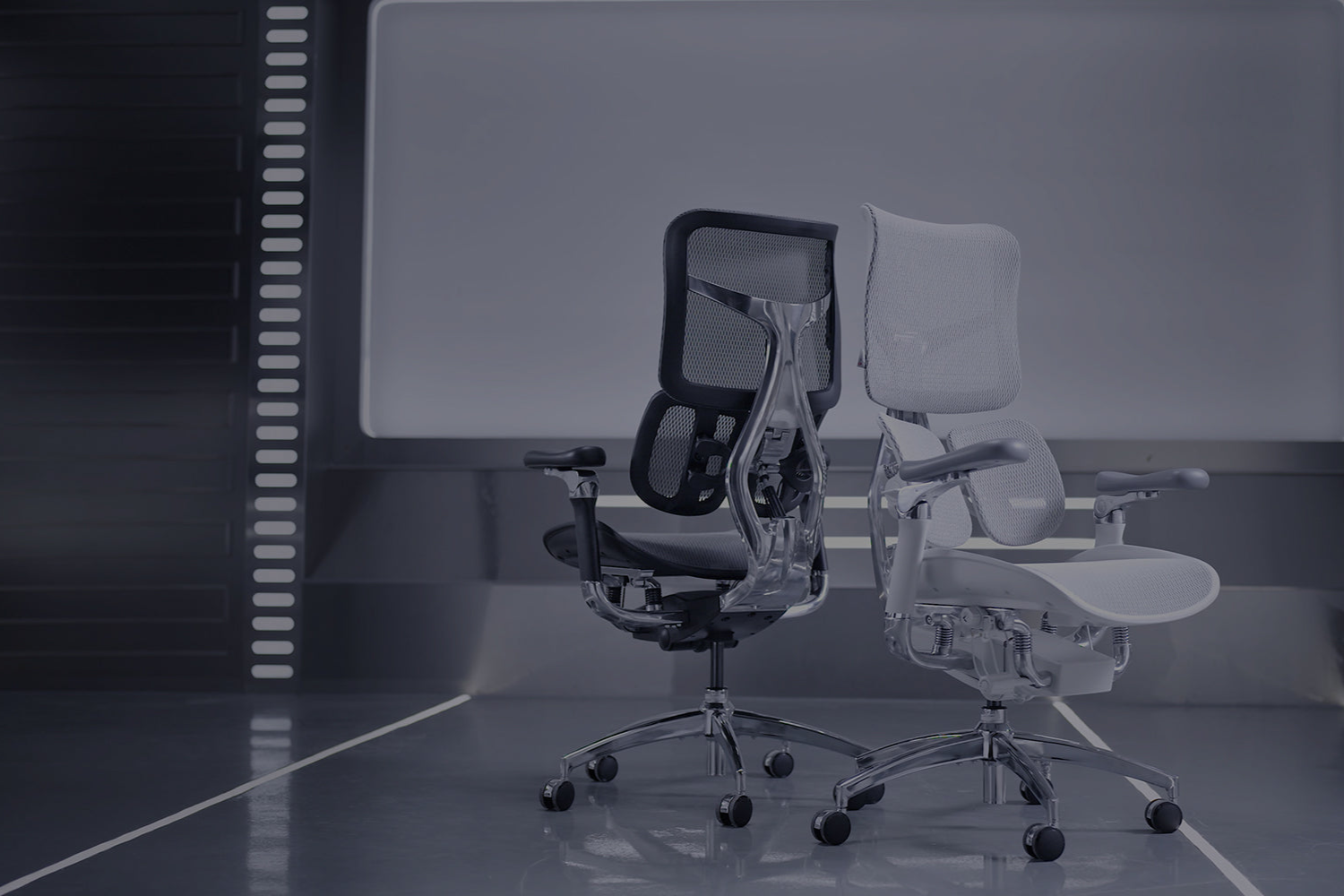
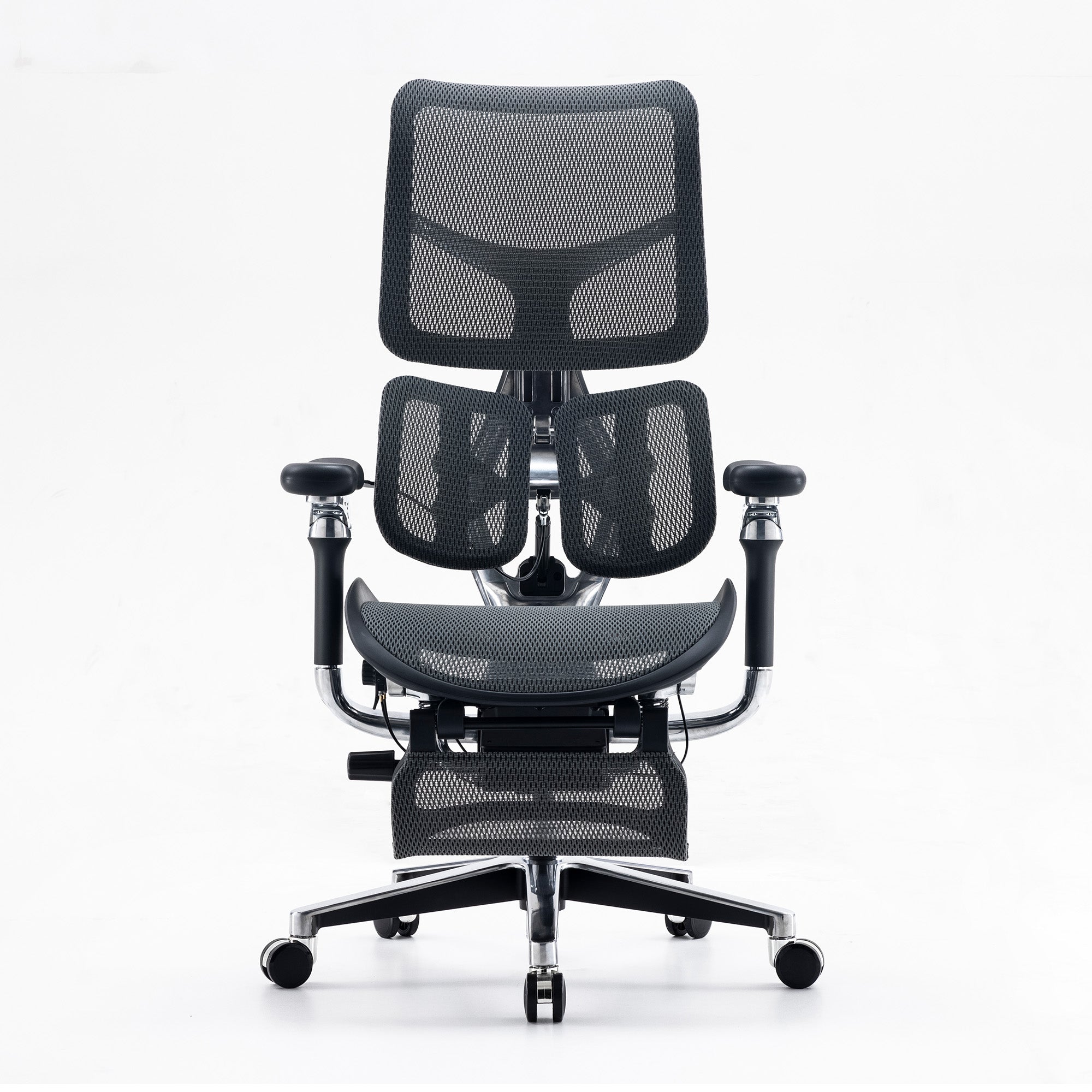
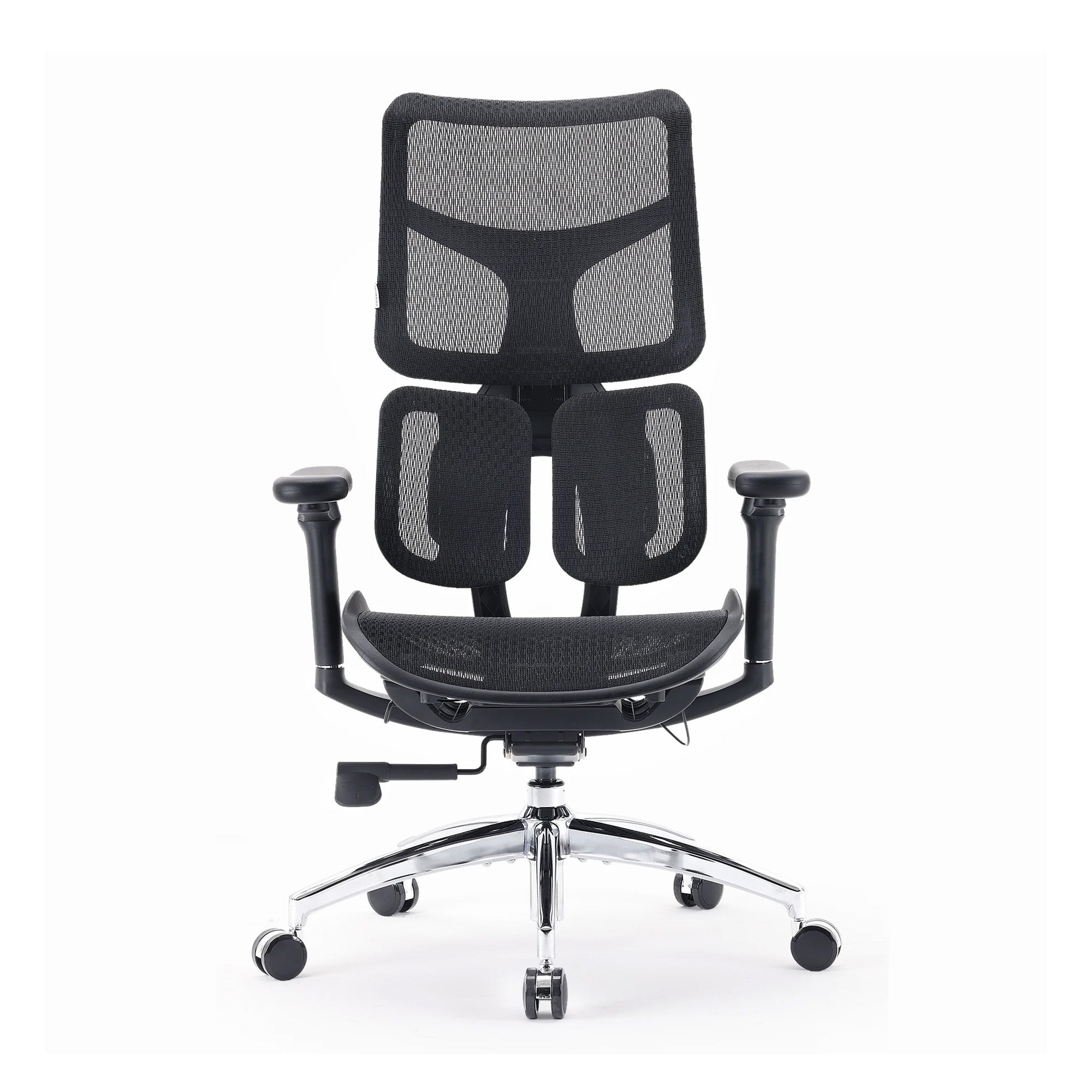
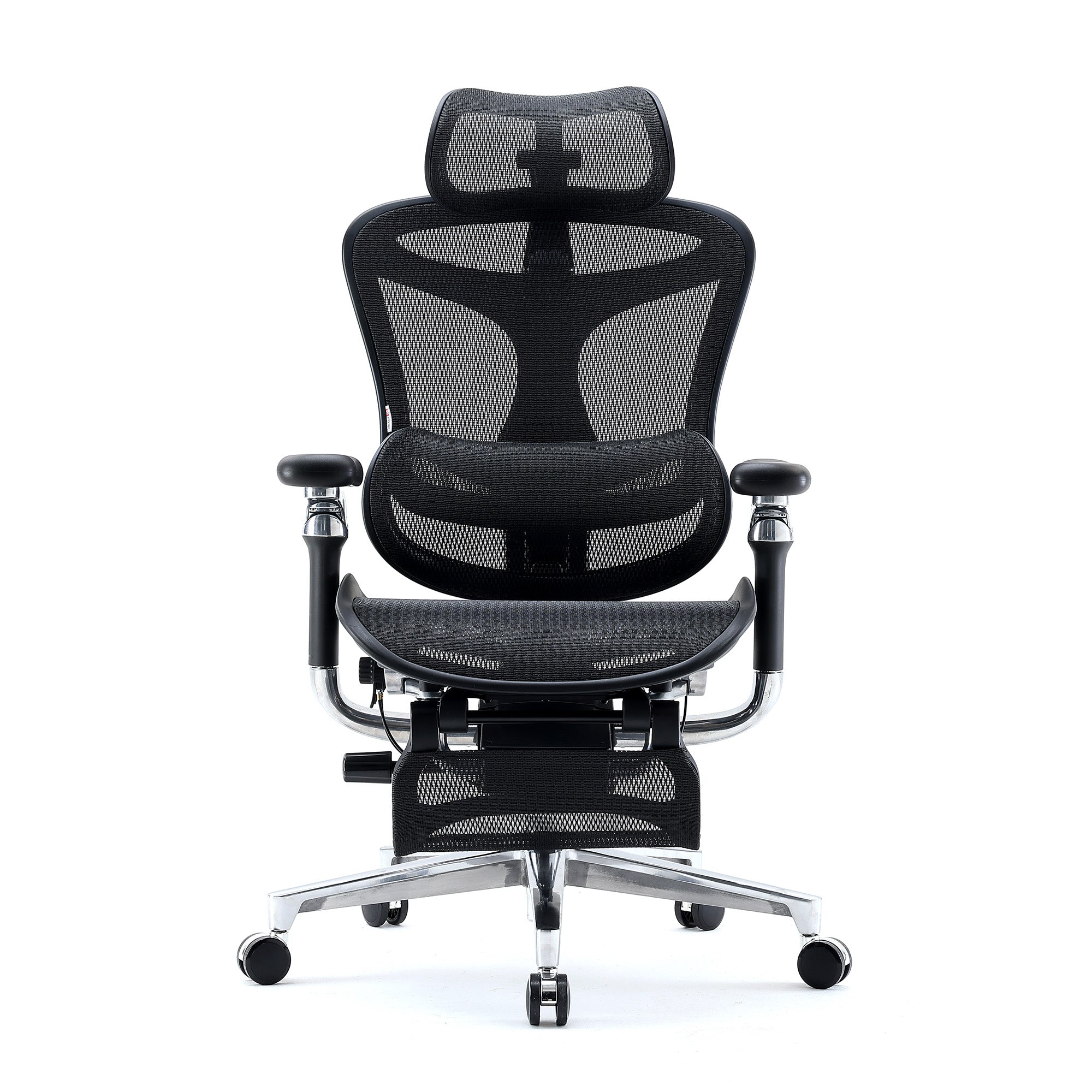
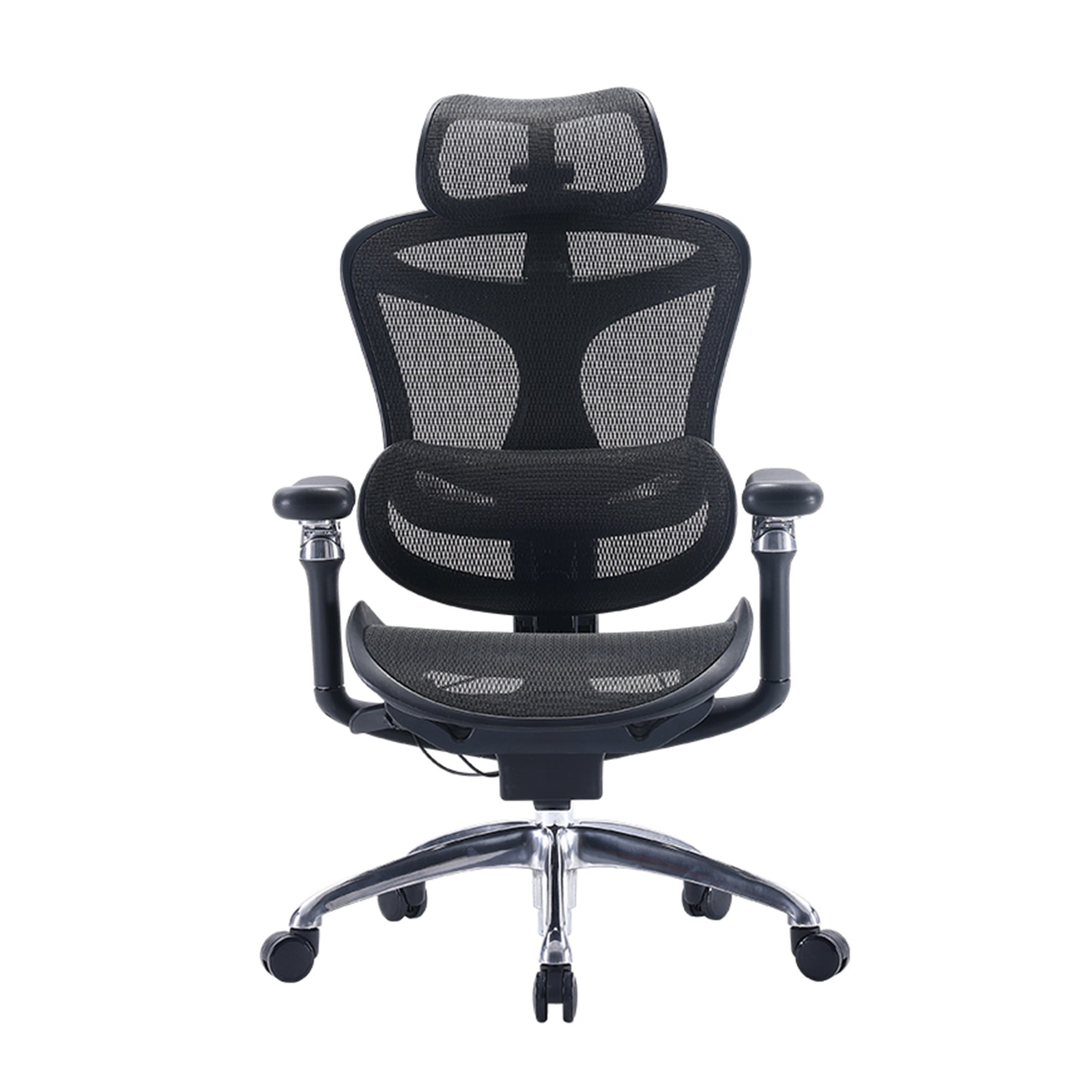
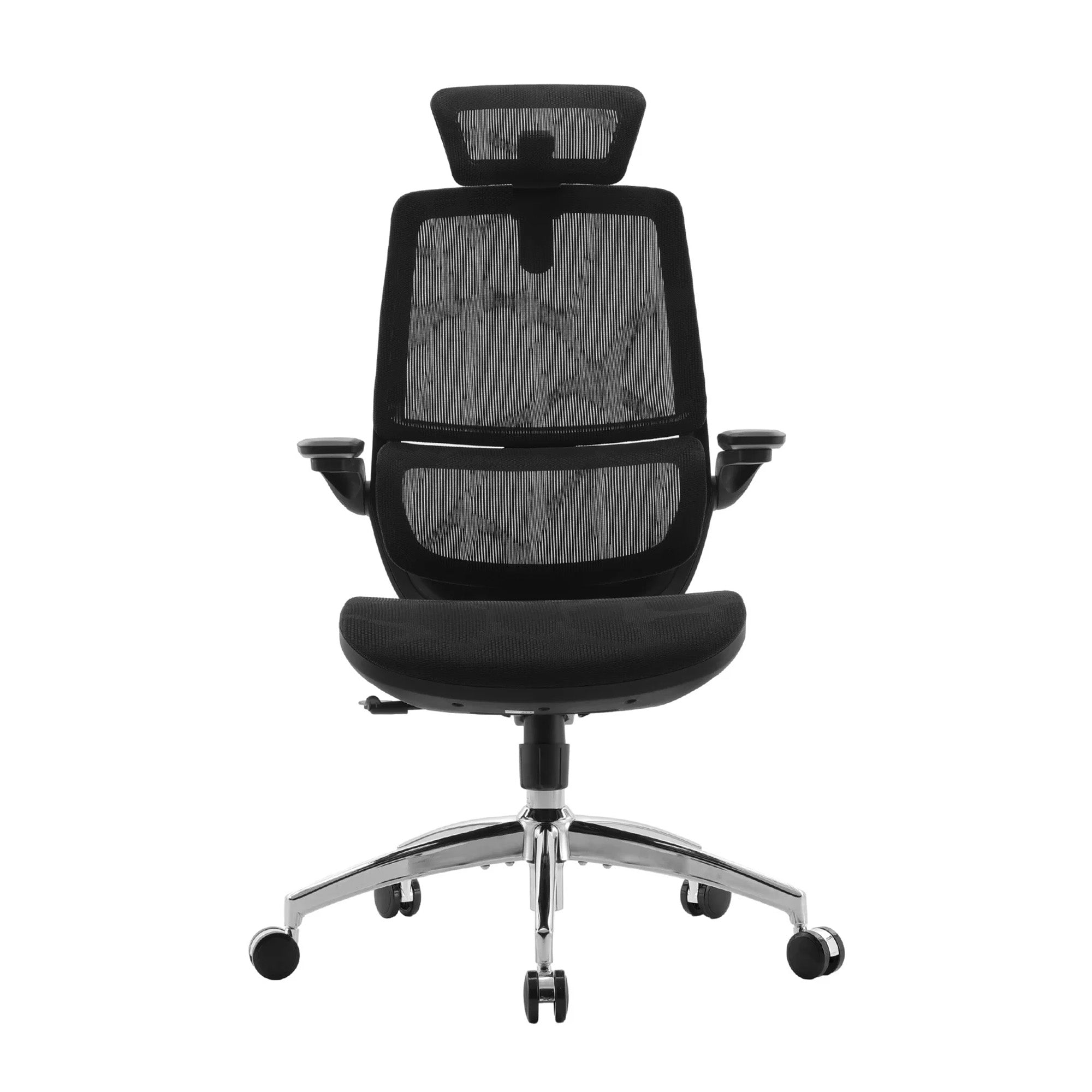
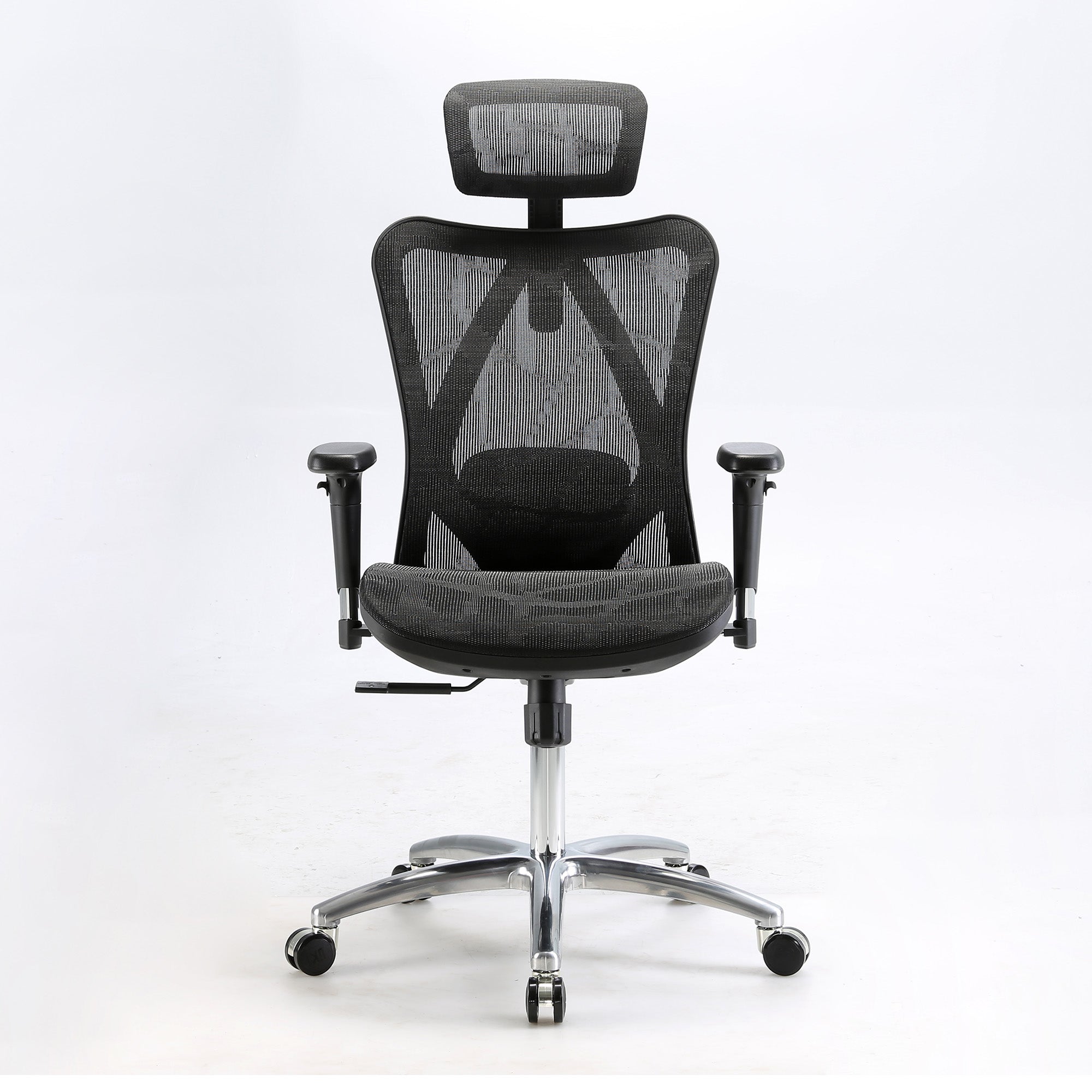
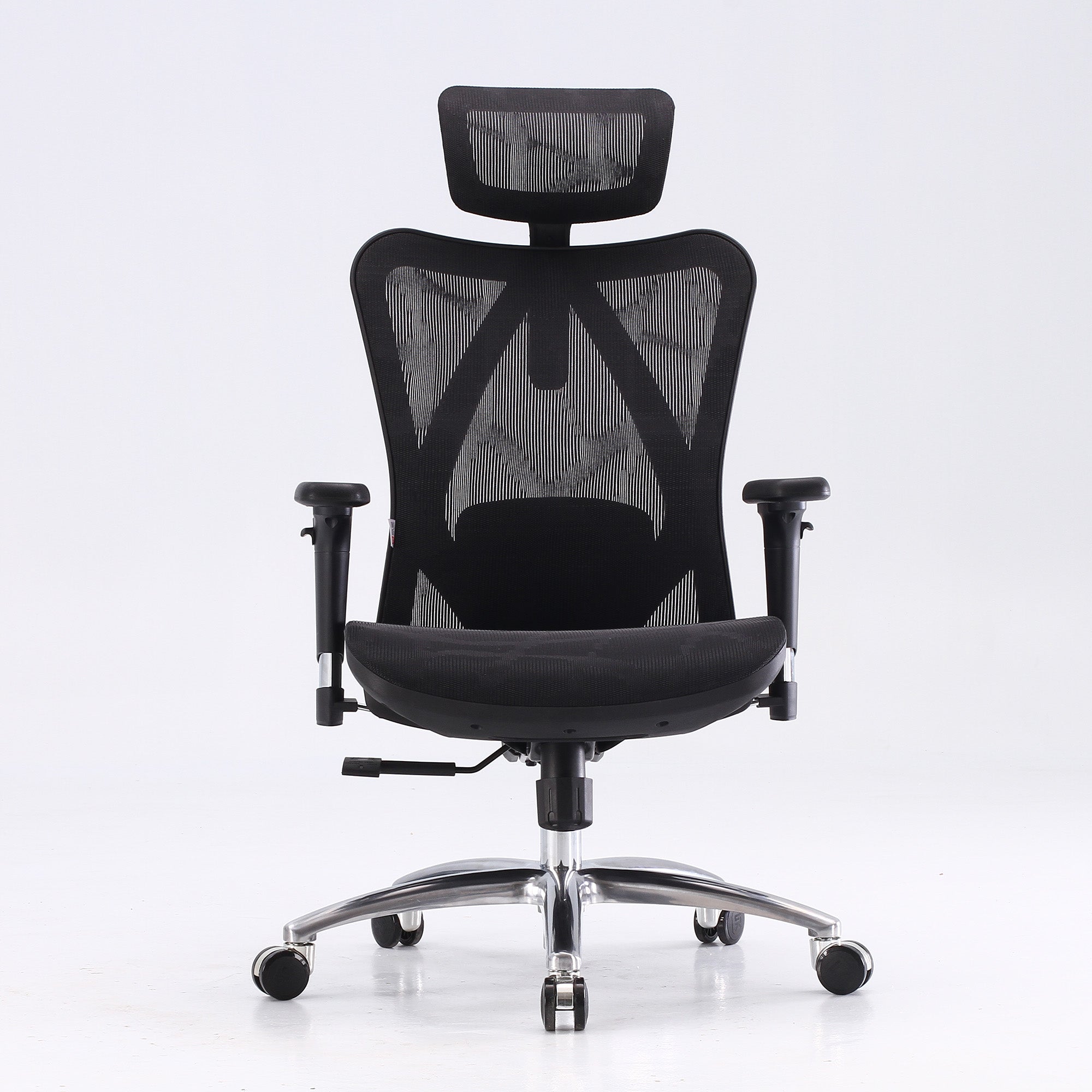
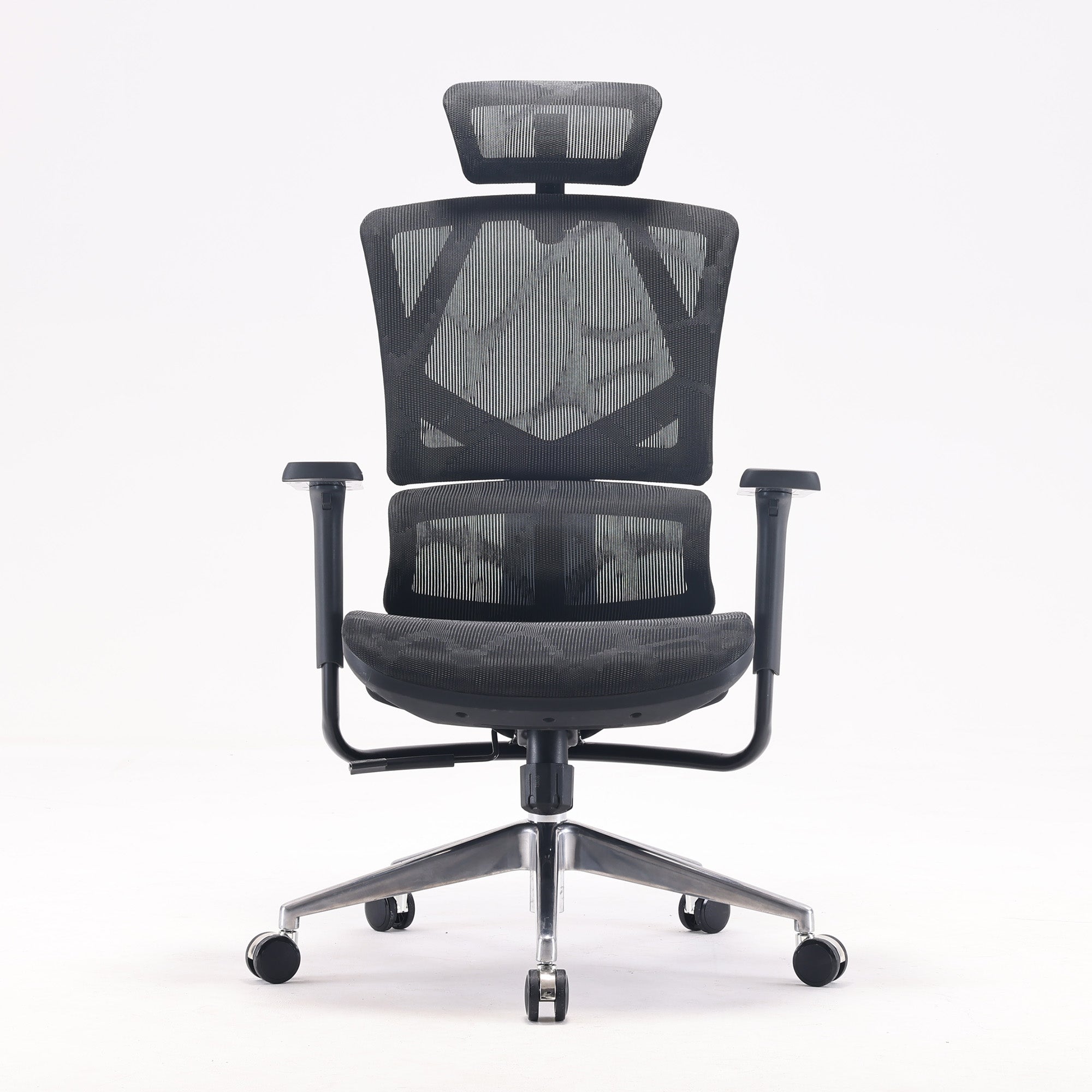
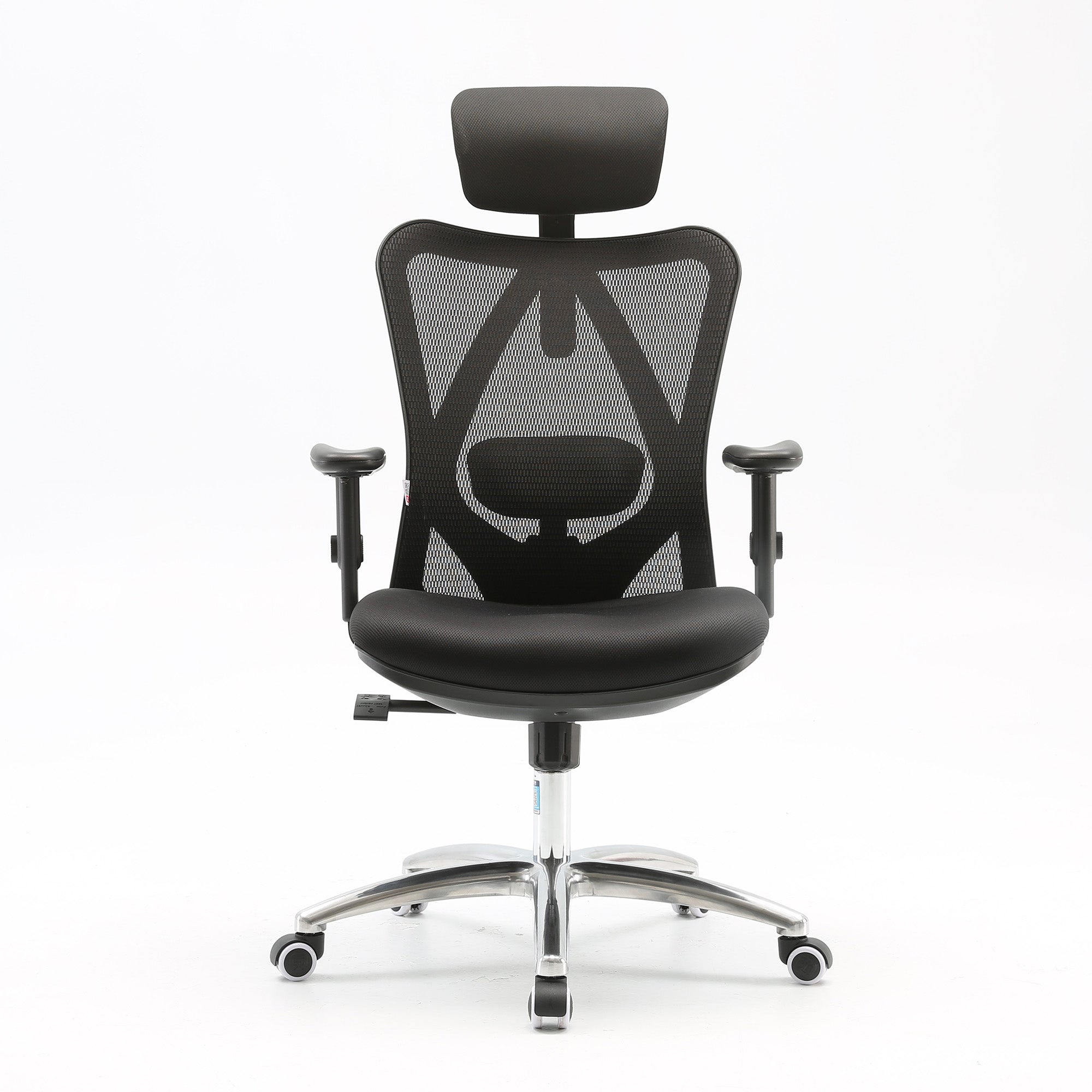
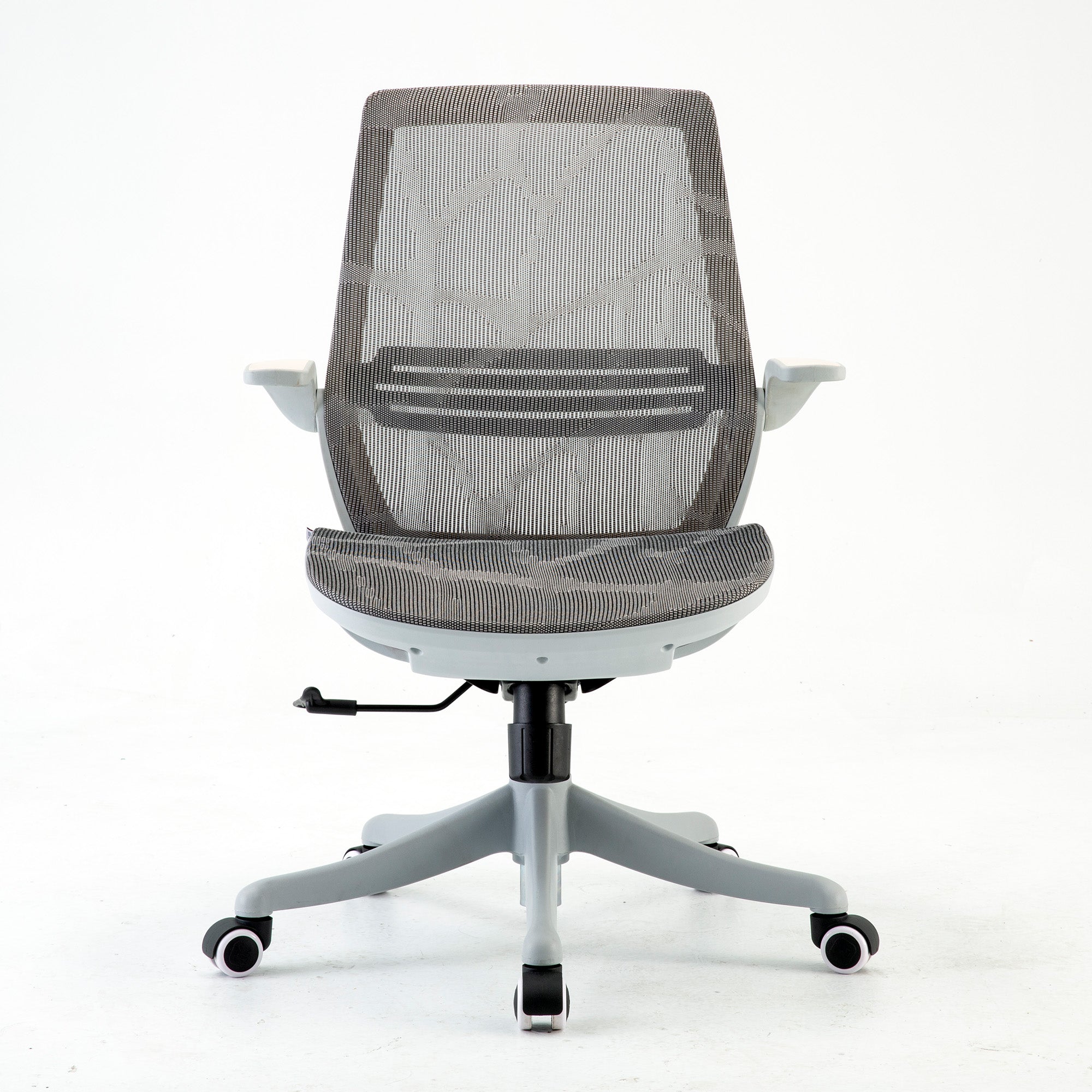
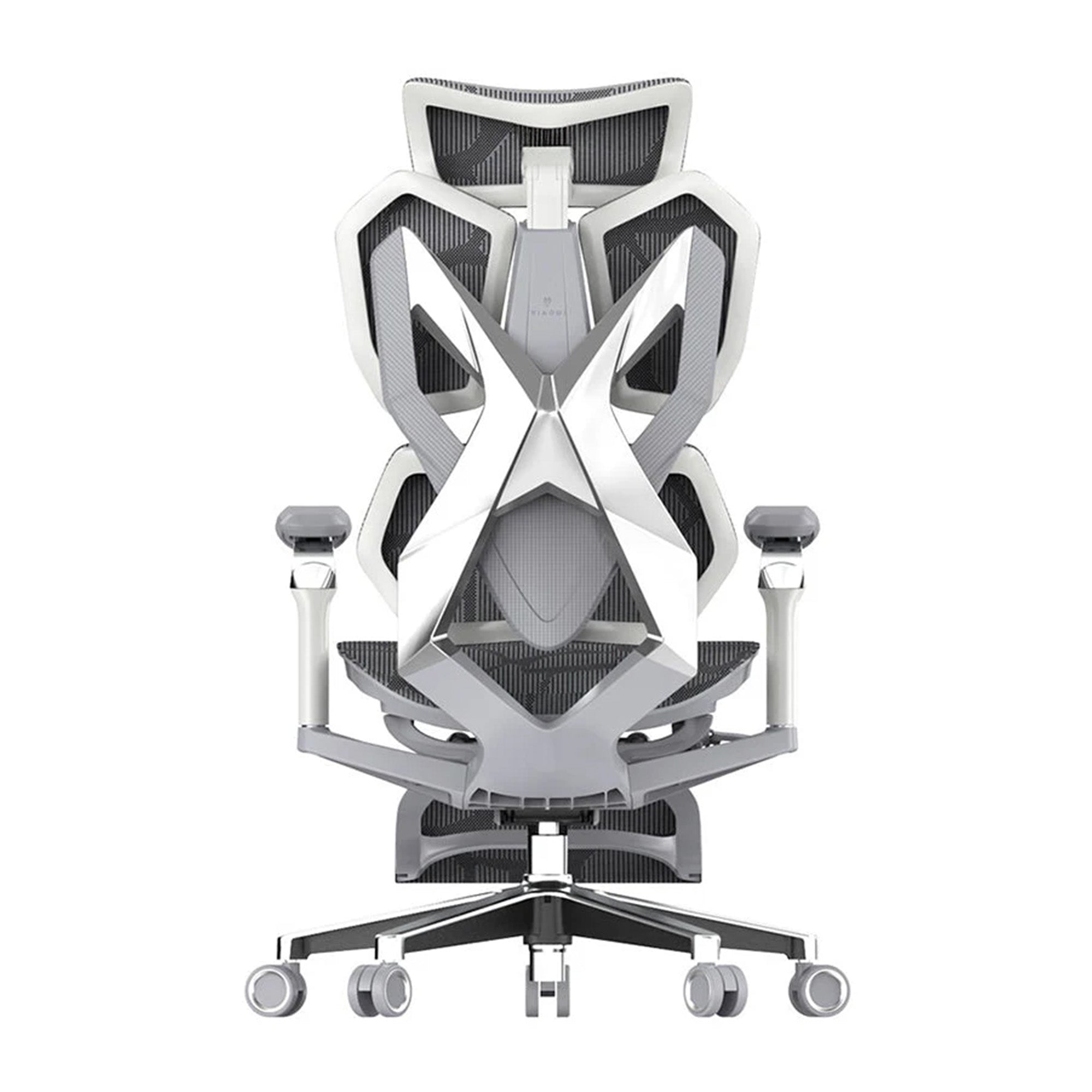
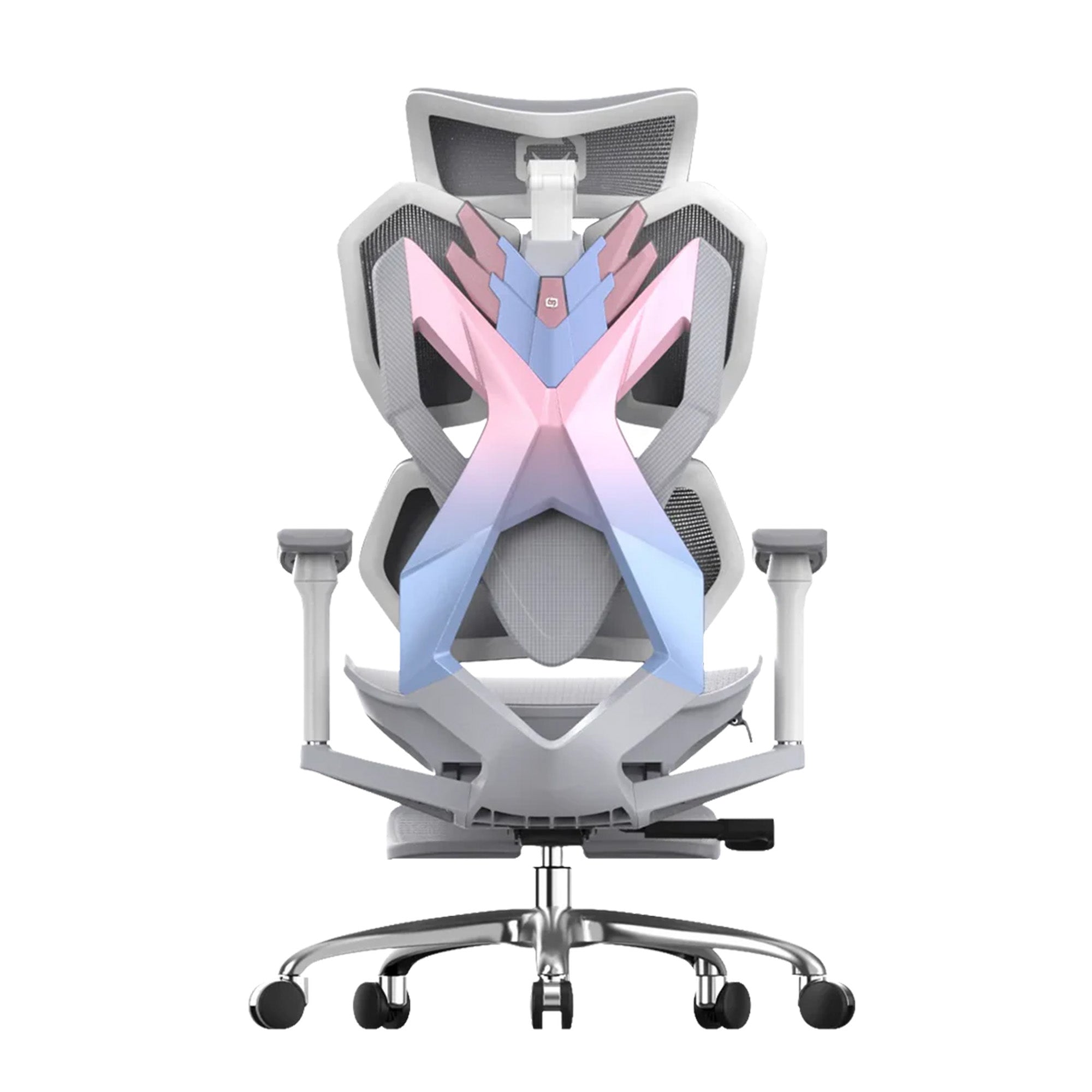
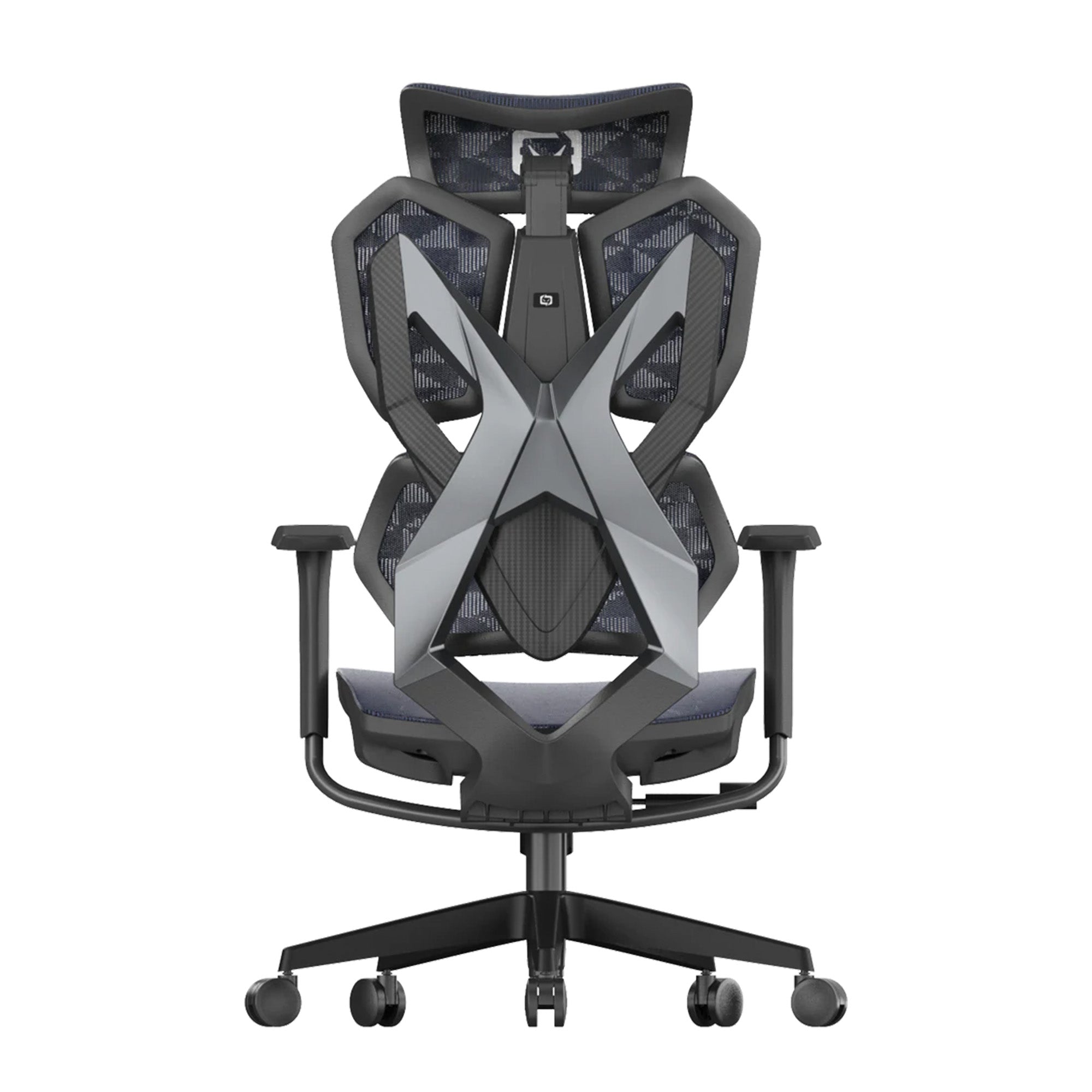
Comfortable seating prevents fatigue and boosts productivity. Ergonomic office chairs support posture, reduce strain, and make long workdays manageable.
SIHOO office chairs are designed for adaptability, offering adjustable features that meet diverse employee needs without compromising style.
Smart Technology Integration
Technology should be seamless, not overwhelming. Smart lighting, wireless devices, and video conferencing tools keep work flowing efficiently.
Digital solutions reduce paper use, promote collaboration, and support a modern, environmentally responsible office environment.
Paperless and Streamlined
Going paperless saves trees and keeps desks clear. Cloud storage, digital note-taking, and electronic signatures reduce clutter dramatically.
Printing only when necessary is simple yet powerful, reflecting an office that values efficiency and sustainability equally.
Colour, Light, and Mood
Lighting and colour influence mood and productivity. Light shades open spaces, while bold accents energise collaborative zones.
LED lighting is energy-efficient and long-lasting, balancing visual appeal with environmental responsibility.
Spaces for Focus and Collaboration
Modern offices need both social and quiet areas. Open collaboration zones, private pods, and breakout corners meet varied working styles.
Flexible meeting rooms with movable walls accommodate teams and projects without limiting creative or focused work.
Wellness-Centred Design
Wellness matters. Meditation rooms, fitness areas, hydration stations, and healthy snack options support employees’ physical and mental health daily.
Even small choices, like indoor greenery or locally sourced food, show a commitment to both wellbeing and sustainability.
Personal Touches and Art
Personalisation and art make workspaces welcoming. Local artwork, recycled décor, and employee-designed spaces inspire creativity and pride.
Even small elements like personal desk plants or customised storage foster engagement without sacrificing sustainability.
Energy Efficiency First
Sustainable offices save energy. LED lighting, motion sensors, and smart thermostats reduce consumption and costs while supporting environmental goals.
Selecting Energy Star-rated appliances and efficient systems keeps the office future-ready and eco-conscious.
A sustainable office should have the perfect balance when it comes to style, functionality, and environmental responsibility.
Incorporating ergonomic chairs in Australia like SIHOO, natural light, biophilic elements, and flexible layouts creates a workspace that’s productive, creative, and sustainable.
Modern office design tips prioritise comfort, collaboration, and eco-conscious choices, proving a smart workspace benefits people, business, and the planet alike.
Frequently Asked Questions
Designing a simple office means focusing on what people actually need to work comfortably and efficiently. Start with a clean layout, neutral colour palette, and furniture with clear functions. Maximise natural light, reduce clutter with smart storage solutions, and avoid unnecessary décor. Adding ergonomic chairs, quality lighting, and a few indoor plants helps create a space that feels calm, professional, and easy to maintain without sacrificing comfort or style.
The best office layout is one that supports different work styles throughout the day. Open areas encourage collaboration and quick communication, while quiet zones, private offices, or focus pods allow for deep, uninterrupted work. Flexible layouts using modular furniture and movable partitions make it easier to adapt the space as teams grow or projects change. A balanced layout improves workflow, reduces distractions, and helps employees stay productive and comfortable.
Office design directly affects how people feel and perform at work. Proper lighting reduces eye strain, good air quality improves concentration, and ergonomic furniture minimises physical discomfort. Clearly defined spaces for focused work, meetings, and relaxation help employees move between tasks efficiently. When an office is designed around comfort, movement, and functionality, it naturally supports higher productivity and better work quality.
A sustainable office design prioritises materials and systems that reduce environmental impact while supporting employee wellbeing. This includes using recycled or renewable materials, low-VOC paints, energy-efficient LED lighting, and smart climate control systems. Designing for durability, flexibility, and reduced waste also plays a key role. Sustainable offices not only help the environment but can also lower long-term energy costs and create healthier indoor spaces.
Ergonomics ensures that office furniture supports the body’s natural posture and movement, reducing the risk of work-related injuries. Well-designed ergonomic furniture promotes better circulation, posture, and long-term musculoskeletal health. In modern workplaces where prolonged sitting is common, ergonomic design plays a critical role in comfort and employee well-being.
Shop products from this article


Save up to 49% this Clearance Sale. Pay in 4 interest-free instalments with Afterpay.
SHOP NOWRecommended Posts


