


Something moved sideways.
You leaned to reach a drawer and the whole chair shifted under you in a way it did not used to. Nothing broke, nothing made a noise, and by the time you sat up straight it felt normal again, so you carried on.
Most people do carry on for months, because side to side movement is easy to write off as a floor issue or an odd castor. It usually is something minor. Usually.
It is worth five minutes anyway, because the small number of cases that are not minor involve the parts holding your body weight off the floor. Before you decide whether the Halloween Sale is the right moment to replace an ergonomic office chair, it is worth knowing which kind of wobble you have.
Where Side to Side Movement Comes From
Movement comes from one of four places, and each of them behaves differently enough to tell apart.
The castors. The most common and least serious. A castor stem that has worked loose in its socket lets the base rock slightly. One bad castor on a five star base creates a noticeable lean.
The base itself. The five star base takes the whole load. Nylon bases can develop hairline cracks along an arm, usually near the hub, and aluminium bases can bend rather than crack. A cracked arm is the fault that matters most.
The column and base joint. The gas lift sits in a tapered socket in the base. Dust, wear or a poor initial fit lets the column rock in the socket, which feels like the seat pivoting rather than the base moving.
The seat plate and its bolts. The mechanism under the seat is bolted through the seat pan. Those bolts loosen over years of shifting weight, and the result is a seat that rocks on top of a perfectly sound base.
Each has a different fix, so the first job is working out which one you are dealing with.

The Five Minute Location Check
Run this with the chair empty, and on a hard floor if you have one, since carpet hides exactly the movement you are trying to find.
Step one. Push down on the seat and rock it gently side to side. Watch the base while you do it. If the base stays still and the seat moves on top, your fault is in the seat plate or the column joint. If the base itself moves or an arm lifts, the fault is below.
Step two. Tip the chair on its side. Look along each of the five arms, especially where each arm meets the central hub. You are looking for hairline cracks, stress whitening in nylon, or any visible bend.
Step three. Check each castor. Pull each one firmly. A castor that slides out with light hand pressure is loose in its socket. Spin each wheel and check for a seized one, which makes a chair feel unstable as it drags.
Step four. Feel the column. With the chair upright, hold the seat and try to rock it in a small circle. Movement here that does not come from the seat plate points at the column and base joint.
Step five. Check the seat plate bolts. Turn the chair over and look at the four or six bolts securing the mechanism to the seat pan. Loose bolts are visible as a gap or a witness mark around the head.
Five steps, and you now know whether you have a tightening job, a parts job, or a chair to stop using.
What Is Safe to Tighten and What Is Not
The safe list is short but genuinely useful, and it covers most of what people find.
Seat plate bolts can be tightened with the hex key that came with the chair. Snug is the target rather than maximum force, because overtightening strips the threads in a seat pan, and armrest bolts follow the same rule. A loose castor can usually be pushed firmly back into its socket until it clicks.
The list of things not to attempt matters a good deal more.
Do not attempt to repair a cracked base with glue, tape, brackets or screws. A five star base is a single moulded load path, and a repaired arm has no reliable strength. Do not pack or shim a loose column socket to take up play, because you are wedging a pressurised cylinder into a worn taper. And do not keep using a chair where an arm is visibly cracked or bent while you decide what to do.
That last one is the honest safety line in this article. A base fails downwards and sideways at once, usually while someone is leaning.

When to Stop Using the Chair Today
There are four signs worth knowing, and any single one of them is reason enough to stop.
|
Sign |
What it means |
|---|---|
|
A visible crack or whitening on any base arm |
Structural failure has started, stop using it |
|
A base arm that has bent out of line |
The load path is compromised |
|
Seat drops or twists suddenly under load |
Column or socket failure, not a tightening job |
|
Movement that returns within days of tightening |
Something is worn rather than loose |
That last row is the one people miss. A bolt that needs tightening every fortnight is not a bolt problem. It is telling you that the hole, the thread or the plate has worn, and tightening it again just resets the clock.
In a workplace, any of these four should take the chair out of service immediately rather than at the end of the week. It is a small cost against an injury and a report.
Repair, Claim, or Replace
Once you know which of the four causes you are dealing with, the decision becomes fairly clean.
Castors and seat plate bolts are a repair, and usually a free one. Our product warranty policy runs three years and covers the base and castors, the gas lift, armrests, lumbar support, headrest and recline mechanism. Misuse and normal cosmetic wear sit outside it.
A cracked base on a chair under three years old is a warranty claim rather than a purchase. Parts ship direct, so you never freight the whole chair back, and the replacement part request form covers bases, castors, gas lifts, armrests, headrests and footrests.
Replacement makes more sense in three cases. The first is a chair well out of warranty with a failed base. The second is more than one part worn at the same time, and the third is tightening that keeps coming undone. All three are signs of age rather than a single fault.
For an office, check purchase dates across the floor before approving anything. Chairs bought in one order tend to wear at a similar rate, and a batch inside warranty is a claim rather than a budget request.
What a Replacement Should Have
If the base was the problem this time, then buy for the base next time, because that is the part you now know can fail.
Look for a rated weight capacity, since that number tells you what the base, column and frame were engineered to carry. Every chair in our range is rated to 150 kilograms. Look for a supplier that will send you a base rather than collect the chair. Check that the base and castors are named in the warranty rather than implied by it.

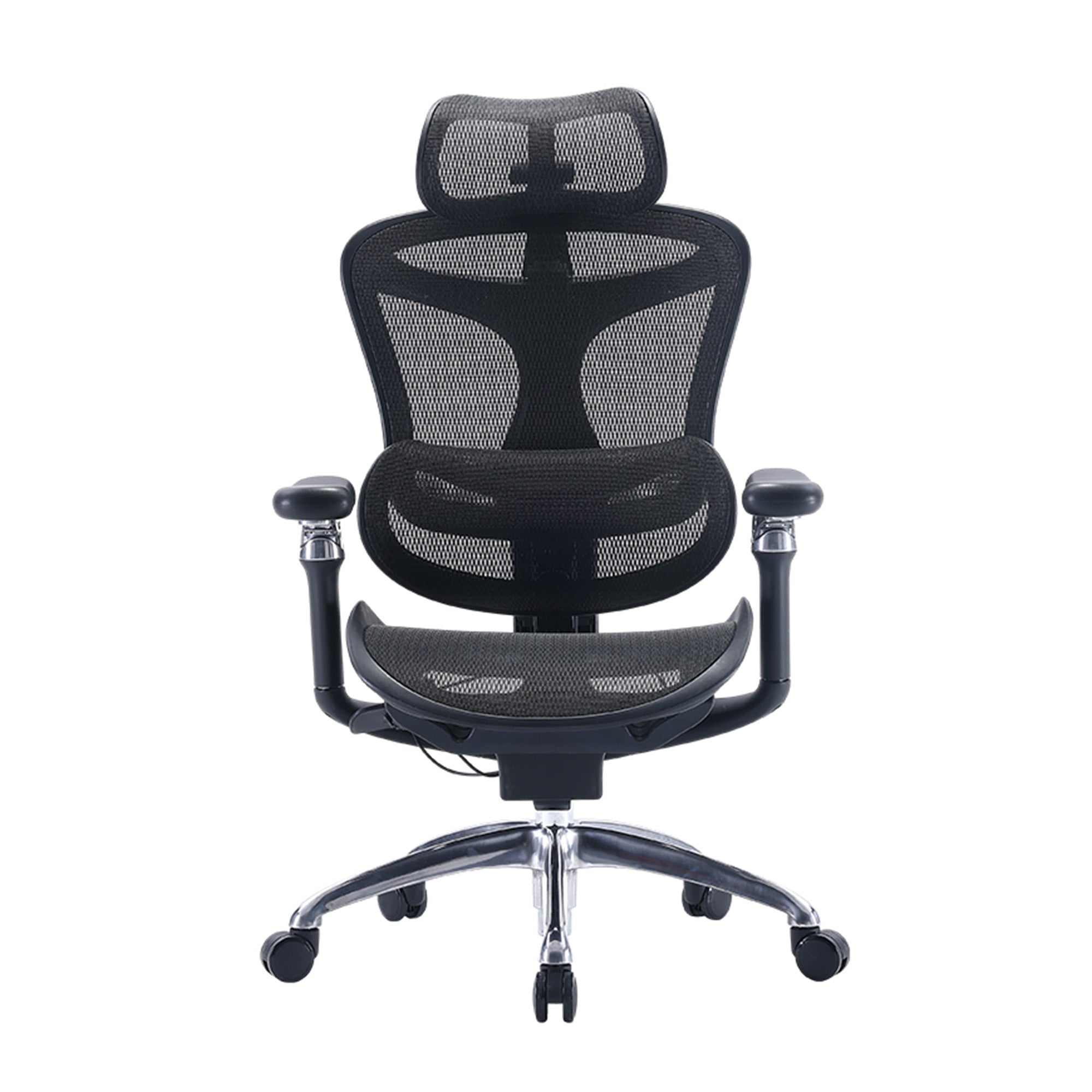
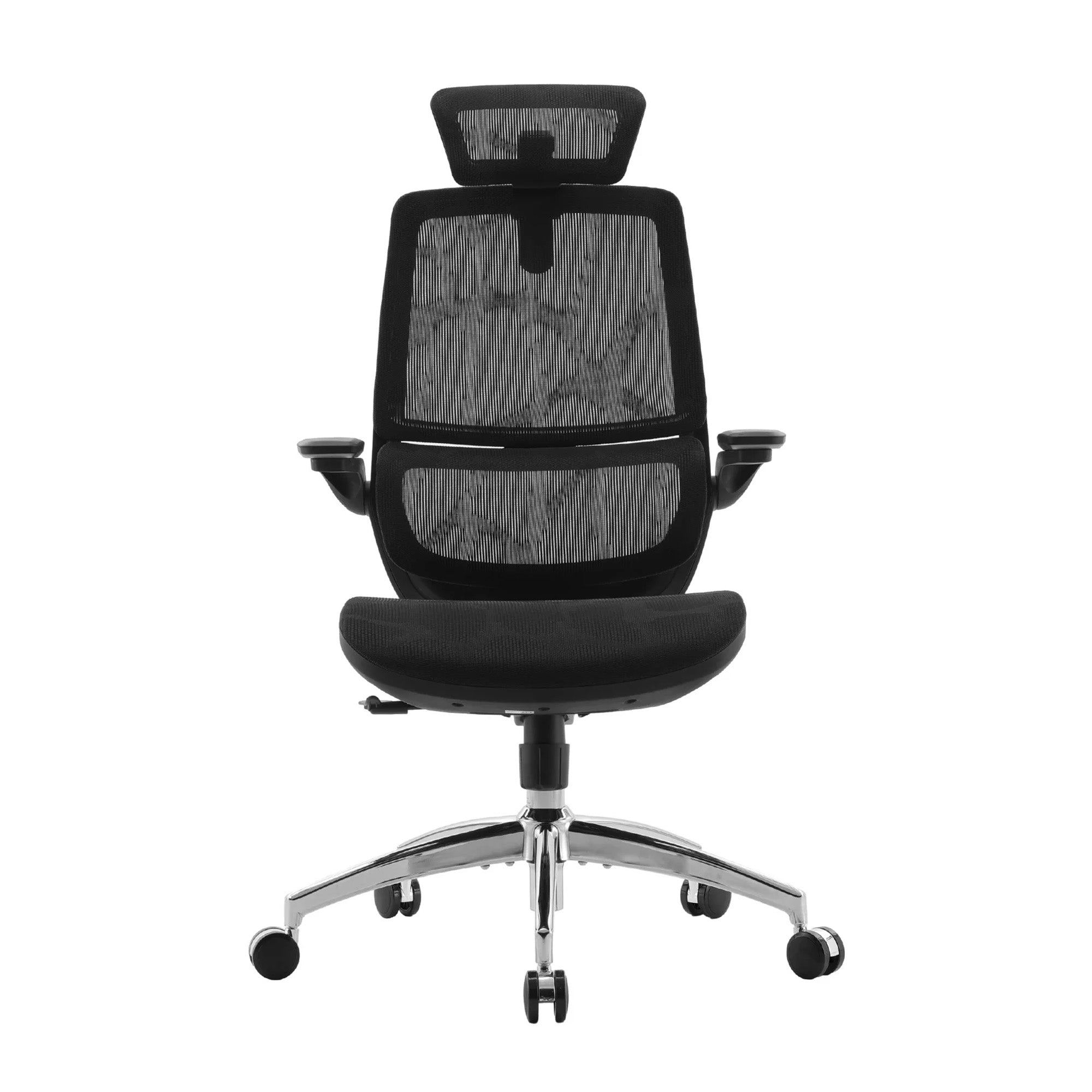
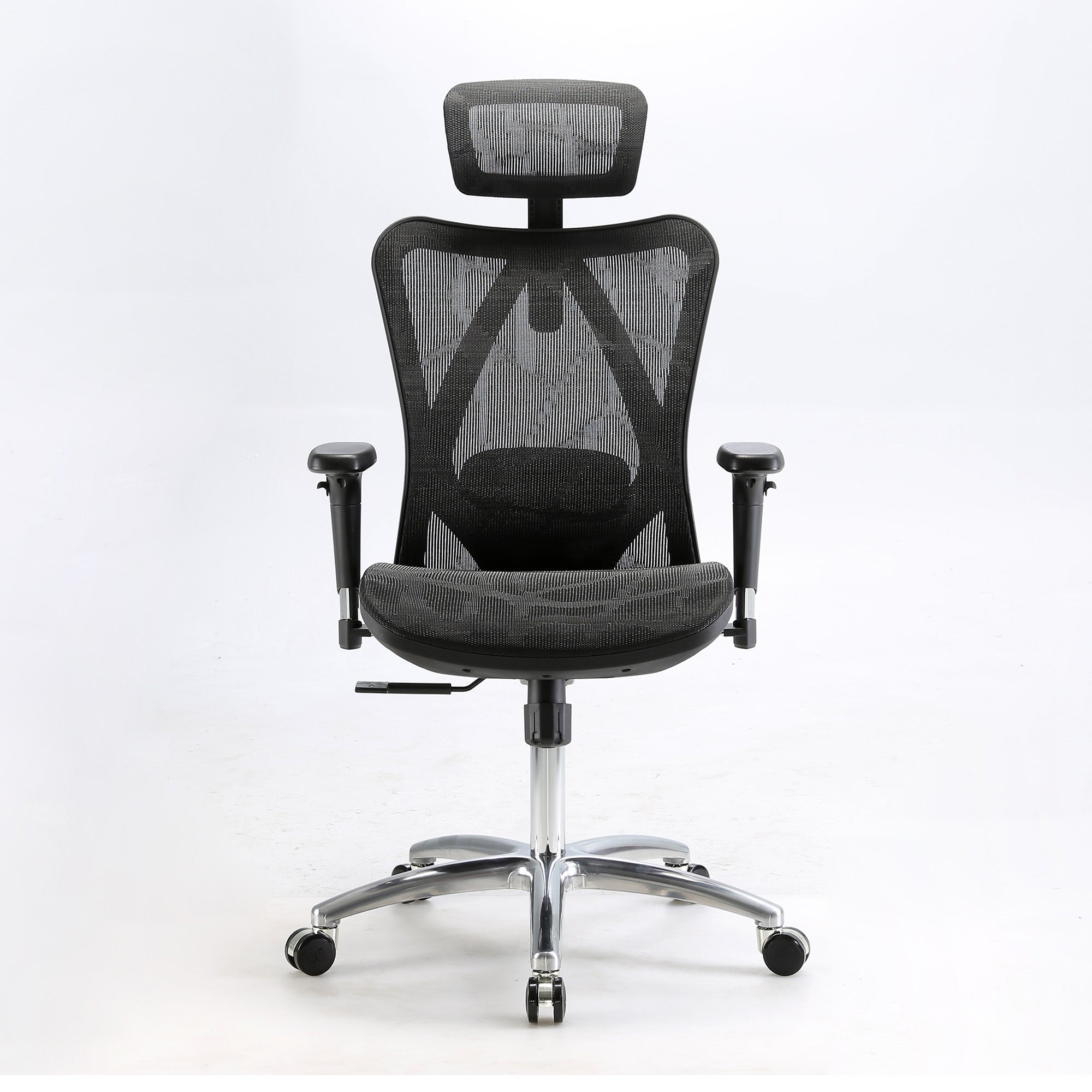
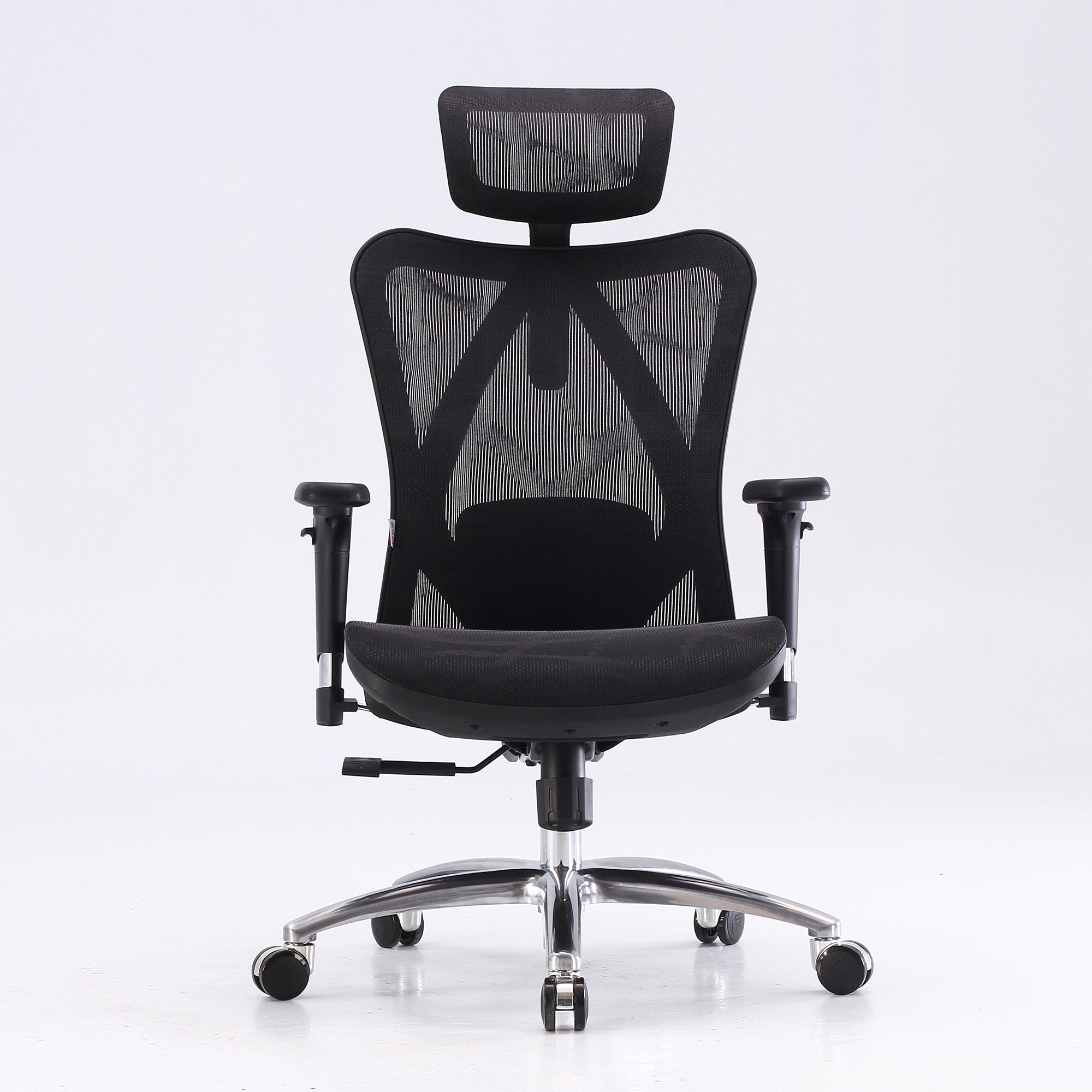
The Doro C300 Pro V2 and Doro C300 Pro both carry that 150 kilogram rating with three years of cover including the base and castors. The Doro S100 carries the same rating at a lower price.
What This Guide Does Not Cover
Two things are worth saying plainly about the scope here. This guide is about side to side instability at the base, column or seat connection. A chair that squeaks, one that leans backwards and will not hold its angle, or a castor you want to remove are separate faults with separate answers.
This is also not medical advice, and working in an unstable chair often means bracing, and bracing can leave you sore. If discomfort has lasted weeks, please see a physiotherapist or your GP rather than waiting for a new chair to sort it out.
Making the Call During the Halloween Sale
Run the five minute check first, because most people find a loose castor or a seat plate bolt, and that is a free fix in ten minutes.
If you find a cracked or bent base arm, stop using the chair now. Claim it if it is inside three years. If it is not, and the base has failed on its own, the chair has reached the end. The sale is a fair moment to replace it from the best ergonomic chairs in Australia range. Halloween Sale pricing sits at https://sihoo.com.au/pages/halloween-sale-ergonomic-chairs.
If you are replacing several at once, our bulk office chairs team can help you work out which chairs are still covered before anything gets bought.

Conclusion
A wobbling chair is usually nothing at all, and that is exactly why it is worth checking properly.
Five minutes with the chair on its side tells you whether you have a loose castor, a tired bolt, a worn column socket or a cracked base. The first two are a ten minute fix with the hex key in the drawer, the third is a parts conversation, and the fourth means stop sitting in it today.
The part worth remembering is the pattern rather than any single sign. Something that loosens again a fortnight after you tightened it is not loose. It is worn, and worn parts on a chair holding your full weight are not a thing to keep an eye on for a few more months.
Better Comfort Starts Now.
Sources Referenced
-
Sihoo Australia warranty policy: 3 year warranty covering seat and backrest, armrests, base and castors, hydraulic gas lift mechanism, lumbar support, headrest and reclining mechanism. Misuse and normal cosmetic wear excluded. Retrieved 12 September 2026.
-
Sihoo Australia replacement part request page: parts ship direct, covering armrest, castor, gas lift, base, headrest and footrest under the 3 year warranty. Retrieved 12 September 2026.
-
Sihoo Australia, Doro C300 Pro V2 product page: 150 kg weight limit, 3 year warranty. Retrieved 12 September 2026.
-
Sihoo Australia, Doro C300 Pro product page: 150 kg weight limit, 3 year warranty. Retrieved 12 September 2026.
-
Sihoo Australia, Doro S100 product page: 150 kg weight limit, 3 year warranty, $499 from $789. Retrieved 12 September 2026.
Frequently Asked Questions
Four things. A loose or seized castor, or a cracked or bent base arm. It can also be wear in the joint between the gas lift column and the base, or loose bolts in the seat plate.
Rock the seat and watch whether the base moves, then tip the chair over and check each base arm at the hub. After that, pull each castor, feel for movement at the column, and look at the seat plate bolts. None of these needs tools beyond the included hex key.
Immediately, if you see a crack or whitening on a base arm, a bent arm, or a seat that drops or twists suddenly. Also if movement returns within days of tightening, which points to wear rather than looseness.
When the base has failed, when several parts are worn at once, or when the same bolt keeps loosening. A repeated fix is an ageing chair telling you something.
Take it out of service the same day rather than at the end of the week, and label it so nobody puts it back. Then check whether it is inside warranty before deciding anything else.
Check castors and seat plate bolts once a year, specify chairs with a stated weight rating, and buy from a supplier that ships parts direct. Most instability is caught at the tightening stage if anyone looks.
Shop products from this article


