


The room isn't always the problem.
Most people blame warm weather, poor airflow, or a weak air conditioner when they feel hot at their desk. Often the actual cause is a few centimetres away: the chair. An ergonomic office chair with the wrong seat and backrest material can raise your skin temperature at the contact points regardless of what the room thermostat says, and once that heat builds up, opening a window doesn't undo it.
This complaint tends to surface right around this point in the year. Through winter and early spring, a foam or padded seat rarely gives itself away, the room is cool enough that trapped heat never really builds up. As Australian spring warms into its second half, the same chair that felt perfectly fine in July starts feeling noticeably worse by October, and most people assume the weather is simply catching up with them rather than realising the chair was always going to be the issue once temperatures climbed. It's worth checking now, before the discomfort compounds through a full summer.
This is a common enough complaint that people describe it in fairly specific, slightly embarrassed terms online: a damp back by mid-morning, a chair that felt fine for the first twenty minutes and steadily worse after, visible marks on a shirt by lunchtime. None of that is really about willpower or body temperature. It is almost always about what the seat and backrest are made of, and how that material handles heat leaving your body.
Why Some Chairs Trap Heat and Others Don't
It's About How Heat Leaves Your Body, Not Just the Room
Two materials, two completely different ways of losing heat.
A padded or foam seat manages heat mostly through direct contact and sweat evaporation, the same way a thick blanket does. That works fine in a cool room for a short sit. It works poorly once the room warms up or the sitting stretches past an hour, because the padding itself acts as insulation, trapping the heat your body is trying to release rather than letting it go.
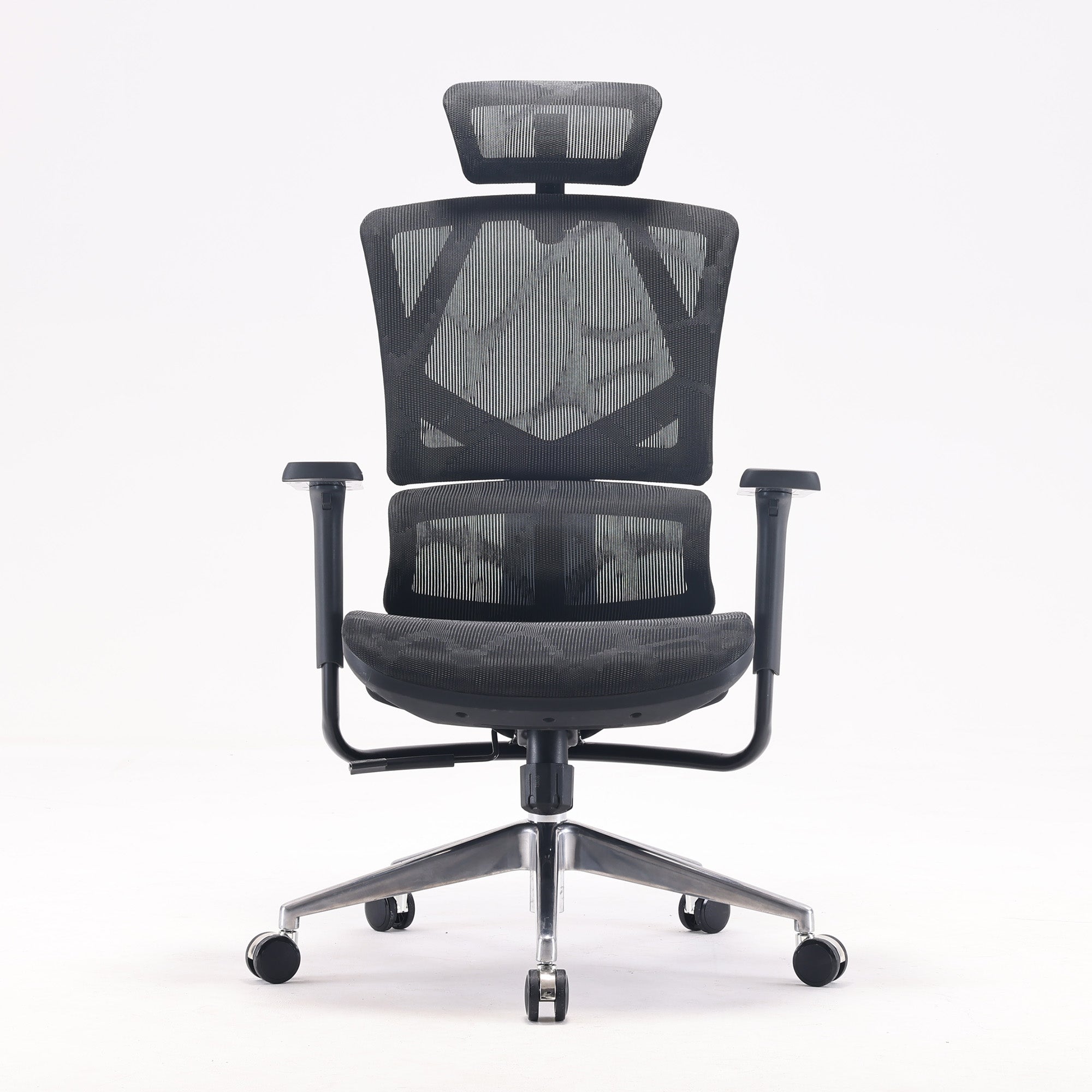
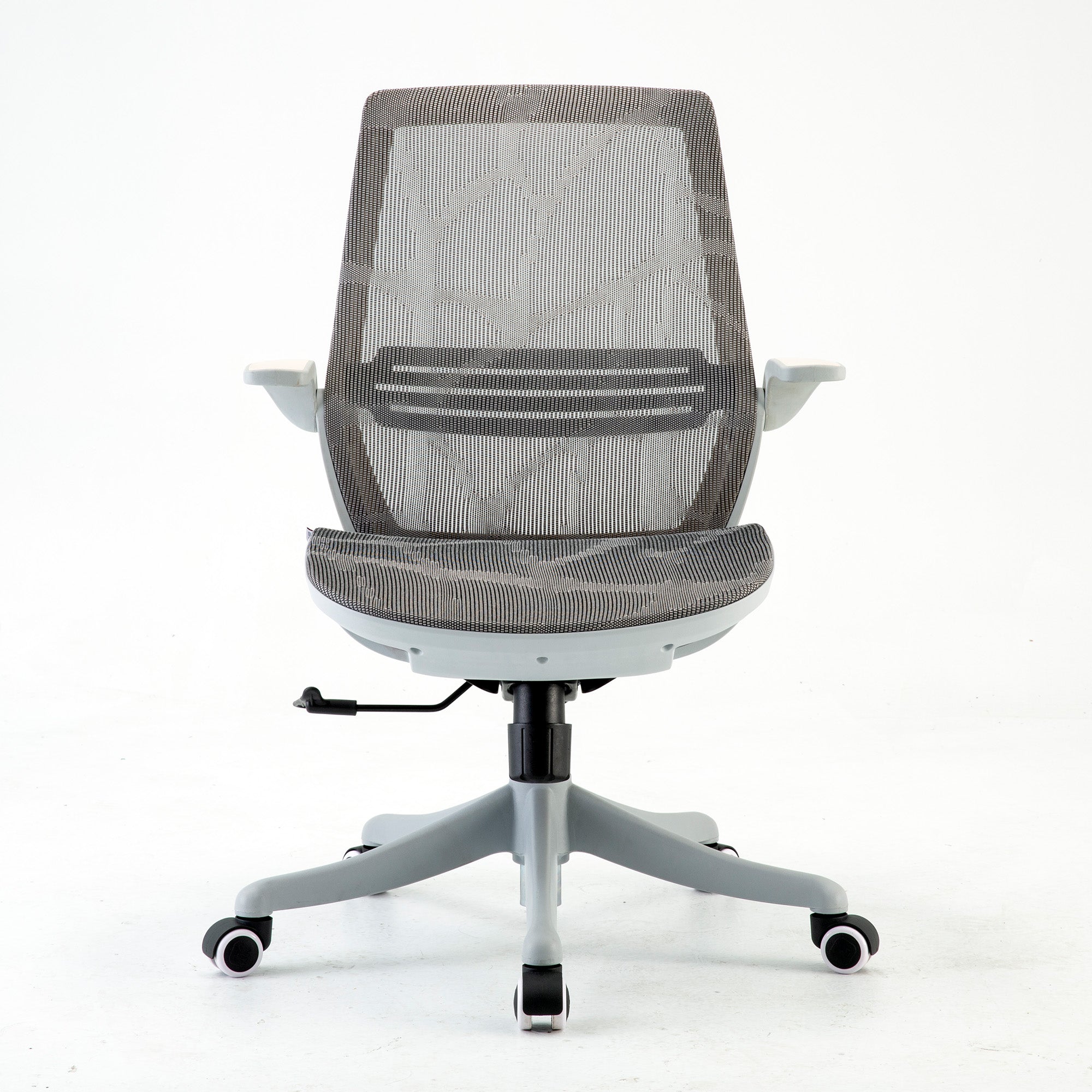
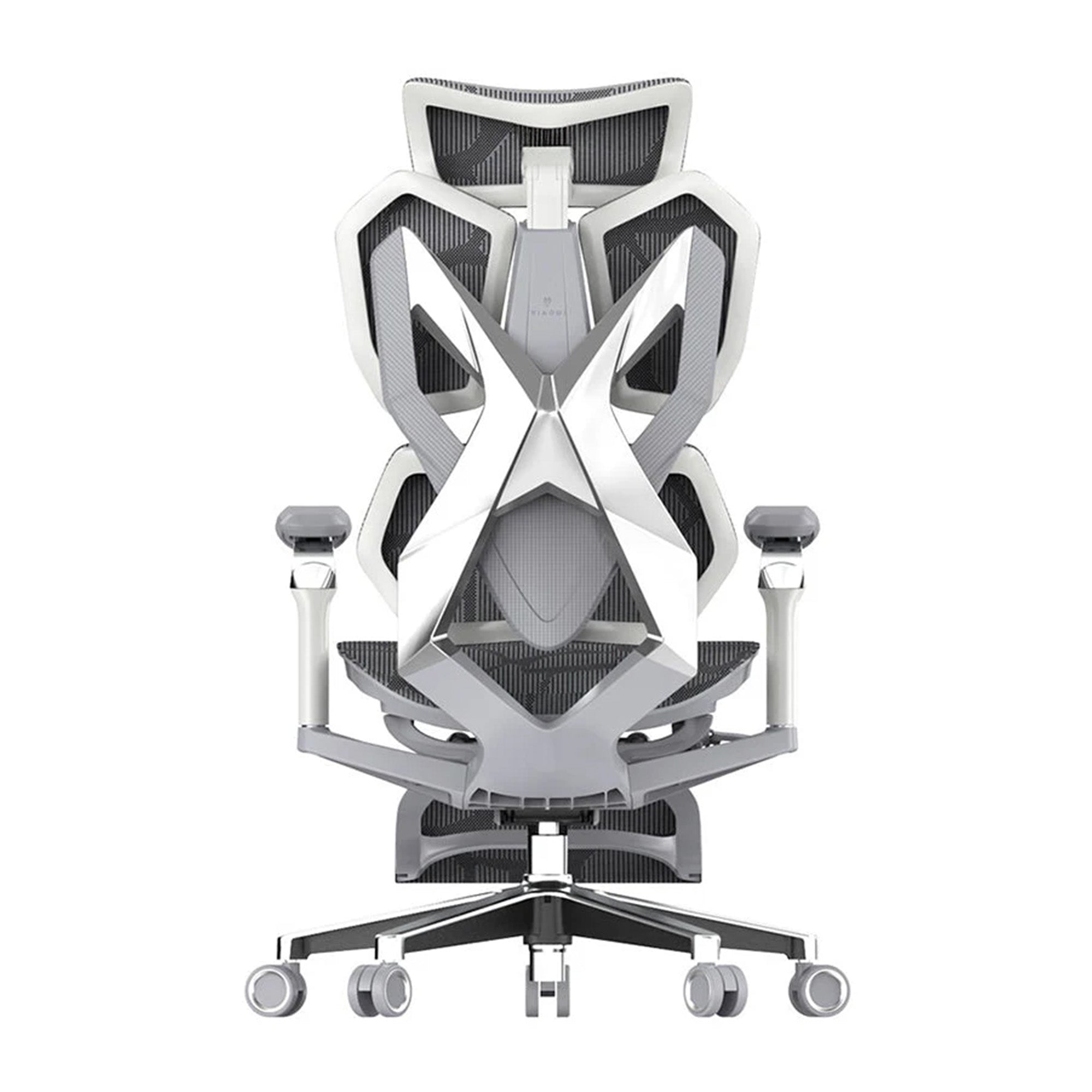
A mesh seat and backrest work through airflow instead, heat moves away from your body through the open weave rather than building up underneath it. Research published by Herman Miller on seating thermal comfort found that foam cushioning has genuine insulating properties that resist heat conduction away from the body, and that permeability, how easily air and moisture move through a seat material, varies significantly with how much the material compresses under weight (Diebschlag et al., 1988). A denser foam under more weight traps more heat, precisely when you need it to release more.
|
THE ONE THING TO UNDERSTAND: Room temperature and chair material are two separate heat problems. Fixing one doesn't fix the other. A cooler room with a heat-trapping chair still leaves you sweating at the contact points. |
Why It Gets Worse the Longer You Sit
The First Twenty Minutes Feel Fine. That's the Trap.
A common pattern people describe: the chair is comfortable for the first stretch of a working session, then noticeably worse from mid-morning onward, with the same discomfort resetting somewhat after a lunch break away from the desk. That pattern actually confirms it's a material issue rather than a room issue. Trapped heat and moisture accumulate progressively at a contact point that never gets a break, which is exactly why a short sit rarely reveals the problem but a full working session does. A room that was too warm from the start would feel uncomfortable immediately, not twenty minutes in.
The Fixes People Try That Don't Actually Work
Gel Cushions and Seat Covers Often Make It Worse
A common response to a hot seat is adding something to it, a gel cushion, a cooling pad, a fabric cover for a leather chair. Most of these add another layer of material between you and any airflow the chair originally had, which can worsen the exact problem they're meant to solve. A gel cushion on top of a mesh seat blocks the ventilation the mesh was providing. A breathable cover over a foam seat doesn't change what's underneath it.
-
What doesn't reliably help: adding cushioning or covers to a seat that already traps heat. This adds insulation rather than removing it.
-
What doesn't reliably help: clothing changes alone. Breathable fabric helps at the margins but doesn't address a seat that's trapping heat regardless of what you're wearing.
-
What does help: removing the insulating layer, whether that's the seat material itself or an added cushion sitting on top of a chair that was otherwise fine.

How to Tell If Your Chair Is the Actual Cause
A Two-Minute Check
-
Feel behind your lower back and under your thighs. If those spots are noticeably warmer or damper than the rest of your body after 30 to 40 minutes seated, the chair is contributing directly, not just the room.
-
Compare a padded chair to a hard kitchen chair for ten minutes each. If the padded chair feels warmer at the same room temperature, that's the material, not the weather.
-
Check whether the discomfort follows you when you stand up and move to a different room. If it fades within a minute of standing, the heat was localised to contact points, which points to the chair rather than general room temperature.
If none of these show a clear difference, the room itself, not the chair, is the more likely place to focus first.
Material by Material: What Actually Happens
Not All Non-Mesh Chairs Are Equal Either
|
Material |
How it handles heat |
Worth knowing |
|---|---|---|
|
Full mesh (seat and back) |
Airflow-based, heat and moisture pass through the open weave |
The most consistent option across a full working day, least affected by room warmth |
|
Mesh back, foam seat |
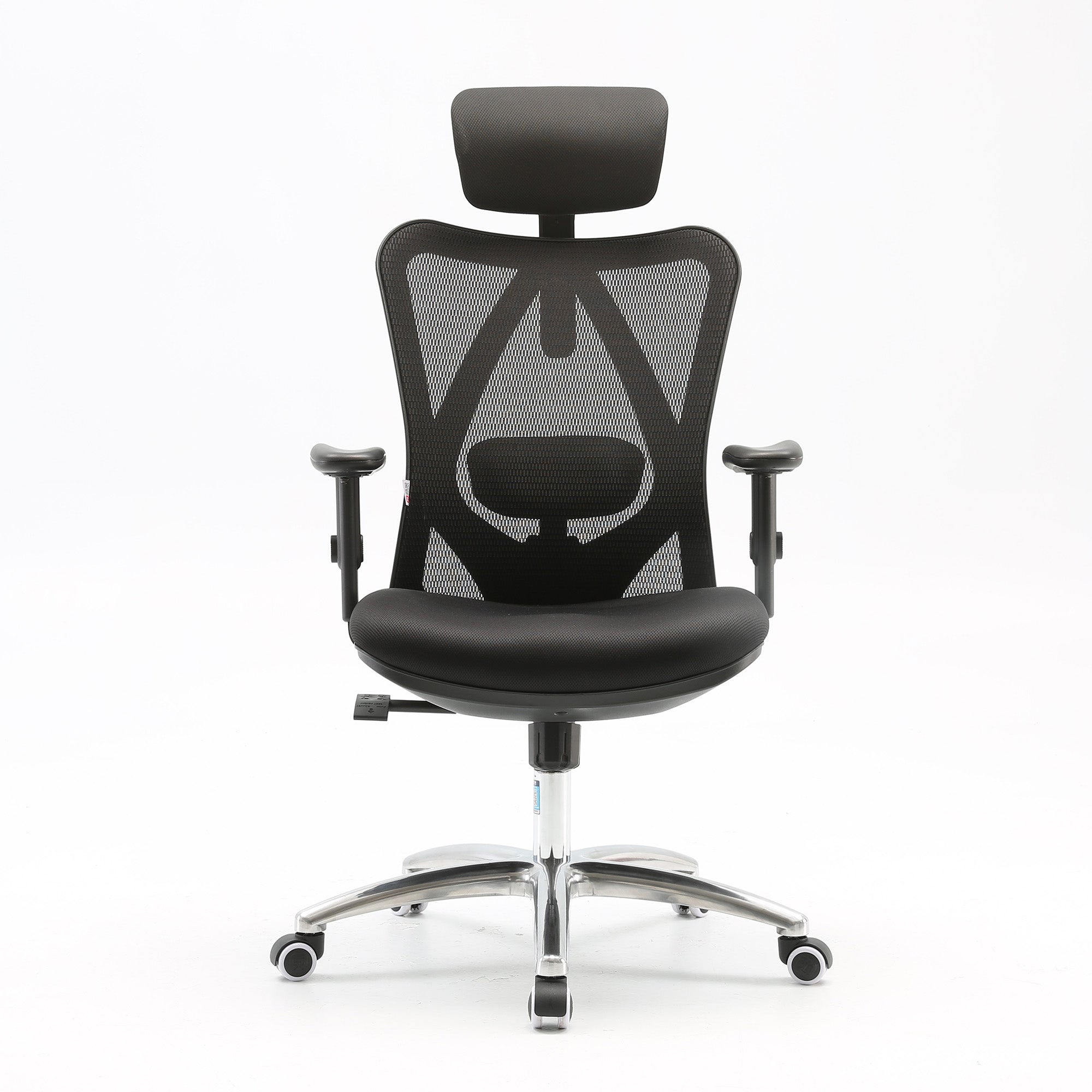
Backrest breathes, seat still traps heat at the larger, more sustained contact point |
Often mistaken for a fully breathable chair. The seat is usually the actual problem |
|
Fabric or cloth upholstery |
Traps some heat, holds moisture longer than mesh, retains odour over time |
Better than leather or vinyl, still noticeably behind full mesh for long sessions |
|
Leather or vinyl |
Blocks airflow almost completely, relies entirely on evaporation at the contact edge |
The most heat-retentive option and slowest to release trapped moisture |
What Actually Fixes It
Mesh Is One Fix, Not the Whole Answer
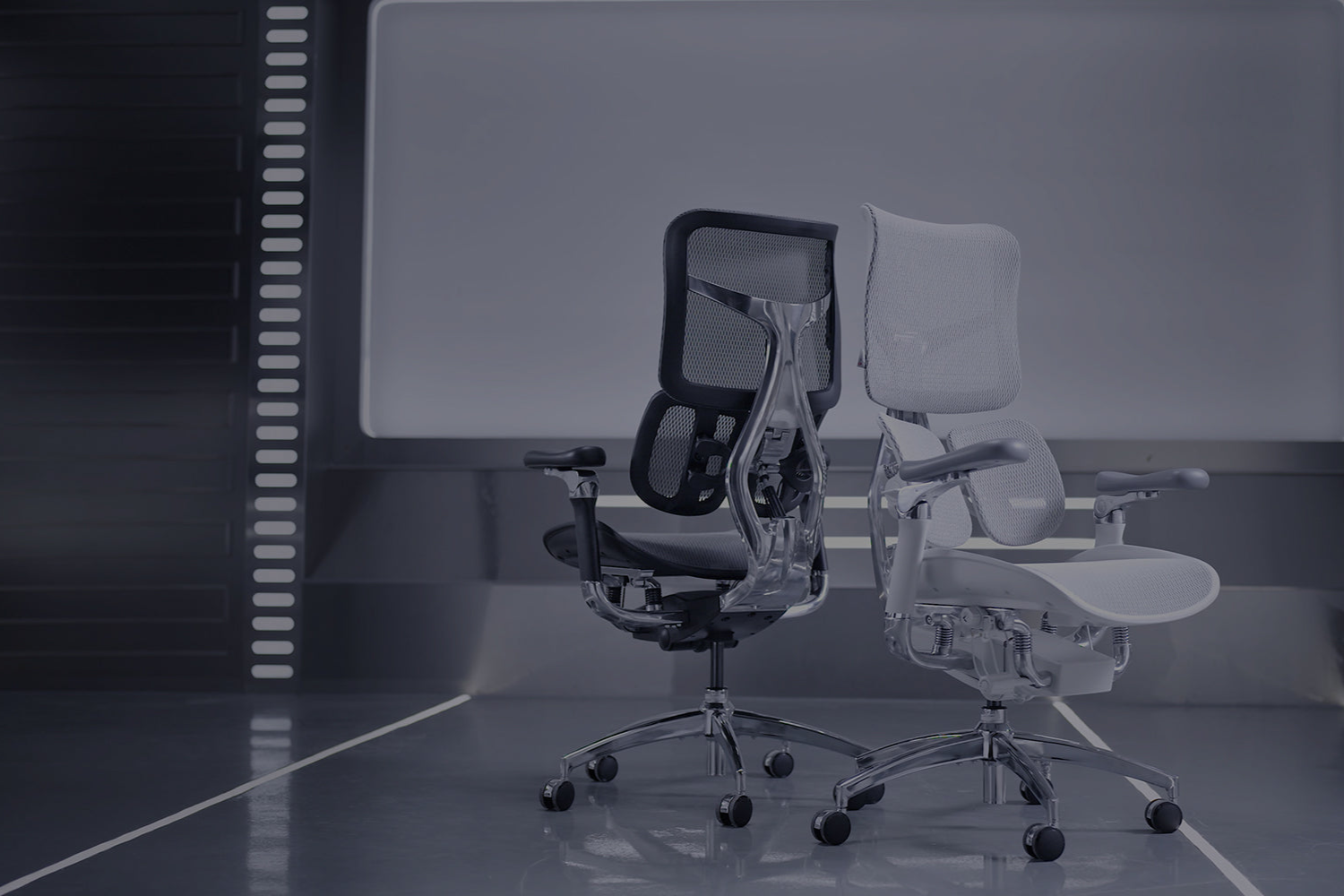
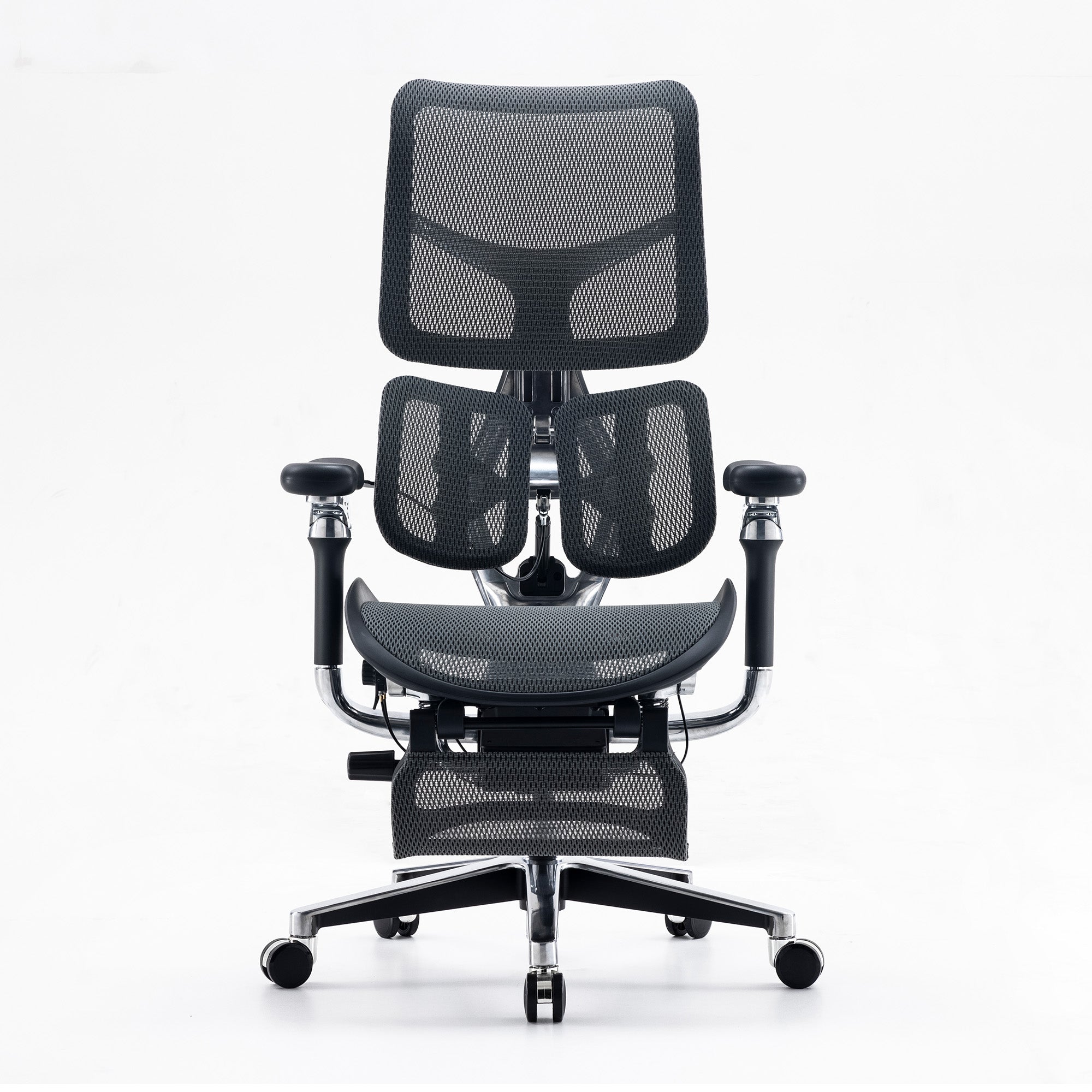
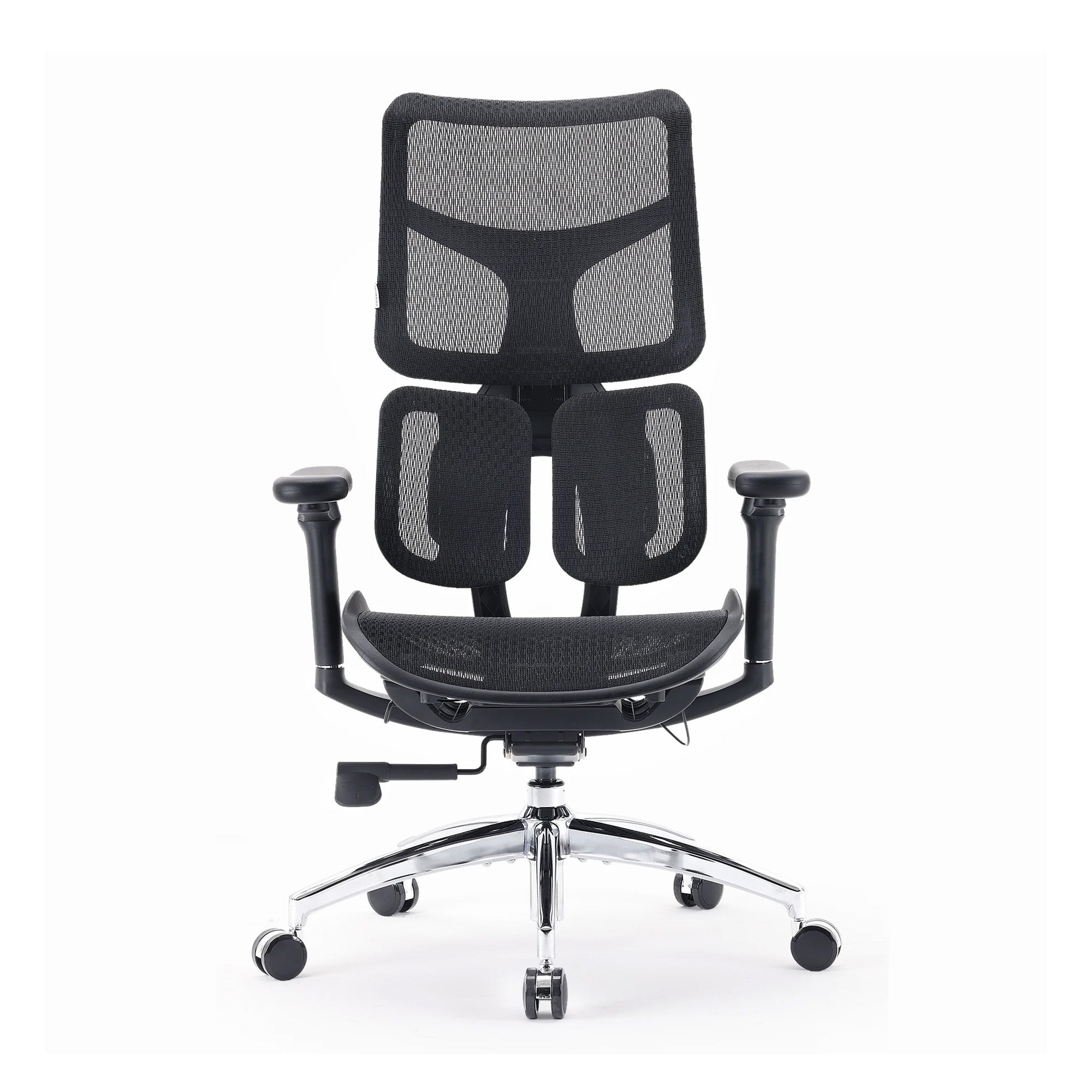
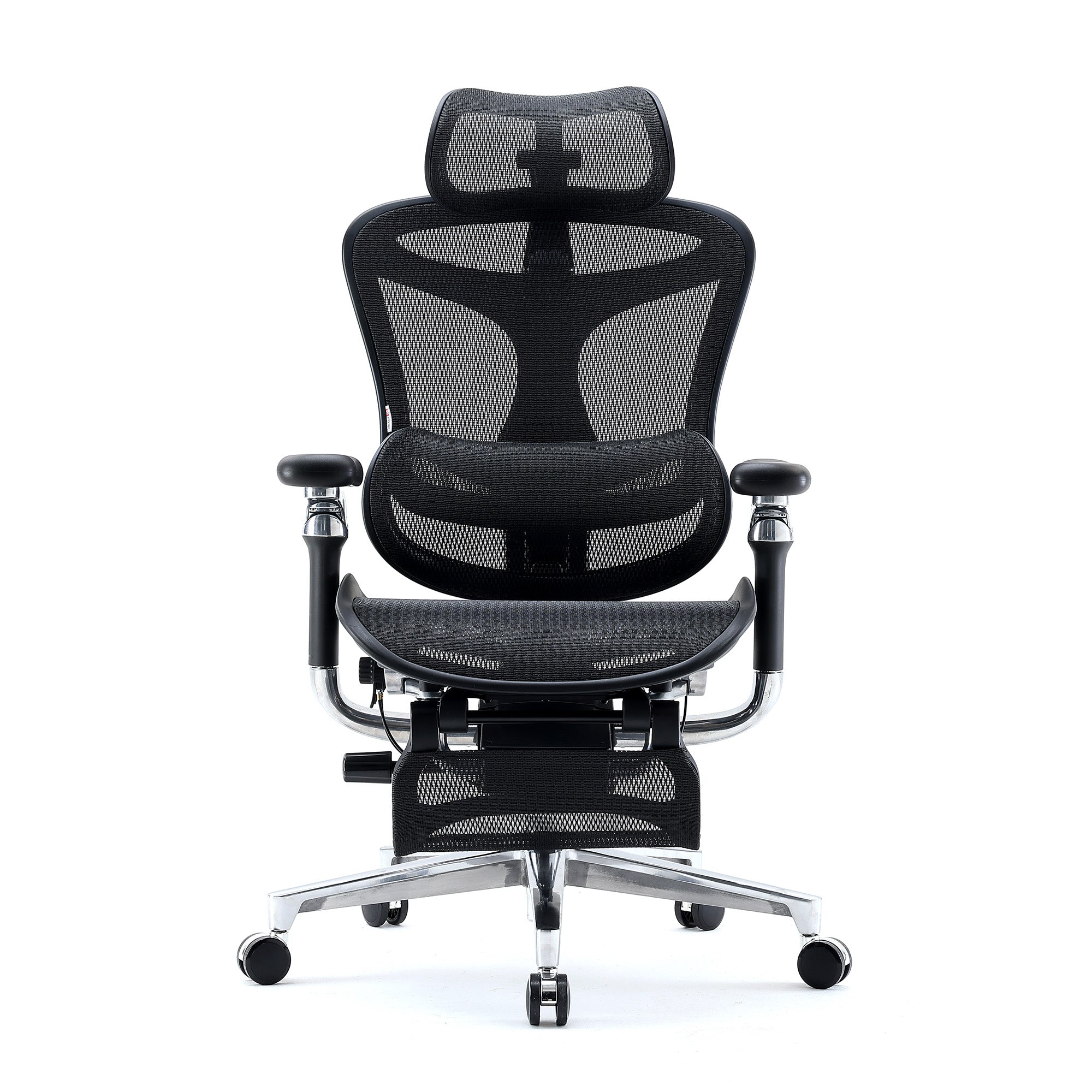
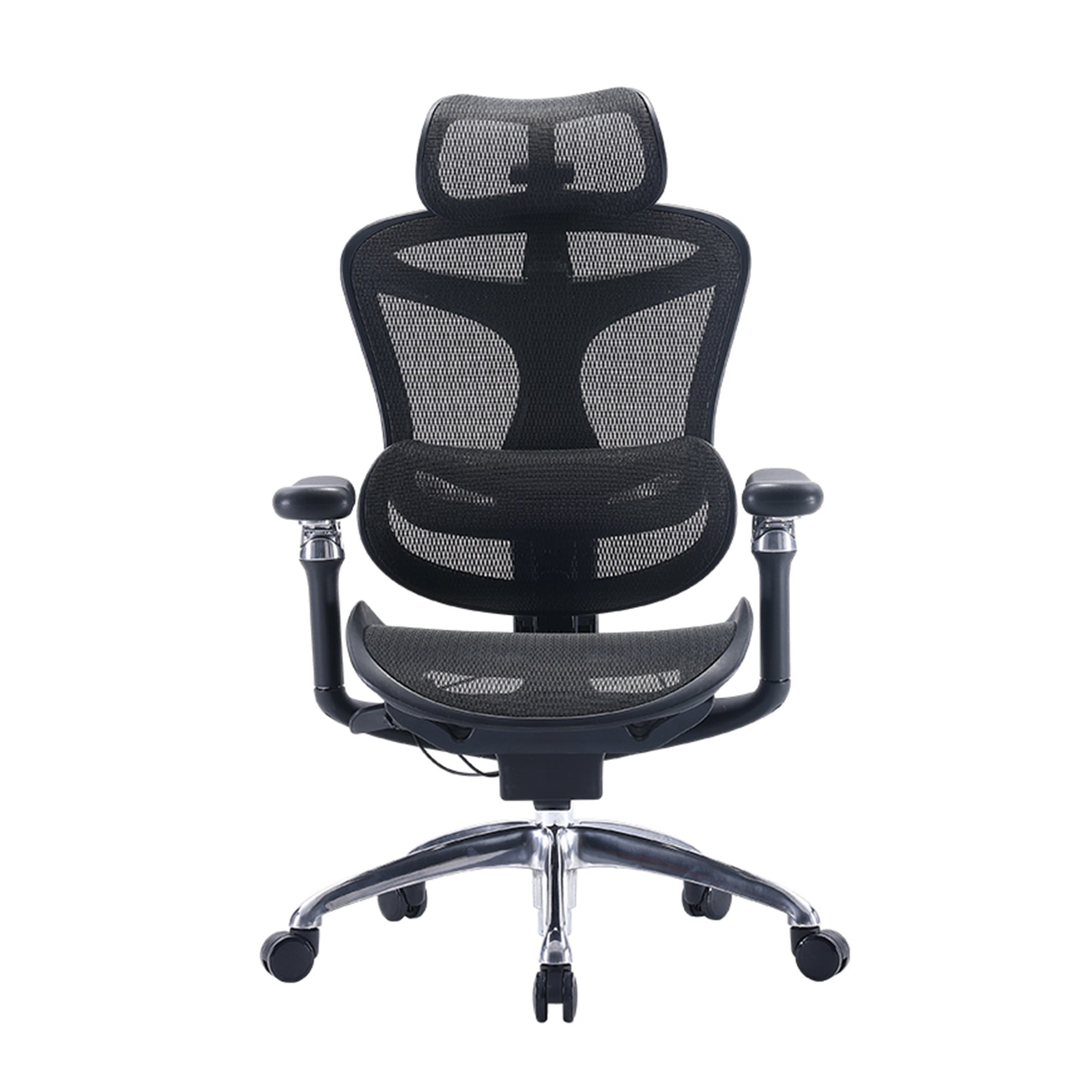
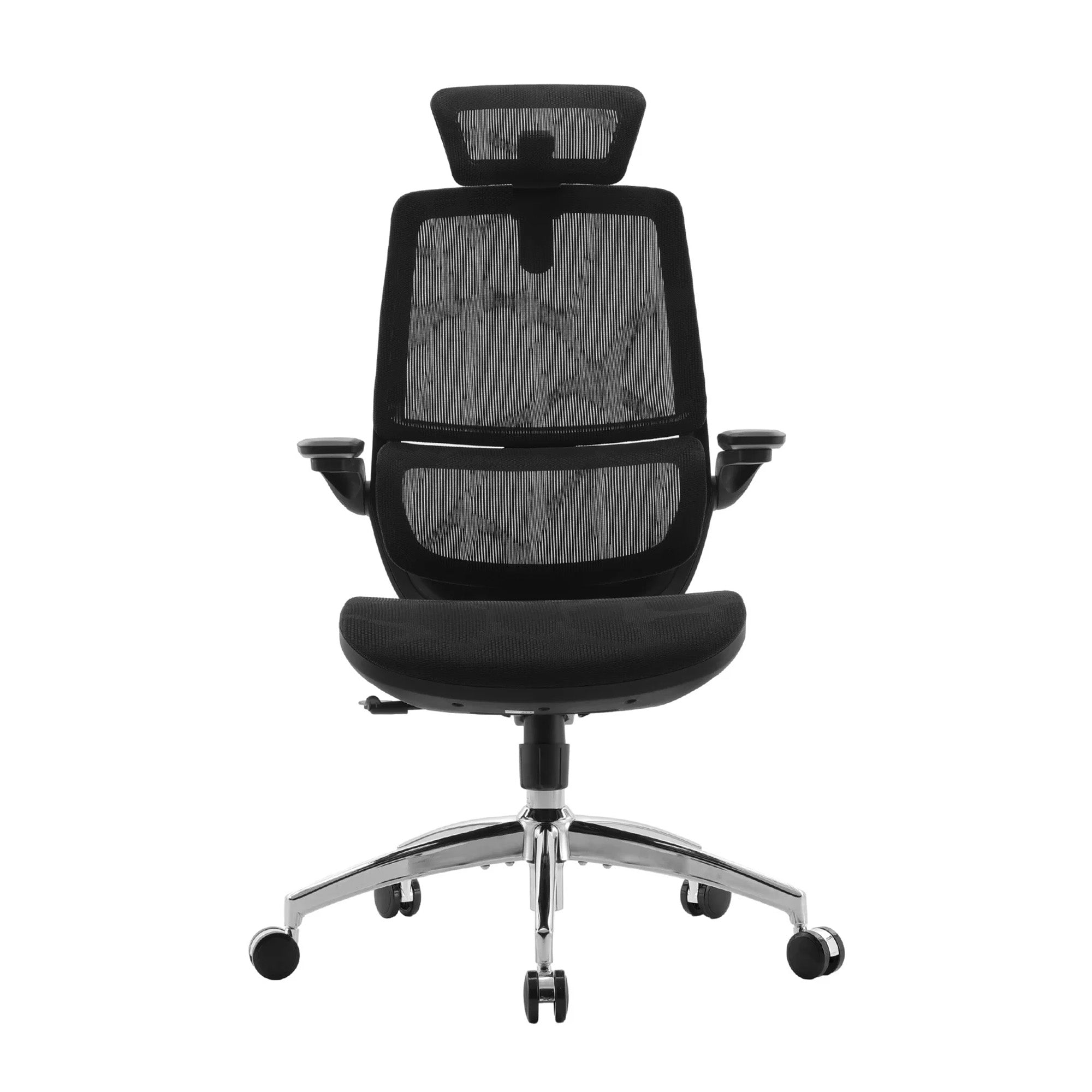
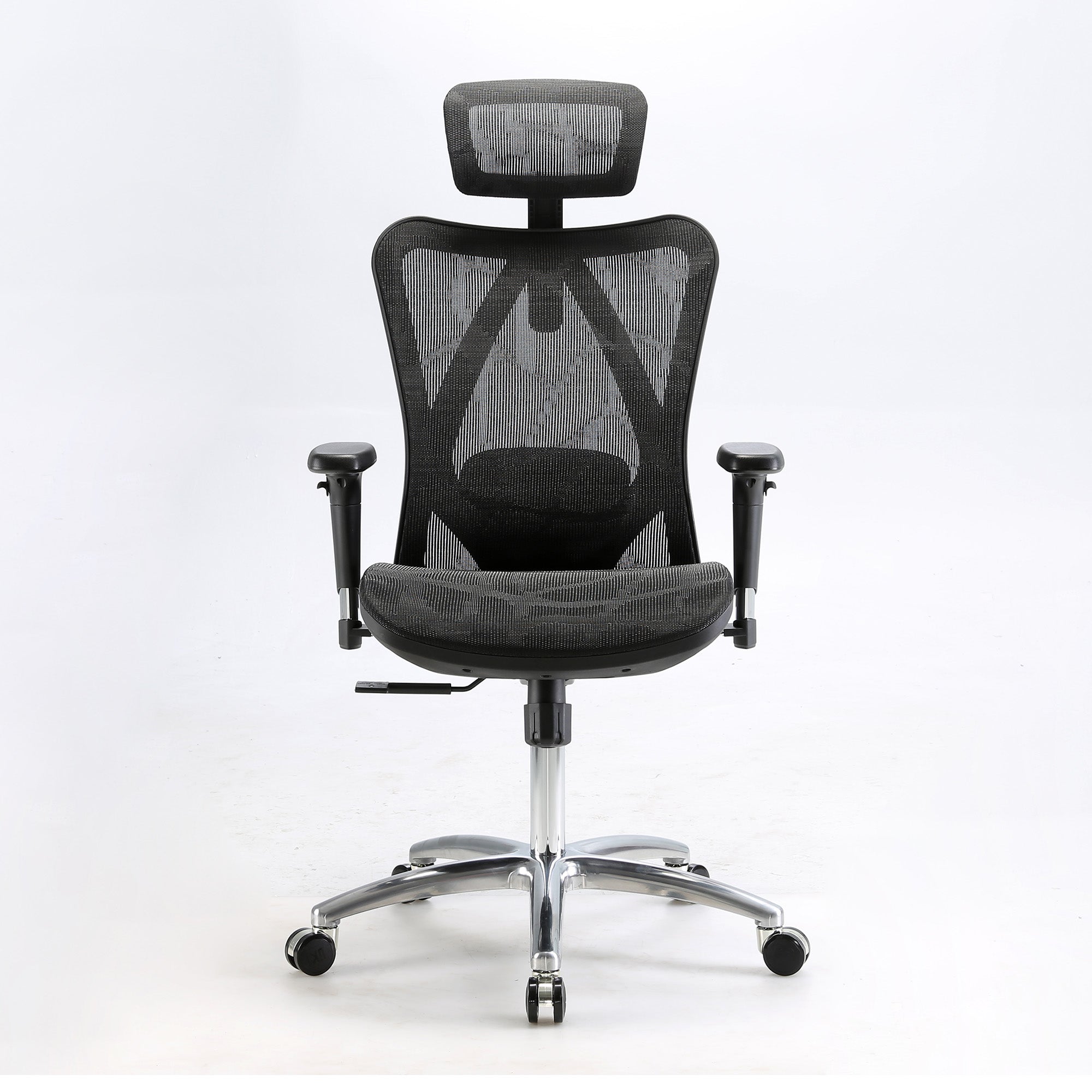
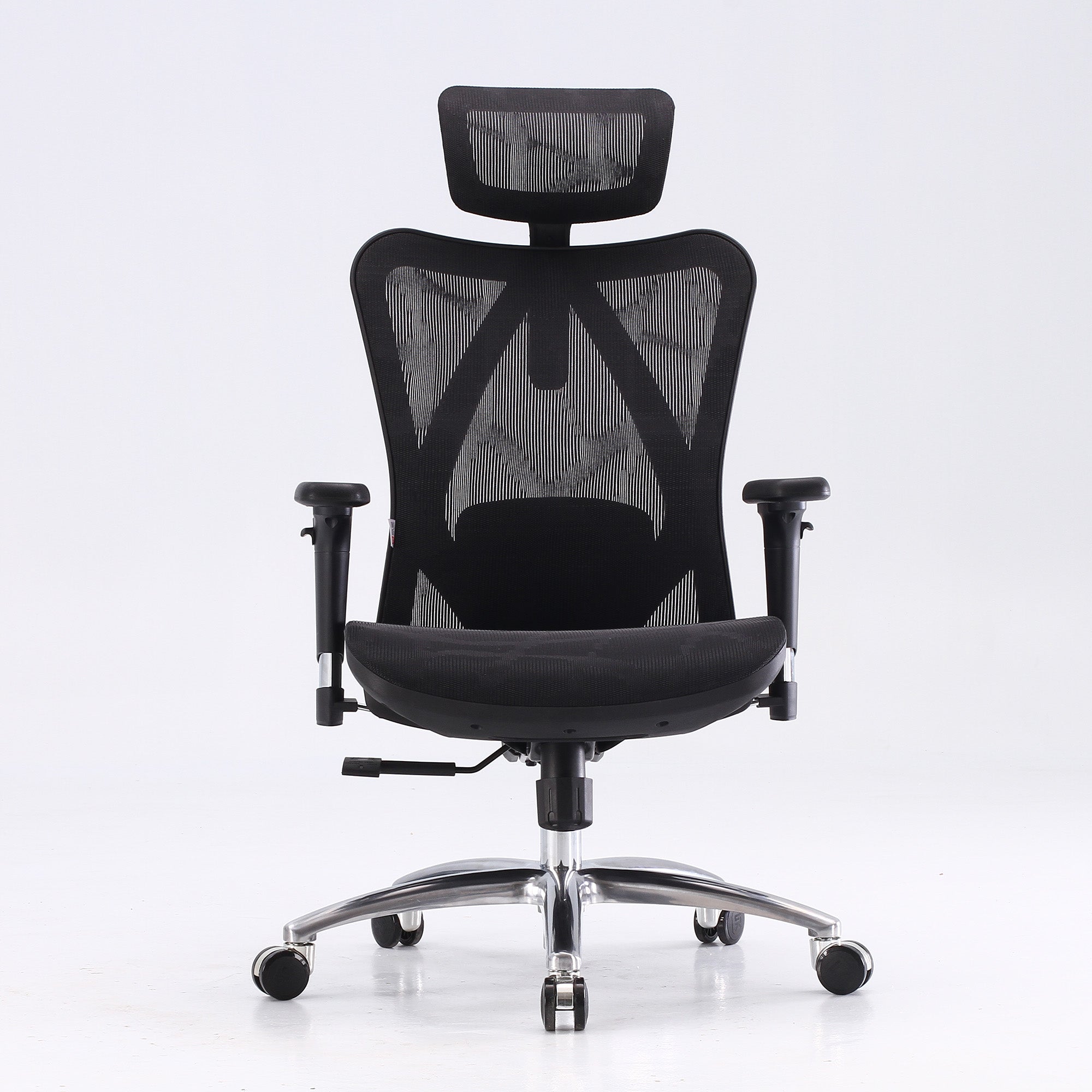
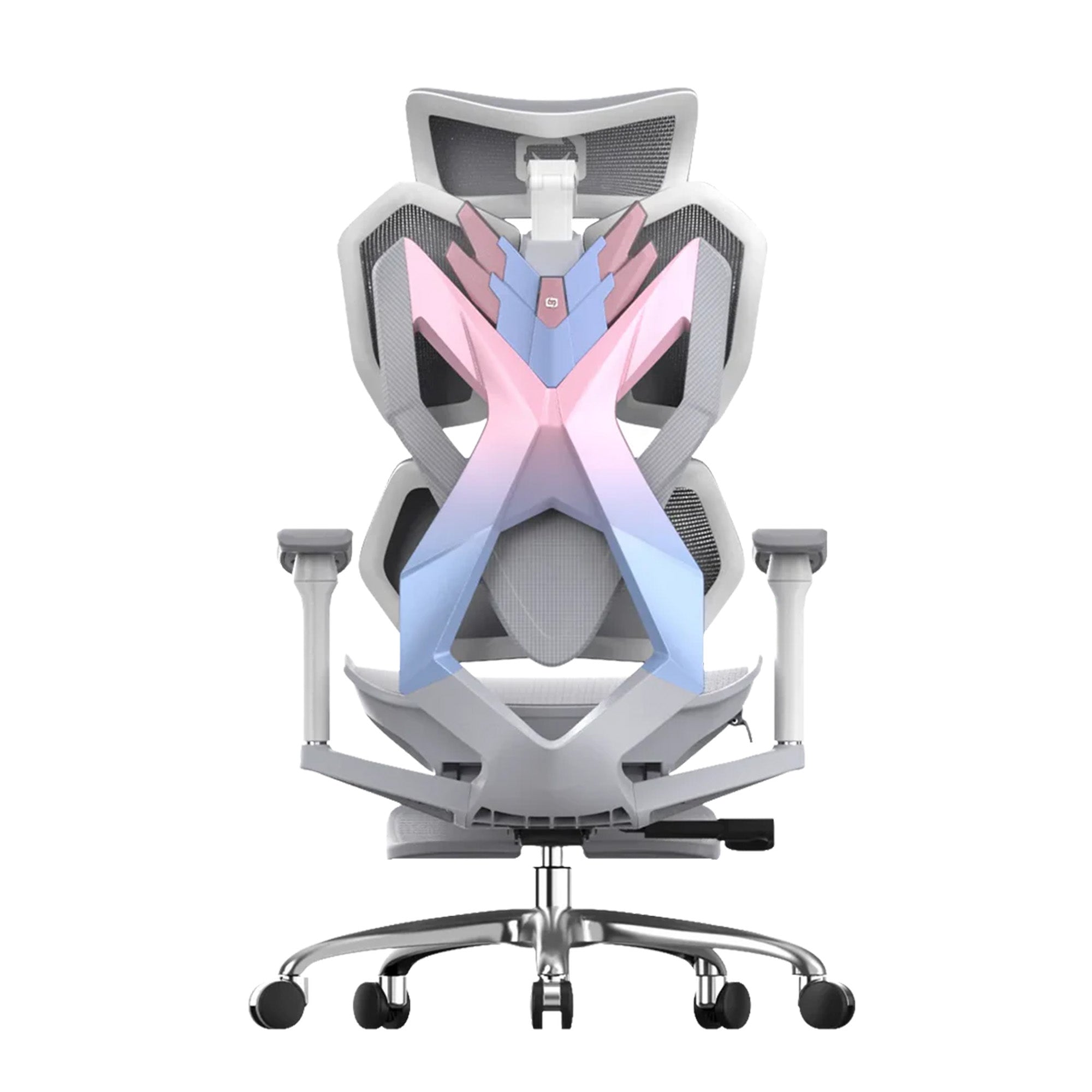
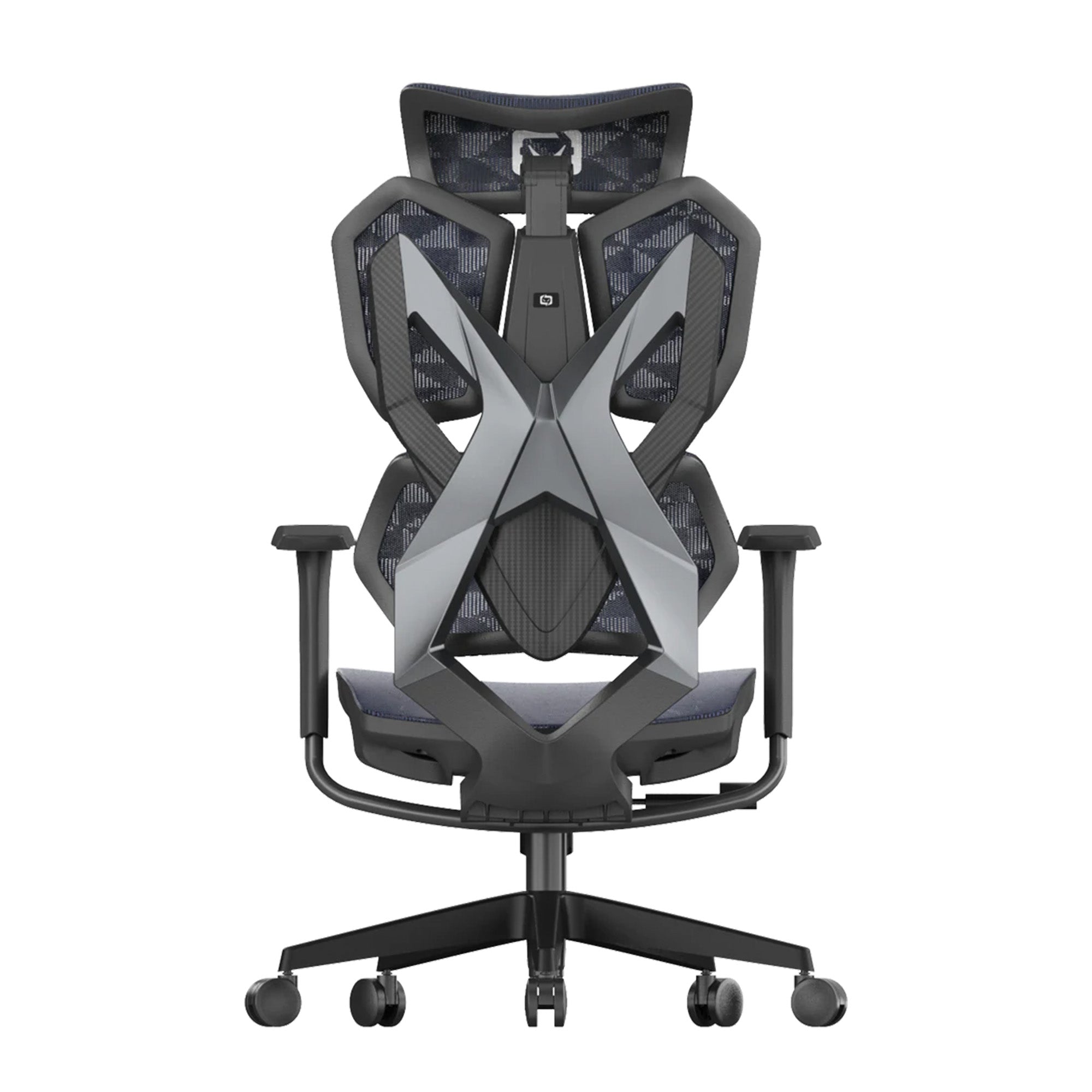
Switching the contact points, seat and backrest, to a breathable mesh material addresses the mechanism directly, since airflow replaces trapped conduction. The Sihoo M57 and Vito M90 both use full mesh backs and seats for this reason. If your current chair has a mesh back but a foam seat, the seat is worth checking first, since that's the larger, more sustained contact point through a working day.
Mesh alone doesn't solve every heat problem. Room airflow, desk position relative to windows, and how long you sit without a break all compound the effect. If mesh doesn't fully resolve it, the room itself is worth addressing next, which is covered properly in the companion guide to building a cooler home office overall.
See how to build a cooler home office for Australian spring for the room-level fixes that work alongside a breathable chair.
For Workplaces: Heat Complaints Are Often a Furniture Problem, Not a Climate Control One
Before Adjusting the Thermostat, Check the Chairs
A common pattern in shared offices: heat complaints get treated as an air conditioning issue, and the thermostat gets adjusted for everyone, when the actual cause is concentrated at a handful of desks with older, foam-padded or leather-upholstered chairs. Checking chair material across a floor before adjusting building-wide climate control can resolve individual complaints without cooling the whole office further, which carries its own cost and can leave other staff uncomfortably cold in the process.
For teams replacing seating across multiple desks, Sihoo's wholesale office chairs programme handles bulk pricing and delivery coordination.

Conclusion
Check the chair before the thermostat.
Heat at a desk often gets blamed on the room when the actual cause is sitting a few centimetres from your skin. Padded, fabric, and leather materials all trap heat to different degrees, through insulation and limited airflow. Mesh releases it through ventilation instead. Adding a cushion or cover to a chair that's already trapping heat usually makes things worse, not better, since it adds another insulating layer rather than removing one. The two-minute check above tells you which is actually happening before you spend money on either a new chair or extra cooling.
Browse breathable ergonomic chairs built for warmer Australian conditions, or check the current office chair spring sale if you're ready to switch to mesh before summer arrives.
Better Comfort Starts Now.
Sources Referenced
-
Herman Miller Research: The Attributes of Thermal Comfort, white paper. Citing Diebschlag et al. (1988) on seat cushion permeability varying with compression, and Fisher et al. (1978) on skin temperature increases under foam padding. URL: hermanmiller.com/research.
-
General buyer and forum discussion (Steam Community, product review commentary) referenced for common language and pain-point patterns around chair heat and sweating, not for factual or statistical claims. No direct quotes reproduced.
-
This piece replaces the prior 'Mesh vs Fabric' comparison content in the Spring campaign, retargeting from a product-feature comparison to the underlying problem readers actually search for.
Frequently Asked Questions
Air conditioning cools the room, not the direct contact points between your body and the chair. A foam, fabric, or leather seat traps heat through insulation regardless of room temperature, which is why the discomfort can persist even in a cooled room.
The underlying mechanism is real: mesh manages heat through airflow rather than direct-contact insulation, the way foam and padding do. Research on seating thermal comfort has found padded materials have genuine insulating properties that resist heat leaving the body, particularly under compression.
Often not, and it can make things worse. A gel cushion or cover adds another layer of material between you and any airflow the chair had, which blocks ventilation on a mesh seat or adds insulation to a foam one. Removing the trapping layer works better than adding a cooling one on top of it.
Check the seat, not just the backrest. The seat pan is a larger, more sustained contact point through a working day, and many chairs marketed as mesh only apply it to the backrest, leaving a foam seat underneath doing most of the heat-trapping.
Heat and moisture build progressively at a contact point that never gets a break. A room that was too warm from the start would feel uncomfortable immediately. Discomfort that develops over the first hour and eases after a break away from the desk points to the chair material specifically, not the room.
Check whether complaints cluster around specific desks or chair models first. If heat complaints are concentrated rather than office-wide, the chairs at those desks are the more likely and more cost-effective fix than adjusting climate control for the whole floor.
For teams sitting long hours in rooms without strong climate control, yes, the underlying heat-transfer mechanism genuinely differs between materials. For short-duration or well-air-conditioned spaces, the benefit is smaller and other factors may be higher priority.
Shop products from this article


Save up to 40% this Oktoberfest Sale. Pay in 4 interest-free instalments with Afterpay.
SHOP NOWRecommended Posts


Ergonomic Chairs Vs. Traditional Chairs
Sep 28, 2026