
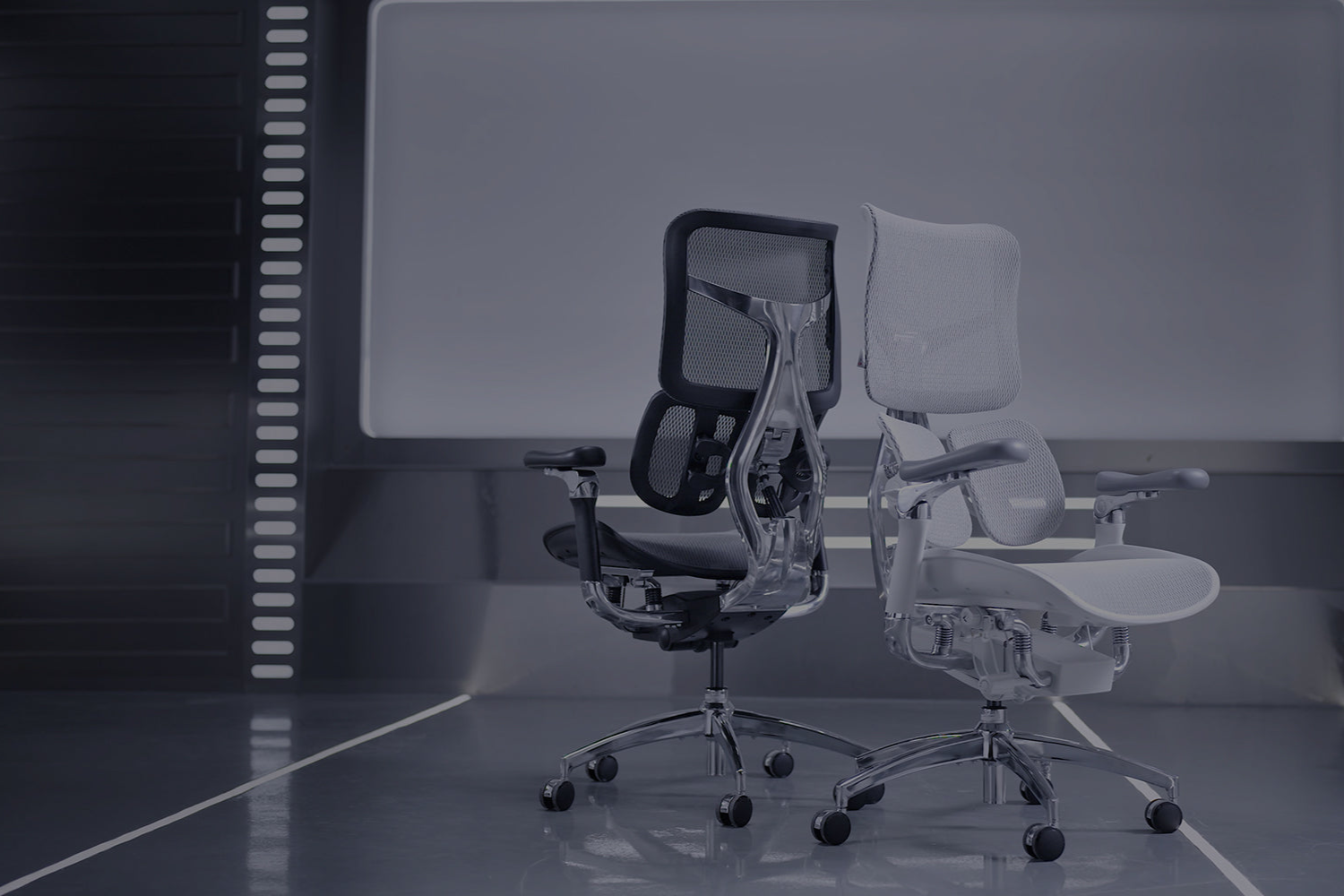
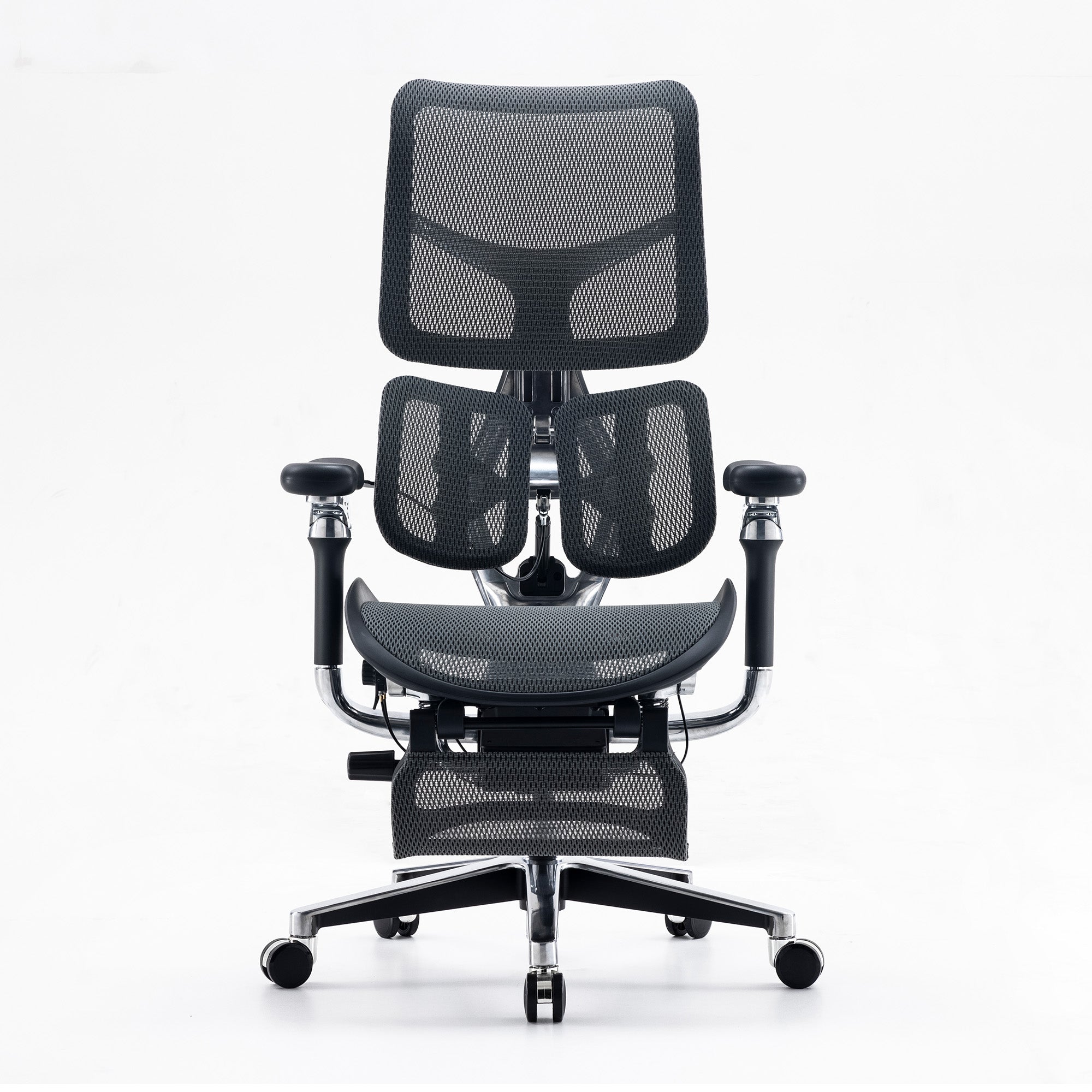
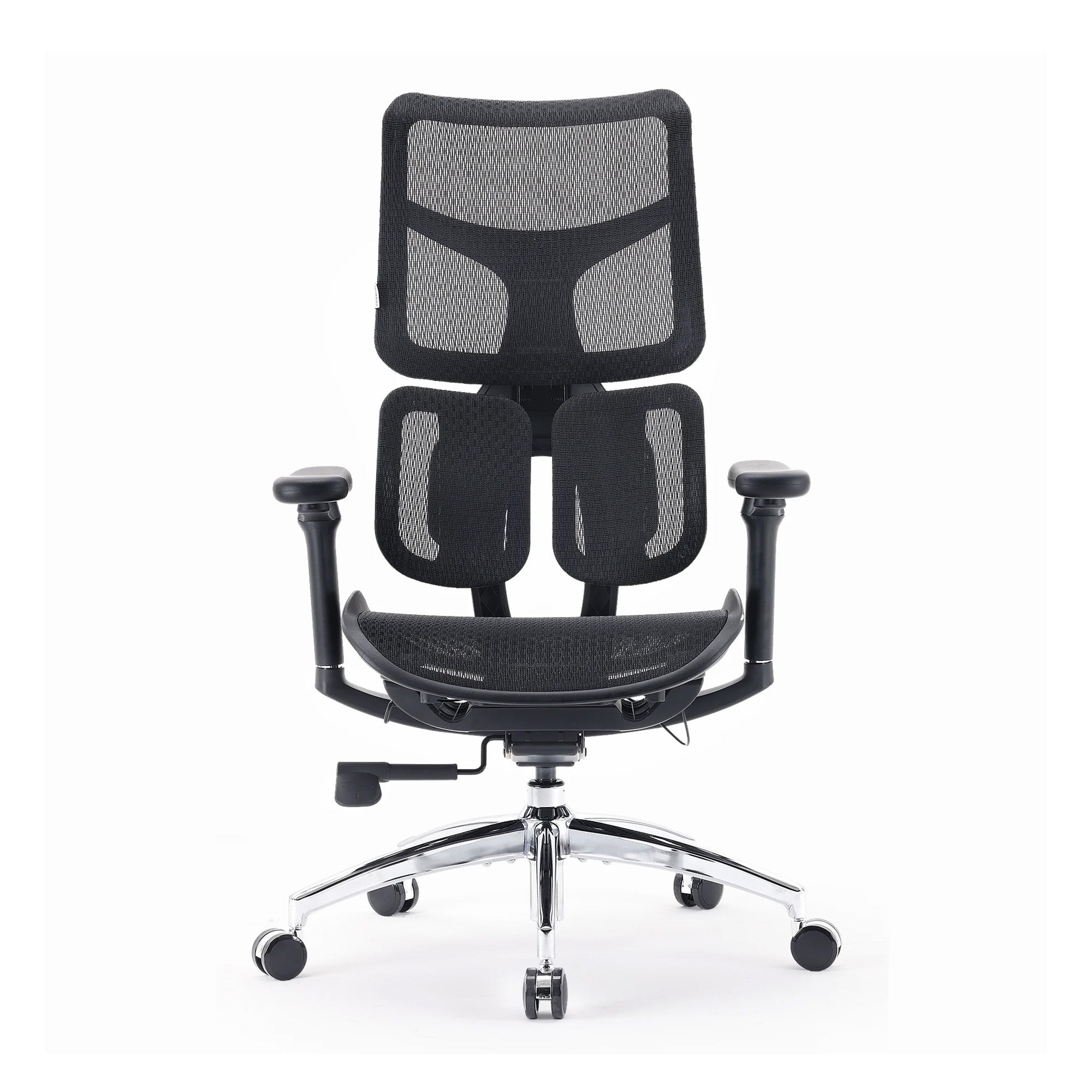
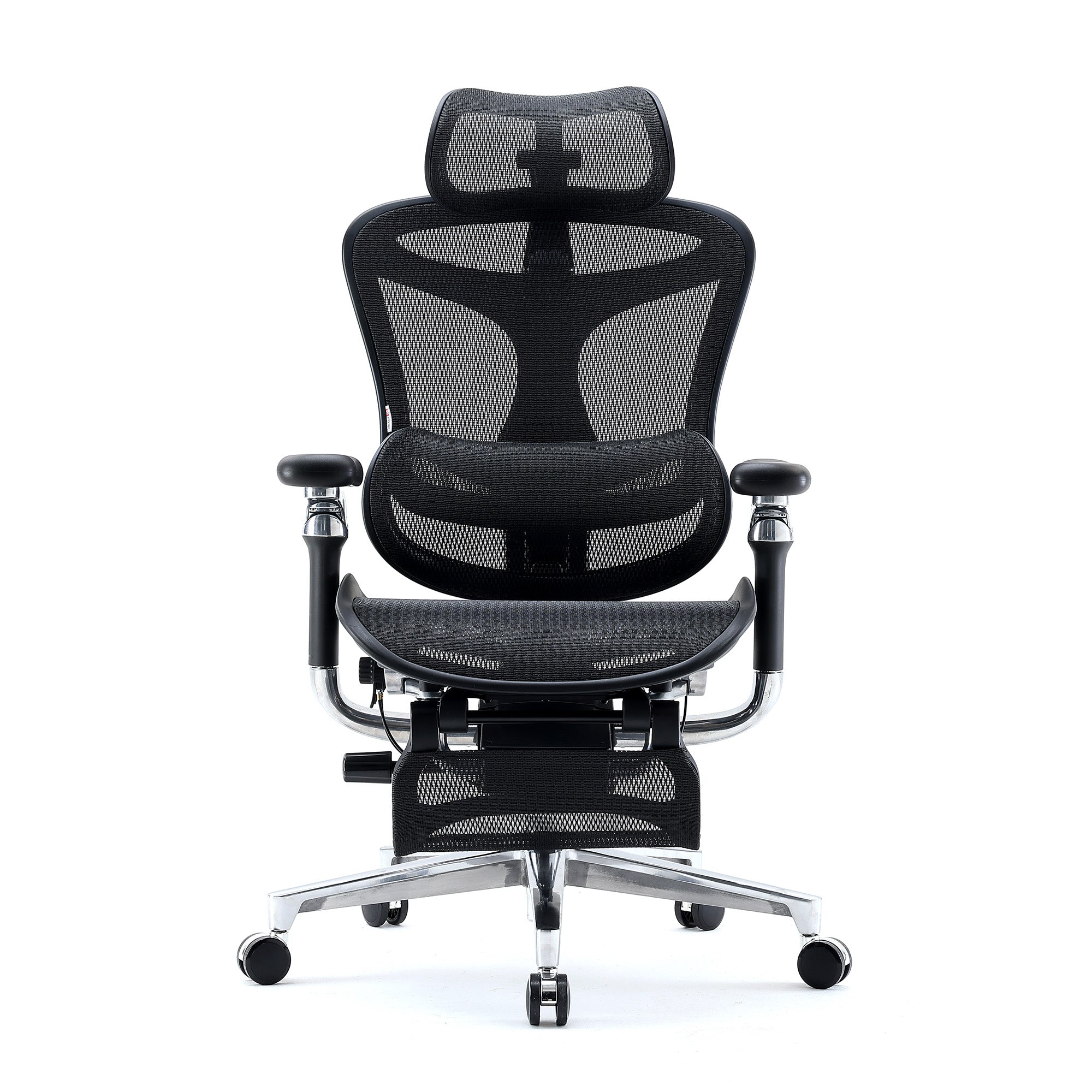
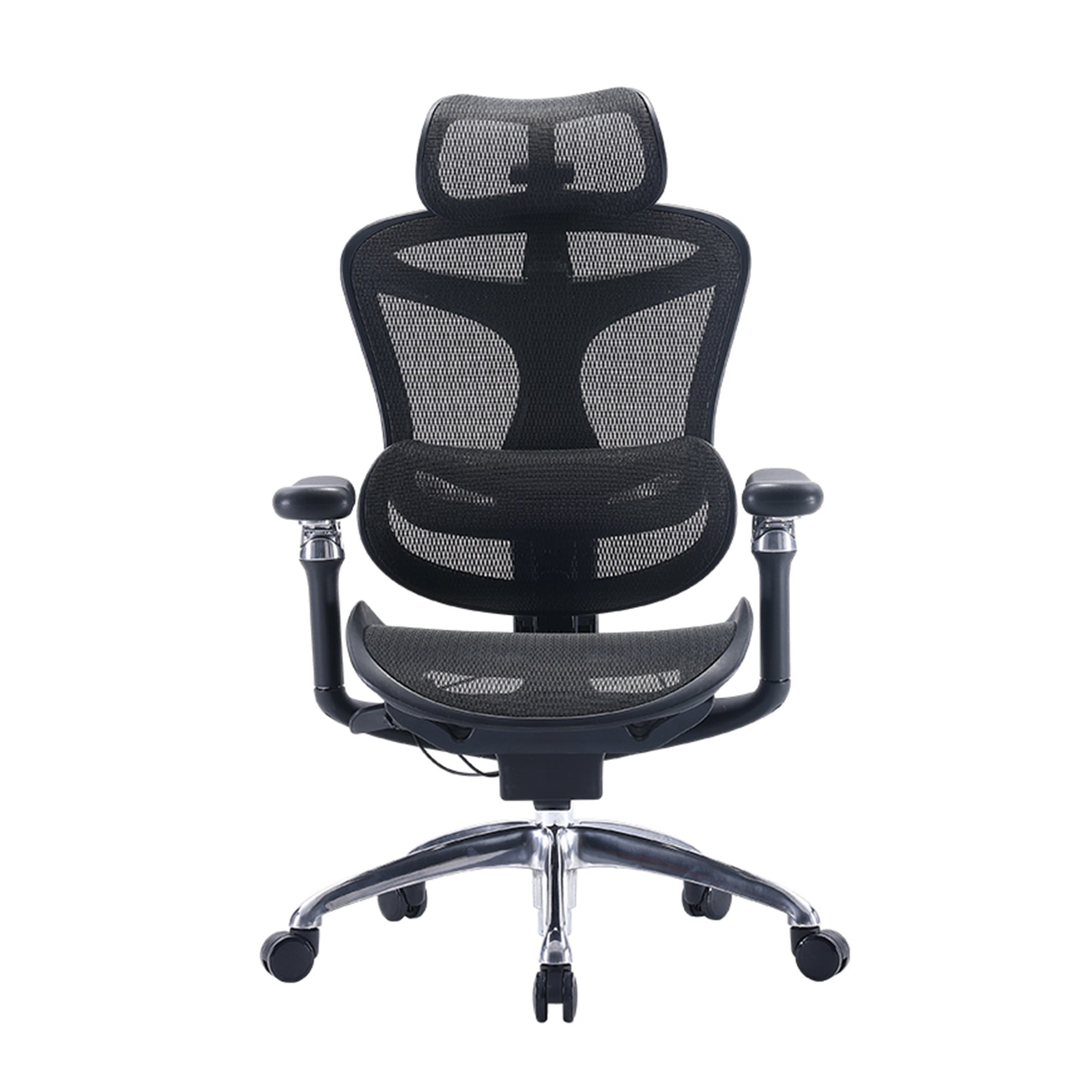
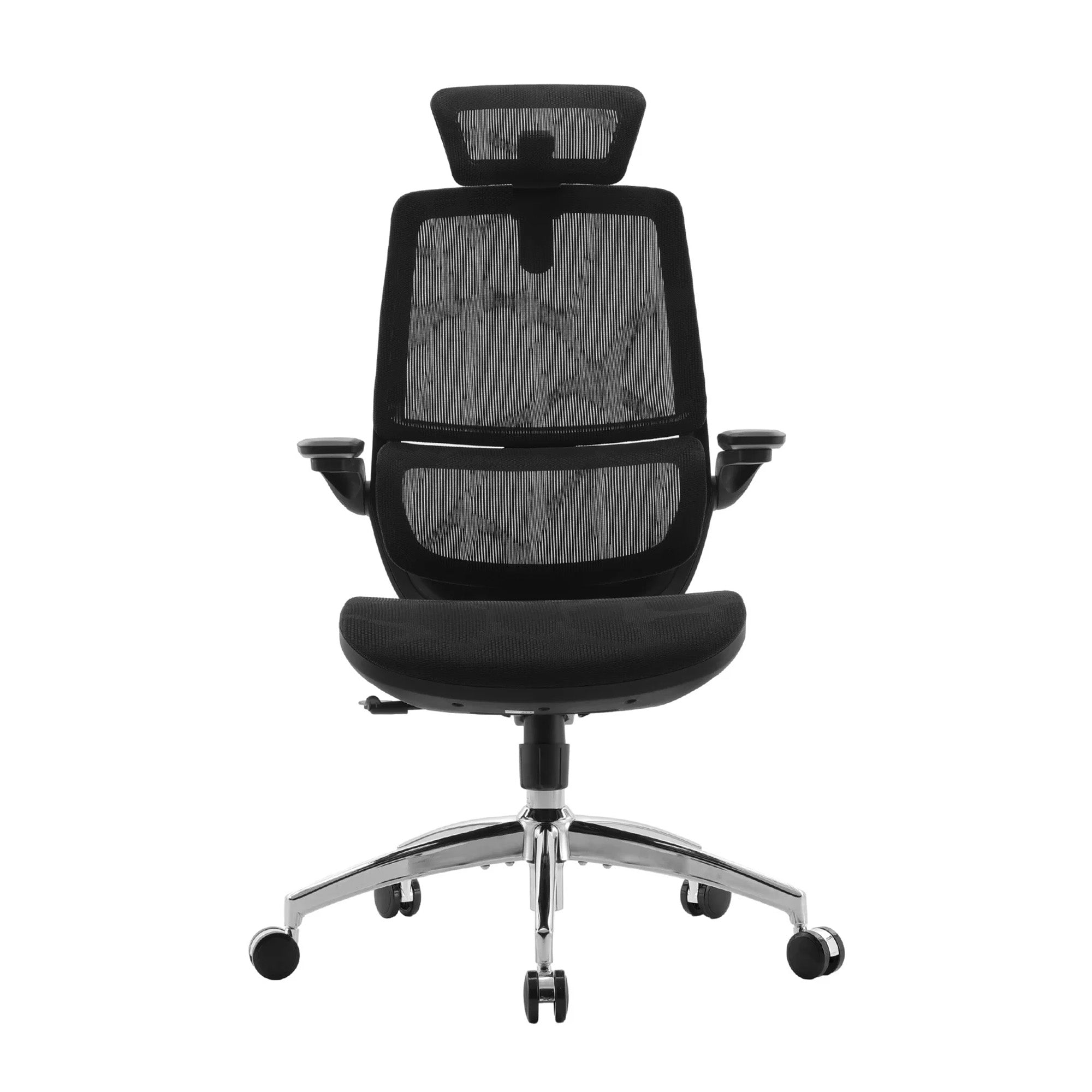
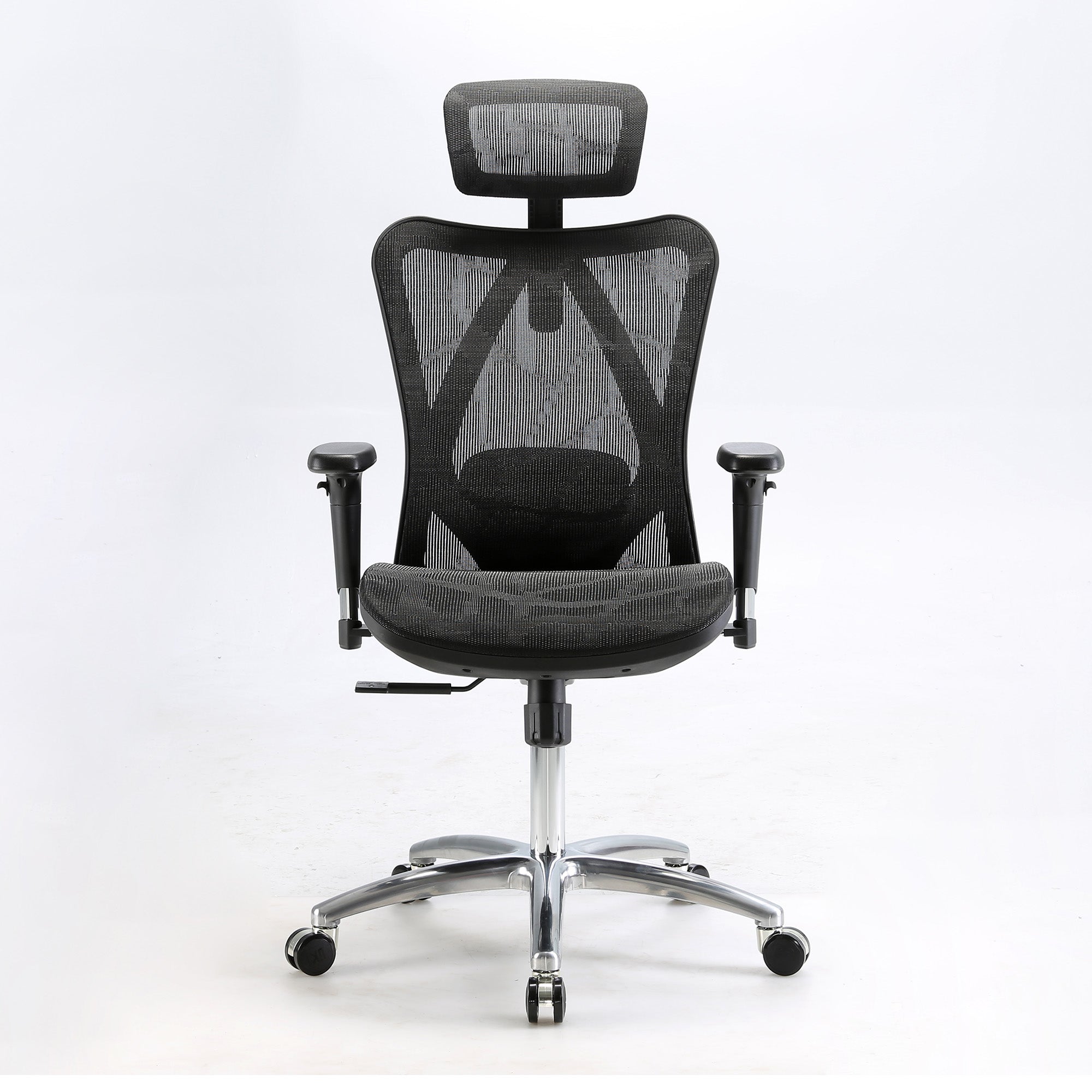
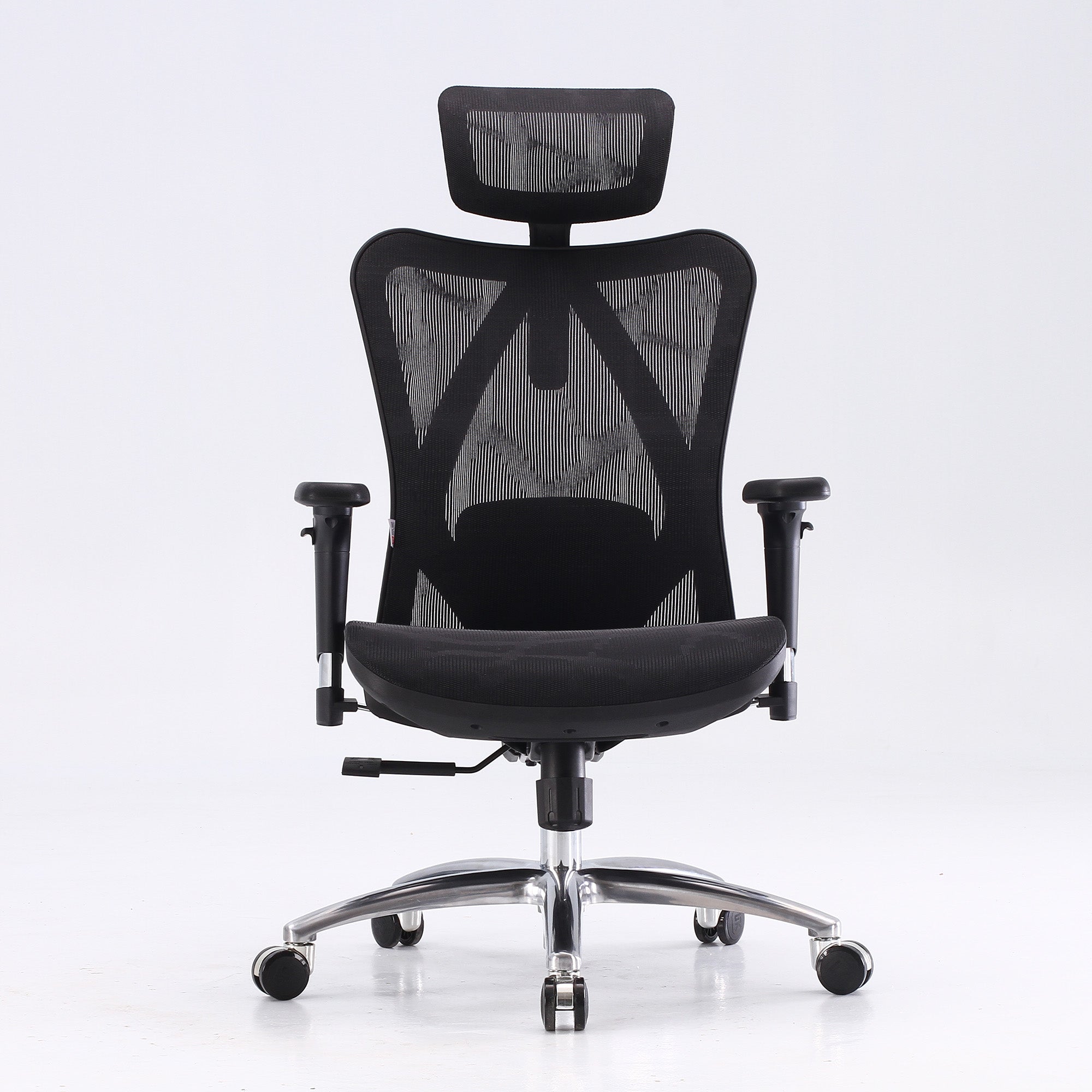

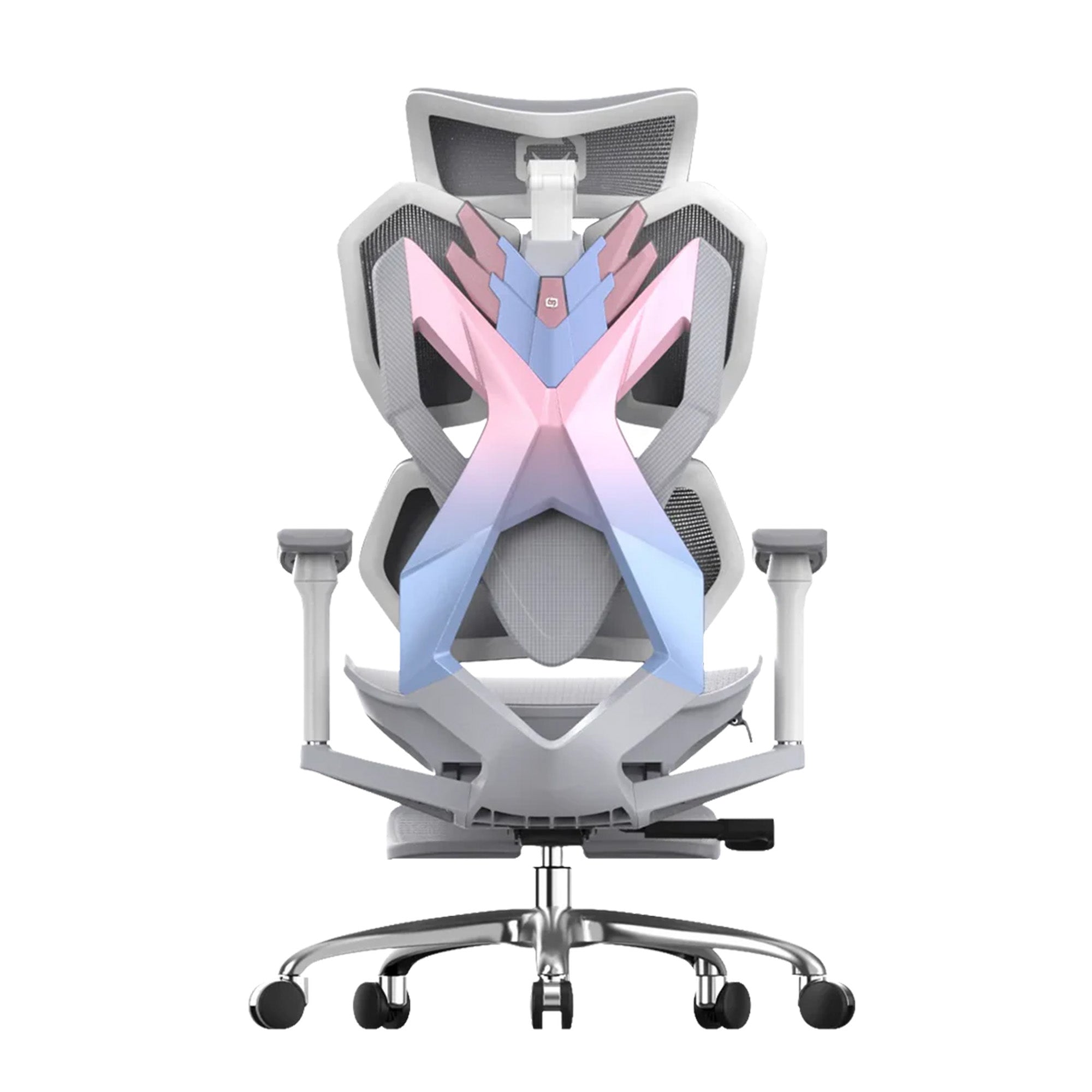
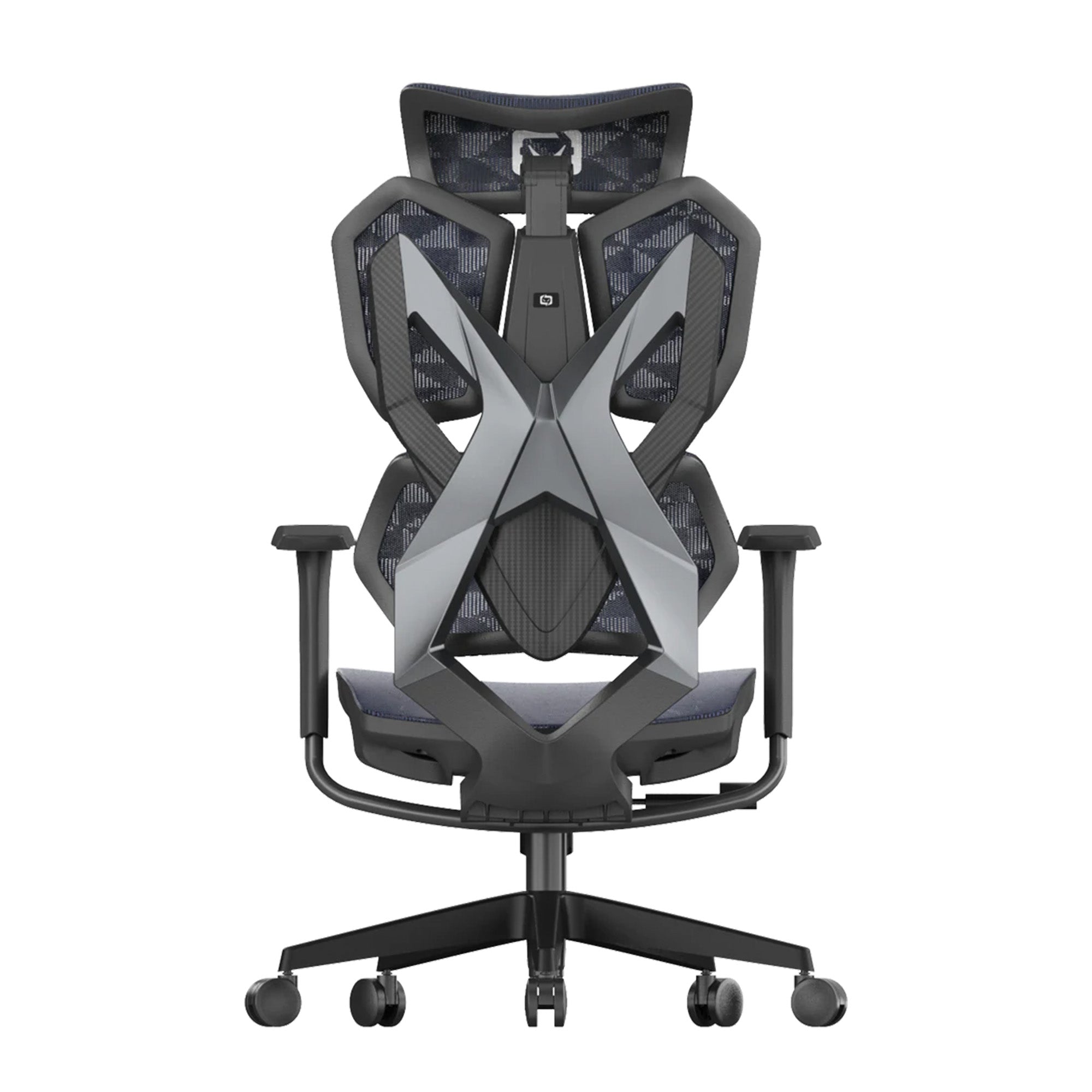

Two centimetres ruined it.
That is usually all it takes, and it is what our customer care team hears about most in the fortnight after a big sale. The message is rarely about comfort or build quality. It is about armrests that stop dead against the edge of a desk, so the chair never quite tucks in.
The frustrating part is that the chair is usually fine and the desk is usually fine. Nobody measured the space between them, because that space stays invisible until a large box turns up.
Sale season makes this more likely, because a discount speeds up a decision that would normally take a week. So before the Oktoberfest Sale opens, we wanted to share the check our team walks people through every time. It takes five minutes and a tape measure. Think of it as the cheapest insurance you can put on an ergonomic office chair purchase, mostly because it is free.

The Short Answer: Four Numbers Decide Whether a Chair Fits
Four measurements settle it, and once you have them the rest is easy. You need the height under your desk, the height of your armrests, the width of the space under the desk, and the clear floor behind the chair.
Notice that all four describe your room, not the chair. Sizing the chair itself is a separate job, and the product pages carry those figures. This guide handles the other half of the equation.
Write them down, then hold them against the dimensions on the product page before you pay. Every one has a match on our listings, which is why we publish full sizes rather than a single figure.
When one number fails, the answer is rarely a new desk. It is usually a narrower model, or one whose armrests drop further, and that swap costs nothing if you catch it early.
The same check is worth running before a bulk order. One desk model paired with ten body sizes can leave half a floor unable to tuck in, and that is an awkward conversation once the pallet arrives.
How to Measure a Desk and Floor in Five Minutes
Do this before the sale opens, not after the carton lands. Four numbers in your phone and you are done.

1. The height under the desk
Measure from the floor to the underside of the desk, not the top, because the underside is what your armrests collide with.
WorkSafe Queensland puts a fixed sitting desk between 680 and 720 millimetres high, with height adjustable desks reaching at least 1200 millimetres. Most Australian desks do sit inside that band. What the guidance cannot tell you is how much the frame and drawer rail underneath are stealing, which can be several centimetres, so measure it rather than trust the standard.
2. The armrest height at its lowest setting
Drop your current armrests all the way down, then measure from the seat surface to the top of the armrest.
That figure is the space any new chair needs above its own seat. Almost nobody thinks about it, and it is the number behind the two centimetre problem we opened with.
3. The width of the space under the desk
Measure the clear gap between drawer units, legs or side panels. That is the widest chair your desk will accept.
Then compare it with the overall width on the product page. A chair listed at 71 centimetres will not tuck into a 65 centimetre gap, however cleverly the armrests move.
4. The clear floor behind the chair
Sit in your current chair and roll back until standing up feels comfortable. Measure from the desk edge to the back of the chair.
That is the floor the new chair needs. Add a little if the model you are eyeing is deeper than your current one.
This is the number that quietly goes missing in office fit outs. Desks get placed to a floor plan, and nobody checks whether two people on the same run can push back at once.

The Subtraction That Answers the Question
Here is the whole check written out, using a worked example with a 700 millimetre desk top, which sits inside the WorkSafe Queensland range.
| Step | What is measured | Example | Your number |
|---|---|---|---|
| A | Floor to underside of desk | 660 mm | |
| B | Chair’s lowest seat height, from the product page | 440 mm | |
| C | Space above the seat, A minus B | 220 mm | |
| D | Armrest height above the seat | 200 mm | |
| Result | D must be smaller than C | 200 is under 220, so it fits |
If D comes out larger than C, the chair will not tuck in with the armrests raised. Some models solve this because their arms travel further down. Some do not, so it pays to ask.
Run the same subtraction for width, leaving a centimetre or two of margin so nothing scrapes.
Why Fit Fails More Often Than People Expect
Chairs are designed around bodies while desks are designed around rooms, and the two industries have never agreed on a shared rulebook. The gap between them lands on the buyer.

Our own work sits on the body side of that divide. Sihoo has been building ergonomic seating since 2011. Our team opened an Ergonomics Innovation Application Base and Testing Centre in 2016, and the Sihoo Ergonomic Furniture Research Institute followed in 2019. The testing centre alone runs to more than 1,000 square metres. That research shapes seat height ranges, seat depth travel and armrest movement. It is why our chairs adjust across a wide band rather than a narrow one.
What none of it can do is measure your desk, in your room, in Brisbane. A wide adjustment range increases the number of desks a chair suits, but it never removes the need to check the furniture in front of you.
So buy adjustability that covers your body, then confirm the fixed dimensions clear your furniture. Most buying guides only answer the first half.
Facilities teams can use the same split in a specification. Adjustment range covers the people, and footprint covers the building.

Where the V2 Models Change the Maths
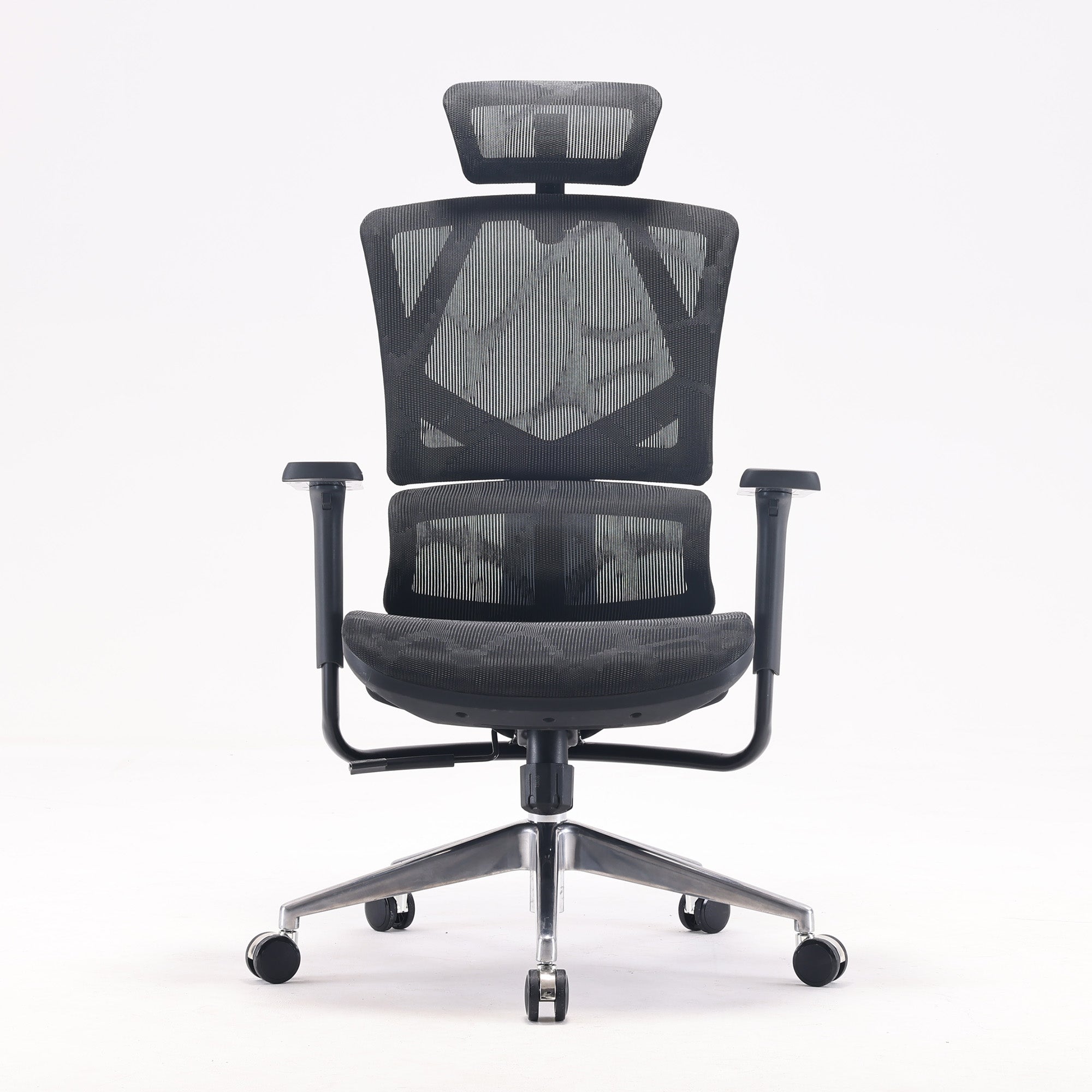
If your armrest number came out tight, this is the section worth pausing on, because the newer models genuinely change the arithmetic. The Doro C300 Pro V2 moves to 8D Bionic armrests, up from 4D on the earlier generation. More directions of travel means more chance of finding a position that slides under a lower desk. Seat depth adjustment also widens to 42.9 to 47.0 centimetres, and the seat width is listed at 52.1 centimetres. The rest of the upgrade sits in the support system, including the Domino sacral lumbar support and the SyncroFlex back glide, with recline locks at 105, 120 and 135 degrees.
None of that changes the four numbers you just measured. It does mean that if your desk sits at the tighter end, the V2 arms give you more room to work with.
Which Sihoo Chairs Suit Which Spaces
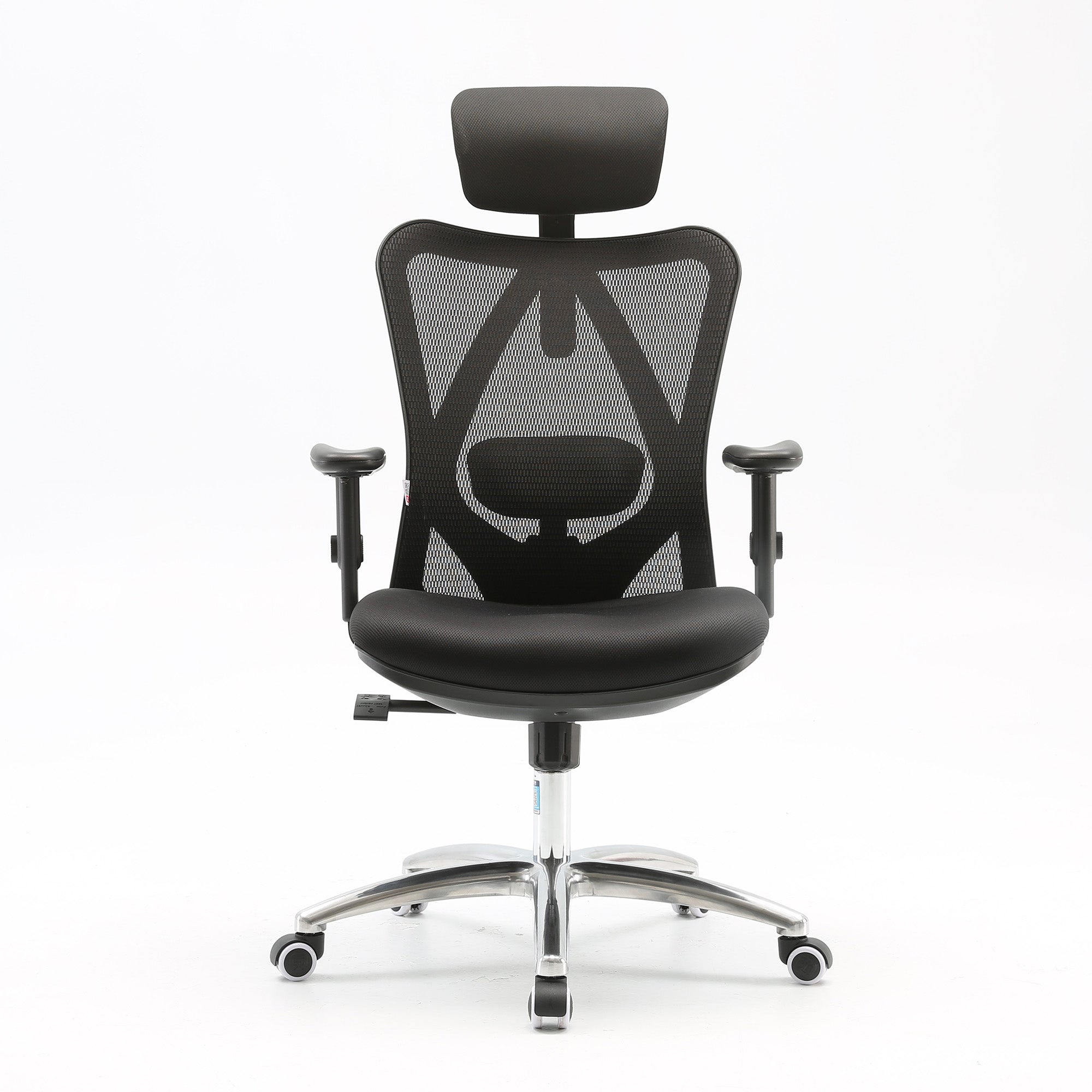
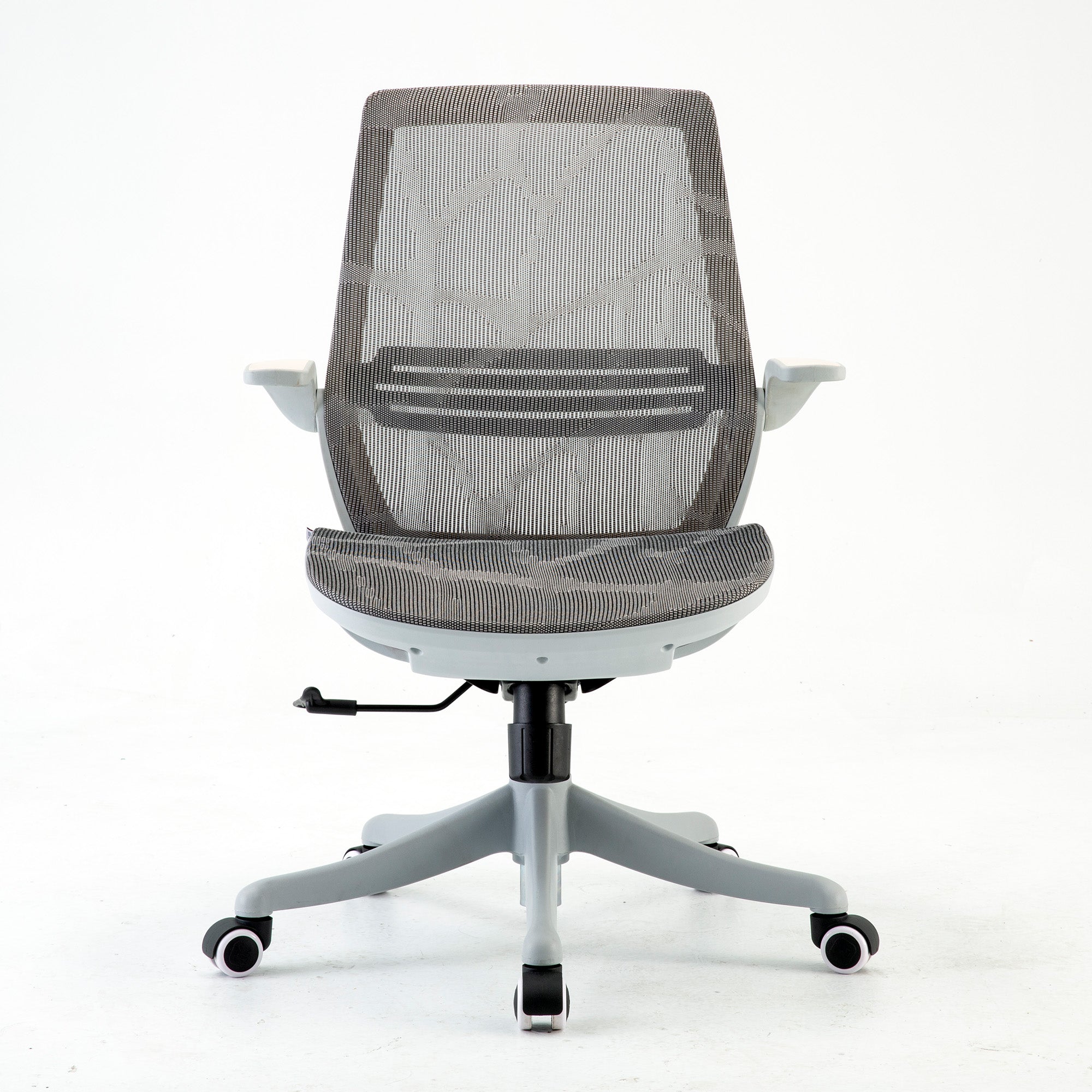
Below are the current listed figures for three models we point people towards most often, chosen because each one publishes the dimensions this check actually needs.
| Model | Overall size | Seat width | Weight limit | Sale price |
|---|---|---|---|---|
| Doro C300 Pro V2 | See product page | 52.1 cm | 150 kg | $779, was $1,099 |
| Doro C300 Pro | 71 cm W × 71 cm D | 51 cm | 150 kg | $679, was $999 |
| Doro S100 | 67 cm W × 70 cm D | See product page | 150 kg | $499, was $789 |
The Doro S100 is four centimetres narrower than the C300 Pro. In a bedroom corner or a small apartment, those four centimetres are often the difference between tucking in properly and sitting side on for a year. The C300 Pro suits a wider desk and a larger frame. Its seat drops to 44 centimetres and lifts to 54, with depth from 42.7 to 45.1 centimetres.

All three carry a 150 kilogram limit, though weight capacity and body fit are not the same thing, so it is worth checking seat width separately.
The rest of the range sits on our best ergonomic chairs in Australia page, with dimensions on each listing. Match your four numbers against them and the choice usually makes itself.
For a team order, we usually suggest defaulting to the narrower model, because it fits more desks and it fits more people. Our bulk office chairs team can confirm dimensions across a whole floor before you commit.
Fit Check by Desk Type
Different desks tend to fail in different ways, and this is where our team looks first.
| Desk type | The number most likely to fail | What to do |
|---|---|---|
| Fixed office desk, 680 to 720 mm | Armrest height against the desk underside | Choose a model with a lower minimum seat height or more armrest travel |
| Sit-stand desk | Usually none; the desk adjusts | Check the crossbar and cable tray clearance |
| Corner or L-shaped desk | Width between the two returns | Measure the narrowest point, not the longest run |
| Bedroom or dining table setup | Clear floor behind the chair | Measure roll-back distance before buying |
Four Mistakes We See Every Sale Season
Measuring the desk top instead of the underside. An easy slip, but the top is not what blocks the armrests.
Trusting seat height and nothing else. A low seat will not save you if the chair is too wide for the gap between your drawers.

Forgetting the rug. A thick rug lifts the chair a centimetre or two and quietly removes the space you just measured. It catches out plenty of home office setups.
Buying for the desk that has not arrived yet. Buy for the desk in the room today, since the chair can always be adjusted later.
Where This Check Does Not Help
A fit check solves fit, and we would rather be honest about where it stops.
If back or hip discomfort has lasted weeks, a better supported position may reduce pressure and help you hold a more neutral posture. A chair is still not a treatment, and we will not pretend otherwise. Please talk to a physiotherapist or your GP.
The check also cannot rescue a desk that is too low. A work surface under 680 millimetres usually needs a riser rather than a different chair.
Buying During the Oktoberfest Sale
Once you have those four numbers the job is essentially done, so all that is left is the arithmetic. Open the product page, find the overall width and the lowest seat height, and run the subtraction. If it clears, buy during the Oktoberfest Sale while the price is down and shop the sale range from there. Nothing about the chair itself changes during a sale, only the price does.
If it does not clear, take the narrower model or the V2 arms instead. A chair that tucks under your desk at $499 is worth more than one that does not at any price.

Conclusion
Fit is the quiet reason people fall out of love with a chair they were happy to pay for. It rarely shows up in reviews, because the reviewer sits at a different desk to yours.
Five minutes takes that risk away, and it comes down to four things. Floor to desk underside, armrest height above the seat, the width of the gap, and the floor behind the chair.
Adjustment range is what our research and testing work is for, and it covers a wide band of bodies. The desk in your room is the one part only you can measure. Do that small job, and a sale price stops being a gamble.
Better Comfort Starts Now.
Sources Referenced
-
WorkSafe Queensland, Setting up your workstation: fixed sitting desk height 680 to 720 mm, height adjustable desks to at least 1200 mm, desk depth 800 mm.
-
Sihoo corporate profile: founded 2011, Foshan, Guangdong. Ergonomics Innovation Application Base and Testing Centre established 2016, testing centre over 1,000 square metres. Sihoo Ergonomic Furniture Research Institute launched 2019. Products sold in over 100 countries.
-
Sihoo Australia, Doro C300 Pro V2 product page: 8D Bionic armrests, seat width 52.1 cm, seat depth 42.9 to 47.0 cm, recline locks at 105, 120 and 135 degrees, 150 kg limit, $779 from $1,099, 3 year warranty. Retrieved 12 September 2026.
-
Sihoo Australia, Doro C300 Pro product page: 71 cm W x 71 cm D x 114 to 130 cm H, seat height 44 to 54 cm, seat width 51 cm, seat depth 42.7 to 45.1 cm, 150 kg limit, 25.1 kg, $679 from $999, 3 year warranty. Retrieved 12 September 2026.
-
Sihoo Australia, Doro S100 product page: 67 cm W x 70 cm D x 111 to 126 cm H, seat depth 38.5 to 43.5 cm, maximum hip width 51.0 cm, 150 kg limit, 22.3 kg, $499 from $789, 3 year warranty. Retrieved 12 September 2026.
Frequently Asked Questions
Enough that the armrests pass under the desk edge without touching. Subtract the chair's lowest seat height from your under desk height, then compare the result with your armrest height above the seat.
Raise the desk if it has adjustable feet, or fit a small riser. Some models allow the armrests to be removed, but that removes forearm support too, so treat it as a last resort. A model with more armrest travel is usually the better answer.
Neither one wins. Height decides whether the chair tucks under the desk, width decides whether it fits between the drawers, and both have to pass.
Yes, at least until the chair has been used for a week and the fit confirmed. Original packaging makes any return far simpler.
Measure the under desk height on one desk of every model you own, rather than one desk in total. Then choose a chair whose overall width clears the narrowest gap on the floor.
Overall width, lowest seat height, seat width and armrest height above the seat. If a supplier cannot give you all four, ask for a sample chair before committing to a pallet.
Shop products from this article


Save up to 40% this Oktoberfest Sale. Pay in 4 interest-free instalments with Afterpay.
SHOP NOWRecommended Posts


Ergonomic Chairs Vs. Traditional Chairs
Sep 28, 2026