


In 2026, the most coveted office perk is something you cannot actually taste or pour. As Gen Z firmly takes the reins of the workforce, they are demanding a radical shift in our professional environments. They have moved past the surface-level gimmicks of the 2010s. Today, the top Gen Z expectations in the workplace revolve around a single, sophisticated concept: neurodiverse design.
For a generation that champions mental health and cognitive individuality, the "standard" office feels like a relic of the past. They want spaces that respect how their brains actually process information. This is no longer a niche request for "reasonable adjustments." It is a fundamental rethink of the corporate landscape.
The End of the Sensory Assault
For decades, Australian offices were designed for a mythical "average" person. We endured harsh fluorescent lights and the constant roar of open-plan chatter. This environment was often a nightmare for focus.
But Gen Z understands that roughly 20% of the population is neurodivergent. This includes people with ADHD, autism, dyslexia, and various sensory sensitivities. To this cohort, a poorly designed office is a barrier to their best work. They are looking for "cognitive ergonomics" alongside physical comfort.
The Rise of the Sensory Sanctuary
The 2026 workplace is no longer a sea of identical desks. Instead, it is a curated ecosystem of sensory zones. High-energy areas for brainstorming sit far away from "deep-work" libraries. These quiet zones use sound-absorbing fabrics and soft, indirect lighting.
Employers are now ditching the "hot-desking" chaos that caused so much anxiety. Gen Z prefers having a reliable "anchor point" to call their own. This sense of permanence helps reduce the cognitive load of a busy morning. It allows workers to settle into their tasks immediately.
Ergonomics: More Than Just a Chair
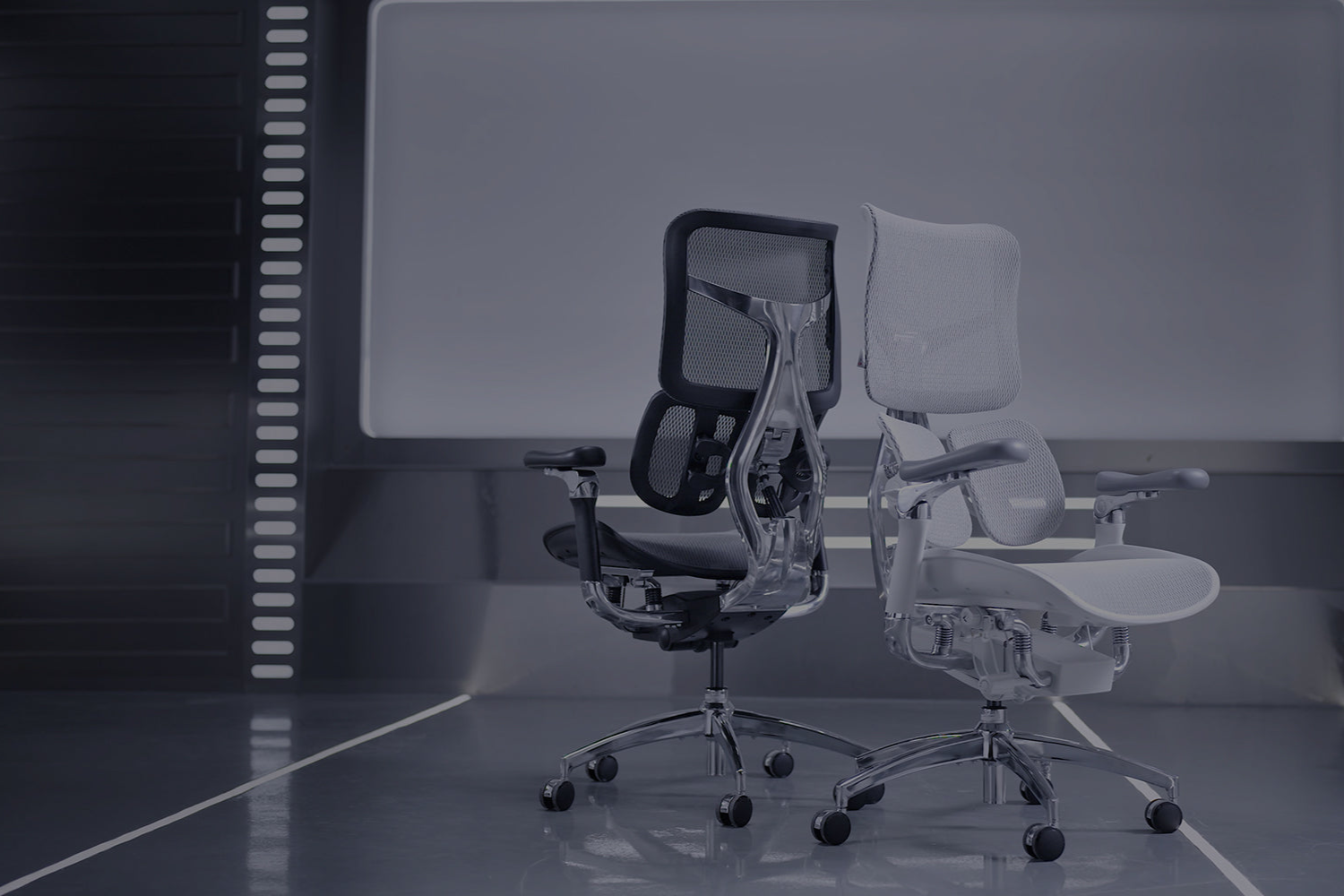
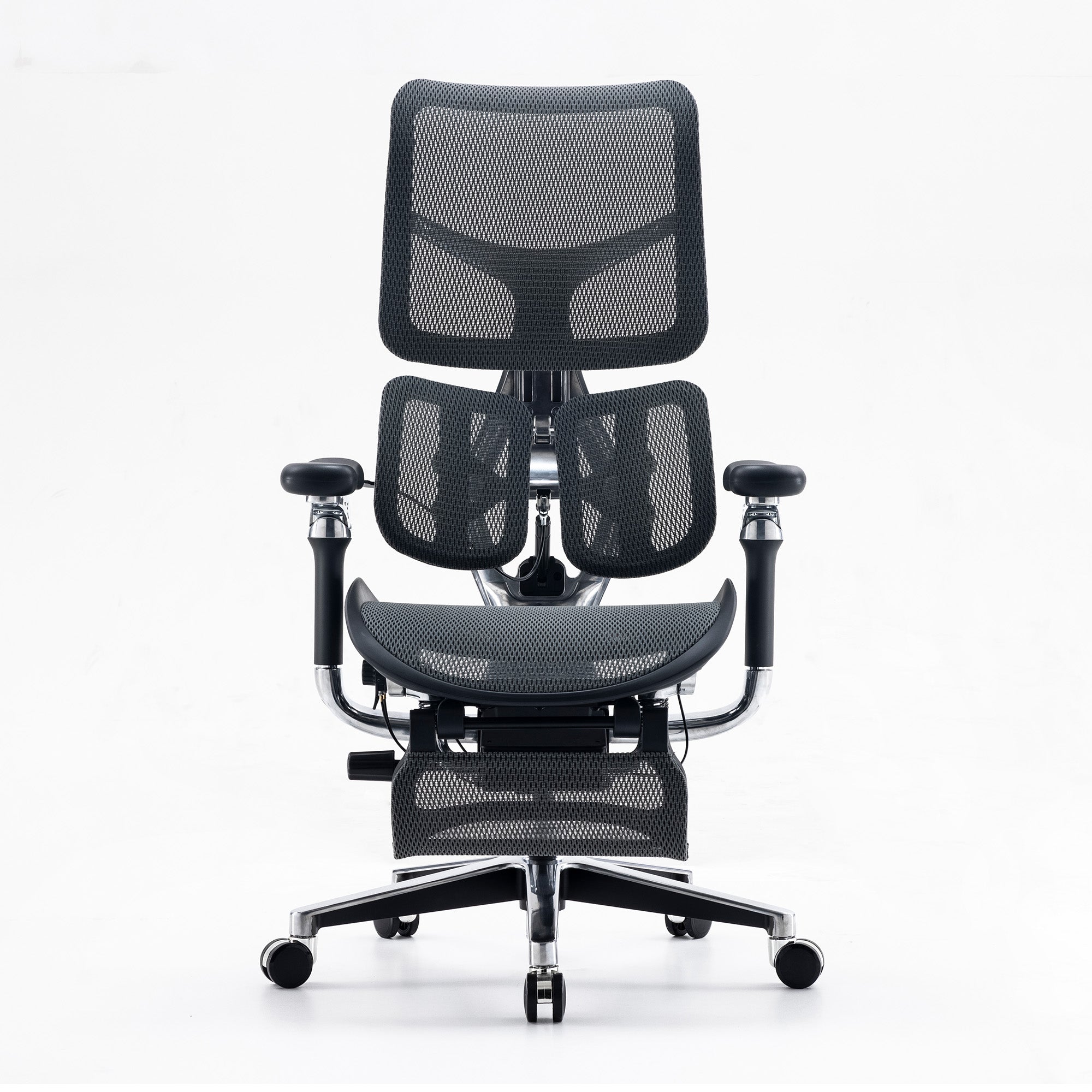
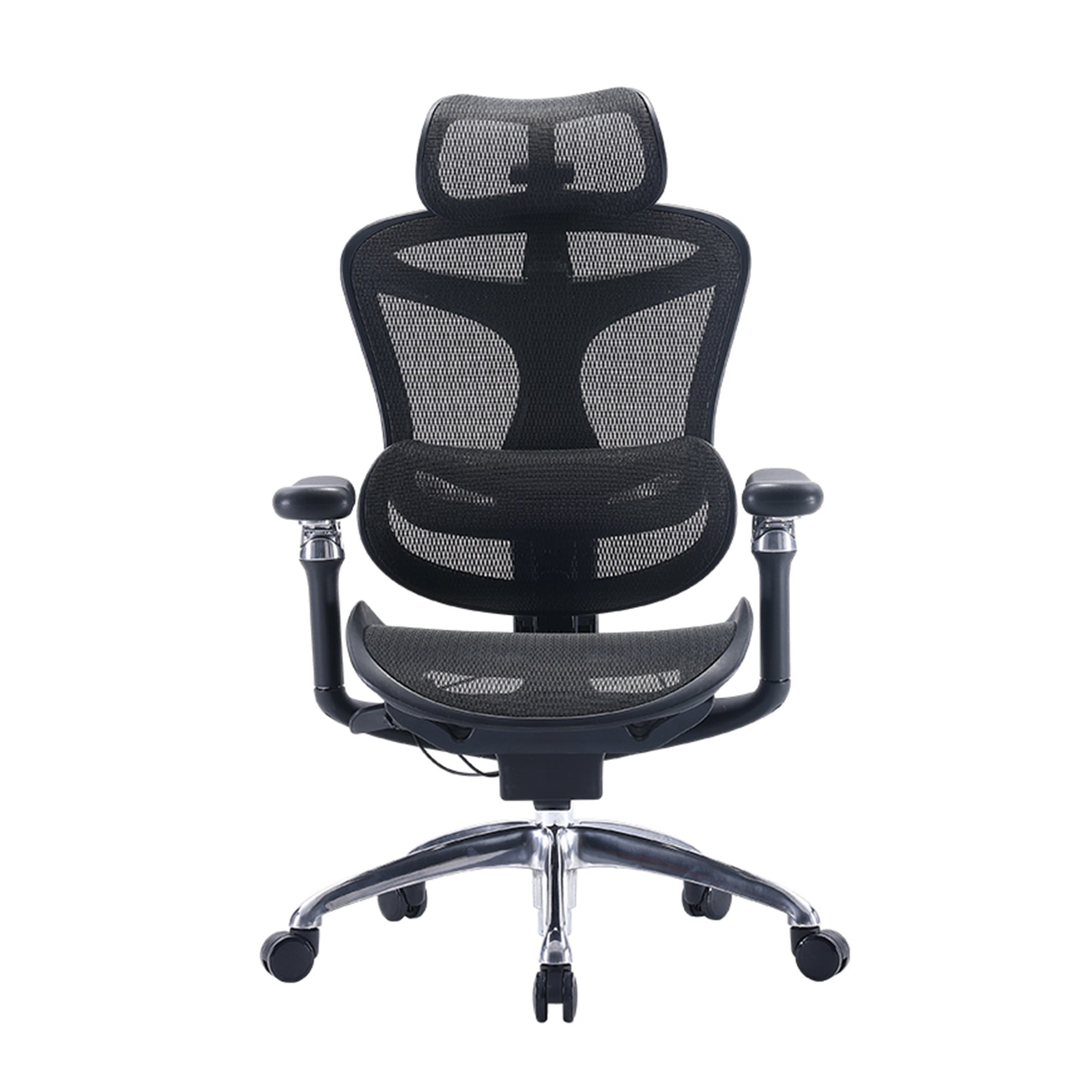
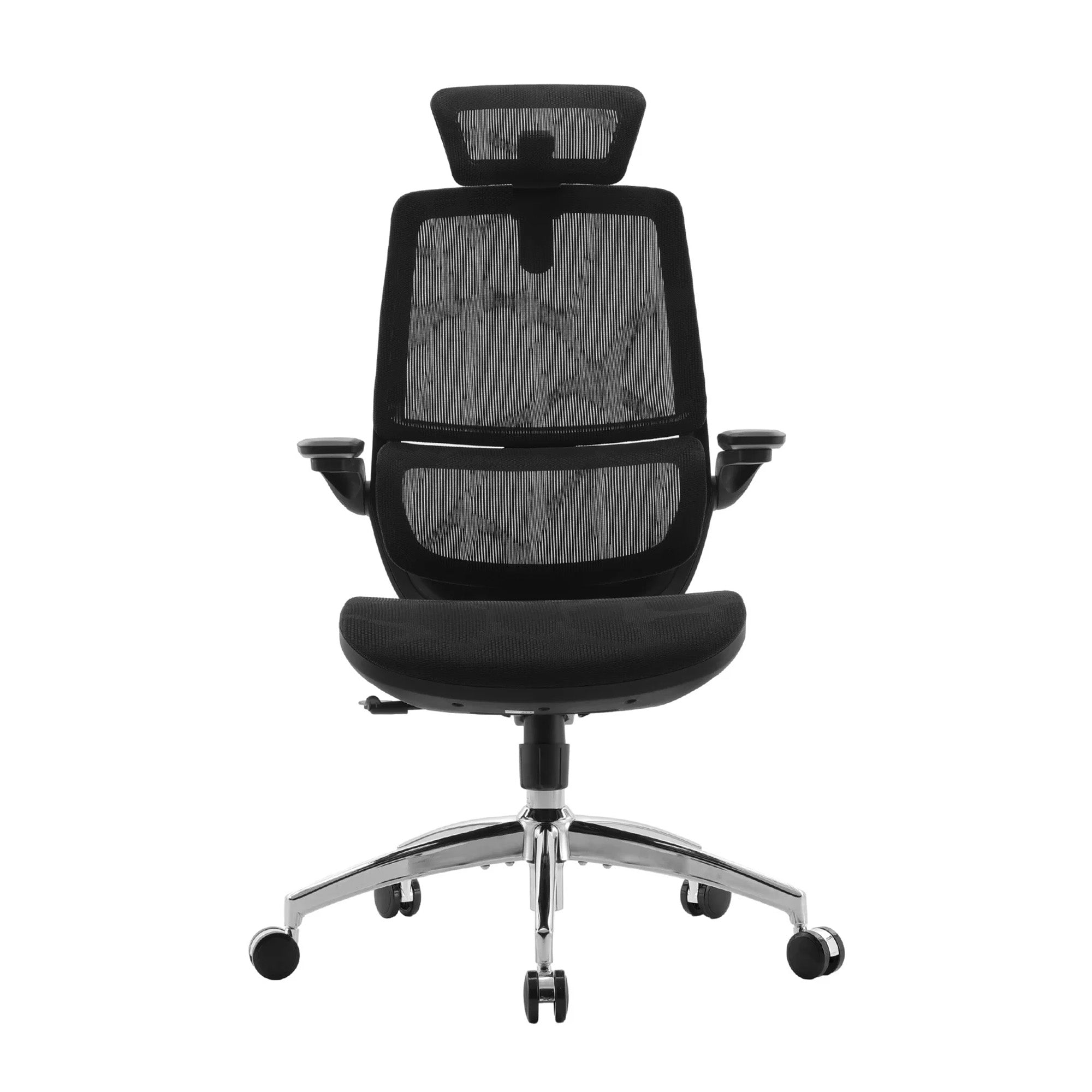
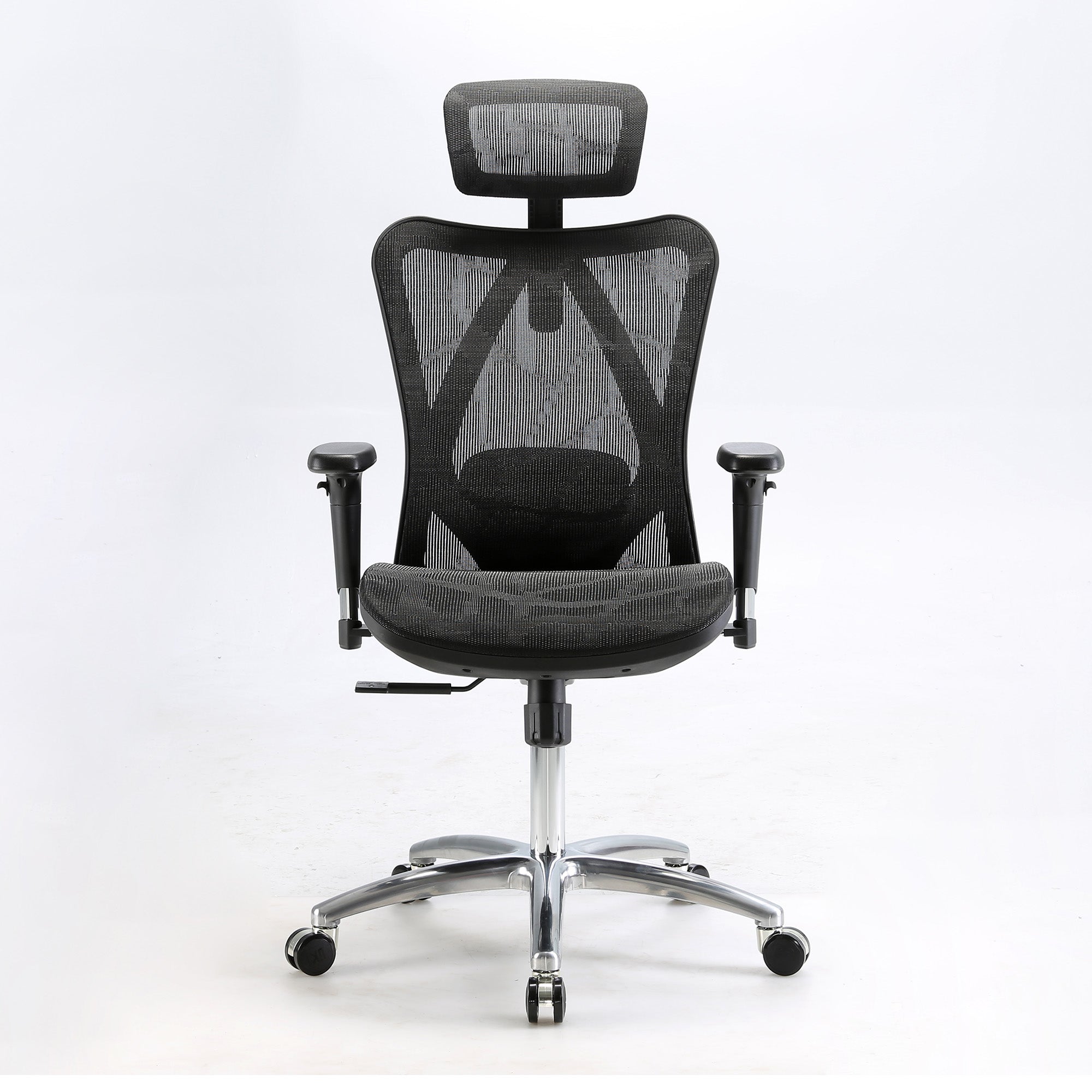
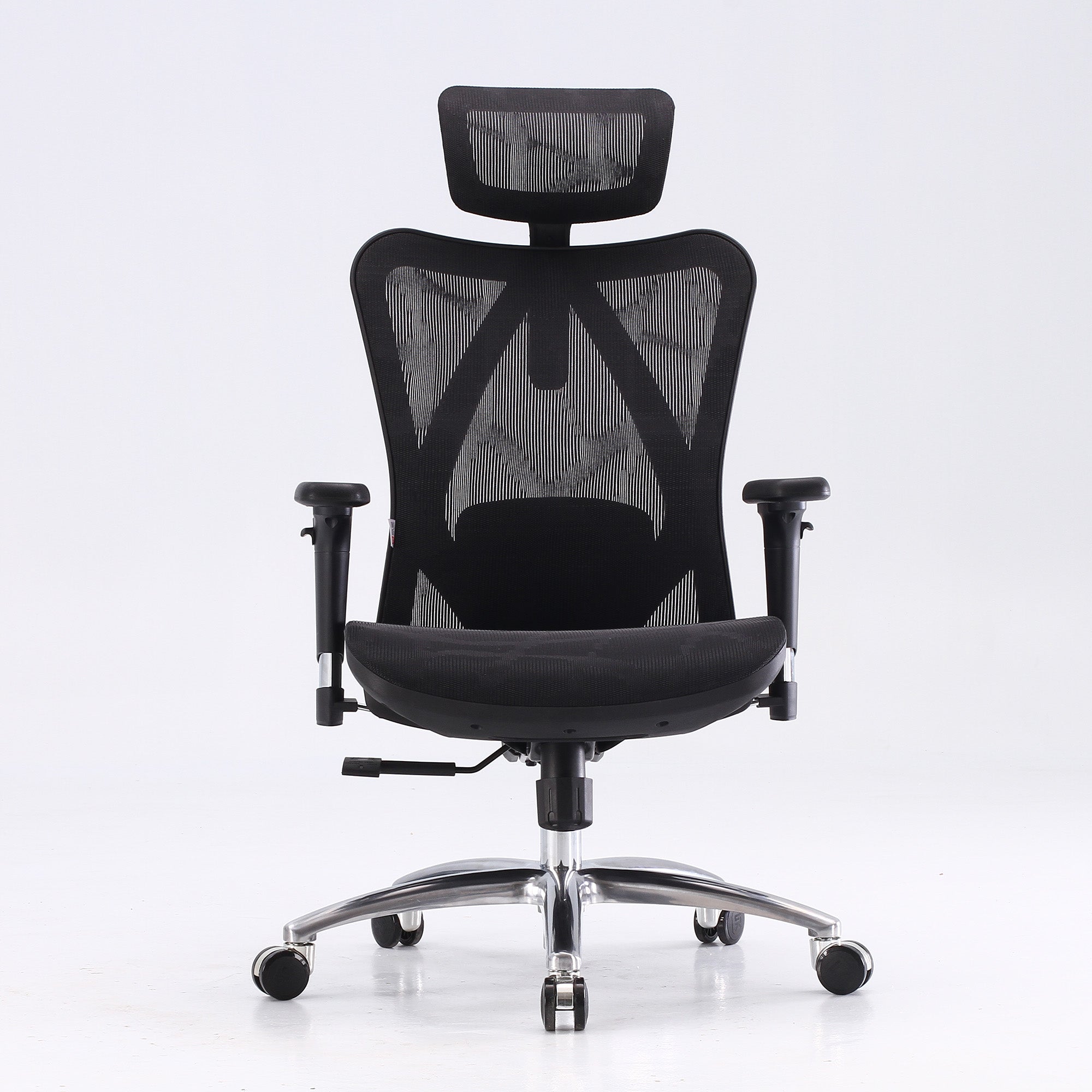
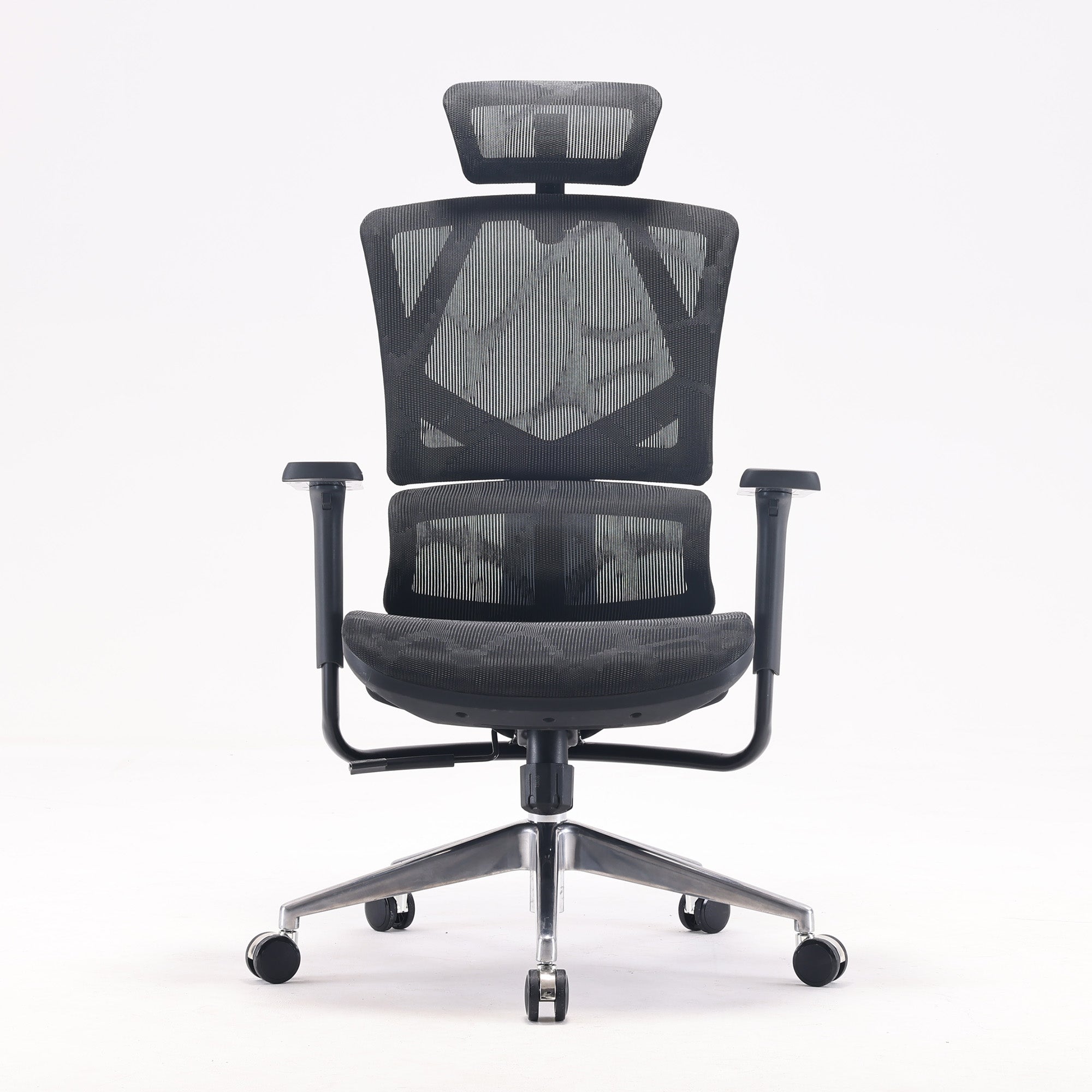
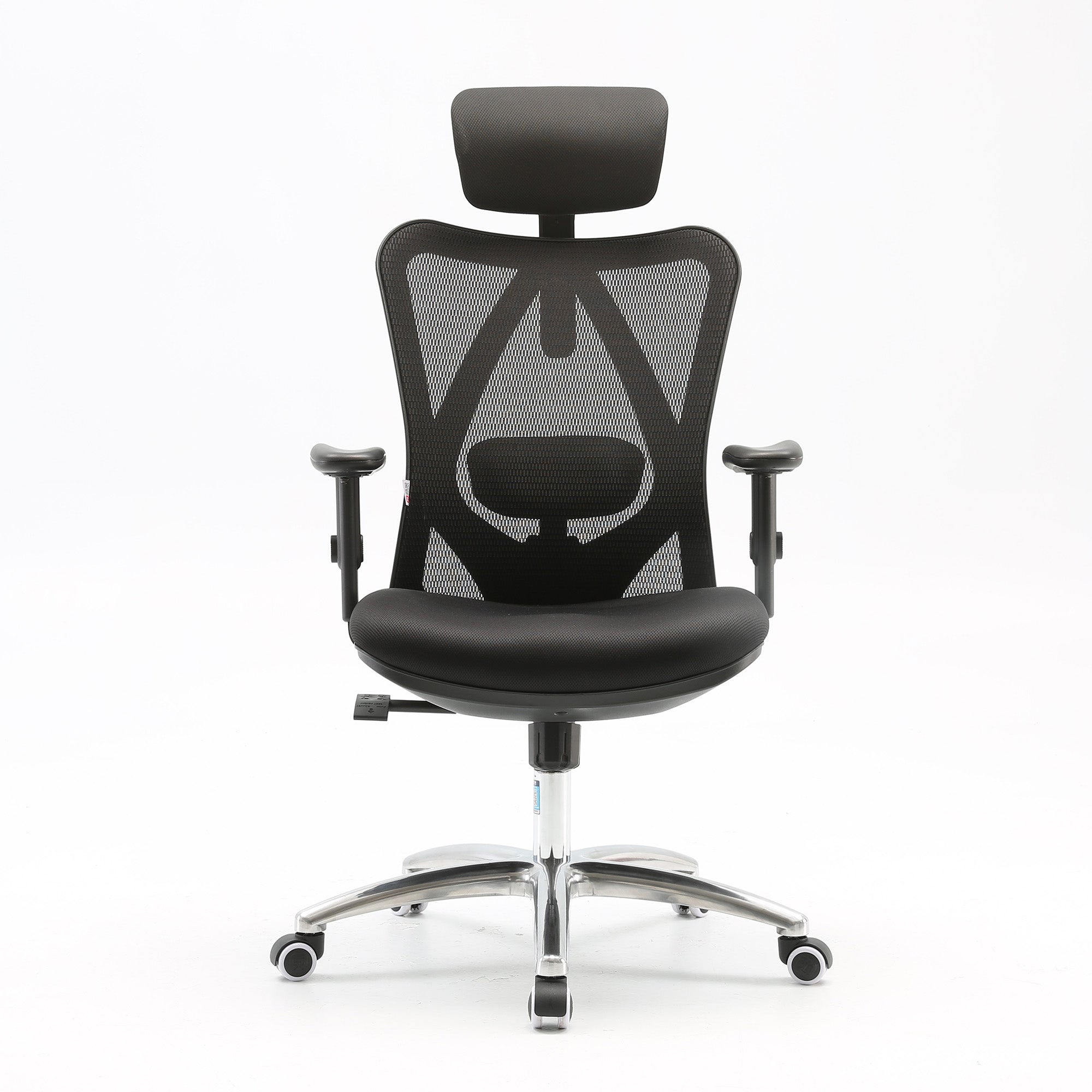
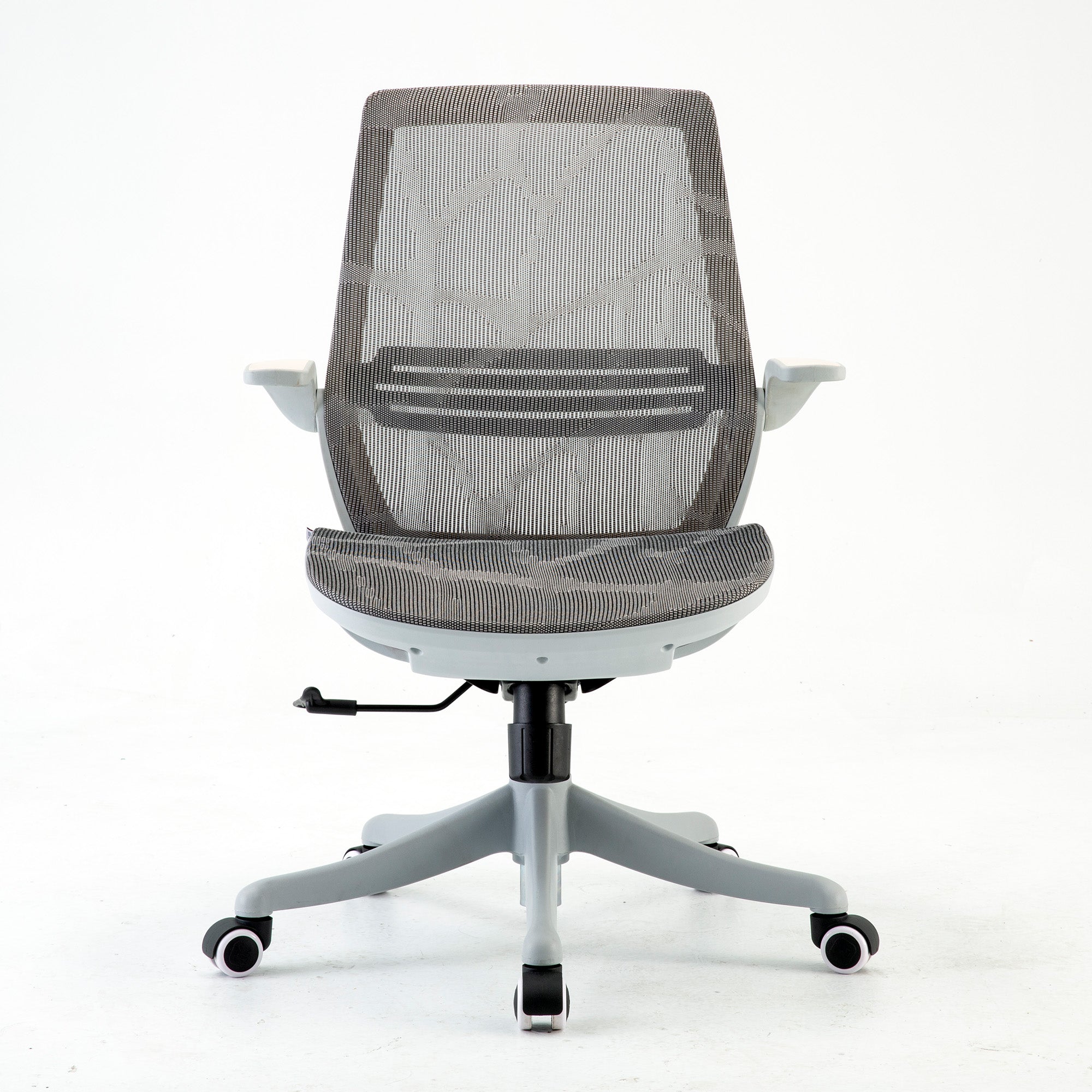
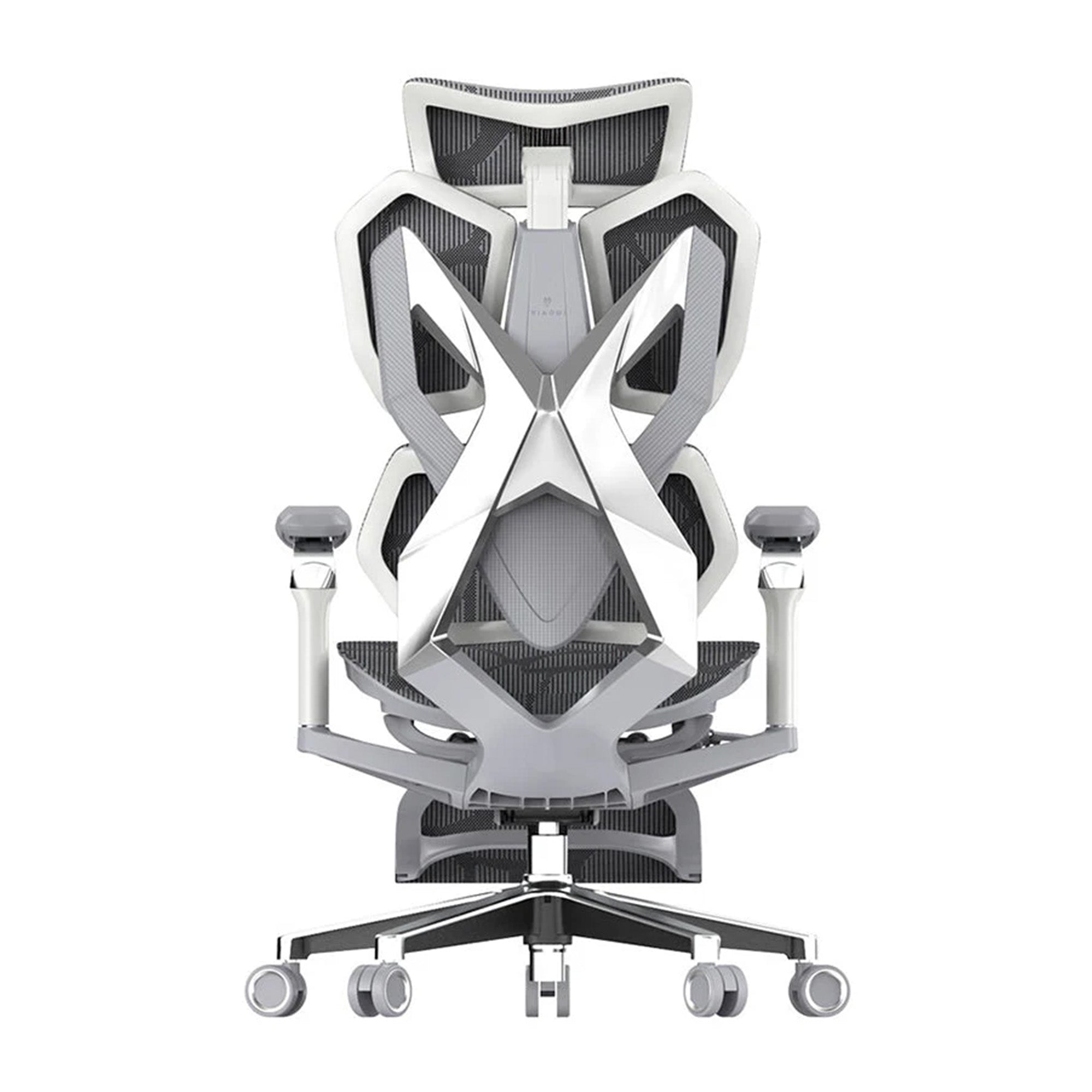
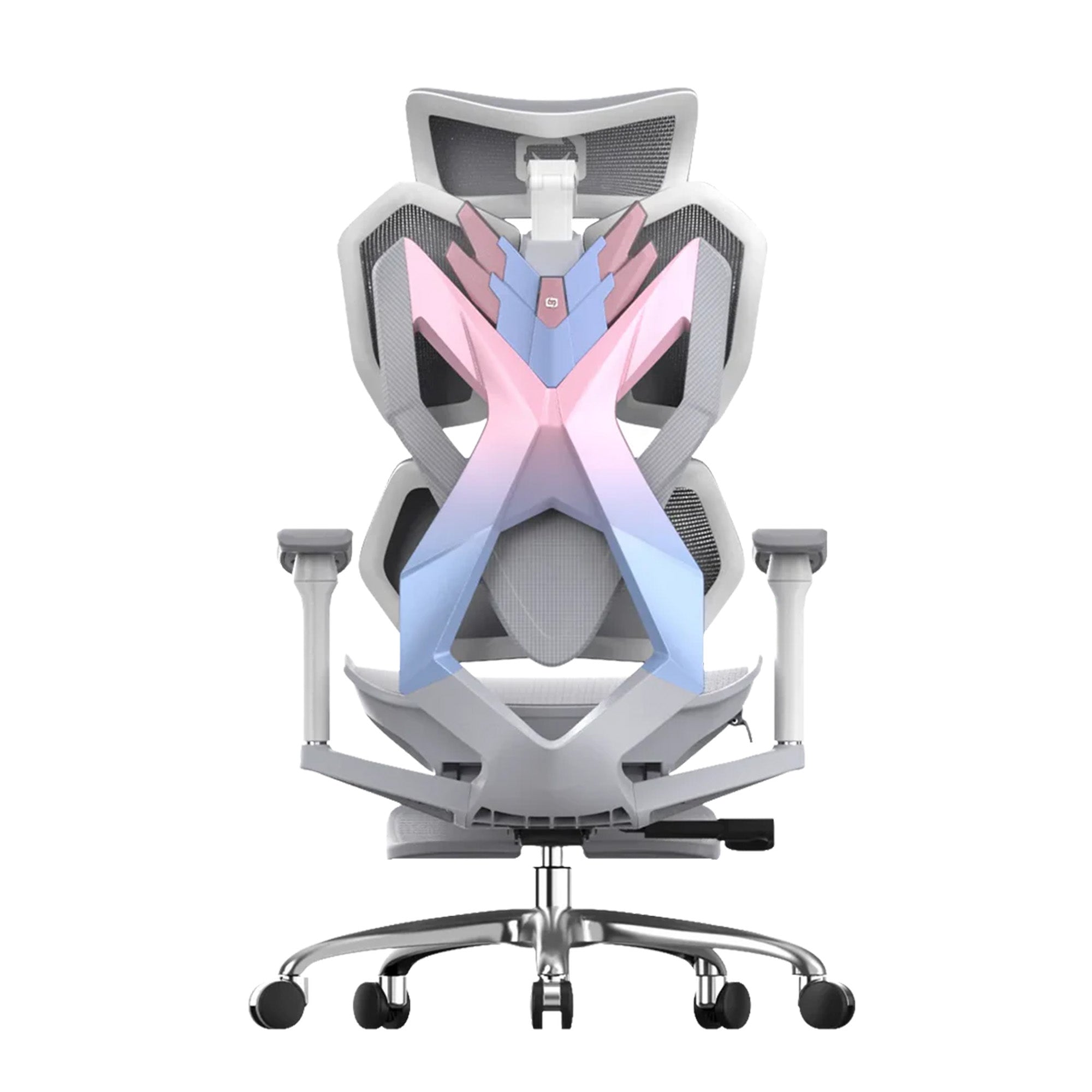
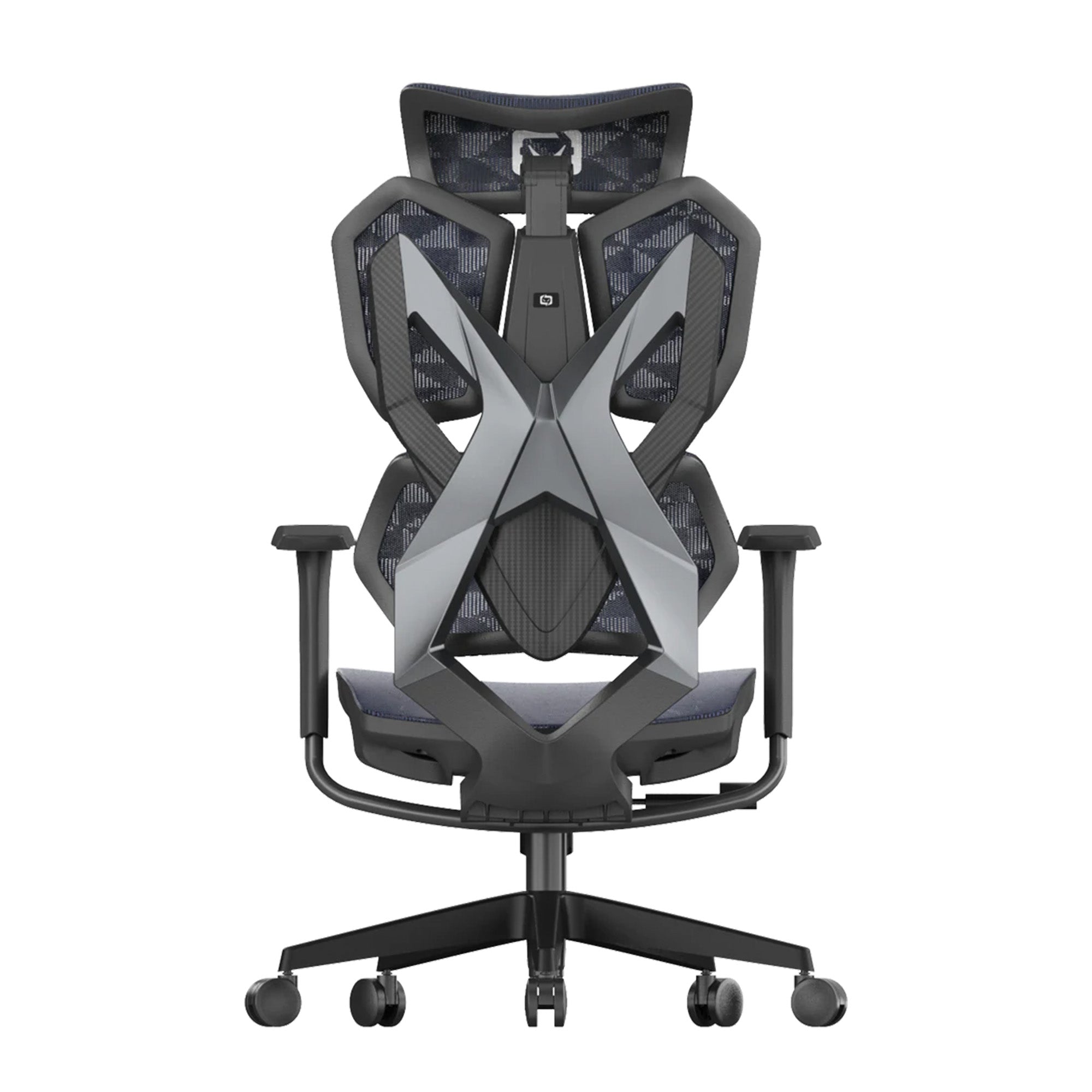
While the environment must be right, the physical workstation remains the foundation of productivity. This is where ergonomic office chairs have evolved from basic furniture into essential wellness tools. Gen Z views high-quality office chairs as a non-negotiable part of their professional toolkit.
They expect furniture that adapts to their body. Static seating is a thing of the past. Modern workers require dynamic support that moves with them. This is especially true for those who find movement helps them process thoughts.
Personalised Support with Sihoo
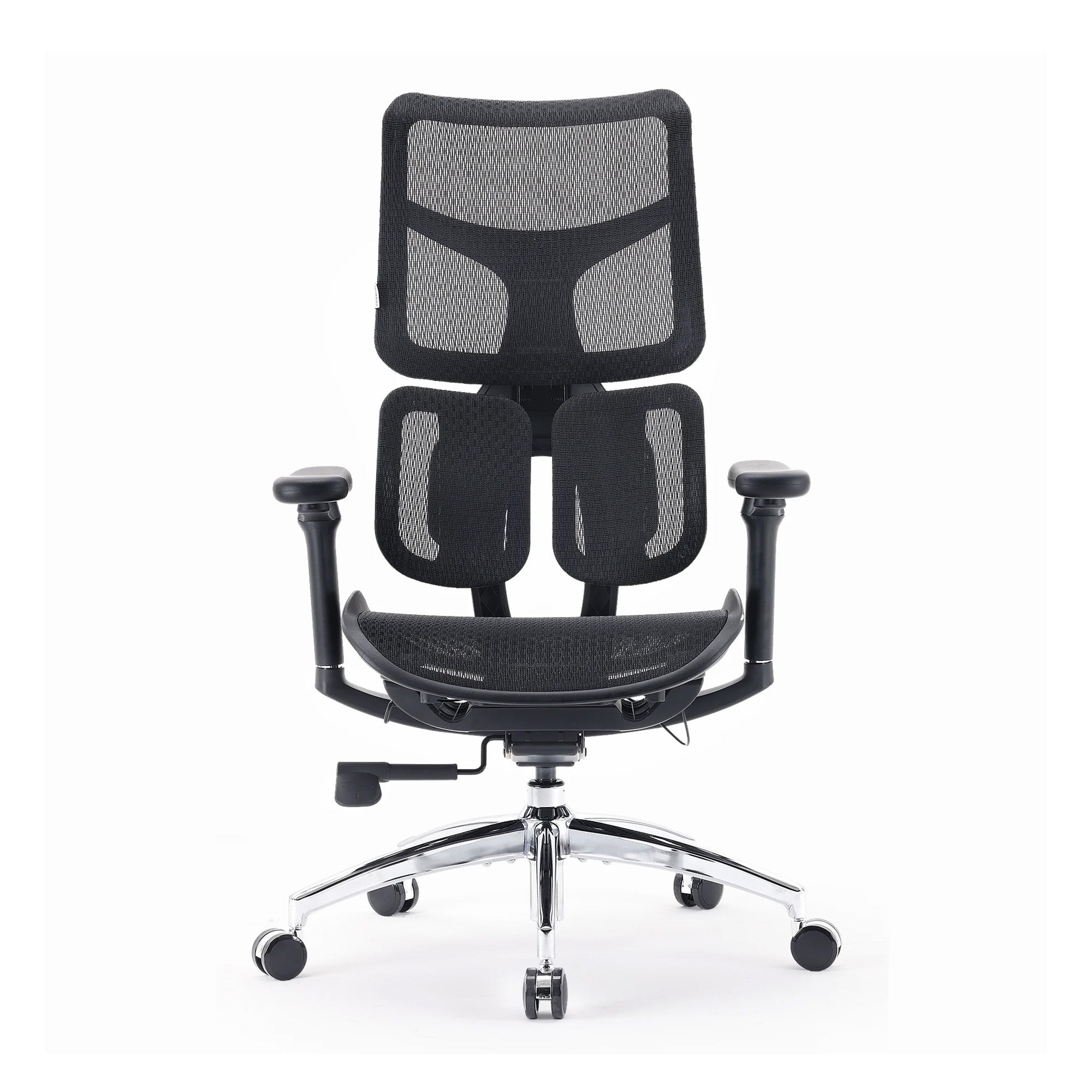
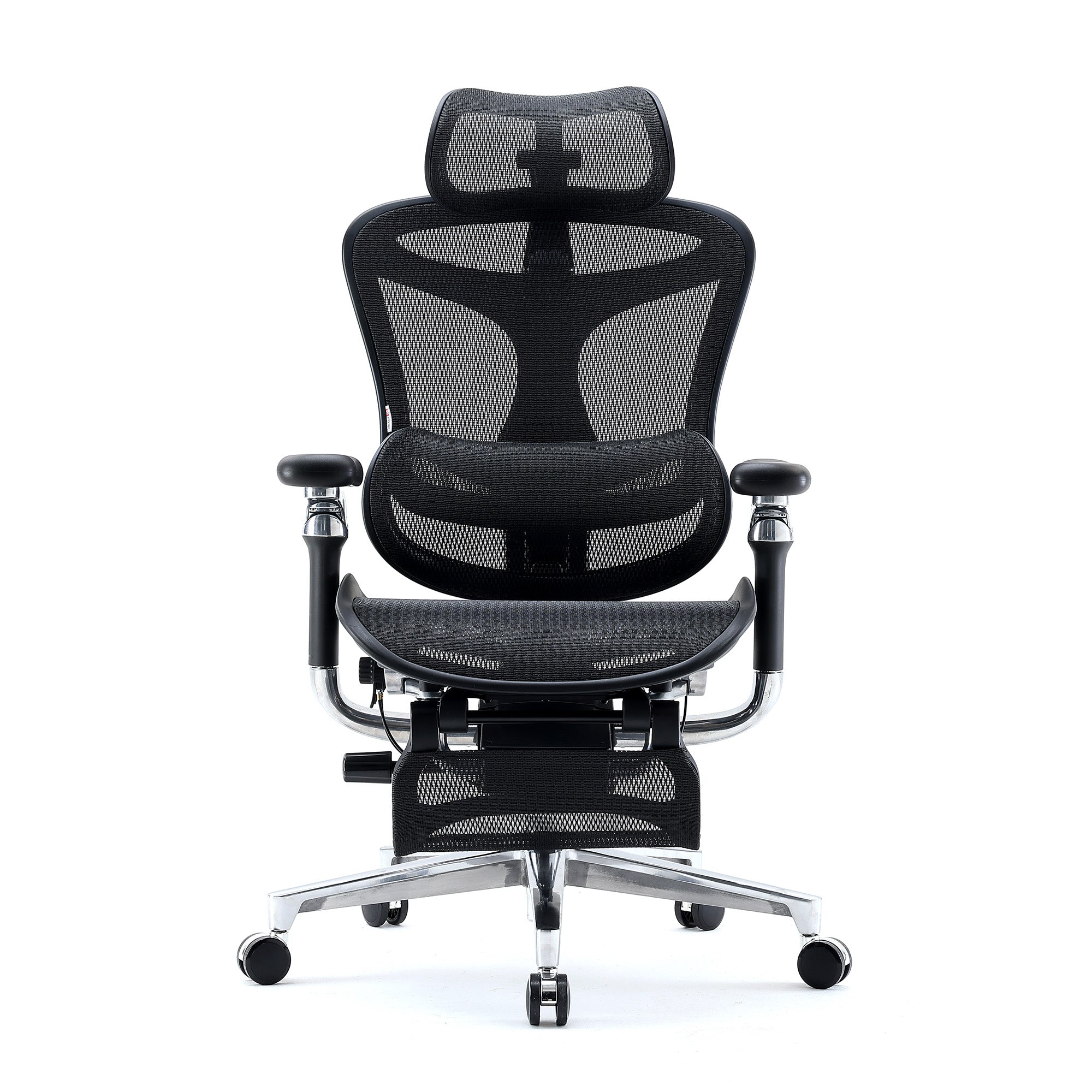
Brands like Sihoo have become staples in the modern Australian office. Their focus on customisable support aligns perfectly with the need for individual control. A Sihoo chair allows a worker to fine-tune their posture throughout the long day.
This level of adjustment is vital for neurodivergent employees. Some may struggle with physical restlessness or specific sensory needs. Having a highly adjustable Sihoo seat provides a sense of physical grounding. It allows the mind to focus because the body is not in distress.
Investing in ergonomic office chairs is no longer seen as a luxury expense. It is a strategic move to keep a high-performing team focused and pain-free. A high-quality setup signals that an employer values the health of their staff. We highly recommend the Doro Series ergonomic chair collection.
Why Neuro-Inclusion is Good for Everyone
The beauty of neurodiverse design is its universal benefit. While it is essential for some, it is better for everyone. Who doesn't benefit from better acoustics and less glare? Who wouldn't prefer a Sihoo chair over a rigid, plastic seat?
Australian Companies Leading the Charge
Across Sydney and Melbourne, firms are reimagining their floor plans. They are luring talent back to the city with intentional spaces. They are replacing rows of cramped desks with spacious, thoughtful layouts.
They are also incorporating "fidget-friendly" textures and movement-based workstations. This acknowledges that some brains need physical activity to spark creative thought. Standing desks and balance stools are now common sights. These additions help cater to a wider range of neurological needs.
The Physicality of Focus
In 2026, we have realised that "brain work" is actually a physical activity. If your back hurts, your focus will inevitably slip. If the light is too bright, your brain uses energy to block it out. This leaves less energy for complex problem-solving.
This is why ergonomic office chairs are the first line of defence against burnout. When you provide a chair, you are providing a tool for concentration. You are telling the employee that their comfort is a priority. This builds trust and loyalty within the Gen Z workforce.
Beyond the Desk
Neurodiverse design also extends to the "in-between" spaces. Wide corridors reduce the "buffer zone" anxiety of bumping into others. Clear wayfinding and signage help those who struggle with spatial navigation. Even the colour palette matters. Earthy, muted tones are replacing the jarring primary colours of the old tech giants.
The Checklist for 2026
If your company wants to meet Gen Z expectations in the workplace, start with these pillars:
-
Acoustic Control: Use "pink noise" and acoustic pods to manage distracting sounds.
-
Lighting Flexibility: Provide dimmable task lights and maximise natural sunlight where possible.
-
Physical Autonomy: Supply top-tier ergonomic chairs in Australia like those from Sihoo to ensure physical comfort.
-
Predictable Environments: Allow for assigned seating or "neighbourhoods" to foster a sense of belonging.
-
Sensory Retreats: Create small rooms where staff can sit in total silence for ten minutes.
The 2026 office is a tool for the mind. Gen Z is not looking for a playground. They are looking for a sanctuary where they can do their best work. By embracing neurodiverse design, Australian businesses can unlock incredible potential.
They are creating a world where every brain has the space to shine. This isn't just about being "nice." It is about being effective. A team that is comfortable and focused will always outperform a team that is distracted.
Is your office ready for the most self-aware generation in history? It might be time to trade that ping-pong table for a set of Sihoo best ergonomic chairs. Your employees will certainly thank you for it.
Frequently Asked Questions
Neurodiverse design means creating workspaces that support different ways of thinking and processing information. Gen Z values mental health and individuality, so they expect offices that are more inclusive and sensory-friendly. Instead of harsh lights and loud open-plan noise, they want environments that reduce stress and help people focus. This approach benefits everyone, not just neurodivergent staff, because it improves comfort, productivity, and wellbeing.
Traditional offices often rely on fluorescent lighting, loud open plan noise, and uniform desk layouts. For many people, especially those who are neurodivergent, this can cause sensory overload, anxiety, and difficulty concentrating. These environments can also make it harder for employees to stay productive and comfortable throughout the day.
Sensory zones are different areas within the office designed for specific needs. For example, a quiet deep work zone uses sound absorbing materials and soft lighting, while separate high energy spaces support collaboration and brainstorming. This design reduces distractions and gives employees more control over their work environment, helping them focus better and feel calmer throughout the day.
Ergonomic chairs support comfort and posture, which directly affects focus and productivity. For neurodivergent workers, being physically comfortable is especially important because discomfort can worsen stress and distractibility. Modern chairs like those from Sihoo offer adjustable support that adapts to different bodies and movement needs, making them a crucial part of a truly inclusive workspace.
Australian workplaces can start by creating quiet zones, improving acoustics, and offering flexible lighting options. Adding adjustable ergonomic chairs, standing desks, and sensory retreat rooms also helps. Clear signage, wider corridors, and predictable seating plans reduce anxiety and improve navigation. These changes make the office more welcoming for neurodivergent staff and improve comfort for everyone.
Shop products from this article


Save up to 49% this Clearance Sale. Pay in 4 interest-free instalments with Afterpay.
SHOP NOWRecommended Posts


