

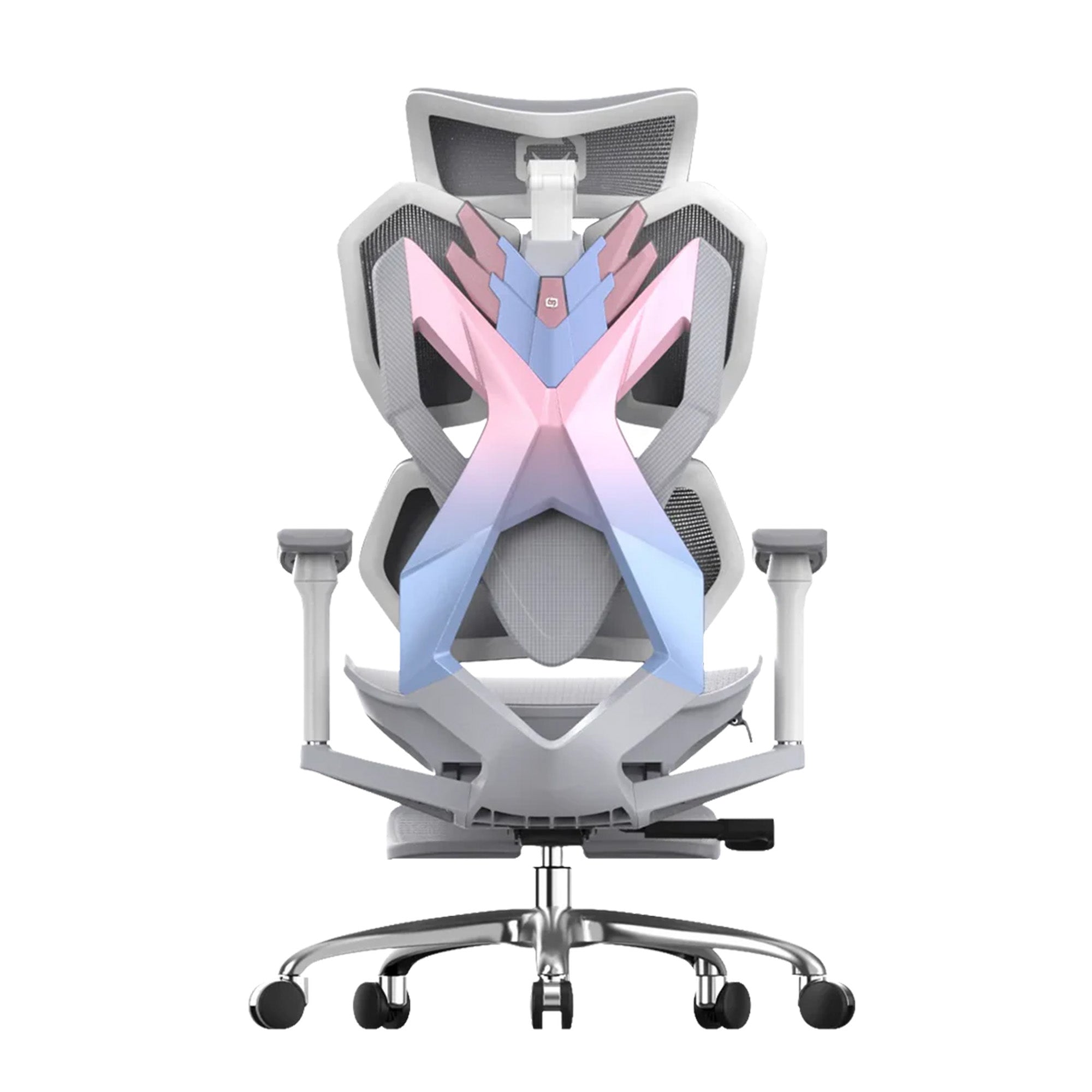
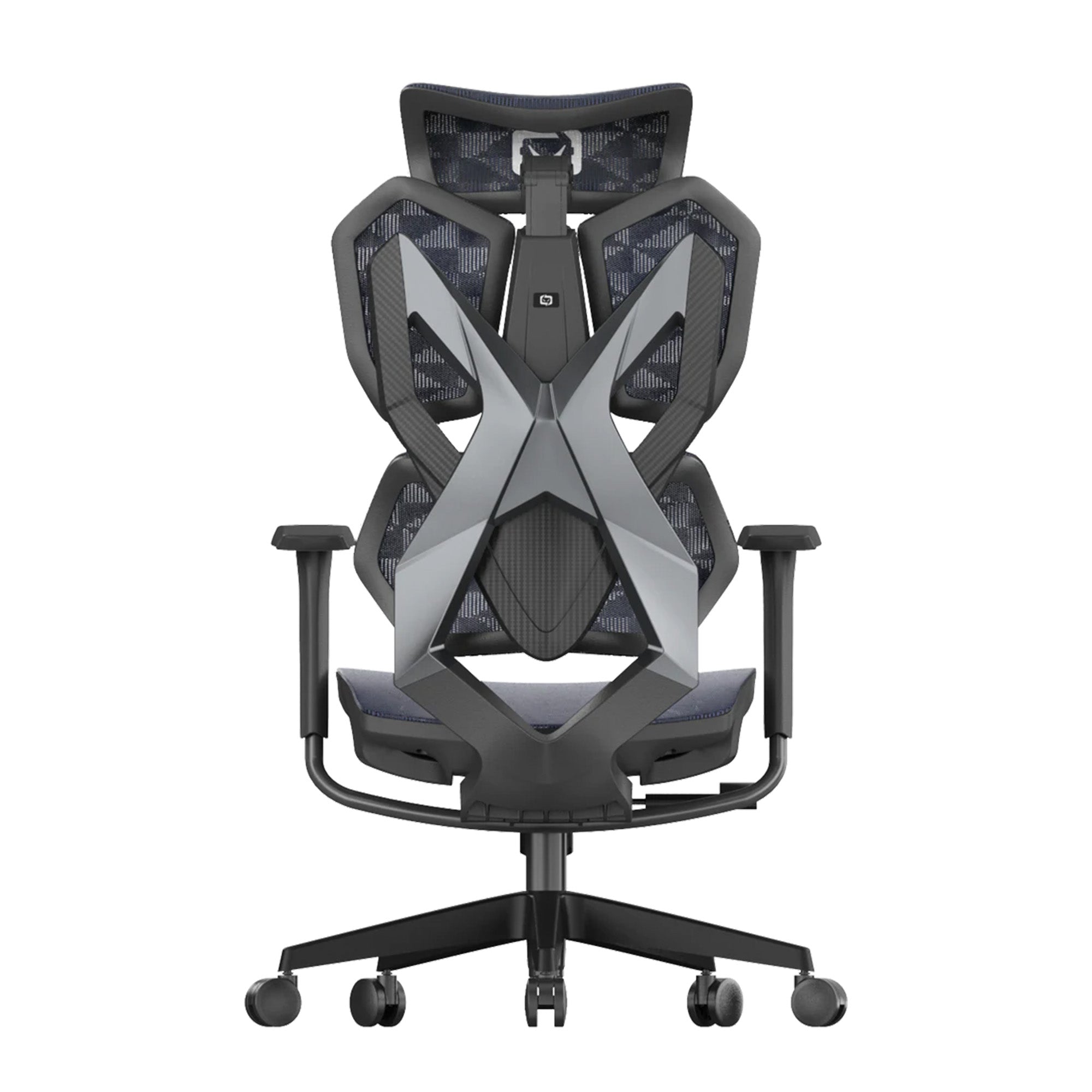

Price alone tells you nothing.
A $329 chair and a $1,199 chair can both be the right buy, or both be the wrong one, depending on someone's answer to a question most guides skip: how many hours do you actually sit? Get that answer honestly and the right ergonomic office chair for your budget more or less picks itself. Get it wrong and you either overpay for adjustment range you'll never touch, or underspend and end up nursing a sore lower back by Thursday. This guide walks through what changes at each price point in the Australian market, plainly, so you can spend exactly what your situation calls for.
Under $300: The Tier Nobody Wants to Admit They're Shopping In
There's a bit of shame attached to a sub-$300 chair, and it's mostly undeserved.
What actually happens below $300 is fairly mechanical. Manufacturers cut cost by fixing things that cost more to make adjustable: the lumbar cushion sits wherever it was moulded, the armrests don't move, and the back is foam rather than mesh, which holds heat. None of that makes the chair broken. It makes it a chair with fewer dials, which only becomes a problem once your body needs more of them.
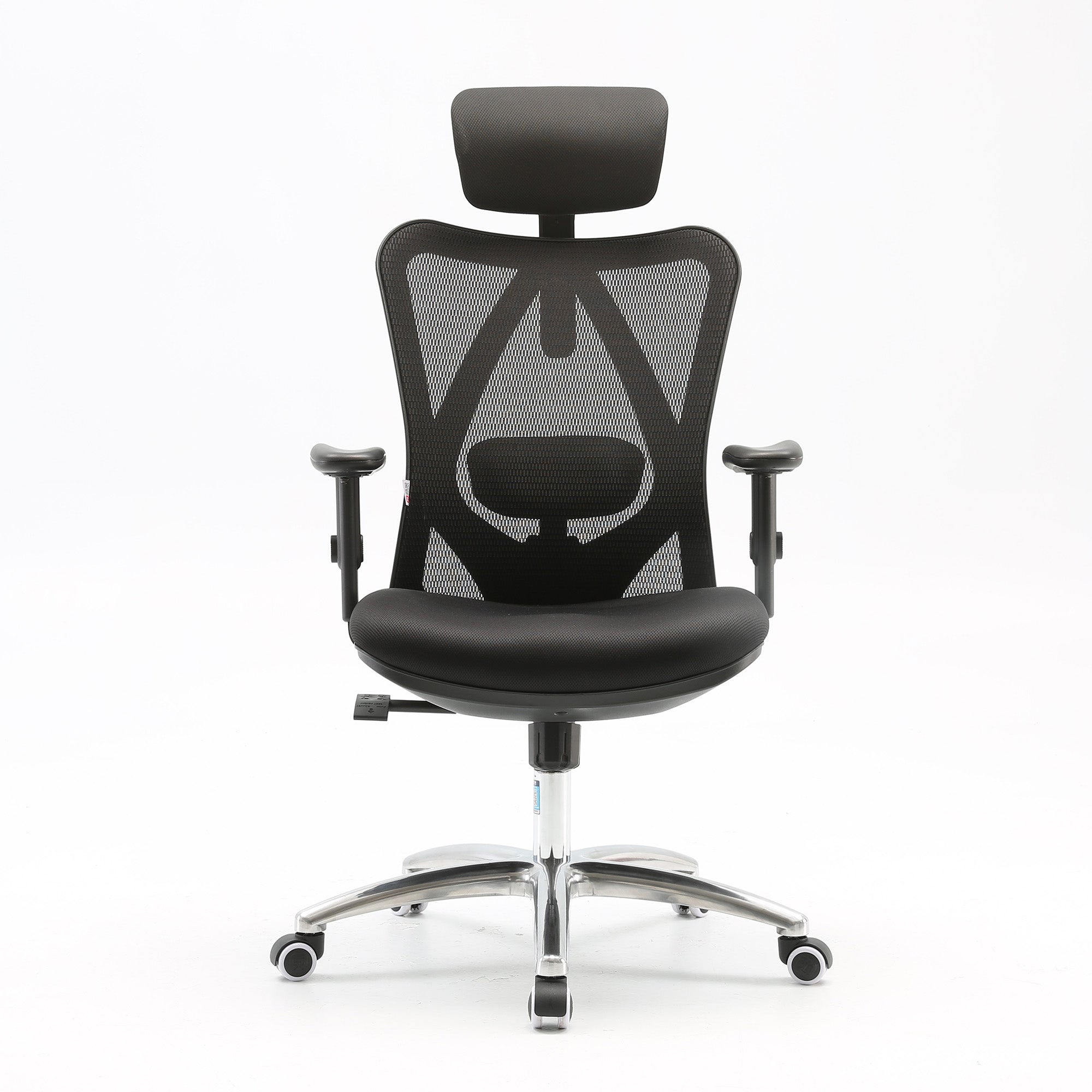
Sit two or three hours a day and a fixed-lumbar chair rarely causes trouble. Sit six and it starts to. The Sihoo M18 and Sihoo M59, both around $279, sit right at the edge of this problem: mesh backs and basic adjustment, one step above where the lumbar and armrests disappear entirely. If your hours are genuinely light, that's a perfectly sensible place to stop looking.
|
THE ONE THING TO UNDERSTAND: A cheap chair isn't a compromise if your hours are light. It becomes one the moment your daily sitting climbs past what a fixed lumbar position can support. |

$300 to $600: Where Most People Should Actually Be Looking
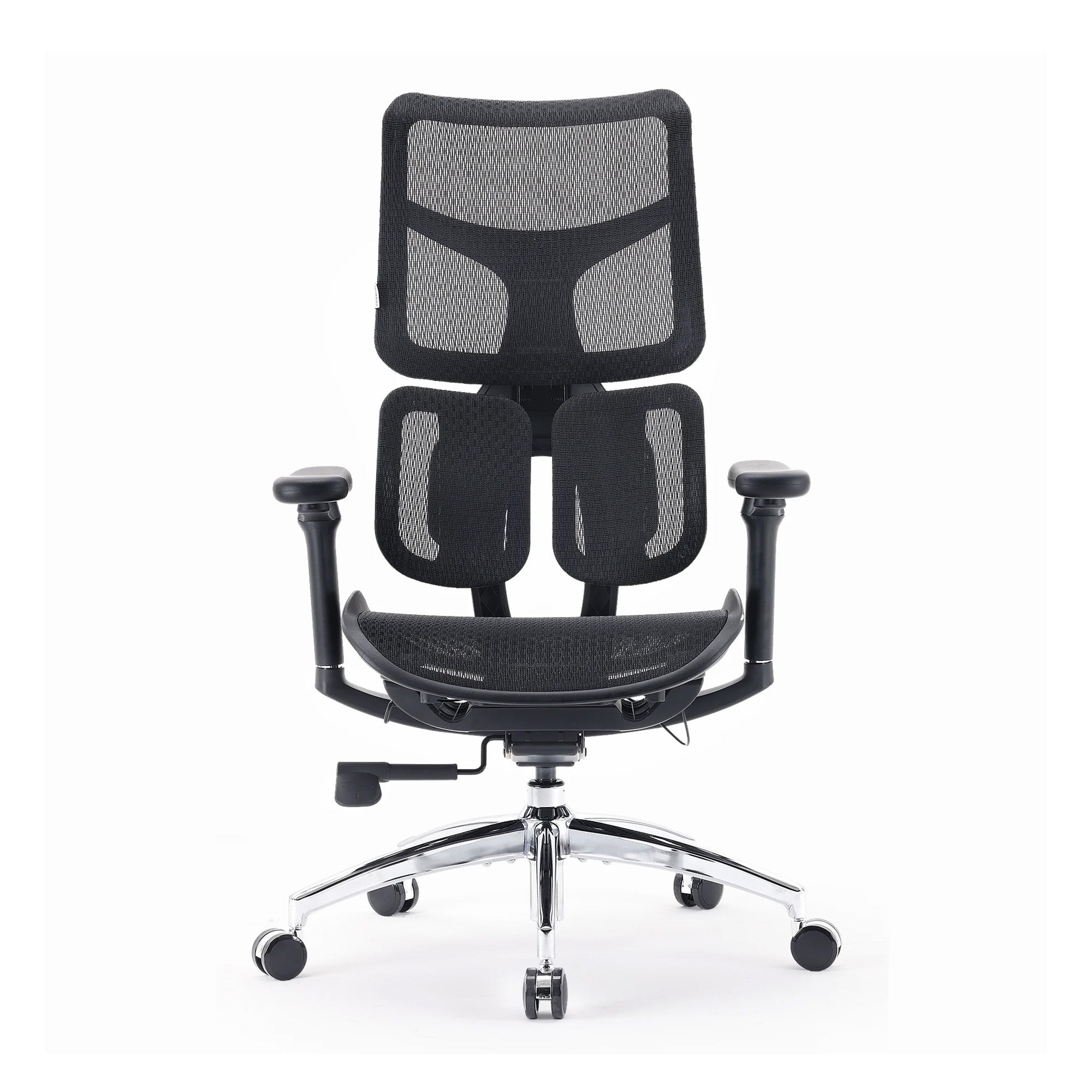
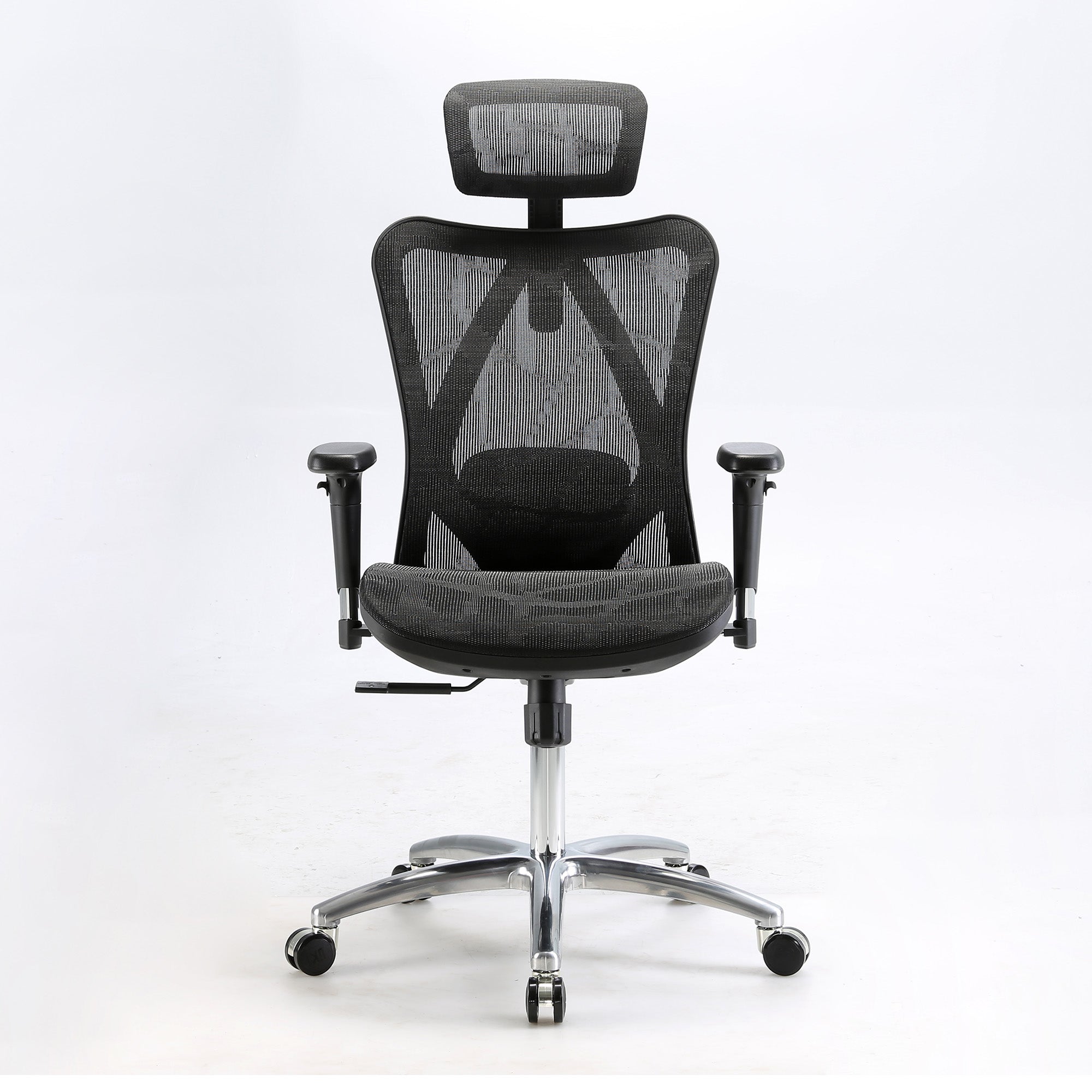
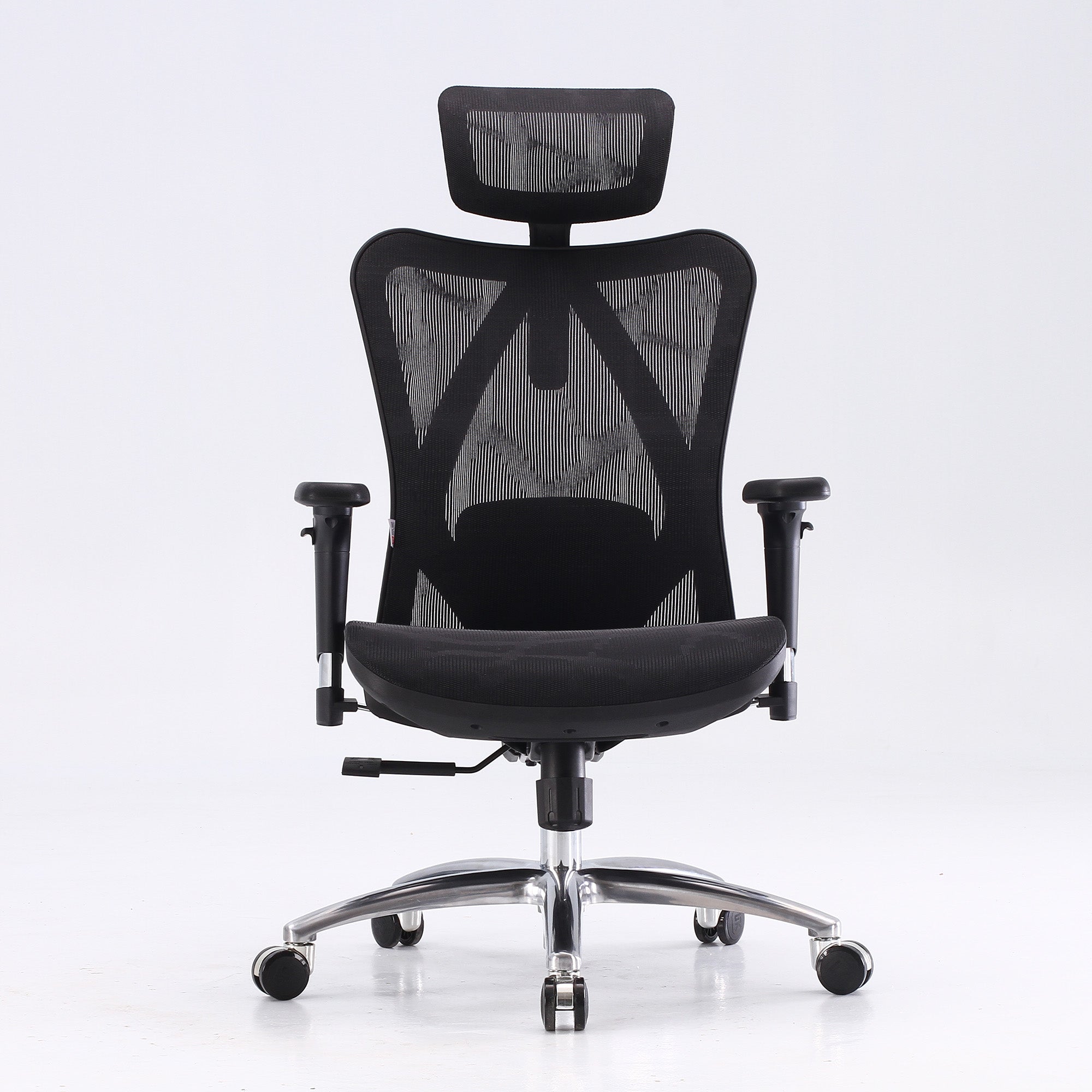
Three chairs live in this bracket, and they get compared constantly: Sihoo M57 at $329, Sihoo Vito M90 at $339, Sihoo V1 at $529. Ten dollars separates the first two. Two hundred separates the last one from the first. None of that gap is arbitrary.
|
Feature |
Sihoo M57 |
Sihoo Vito M90 |
Sihoo V1 |
|
Price (AUD, sale) |
From $329 |
From $339 |
From $529 |
|
Lumbar support |
Adjustable, up/down and in/out |
Adaptive elastic, adjusts automatically |
4D adjustable, height and depth |
|
Armrests |
3D |
3D |
4D |
|
Backrest height adjust |
No |
Yes, 3 levels |
Yes, 5 levels |
|
Seat depth adjust |
No |
No |
Yes, slides forward and back |
|
Recline angle |
Up to 126 degrees |
Up to 130 degrees |
Up to 135 degrees |
|
Seat material |
Full mesh |
Full mesh |
Mesh back, foam seat |
|
Best suited height |
155 to 190cm |
165 to 190cm |
Up to approximately 175cm |
|
Max weight rating |
150kg |
150kg |
120kg |
|
Warranty |
3 years |
3 years |
3 years |
Ten dollars buys one real thing on the M90: lumbar support that adjusts itself as you move, rather than sitting wherever you last shoved it. Most people never touch a manual lumbar cushion again after the first week, which means the M57's version quietly drifts out of position the first time you shift in your seat. If you're at a desk six hours or more, that ten dollars is doing more work than it looks like it is.
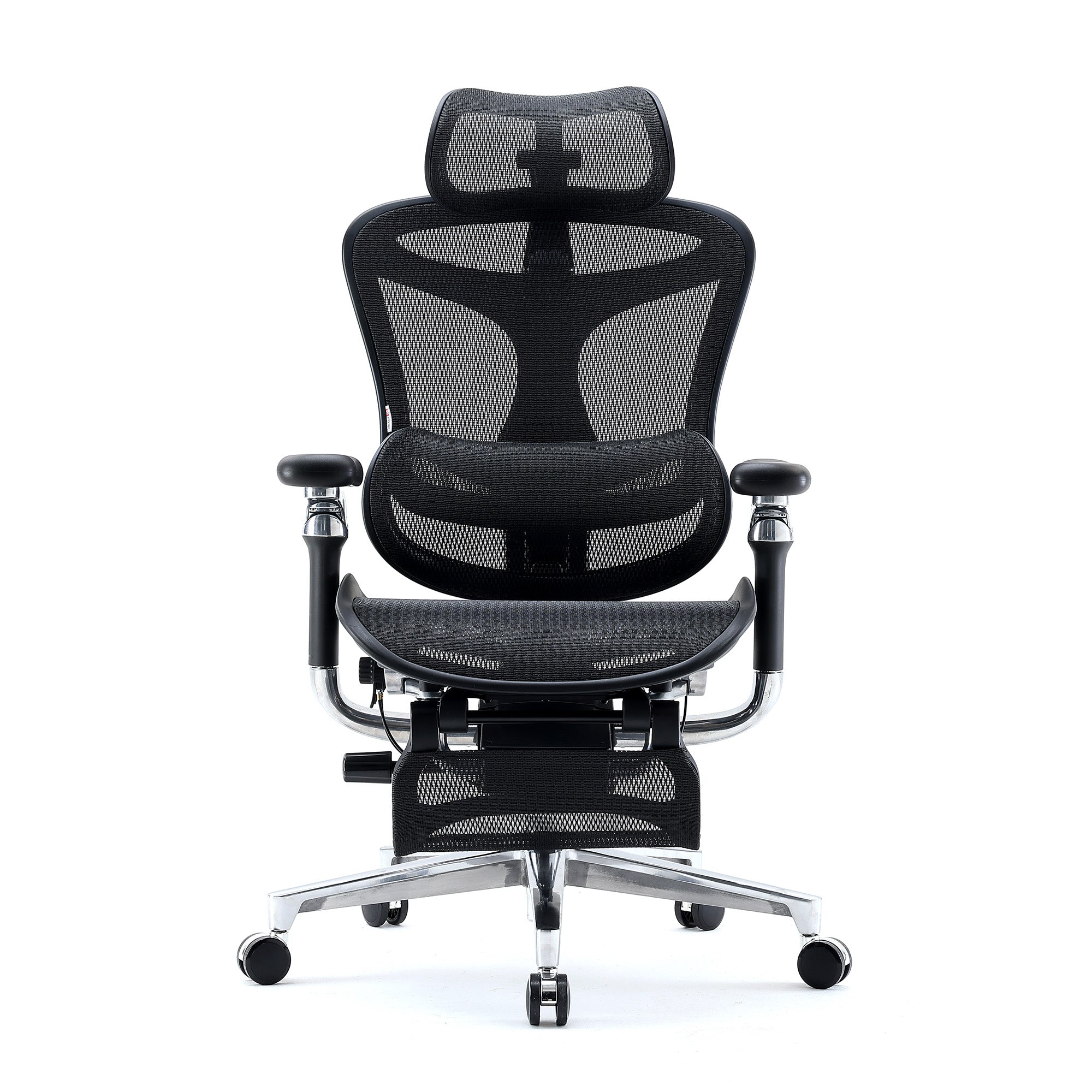
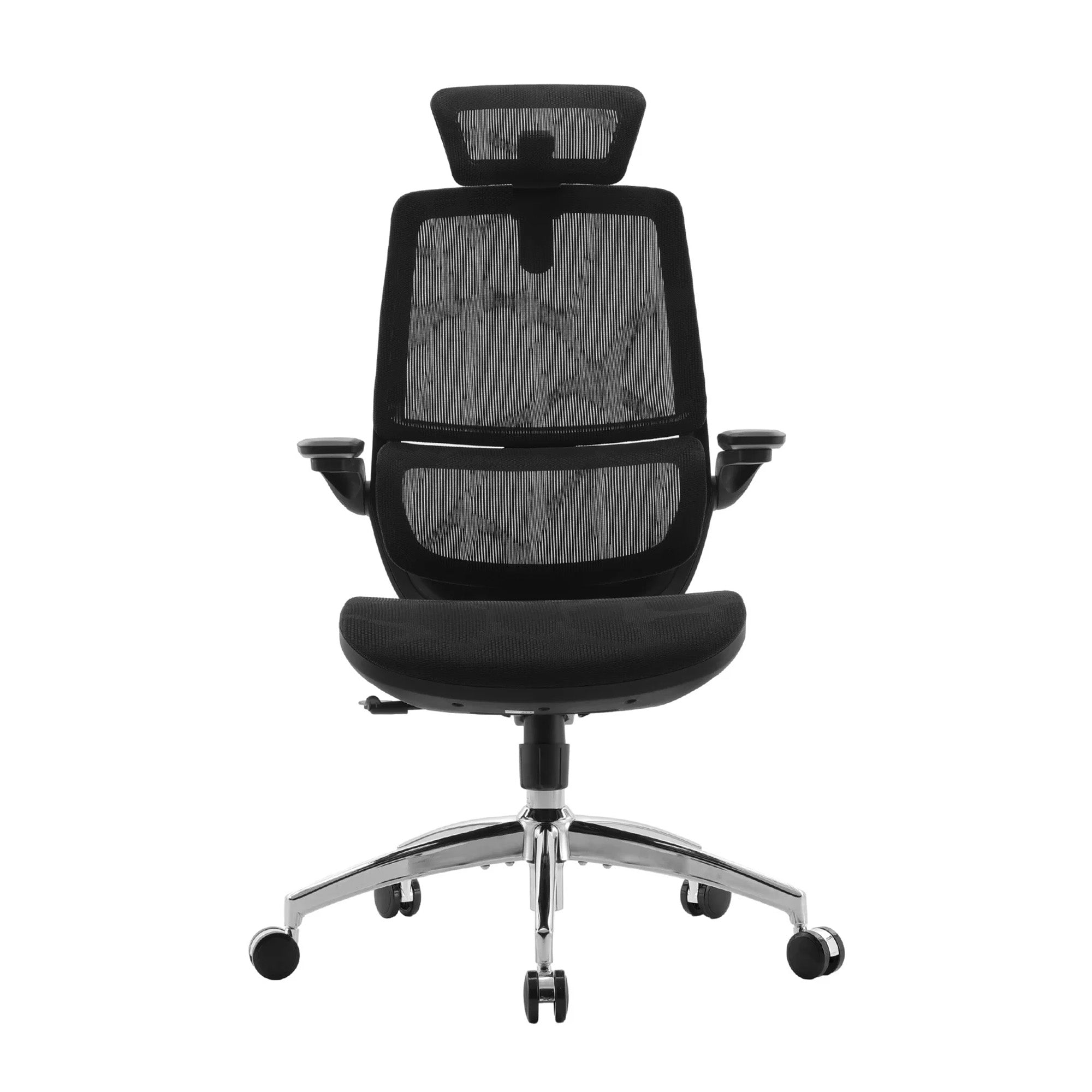
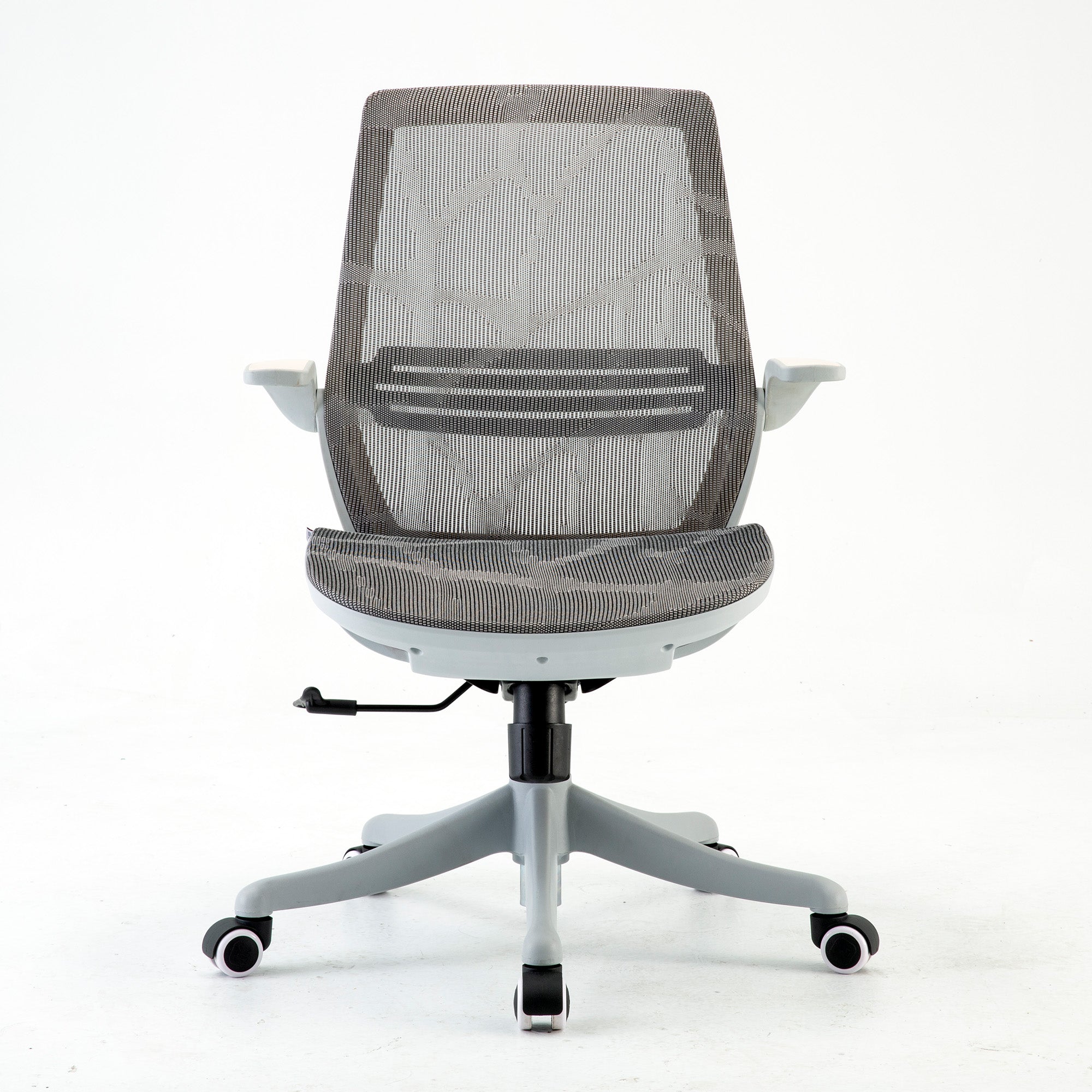
The V1 is a different conversation entirely, and it's not really an upgrade to the M90 so much as a fix for one specific complaint: pressure behind the knees. If you're shorter than about 165cm, the M57 and M90's fixed seat depth can leave the front edge digging in, and no amount of lumbar adjustment fixes that. The V1's sliding seat pan does. Above 175cm, though, the V1 runs out of room, and its foam seat holds heat through an Australian summer in a way the other two don't. It's the right chair for a narrow band of people, and the wrong one for everybody else at this price.

So Which of the Three Should You Actually Buy
Strip away the spec sheet and it comes down to three quick questions. How many hours a day are you actually sitting, not planning to sit, actually sitting? Under six, the M57 covers you and saves you the ten dollars. Six or more, the M90's self-adjusting lumbar earns its keep within the first week. And regardless of hours, are you noticeably shorter than average and have you felt pressure behind your knees on other chairs before? If yes, that's the V1's one job, and it does it well. If none of that rings a bell, the M90 is the safest default for most Australian desks.
$600 and Above: The Point Where Extra Money Actually Does Something
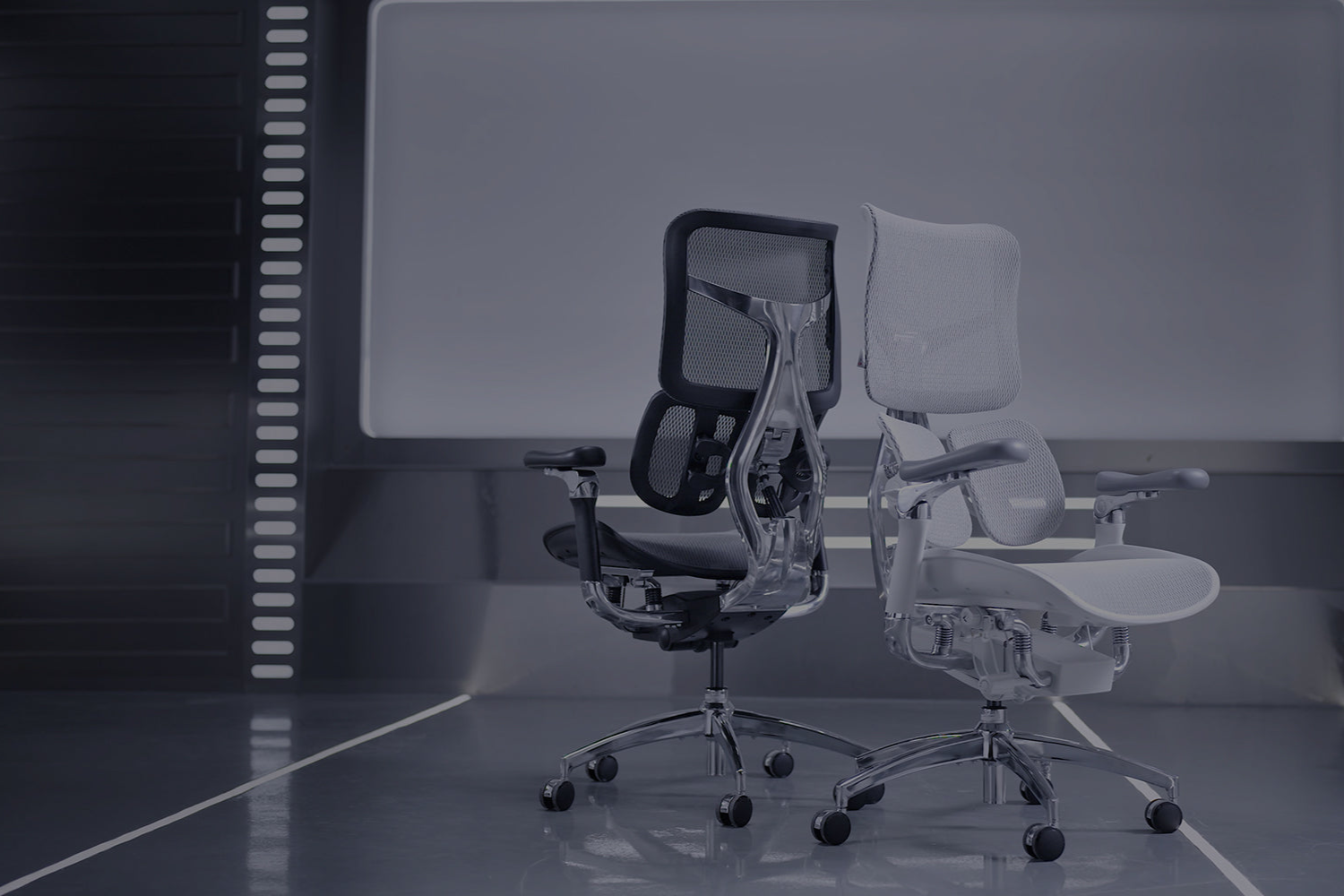
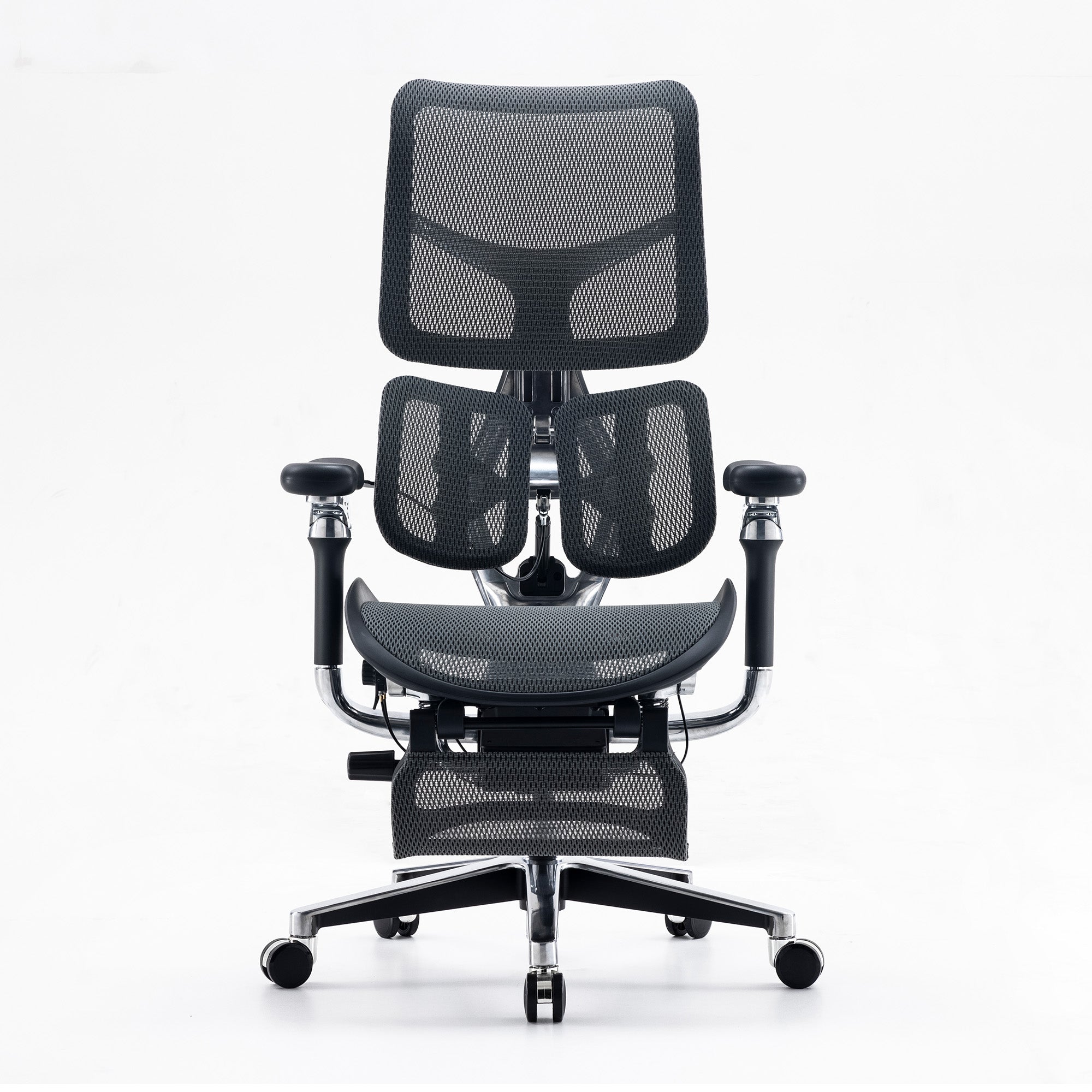
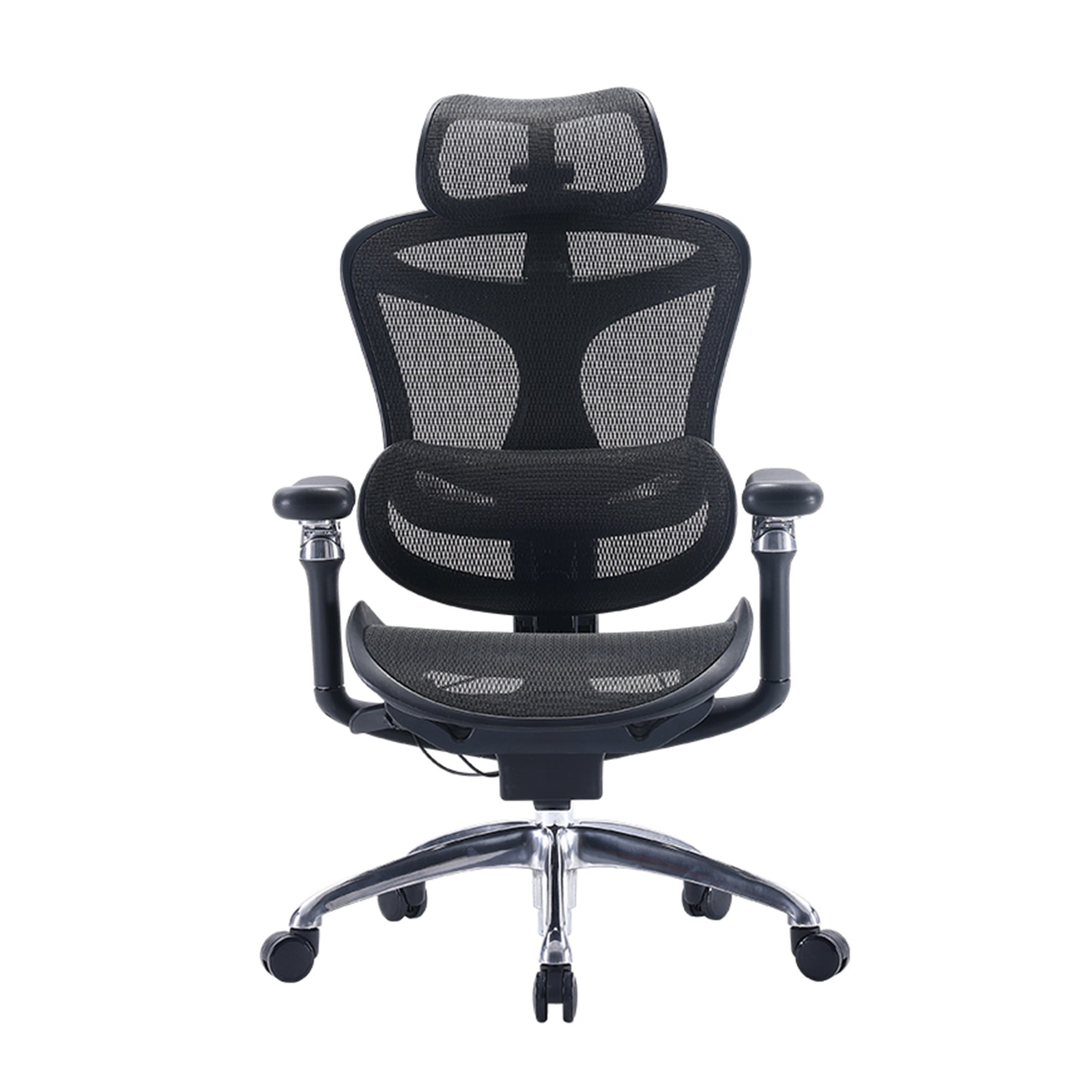
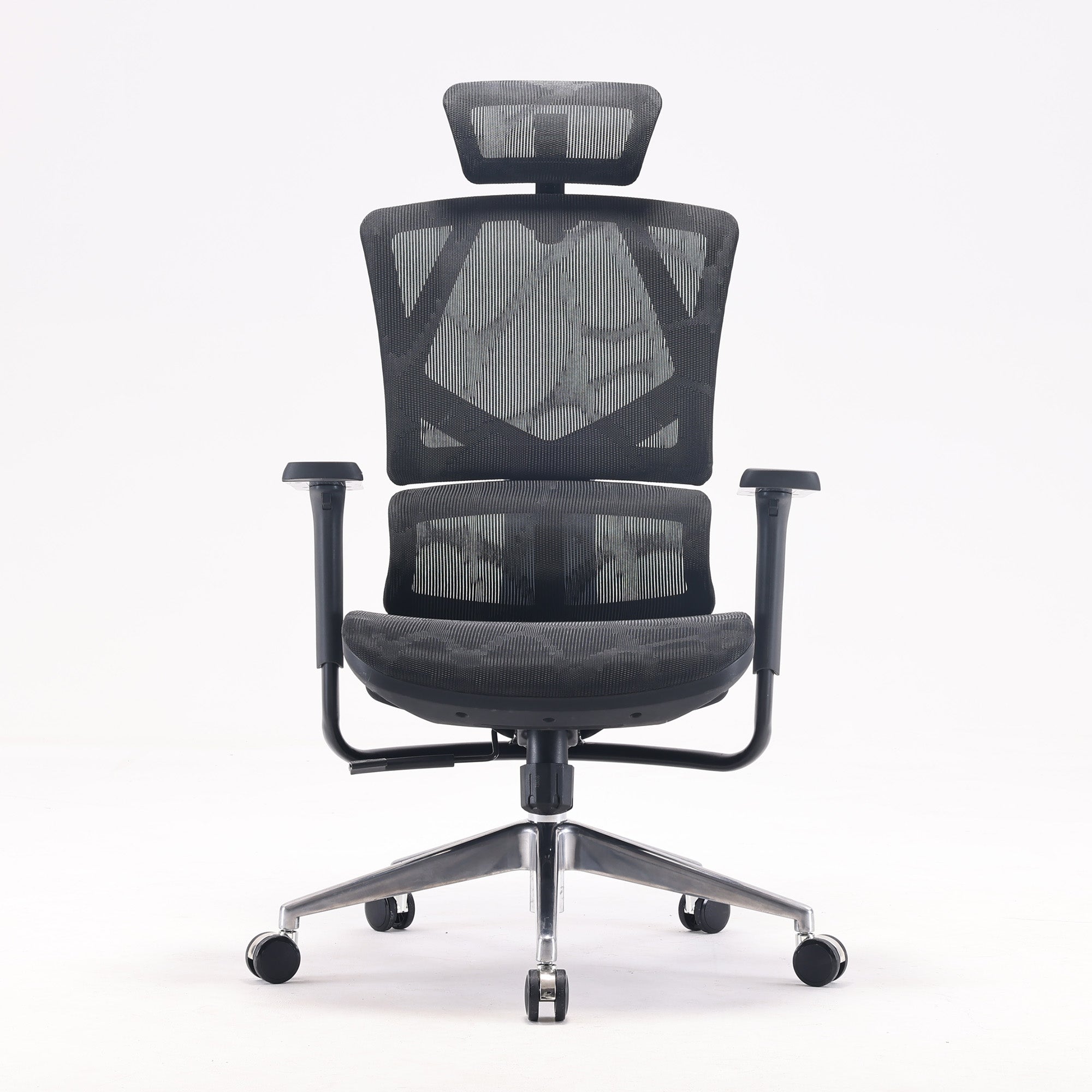
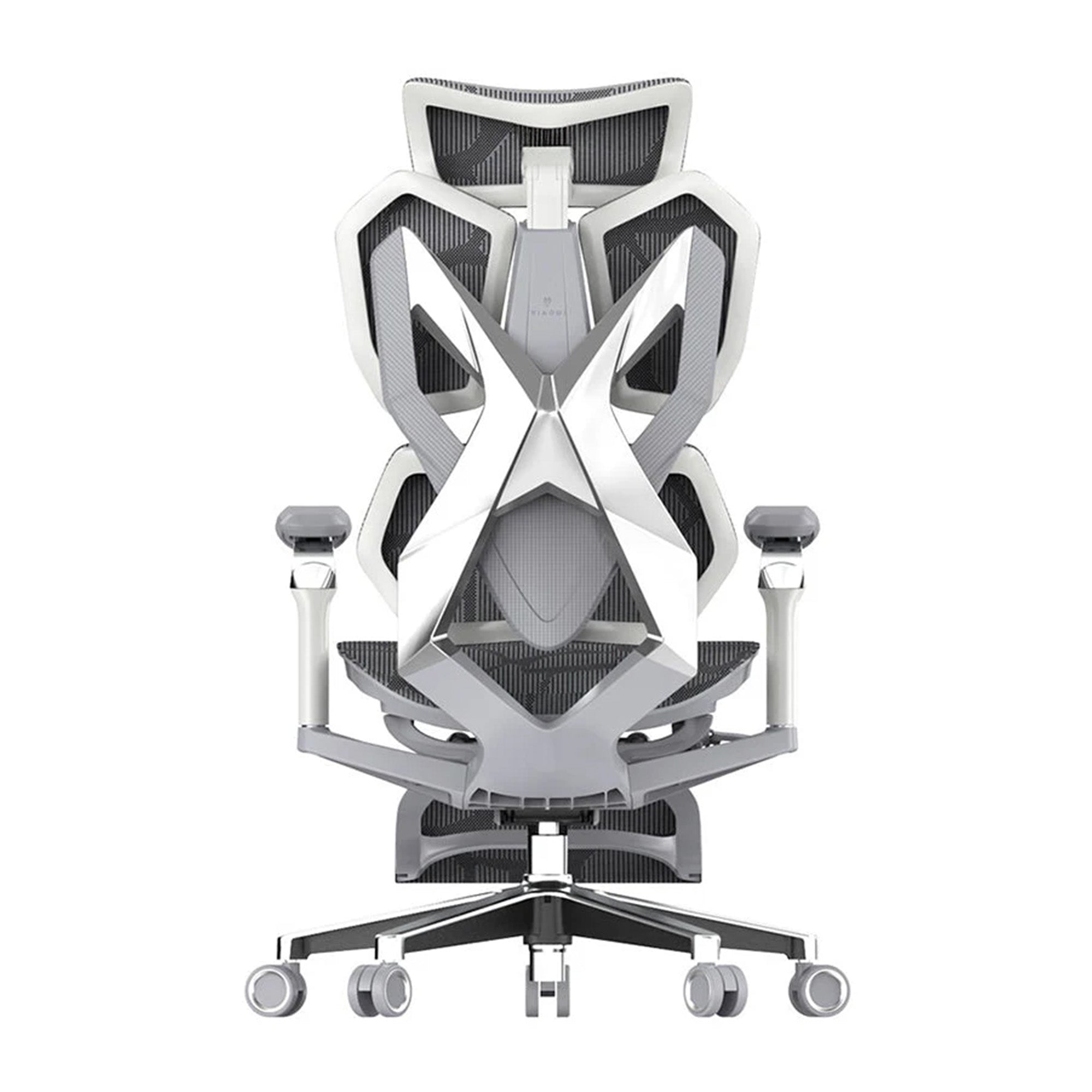
Above $600 sits the Doro S100 from $499 (it overlaps the value tier on sale), the Doro C300 from $679, and the Doro C500 from $1,199. Here's the test worth applying before spending this much: if you sit four to six hours a day and your back is fine, a correctly adjusted M57 will out-comfort a C500 left on factory settings. Genuinely. The extra money in this tier buys dynamic lumbar tracking that follows your exact movement through the day, and a wider spread of adjustment across seat depth, backrest split and armrests. That only pays for itself once your hours or your back history are demanding enough to use it.
|
THE ONE THING TO UNDERSTAND: Premium buys precision, not comfort in general. Adjustment you don't need is just a feature you paid for and never touch. |

Four Things Worth Checking, Whatever You End Up Spending
|
What to check |
Why it matters |
What to look for |
|
Lumbar support |
The single biggest factor in long-hour comfort |
Adjusts up/down at minimum. Adaptive systems remove the need to remember to reset it. |
|
Seat depth |
Wrong depth causes pressure behind the knees or loss of lumbar contact |
Fixed depth is fine for average height. Adjustable depth matters under 165cm or over 185cm. |
|
Armrest range |
Determines whether your shoulders sit relaxed or lifted all day |
3D covers most needs. 4D adds inward/outward width adjustment, useful for narrower or broader shoulders. |
|
Material and breathability |
Affects comfort specifically in Australian conditions |
Full mesh outperforms foam in warm rooms without air conditioning. |

For Workplaces: One Chair for Every Desk Is the Wrong Call
Buying the same chair for reception and for the person doing eight-hour data entry shifts is a common way to overspend on one desk and underspend on the other. Reception, part-time staff, meeting rooms, these are reasonably served by the value tier or even the top of the sub-$300 tier. Staff genuinely sitting eight or more hours a day, or carrying a documented back complaint, justify the premium tier on cost grounds alone: Safe Work Australia data puts roughly 76 percent of work hours in a seated position, and SIRA NSW figures put the average serious musculoskeletal disorder claim at $64,759 in direct compensation, before replacement cost or lost output enters the picture. Matching the tier to the actual role is a more defensible spend than a single blanket order. For volume pricing across mixed tiers, Sihoo's wholesale office chairs programme handles bulk orders and delivery coordination.
Conclusion
Match the tier to your hours.
Under $300 is a reasonable choice for light, occasional use, not a compromise to be embarrassed about. The $300 to $600 bracket is where most Australians land, and within it the right model depends on your height and daily hours more than your budget alone. Above $600, the extra spend buys precision that only pays off with genuinely long hours or an existing back complaint. Spending more than your situation calls for does not buy extra comfort. It buys adjustment range you will not use.
Browse the full ergonomic chair range, and check how to properly adjust your ergonomic chair once it arrives, since setup determines half of what you will actually feel.
Better Comfort Starts Now.

Sources Referenced
● Safe Work Australia: workstation and seated work guidance, approximately 76 percent of work hours spent in a seated position.
● SIRA NSW / SafeWork NSW: average cost per serious musculoskeletal disorder claim of $64,759, NSW only, direct compensation only, five-year average.
● Sihoo Australia live site, product specifications and pricing verified live within this session, July 2026.
● This piece consolidates and replaces four prior Sihoo AU blogs: best-ergonomic-chair-in-australia, best-budget-office-chairs-in-australia, high-end-office-chairs, and ergonomic-chair-reviews-a-buyer-s-guide, all audited and found to contain generic, non-Sihoo-specific, or duplicate content against this piece.
Frequently Asked Questions
Not automatically. It is the right choice for light use, under four hours a day, or as an occasional second chair. It becomes the wrong choice specifically once your daily hours climb and the lumbar position cannot be adjusted to match your spine.
Around $279 to $329 is the realistic floor in the Australian market for a chair that includes adjustable lumbar, height adjustment, a headrest, and a mesh back. Below that, one or more of those features is typically fixed or missing.
For most people who sit six or more hours a day, yes. The adaptive lumbar adjusts to your posture automatically rather than staying fixed wherever it was last set manually, which is a meaningful difference over a full working day.
Usually not. If your hours are under six a day and you have no existing back complaint, the $300 to $600 bracket covers your needs well. Premium pricing earns its keep specifically at eight or more hours a day or with a documented back issue.
Yes. Full-mesh models in particular suit long gaming sessions better than foam-seat alternatives, since breathability matters more the longer a single session runs.
Not necessarily. Matching tier to actual role and daily hours, reception and part-time roles in the value tier, long-hour or back-complaint staff in the premium tier, is a more defensible spend than a single blanket purchase across every desk.
Safe Work Australia data shows roughly 76 percent of work hours are spent seated, and SIRA NSW figures put the average serious musculoskeletal disorder claim at $64,759 in direct compensation alone. Matching chair spend to genuine daily hours per role is the defensible position, rather than defaulting to the lowest price across the board.
Sihoo Australia's wholesale and commercial programme handles bulk pricing, customisation, and delivery coordination for larger orders. Contact the commercial team directly to discuss requirements.
Shop products from this article


