
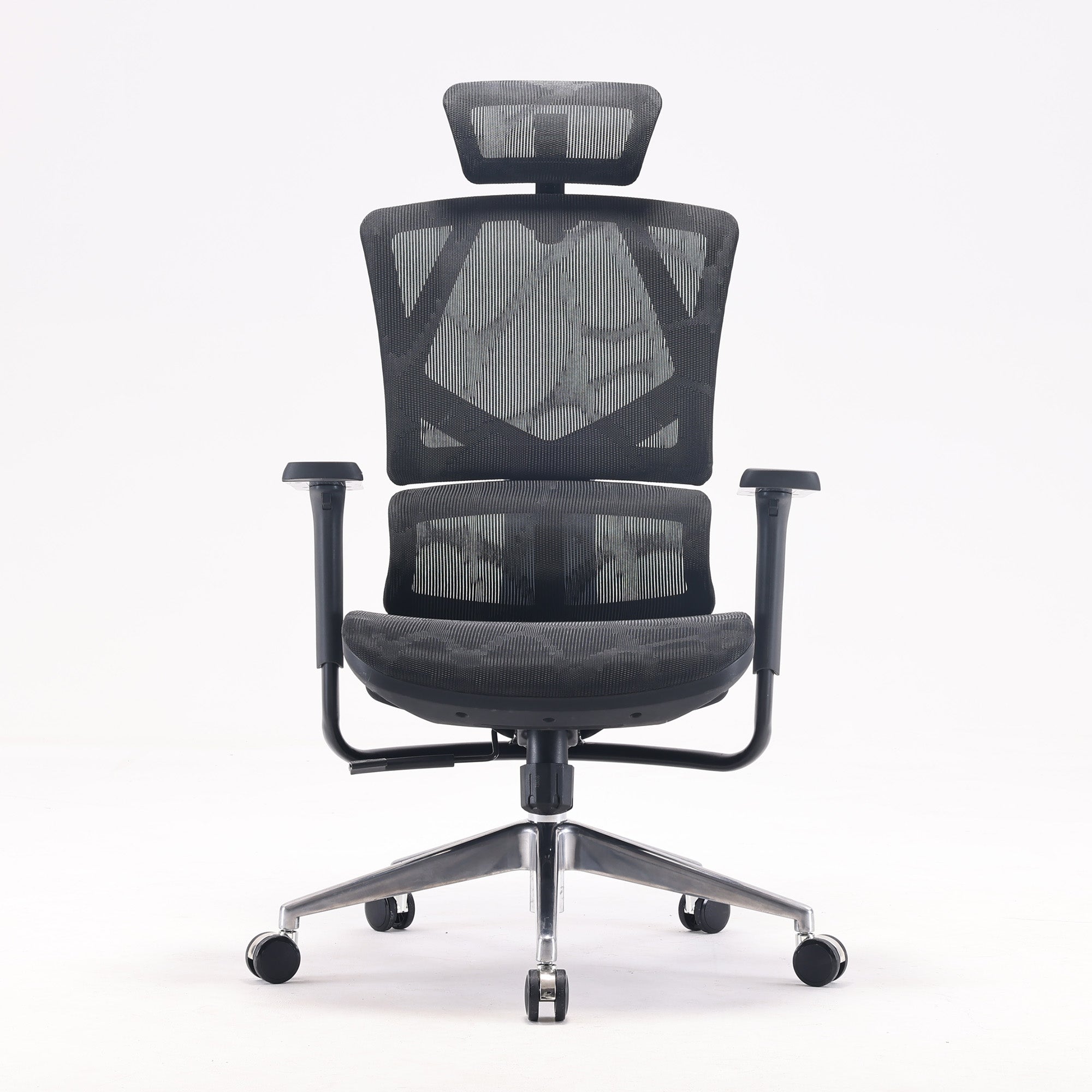
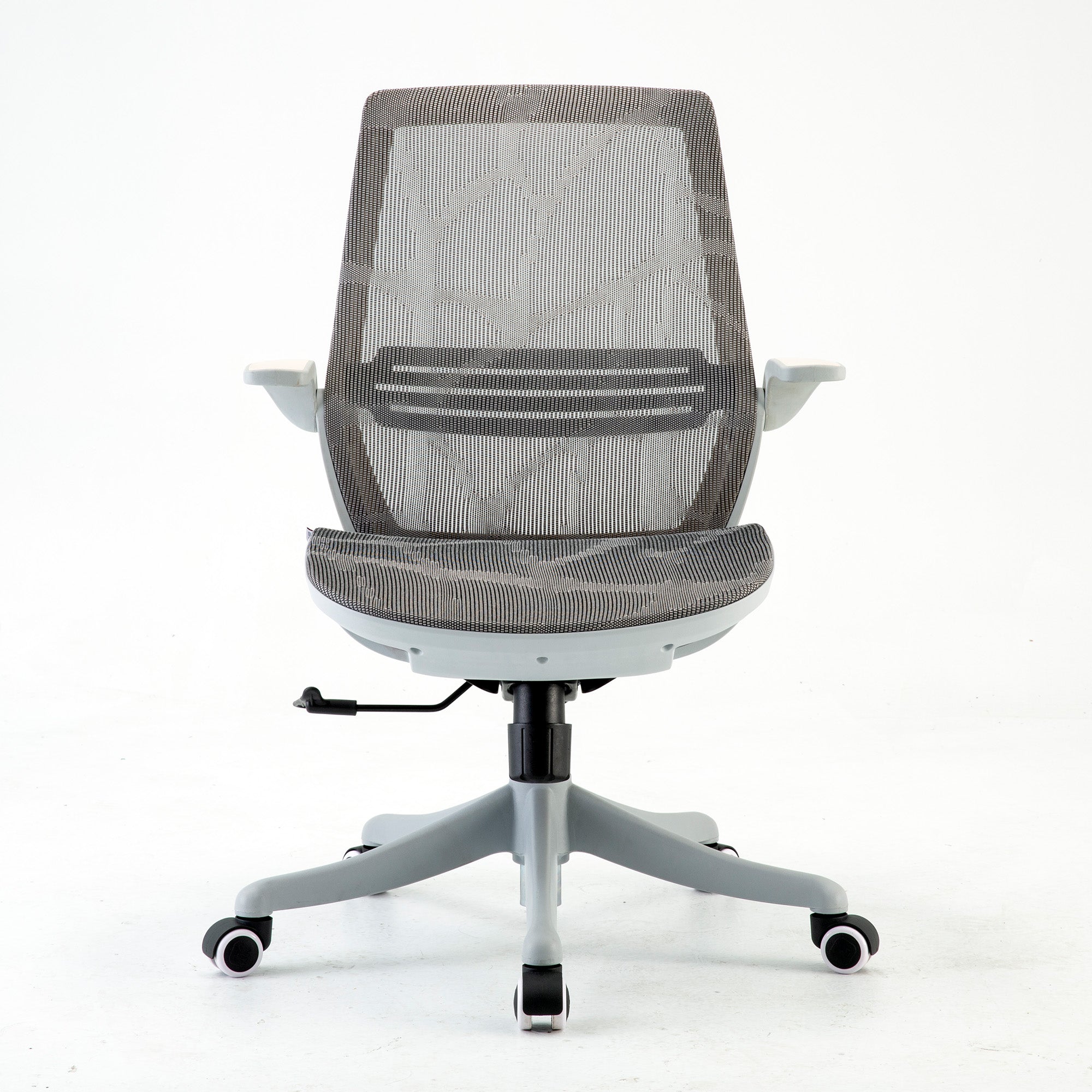

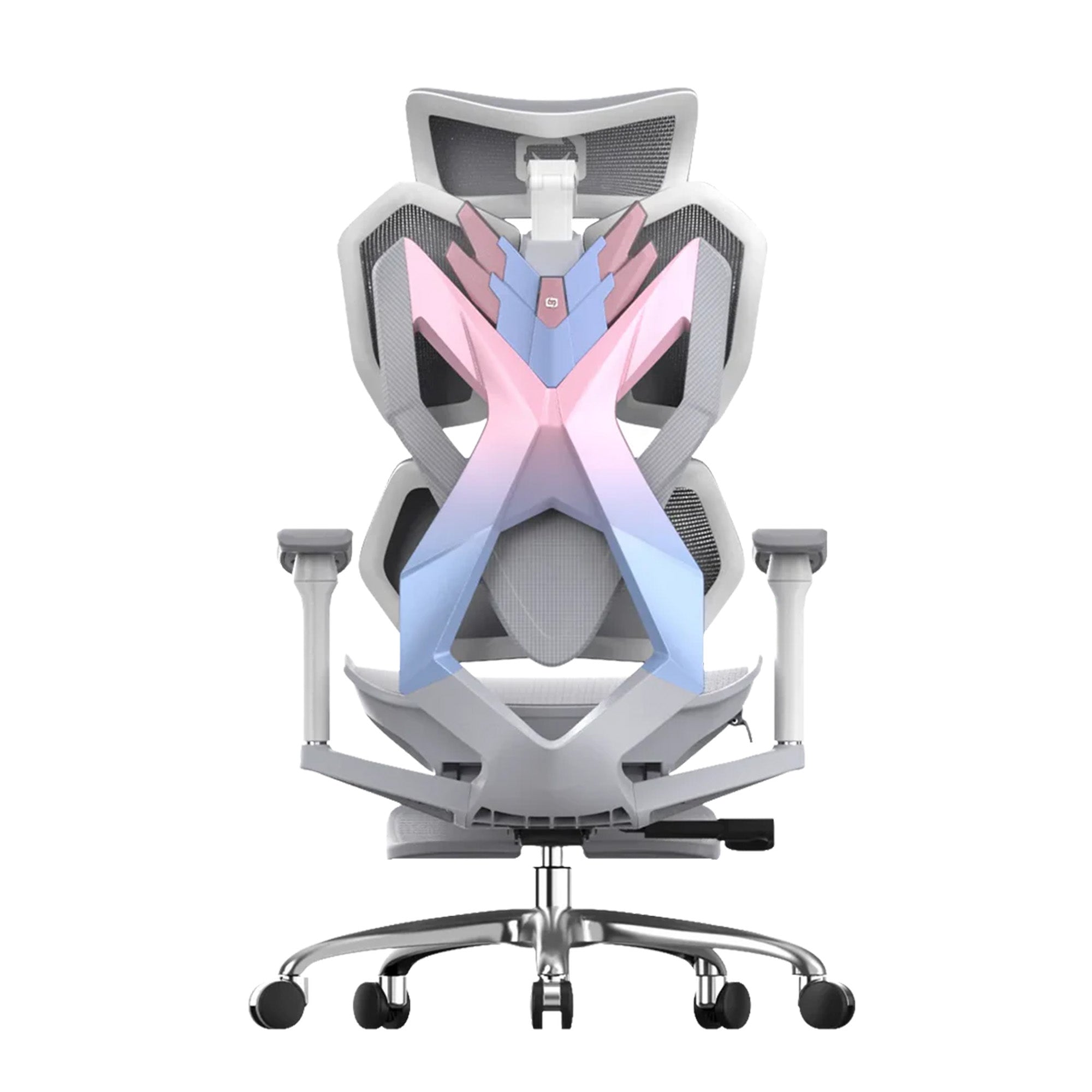
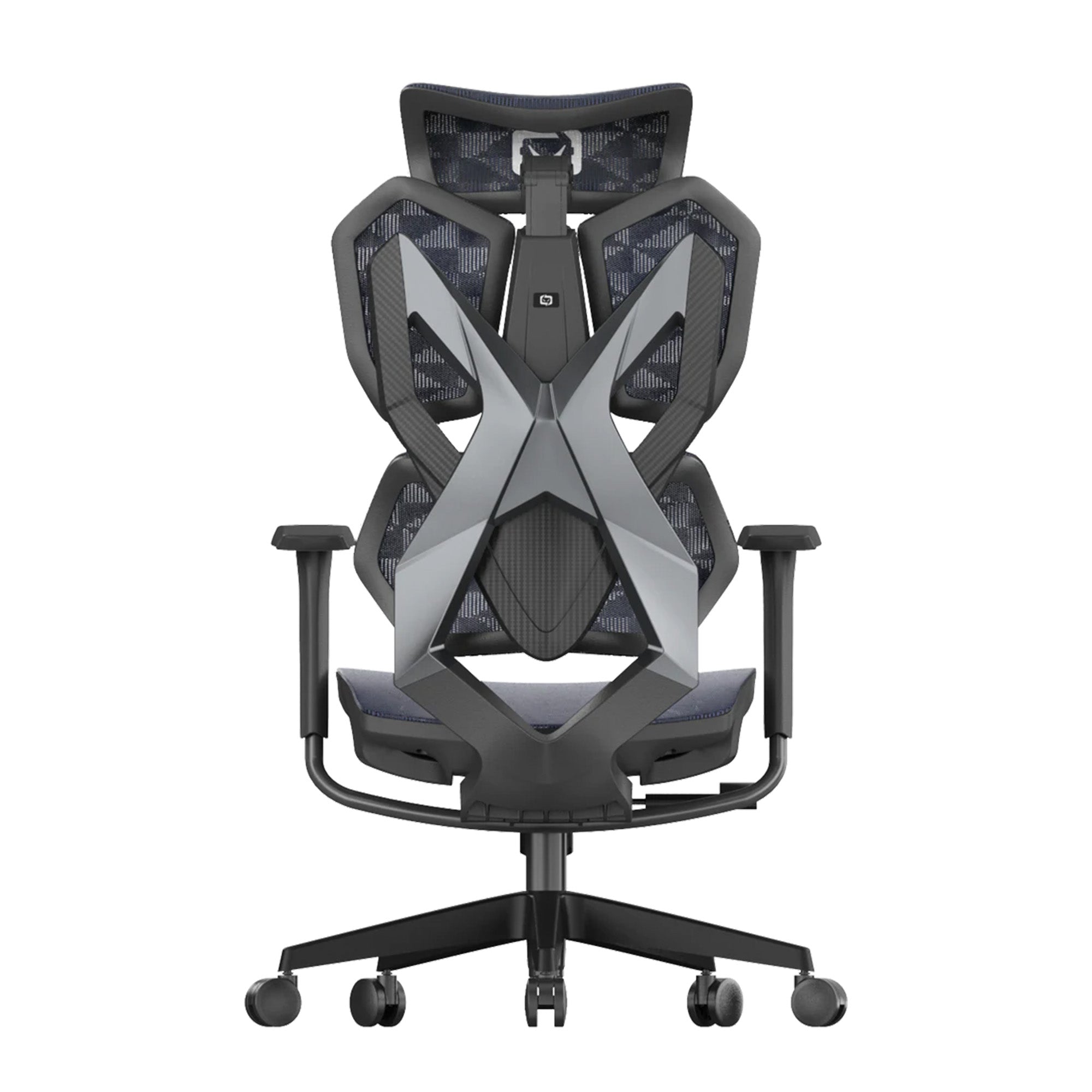

Most chair claims are easy to make.
"Advanced lumbar support." "Ergonomically engineered." "Designed for comfort." These phrases appear on almost every chair at every price point from $89 to $3,000. They are marketing language, not engineering specifications. They tell you nothing about what the chair actually does when you sit in it for six hours, shift position forty times, and try to make it through the afternoon without the low back tightening.
This guide covers what is actually different about the design of Sihoo ergonomic office chairs — the specific engineering decisions behind the lumbar systems, backrest construction, armrest mechanisms, and mesh materials — and what independent reviewers found when they tested these chairs without a commercial relationship with Sihoo. The goal is to give you the information to assess the chairs on evidence rather than on claims.
All prices are confirmed from sihoo.com.au as of July 2026. Independent review sources are named and paraphrased without reproduction of their exact text.
The Design Problem Every Ergonomic Chair Tries to Solve
Why Sitting Is Harder Than It Looks
The problem that ergonomic chair design responds to is specific. The human body was not designed for sustained static posture. Research published in Sports Medicine Open in February 2025 by Amiri, Behm, and Zemkova found that without adequate lumbar support, the deep trunk muscles responsible for spinal stability, specifically the transversus abdominis and multifidus, begin to fatigue between the 15th and 25th minute of sitting. As these muscles fatigue, the body transfers spinal load to the larger superficial muscles, which accumulate tension across the session. The lower back tightening that most desk workers feel by mid-afternoon is the output of this process, running continuously since roughly 9:25am.
The second problem is that sitting is not a static activity. A knowledge worker shifts position dozens of times across a working day: typing upright, leaning forward to read, reclining during a call, turning to speak, reaching for something. A chair adjusted correctly for one posture may be poorly configured for another. The more accurately a chair tracks the user through these transitions, the more consistently it reduces the accumulated load.
THE DESIGN BRIEF: Every engineering decision in an ergonomic chair is a response to one question: how does the chair maintain correct spinal support when the body moves, not just when it is stationary? The difference between chairs at similar price points is usually the answer each brand gives to that question.
The Lumbar Philosophy: Why Sihoo Moved Away From Fixed Supports
What a Fixed Lumbar Actually Does
A fixed lumbar support is a protrusion in the backrest at a single point. When correctly positioned for a specific user, it contacts the inward curve of the lower back and provides mechanical support. When the user is a different height, has a different torso length, or shifts posture, the fixed support either contacts the wrong part of the spine or contacts nothing at all.
The majority of office chairs sold in Australia under $200 use fixed lumbar. Many between $200 and $400 use a manually adjustable lumbar, where the user can set the height and sometimes the depth, but the support stays in that position regardless of how the user moves. Both approaches have the same limitation: they are configured for one position and become less effective as posture changes.
How Sihoo's Adaptive System Works Differently
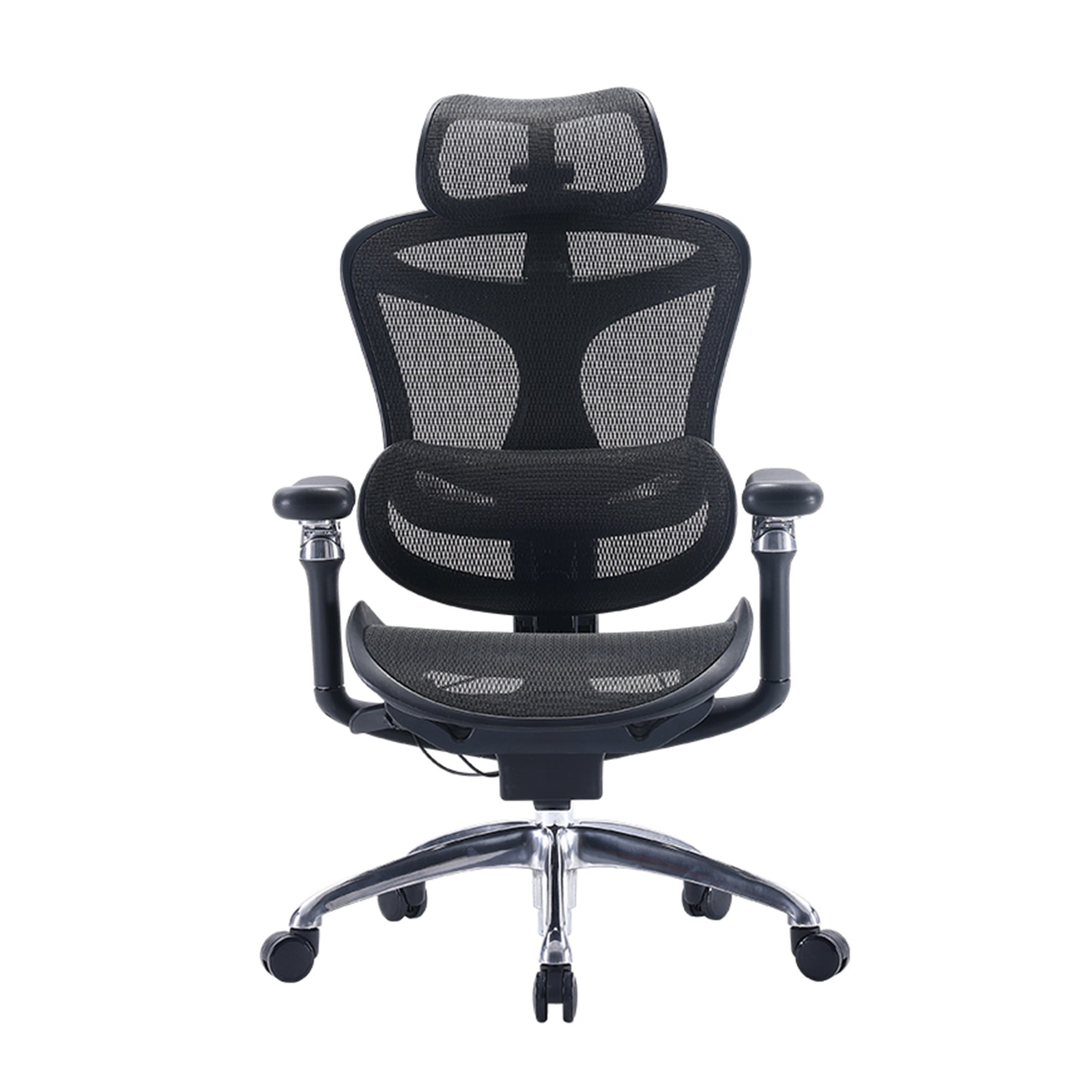
Across the Sihoo range, from the Vito M90 at $379 through to the Doro S300 at $949 and the Doro C300 Pro V2, the lumbar support mechanisms use elastic or spring-loaded systems that respond to body weight and sitting angle rather than staying fixed in one position.
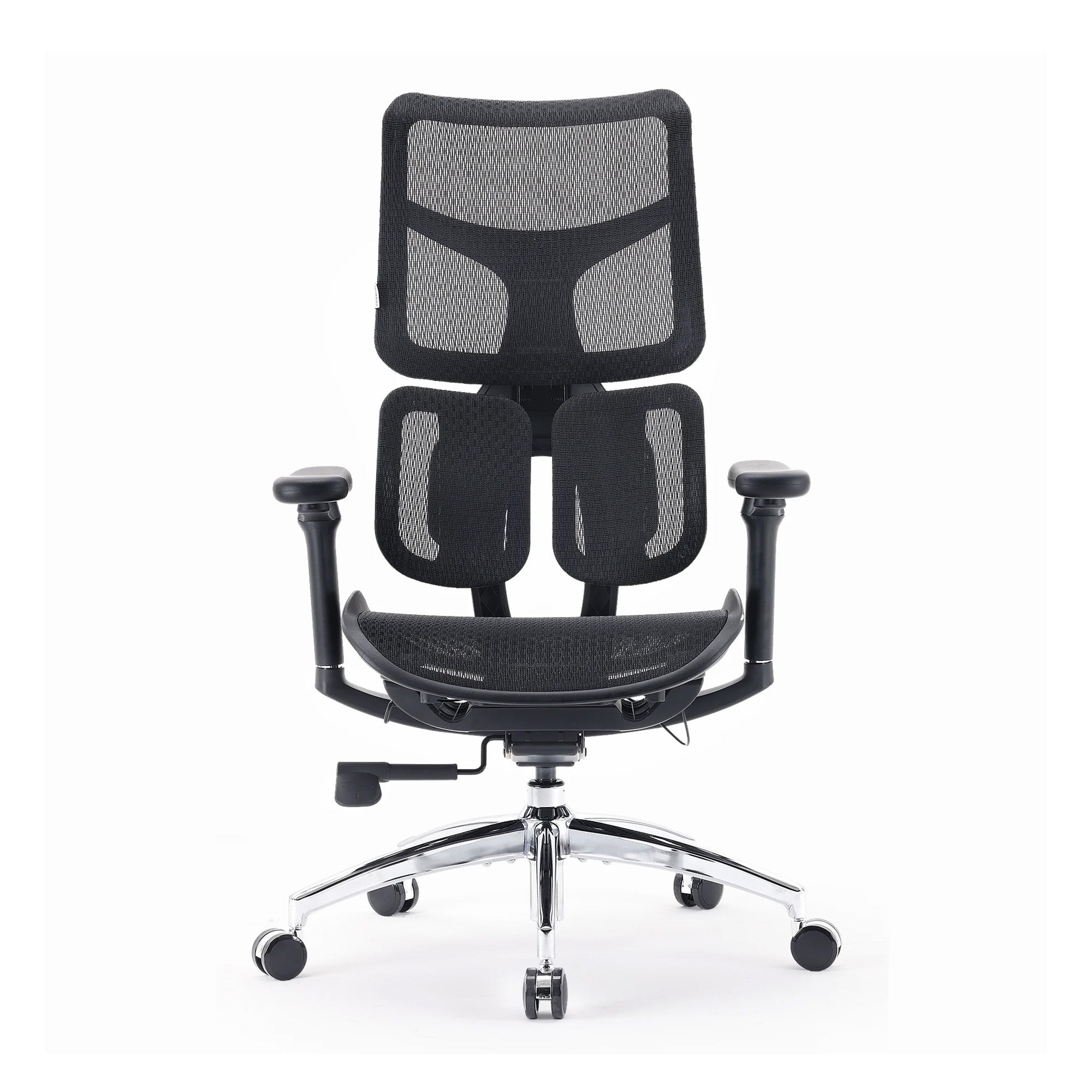
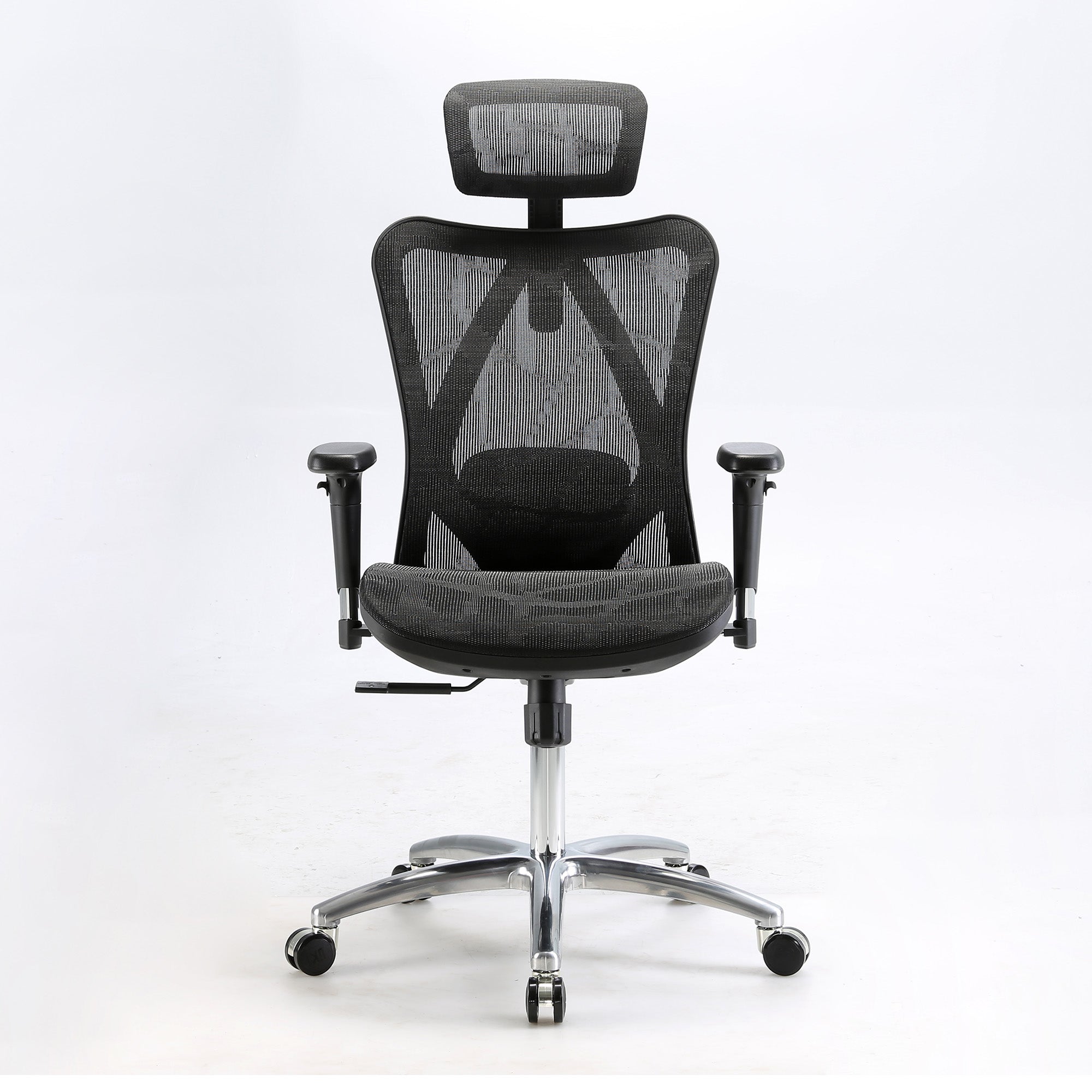
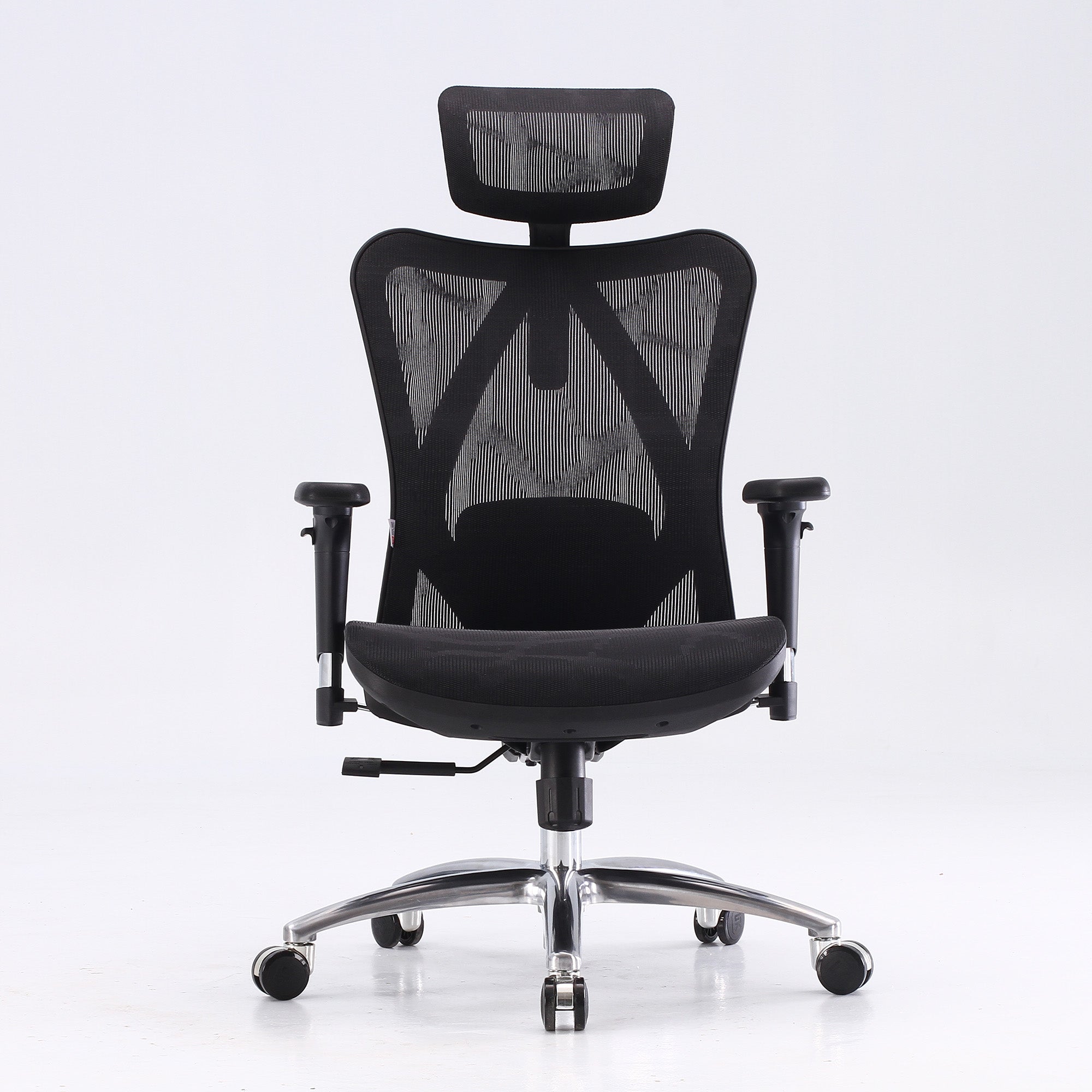
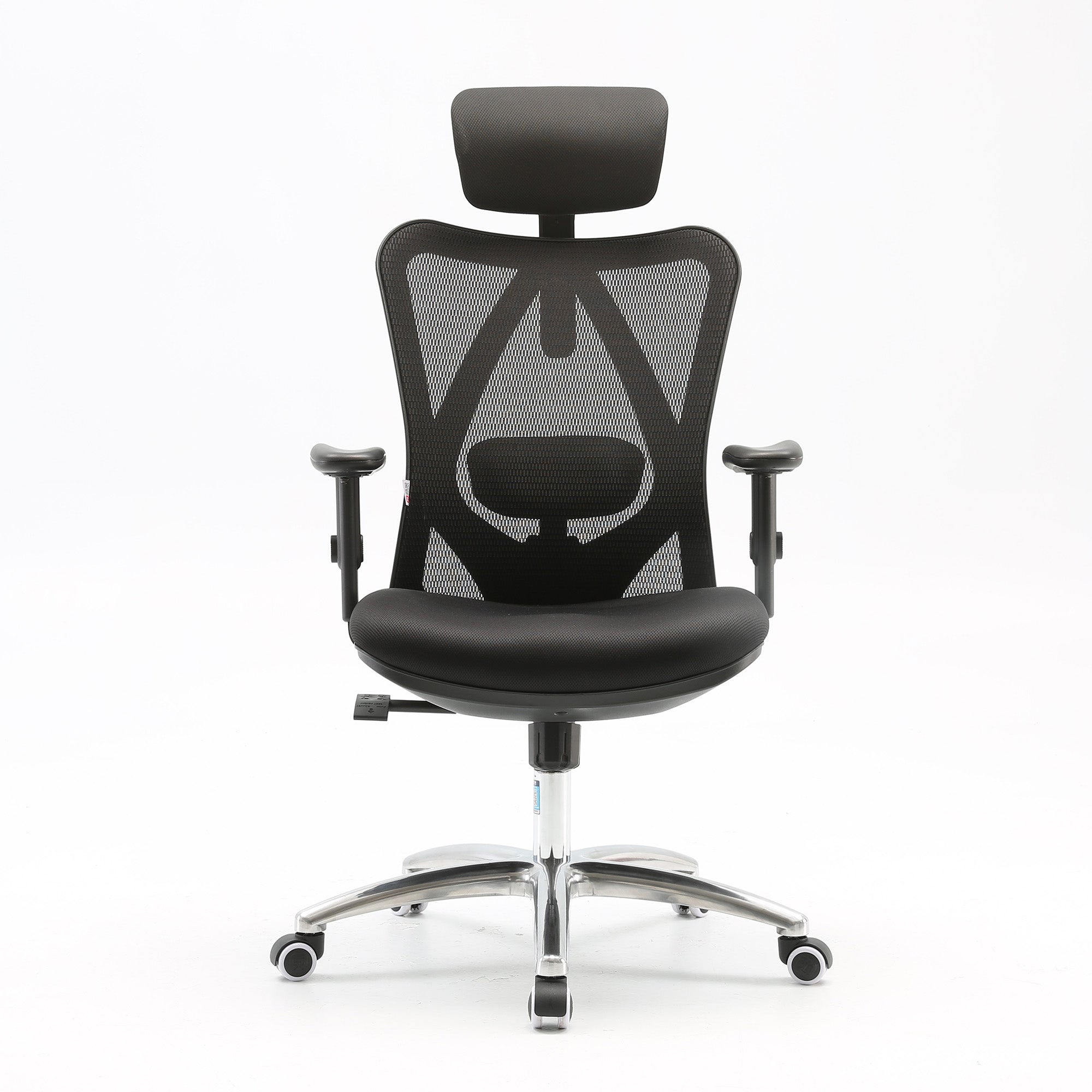
The Vito M90's elastic adaptive lumbar uses a spring-loaded mechanism that compresses and releases as the user shifts posture. When the user leans forward, the lumbar compresses with the movement and maintains contact. When they recline, it follows the recline rather than staying at the upright position and losing contact with the lower back as the angle changes.
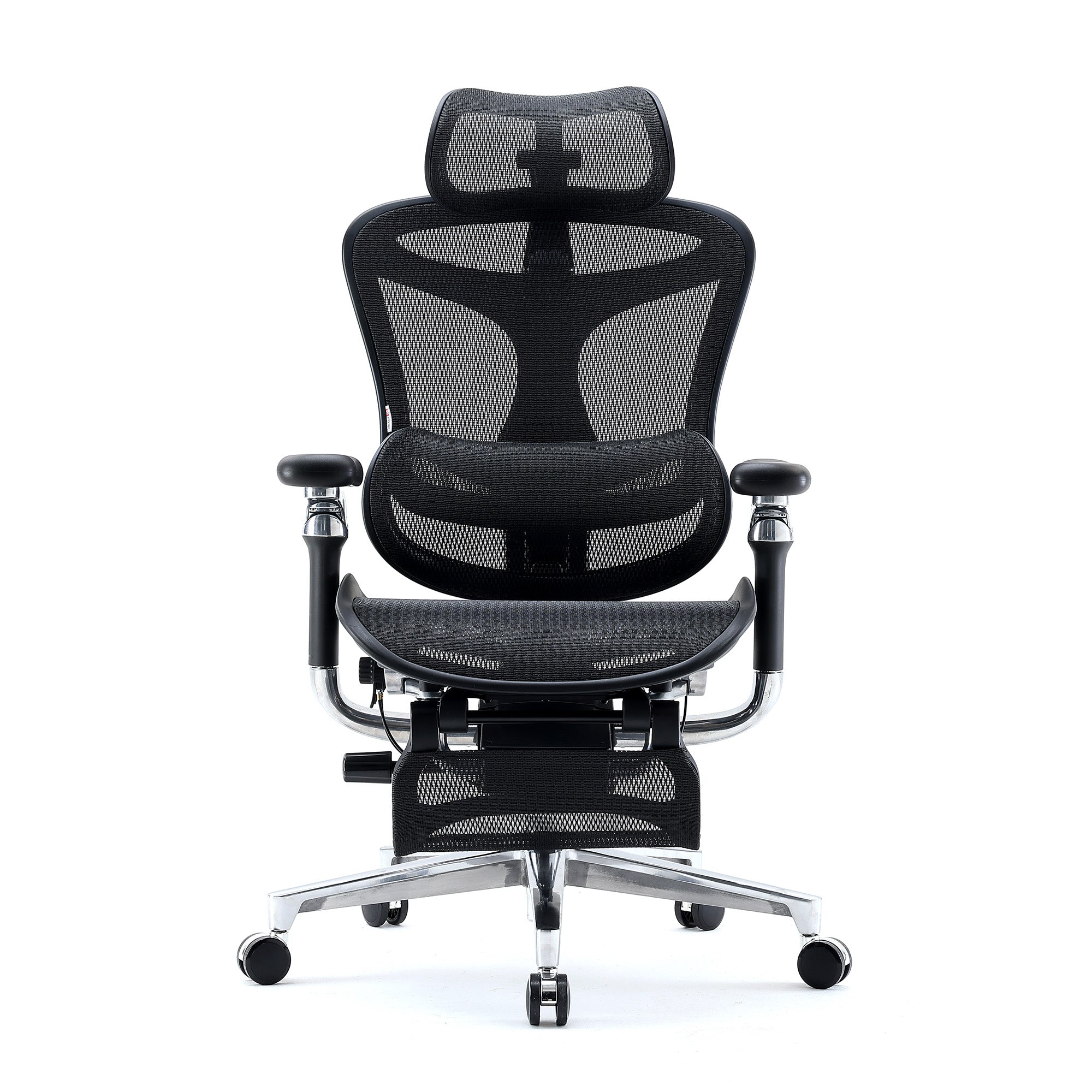
The Doro C300 Pro V2 goes further with the Self-Adaptive Lumbar Support 2.0, which adds three user-adjustable depth modes on top of the auto-adaptive behaviour. A specific problem with the original C300 Pro, documented in reviews by GamingTrend and TechRadar, was that the fully automatic lumbar gave users no depth override. Some users wanted firmer contact than the automatic setting provided, and some wanted lighter contact. The V2 addresses this by retaining the auto-adaptation and adding manual depth control.
The sacrum gap is a second problem the V2 specifically addresses. On the original C300 Pro, the lumbar stayed in its set position during recline. As the user reclined, the sacral region of the lower back moved away from the support, creating a gap between the lumbar and the lower spine. The V2's mechanism slides downward during recline to follow the sacrum and maintain contact through the full recline range. This is a specific engineering response to a specific documented failure mode.
The Backrest: Flexible Structure vs Rigid Panel
Why Backrest Flexibility Matters
Most office chair backrests are rigid panels with mesh stretched across a frame. The frame holds a fixed curve. The user who reclines at the exactly correct angle for that curve receives support. The user who reclines at a slightly different angle, or who sits with a different natural spinal curve, receives less.
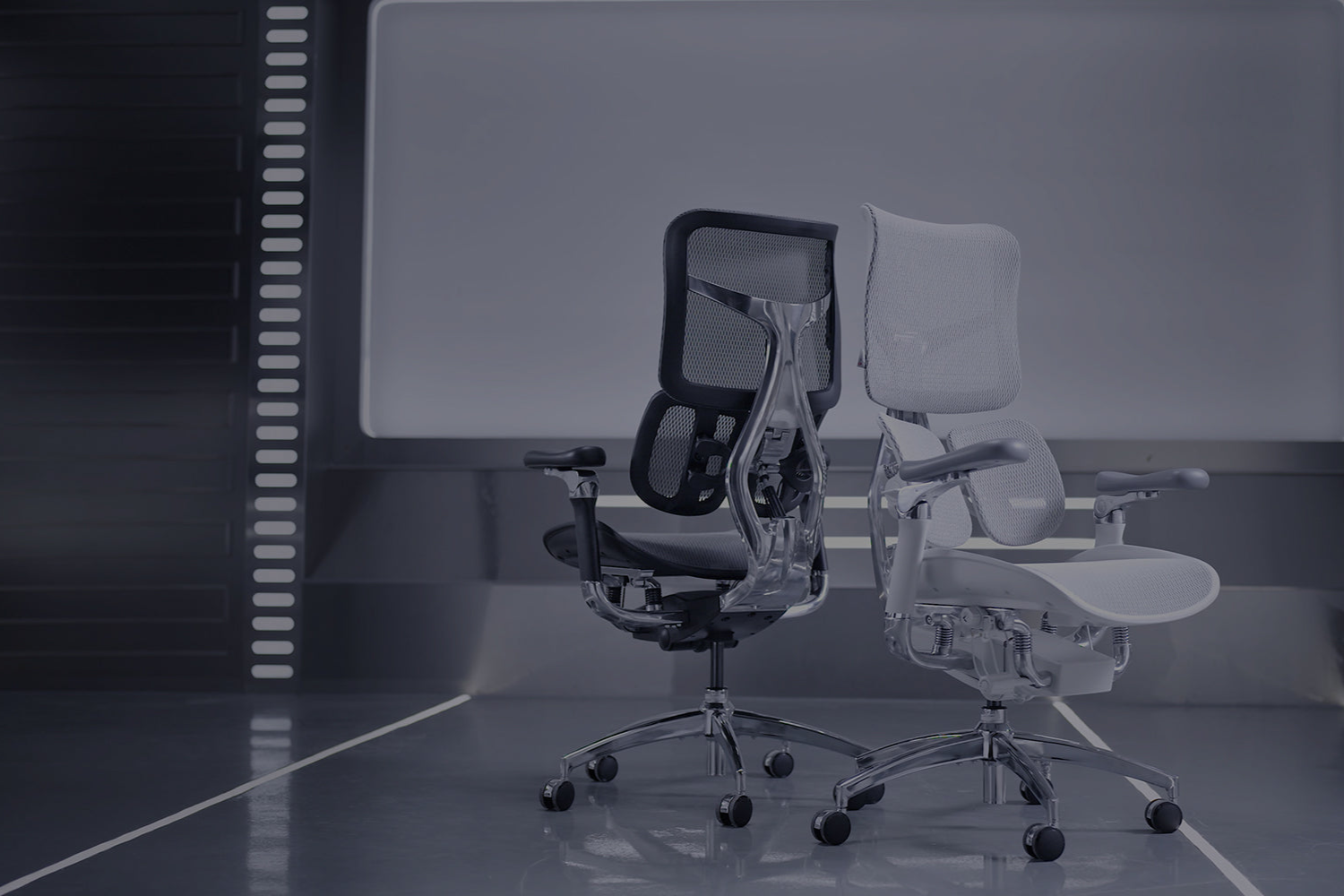
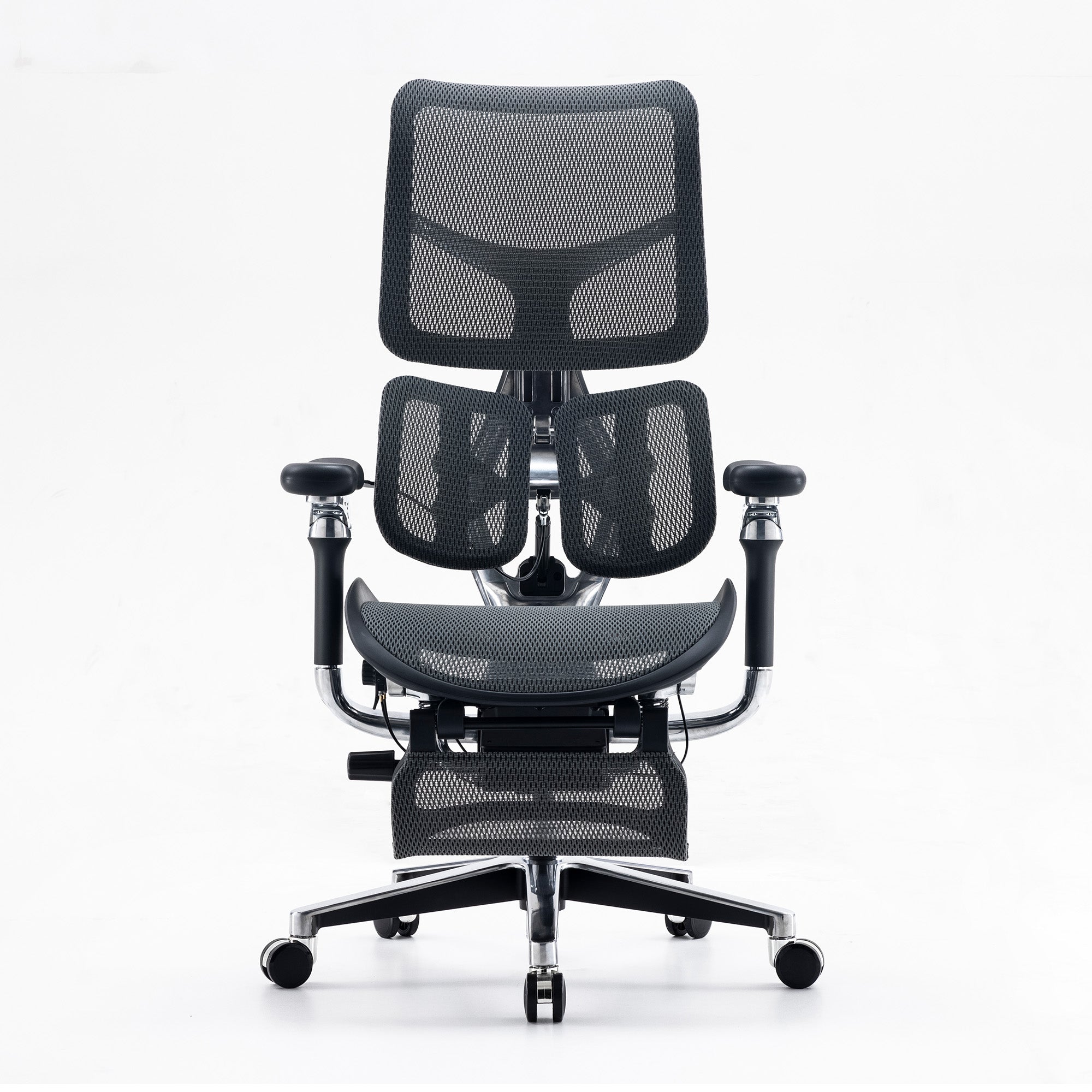
The Doro series uses a flexible triangular elastic frame structure rather than a rigid panel. The backrest flexes laterally and rotationally with the user's movement, tracking the spine as it moves rather than waiting for the spine to come to the backrest's fixed position. The Doro C300 Pro V2 uses the SyncroFlex dual-spring suspension that allows the backrest to track the spine through the full recline arc.
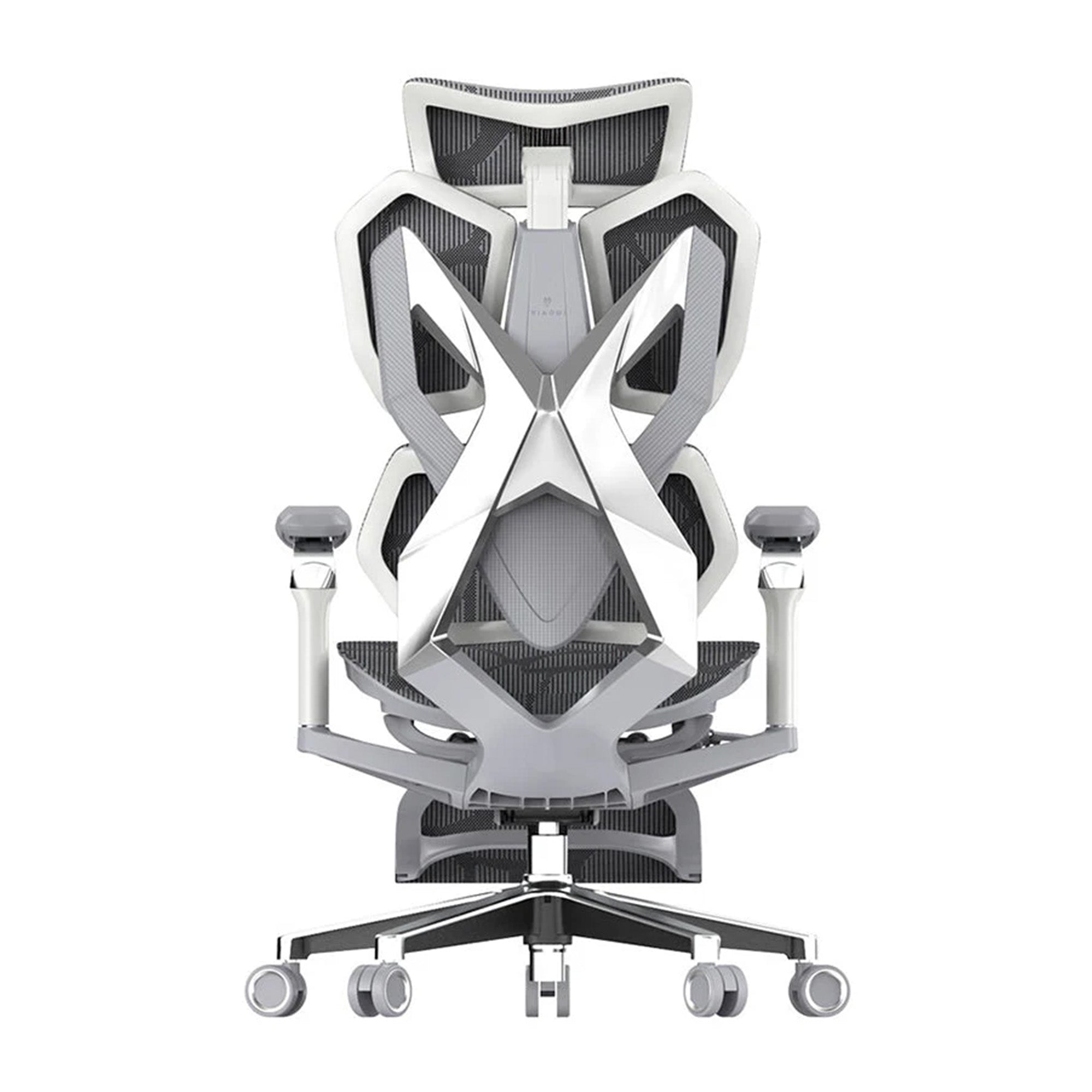
WorkstationSetup.com's review of the C300 Pro V2 described the DynaCore system, which coordinates the backrest, lumbar, headrest, and armrests to move as connected components rather than independently configured parts, as producing a qualitatively different support experience from chairs where each component operates in isolation. This coordinated movement means that when the user reclines, the backrest, lumbar, and armrests all adjust together rather than the user finding that a correctly configured upright posture becomes incorrect when they recline.
Armrest Engineering: Why Direction Count Matters
From 2D to 8D: What Each Axis Does
Standard office chairs have 2D armrests that adjust in height only. The limitation is practical: height is the most important armrest dimension for shoulder loading. Set the armrests so the shoulders drop completely and the trapezius releases its held tension. A correctly set 2D armrest does this adequately for a user who works from one position.
For a user whose work involves switching between keyboard, mouse, controller, phone, and document review across the same session, a single height-only armrest requires a compromise position that is not ideal for any of these tasks. A 3D armrest adds a pivot function that allows the armrest to swing inward for typing and outward for wider tasks. A 4D adds forward and back movement. A 6D adds rotation and tilt.
The tilt function on the X5 Pro's 6D armrests and the Doro C300 Pro V2's 8D Bionic armrests is the addition that matters most for varied daily use. During keyboard work, the forearm is roughly horizontal. During controller or phone use, the natural forearm angle is different, tilting slightly inward. A flat armrest surface requires the wrist to rotate upward to meet it. A tilted armrest surface matches the natural forearm angle without the wrist compensation.
The linked recline on the Doro C300 Pro V2's 8D armrests is the specific engineering response to a specific documented complaint. The original C300 Pro's 6D armrests had no locking mechanism. TechRadar described them as "highly adjustable armrests without a lock." GamingTrend noted that armrests shifted too easily. MMORPG described having to readjust them almost every time. The V2 addresses this not by adding a lock but by linking the armrests to the recline mechanism so they follow the recline angle automatically, eliminating the scenario where correctly set upright armrests become incorrectly positioned when the user reclines.
Materials: Full Mesh Across the Range
Why Full Mesh Is a Functional Decision, Not an Aesthetic One
Sihoo uses full mesh on both the seat and backrest across the entire current range. This is not an aesthetic choice. It is a functional one, and it is particularly relevant for Australian buyers.
A foam or PU leather seat retains body heat. In a home office that reaches 28 to 32 degrees Celsius in summer in Melbourne, Sydney, Brisbane, or Perth, without consistent ducted cooling, a foam seat generates and holds thermal discomfort from approximately the second hour of a sitting session. By the third or fourth hour, the surface temperature is noticeably higher than it was when the session began.
Full mesh allows continuous airflow through the seat surface regardless of ambient temperature. The seat surface remains at ambient room temperature across the session rather than rising above it. The Sihoo Doro C300 Pro V2 uses Cloud Mesh 2.0, which Sihoo describes as softer and more skin-friendly than the previous mesh generation, maintaining the breathability while improving surface texture.
The X5C gaming chair product page specifically notes that it has been tested for 40-degree Australian conditions — a specific design reference to Australian home environments that most imported chair specifications do not include.
What Independent Reviews Found
The Evidence Beyond the Brand Story
Brand claims about design philosophy are useful context. They are not evidence. The more reliable signal is what independent reviewers found when they tested these chairs without a financial relationship with Sihoo. The table below paraphrases findings from four independent sources, with the specific model reviewed and the design element the finding confirms.
|
Source |
Model reviewed |
What they said (paraphrased) |
What it confirms |
|
TechRadar |
Doro C300 Pro |
Outstanding lumbar support. Dynamic tracking described as the standout feature. Armrests noted as highly adjustable. |
Lumbar tracking performance confirmed by independent testing. Not a marketing claim. |
|
The Gadgeteer |
Doro C300 Pro V2 |
Every major upgrade in the V2 targets the specific complaints that followed the original C300 Pro into review after review. Directly addresses armrest stability and lumbar depth control. |
The V2 design changes respond to documented reviewer feedback. Engineering responsive to real use, not aesthetics. |
|
WorkstationSetup.com |
Doro C300 Pro V2 |
DynaCore four-zone coordination system provides a qualitatively different support experience compared to chairs in the same price range where components operate independently. |
The coordinated four-zone architecture confirmed as a distinguishing feature by independent technical review. |
|
Remote Chance |
Doro C300 vs Hbada E3 Pro |
Sihoo uses dynamic lumbar support that tracks with the back during recline. The Doro C300 has the most refined version, adjusting both height and depth with the support physically shifting during recline. |
Competitor comparison confirms the dynamic tracking as genuinely differentiating from alternatives in the same price bracket. |
Review findings paraphrased in compliance with copyright guidelines. Sources: TechRadar (Doro C300 Pro review); The Gadgeteer (Doro C300 Pro V2 review, April 2026); WorkstationSetup.com (Doro C300 Pro V2 review, May 2026); Remote Chance (Hbada vs Sihoo comparison, May 2026). All reviews are independently produced without commercial relationship with Sihoo Australia to the best of our knowledge.
One honest note from the review record: the original Doro C300 Pro received consistent criticism for the armrest locking issue across TechRadar, GamingTrend, MMORPG, and GameRevolution. This is documented in the C300 Pro vs C300 Pro V2 comparison guide. Sihoo's response to this feedback was to redesign the armrest mechanism entirely for the V2 rather than add a patch fix. The linked recline architecture is a more comprehensive solution than a locking mechanism would have been. Whether this constitutes adequate resolution is confirmed in The Gadgeteer and WorkstationSetup.com's V2 reviews, both of which note the armrest stability improvement specifically.
How the Design Philosophy Applies Across the Sihoo Range
The Consistent Principles at Every Price Point
The engineering decisions described above appear across the Sihoo range at different levels of sophistication rather than being exclusive to the premium tier.
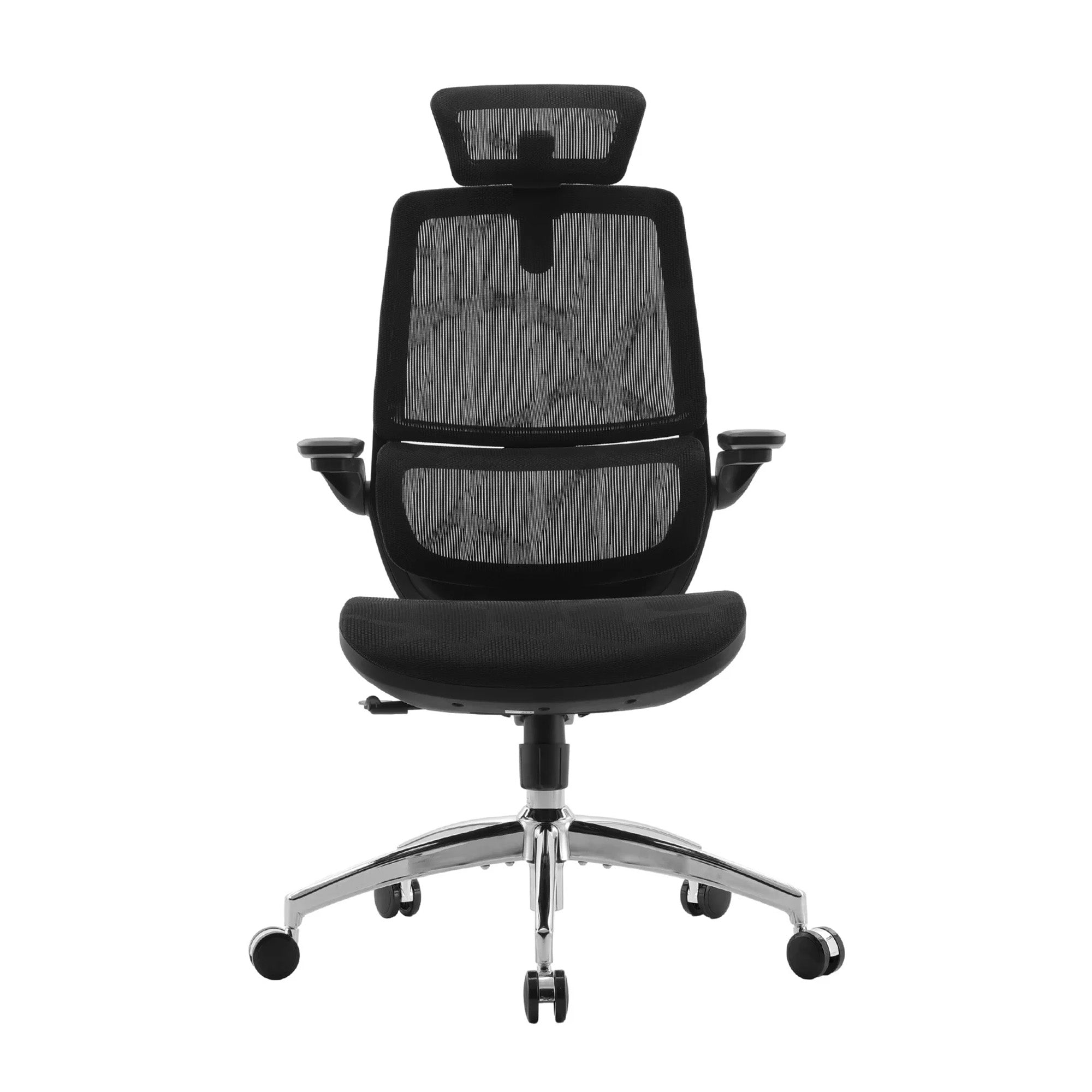
At the entry level (M18 at $279, M57 at $329): manually adjustable lumbar with height and depth movement, full mesh seat and backrest, 3D armrests on the M57. The adaptive lumbar is not present at this tier. The benefit comes from the full adjustment range and the full mesh construction, which are available at a price accessible to most buyers.
At the mid-range (Vito M90 at $379, V1 at $529): the M90 adds adaptive elastic lumbar over the M57. The V1 adds the sliding seat depth mechanism that is the specific fix for shorter users who cannot access the backrest of a standard-depth chair. Each mid-range step addresses a specific limitation of the entry tier rather than simply adding features.
At the premium tier (Doro C300 Pro at $679, Doro S300 at $949): the adaptive lumbar systems become more sophisticated: the C300 Pro's split backrest with Domino Stereoscopic Lumbar supports upper and lower back independently. The S300's dynamic lumbar arm tracks spinal movement through the full range of working postures. The S300 also carries BIFMA certification, the commercial furniture testing standard that confirms durability under sustained commercial daily use rather than residential use cycles.
At the new generation (Doro C300 Pro V2): the DynaCore four-zone coordination brings the headrest, backrest, lumbar, and armrests into a connected system rather than four independently configured components. This is the engineering advance that distinguishes the V2 from every preceding model in the range.
The full comparison of how each tier suits different daily hours and body types is in the Sihoo ergonomic chair guide matched to your use case.
The Design Comparison: Sihoo vs Standard Chairs
The table below maps the five core design elements across the Sihoo approach and the standard alternative, with what each difference means in daily use.
|
Design element |
The Sihoo approach |
What a standard chair does instead |
What it means in daily use |
|
Lumbar support |
Auto-adaptive system (M90, Doro series) that tracks posture changes continuously. Three fine-tuning depth modes on the Doro C300 Pro V2. |
Fixed pillow or single-height adjustable pad. Correct when set, incorrect when the user moves. |
Support maintained through posture shifts. A Sydney WFH worker leaning forward during a call does not lose lumbar contact. |
|
Backrest construction |
Flexible triangular elastic frame (Doro series) or SyncroFlex dual-spring (C300 Pro V2) that flexes with the spine through recline. |
Rigid panel that stays in a fixed curve. User must recline to the correct angle for the panel to provide support. |
Backrest tracks the spine rather than waiting for the spine to come to it. Less mechanical resistance to natural movement. |
|
Armrest system |
3D on entry models (M57, M18), up to 6D on the M57 Pro and Doro S300, 8D Bionic on the C300 Pro V2 with linked recline. |
2D (height only) on most standard chairs. Fixed surface angle that does not accommodate varied hand and arm positions. |
Arms stay correctly positioned through recline. The Brisbane programmer who shifts between keyboard and controller does not readjust the armrests. |
|
Recline mechanism |
Weight-responsive on mid-range models. Smart Weight-Responsive Mechanism 2.0 (C300 Pro V2) auto-calibrates recline tension to 40-100kg body weight range. |
Manual tension knob under the seat. Reached awkwardly. Rarely set correctly. Fixed resistance regardless of user weight. |
No under-seat fumbling. Recline resistance is correct for the specific body in the chair without any setup. |
|
Mesh construction |
Full mesh on both seat and backrest across all models from M18 to Doro S300. Cloud Mesh 2.0 on C300 Pro V2. |
Mesh backrest, foam seat. Common cost reduction. Foam seat retains heat in warm rooms. |
Full airflow through both surfaces. Relevant for Australian home offices during summer without consistent climate control. |
Comparison based on published Sihoo AU specifications (confirmed July 2026) and general category characteristics of standard office chairs in the Australian market. Individual chairs vary.
Conclusion
Sihoo's design is not exceptional because the marketing says so.
It is either exceptional or it is not based on what the specific engineering decisions produce in daily use. The adaptive lumbar systems that respond to posture changes rather than staying fixed in one position. The flexible backrest structures that track the spine through recline rather than providing support only at a fixed angle. The armrest mechanisms that follow the user through the recline range rather than requiring readjustment. The full mesh construction that handles Australian summer conditions without thermal accumulation across the session.
These decisions are visible in the specifications and confirmed in independent reviews. TechRadar confirmed the lumbar tracking performance. The Gadgeteer confirmed the V2's engineering response to the original C300 Pro's armrest complaints. WorkstationSetup.com confirmed the qualitative difference of the DynaCore coordinated-zone architecture. Remote Chance confirmed the dynamic lumbar as genuinely differentiating from alternatives in the same price bracket.
The design philosophy is also visible in the price positioning. Sihoo sells more than 1.5 million chairs per year globally and operates across 85 countries. The manufacturing scale that produces these volumes drives cost efficiencies that allow the adaptive lumbar, full mesh construction, and multi-direction armrests to be offered at price points that the premium office furniture market cannot match. Whether that trade-off serves your specific daily hours and body type is the question that the buying guides on this site answer with specificity.
Browse the full Sihoo ergonomic office chair range in Australia and use the design decisions above as the framework for comparing models at each price point.
Better Comfort Starts Now.
Frequently Asked Questions
The recommended office chair for working from home is one that supports your posture throughout long sitting hours. Look for adjustable lumbar support, seat height control, recline support, breathable materials and armrests that can be positioned comfortably with your desk.
Yes. An ergonomic office chair is worth it if you work from home regularly because it can help reduce lower back strain, shoulder tension and sitting fatigue. A proper chair supports your body better than a dining chair, couch or basic office seat.
Prioritise adjustable lumbar support, breathable mesh, adjustable armrests, seat depth control and a smooth reclining mechanism. These features help the chair adapt to your body, workspace and daily sitting habits.
Yes. Mesh office chairs are a strong choice for Australian home offices because they allow airflow and help reduce heat build-up. They are suitable for both warmer months and winter indoor workspaces, especially when used with layered clothing or room heating.
Yes. Christmas in July is a good time to shop for ergonomic office chair deals in Australia because many buyers can access mid-year promotions while upgrading their workspace for the colder months.
Shop products from this article


