
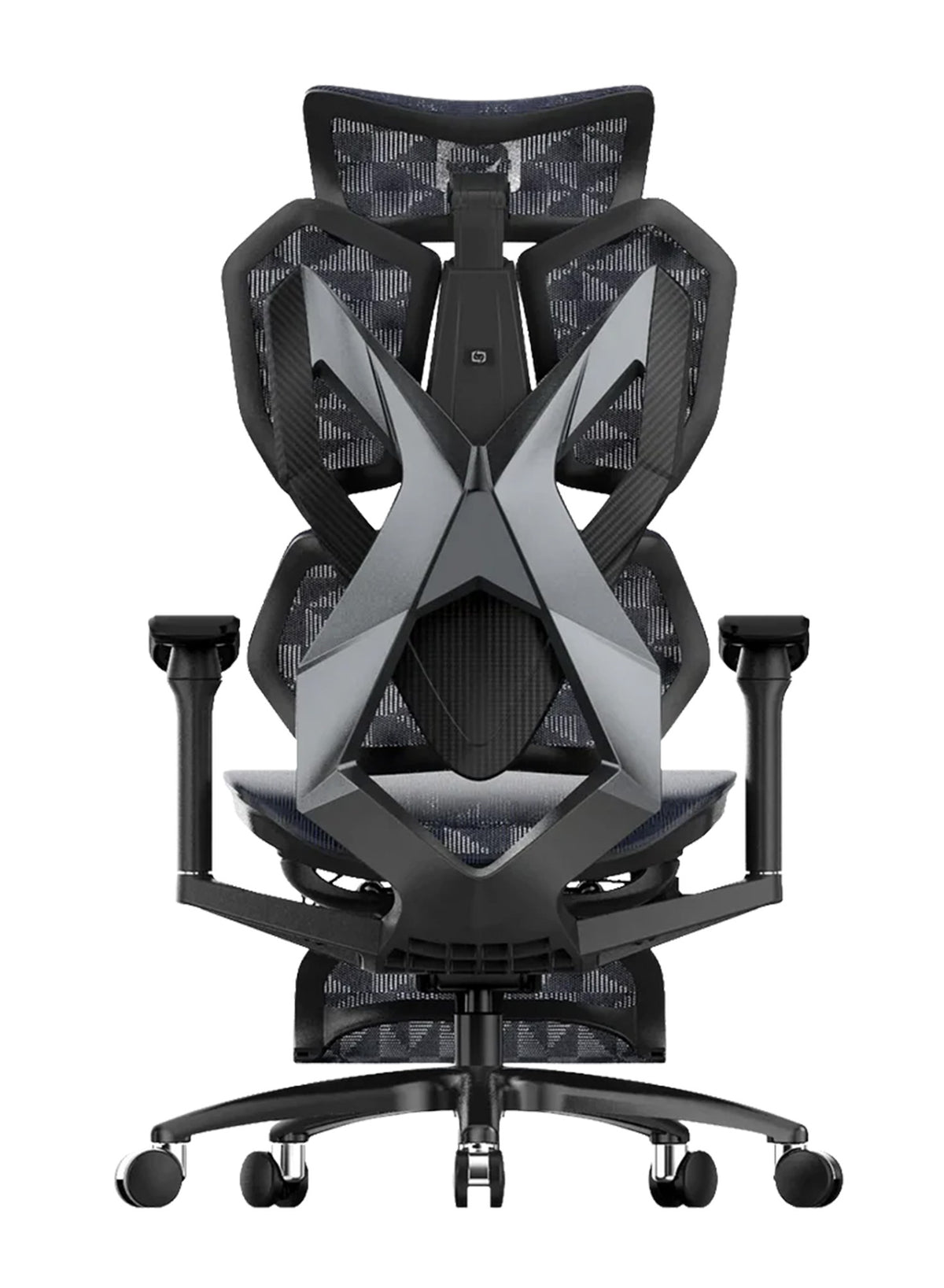

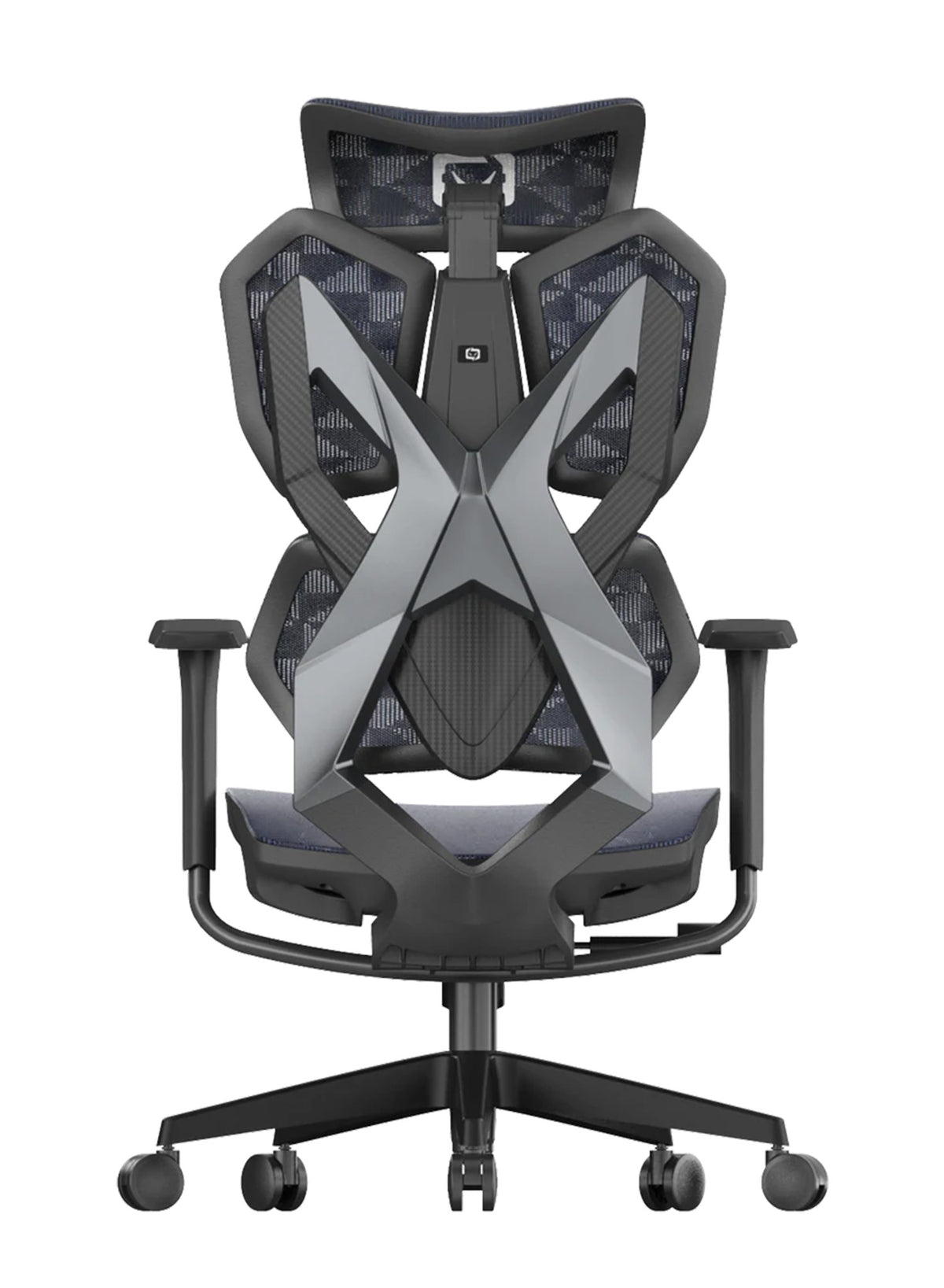

By the Sihoo Australia team | Updated October 2026 | Sources checked 9 October 2026
Four people share one chair.
It sits at a hot desk in a Brisbane office. On Monday a tall developer lowers it and tips his knees up toward the desk. On Tuesday a shorter designer raises it, perches on the front edge, and tucks her feet behind a castor. By Wednesday nobody touches the levers at all. They simply put up with the discomfort and hope it passes by Friday.
None of these people did anything wrong, because the chair was made for a middle band of bodies and the rest of us have to bend to meet it. This guide is about finding the right Sihoo chair for every body type. It also helps you choose ergonomic desk chairs for home and office in Australia that match your height, your build and your weight. A good ergonomic office chair should fit you, not the other way round.
Quick answer: Measure three things before you compare chairs: your seat depth gap, your seat height and your weight against the load rating. Then use the table below, which lists only the numbers the live Sihoo pages state. Sihoo chairs on this page cover stated user heights of about 150 to 190 cm and weight limits of 136 to 150 kg. If you sit outside those numbers, or you have pain or a medical need, see a professional before you buy.
Why Most Chairs Fit a Middle Band of Bodies
Most of us assume a chair is simply too soft, too hard or too cheap when it feels wrong, and we blame the cushion or the price tag. Often the real problem is size, and no amount of padding fixes that.
Chairs are built for a design range, not for you
Maciej Sydor and Miloš Hitka (Biomimetics, 2023) worked out chair dimensions from published body measurements and a 5th to 95th percentile range. Their seat depth equation uses the height of a 5th percentile woman, 150.4 cm, and gives about 43.6 cm. They also warn that a seat which is too deep makes the backrest hard to use and causes discomfort.
Workplace Health and Safety Queensland (WHSQ) says it plainly: the standard chair will only suit the average person's height and stature. Short workers on a deep seat cannot sit back against the backrest. Tall workers on a shallow seat show it with a big gap behind the knee, sliding forward, or back pain.
We call this the design range problem: a chair that suits the middle suits fewer people at each end.
Australian bodies cover a wide span
The Australian Bureau of Statistics (ABS) measured adults for the 2011-12 Australian Health Survey. The averages were 175.6 cm and 85.9 kg for men, and 161.8 cm and 71.1 kg for women. An average is only a midpoint, so plenty of people sit well above or below it.
Weight matters too, and the numbers are large. The ABS reported in 2022 that 65.8% of adults were overweight or obese, and the AIHW reports that 67% of adults lived with overweight or obesity in 2022-24. In plain terms, a chair load rating is not a niche concern. It touches roughly two in three adults.
Two limits apply, however. The ABS says 41.8% of adult respondents in the 2022 survey did not have their height or weight measured, so it estimated those figures using other information, including self-reported values. And body mass index describes a population, not your comfort in a seat.
What this means for a team
An office with 40 staff has 40 different bodies. If you buy one size and call it done, you have already decided who will be comfortable and who will quietly struggle, long before anyone sits down.
Measure Three Numbers Before You Compare Any Chair
Here is a quick scene: you find a chair online, the photo looks right, and you order it. The chair arrives and the seat edge presses into the back of your knees. A tape measure and a spare chair at home would have caught that in two minutes, before any money changed hands.
Number one: the gap behind your knees
Sit all the way back with your hips against the backrest. WHSQ says to leave about two to three fingers of space between the seat edge and the back of your knee. WHSQ lists more than four fingers as a sign of a poor fit for a taller person. In our view, no gap at all means the seat is probably too deep.
Now compare that with the seat depth on the spec table later in this guide. If you are shorter, look for the shallowest seats. If you are taller, look for a seat that can slide forward.
Number two: seat height and your feet
WHSQ says to set the seat so your elbows sit level with the desk, and to use a footrest if your feet do not reach the floor. So your height decides two things at once. It decides whether the seat can go low enough for your feet, and high enough for your elbows.
Number three: your weight and the load rating
WHSQ notes that standard adjustable chairs are often rated to about 120 kg, and heavy-duty chairs run from roughly 140 kg to over 200 kg. It adds that the load capacity must exceed the user's weight. Check the rating before anything else. Remember that it is a safety limit set by the maker, not a promise that the chair will feel comfortable at that weight.
Measure yourself, rather than guessing
The ABS found that people usually overstate their height and understate their weight when they self-report. In the 2017-18 survey, men overstated height by a median of 2.2 cm, and women by 1.6 cm. So use a wall and a tape, or a bathroom scale, instead of memory.
A team version of the same check
Ask staff for a height band and a weight band, and keep the answers private with whoever buys the chairs, so that nobody is singled out. The aim is a spread of chair sizes, not a list of names.
Free Fixes First: Get More From the Chair You Already Have
Before you spend anything, try what you own. A chair that feels wrong is not always the wrong chair.
Raise the feet, lower the strain
If your feet dangle, add a stable footrest. WHSQ recommends one when the feet do not sit flat. For many shorter people, this one change fixes more than a new chair would.
Fix the arms, then the back
If your armrests stop you from getting close to the desk, WHSQ says to remove them. Then set the backrest so the lumbar support fits the curve of your lower back, and tilt it so your hip angle sits between 100 and 120 degrees. Our guide to the correct sitting posture in an ergonomic chair walks through the full setup.
Know when a fix is not enough
If you are still perching on the front edge, or the seat still cuts into your thighs after all of these fixes, the chair itself is the problem. That is when a new model makes sense.
For teams, a one-page setup card at each desk costs very little. It also shows you quickly who still cannot get a good setting, which is the best evidence you will have for buying something different.
Sihoo Chair Fit by Body Size: What the Live Pages State
This is the part we built to save you time. The table below uses only numbers stated on the live Sihoo product pages we checked on 9 October 2026. Where a page does not state a figure, we say so. Prices are sale prices seen that day for the entry option, in AUD, and they can change.
| Model | Price seen | Stated user height | Weight limit | Seat depth | Seat width | Seat height |
|---|---|---|---|---|---|---|
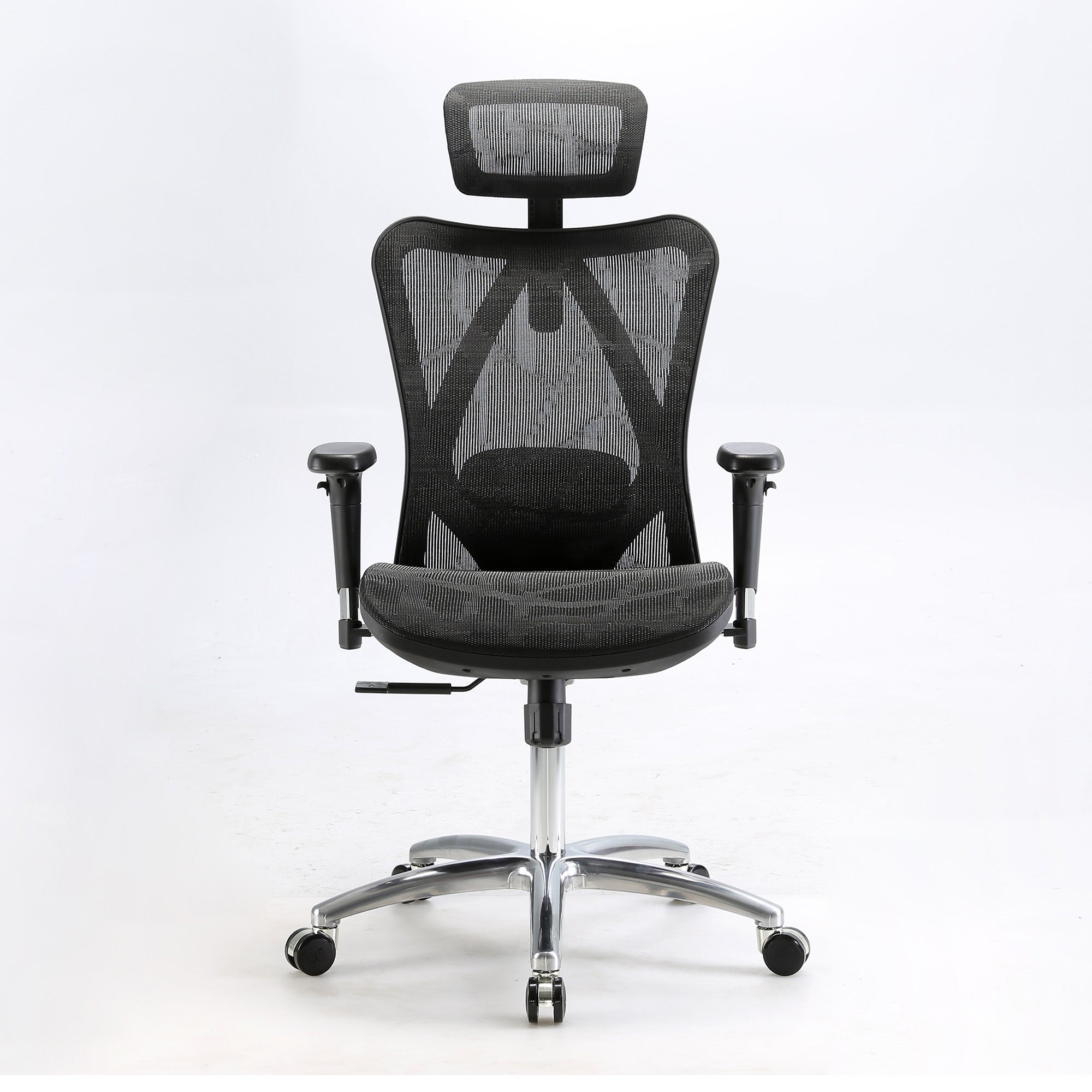
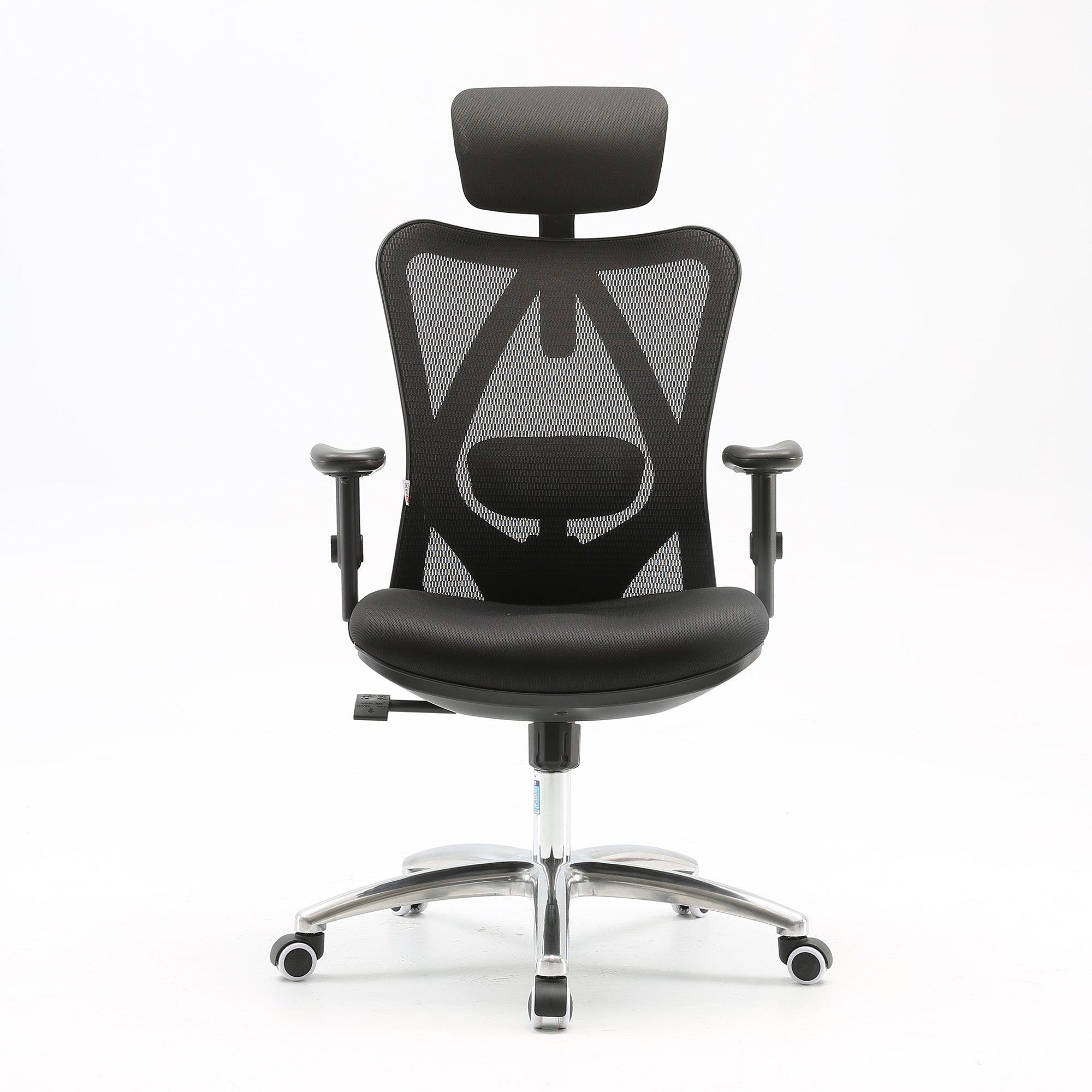
| M18 | $279 | 150 to 190 cm | 136 kg | 45.5 cm (fixed) | 51 cm | 43.4 to 52.7 cm |
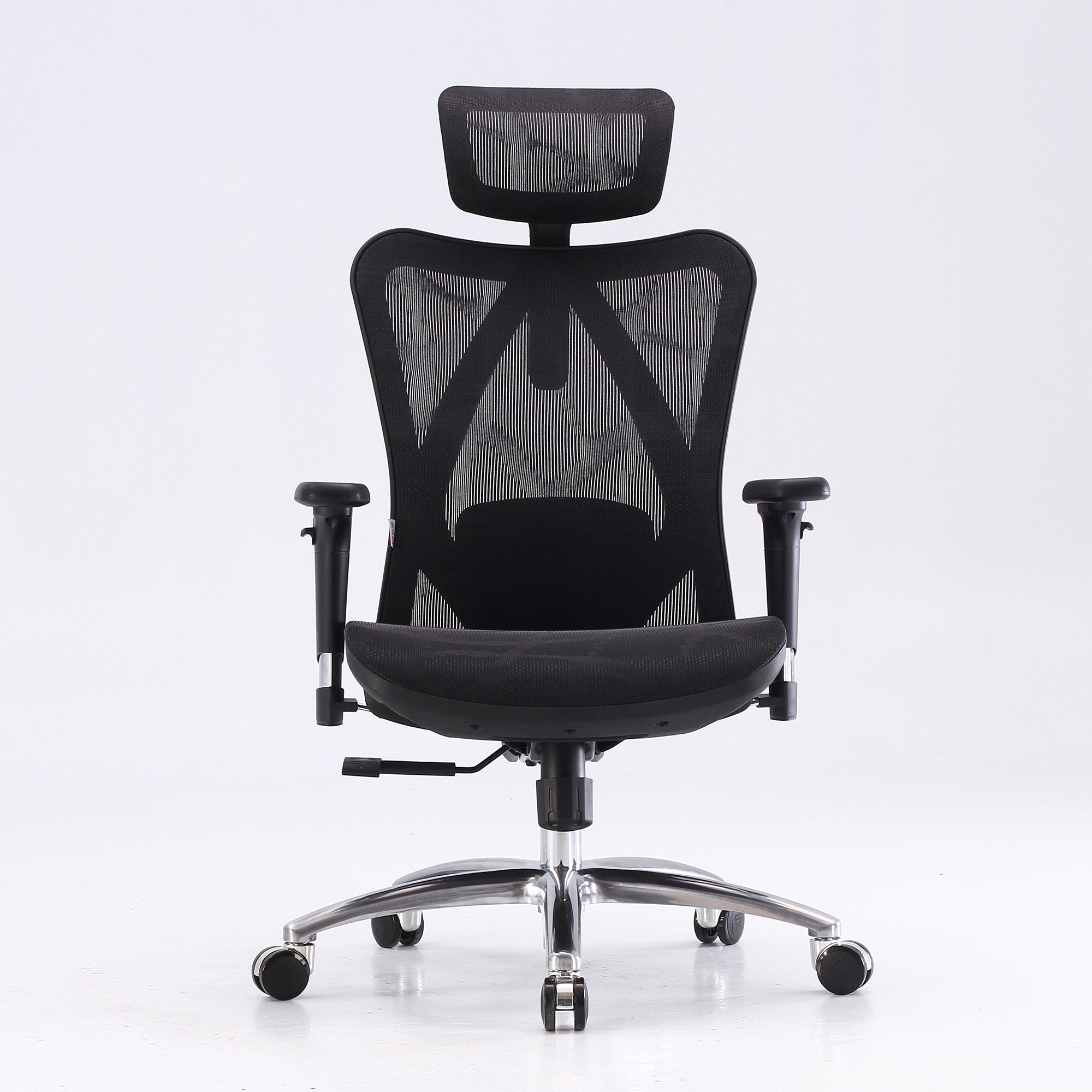
| M59AS | $349 | Not stated | 150 kg | 43.5 cm | Not stated (max hip width 50.5 cm) | Not stated |
| M57 | $329 | Not stated | 150 kg | Not stated | Not stated | Not stated |
| M57 Pro | $399 | Not stated | 150 kg | Not stated | Not stated | Not stated |
| Vito M90 | $339 | 165 to 188 cm | 150 kg | 46 cm | 51 cm | 46 to 55 cm |
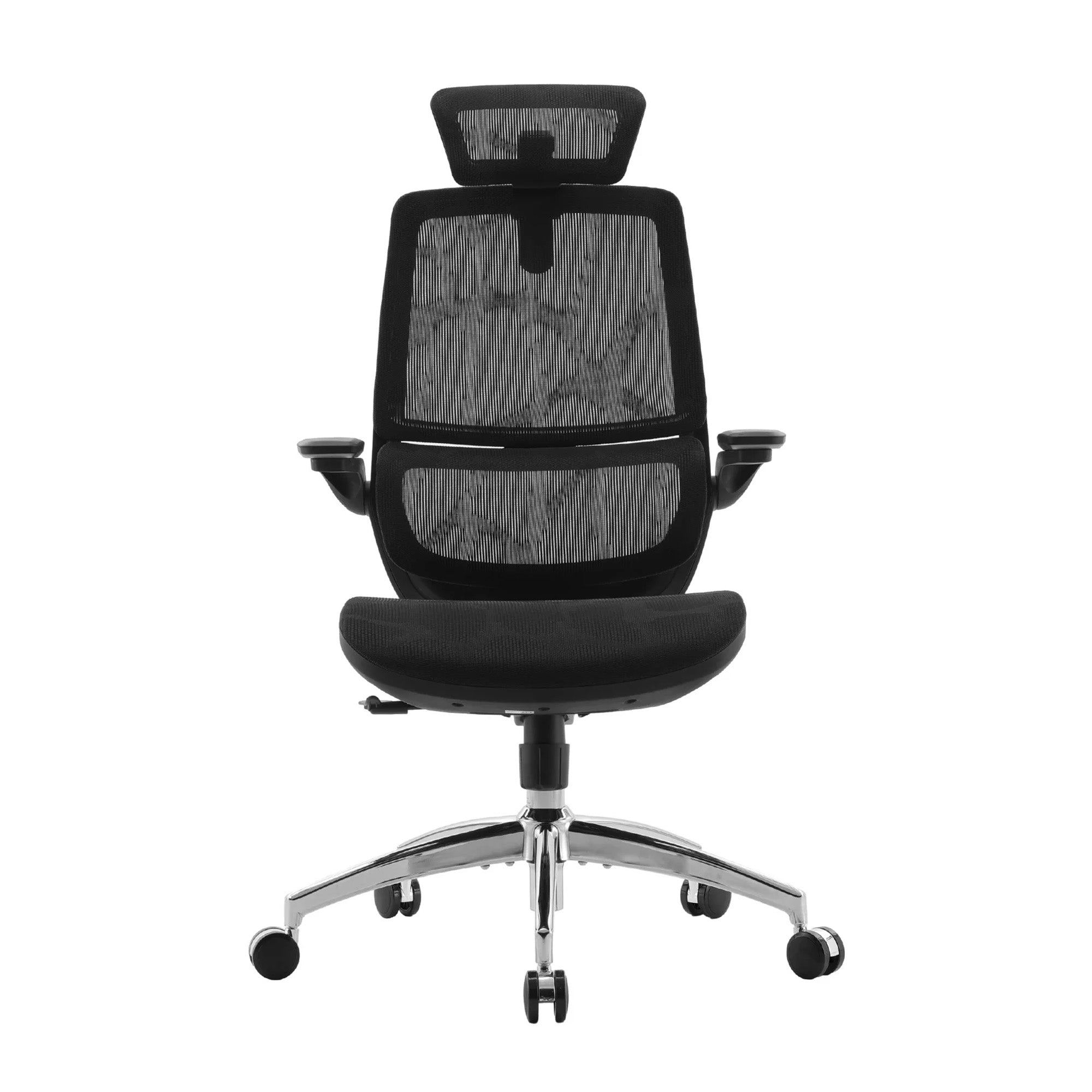
| V1 | $529 | 150 to 190 cm | 136 kg | 44.5 to 49.5 cm (slides) | 53 cm | 47.5 to 57 cm |
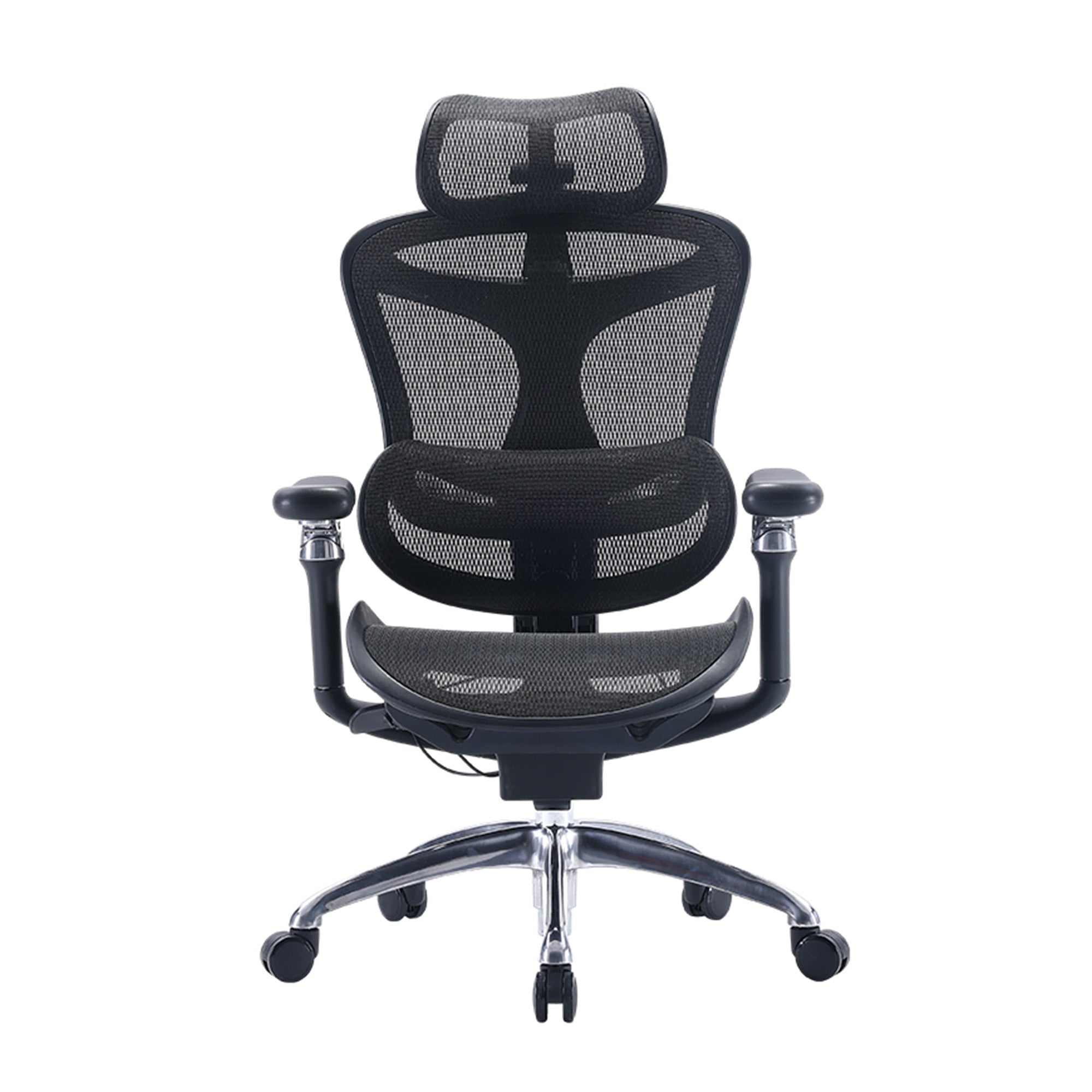
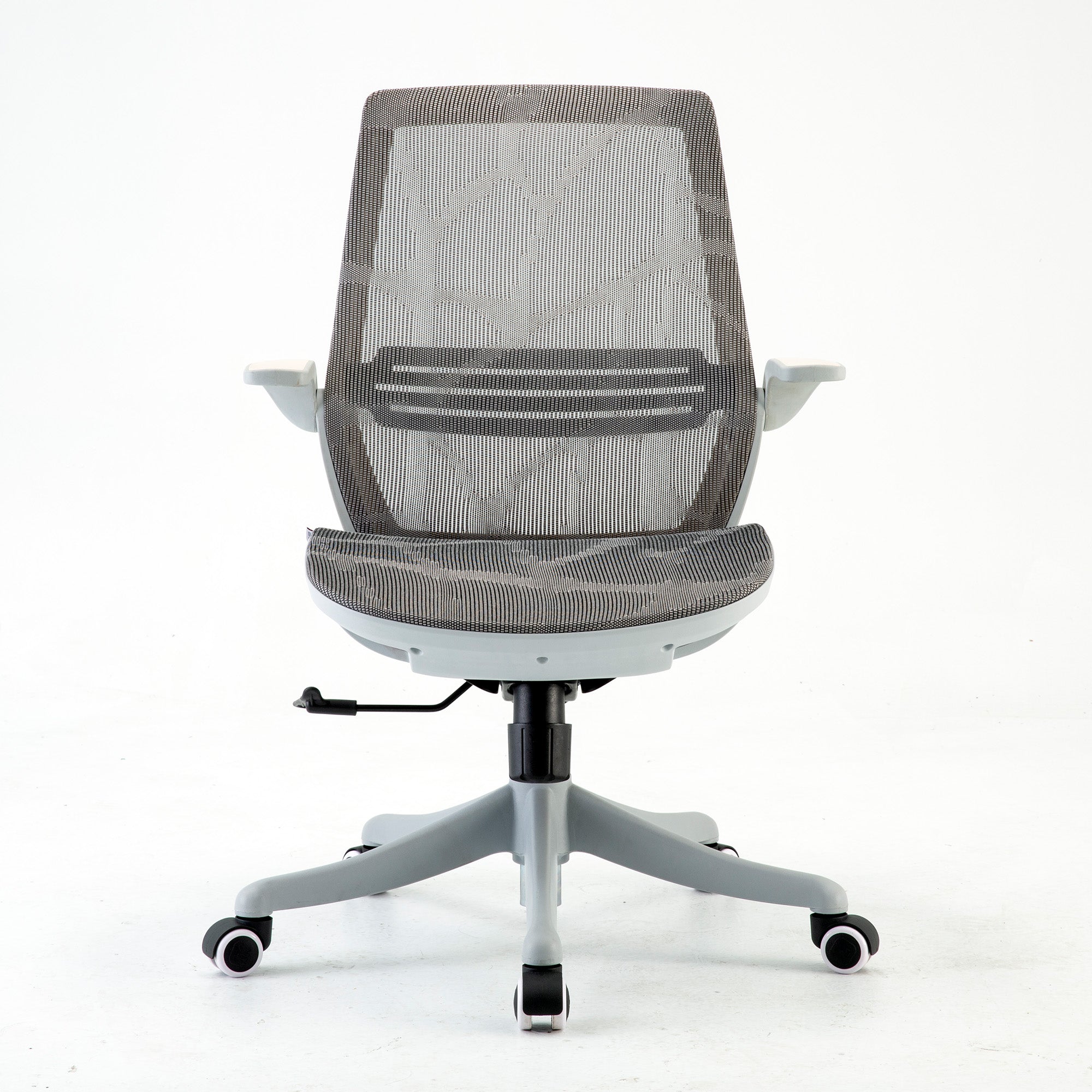
| Doro C300 Pro | $747 | 150 to 190 cm | 150 kg | 42.7 to 45.1 cm (4 cm adjustment) | 51 cm (max hip width 51.5 cm) | 44 to 54 cm |
| Doro C500 | $1,199 | Backrest suits 150 to 190 cm | 150 kg | Adjusts up to 4 cm | Not stated | Not stated |
| Doro S300 | $949 | Backrest suits 150 to 190 cm | 150 kg | Adjustable, range not stated | Not stated | Not stated |
How to read the table
Start with the weight limit, then check seat depth, and only then look at the height range, since the first two cause most of the fit problems. A "not stated" cell is not a bad sign. It means you should ask Sihoo support on 1300 002 580 before you buy.
What the table tells us
Two points stand out in the table, because the V1 has the widest stated seat and the deepest slide, so it suits longer legs. The Doro C300 Pro has the shallowest stated seat, so it suits shorter legs. Both state 150 to 190 cm, which shows why height alone does not pick a chair.
Where the old advice needed correcting
Earlier versions of our fit guides called some chairs "for petite users" or "for big and tall users", but the live pages do not support that wording. The M18 lists a 136 kg limit, which is lower than the 150 kg on several other models. The M57 page states no height range at all, so we now go by the numbers.
Shorter and Smaller Frames: Check Seat Depth First
Picture a woman of 155 cm at a standard desk. She sits back and the seat edge hits her calves. She moves forward, but then she loses the backrest. This is the trade-off that WHSQ describes for short workers.
Start with the shallowest seats
On stated figures, the Doro C300 Pro has a seat depth of 42.7 to 45.1 cm, and its page states a 4 cm depth adjustment. The M59AS lists 43.5 cm, and for comparison, the Sydor and Hitka equation for a 150.4 cm adult gives 43.6 cm.
Please treat that as a rough guide only, because it comes from US body data and it is a calculation, not a test of any of these chairs.
Read the reviews with care
One buyer reviewer on the M59AS page says the back and neck support did not suit small people. That is a single opinion, but it is a useful reason to check the headrest and backrest height before you commit.
If you are under 150 cm
None of the Sihoo pages we checked states a user height below 150 cm. If you are shorter than that, a standard-sized seat will probably be too big, and we would not call any model a safe match. WHSQ points to petite or small-seat designs for short workers, so look at those and try before buying.
For a team, shorter staff are often the ones who go without a footrest. Offer them one by default, so nobody has to ask.
Taller Frames: Seat Depth, Seat Height and Backrest Height
Now picture a man of 185 cm in a standard chair. His knees sit high, the seat ends well before his thighs do, and his shoulder blades hang past the top of the backrest. WHSQ lists similar signs of a poor fit for tall workers.
The V1 slides, the Vito M90 states a tall range
The V1 lists a seat depth of 44.5 to 49.5 cm and a seat height of 47.5 to 57 cm. Those are the deepest and highest figures in our table. Its page states 150 to 190 cm as the user height. The Vito M90 states 165 to 188 cm, with a 46 cm seat and a backrest that raises 6 cm across three gears.
Backrest height on the Doro range
The Doro S300 and the Doro C500 both say the upper backrest adjusts to suit people from 150 cm to 190 cm. The S300 page lists a five-position upper backrest, and both pages list a 5-year warranty. They cost more, so they suit people who sit for most of the day and want more adjustment.
If you are over 190 cm
No Sihoo page we checked states support above 190 cm. WHSQ suggests looking for extra seat height adjustment and a backrest that reaches at least the top of the shoulder blades for very tall workers. Check those two measures against any chair you consider.
Teams with several tall staff should buy at least one chair with a long seat slide, and tell staff where it lives.
Heavier and Broader Frames: Load Rating, Seat Width and Dignity
A chair should never make anyone feel judged. Yet a heavier person often has to do the awkward work of finding out whether a chair will hold them. So let us make that easy and factual.
Start with the load rating
The M18 states a 136 kg (300 lb) limit, and so does the V1. The Vito M90, M57, M57 Pro, M59AS, Doro C300 Pro, C500 and S300 all state 150 kg. Pick the higher rating if you are close to a limit. The M90 page also reports that its base passed a 1,136 kg static pressure test, though that is a base test and not a user rating.
Check seat width and hip width
The V1 lists a 53 cm seat, which is the widest stated in our table. The M18, M90 and Doro C300 Pro list 51 cm. The C300 Pro and M59AS also state a maximum hip width of 51.5 cm and 50.5 cm. WHSQ says people with wider hips may sit on the edges of the seat, so measure your hips while seated and compare.
What the research cannot tell us
Sydor and Hitka excluded adults with a body mass index above 30 from their equations. So the seat depth numbers above do not describe larger bodies, and we will not pretend they do.
If you are over 150 kg
Our range tops out at a 150 kg stated limit. WHSQ says heavy-duty chairs are made for about 140 kg to over 200 kg. If you weigh more than 150 kg, choose a chair rated for your weight from a heavy-duty maker, and try it first.
At work, never make staff ask for a larger chair in public. List heavy-duty options in the standard catalogue, alongside everything else.
Average Builds and Mixed Teams: Where Mid-Range Models Fit
Most people land near the middle. For them, a mid-priced chair with good adjustment often works well, as long as the seat depth and weight limit match.
Mid-range models
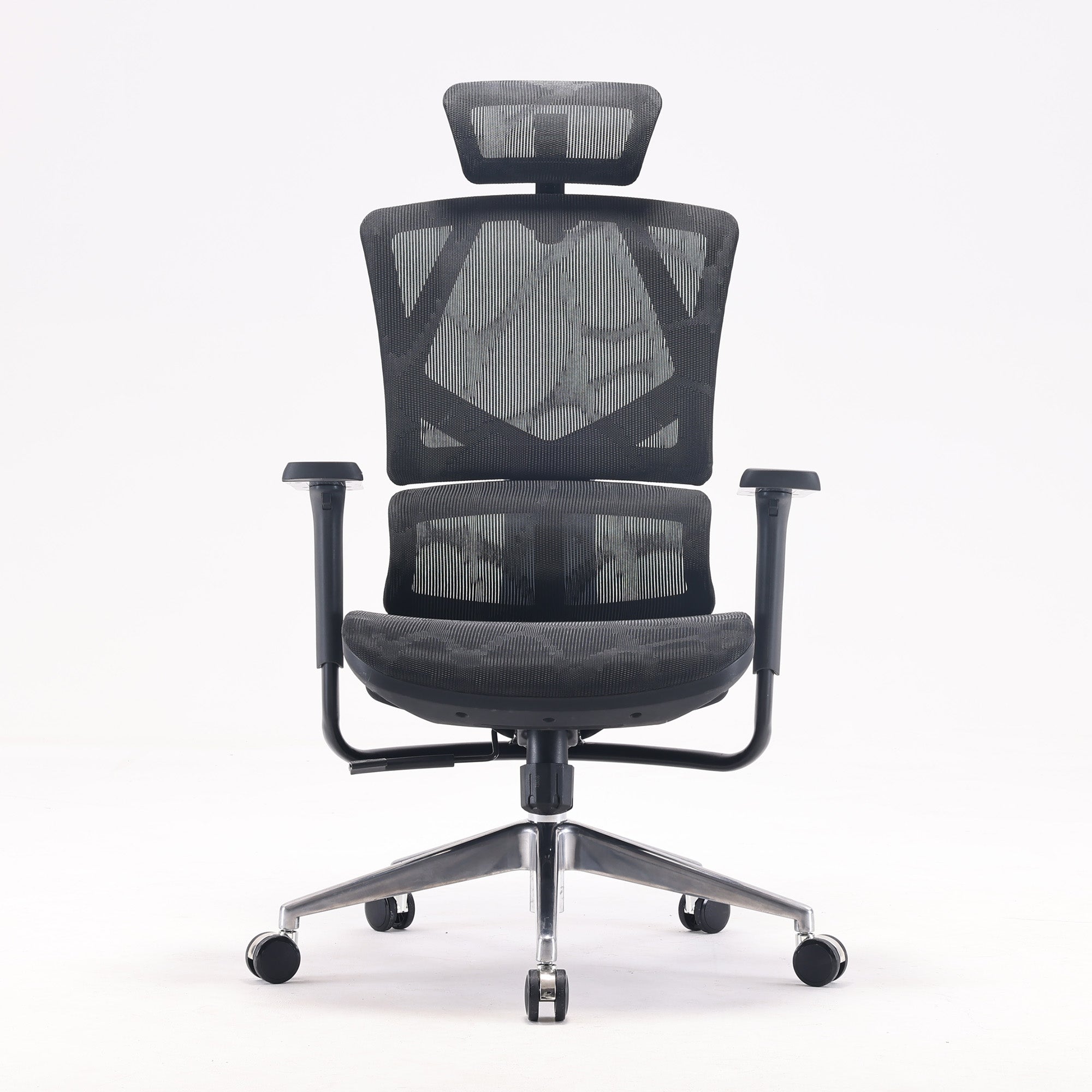
The M57 states a 150 kg limit, dual-adjustable lumbar support that moves both vertically and horizontally, 3D armrests and a 3-year warranty. The M57 Pro adds a 4D armrest and a reclining feature that its page states goes to 134 degrees. Neither page states a height range or a seat depth, so ask first if you are near either end of the height scale. One buyer on the M57 Pro page said it suited people up to about 5 feet 10 or 11 inches, but that is one opinion and not a Sihoo spec.
Match adjustments to your needs
Lumbar support, armrests and recline matter more than a label. Our post on the best ergonomic chair for lower back pain in Australia covers lumbar features in depth. If budget leads, see our best Sihoo ergonomic chairs between $300 and $600.
For a team, pick two or three models that cover the main height bands, rather than one model for everyone.
A Four-Step Fit Check Before You Order
Use this list on your phone while you shop, or print it and stick it next to the desk where the new chair will go. It takes about ten minutes, and it can save you a return.
- Measure your seated gap: sit back in a chair you know, and check for two to three fingers behind the knee.
- Note your height, weight and hip width, and compare them with the table.
- Match the weight limit first, then seat depth, then the height range.
- Ask support about any "not stated" cell that affects you.
If you can sit in a similar chair in a shop first, do that. A five-minute sit tells you more than a spec sheet.
Honest Limits: Try Before You Buy and Your Rights Under Australian Law
No online guide can tell you how a chair feels. We would rather say so than oversell a chair.
What Sihoo's return policy says
Our refund policy gives you 30 days from delivery to request a return, by emailing support@sihoo.com.au before sending anything back. The item must be unassembled or unused, in its original packaging. Choice-based returns, such as a colour change, are inspected first and carry a 30% restocking fee. The buyer normally pays return freight, but Sihoo pays if the product has a major failure.
Put simply, a chair has to be assembled to be tried, so do not count on a home trial. Ask support what is possible before you order. That is the safest position for both of us.
What Australian Consumer Law adds
The ACCC says consumer guarantees cannot be taken away by anything a business says, including a "no refunds" sign. If a product has a major problem, such as being very different from its description, you can choose a refund or a replacement. For a minor problem, the business can repair it. If a business has its own change-of-mind policy, it must follow it. But the ACCC also says you have no right to a refund under consumer guarantees just because you changed your mind.
So a chair that is faulty or not as described is covered. A chair that is merely the wrong size, when it matches its description, may not be. This is general information, not legal advice. Your state consumer agency can help with a specific case.
When to see a professional
If you have ongoing pain, a disability, or a medical need, a chair alone is not the answer. WHSQ recommends that a health provider experienced in ergonomic chair assessments review the case and suggest a design to trial. See a doctor if pain lasts or gets worse.
When Sihoo is not the answer
If you are under 150 cm, over 190 cm or above 150 kg, our stated ranges do not cover you. Another maker may suit you better, and we would rather point you there than sell the wrong chair.
Fitting Out a Team: Mixed Bodies, Shared Desks
Teams make the fit problem bigger, because one chair often serves several people on different days.
Buy a spread, not a single size
Choose two or three models that cover the main height and weight bands in your staff survey, and write down why each one was picked. Include one with a long seat slide and one rated to 150 kg. If you are buying for a larger office, our wholesale office chairs page explains commercial orders.
Make adjustment quick
Pick chairs with clear controls and add a short setup card at each desk, so that a new user can see what each lever does. A shared chair is only useful if the next person can reset it in under a minute.
Handle requests quietly
Offer a fitting check to anyone who asks, and never publish sizes. A good process protects dignity, and it saves money because fewer chairs end up swapped or unused.
Conclusion
The right chair is the one that fits your body, not the one with the longest feature list. Measure your knee gap, your height and your weight. Try the free fixes first. Then use the table and ask about anything marked "not stated."
If you want to compare models, our range of the best ergonomic office chairs in Australia lists each chair by price and feature. And if your body sits outside our stated ranges, please look elsewhere before you buy.
Better Comfort Starts Now.
Sources Referenced
- Australian Bureau of Statistics. Australian Health Survey: First Results, 2011-12 (cat. no. 4364.0.55.001). abs.gov.au
- Australian Bureau of Statistics. Waist circumference and body mass index (National Health Survey 2022). abs.gov.au
- Australian Bureau of Statistics. Self-reported height and weight (2017-18 National Health Survey). abs.gov.au
- Australian Institute of Health and Welfare. Overweight and obesity (adult figures 2022-24). aihw.gov.au
- Sydor M, Hitka M. Chair Size Design Based on User Height. Biomimetics, 2023;8(1):57. DOI: 10.3390/biomimetics8010057 (full text read)
- Workplace Health and Safety Queensland. Selecting and adjusting your chair. worksafe.qld.gov.au
- Workplace Health and Safety Queensland. Selecting and purchasing office chairs. worksafe.qld.gov.au
- Australian Competition and Consumer Commission. Consumer guarantees; Repair, replace, refund, cancel. accc.gov.au
- Sihoo Australia. Refund policy (checked 9 October 2026). sihoo.com.au
- Sihoo Australia product pages for the M18, M57, M57 Pro, M59AS, Vito M90, V1, Doro C300 Pro, C500 and S300 (checked 9 October 2026). sihoo.com.au
Frequently Asked Questions
No chair suits every body. The Sihoo pages we checked state heights of 150 to 190 cm and weight limits of 136 to 150 kg. Outside those numbers, look at other makers.
Check the stated height range, then the seat depth. Leave two to three fingers of space behind your knees when you sit back.
Several models state 150 kg, including the Vito M90, M57, M57 Pro, M59AS, Doro C300 Pro, C500 and S300. The M18 and V1 state 136 kg.
Sihoo allows return requests within 30 days if the chair is unassembled or unused, and fees may apply. Under Australian Consumer Law, a faulty or misdescribed chair is covered, but a change of mind is not.
Ask Sihoo support on 1300 002 580 before ordering. Several pages do not state a height range.
Collect height and weight bands privately, then buy two or three models that cover them. Include a long seat slide and a 150 kg rating.
Yes. Buy one of each shortlisted model first, let a few staff sit in them for a week, and then order.
Treat it as a normal request, keep it private, and use a health provider with chair assessment experience if there is a medical need.
Not for every chair, but WHSQ says to match the load rating to the staff who use it, so keep at least one heavy-duty option.
Shop products from this article


