
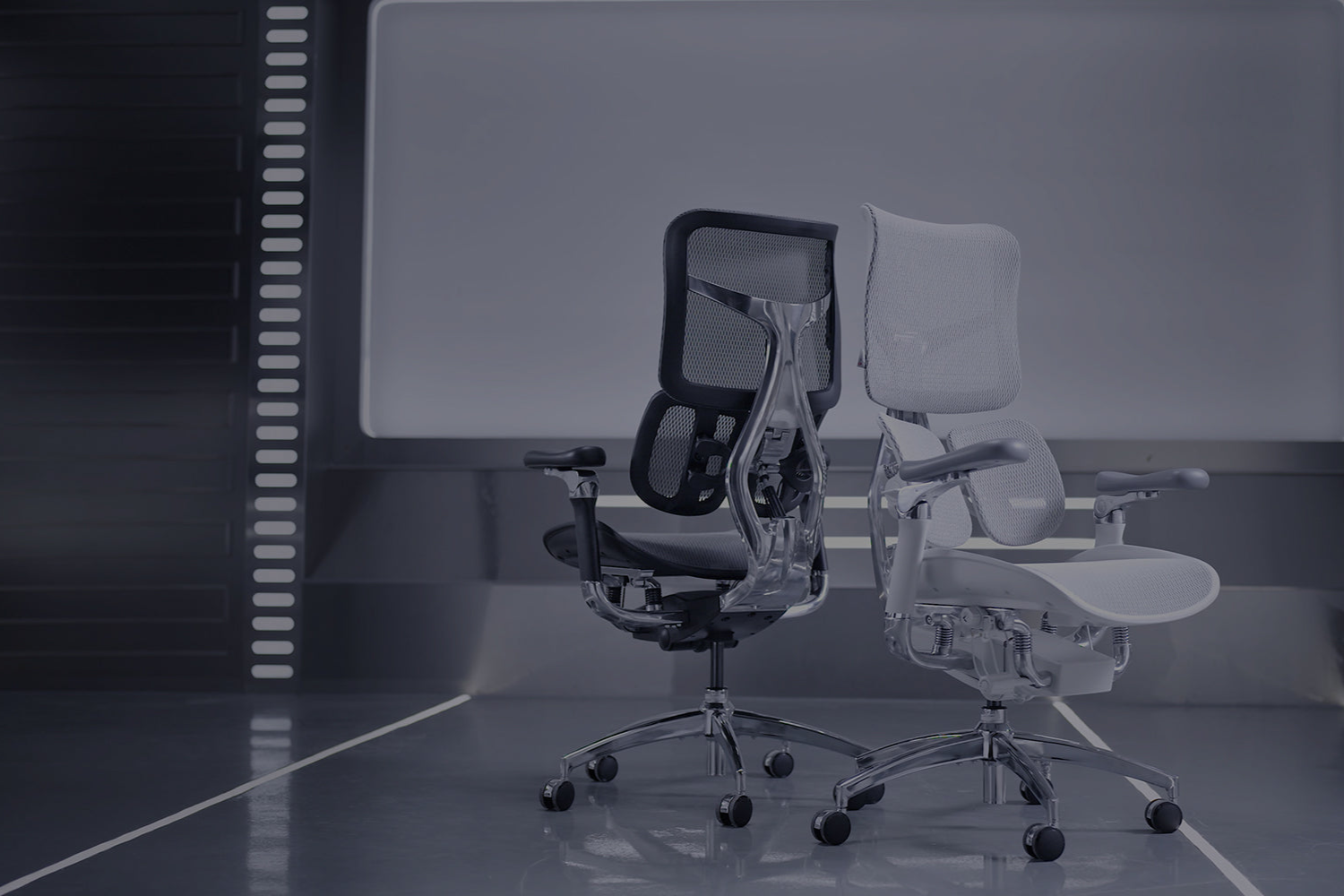
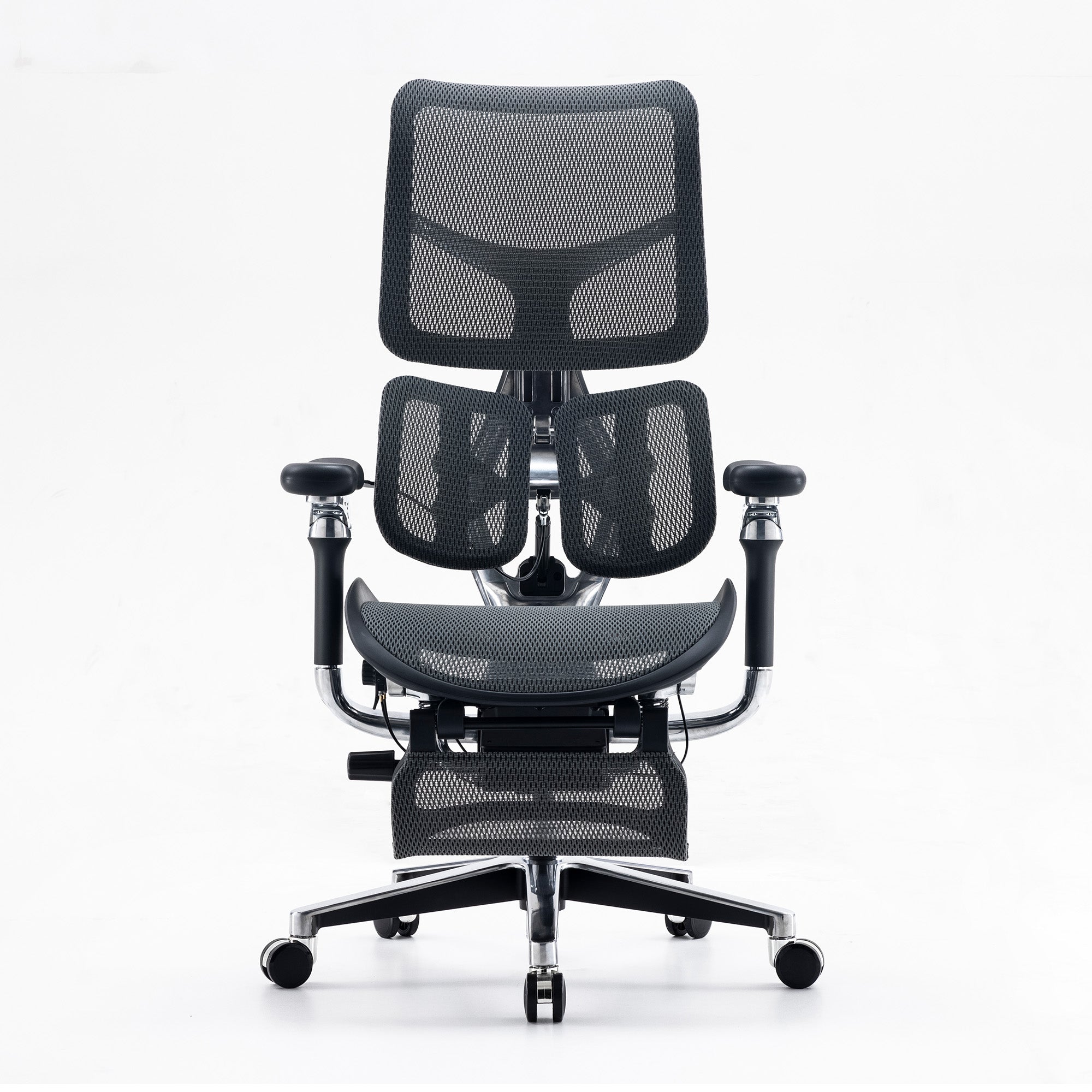
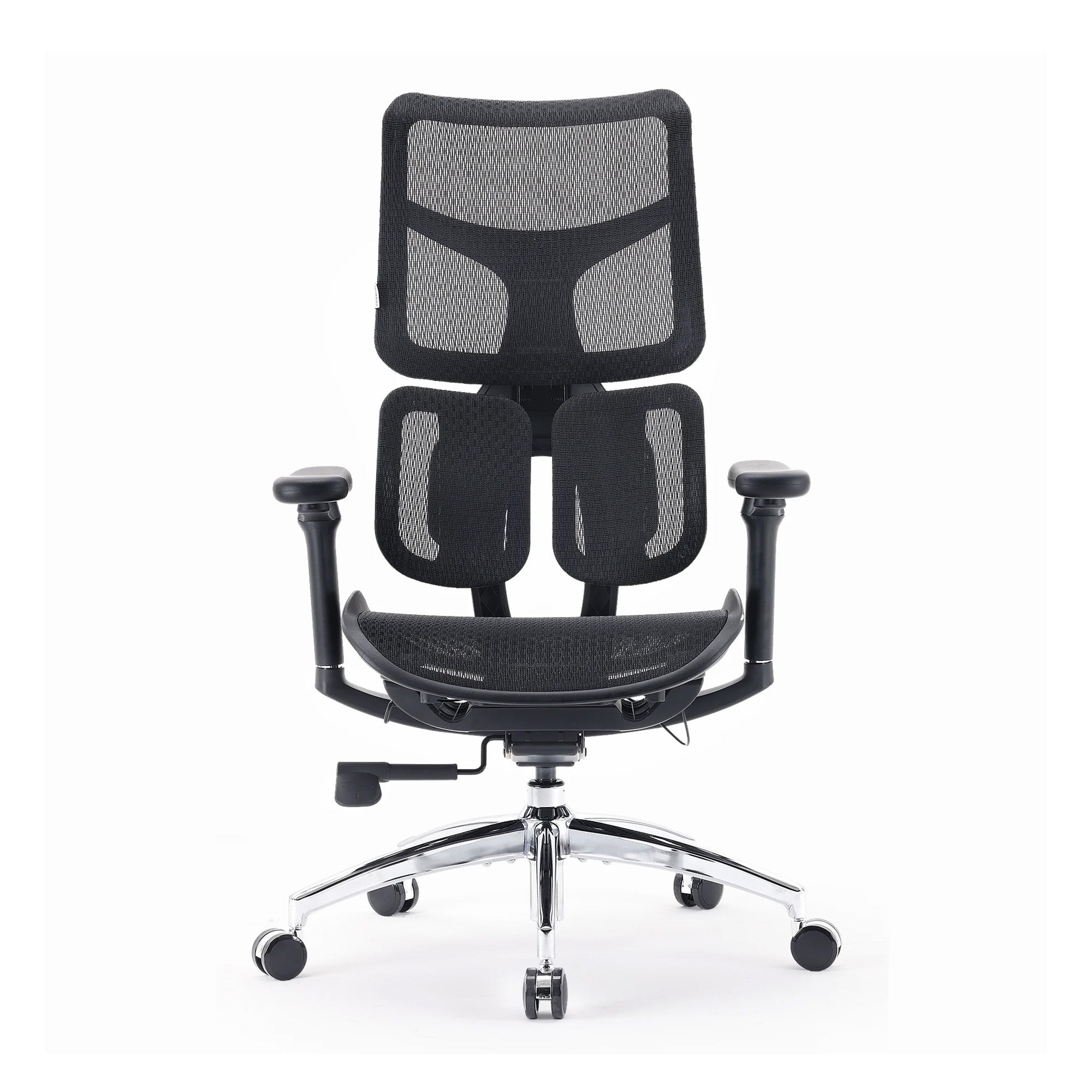
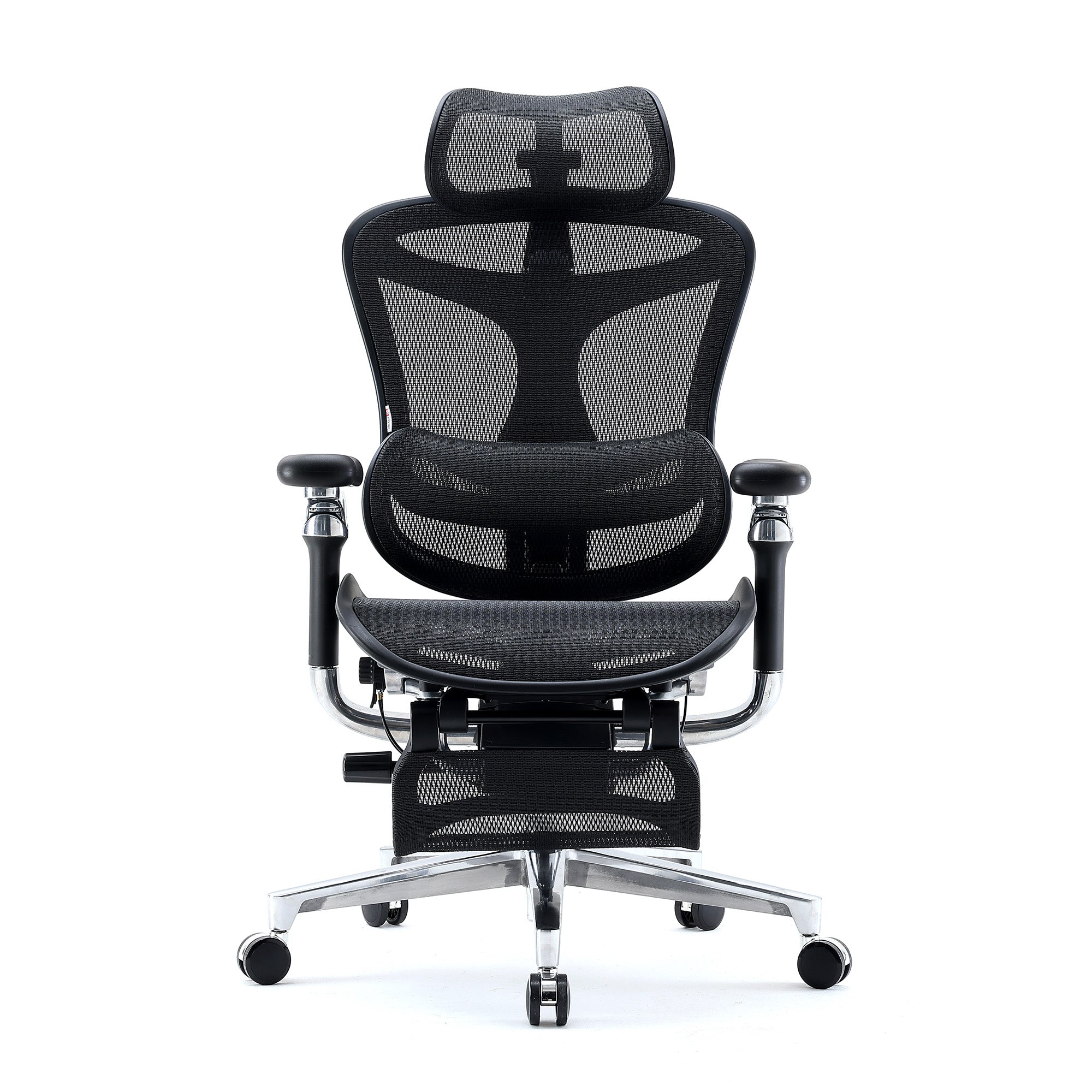
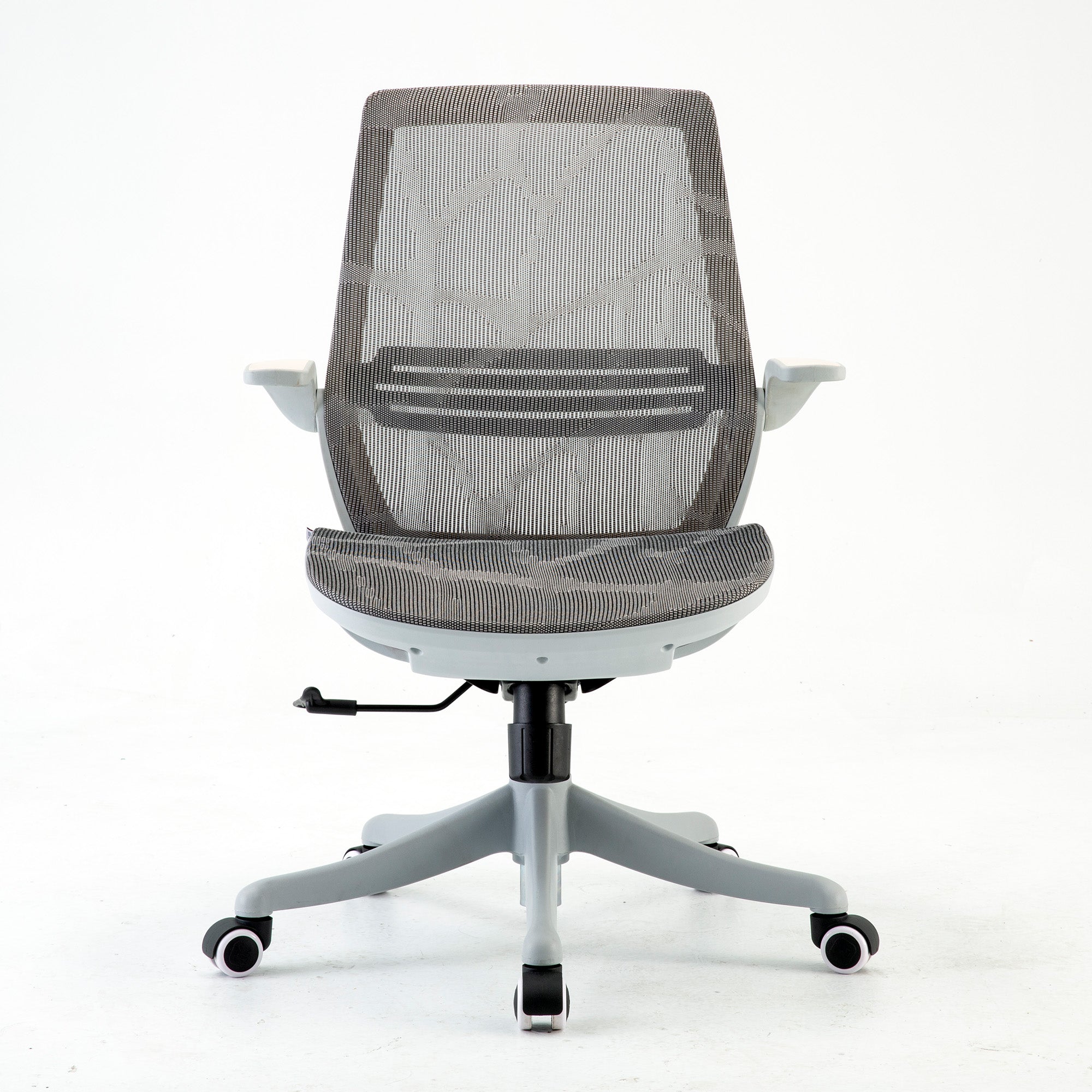

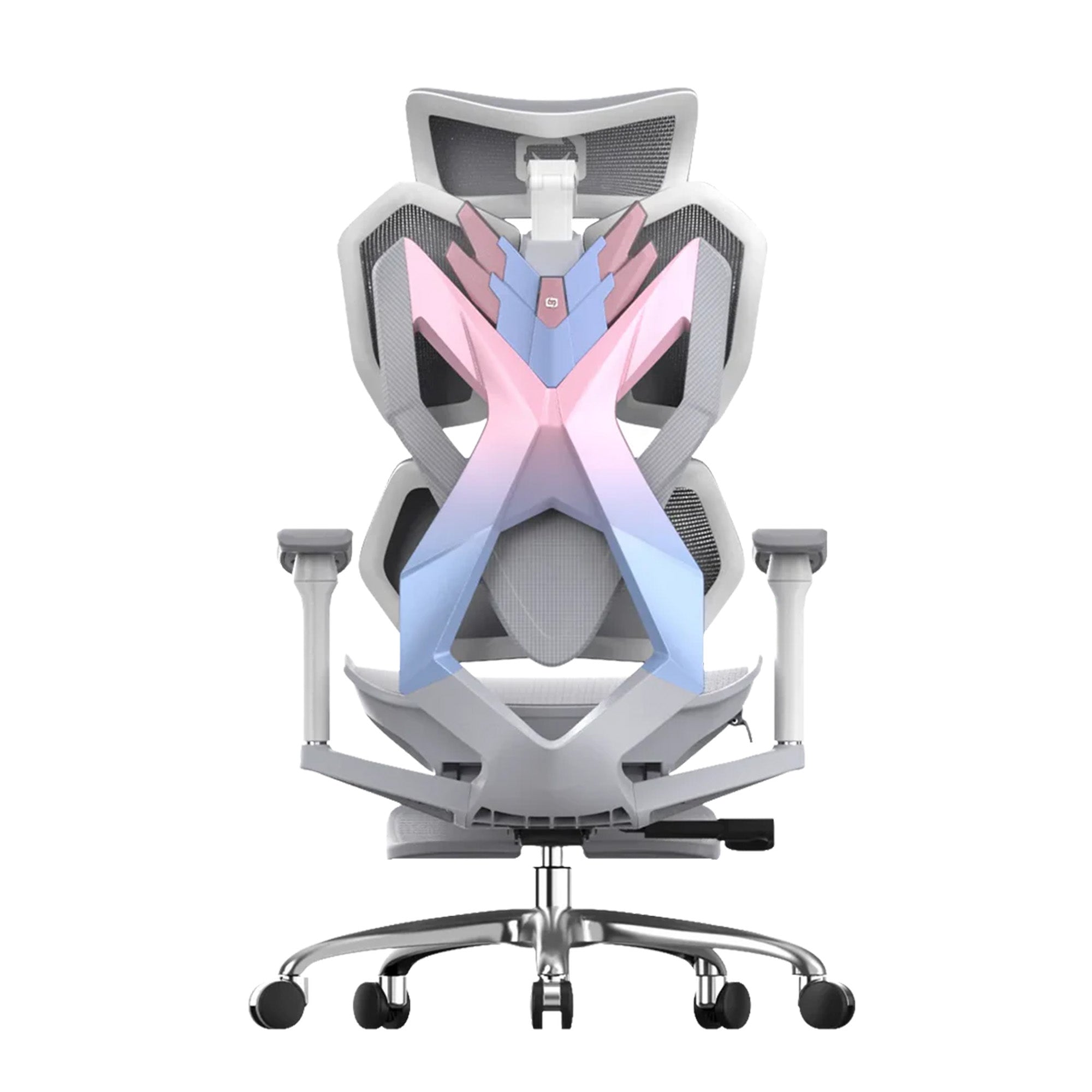
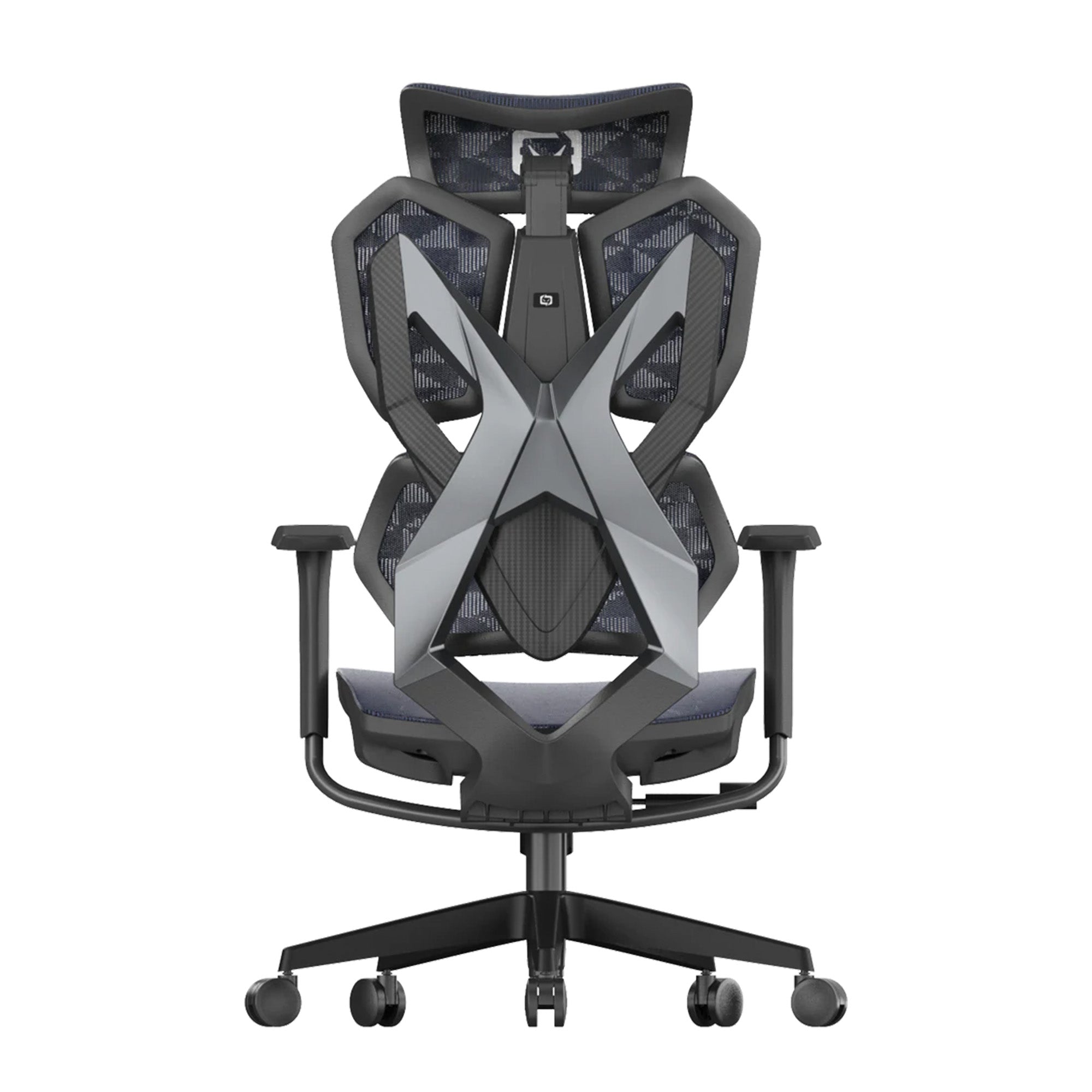

If you've been comparing ergonomic chairs lately, chances are you've landed on three names: the M56, the M57, and the newer M59AS. They're the most popular models in the Sihoo range here in Australia, and for good reason. Each one targets a genuinely different type of sitter.
But knowing which one is right for you isn't just about specs. It's about how you actually work. Do you sit for eight hours straight? Do you run hot in summer? Are you in a compact apartment or a dedicated home office? Those details matter more than a comparison table ever will.
This guide is based on our hands-on experience with all three chairs, along with feedback from hundreds of Australian customers who've used them day-to-day. We'll walk you through the differences clearly, without the fluff.
Our team has assembled, tested, and gathered long-term customer feedback on all three models. Quotes and observations throughout this article are drawn from verified purchaser reviews and in-house assessment notes.

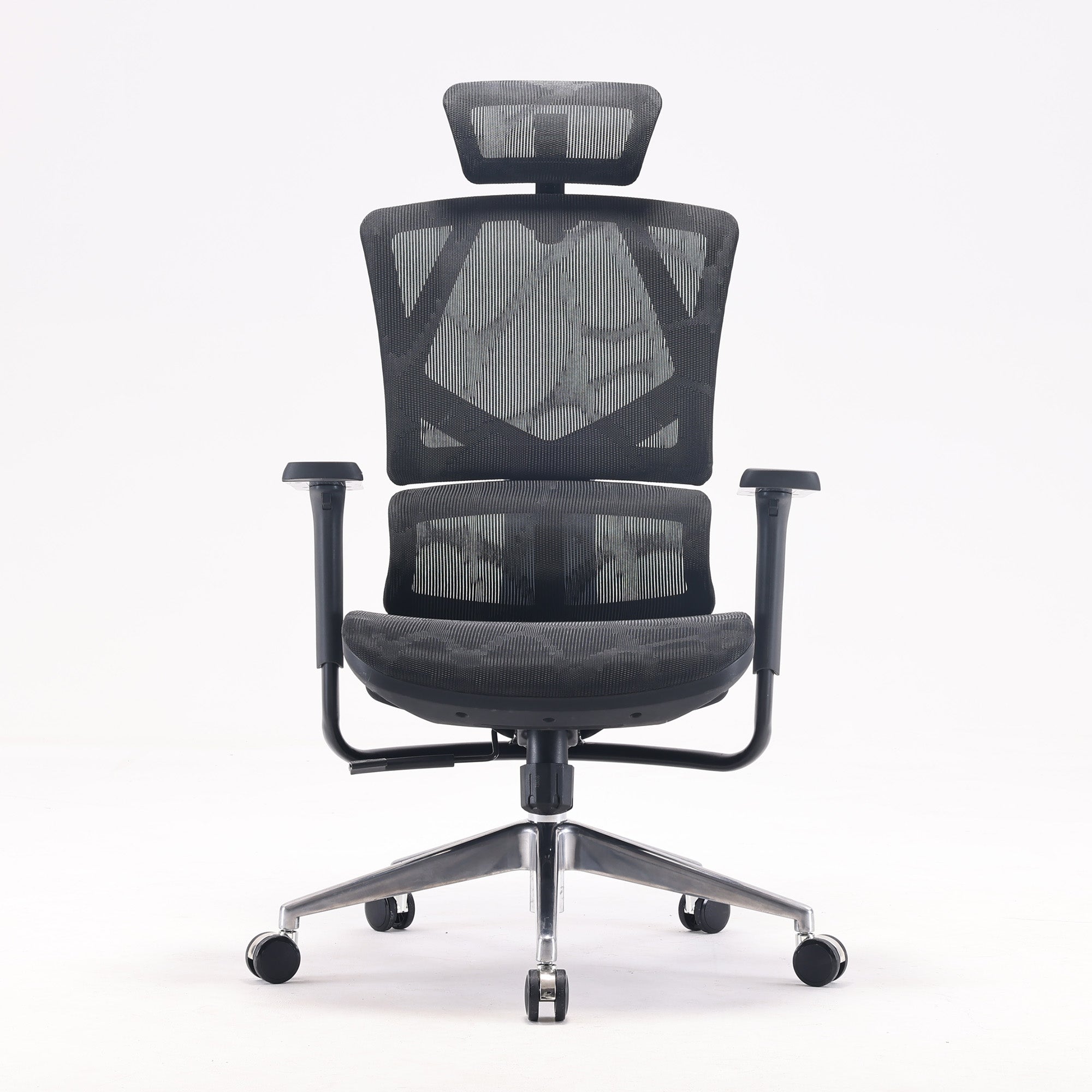
The Sihoo M57 for the workhorse of the range
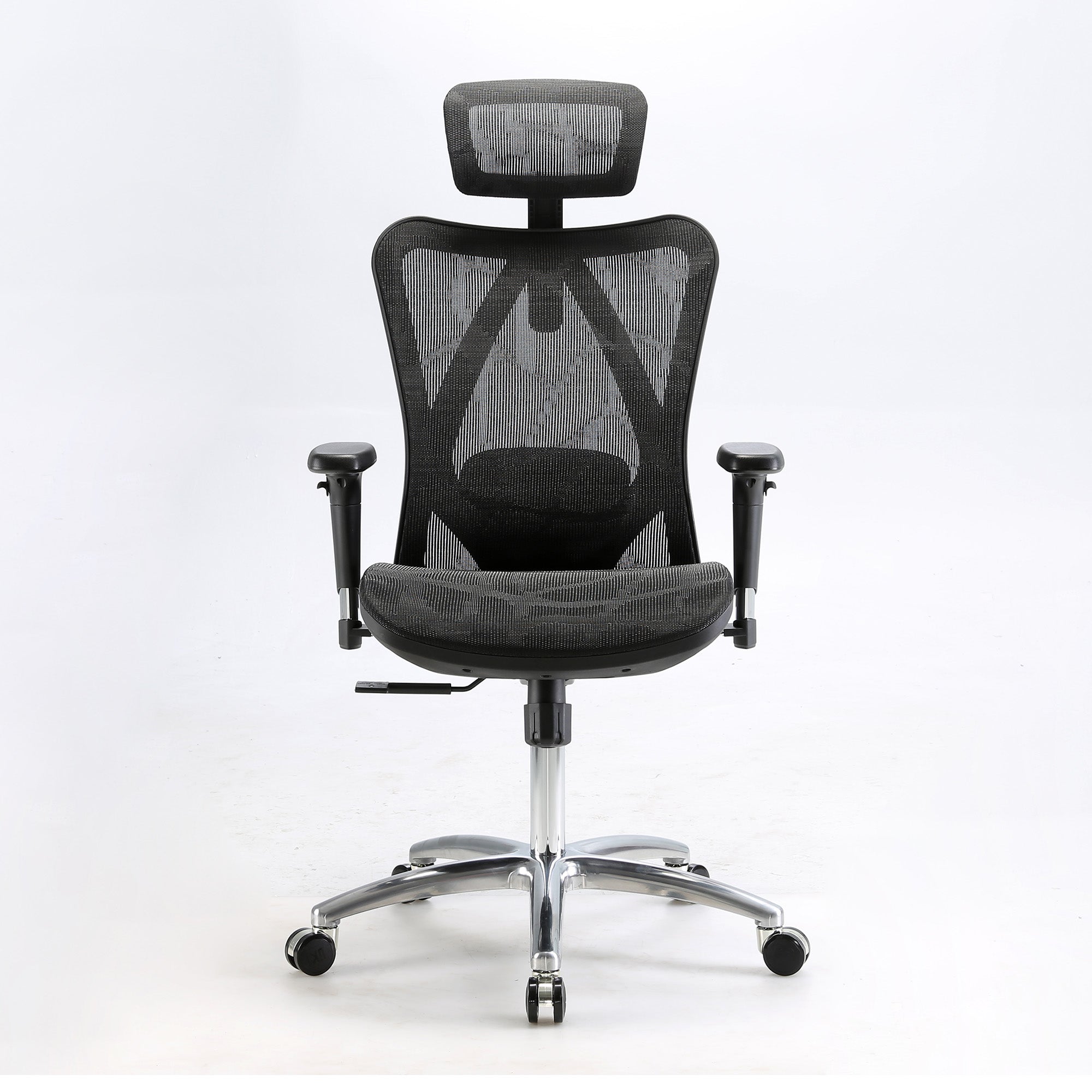
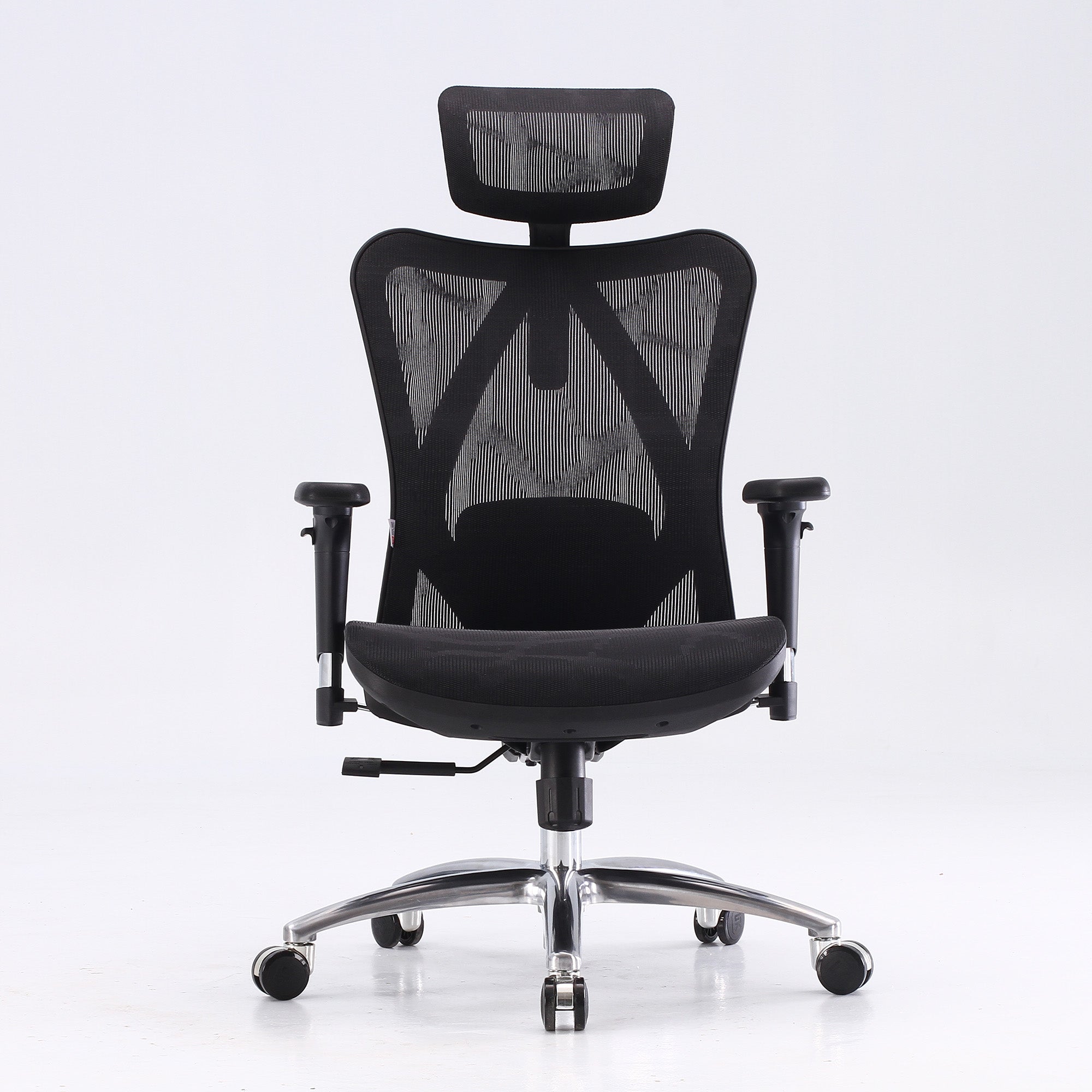
The Sihoo M57 ergonomic chair is the chair we recommend most often for full-time professionals, and it consistently earns the highest satisfaction scores from our customers. It's been around long enough to have a proven track record, and every detail of it is built around one goal: keeping you comfortable during long, demanding work days.
Full-mesh construction: why it matters in the Australian climate
The M57 uses a high-elasticity mesh for both the seat and the backrest. Unlike foam, mesh allows constant airflow across your entire sitting surface. In a Sydney summer or a poorly ventilated home office in Brisbane, that airflow makes a noticeable difference to your focus and comfort.
The mesh itself is engineered to flex with your body rather than compress under it. It contours to your shape while maintaining enough resistance that it doesn't sag or bottom out over time. This is a common complaint with cheaper mesh chairs that use lower-tension weaves.
3D adjustable armrests: more useful than they sound
One of the most common questions we get is whether 3D armrests are actually worth it. The honest answer is: if you type a lot, yes, absolutely.
The M57's armrests can move up and down, forward and backward, and rotate inward or outward. That last adjustment is particularly useful for touch typists. Angling the armrests slightly inward brings your elbows closer to your body, which reduces shoulder tension significantly over the course of a long session. Several of our customers with a history of neck and shoulder issues have specifically cited this as a game-changer.
As one verified buyer from Melbourne noted after three months of daily use: "The 3D armrests took a week to dial in, but once I found the right position, the tension I used to feel by 3pm basically disappeared."
Two-way lumbar support: targeted, not generic
The M57 features a dedicated lumbar module that adjusts both vertically and in depth. This is important because lumbar support that sits in the wrong position is often worse than no support at all. It pushes against the wrong part of your spine and encourages you to lean forward to escape it.
Being able to fine-tune the height means you can position the support right at the natural inward curve of your lower back, which is where the load on your lumbar discs is actually reduced. For anyone dealing with lower back discomfort from long hours at a desk, this is the feature that makes the M57 worth the investment.
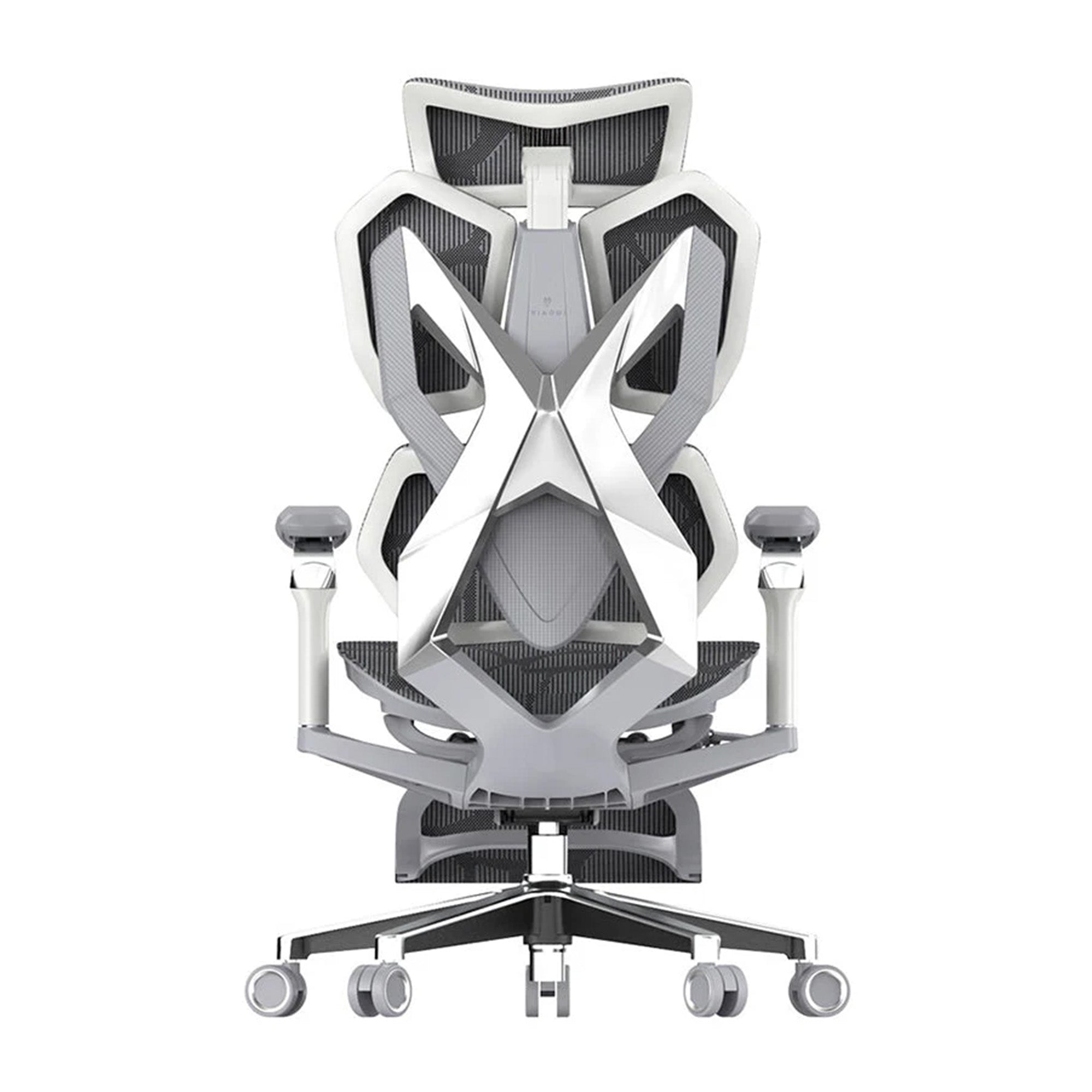
The New Sihoo M59AS for the Advanced Option
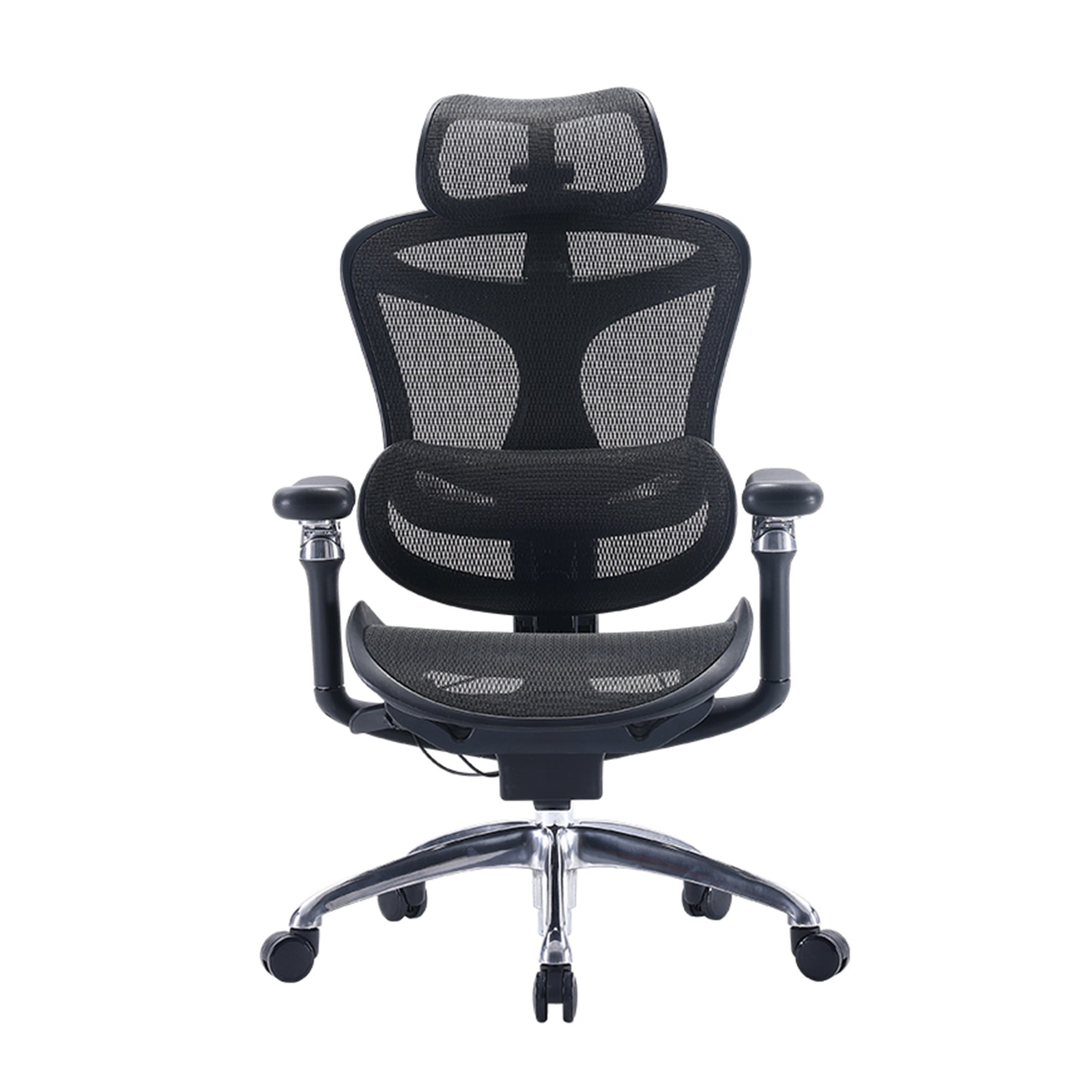
The Sihoo M59AS is Sihoo's most recent release, and it represents a genuine shift in design thinking rather than just a cosmetic update. Where the M57 is built around maximum adjustability, the M59AS is built around adaptivity. The idea is that a chair should respond to how you move, not just how you set it up.
Dynamic lumbar support: set and forget
The most significant upgrade in the M59AS is the way its backrest handles lumbar support. Instead of a manual knob you adjust once and hope for the best, the M59AS uses a flexible frame structure that maintains contact with your spine as you move.
When you lean back to stretch, take a phone call, or reach across your desk, the backrest follows the movement and continues supporting your lower back. You don't have to readjust when you sit back upright. For people who naturally move around a lot while they work, and research into sedentary behaviour increasingly suggests that micro-movement throughout the day is beneficial, this is a meaningful functional difference, not just a marketing point.
S-shaped backrest and waterfall seat edge: circulation matters
The M59AS features an S-shaped backrest profile and a waterfall seat edge. This is a forward-sloping front edge that reduces pressure behind the knees. If you've ever ended a long work day with heavy, tingly legs, that sensation is often caused by the front edge of a flat seat compressing the blood vessels and nerves running through the back of your thighs.
The waterfall design alleviates that pressure. It's a well-established ergonomic principle, and the M59AS implements it cleanly.
Who should choose the M59AS?
The M59AS suits a few specific profiles particularly well:
- People who move around a lot while they work and find they're constantly readjusting a manual lumbar support
- Those setting up design-led or tech-forward home offices where aesthetics are part of the brief
- Anyone who's already used an M57 and wants to upgrade to more responsive support
- Sitters who experience leg fatigue or circulation issues during long sessions
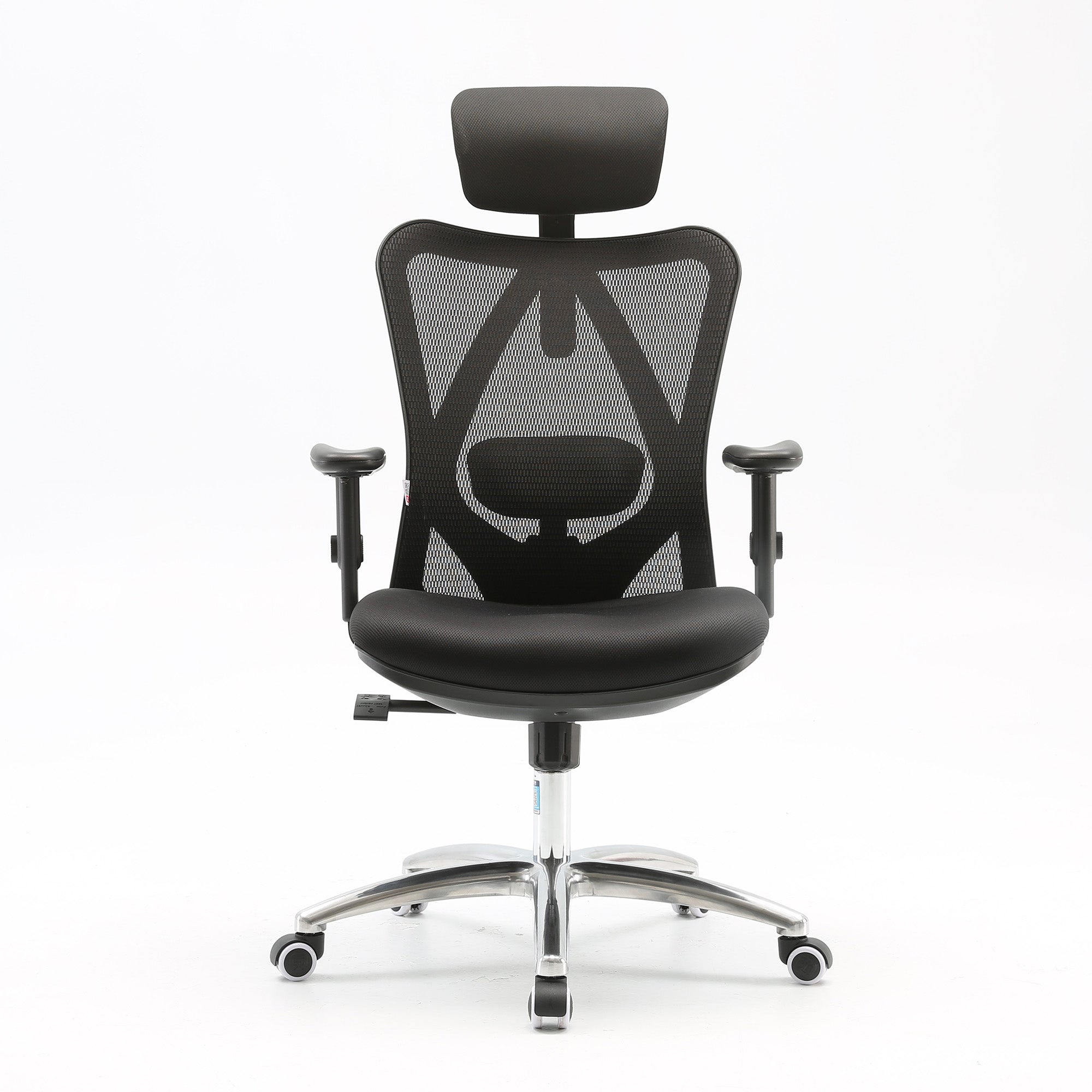
The Sihoo M56: The Smart Entry Point
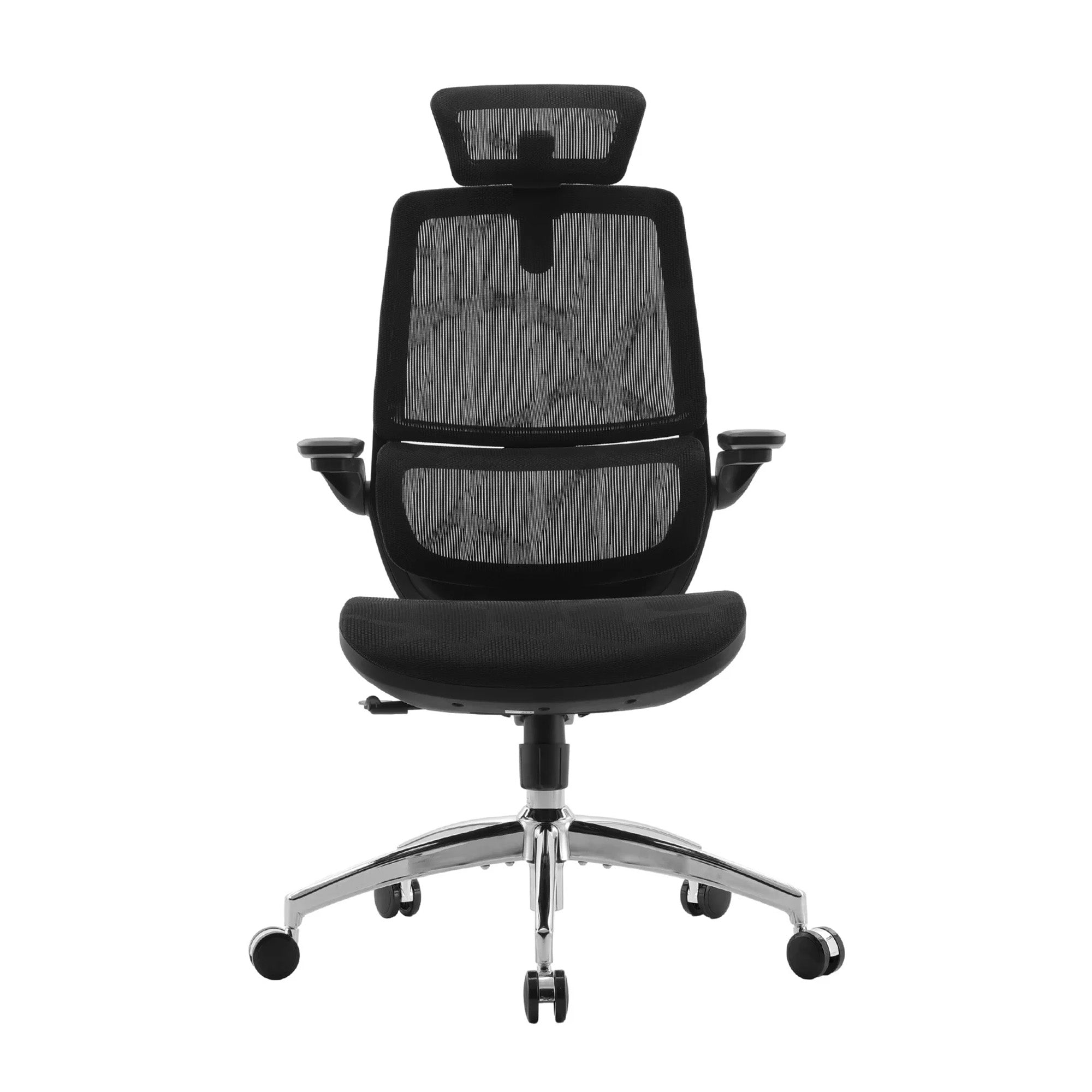
The Sihoo M56 ergonomic chair sometimes gets undersold because it's the most affordable of the three, but that framing doesn't do it justice. It's a genuinely capable ergonomic chair that happens to be well-priced, not a budget chair that makes ergonomic compromises.
Foam seat vs mesh seat: a matter of preference
The M56 pairs a high-density foam seat cushion with a breathable mesh backrest. The foam seat is a deliberate choice, not a cost-cutting measure. Some people genuinely prefer the feel of foam. It's softer on initial contact and feels more like a traditional chair. Students, part-time remote workers, and anyone who doesn't need to sit for six-plus hours at a stretch often find foam more comfortable than the firmer suspension of a full-mesh seat.
The foam in the M56 is high-density, which means it retains its shape under daily use. Cheaper foam chairs use lower-density foam that compresses and flattens within months. That's not the case here.
Compact footprint: built for real Australian homes
One thing that doesn't come through in photos is how much physical space a chair actually takes up. The M56 has a noticeably smaller footprint than the M57 or M59AS, which matters if you're working from an apartment in Melbourne or Sydney, a converted bedroom, or a shared living and working space.
It tucks under a standard desk more easily, and its lighter frame makes it practical to move between rooms. It still includes an adjustable headrest and integrated lumbar support. It hasn't been stripped back to hit a price point; it's just been sized more appropriately for compact spaces.
Practical scenarios where the M56 fits best
- A teenager's study setup or a secondary household workstation
- A compact apartment home office where a full-size executive chair would dominate the room
- A part-time remote worker who needs a solid chair but doesn't sit for full working days
- Anyone who prefers the softer feel of foam over the firmer feel of mesh suspension
Technical Comparison at a Glance
| Feature | Sihoo M56 | Sihoo M57 | New M59AS |
|---|---|---|---|
| Seat Material | High-density Foam | Full Mesh | High-tension Mesh |
| Back Material | Breathable Mesh | Full Mesh | Flexible S-Curve Frame |
| Armrests | 1D (Height only) | 3D (Height, Depth, Angle) | 3D (Advanced Linkage) |
| Lumbar Support | Height Adjustable | 2D (Height & Depth) | Dynamic Adaptive |
| Headrest | Adjustable | Adjustable | Adjustable |
| Base Material | Nylon | Aluminium Alloy | Aluminium Alloy |
| Best For | Students / Small Spaces | Full-time Professionals | Executive / Design Offices |
| Footprint | Compact | Standard | Modern Slimline |
| Price Range | $249.00 | $329.00 | $389.00 |
Price ranges are indicative. For current pricing, visit ergonomic chair collections.
Which Chair Suits Your Work Style?
Rather than give you a generic recommendation, here's how the three chairs map to specific work situations we hear about regularly from Australian customers.
Intensive coding or writing
The M57 is the clear choice. The ability to lock the armrests in a slightly inward-pointing angle is specifically useful for keyboard-heavy work. It brings your elbows in, reduces shoulder elevation, and takes the sustained strain off your forearms during long typing sessions.
Creative work: design, video editing, illustration
The M59AS handles this better than the other two. Creative workflows often involve shifting between input devices, a drawing tablet, a keyboard, a secondary screen, and the M59AS's responsive backrest accommodates that movement without you having to readjust every time you shift your weight.
Studying or part-time remote work
The M56 is the practical choice here. It covers all the ergonomic essentials without the price tag of a professional workstation chair, and its compact size suits the kinds of spaces where students and part-time workers typically set up.
Casual gaming
Surprisingly, many of our customers who game casually prefer the M56 for this purpose. The foam seat has a familiar, cushioned feel that's more comfortable for gaming sessions than the firmer mesh suspension of the M57, and the breathable mesh back avoids the sweaty back problem that plagues cheap PU leather gaming chairs.
Build Quality and Long-term Durability
A chair is a long-term purchase, so durability is worth addressing directly.
The M57 and M59AS both use aluminium alloy bases, which are noticeably more stable and quieter than nylon bases over time. The M56 uses a reinforced nylon base, which is durable enough for typical use but will flex slightly more under heavier loads.
The high-tension mesh used in the M57 and M59AS is meaningfully different from the mesh you'll find in budget chairs. Budget mesh loses its tension within six to twelve months of daily use and starts to feel like sitting in a hammock. The mesh in both these models is designed to maintain consistent support over several years.
Assembly across all three models is straightforward. Most customers have the chair ready to use within 20 minutes using the included tools. Every component fits clearly and the instruction diagrams are easy to follow.
Making Your Decision
If you've read this far and you're still not sure, here's the simple version:
Choose the M57 if you work full-time from home, need the most adjustability, and want a tried-and-tested chair that will hold up for years.
Choose the M59AS if you move around a lot while you work, want adaptive lumbar support that doesn't require constant manual adjustment, or are prioritising a cleaner, more contemporary aesthetic.
Choose the M56 if you're working from a compact space, need a quality chair without the professional price tag, or prefer the feel of a foam seat.
All three chairs are available now through Sihoo Australia with free delivery across metro areas. If you're unsure which model suits your specific height or weight, get in touch with our team. We're happy to make a personalised recommendation.
You're also welcome to visit our Sydney showroom to test the chairs in person before you decide. Nothing beats sitting in one yourself.
Frequently Asked Questions
The Sihoo M57 is one of the best choices for long office hours because of its full-mesh construction, adjustable lumbar support, and highly adjustable armrests. It is designed to provide better airflow and consistent ergonomic support during extended work sessions.
The Sihoo M57 focuses on maximum adjustability and traditional ergonomic support, while the Sihoo M59AS offers a more modern design with adaptive lumbar support and a sleeker overall profile. The M59AS is often preferred by users wanting a cleaner and more contemporary workspace setup.
Yes. The Sihoo M56 is a solid entry-level ergonomic chair for home office setups. It combines a breathable mesh back, foam seat cushion, and compact design, making it suitable for students, casual remote workers, and smaller workspaces.
The Sihoo M57 ergonomic chair is one of the best options for office work because it offers excellent lumbar support, breathable full-mesh comfort, and highly adjustable armrests designed for long daily sitting sessions. For users wanting a more modern and premium-looking setup, the M59AS is also a strong choice with its adaptive back support and sleek ergonomic design.
The Sihoo M57 is one of the strongest options for posture support because of its adjustable lumbar system, full-mesh design, and ergonomic armrest adjustments. Users wanting more adaptive back movement may prefer the M59AS, while the M56 is better suited for lighter daily office use and compact setups.


