
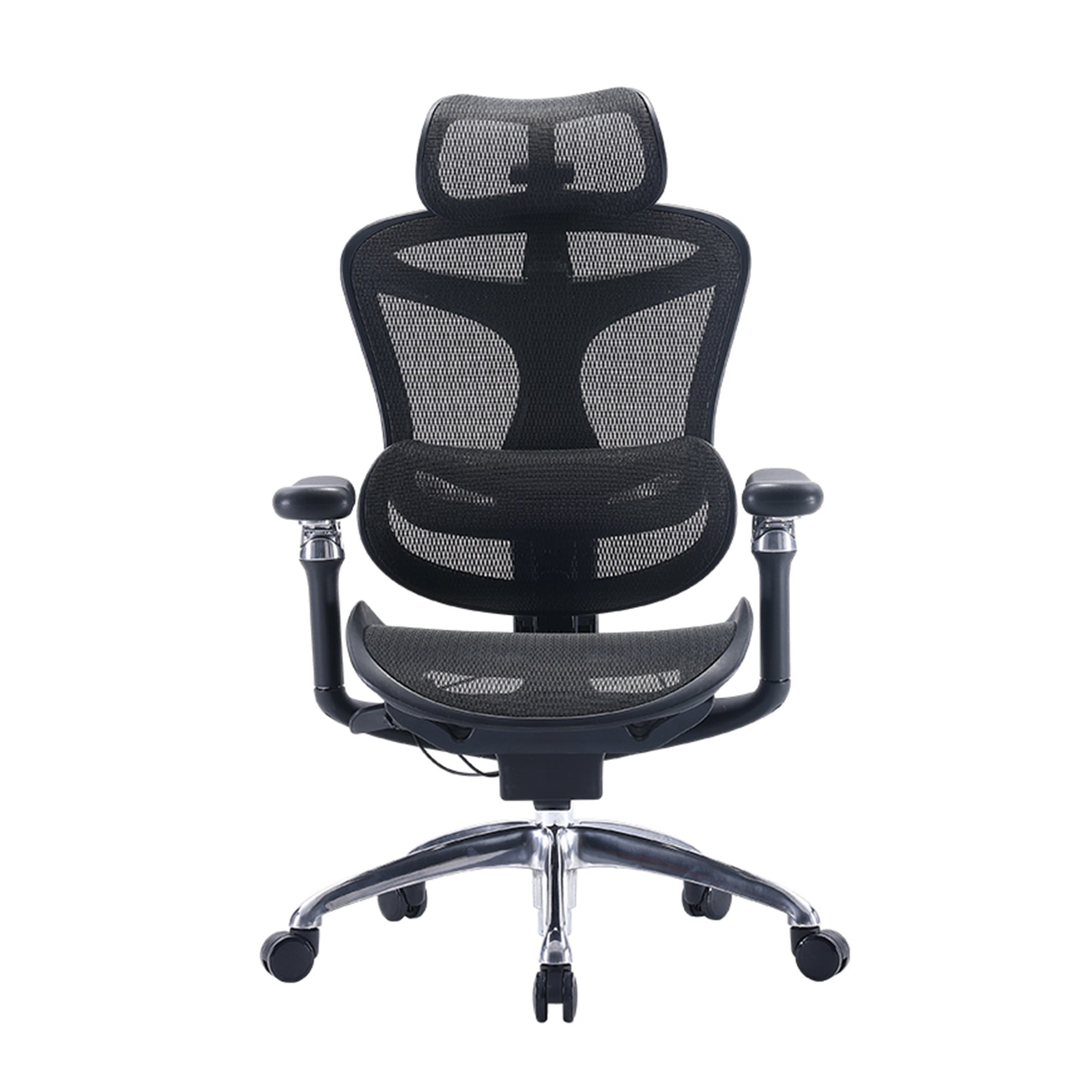
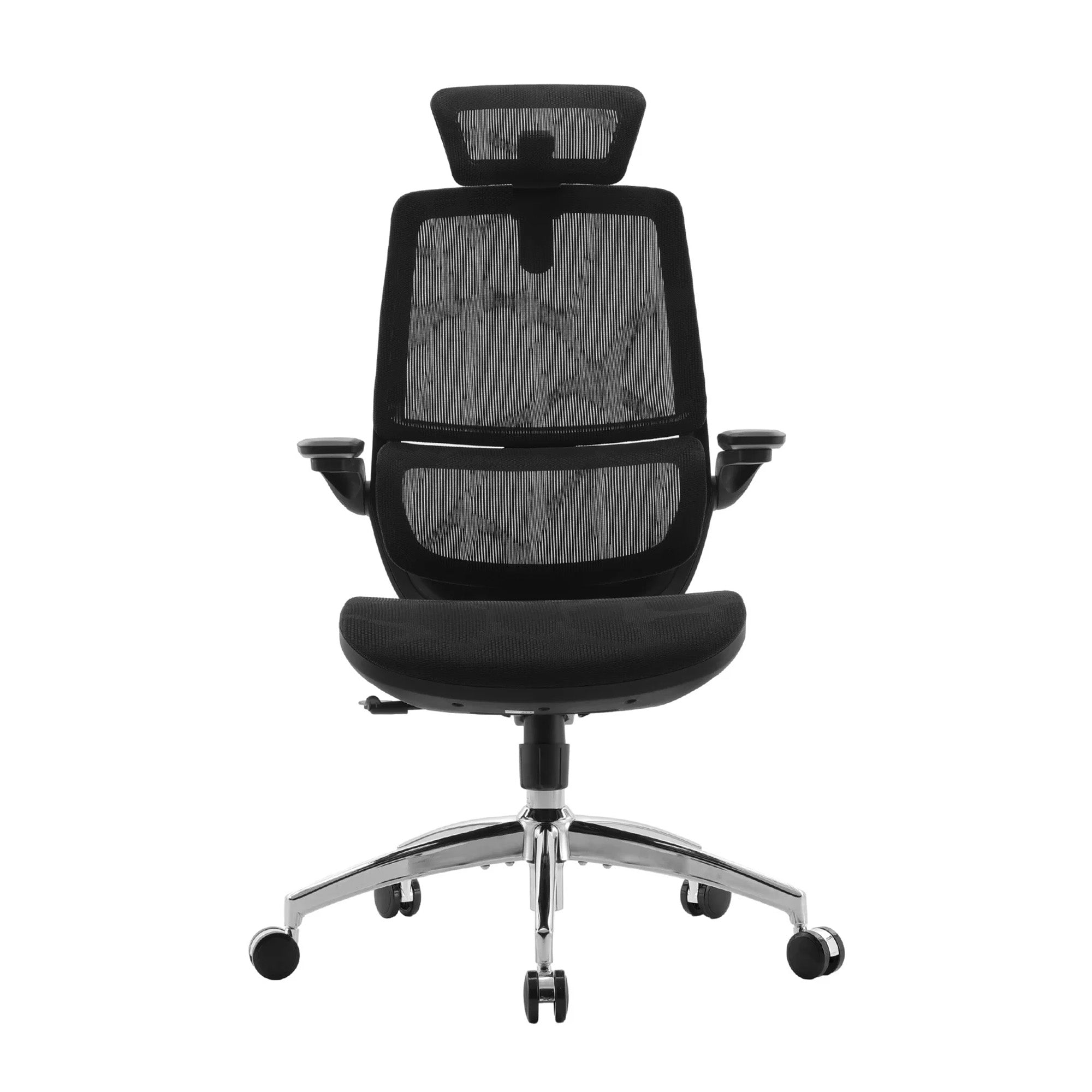
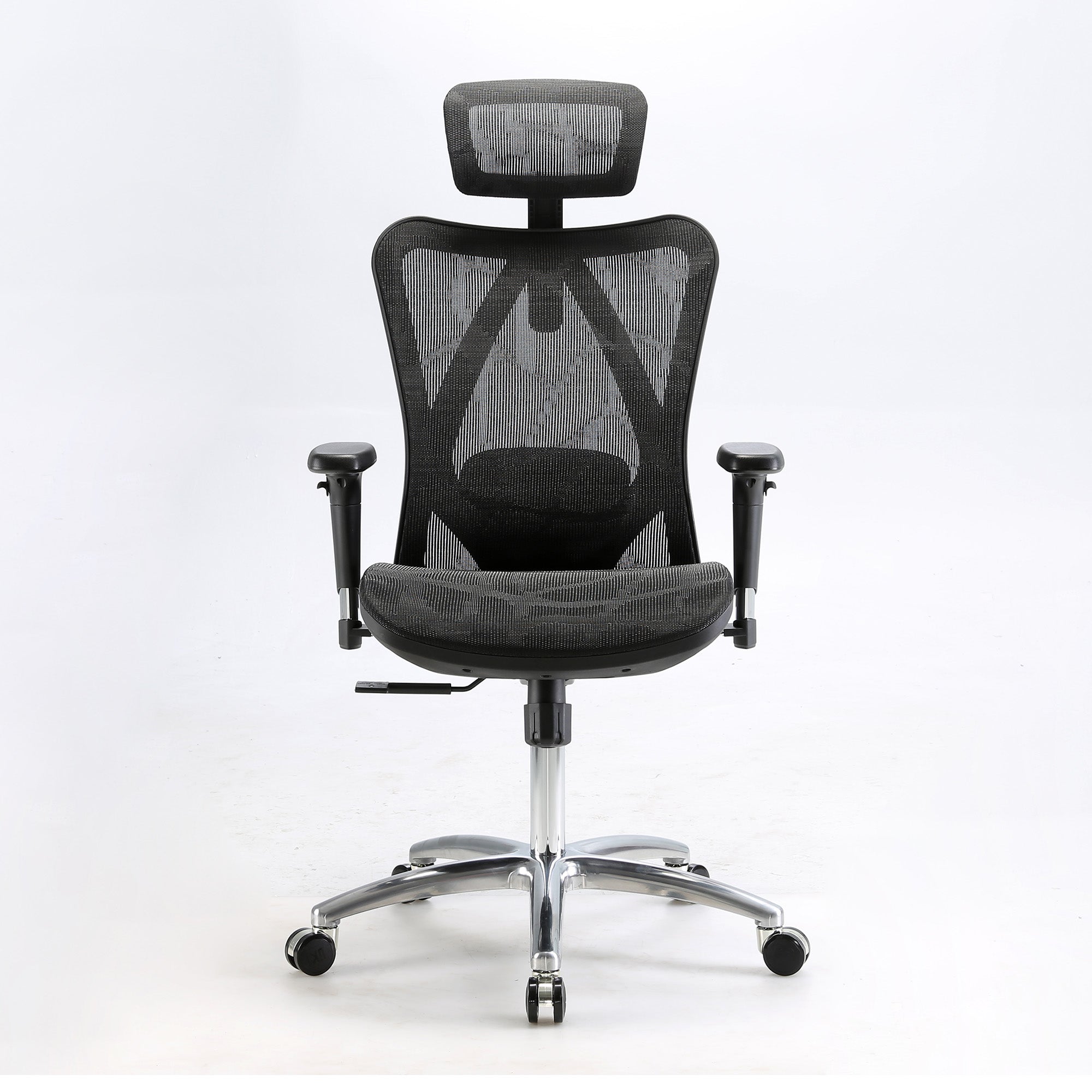
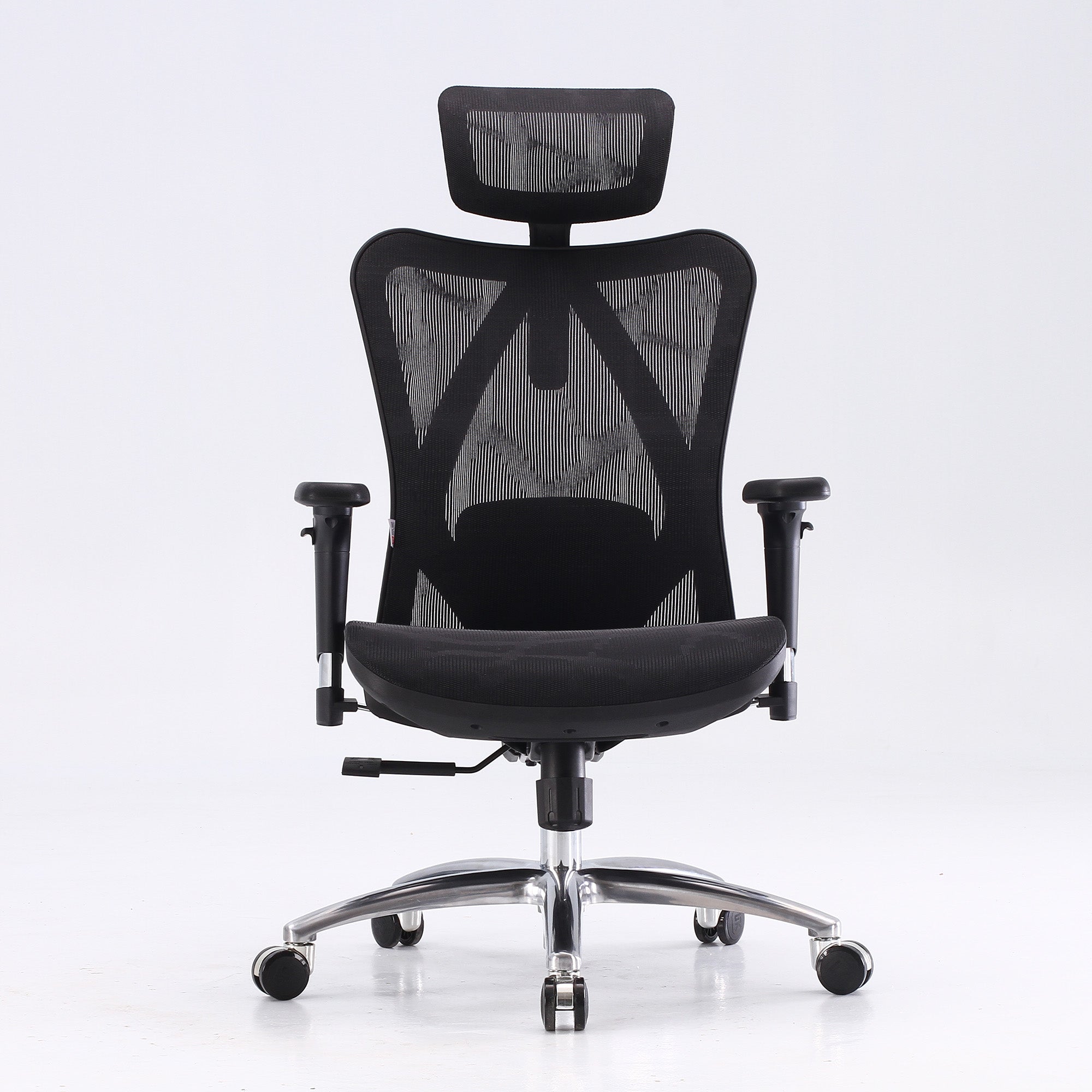
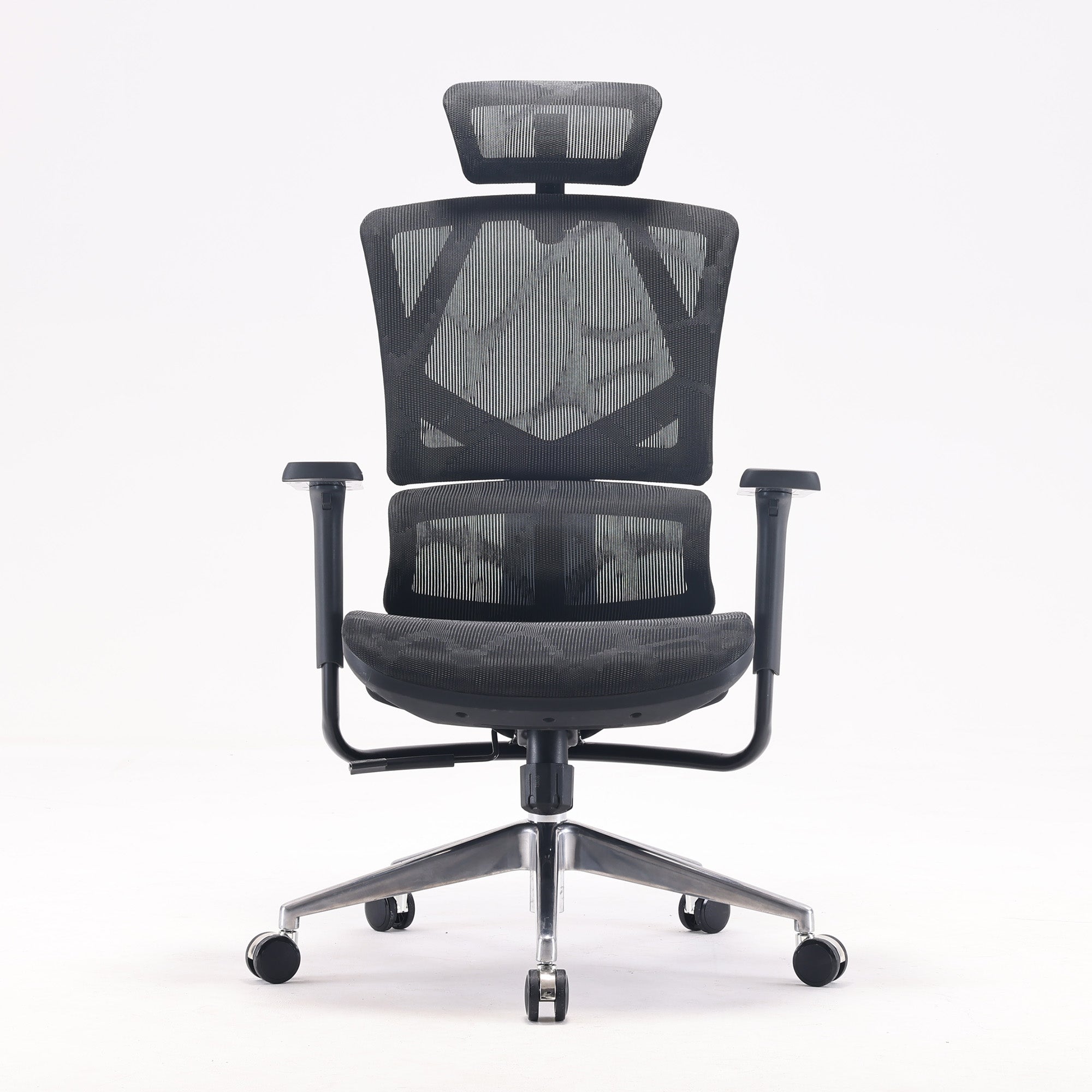
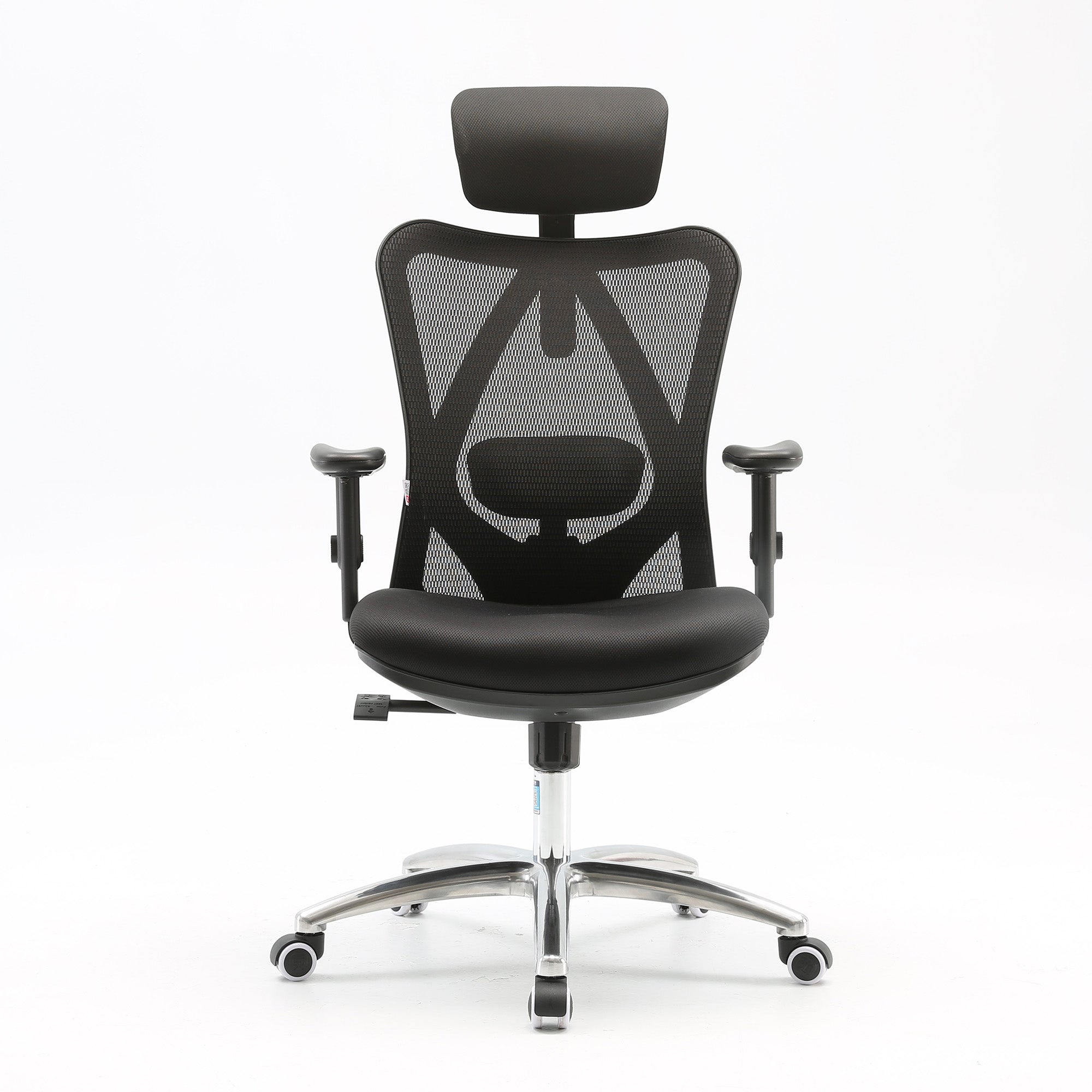
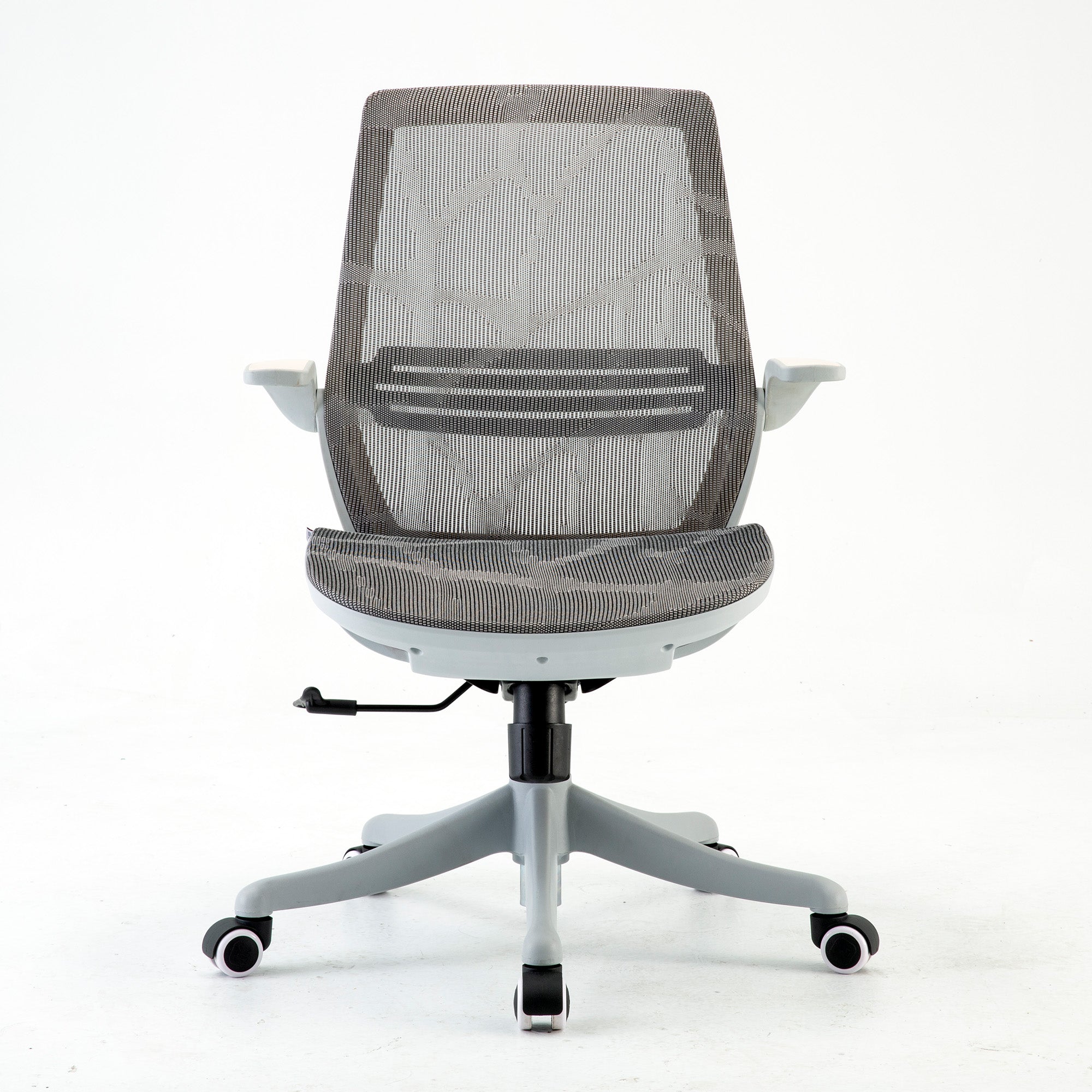
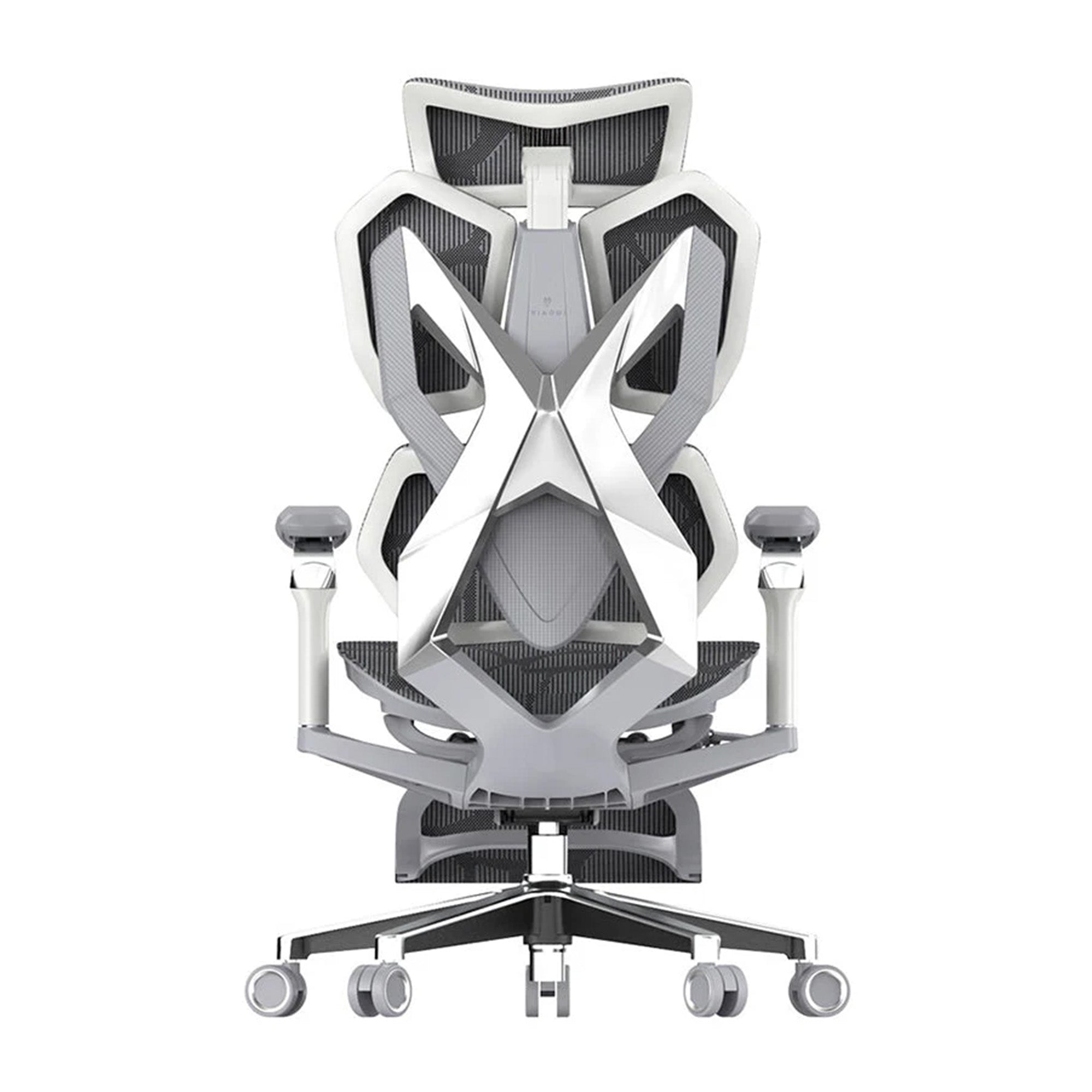

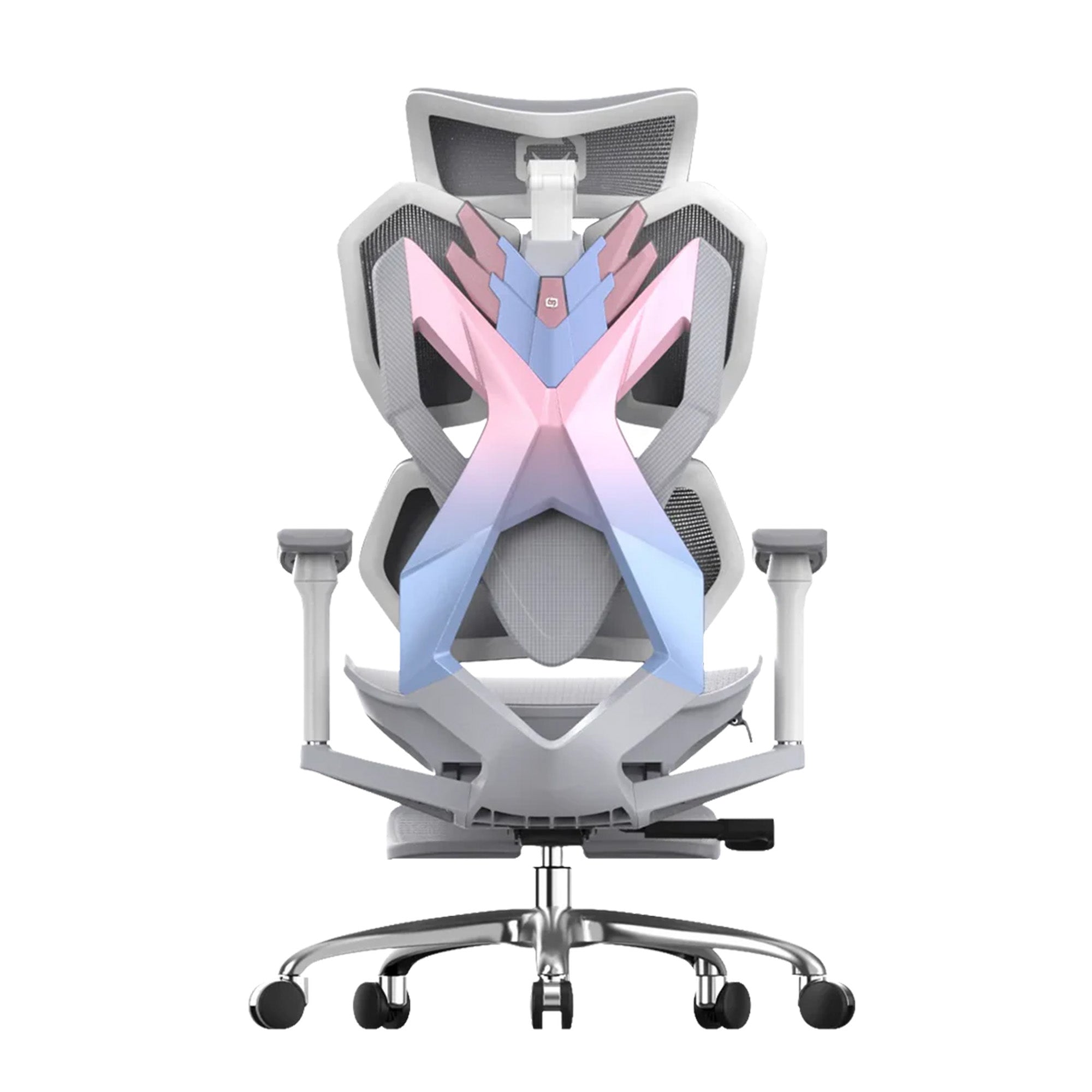
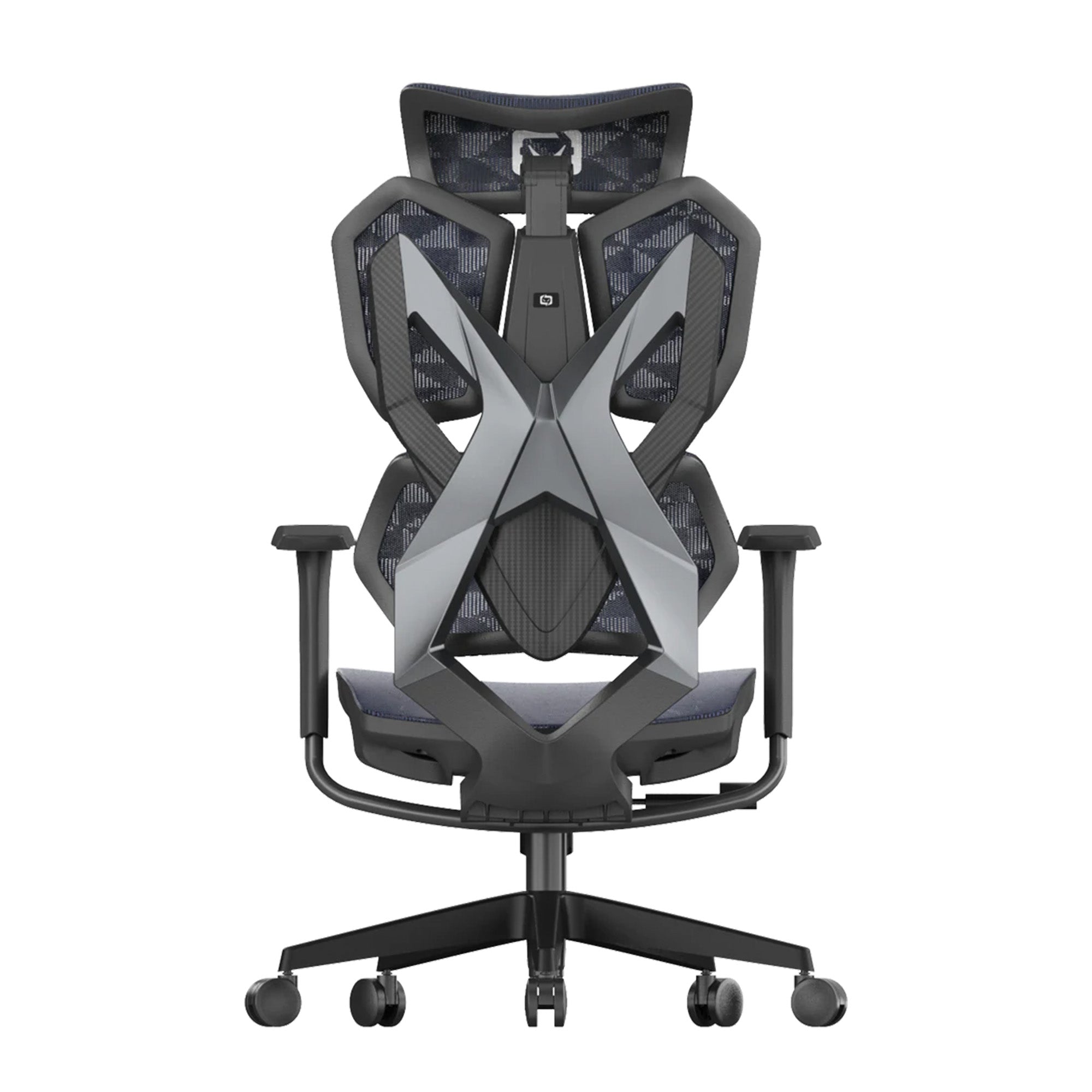

Choosing the right office chair is crucial for maintaining good posture and preventing discomfort during long hours of work. If you're considering purchasing an office chair with a headrest, this article will provide you with five valuable tips to help you make an informed decision. These tips will ensure that you invest in a chair that promotes proper support, comfort, and productivity while aligning with your specific needs.

Determine your requirements
Before embarking on the search for the best office chair with a headrest, take some time to evaluate your requirements. Consider factors such as your height, weight, and the nature of your work. Think about how many hours you spend sitting each day and the activities you typically engage in while seated. Identifying your specific needs will guide you towards finding a chair that offers the right level of comfort and support.

Opt for Adjustable Features
When shopping for an office chair with a headrest, prioritize models that offer adjustable features. Look for chairs that allow you to modify the height, tilt, and angle of both the seat and the headrest. Adjustability ensures that you can customize the chair to suit your body proportions and personal preferences. This feature is particularly essential if multiple individuals will be using the chair, as it allows for optimal comfort for everyone.
Check for Ergonomic Design
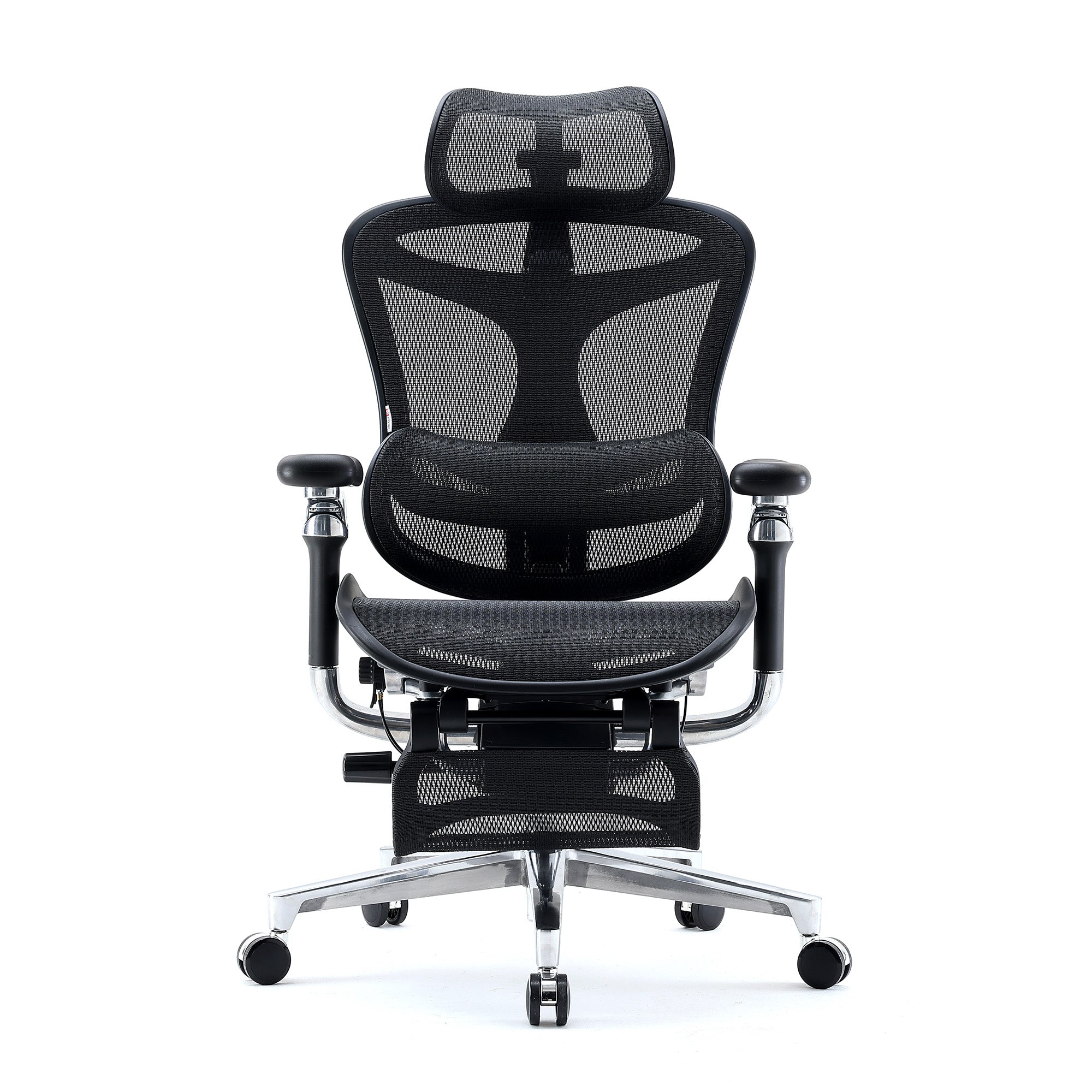
Investing in an ergonomically designed ergonomic office chair can significantly enhance your comfort and overall well-being. Look for chairs that feature lumbar support to maintain the natural curve of your spine. The headrest should provide adequate support for your neck and head, preventing strain and promoting proper alignment. Ergonomic chairs are designed to reduce the risk of developing musculoskeletal issues caused by prolonged sitting, enhancing your productivity and long-term health.
Test the Chair Before Buying
To ensure that the office chair with a headrest meets your expectations, it's crucial to test it out before making a purchase. Visit a showroom or store where you can physically try out different models. Sit in the chair for an extended period, adjusting its settings to mimic your typical work posture. Pay attention to the comfort level, the support provided by the headrest, and the overall feel of the chair. Testing it firsthand will help you make an informed decision and prevent any regrets later.
Research Reputable Brands and Read Reviews
Before finalizing your purchase, conduct thorough research on reputable brands known for manufacturing quality office chairs with headrests. Explore customer reviews and feedback to gauge the chair's durability, comfort, and customer satisfaction. Websites, forums, and online marketplaces can offer valuable insights from other buyers who have already experienced the product. By doing your due diligence, you can narrow down your options to reliable brands that prioritize comfort and ergonomic design.

Conclusion
Selecting the right ergonomic chair in Australia with a headrest is a vital investment in your comfort and productivity. By following these five tips, you can confidently choose a chair that provides the necessary support, comfort, and adjustability to suit your unique needs. Remember to prioritize ergonomic design, test the chair before purchase, and conduct thorough research on reputable brands. With the right chair, you can create a conducive workspace that promotes your well-being and helps you perform at your best.
Frequently Asked Questions
Yes, office chairs with headrests are generally better for extended sitting because they provide essential support for the neck, head, and upper back. A well-adjusted headrest helps maintain spinal alignment, reduces shoulder and neck strain, and prevents forward head posture, which can lead to fatigue and discomfort. They are especially useful for taller users, for reclining during breaks, or for anyone who spends long hours at a desk and wants improved comfort and focus.
The best office chair specifications prioritize adjustability and ergonomic support to suit your body and work habits. Look for a chair with adjustable seat height and depth, 2D, 3D, or 6D armrests, lumbar support that can be tailored to your spine, and a headrest with height and tilt adjustments. Breathable materials like mesh enhance airflow, while a stable base with smooth casters ensures easy mobility. Certifications such as BIFMA or SGS indicate long-term durability and comfort, making the chair a reliable choice for extended use.
No, a headrest is not strictly required for an office chair, but it can be very beneficial for people who sit for long hours, have neck or upper-back discomfort, or frequently recline. A headrest provides extra support for the neck and shoulders, helps maintain proper spinal alignment, and reduces fatigue during extended sitting. For shorter periods or lighter use, a well-designed chair without a headrest can still offer sufficient comfort, making its necessity largely a matter of personal preference.
To sit correctly in a chair with a headrest, adjust the headrest so it supports the base of your skull and the natural curve of your neck without pushing your head forward or backward. Keep your back fully against the backrest, feet flat on the floor, knees at about 90 degrees, and shoulders relaxed. The headrest should provide gentle support when leaning back while allowing you to maintain an upright, neutral posture, reducing neck strain and promoting comfort during long periods of sitting.
When buying an office chair, focus on ergonomic features that support your body and posture. Look for adjustable seat height and depth, armrests, and strong lumbar and headrest support to ensure comfort during long hours of sitting. Choose durable materials like breathable mesh or high-density foam, check the chair’s weight capacity, smooth mobility, and consider warranties for long-term use. Whenever possible, test the chair to feel how it supports your body and to identify any pressure points, ensuring a natural and comfortable seating experience.
Shop products from this article


