
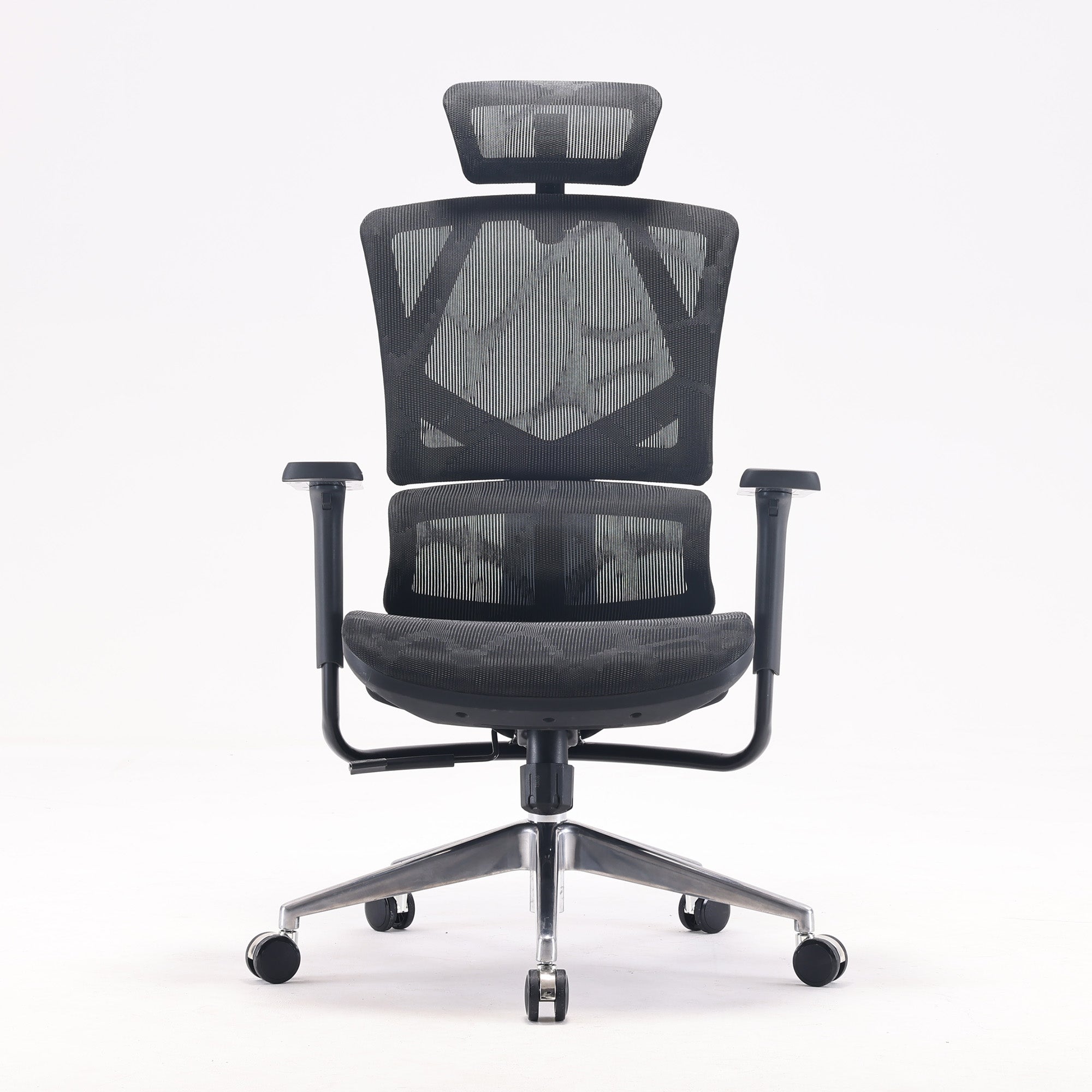
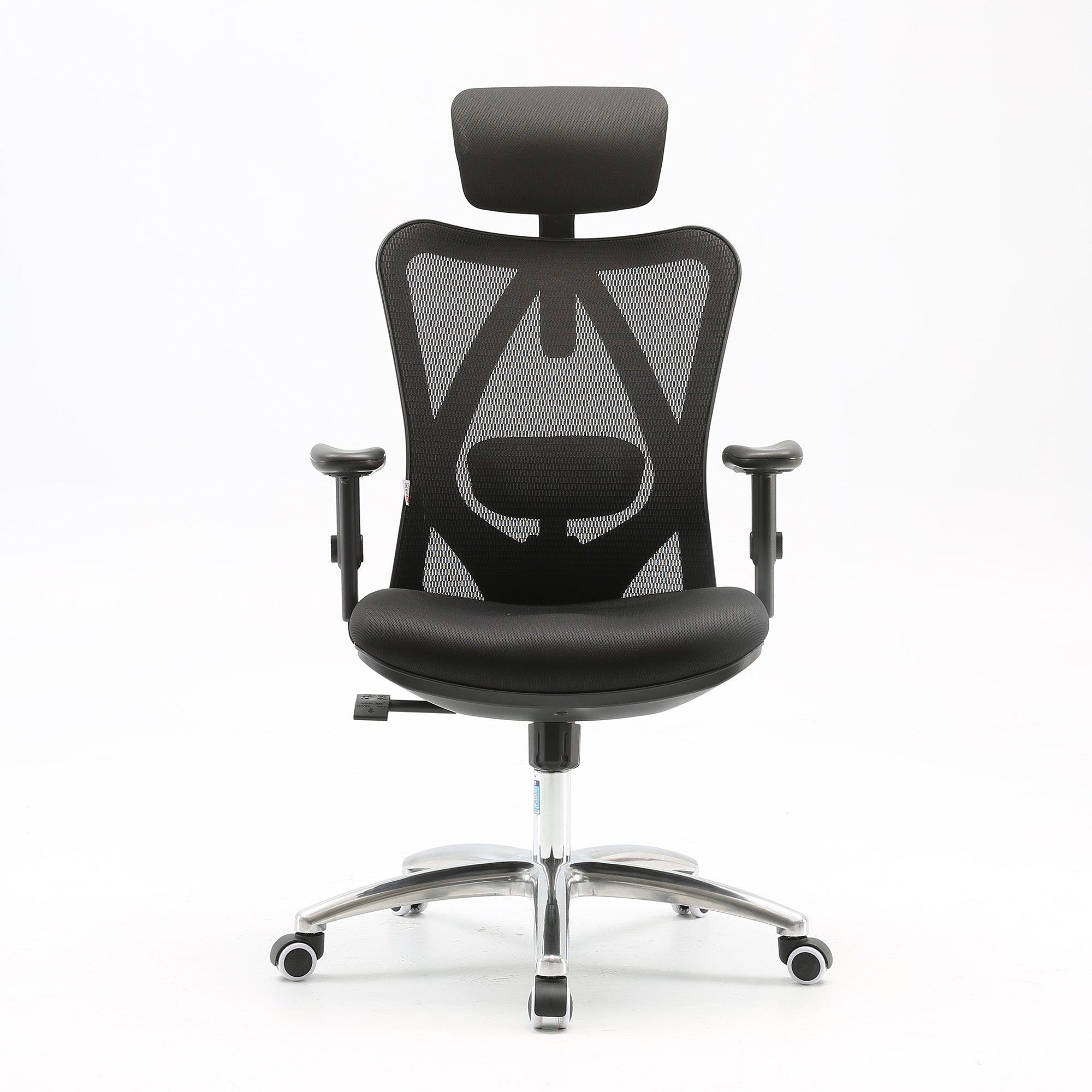
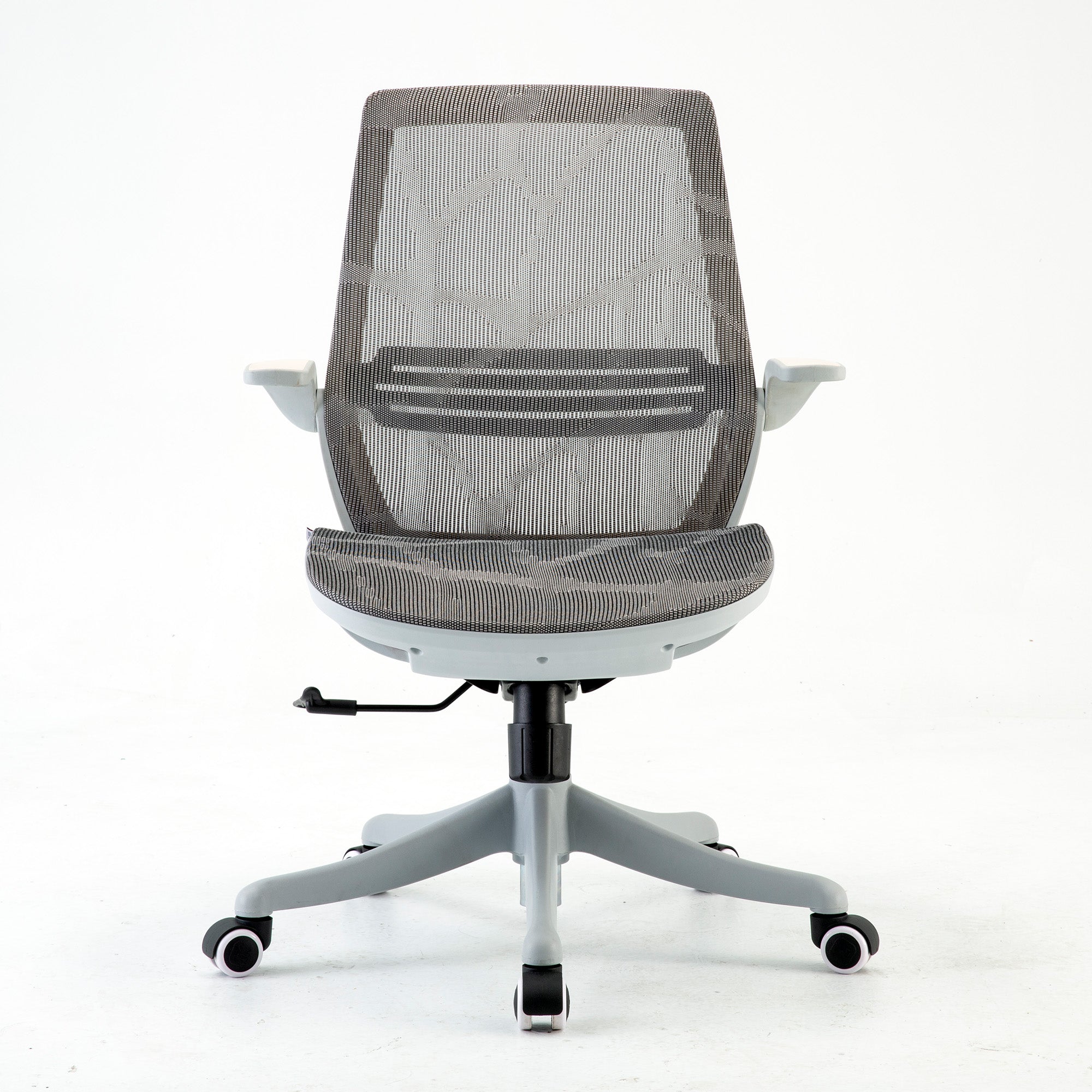
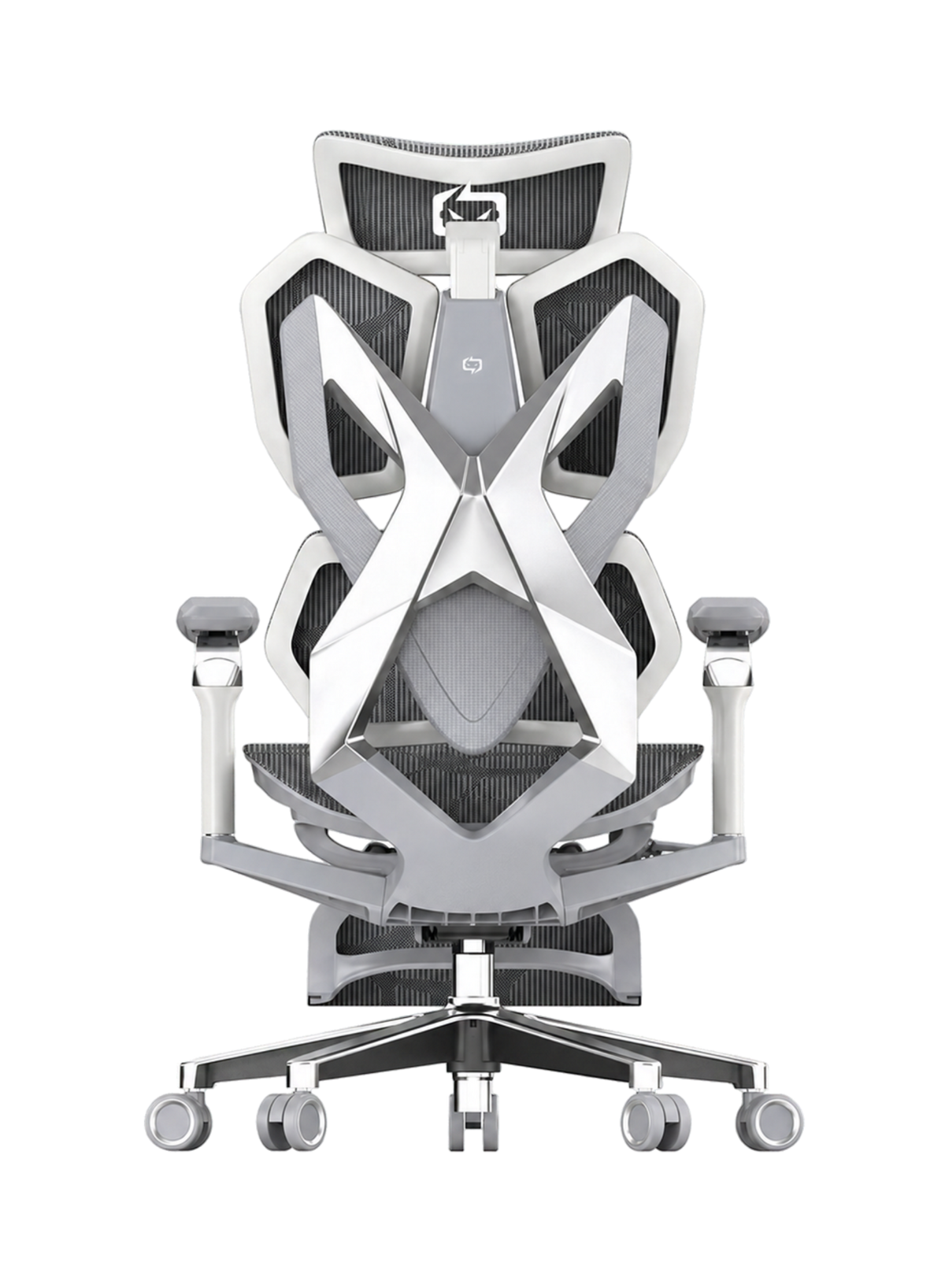
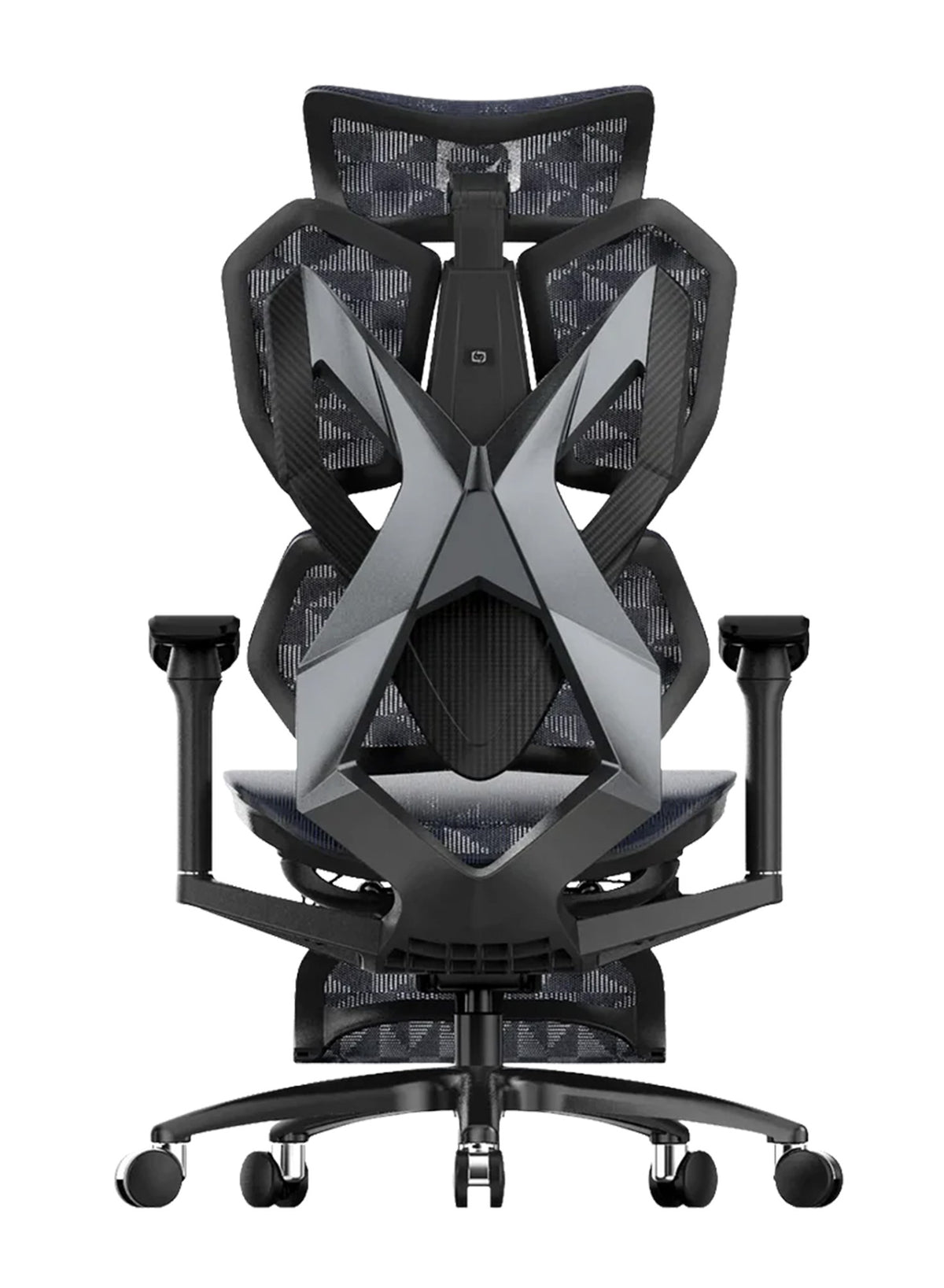

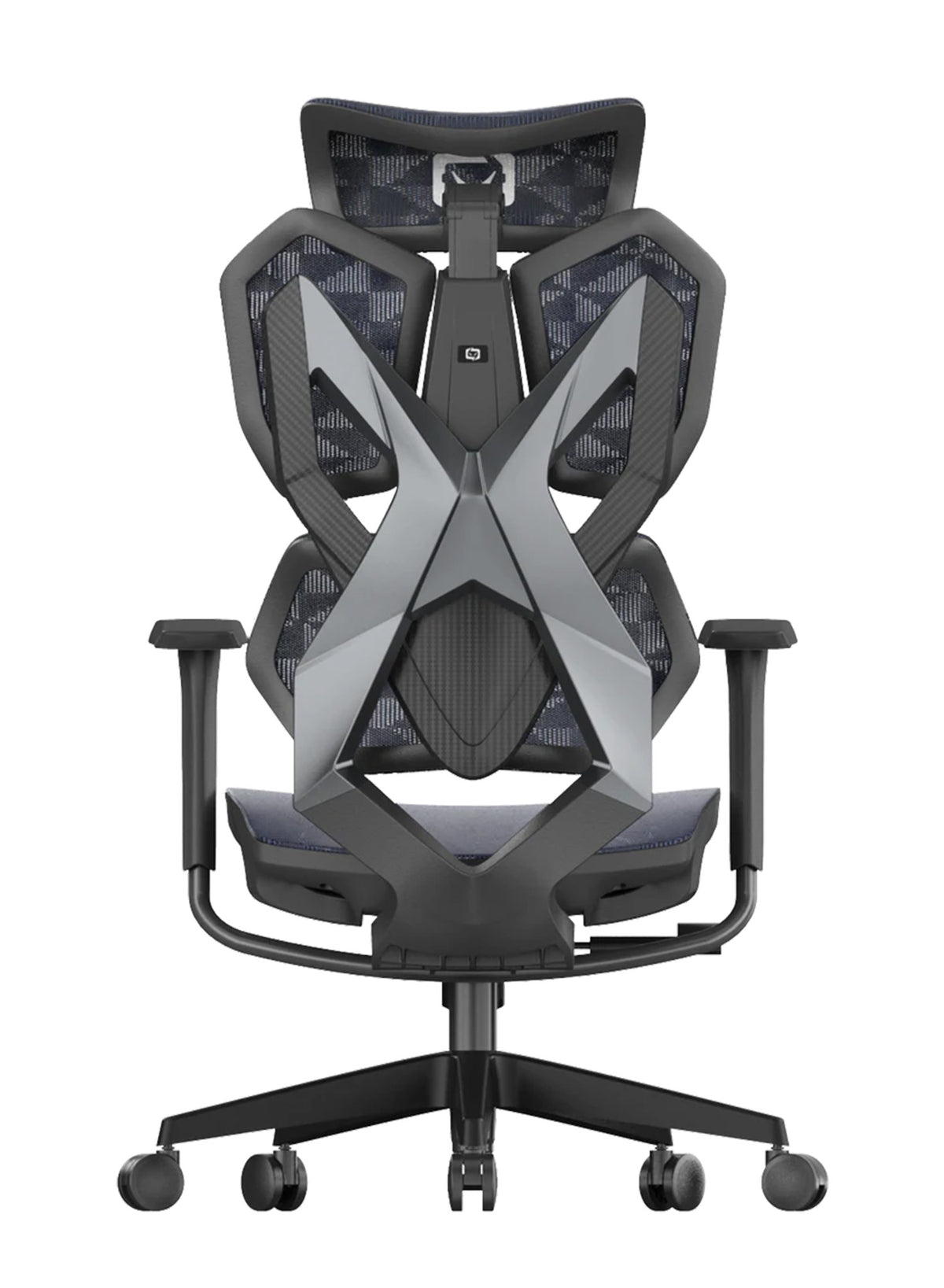

Nobody test sits anymore.
Showrooms have thinned out, sale windows are short, and the best prices tend to land online. So most people now buy a chair they have never touched, then find out how it feels a week later.
That is a real drawback, and we would rather not pretend otherwise. What we can say is that buying blind is not the same as buying with your eyes shut. There is a surprising amount you can verify from a product page, and most shoppers use almost none of it.
Here is what our team looks at when someone asks us to sanity check an ergonomic office chair before they commit during Click Frenzy.
Start With Measurements, Not Impressions
This is the one part of online buying that is not a compromise at all, and it is the part most shoppers skip.
Comfort is personal and hard to judge from a screen. Fit is not, because fit is just arithmetic. If you know your own numbers, a product page can tell you whether a chair suits your body. That is a better foundation than any photograph.
Measure three things about yourself before you shop. Your height, the distance from the back of your knee to the floor when seated, and the depth from the back of your hip to the back of your knee.
Then match those against the listing. Your knee to floor measurement should sit comfortably inside the chair's seat height range. Your hip to knee measurement should be a little longer than the seat depth. That way the seat supports your thigh without pressing behind the knee.
Two numbers, checked in a minute, and you have removed the most common reason people dislike a chair they bought online.
Office managers can collect the same two numbers across a team in a short form. It is far more useful than asking people which chair they like the look of.

What Product Photos Actually Reveal
Most product photos are there for styling rather than information, but a few of them are genuine evidence if you know which ones to open.
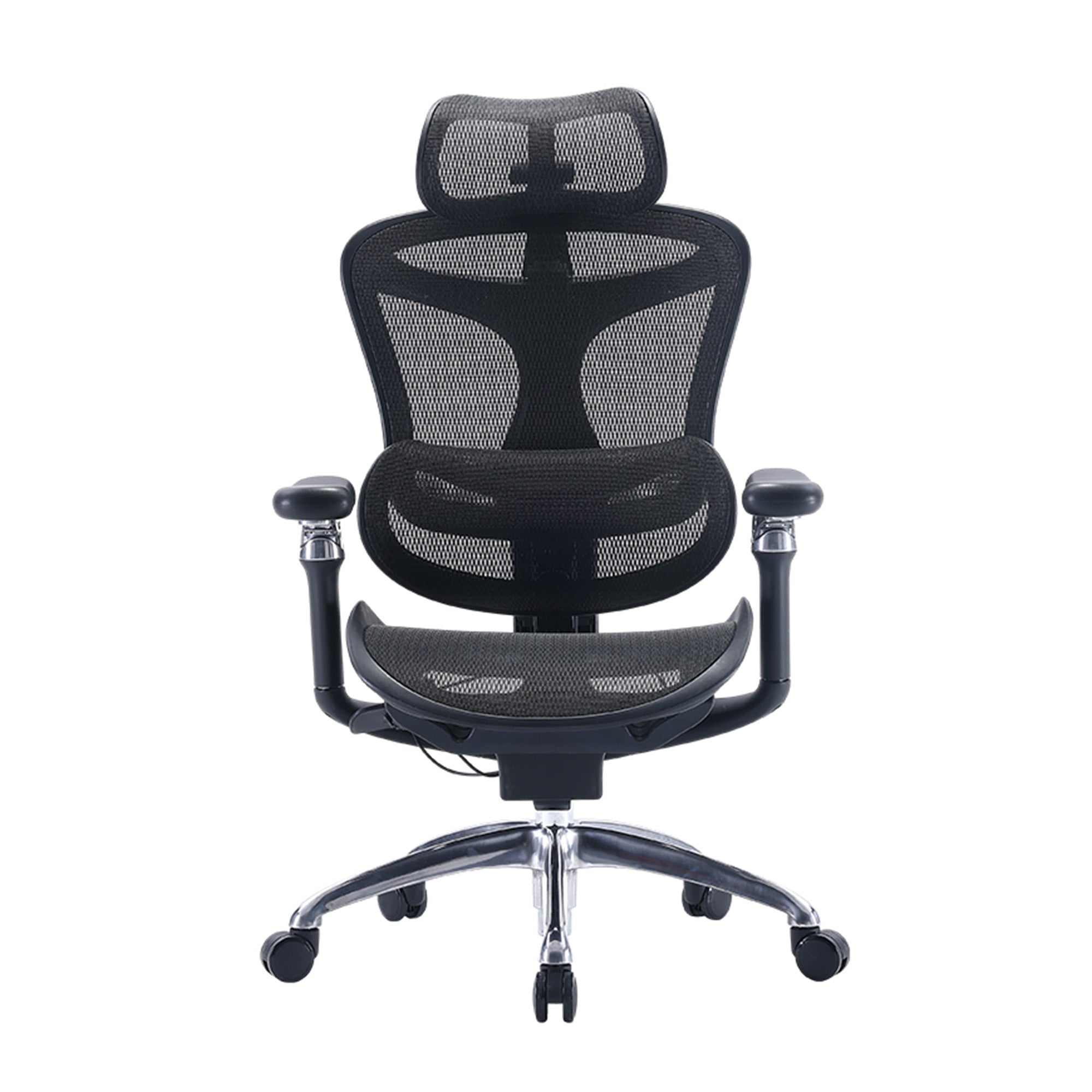
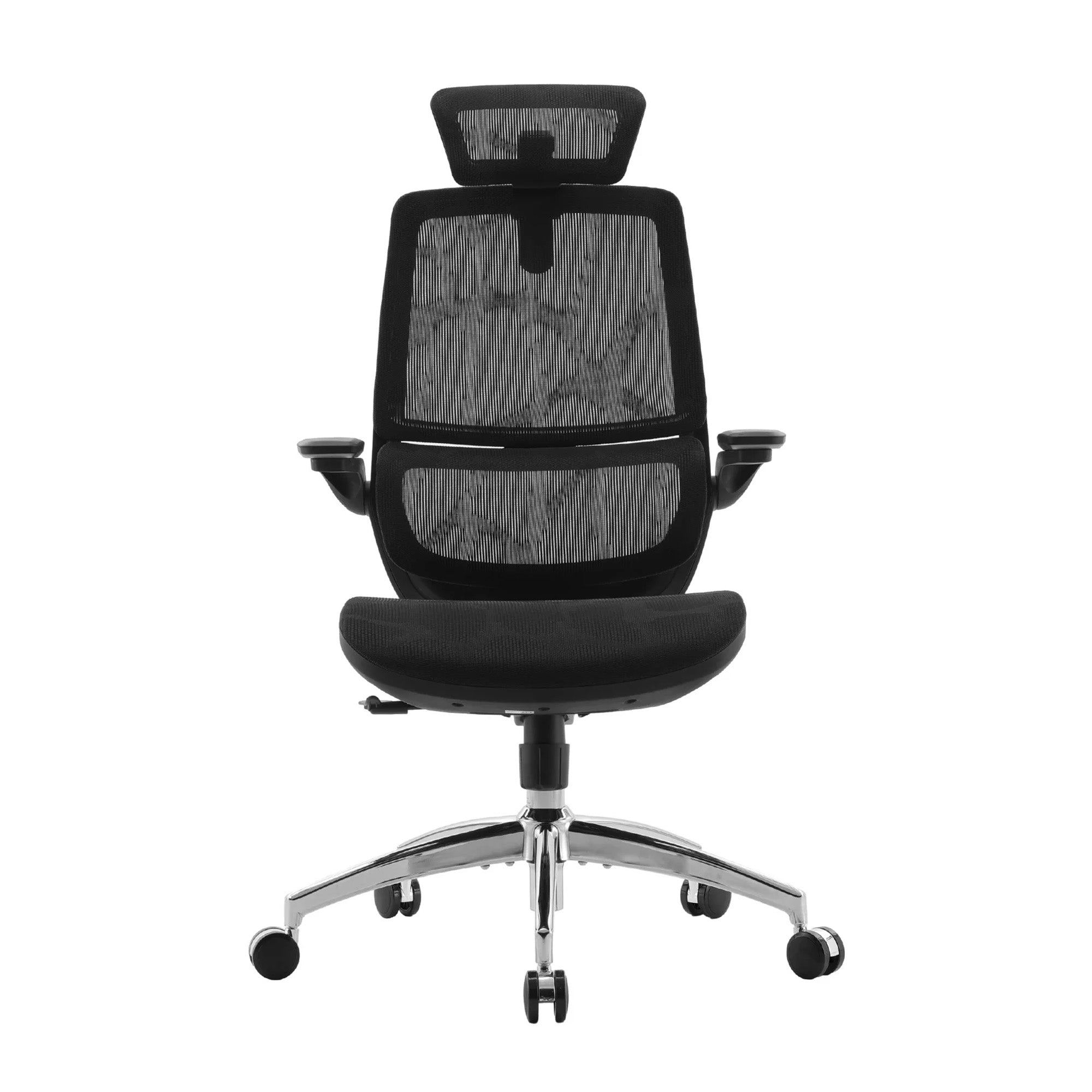
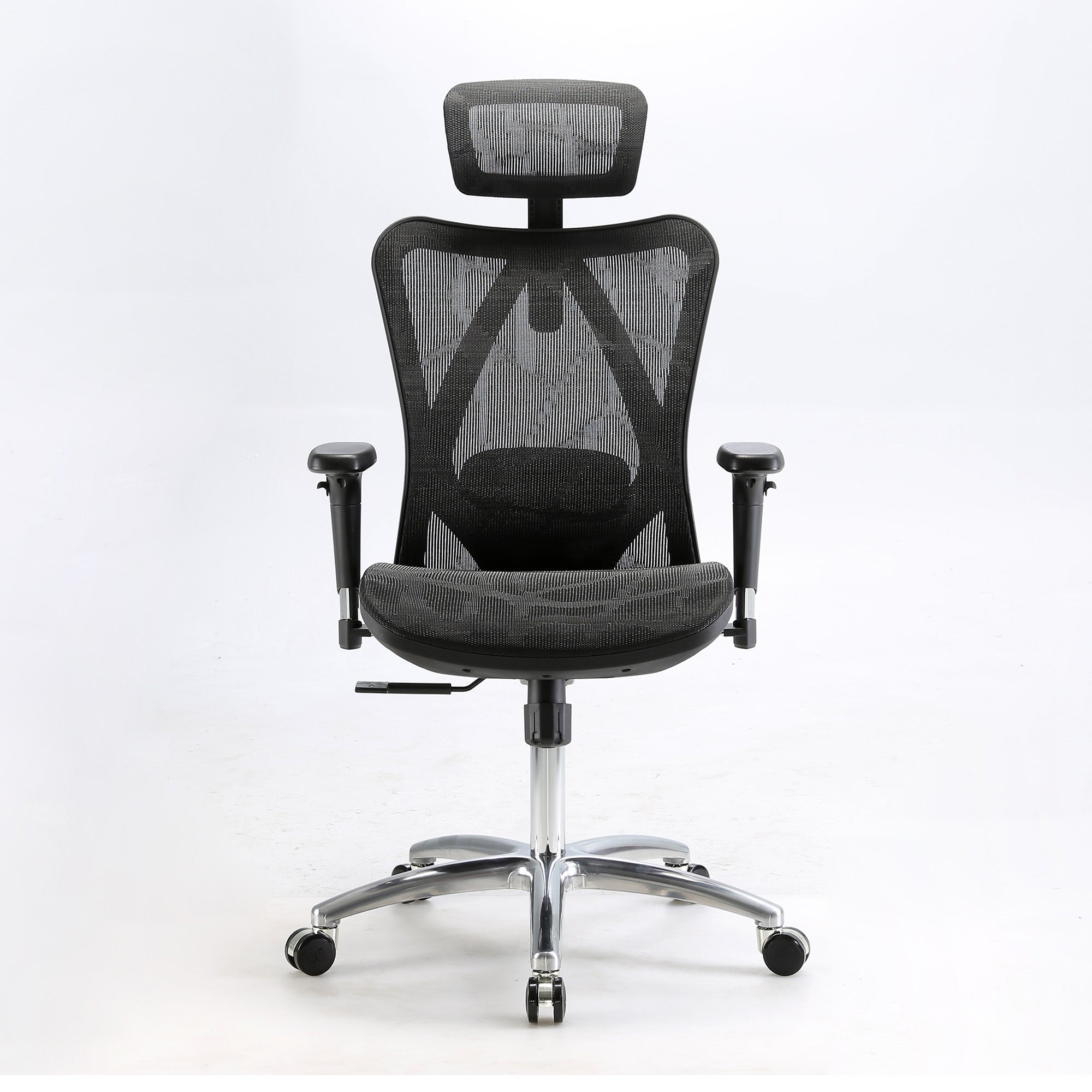
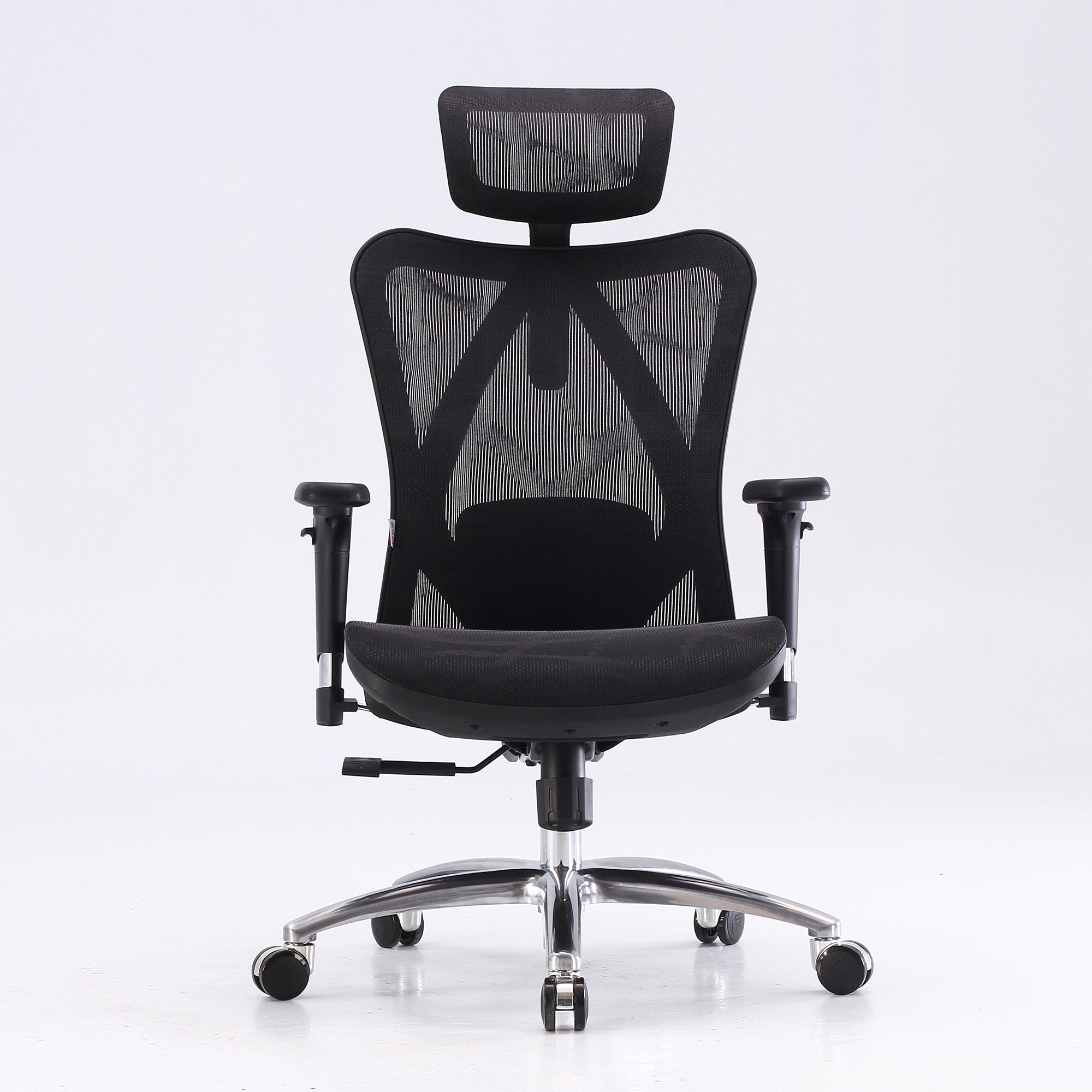
Side profile shots. These show the lumbar curve and where the support sits relative to the backrest. A side view tells you more about back support than any front facing hero image.
Armrest close ups. Look for how the arm attaches to the seat. A post that meets the seat pan directly usually means more travel than one bolted to the backrest frame.
Base and castor shots. Check whether the base looks like aluminium or plastic, and whether the castors are a standard size you could replace later.
Mesh texture at close range. You want a photo where the weave is visible. Open weave breathes better, tighter weave supports more evenly.
Anything showing scale. A photo with a person in it, or with a desk, tells you about proportions in a way dimensions alone do not.
What you can safely ignore are the lifestyle images with the plant and the laptop, which tell you only that the chair photographs well.
Adjustment Videos Are Better Than Any Description
If a video exists for the model you are considering, watch it before reading another word of copy, because it shows you things no description can.
Assembly and adjustment videos show the parts moving in real time. That is the closest thing to a test sit you will get through a screen. You can see how far armrests travel, whether the seat slide moves smoothly, and how the recline locks engage.
Our installation tutorials page carries assembly videos and downloadable manuals for several models. The manuals are worth opening even if you never build the chair. They usually contain a dimensioned diagram that the product page does not show.
That diagram is the single most underused asset in online chair buying. It is free, it is accurate, and almost nobody opens it.
What Counts as Reliable Evidence in a Review
Star ratings squeeze far too much into a single number, so the useful work starts when you read past them and into the text.

A four star average across six hundred reviews tells you very little. The pattern inside the text is what tells you something, and three things in particular are worth searching for.
Reviews from people with your body type. Someone who shares your height and build is a far better guide than a generic five star comment.
Reviews written after several months. Early reviews measure unboxing. Reviews at six months measure the gas lift, the mesh and the armrest padding.
Complaints that repeat. One person with a wobble had an assembly issue. Thirty people with the same wobble is a design signal.
It is worth reading the negative reviews first, not because they are more truthful, but because they tell you what tends to go wrong. You can then decide whether those faults would bother you.
Check What the Warranty Actually Covers
Length is the number everyone quotes in their marketing, but cover is the number that decides what happens when something actually breaks.
Every chair in our range carries a three year warranty. Our product warranty policy covers the seat and backrest, armrests, base and castors, the gas lift, lumbar support, headrest and the recline mechanism. Misuse and everyday wear are not covered.
That list is the part to compare across brands. A long warranty that excludes the gas lift is worth less than a shorter one that includes it, because the gas lift is the part most likely to need attention.
It is also worth checking how a claim is handled in practice. Ours ships parts direct, so you never freight a whole chair back. The replacement part request form covers armrests, castors, gas lifts, bases, headrests and footrests.
For a business, that one detail decides how much downtime a fault costs. A chair repaired at the desk is very different from one that has to be crated and collected.
Understand the Return Terms Before You Need Them
This is where online buying carries genuine risk rather than theoretical risk, so it is worth reading carefully before you order.
Our 30 day return policy gives you 30 days to request a return. The item must be unassembled or unused, in its original packaging and with tags. Preference returns attract a 30 percent restocking fee. Freight is usually the buyer's cost, unless there is a major manufacturing fault.
There is an obvious tension there, and it applies across the category rather than only to us. Testing a chair means assembling it, and assembling it changes your return position. So treat measurement as your protection rather than the return policy. Keep the packaging intact for the first week either way.
One Thing Worth Checking on Any Retailer
This is a short detour from the chair itself, because it applies wherever you buy and it costs nothing to check.
The first thing to find out is who actually holds the warranty. On some marketplace listings the seller is a reseller rather than the brand, so the cover you are quoted belongs to a third party. That distinction matters a great deal on the day something breaks.
The quick test is whether the site lists an Australian phone number, a support email and a returns address. Ours sit on the warranty and contact pages. If those three are hard to find, the warranty is harder to use than its length suggests.

What You Still Cannot Know Before It Arrives
There are three things you simply cannot know in advance, and no amount of research will change that.
You cannot know how the seat foam or mesh suits your body over a full working day. You cannot know how loud the mechanism is in a quiet room. You cannot know whether the headrest sits where your neck wants it.
If you have ongoing back or hip pain, that uncertainty matters more. Please speak with a physiotherapist or your GP rather than relying on a chair to resolve it. Better support may reduce pressure, and it is still not a treatment.
Buying online is about removing the risks you can remove, then accepting the ones you cannot.
Buying With Confidence During Click Frenzy
Here is the whole process in the order we would run it, with what each step removes from the decision.
|
Step |
What it removes |
|---|---|
|
Measure knee to floor and hip to knee |
Wrong size, the most common regret |
|
Open the manual diagram |
Missing dimensions on the product page |
|
Watch an adjustment video |
Guesswork about how far things move |
|
Read negative and long term reviews |
Unknown failure modes |
|
Check warranty cover, not length |
Expensive surprises in year two |
|
Note the return terms |
Bad assumptions about testing |
Six steps, most of them under two minutes. Then buy from the best ergonomic chairs in Australia range knowing the decision was made on evidence rather than on a banner. Click Frenzy pricing sits at https://sihoo.com.au/pages/click-frenzy-sale-ergonomic-chair.
If you are ordering for a team, our bulk office chairs team can send specifications and arrange a sample chair, which solves the test sit problem properly.

Conclusion
Buying a chair online without sitting in it feels like a gamble, and it does not have to be.
Fit can be verified with two measurements, and build quality shows up in side profile and close up photographs. Movement can be watched in an adjustment video. Longevity shows in reviews written months after purchase, and in what the warranty covers rather than how long it runs.
What remains unknown is personal, and it is a shorter list than most people assume. Work through the rest before the Click Frenzy timer starts. Then the only thing left to chance is the part no showroom could have told you either.
Better Comfort Starts Now.
Sources Referenced
-
Sihoo Australia warranty policy: 3 year warranty covering seat and backrest, armrests, base and castors, hydraulic gas lift mechanism, lumbar support, headrest and reclining mechanism. Exclusions include misuse and normal cosmetic wear. Retrieved 12 September 2026.
-
Sihoo Australia replacement part request page: parts ship direct, covering armrest, castor, gas lift, base, headrest and footrest under the 3 year warranty. Retrieved 12 September 2026.
-
Sihoo Australia return and refund policy: 30 days to request a return, item unassembled or unused in original packaging with tags, 30 percent restocking fee on preference returns, buyer pays freight except for major manufacturing defects. Retrieved 12 September 2026.
-
Sihoo Australia installation tutorials page: assembly videos and downloadable manuals available by model. Retrieved 12 September 2026.
Frequently Asked Questions
You cannot estimate comfort, but you can verify fit. Measure your knee to floor height and your hip to knee depth, then match them against the seat height range and seat depth on the product page.
Side profiles, armrest close ups, base and castor shots, and any image showing the mesh weave at close range. Lifestyle photos tell you nothing about how the chair performs.
Knee to floor against seat height range, and hip to knee against seat depth. Your hip to knee measurement should be slightly longer than the seat depth so nothing presses behind your knee.
Reviews from people with a similar build, reviews written several months after purchase, and any complaint that appears repeatedly. A repeated complaint is a pattern rather than an accident.
Yes. Ask our commercial team for a sample chair before committing. For a large order it is the single best way to remove the test sit problem.
Whether parts ship direct and whether the gas lift and base are covered. Both decide how much downtime a fault costs you, which matters more than the headline warranty length.
Shop products from this article


SIHOO’s Pre-Black Friday Sale is now on! Save up to 49%, plus get an extra $15 off with code EARLY15. Pay in 4 interest-free instalments with Afterpay.
SHOP NOWRecommended Posts


