
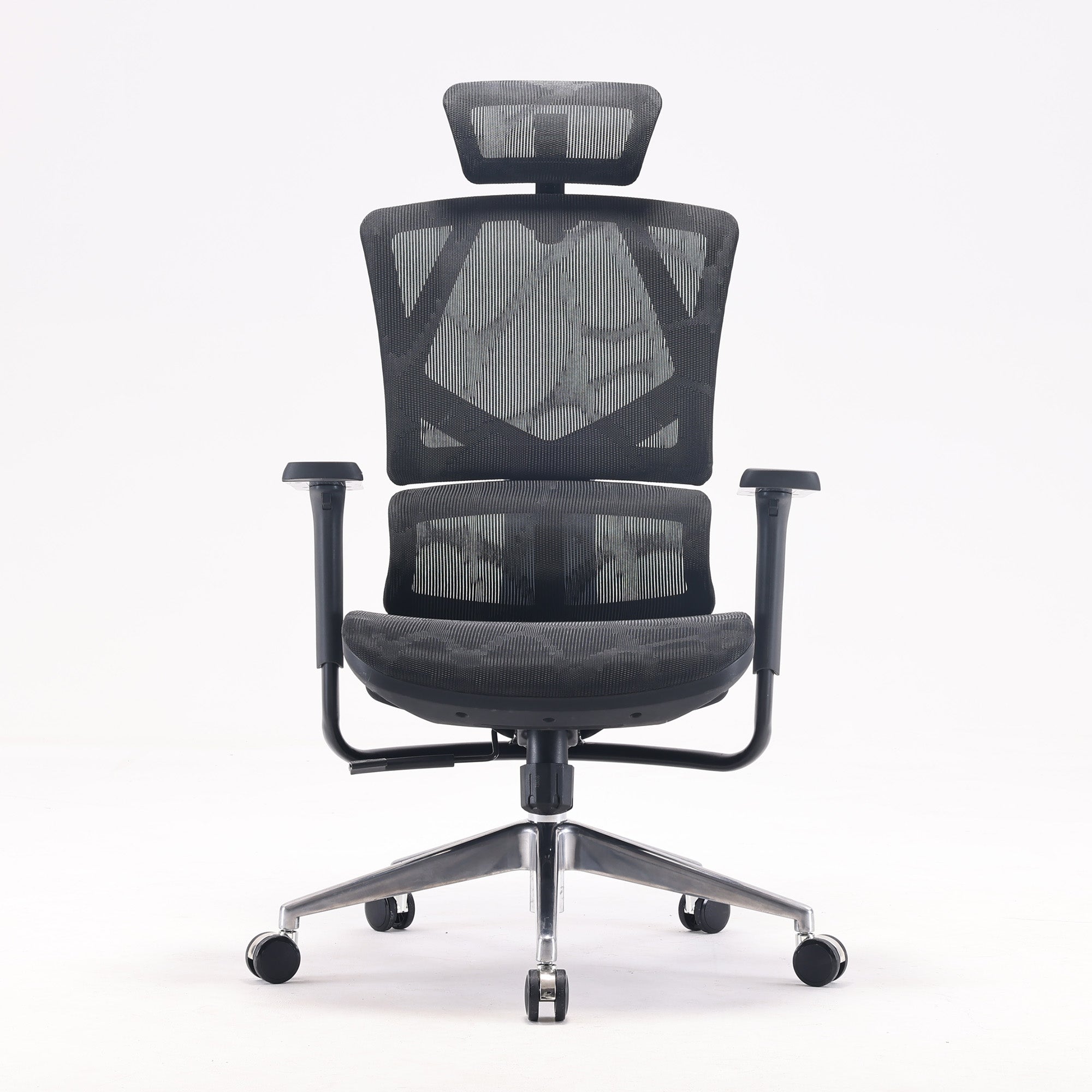
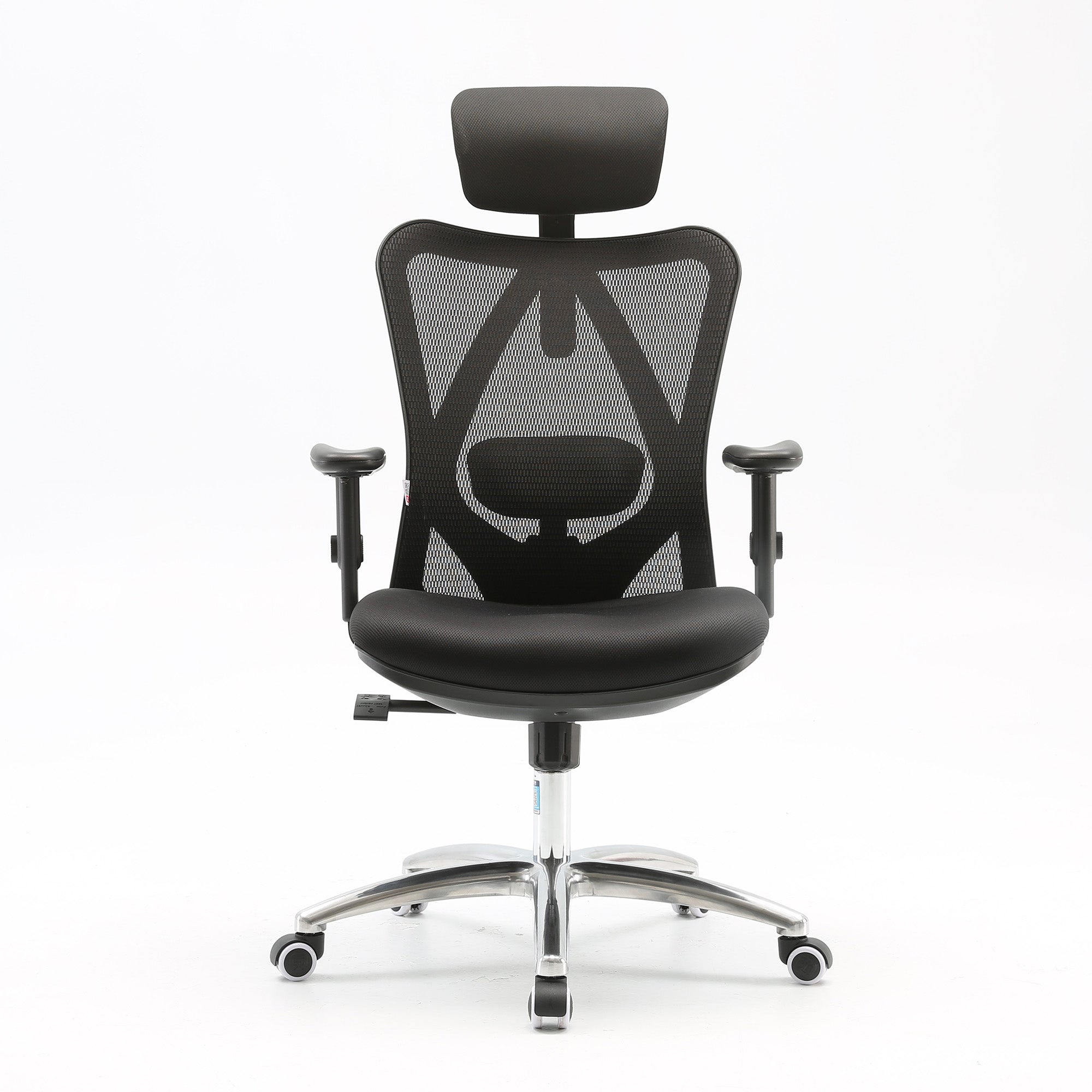
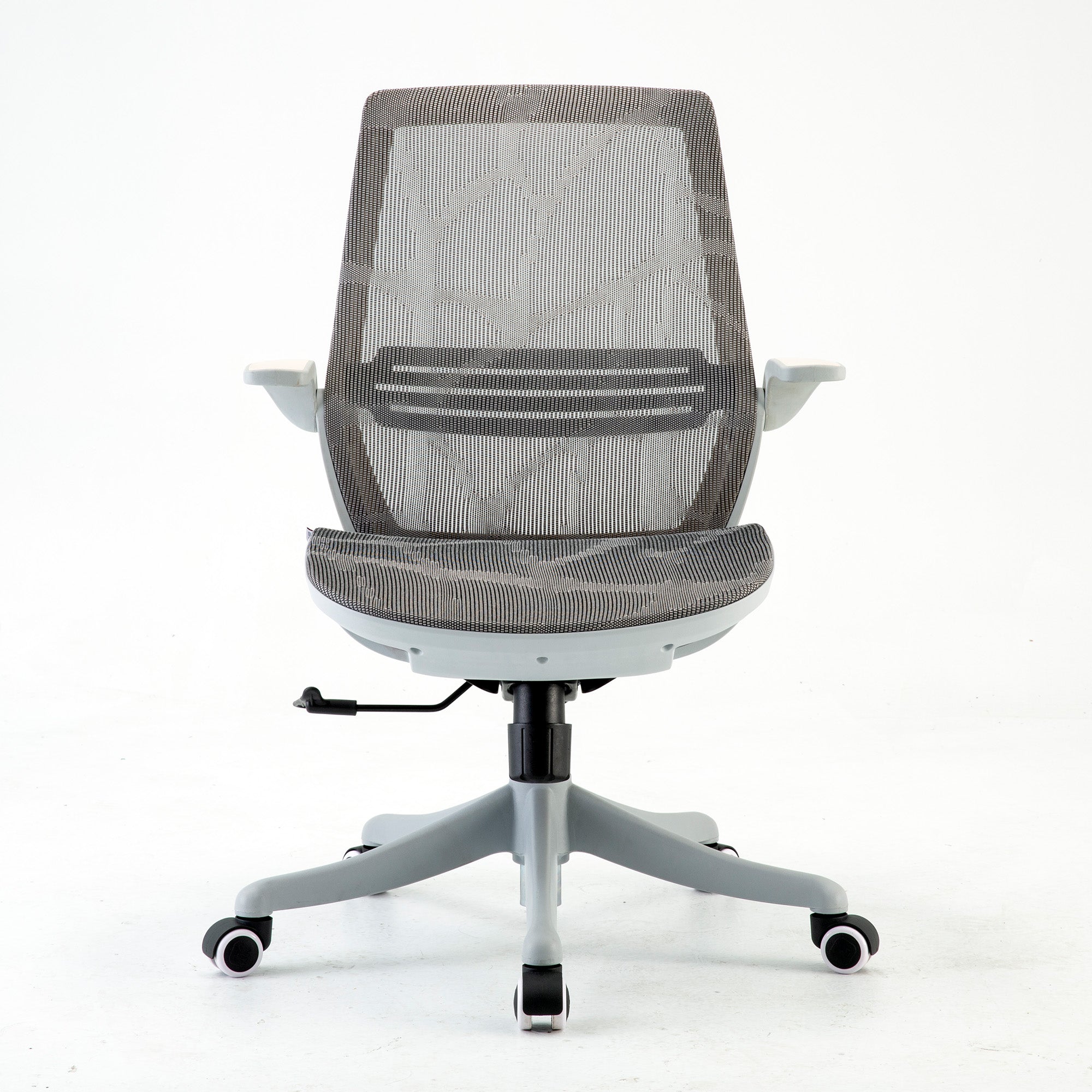
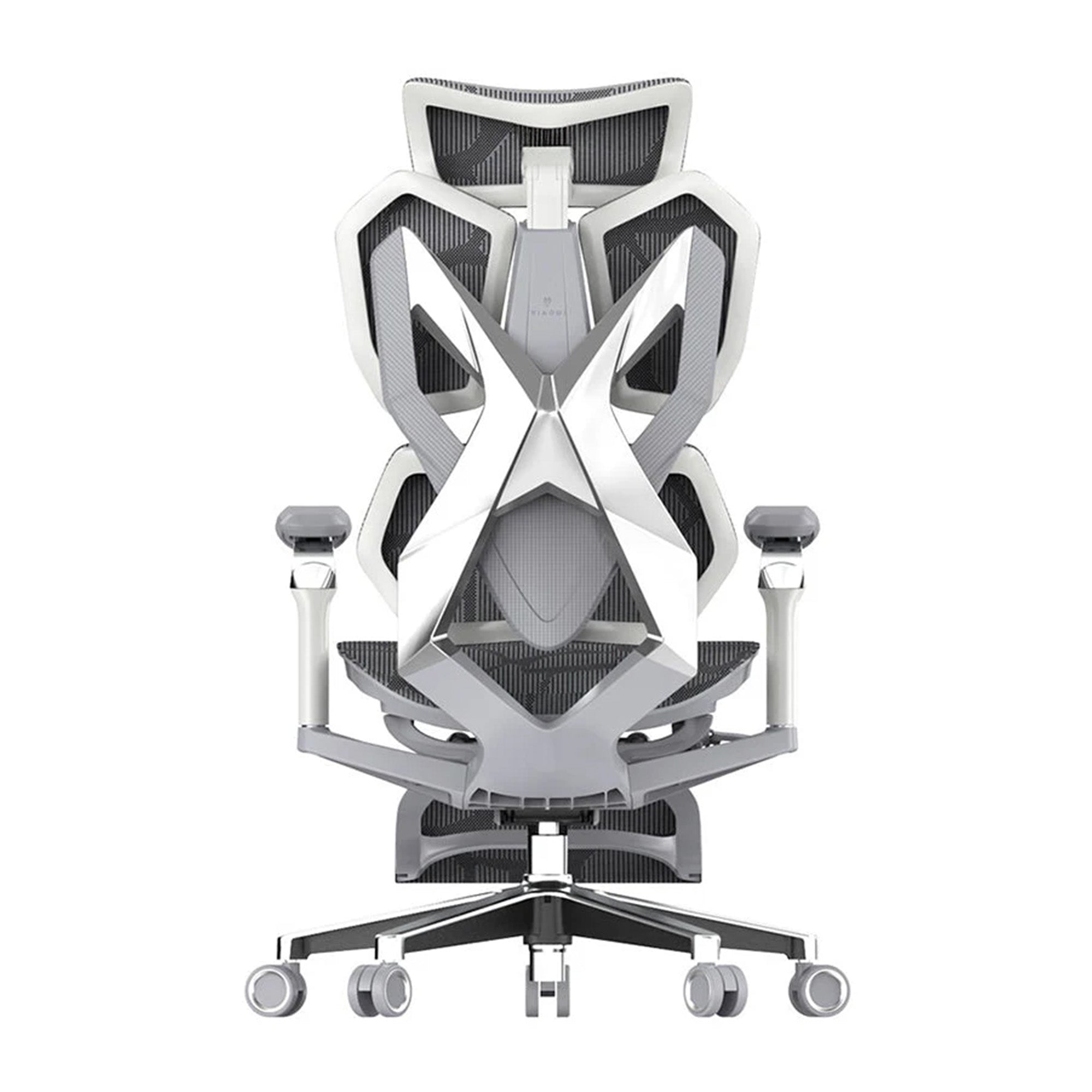

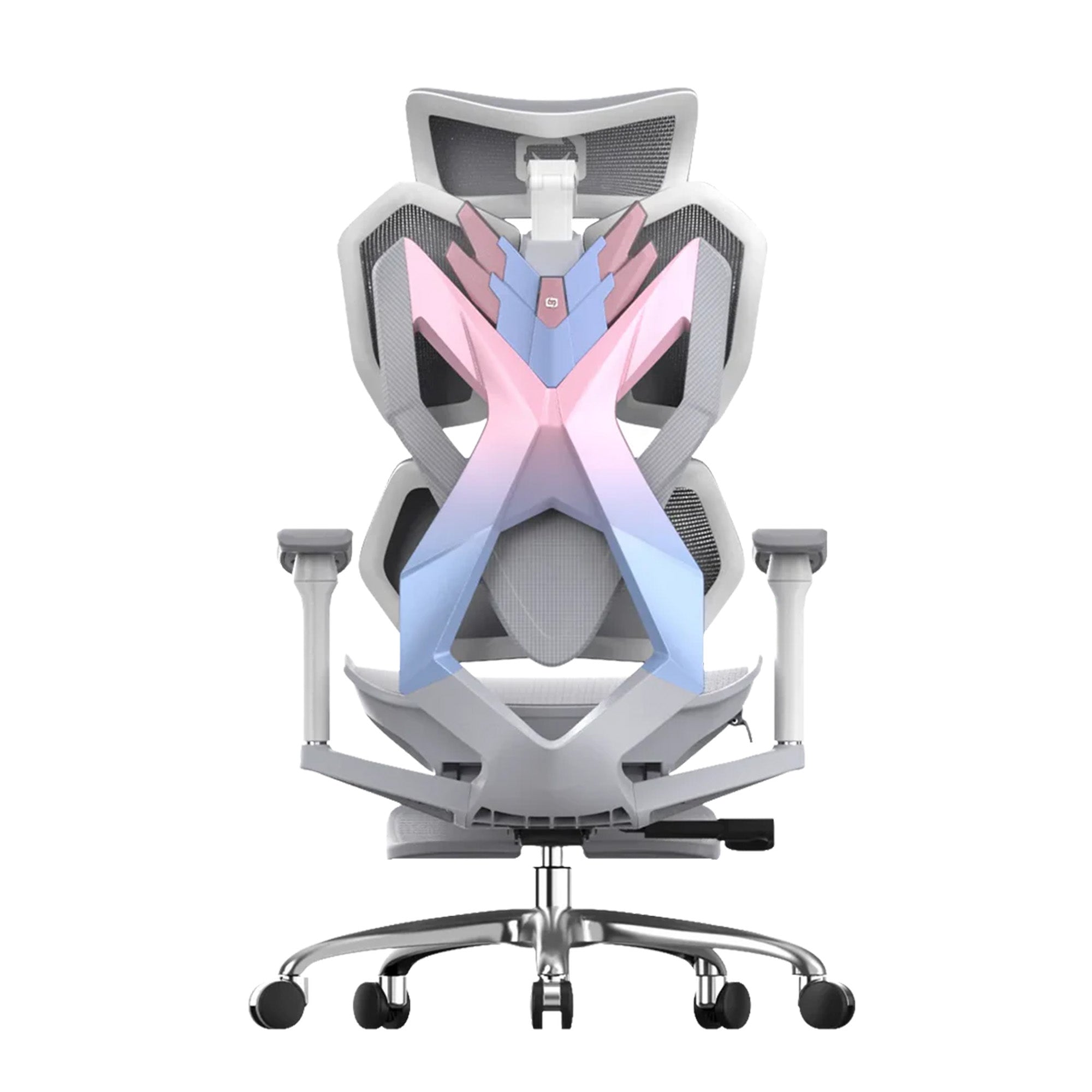
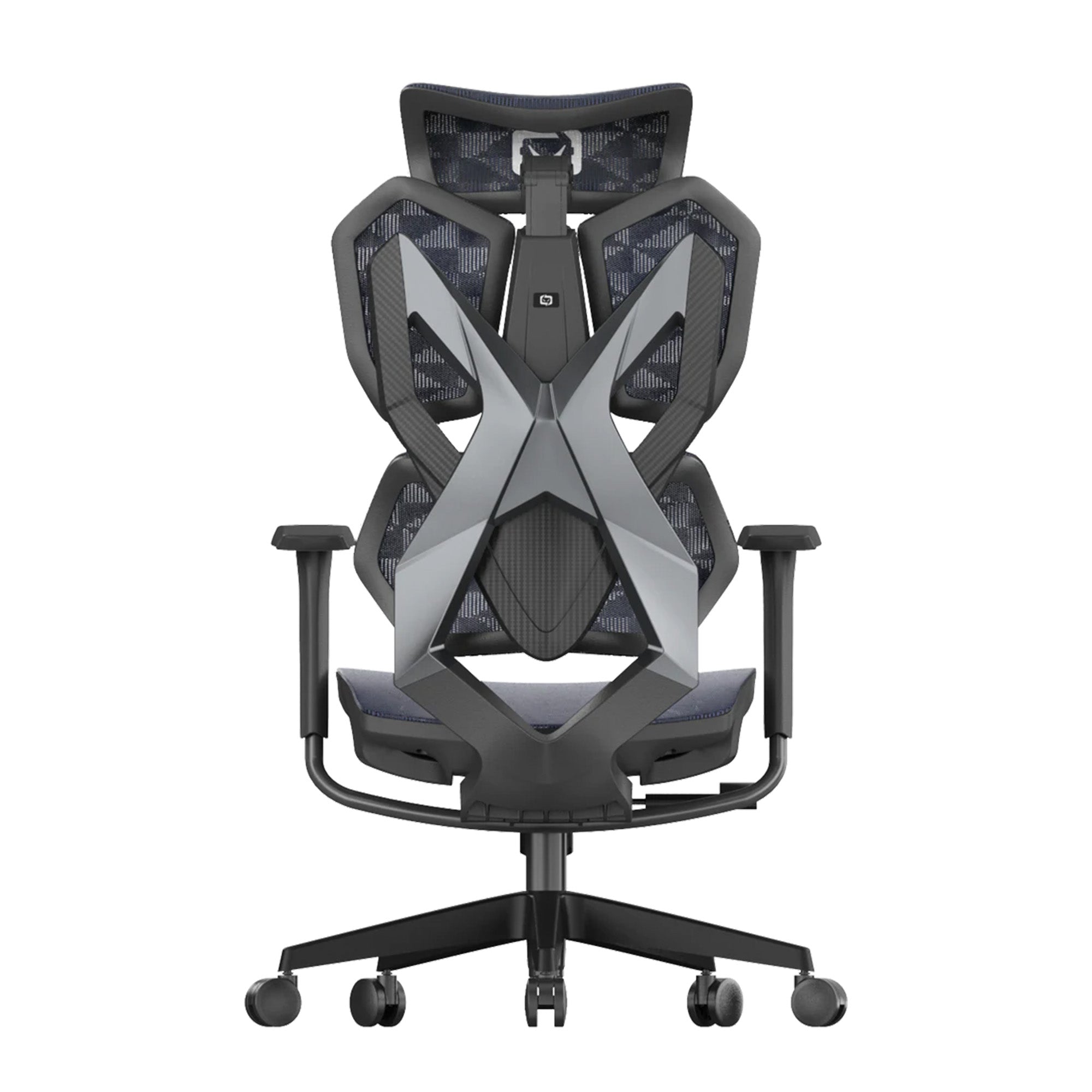

Are you tired of feeling achy and fatigued after long hours spent sitting at your desk? Your office chair could be to blame. Poor ergonomics can lead to a host of back pain, neck strain, and even headaches. With a few DIY ergonomic chair modifications, you can significantly improve your comfort and well-being without breaking the bank. Let’s explore some simple yet effective modifications you can make today.
Understanding Ergonomics
Before diving into the specifics of setting up your workspace with an ergonomic office chair, it’s essential to understand the concept of ergonomics. Ergonomics is the science of designing and arranging objects so that they interact efficiently and safely with the people who use them. In the context of a workspace, the ergonomic design aims to create an environment that minimises discomfort and reduces the risk of musculoskeletal disorders.
Here Are Some DIY Ergonomic Chairs Modifications to Consider
Posture-Friendly Seat Cushion - One of the most common complaints about office chairs is their lack of adequate cushioning. A firm, unsupportive seat can cause discomfort and pressure points, especially during prolonged sitting sessions. Fortunately, you can easily remedy this issue by adding a posture-friendly seat cushion. Look for cushions made from memory foam or gel-fused materials designed to distribute weight evenly and alleviate pressure. Alternatively, you can create your cushion using a folded towel or foam pad for a budget-friendly solution.

Height-Adjustable Lumbar Support
Proper lumbar support is essential for maintaining a healthy spine and preventing lower back pain. Unfortunately, not all office chairs come equipped with adjustable lumbar support. But fret not - you can create your height-adjustable lumbar support using a rolled towel or foam cushion. Simply place the support at the small of your back to maintain the natural curve of your spine. Experiment with different thicknesses and positions until you find what feels most comfortable for you.

Armrest Padding
Hard, unforgiving armrests can cause discomfort and restrict blood flow to your arms and hands. To enhance your chair’s comfort level, consider adding padding to the armrests. You can wrap them in foam padding or cover them with soft fabrics for a more plush feel. Alternatively, you can purchase armrest covers or cushions online for added convenience. Soft, padded armrests will help reduce pressure on your elbows and forearms, allowing you to work or relax in greater comfort.

Swivel Base Lubrications
Is your chair’s swivel base starting to squeak or stick? A little bit of lubrication can go a long way in restoring smooth, effortless movement. Grab some silicone-based lubricant or WD-40 and apply it to the swivel mechanism underneath your chair. Be sure to wipe away any excess lubricant to prevent stains on your flooring. With a well-lubricated swivel base, you’ll be able to rotate and move around with ease, reducing strain on your back and hips.

Customisable Headrest Addition
If your chair lacks adequate head and neck support, you can create your customisable headrest using a rolled towel or small pillow. Simply attach the headrest to the top of your chair using elastic bonds or velcro straps. Position it at a height that allows your head to rest comfortably while maintaining a neutral neck position. This makeshift headrest will help alleviate tension in your neck and shoulders, allowing you to work or unwind without discomfort.

By implementing these DIY ergonomic chair modifications, you can transform your ordinary office chair into a supportive and comfortable seating solution. Whether you’re working from home or spending long hours gaming, prioritising ergonomics is essential for maintaining your health and well-being. Experiment with different modifications until you find what works best for your body and lifestyle. Your body will thank you.
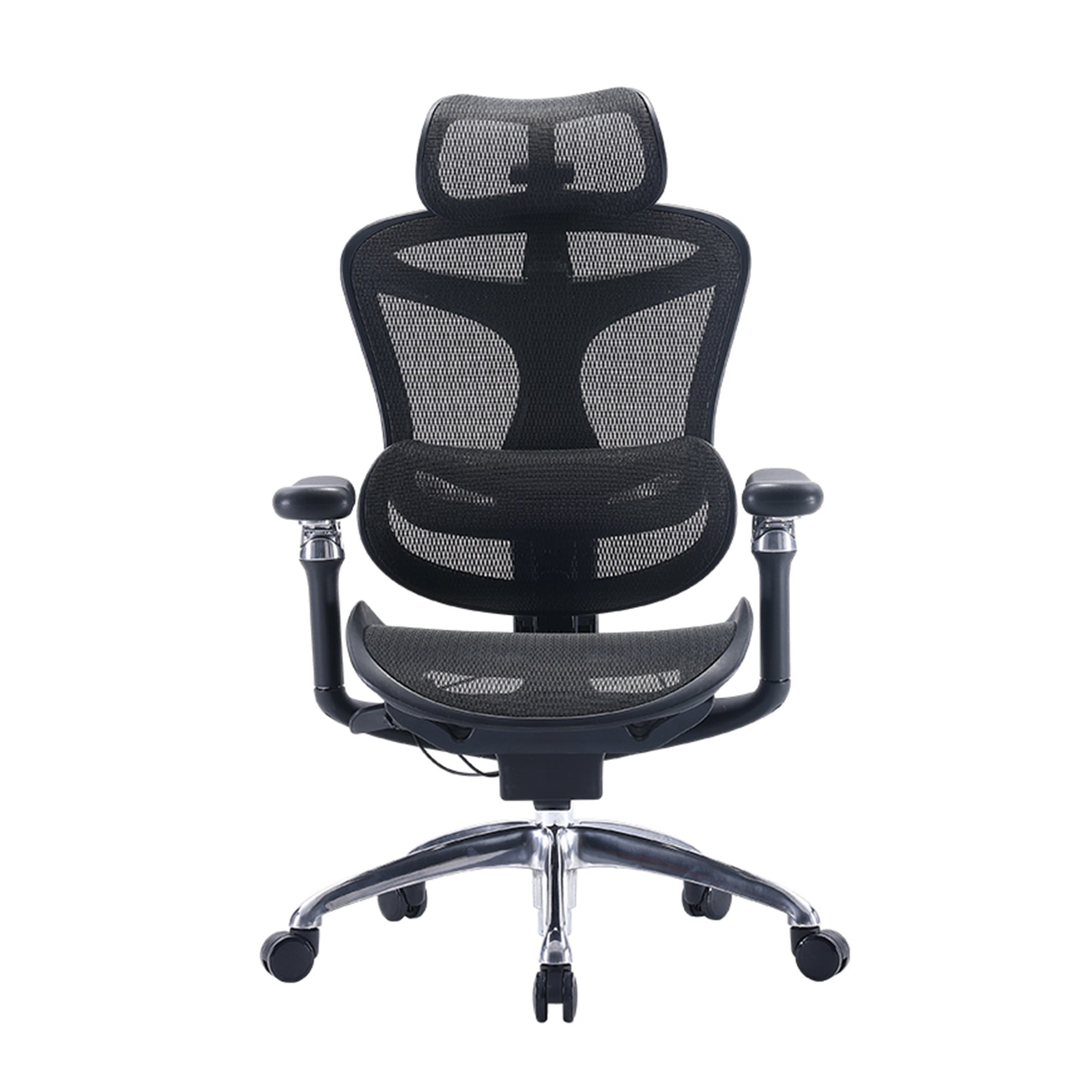
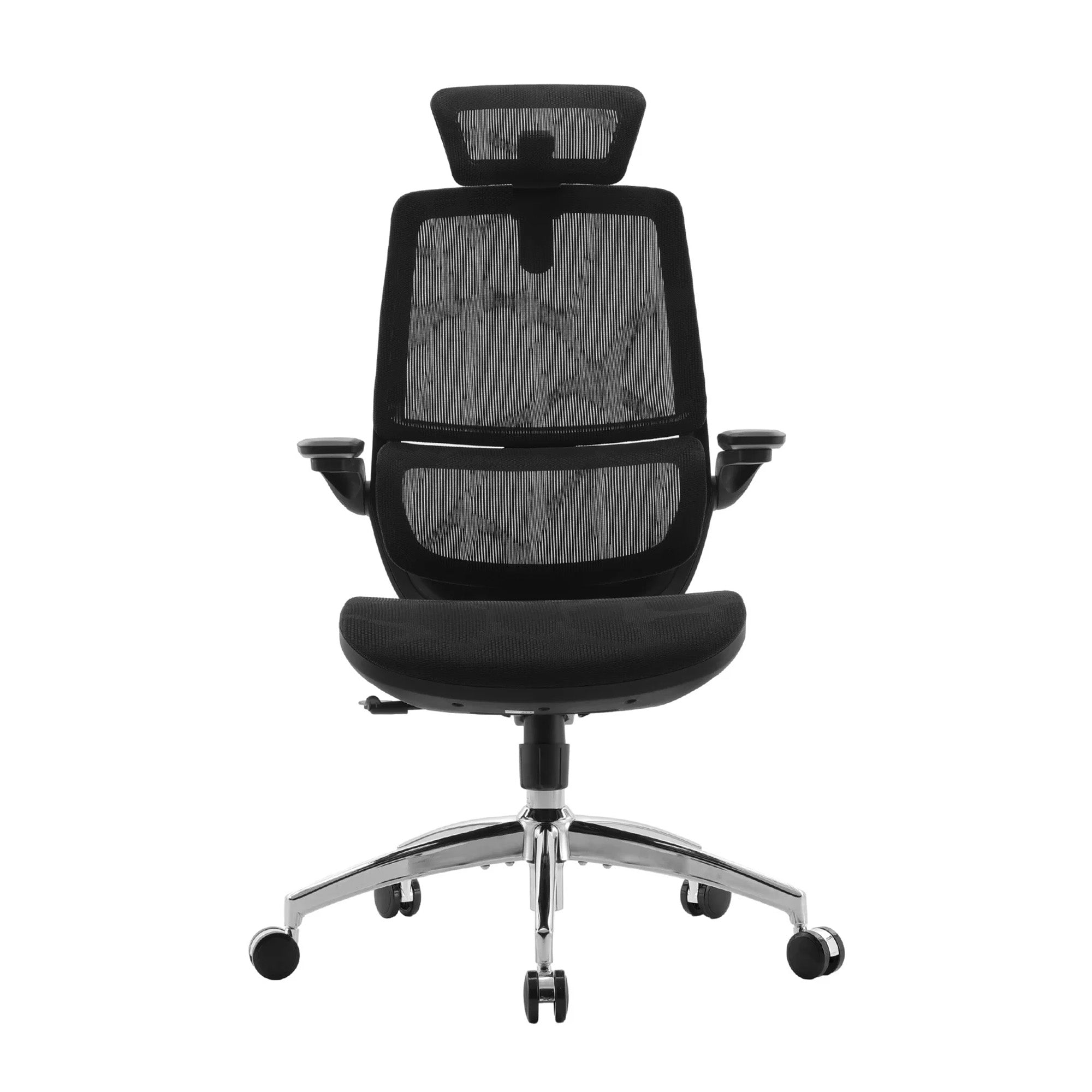
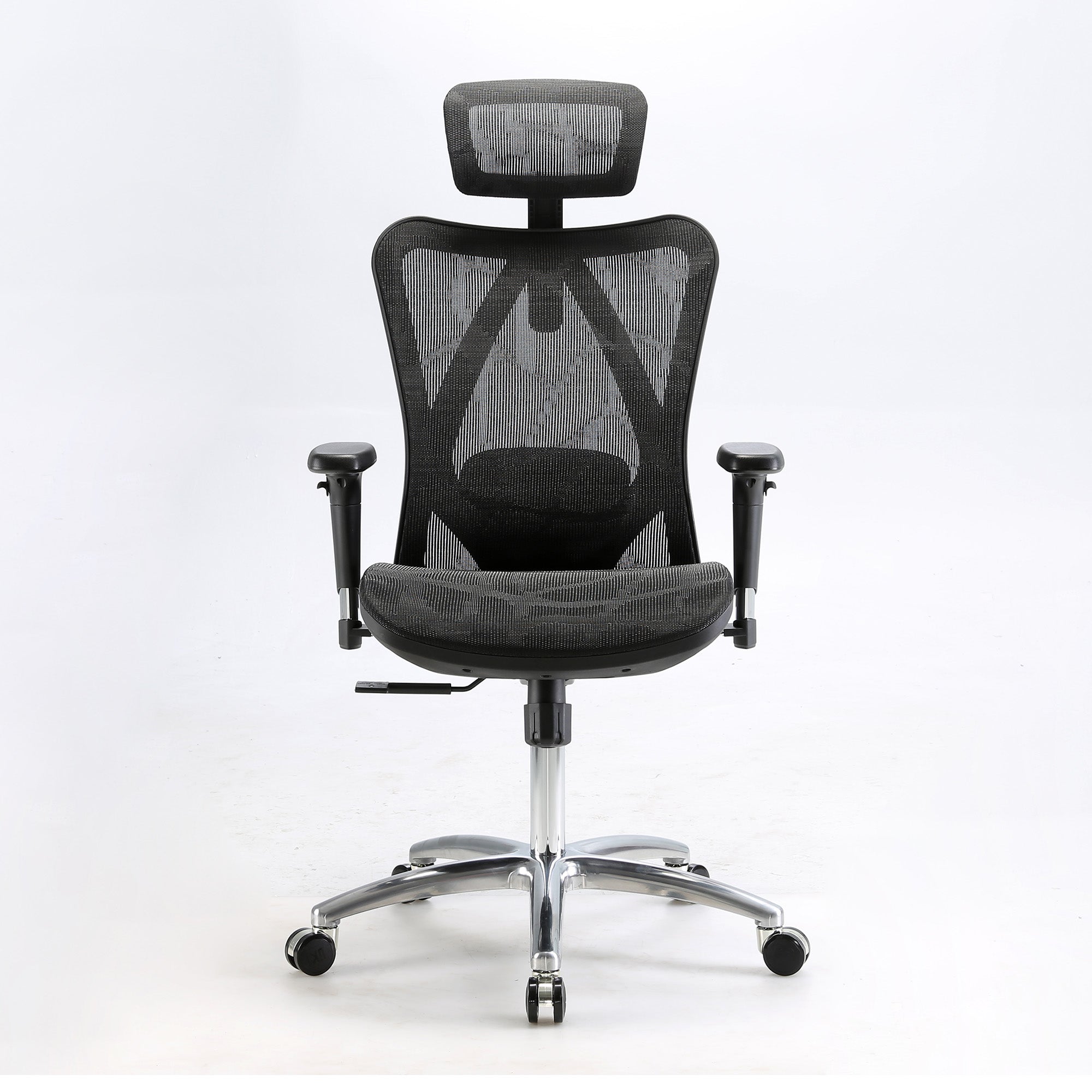
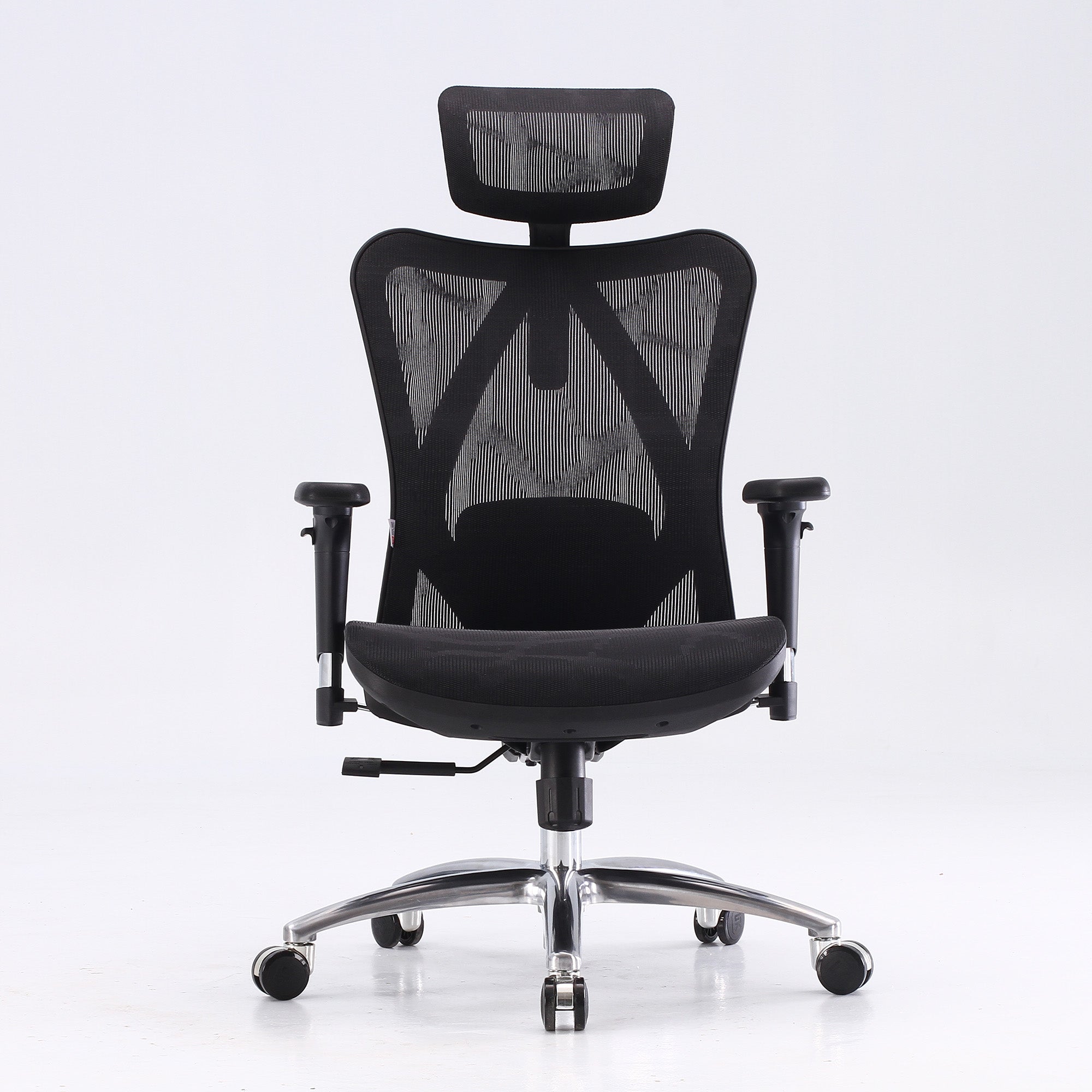
If you want to buy ergonomic furniture in Australia, you can check out our ergonomic chairs at SIHOO. We offer the best at a reasonable cost. We also deliver our chairs quickly, with guiding assembly included.
Get ready to embark on a revolutionary sitting experience and lose some of the extra weight at the same time. Sit well, and think better! We offer top-quality ergonomic chairs in Australia
Shop now to get the best ergonomic chair in Australia!
Frequently Asked Questions
DIY ergonomic chair modifications are simple, low-cost adjustments made to improve comfort, posture, and support in a standard office chair. These changes help reduce strain on the back, neck, shoulders, and arms caused by poor seating design. Small modifications can significantly improve sitting comfort and lower the risk of fatigue and musculoskeletal issues.
Lumbar support can be added using a rolled towel, foam cushion, or small pillow placed at the natural curve of the lower back. Adjusting the height and thickness helps maintain proper spinal alignment while sitting. This added support reduces lower back strain and encourages healthier posture during long work sessions.
Seat cushions made from memory foam or gel materials help distribute body weight evenly and reduce pressure points. This improves comfort during prolonged sitting and helps maintain a balanced seated position. Even simple solutions like folded towels can provide noticeable relief when properly positioned.
Padded armrests reduce pressure on the elbows and forearms, helping prevent discomfort and restricted circulation. Proper arm support also eases tension in the shoulders and neck by keeping the arms in a relaxed position. Adding soft padding or armrest covers improves comfort during both work and leisure activities.
Lubricating the swivel base improves smooth movement and reduces resistance when turning or repositioning. Easier movement helps prevent unnecessary twisting of the back and hips, lowering the risk of strain. Regular maintenance also extends the chair’s lifespan and improves overall usability.
Shop products from this article


