
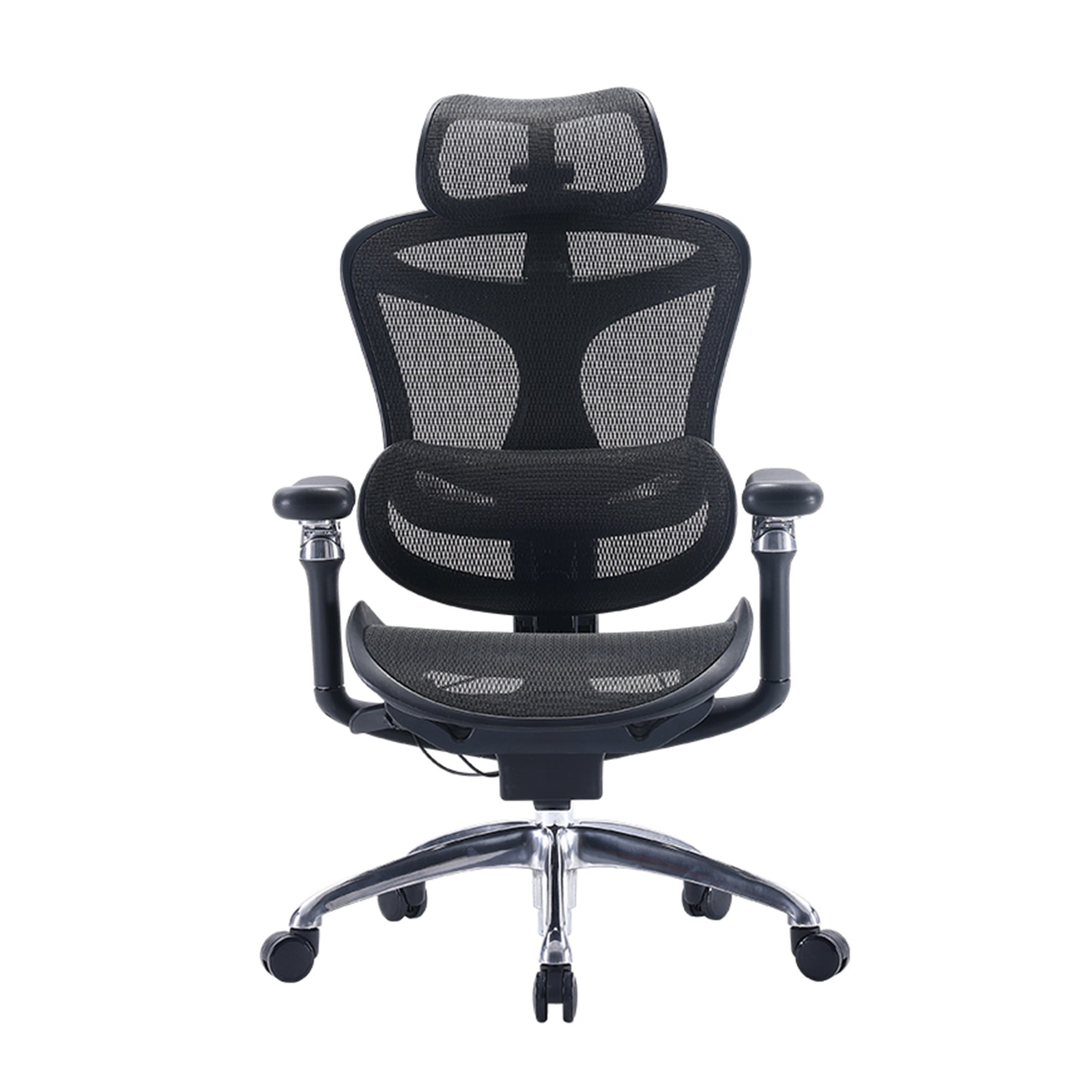
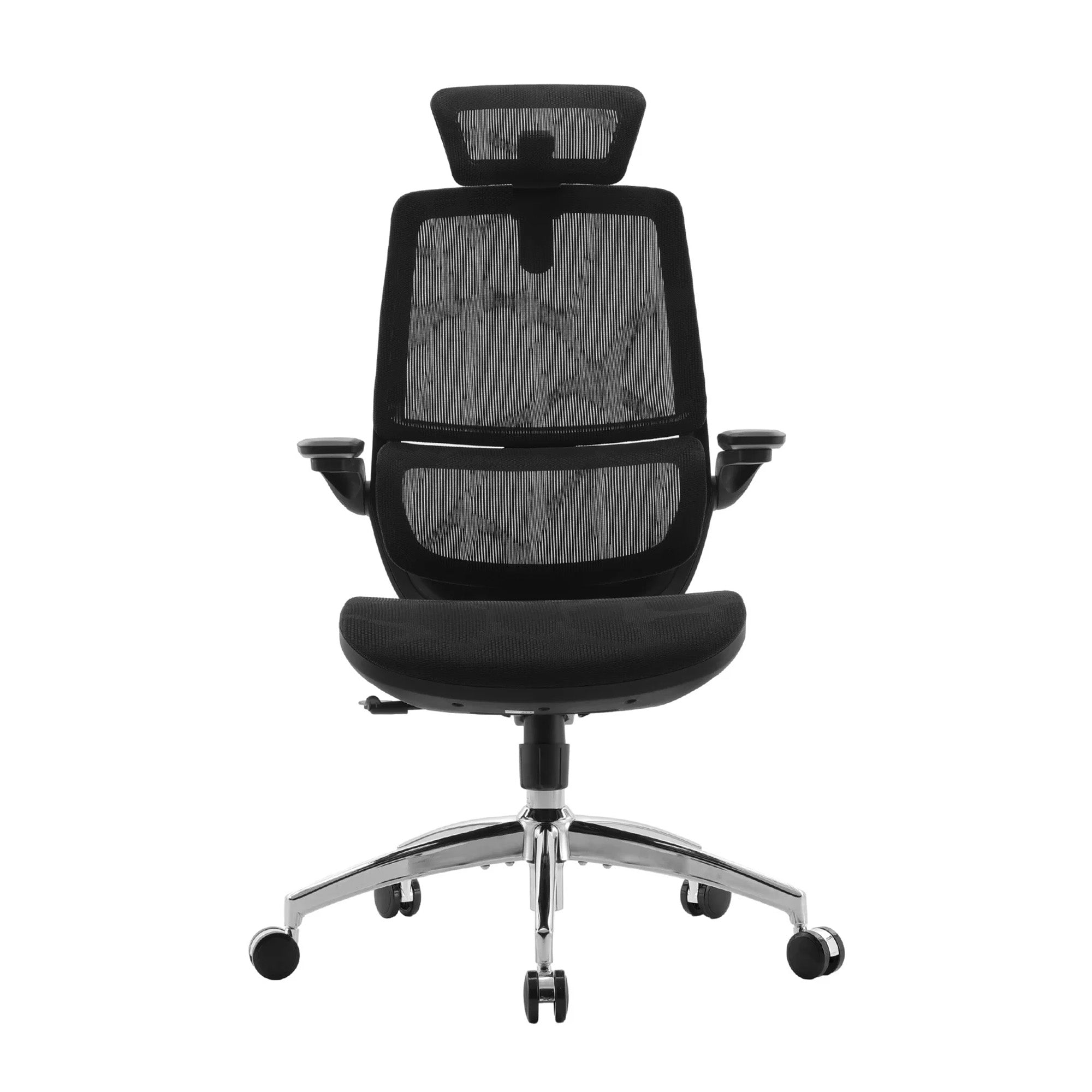
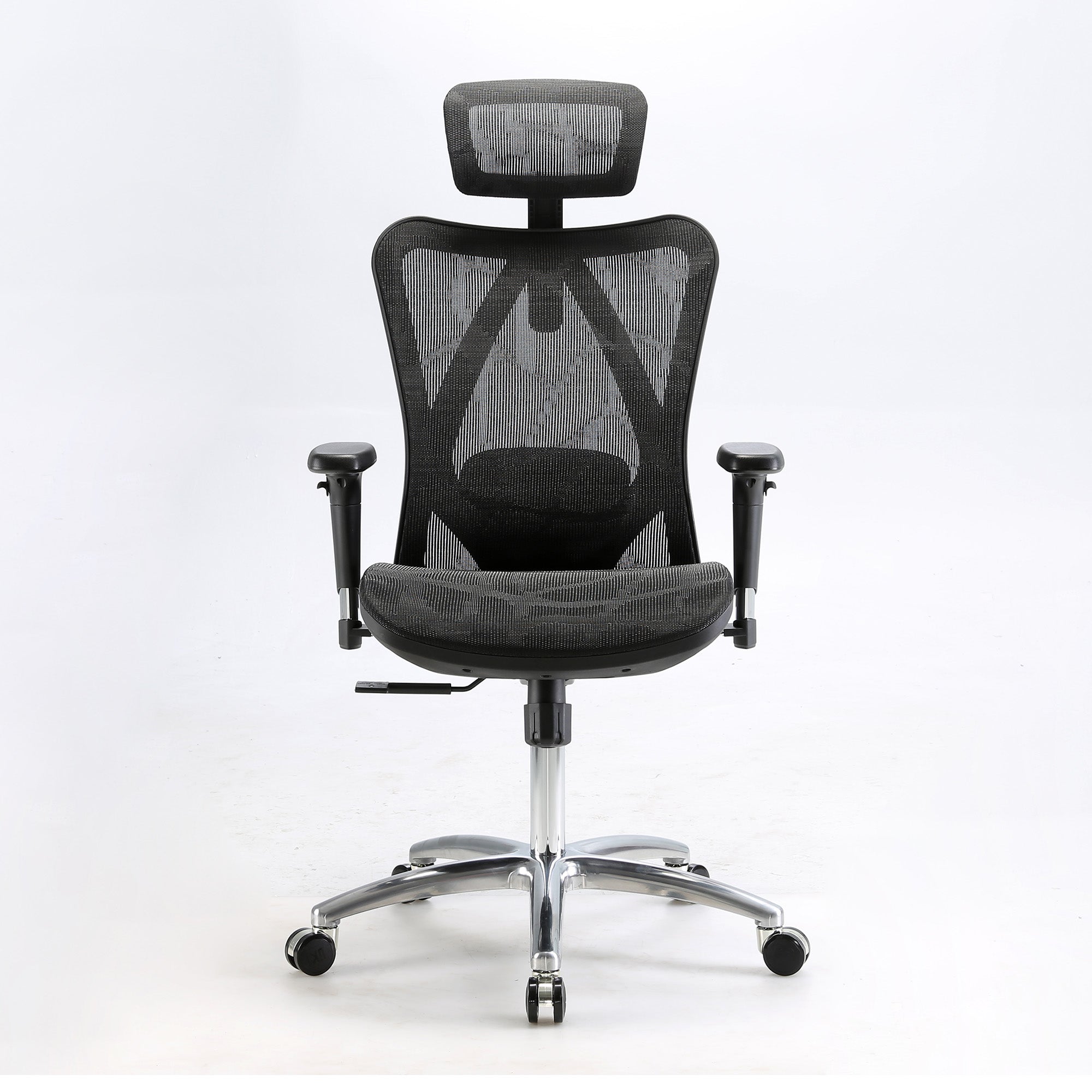
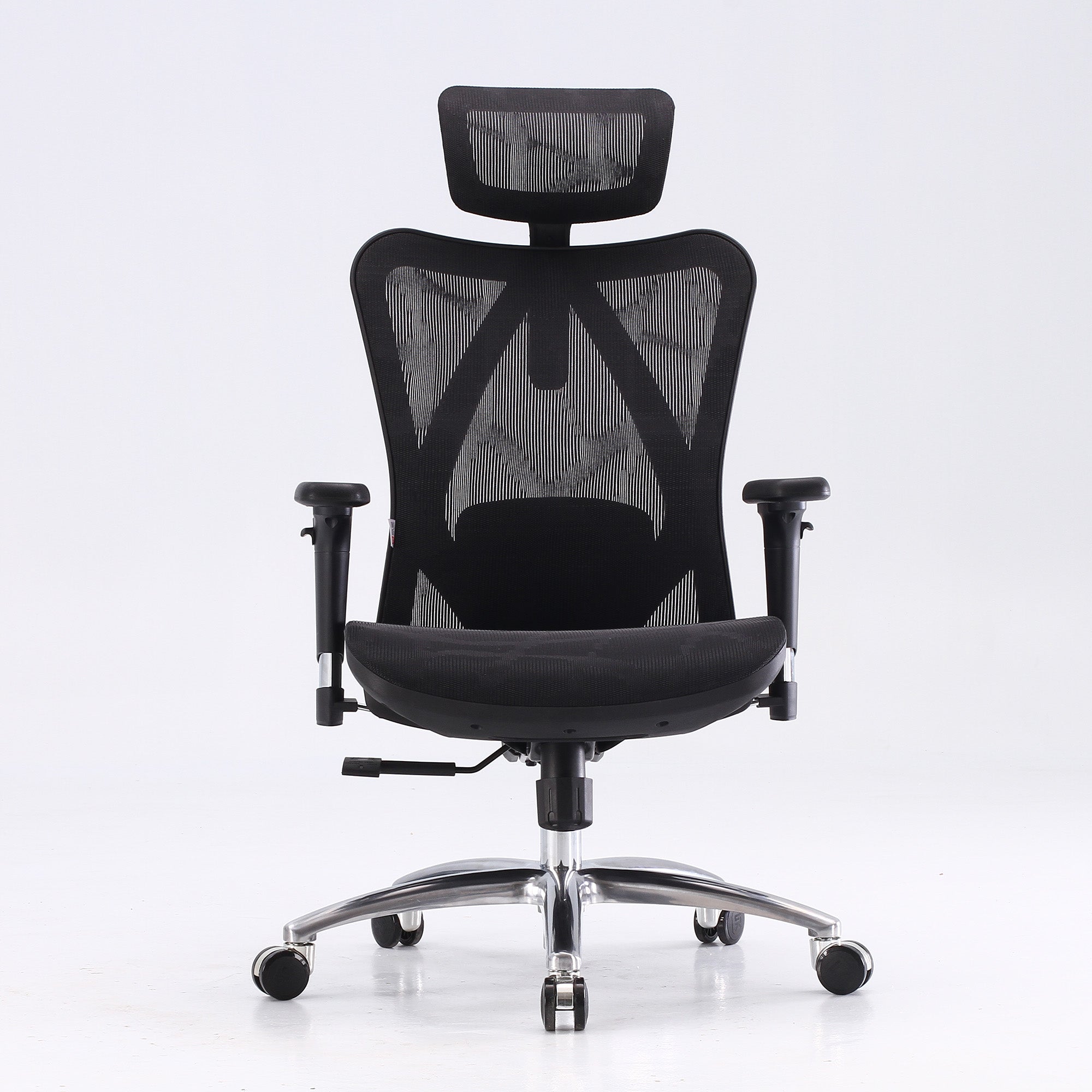
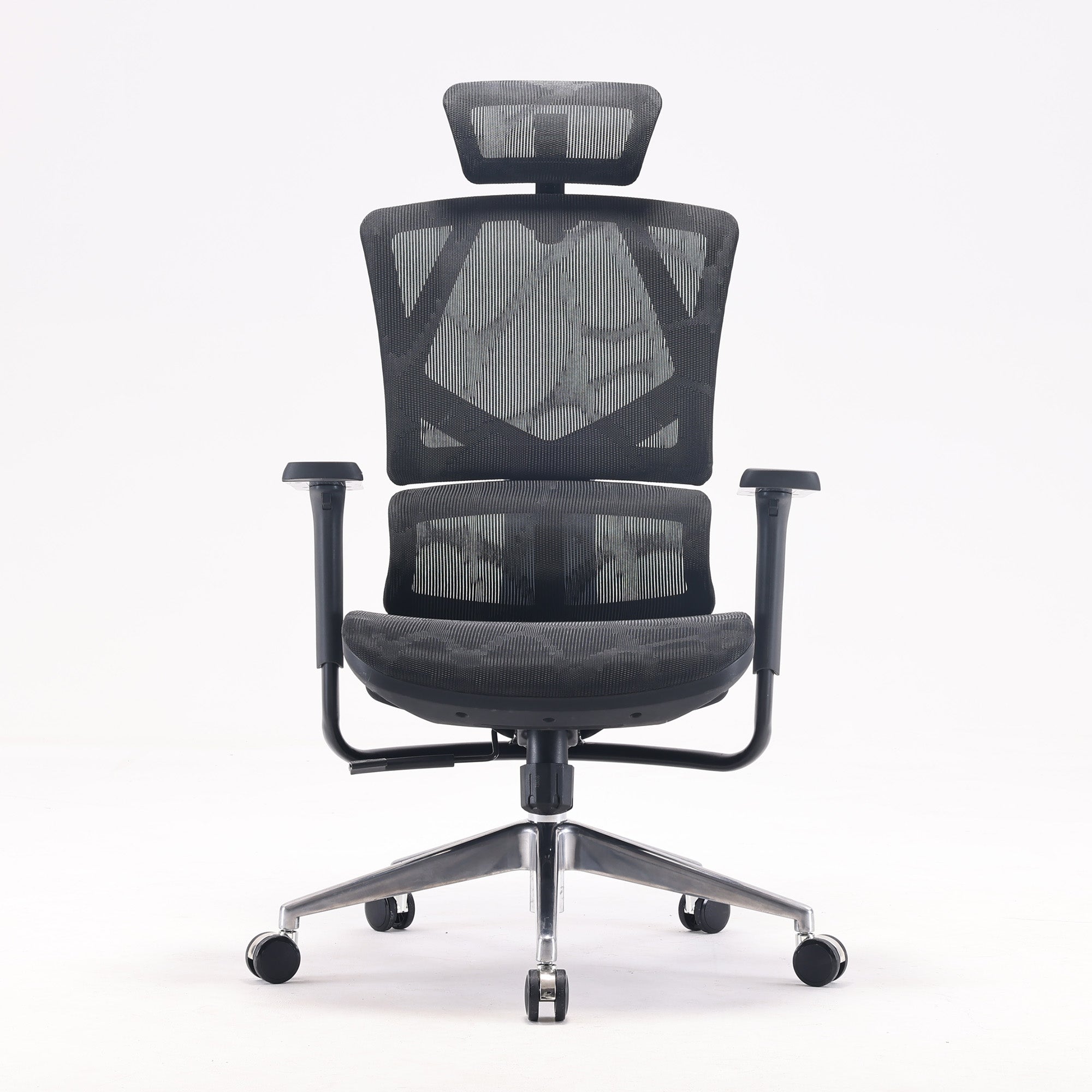
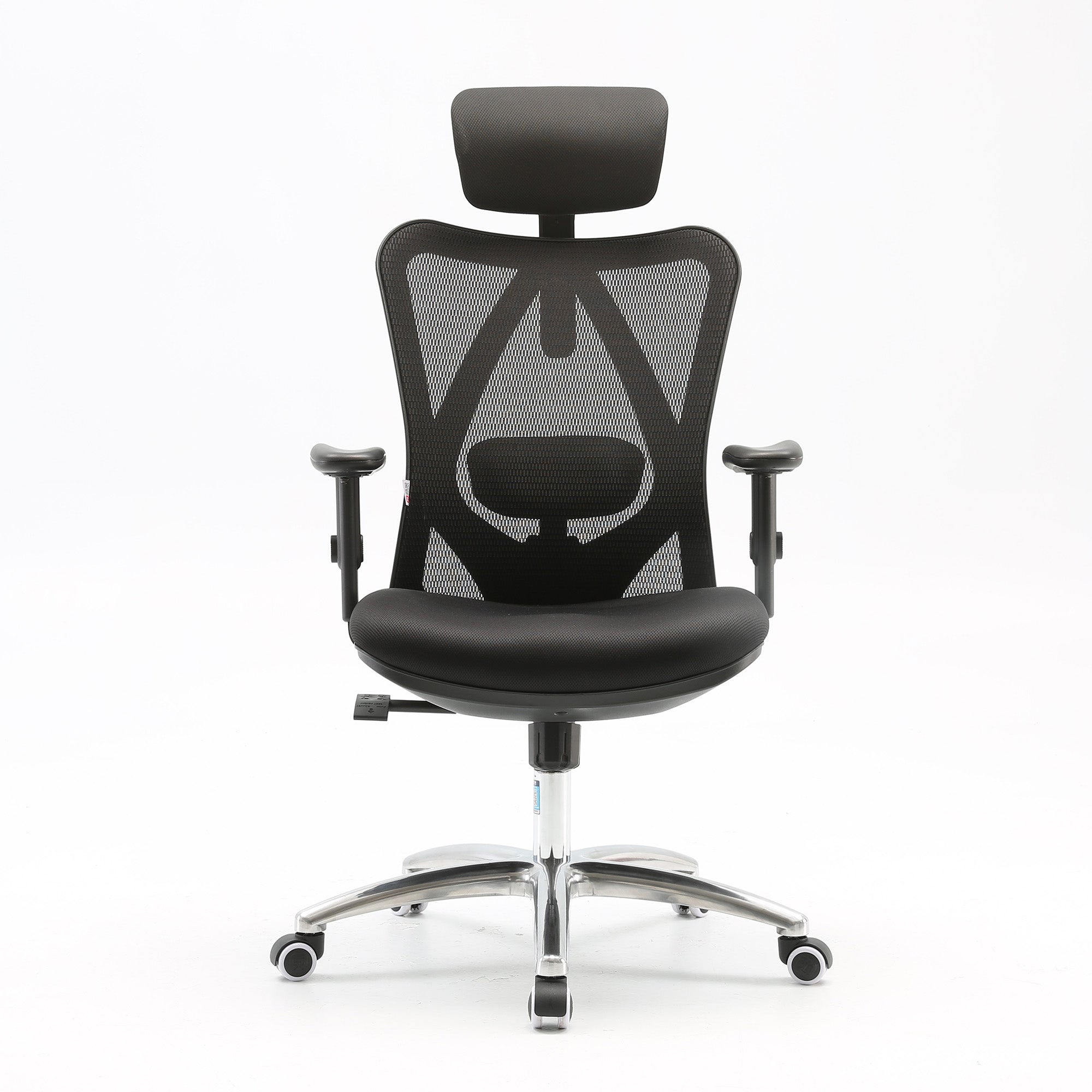
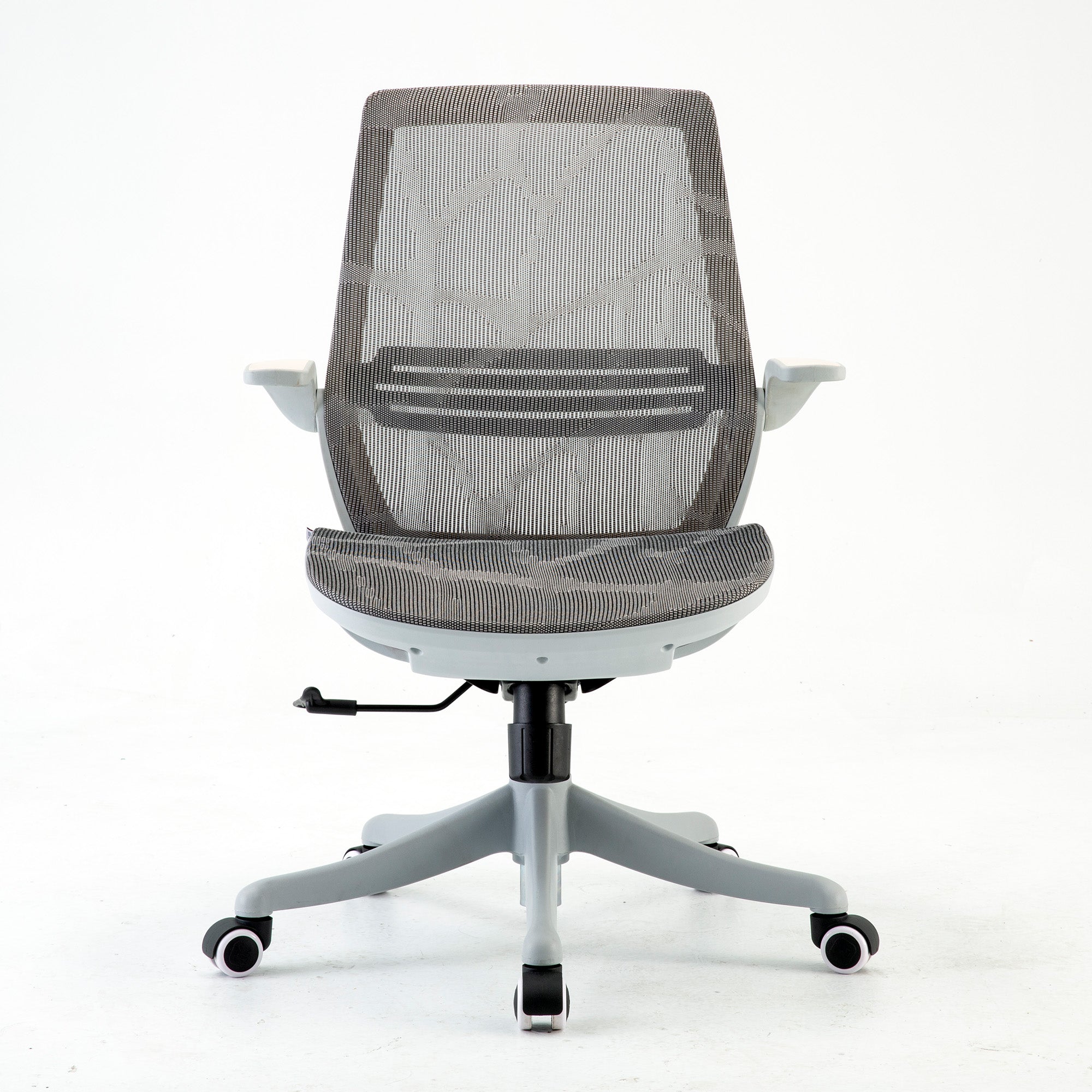
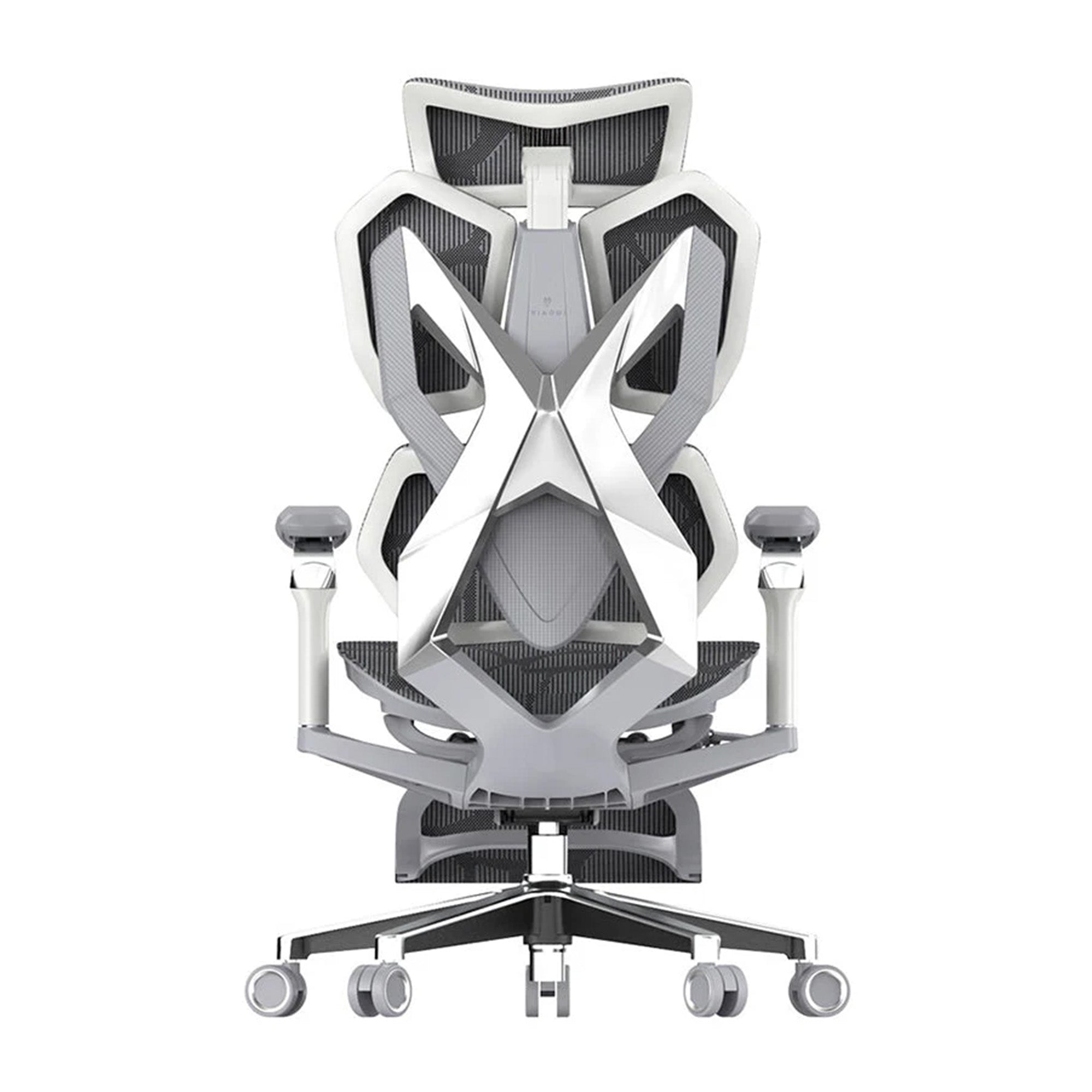

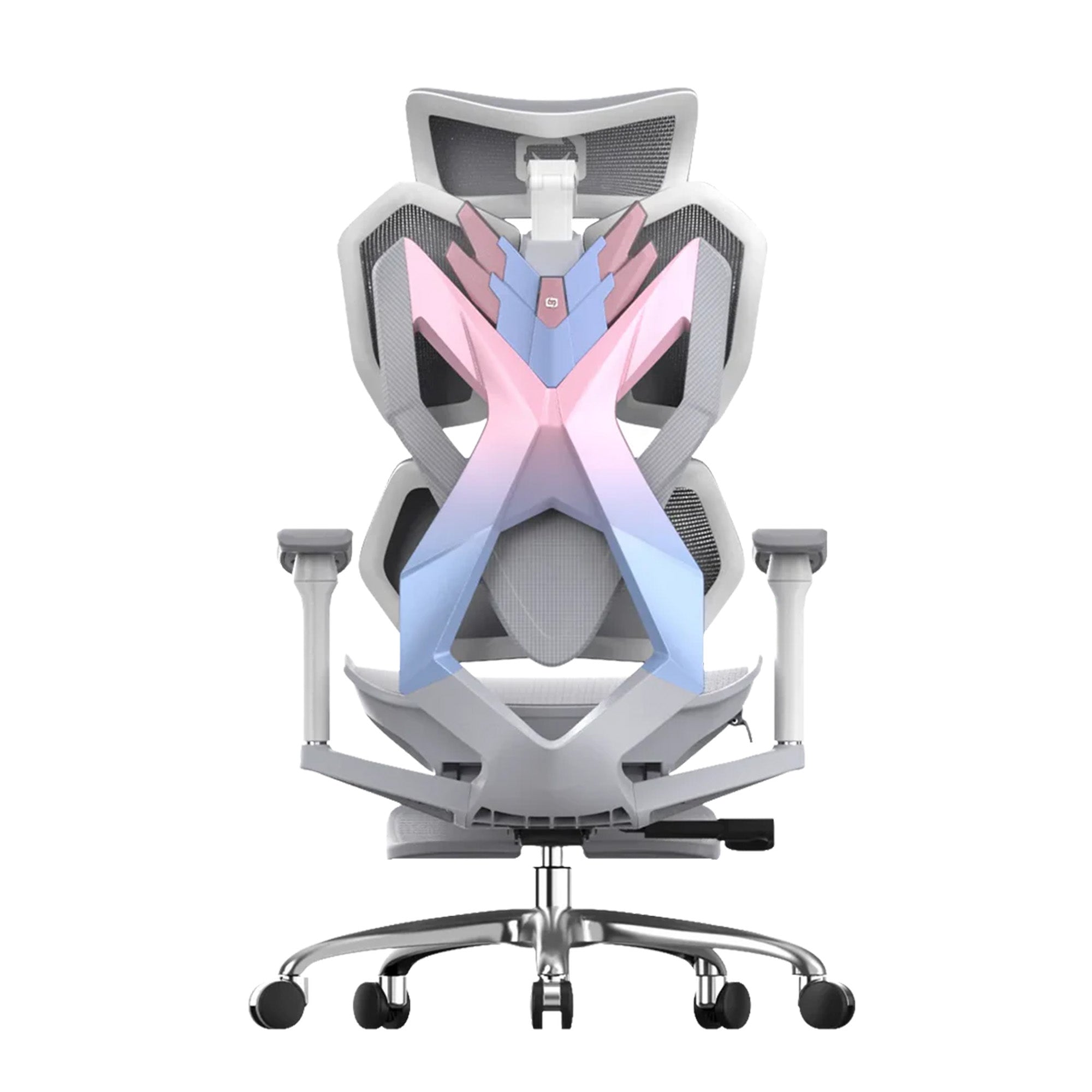
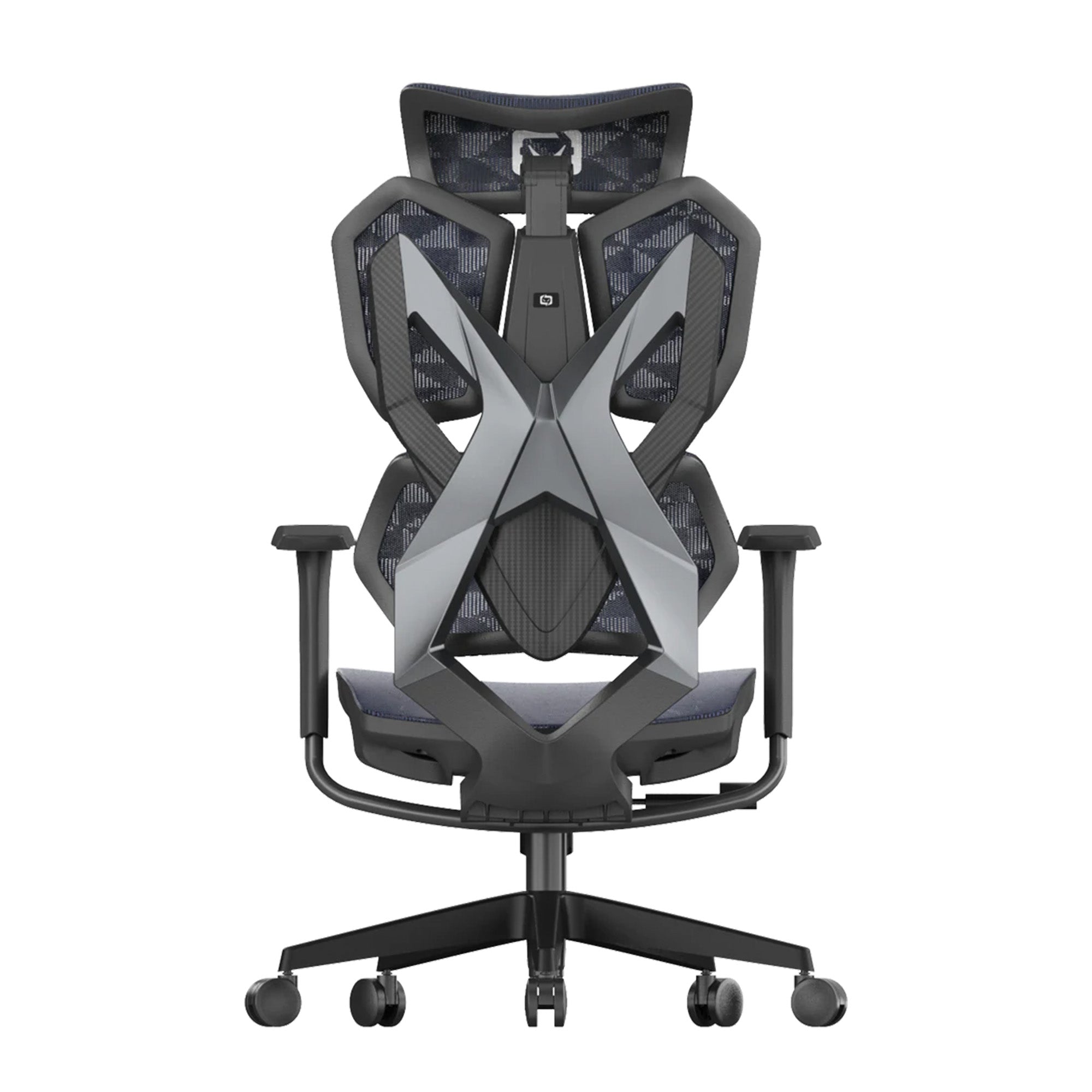

Photos don't show scale.
A product photo makes every chair look roughly the same size, since there's nothing in the frame to compare it against. That's a real problem buying an ergonomic office chair online, and the mismatch stories that show up in buyer reviews are remarkably consistent: a seat too short for someone's thighs, a headrest that lands mid-back instead of behind the neck, armrests that sit several inches below where the elbows actually rest. One frustrated reviewer summed up a chair that missed on every dimension by saying it would only fit someone with unusually long arms and unusually short legs, a fair description of what happens when nobody checks the numbers before ordering. This covers the six measurements worth checking before you buy, and how to compare them against numbers you already have.
Measure Yourself First, Not the Chair
Two Numbers From Your Own Body
Before comparing any chair's spec sheet, get two measurements from yourself, since every other number in this guide gets compared against these.
-
Floor to knee crease. Sit on the edge of a table high enough that your legs hang freely. Measure straight down from just behind your knee to the floor. This is the seat height you need, not your overall height.
-
Seated thigh length. Sit fully back in any chair. Measure from the back of your hip to the back of your knee. This is roughly the seat depth you need, since a seat deeper than this presses into the back of your knees.
|
THE ONE THING TO UNDERSTAND: Every chair spec on a product page is a promise about a number. Your own body measurements are the only way to check whether that promise applies to you specifically. |
The Industry Default Doesn't Fit Everyone
Standard Seat Depth Assumes an Average Body
Most standard office chairs run 43 to 46cm deep at the seat, a figure built around an average adult torso and leg length. For anyone shorter than average, that depth is routinely too much, forcing a choice between sitting fully back with the seat edge pressing behind the knees, or perching on the front edge and losing lumbar contact entirely. The one-inch gap rule, roughly two to three centimetres of clearance between the seat edge and the back of your knees when seated fully back, is the standard check used specifically to catch this before it becomes a daily discomfort rather than a one-time buying mistake.
The same mismatch shows up in reverse for taller users and headrests specifically. A headrest sized for an average torso length can land squarely in the middle of a taller person's upper back rather than behind the neck where it's supposed to sit, turning a comfort feature into what one buyer online more colourfully called an upper-back irritant rather than support. Neither problem is really about the chair being poorly made. It's about a spec built for an average body being applied to a body that isn't average, which is precisely what checking your own numbers first is meant to catch.
The Six Chair Measurements That Actually Matter
Check Each Against What You Measured Above
|
Measurement |
What it tells you |
Check against |
|---|---|---|
|
Seat height range |
Whether your feet can sit flat with knees near 90 degrees |
Your floor-to-knee-crease measurement |
|
Seat depth |
Whether the seat presses into the back of your knees or leaves you unsupported |
Your seated thigh length measurement |
|
Seat width |
Whether you sit comfortably without the armrests digging into your hips |
Roughly your hip width plus 5cm clearance each side |
|
Backrest height |
Whether your upper back and shoulders get support, or just your lower back |
Your seated torso height, floor to shoulder |
|
Armrest height range |
Whether your shoulders can stay relaxed rather than lifted |
Your seated elbow height at your desk |
|
Overall footprint (base width and depth) |
Whether the chair physically fits your desk space and can roll freely |
Your available floor space and desk clearance |

Measuring Your Existing Chair Before You Compare
A Reference Point Makes New Numbers Meaningful
A spec sheet number means little in isolation. Measuring your current chair on the same six points first gives you something to compare against, so you know whether a new chair's seat depth is actually deeper, shallower, or about the same as what you're used to, rather than just a number with no context. This step also catches the specific complaint that comes up often in chair reviews, a seat height that technically matches the listed range but still leaves someone's feet not quite flat, usually because the listed range assumed shoes or a different flooring thickness than what's actually being used.
Assembly Instructions Are Part of Getting the Fit Right Too
A Correctly Sized Chair Assembled Wrong Still Feels Wrong
Buyer feedback on assembled-at-home chairs turns up a specific, easily overlooked problem: a chair arrives with the correct dimensions on paper, but with unclear or missing instructions for the recline tension or lumbar adjustment, leaving the new owner unable to actually access the range the spec sheet promised. A chair that's the right size but locked into the wrong setting because nobody could figure out the adjustment knob delivers the same poor experience as a chair that's genuinely the wrong size. Checking that clear setup instructions are included, or available separately online, is worth doing at the same time as checking dimensions.
Reading Product Photos for Scale Clues
A Few Details Photos Do Reveal, If You Look
Product photos aren't entirely useless for size, even if they don't show scale directly. A few details are worth checking specifically. Look for a photo showing the chair next to a desk or a person, since a bare studio shot with nothing else in frame gives no size reference at all. Check whether the listing includes a side-view photo showing the seat depth relative to the backrest, a chair with a visibly deep, elongated seat pan photographed from the side often confirms what the spec sheet states in centimetres. Review photos, where other buyers have posted their own setup, are usually more revealing than the official listing images, since they show the chair next to ordinary furniture rather than styled for a catalogue.
Comparing Chairs Without Guessing
A Tool Built for This Exact Problem
Rather than cross-referencing spec sheets manually across multiple product pages, Sihoo's compare products tool takes your height directly and checks it against confirmed seat height ranges per model, with estimated figures clearly marked where a chair doesn't have a published number. For a deeper look at how height and leg length interact specifically, particularly for anyone above or below average height, the tall people guide covers that in more depth than fits here.
For Workplaces: Measuring Before a Bulk Order
One Spec Sheet Rarely Covers a Whole Team
For an order covering multiple staff, collect floor-to-knee-crease measurements for the tallest and shortest team members before ordering, rather than assuming one model's stated range covers everyone. The mismatch complaints that show up individually, a seat too deep, a headrest in the wrong spot, compound across a team order into repeated complaints from the same subset of staff whose proportions simply don't match the average the chair was speced for. For larger orders, Sihoo's wholesale office chairs programme can advise on model mix once you have that range.

Conclusion
Measure yourself before the chair.
Two numbers, floor to knee crease and seated thigh length, tell you more about fit than any product photo. Check those against seat height, seat depth, seat width, backrest height, armrest range, and base footprint before buying, and measure your current chair first so new numbers mean something. Confirm setup instructions are actually available too, since a correctly sized chair locked into the wrong setting delivers the same result as the wrong chair entirely. This applies whether you're buying at full price or from a clearance sale, where a wrong-size mistake is more common because buyers move faster on a deal.
Shopping an office chair clearance sale specifically? Browse the current clearance sale once you have your own measurements ready.
Better Comfort Starts Now.
Sources Referenced
-
Standard ergonomic seating measurement guidance (popliteal height, seated thigh length, seated shoulder height, standard 43-46cm seat depth range) based on established anthropometric fitting principles, cross-referenced against BTOD.com seating guidance for short-stature buyers, presented as method rather than attributed to a single named clinical study.
-
General buyer review and forum commentary (eBay, AnandTech forums, Slickdeals) referenced for common mismatch patterns and pain-point language around online chair purchases, used for tone and pattern reference only, not quoted directly and not used as a factual or statistical source.
-
Sihoo Australia compare-products tool, observed live during research for this piece, confirmed to flag confirmed vs. estimated specs with an asterisk.
-
This piece replaces the prior 'How to Choose a Clearance Office Chair for Your Height/Body Type' content, retargeting from a body-type matching angle (already covered extensively elsewhere in the content library) to the practical measurement problem specific to buying online.
Frequently Asked Questions
Seat height range compared against your own floor-to-knee-crease measurement, since that single mismatch causes more discomfort than any other single spec. Seat depth is the second most common source of mismatch, particularly for anyone shorter than average.
Sit on the edge of a table or bench high enough that your legs hang freely, not touching the floor. Measure straight down from just behind your knee to the floor. That number is your target seat height.
Two common reasons: the listed range may assume footwear or a flooring thickness that doesn't match your actual setup, or the chair arrived with unclear adjustment instructions that prevent you from actually reaching the range the spec sheet promised. Both are worth checking alongside the raw numbers.
Treat the missing specification as a gap to confirm before buying rather than assuming it will fit. Contacting support directly for the missing figure is safer than guessing from similar-looking models.
Somewhat, since clearance buyers often move faster on a deal and skip the measurement step entirely. The chair itself doesn't change based on how it was purchased, but the tendency to skip due diligence is higher when a sale creates urgency.
Collect floor-to-knee-crease measurements from your tallest and shortest staff members specifically, rather than assuming an average figure covers everyone. This identifies whether one model's range covers the full team or whether a mixed order is needed.
Yes, particularly if the replacement is prompted by comfort complaints. Measuring the current chair against the six points in this guide often reveals which specific dimension is actually causing the complaint, rather than replacing the whole chair on a guess.
Shop products from this article


