


Sources checked 26 October 2026
The timer kept resetting.
A shopper sits at the kitchen table with a laptop, three tabs open and a chair in the basket. The banner says the deal ends at midnight. At 12:01 it says the deal ends tomorrow. The red strikethrough price looks huge, and nobody can say when the chair last sold for that figure.
That scene plays out every November. A sore back pushes people to buy fast, and fast buying is what a countdown timer is designed to cause. If you are shopping for an ergonomic office chair during sale season, a short test will protect your money and your spine at the same time. This post is a buyer's guide to Ergonomic Desk Chairs for Home and Office in Australia, built around one question: is this discount real?
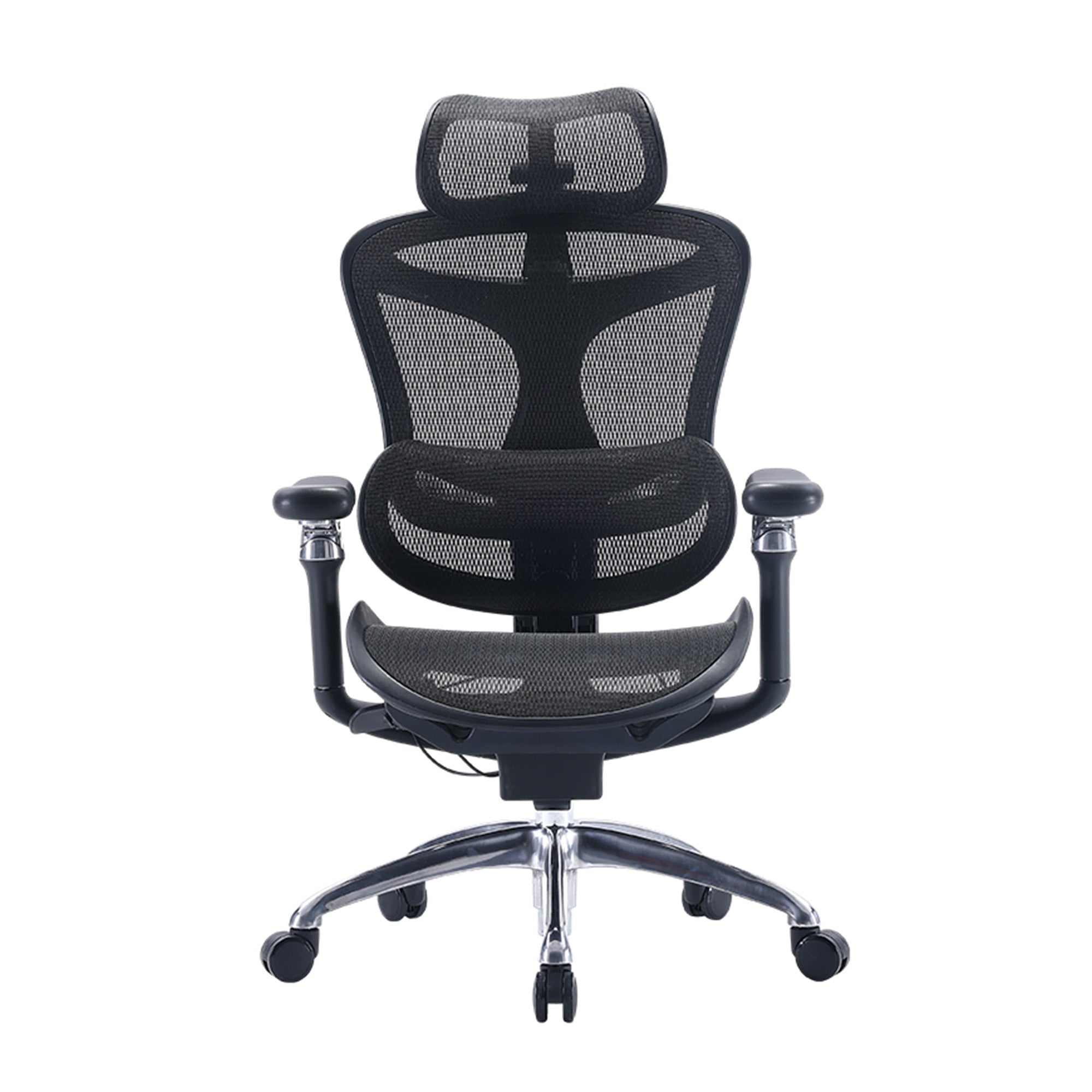
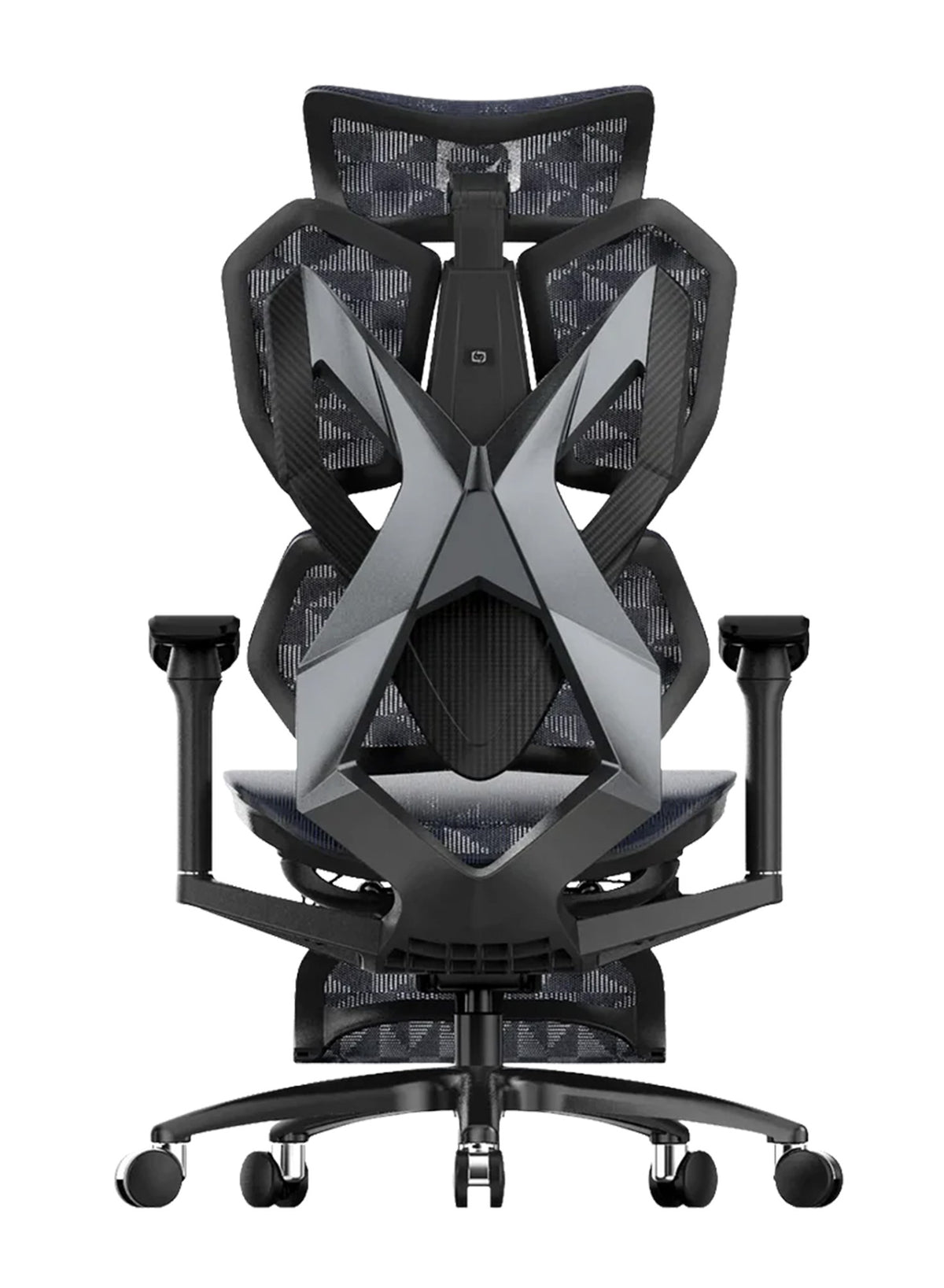
Quick answer: Run every chair deal through the eight step test in the table below. If a sale is running, we use the Doro C300 Pro V2 as the worked example, and the same test works on any retailer, including us. After the price checks out, it is our pick for long desk days. It has real limits, and we list them below.
We frame this as "Black Friday, Better Back": a good chair deal should help your back, not just your cart. Sihoo has not announced any sale to us for this post. We are writing for any shopper who meets a sale this season, and we show you how to test our prices too.
What the ACCC says to watch for in Black Friday sales
The ACCC is Australia's consumer law regulator. In media release 122/25, dated 10 November 2025, it announced a Black Friday sales sweep and listed what it would examine:
• Time-limited offers such as "3 days only", and countdown timers that do not match the real length of a sale
• Store-wide claims that exclude some products
• Fine print that narrows a headline offer
• "Up to X% off" claims where the "up to" is hard to see or few products qualify
• Misleading was/now or strikethrough prices
The ACCC's advice to shoppers is plain. Deputy Chair Catriona Lowe encouraged people to consider checking prices before sales start, so they can compare and work out if a saving is legitimate. That advice is the core of this post.
On 14 April 2026, in release 33/26, the ACCC reported on that sweep. It looked at 50 retailers, and around half made concerning claims. The ACCC said it had started several investigations and had not yet decided that any retailer broke the law. It did not name those retailers.
This is general guidance for every shopper and every retailer. It says nothing about Sihoo, and the ACCC has not endorsed any retailer's prices.
A workplace note: if you buy chairs for a team, the same pre-sale price snapshot works at scale. One person records the price for each model today, and the finance lead checks it against the invoice later.
What happened to retailers that got it wrong
Some outcomes are public. These come from ACCC media releases 112/26 (29 September 2026) and 109/26 (21 September 2026). For James Lane and Vuly the ACCC describes the conduct as alleged, and neither admitted a contravention.
• James Lane: The ACCC said The Sleeping Giant Pty Ltd, trading as James Lane, paid $19,800 in one infringement notice. A sale was advertised as ending on 3 December 2025, and discounted prices continued for about another week.
• Vuly: The ACCC said Systems Operations Pty Ltd, trading as Vuly Play Group, paid $39,600 across two notices. A Click Frenzy countdown ended and a new sale followed with a bigger discount. A Black Friday timer also reset after it ran out, while the discount continued.
• digiDirect: The ACCC said digiDirect paid $99,000 across five infringement notices over strikethrough prices, and admitted in a court-enforceable undertaking that its discount claims were misleading. The ACCC said the products were rarely advertised and almost never sold at the higher price. One example was a keyboard shown at $149 against a crossed-out $229.
Notice the pattern. Each case involved a timer, an end date or a was price. Those are the three things you can test yourself.

Why a big strikethrough price changes how you judge a chair
Picture the shopper again. She has no idea what a good chair costs, so the first number she sees becomes her yardstick. A $1,199 price crossed out beside $851 feels like a $348 win, whatever the chair is worth.
That reaction has a name: anchoring. Tversky and Kahneman (1974, Science, DOI 10.1126/science.185.4157.1124) described how people start from an initial value and adjust from it. The result is a predictable error.
A retailer's was price is an anchor. The danger is not that the anchor is always false. The danger is that you stop asking what the chair is worth to you.
So the test has two halves. First, was the was price real? Second, is the sale price good for the chair you need? A true 40 percent saving on the wrong chair is still a waste.
Across a team, the same bias hits bulk orders. A buyer sees "30 percent off" on twenty chairs and approves the order without checking seat fit. A cheap mismatch times twenty is a costly mistake.
The eight step fake discount test
Use this table in order. Each step has a pass signal and a warning sign. Screenshot as you go, with the date visible.
|
Step |
What to do |
Pass signal |
Warning sign |
|---|---|---|---|
|
1. Snapshot today |
Screenshot the chair page, price and compare-at price now, before any sale starts. |
You hold a dated record. |
You have no record, so you cannot compare later. |
|
2. Find the real earlier price |
Check Wayback Machine snapshots of the product page and a price tracker if one covers the chair. Note the lowest price shown in the weeks before. |
The was price appears on dates well before the sale. |
The was price never appears in earlier snapshots. |
|
3. Compare the retailer to itself |
Look at what the same retailer charged last month, not what rivals list. |
The sale price is lower than its own recent prices. |
The "sale" price matches last month's normal price. |
|
4. Read the timer |
Reload the page after the deadline passes. Note whether the end date moves. |
The sale ends when it said it would. |
The timer resets or the end date shifts. |
|
5. Decode "up to" |
Count how many chairs actually carry the top discount. |
The top discount applies to the model you want. |
Only one or two products reach the headline figure. |
|
6. Open the fine print |
Read exclusions behind "sitewide" or "storewide". |
Exclusions are clear and near the offer. |
Key models are excluded in small print. |
|
7. Price the whole basket |
Add delivery, assembly and any extras. Compare the final total, not the chair price. |
The landed price is still lower than before. |
Delivery costs eat the saving. |
|
8. Ask warranty and returns |
Get the warranty length and return terms in writing. |
They match the product page and the law. |
A "no refunds on sale items" line, or terms that conflict. |
If a deal fails step 2 or 4, walk away. If it fails step 5 or 6, work out whether your model is actually included. If it fails step 8, ask the seller to explain before you pay.
How to check price history yourself
Start with a screenshot. It is free and takes ten seconds. Capture the page with the date and time on your device clock, or paste the address and date into a note.
Then open the Wayback Machine at web.archive.org and paste the product address. It saves copies of pages on various dates, though not often for every page.
If you find a snapshot from September showing the same was price, that supports the claim. If the earliest snapshot shows a lower price, the was price is worth questioning. A gap in snapshots proves nothing either way, so treat it as a prompt to ask the retailer.
Price tracking sites cover some products and not others. Use them as a second opinion, not as proof. The strongest check is the retailer's own history: compare today's page, your own screenshot and an old snapshot.
For workplaces, keep these screenshots with the purchase record. They help your finance team show the price was reasonable, and they help if a retailer's ad turns out to be wrong.
Worked example: testing a Sihoo compare-at price
We opened our own pages on 26 October 2026 so you can see the test applied to us. This is an example of the method. We are not saying any Sihoo discount is real or fake, and the same test works on any retailer.
|
Chair (page seen 26 October 2026) |
Price shown |
Compare-at price shown |
Saving shown |
|---|---|---|---|
|
Doro C300 Pro V2 |
From $851 |
$1,199 |
29% |
|
Doro S100 |
$499 |
$789 |
37% |
What the pages showed on that day: no countdown timer on the product pages we opened, and a collection banner reading "Shop up to 49% off". Here is how the steps apply.
For step 1, screenshot these pages today. For step 2, note that the page displays a compare-at number but cannot tell you how long that price was charged. Test it with the Wayback Machine and your own screenshots.
For step 5, the banner said "up to 49%", and the 49 percent figure sat on one model, the Doro C100 ($459, was $899), on the collection page that day. The V2 showed 29 percent and the S100 37 percent. That is exactly why step 5 matters: check the discount on your model, not the headline.
Prices change often. Please check sihoo.com.au for current pricing before you decide.
For teams ordering many chairs, ask for the compare-at history and total delivered price in a written quote. A good supplier can answer that in one email.
What to ask about warranty and returns
The shopper at the kitchen table is excited about the price and has not asked what happens if the chair fails in month eight. This is where the law, not the sale sticker, protects you.
The ACCC says consumer guarantees are part of the Australian Consumer Law and apply automatically to purchases. A product must be of acceptable quality.
A "no refunds" sign cannot remove those rights, and neither can a claim that refunds end after a set number of days. The ACCC states that misleading consumers about their rights in these ways is against the law. Consumer guarantees are separate from a warranty, which is an extra promise a business chooses to make.
Consumer Affairs Victoria explains the remedies. For a major problem you can reject the product for a refund or replacement, or keep it and get compensation for the drop in value.
For a minor problem the seller chooses between repair, replacement or refund within a reasonable time. Returns for a simple change of mind depend on the retailer's own policy, so read the exact terms.
Ask these five questions before you pay:
• How long is the warranty on this exact model, and where does it say so in writing?
• Is the warranty the same on sale items?
• What is the return process for a faulty chair, and who pays freight?
• What is the return process for a change of mind, if any?
• Who do I contact first if a part fails?
On 26 October 2026, the Doro C300 Pro V2 and Doro S100 pages showed a 5-year warranty and 30-day returns. Other Sihoo pages state different warranty lengths. That mismatch shows why step 8 exists, so confirm the length for your chair in writing.
For a business buying chairs, add one more question: does the warranty cover commercial use and bulk orders? Ask for that in the quote.
Does a real discount make it the right chair?
A true discount only matters if the chair fits. Fit comes down to setup as much as price. Our guide on how to properly adjust your ergonomic chair covers that. For the price versus value question, read Is an Ergonomic Chair Worth It?.

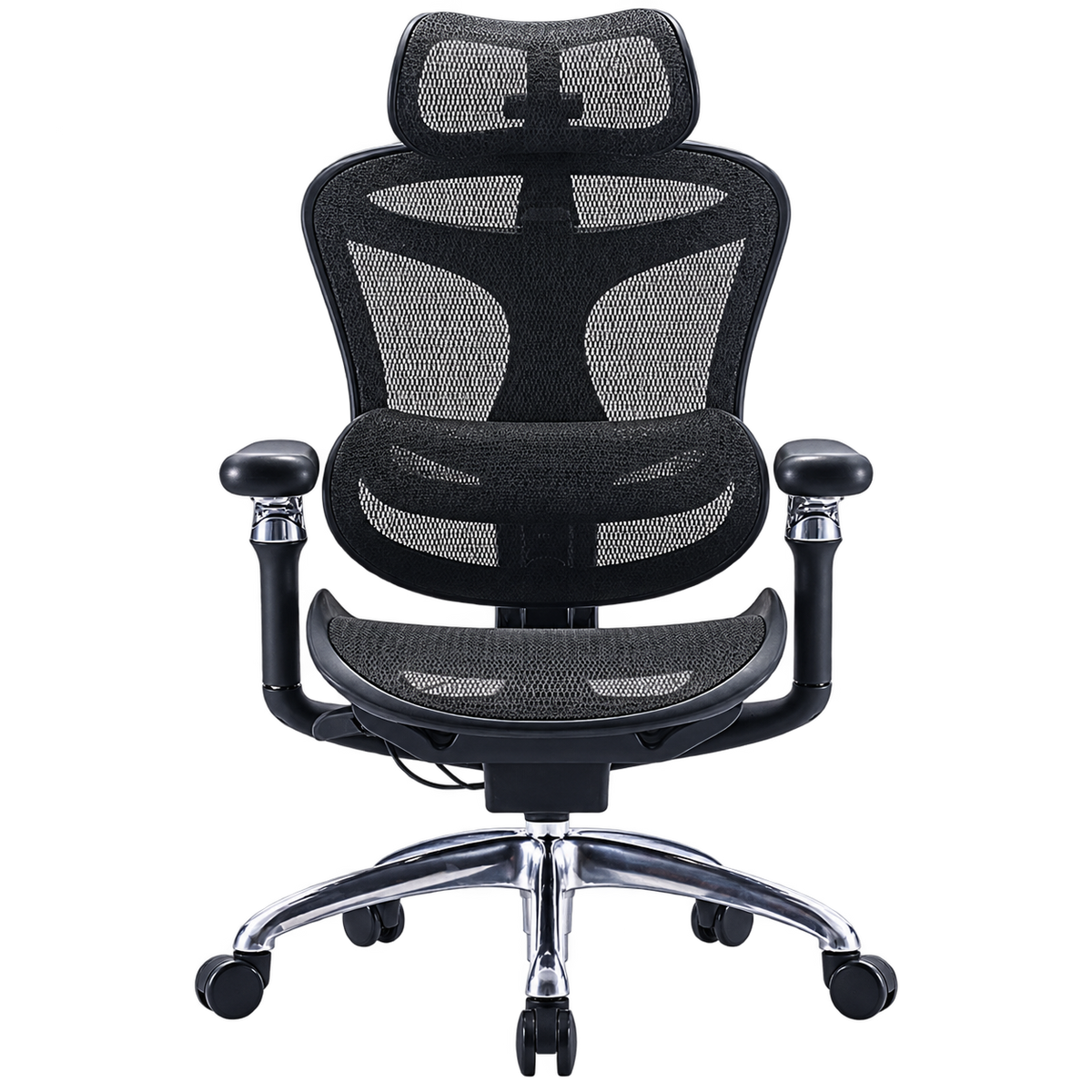
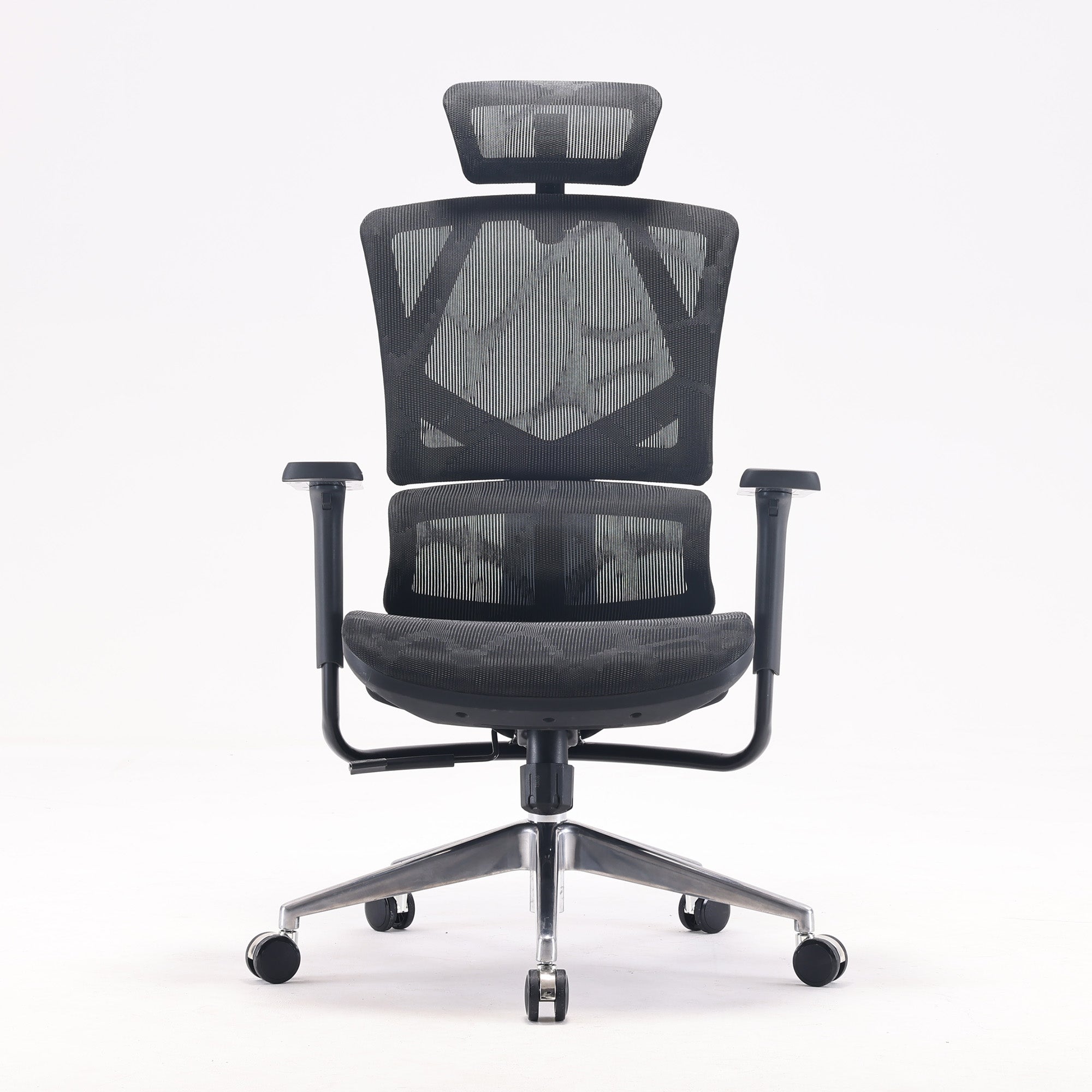
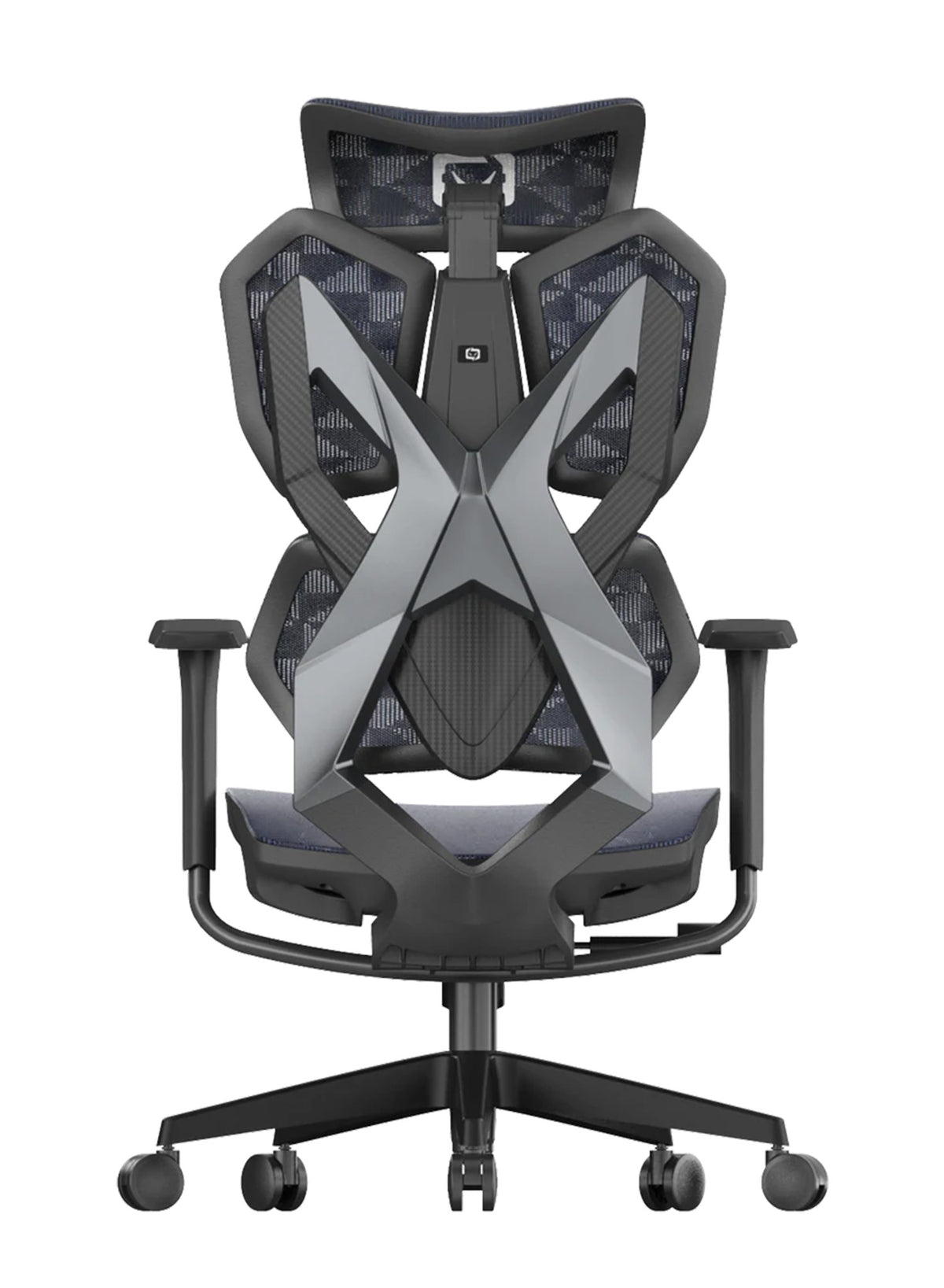
Once the price passes the test, pick on fit. For long desk days, the Doro C300 Pro V2 page lists 4 cm of seat depth adjustment and 8D bionic armrests. It also lists recline positions at 105, 120 and 135 degrees and a 150 kg weight limit. Those are our reasons for suggesting it to people who sit most of the day.
Its limits are real. The page showed a rating of 3.9 out of 5 from 18 reviews on 26 October 2026. Several reviewers said the armrests moved too easily, and some mentioned slow ordering or shipping. The page also showed a "High Demand" tag with an extra 5 to 7 business days before dispatch, so do not expect it to arrive next week.
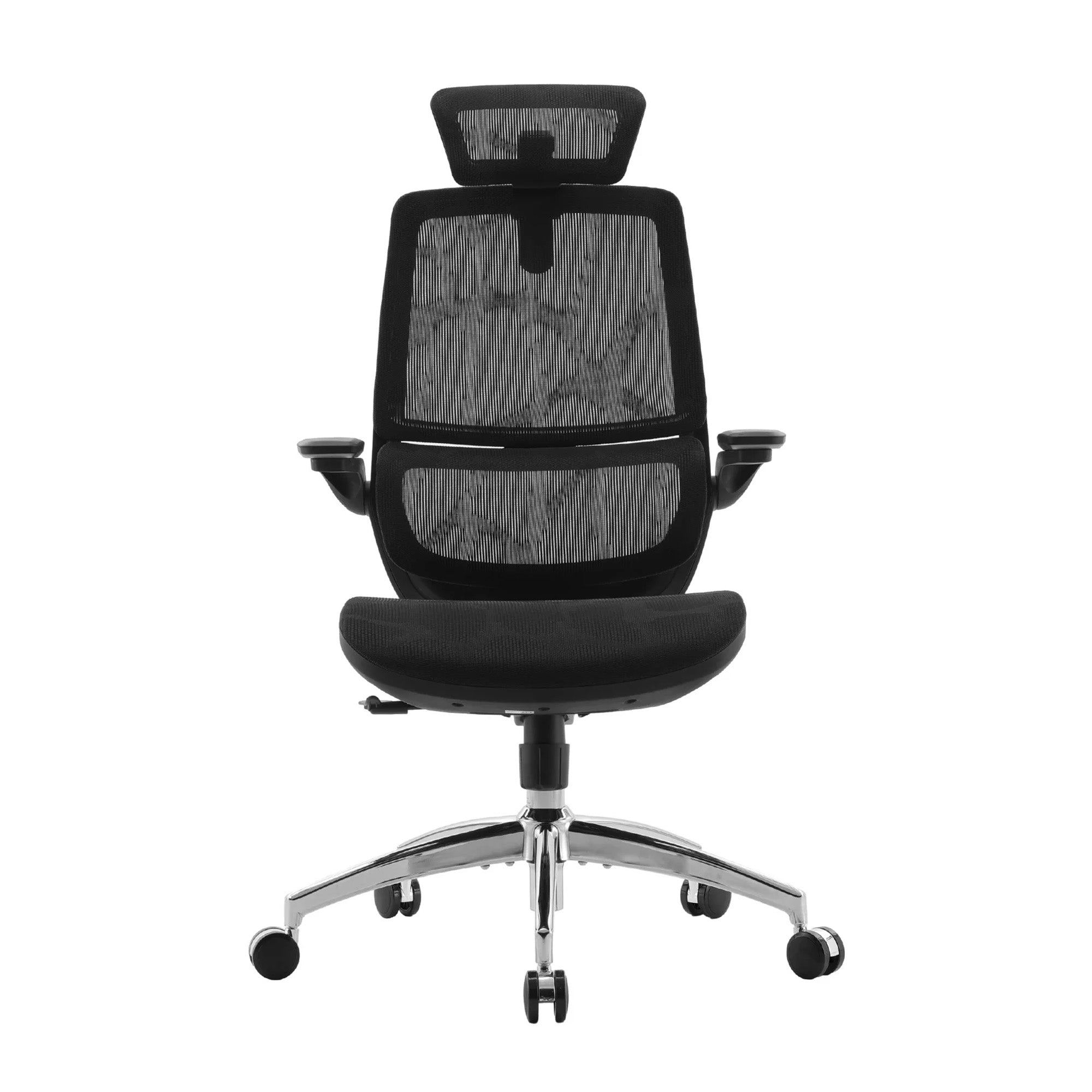
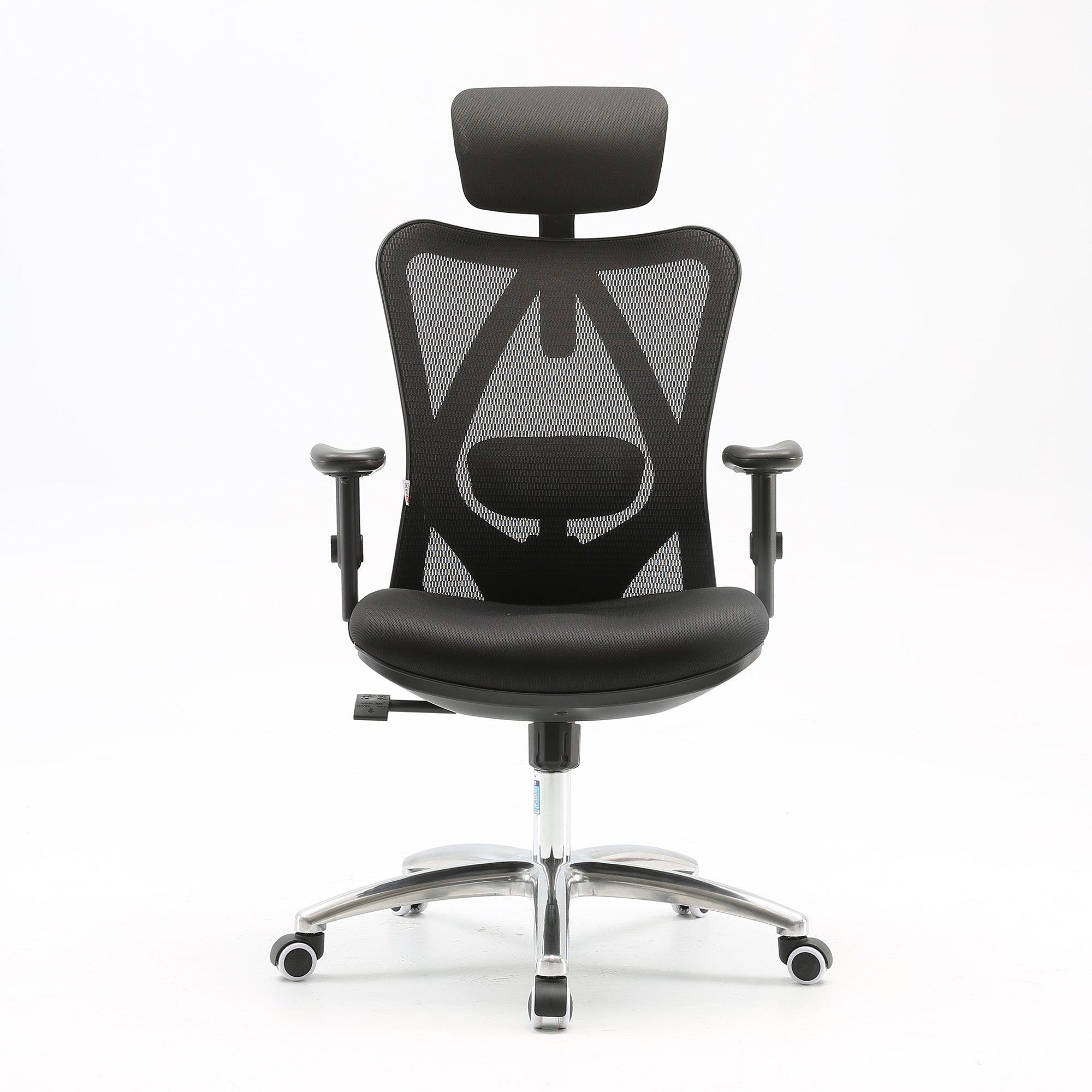
If your budget is tighter, the Doro S100 lists dual dynamic lumbar support, 4D armrests and 5 cm of seat depth adjustment. Be cautious: it showed 2.6 out of 5 from only 5 reviews, a small sample but a low score. For comparisons across the Doro range, see our Doro S100 vs S300 vs C300 comparison.
When do we say buy something else? If the retailer fails step 2 or step 4 and cannot explain, wait. If you need a chair this week, a model that is in stock at a stable price beats a discounted one with a five week wait. And if you have pain that persists, spreads or comes with numbness, see a GP or physiotherapist, because no chair replaces that advice.
For a team, wholesale office chairs bought on a written quote let you compare the final landed price per chair across suppliers, which is the cleanest test of all.
Quick rule: if you cannot name the price from last month, you cannot judge the discount this month.
Conclusion
Sale season is a good time to buy a chair if you do the homework. The homework is small: a screenshot today, a look at old versions of the page, a reload after the timer ends and a few questions about the warranty.
Real discounts survive that test. Fake ones usually fail at the was price or the timer. The ACCC has been clear about what it looks for, and the penalties paid by James Lane, Vuly and digiDirect show those claims can end in a penalty.

If you want a chair for long days, browse the best ergonomic office chairs in Australia. Apply the eight steps to any price you see, including ours. The Doro C300 Pro V2 is where we would start, with its mixed reviews in mind.
Black Friday, Better Back means paying for a chair that fits, at a price you have checked.
Sources Referenced
• ACCC, "ACCC puts retailers on notice ahead of Black Friday sweep", media release 122/25, 10 November 2025, https://www.accc.gov.au/media-release/accc-puts-retailers-on-notice-ahead-of-black-friday-sweep
• ACCC, "ACCC investigating retailers making concerning Black Friday claims", media release 33/26, 14 April 2026, https://www.accc.gov.au/media-release/accc-investigating-retailers-making-concerning-black-friday-claims
• ACCC, Consumer rights and guarantees, https://www.accc.gov.au/consumers/buying-products-and-services/consumer-rights-and-guarantees (checked 26 October 2026)
• Australian Consumer Law, For consumers, https://consumerlaw.gov.au/consumers/for-consumers (checked 26 October 2026)
• Consumer Affairs Victoria, Guarantees that apply automatically, https://www.consumer.vic.gov.au/products-and-services/refunds-repairs-and-returns/guarantees-that-apply-automatically (checked 26 October 2026)
• ACCC, "James Lane and Vuly pay penalties for allegedly making misleading representations during last year's Black Friday sales", media release 112/26, 29 September 2026, https://www.accc.gov.au/media-release/james-lane-and-vuly-pay-penalties-for-allegedly-making-misleading-representations-during-last-year%E2%80%99s-black-friday-sales
• ACCC, "digiDirect pays penalties and admits to making misleading strikethrough discount claims", media release 109/26, 21 September 2026, https://www.accc.gov.au/media-release/digidirect-pays-penalties-and-admits-to-making-misleading-strikethrough-discount-claims
• Tversky A, Kahneman D, "Judgment under Uncertainty: Heuristics and Biases", Science, 1974, 185(4157):1124-1131, DOI 10.1126/science.185.4157.1124, https://pubmed.ncbi.nlm.nih.gov/17835457/
Frequently Asked Questions
Compare the sale price with what the same retailer charged before the sale. Use a screenshot from before the event, the Wayback Machine and any price tracker that covers the chair. If the was price does not appear in earlier records, ask the seller to explain it. The ACCC suggests checking prices before sales start so you can tell if a saving is legitimate.
Not by itself. A timer is only a problem if it does not match the real length of the sale. The ACCC listed timers that do not match the true sale duration as a concern in release 122/25. Reload the page after the deadline and see if the end date moves.
Not for a faulty product. A "no refunds" sign cannot remove your consumer guarantee rights, according to the ACCC. For a major problem you can reject the product for a refund or replacement.
A change of mind is different, so read the retailer's own returns terms. For a particular dispute, contact your state consumer protection agency.
No. "Up to" sets a ceiling, and only some products may reach it. The ACCC flagged "up to" claims where the text is not prominent or few products qualify. Check the percentage on the exact model you want.
No. It is a useful clue. It saves pages on various dates, so gaps are normal. Use it with your own screenshots and a direct question to the retailer.
It can, if the price passes the same test and the chairs fit your staff. Get a written quote with the delivered price, warranty and returns terms for bulk orders. Do not let a deadline decide the order size.
Save a dated screenshot of the product page and the quote with the purchase record. That shows what the price was before the sale and what you paid. For tax treatment, consult your accountant.
The guidance in the releases we opened is written for consumers. The ACCC page says businesses must meet consumer guarantees for products they sell. If you are buying for a company, check your own supplier contract and speak to your adviser.
Shop products from this article


SIHOO’s Pre-Black Friday Sale is now on! Save up to 49%, plus get an extra $15 off with code EARLY15. Pay in 4 interest-free instalments with Afterpay.
SHOP NOWRecommended Posts


