
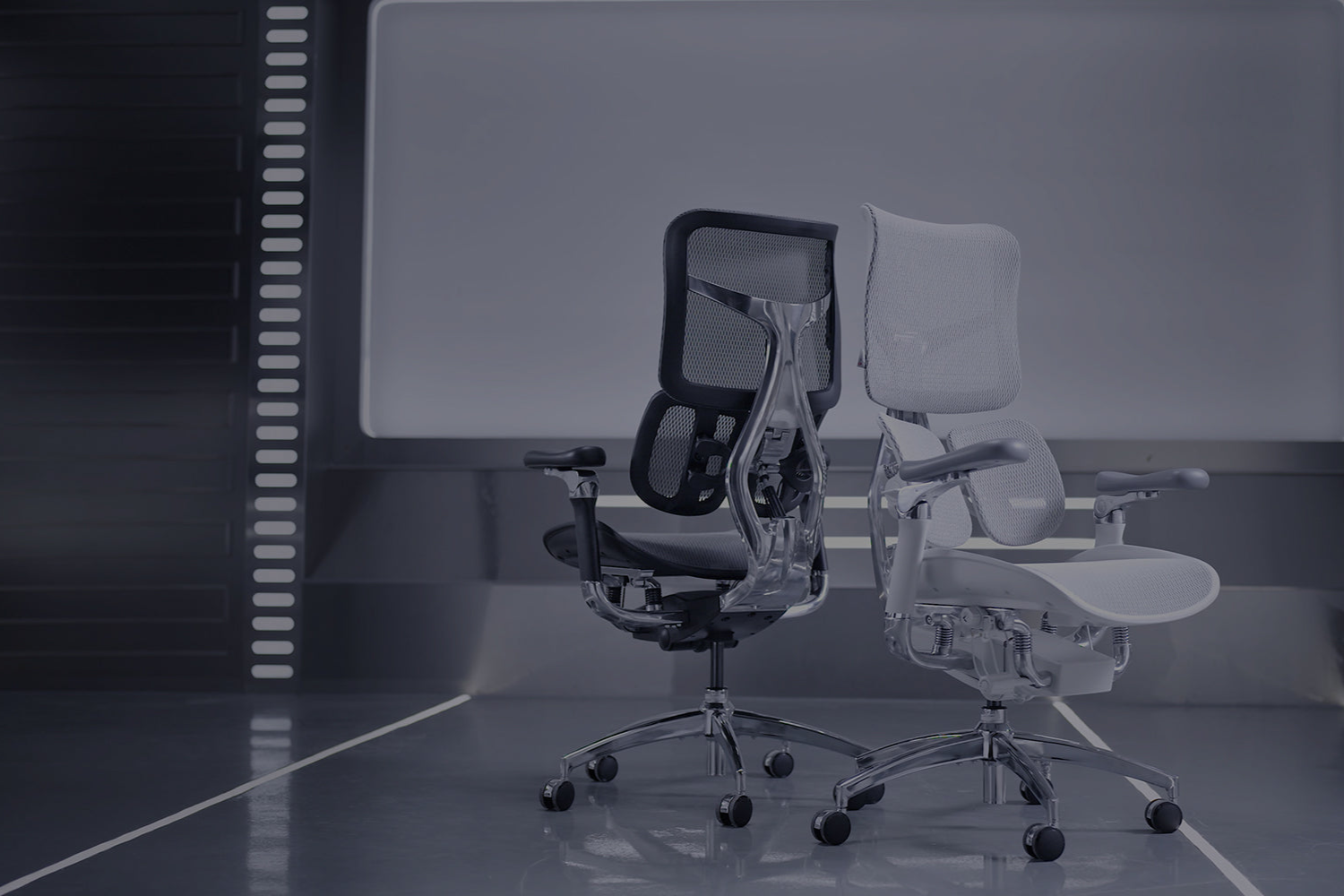
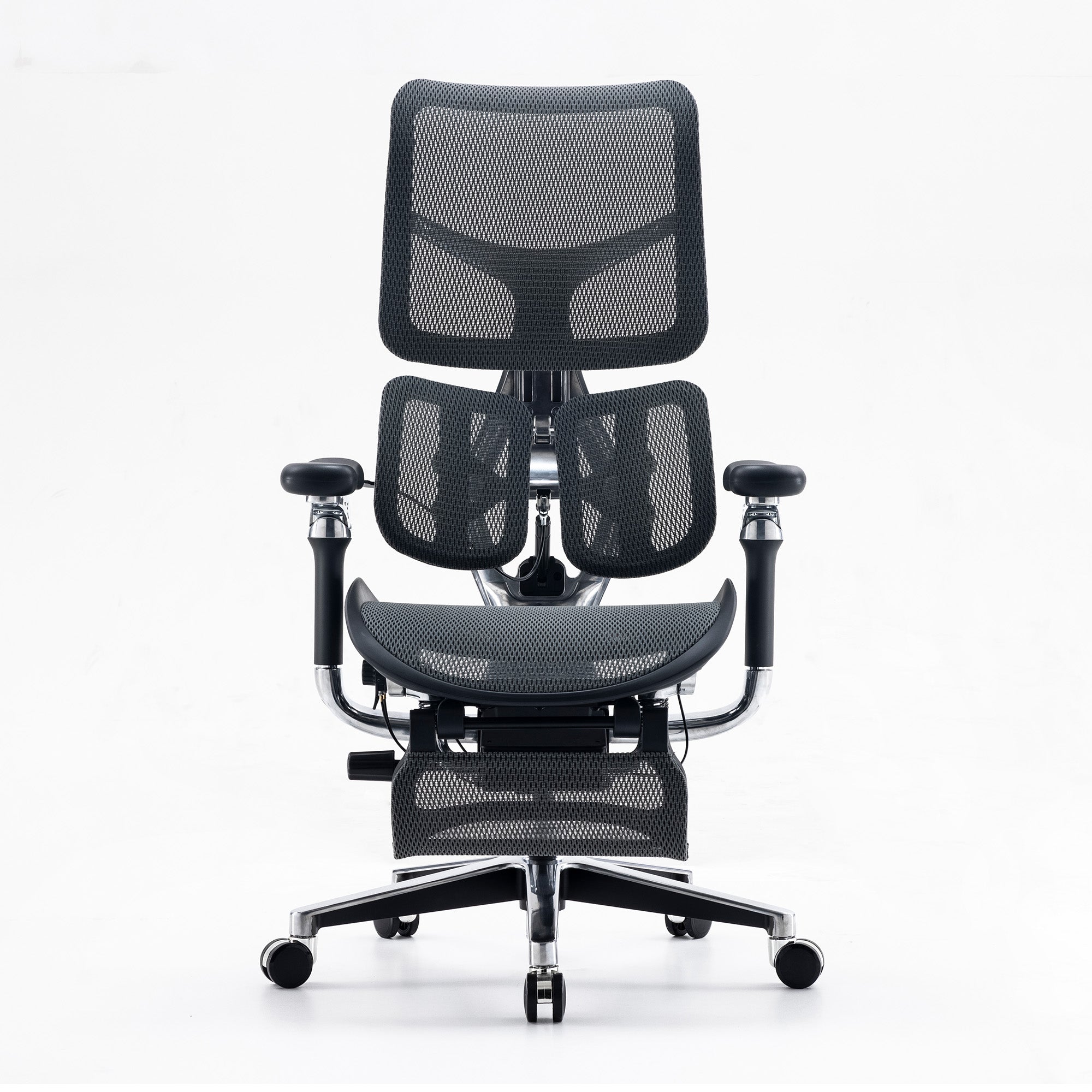
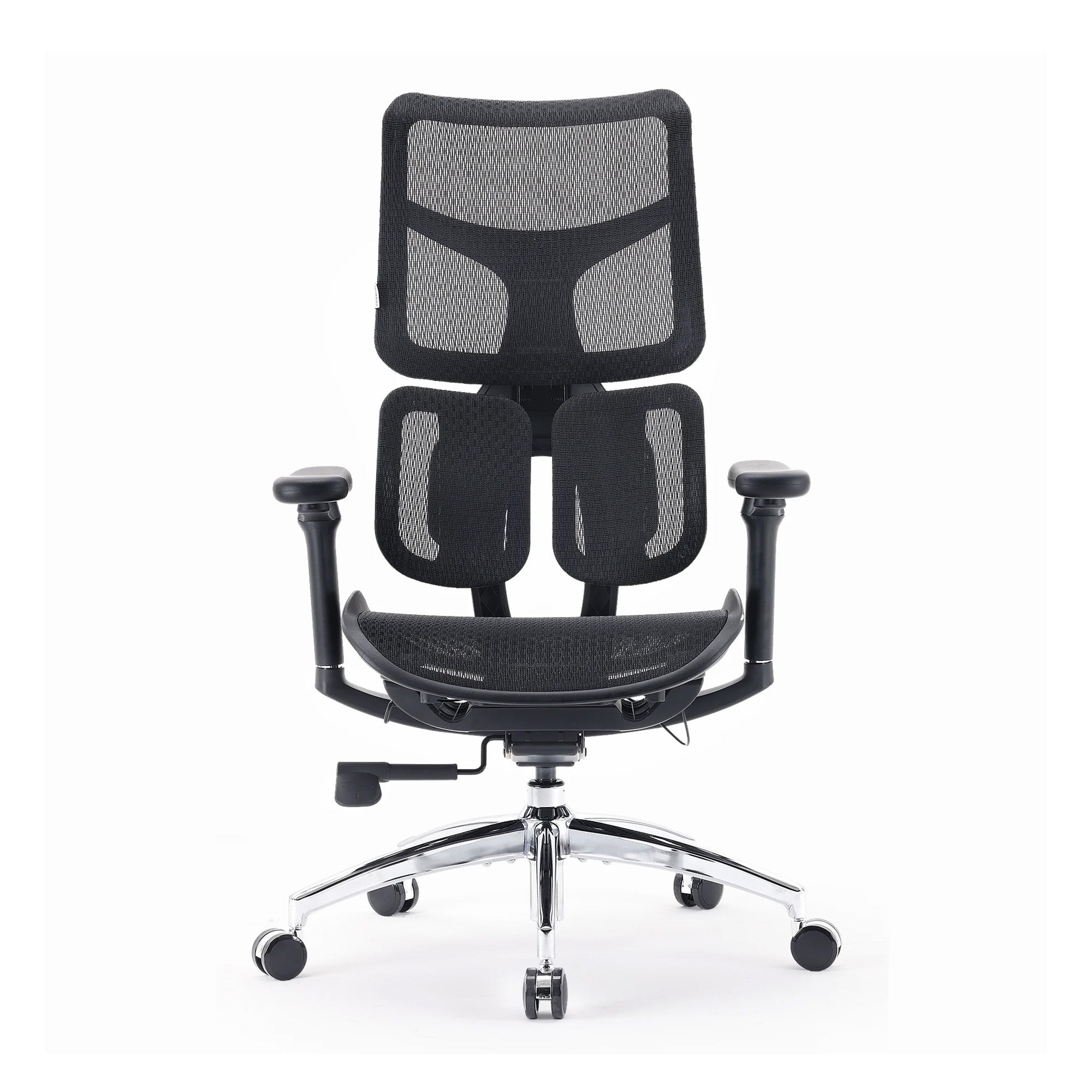
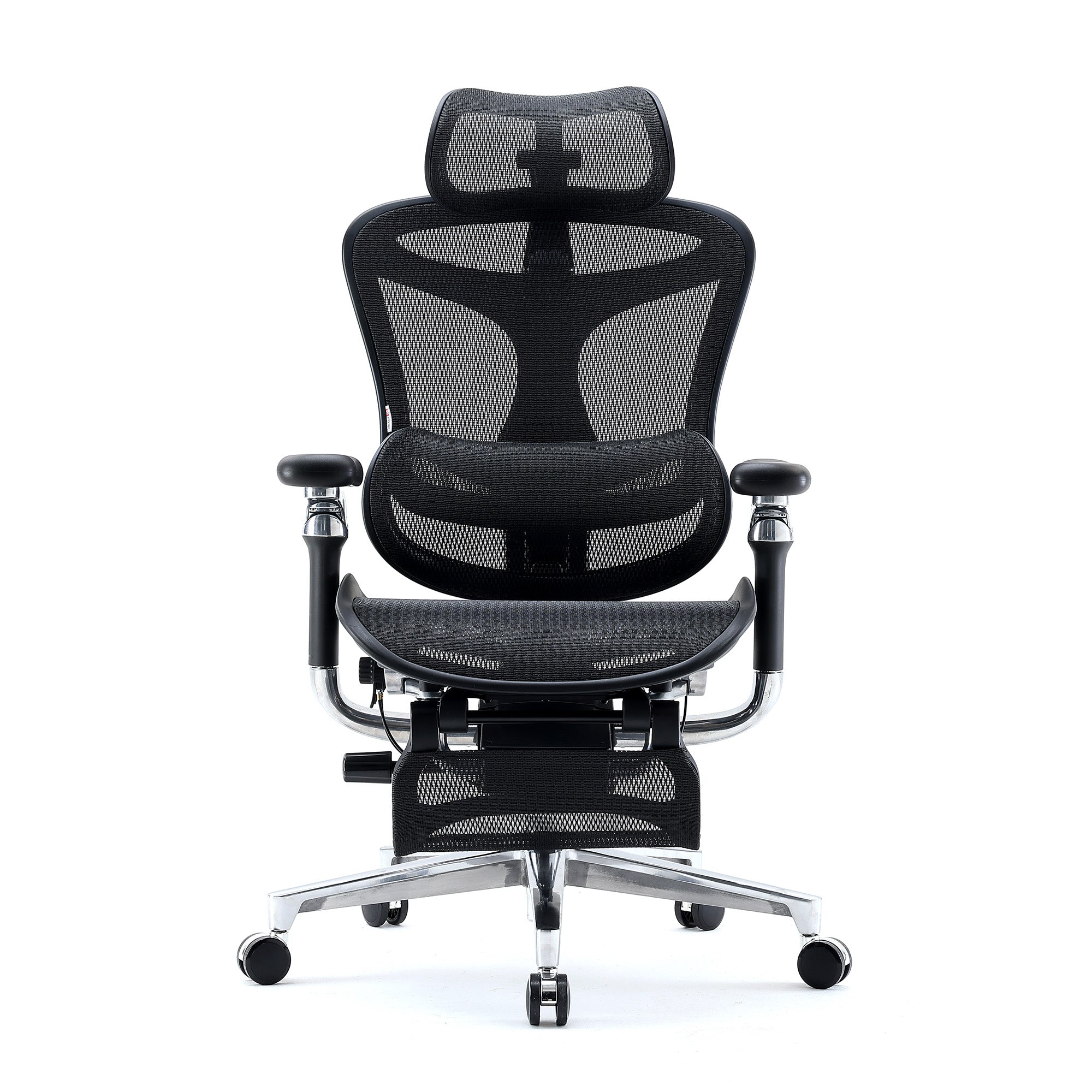
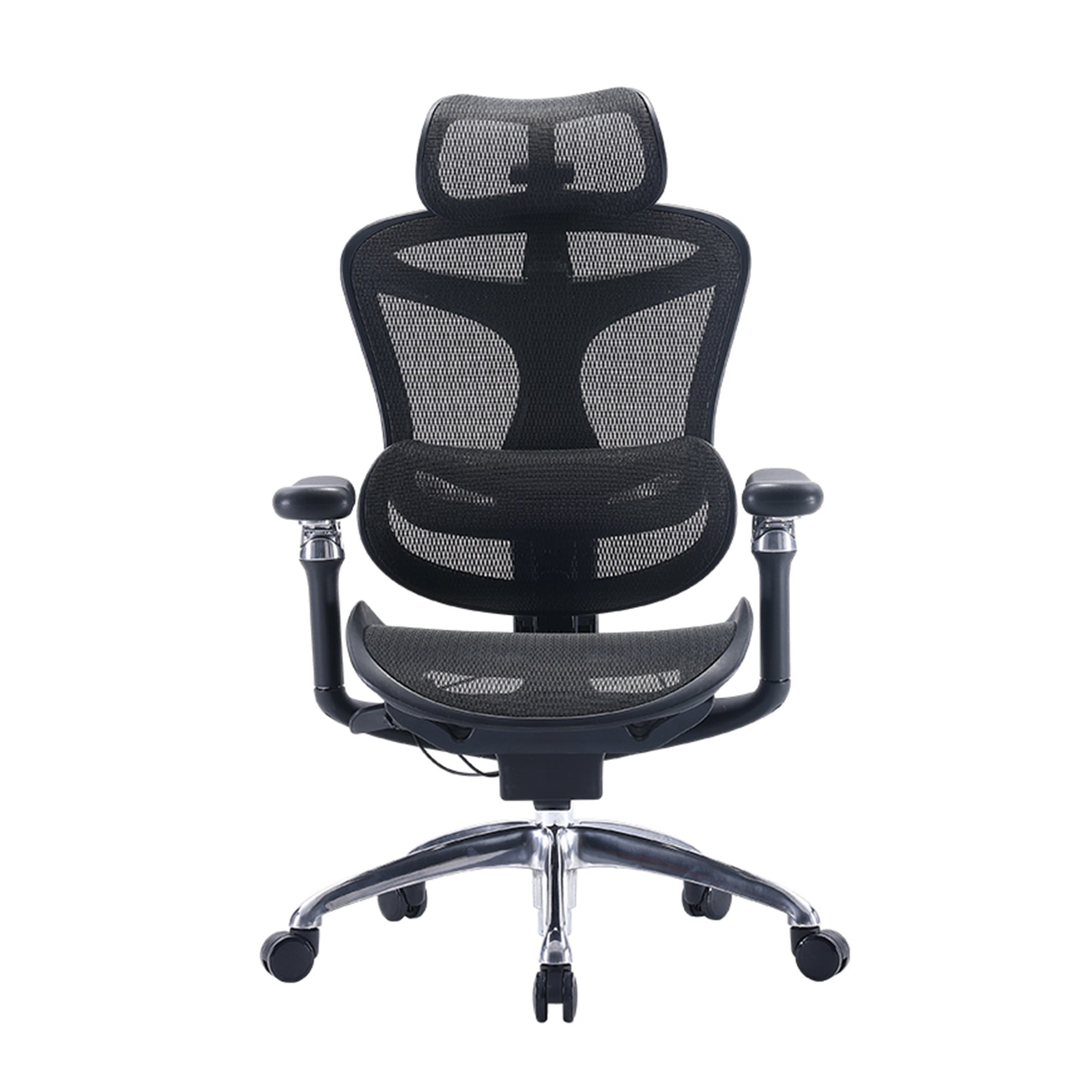
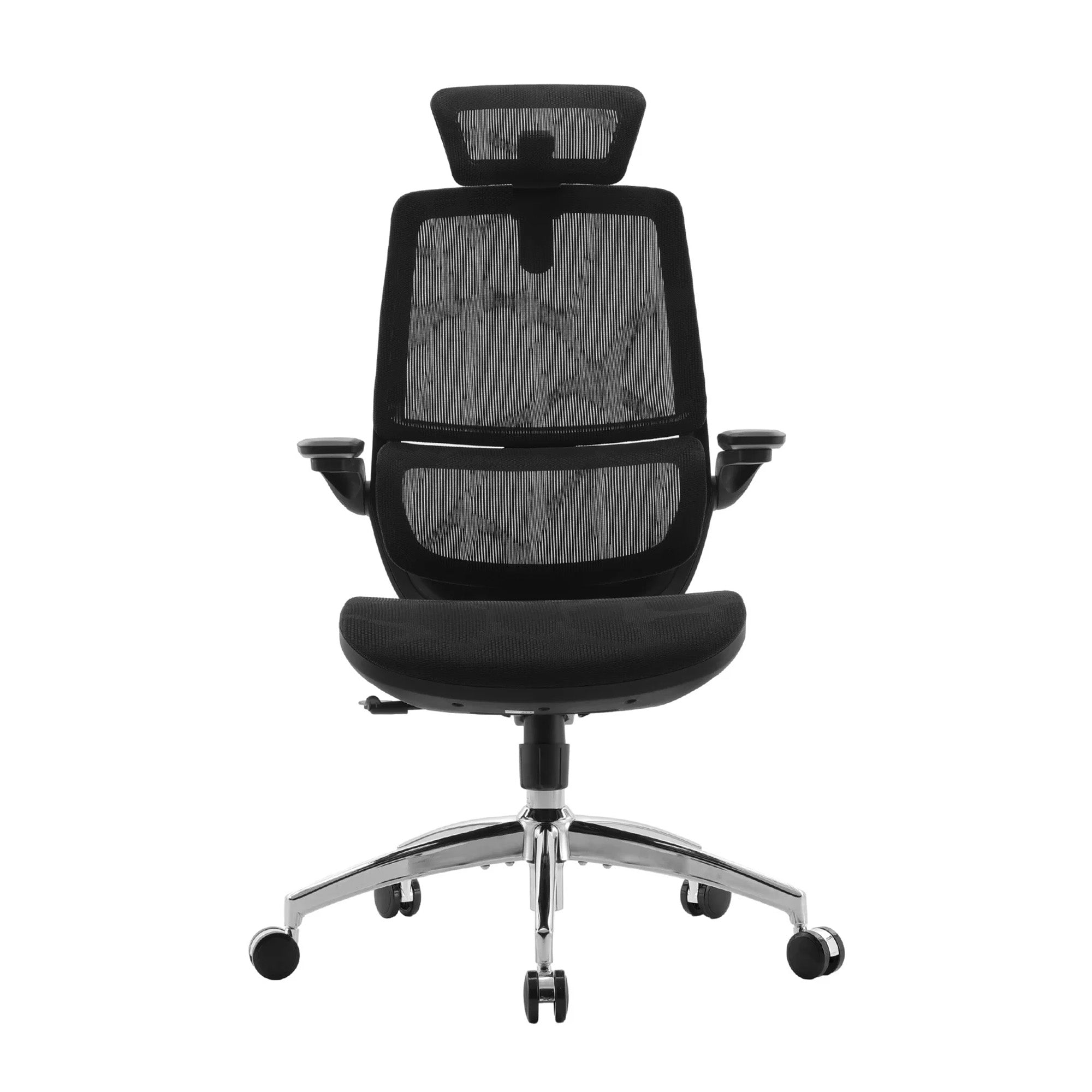
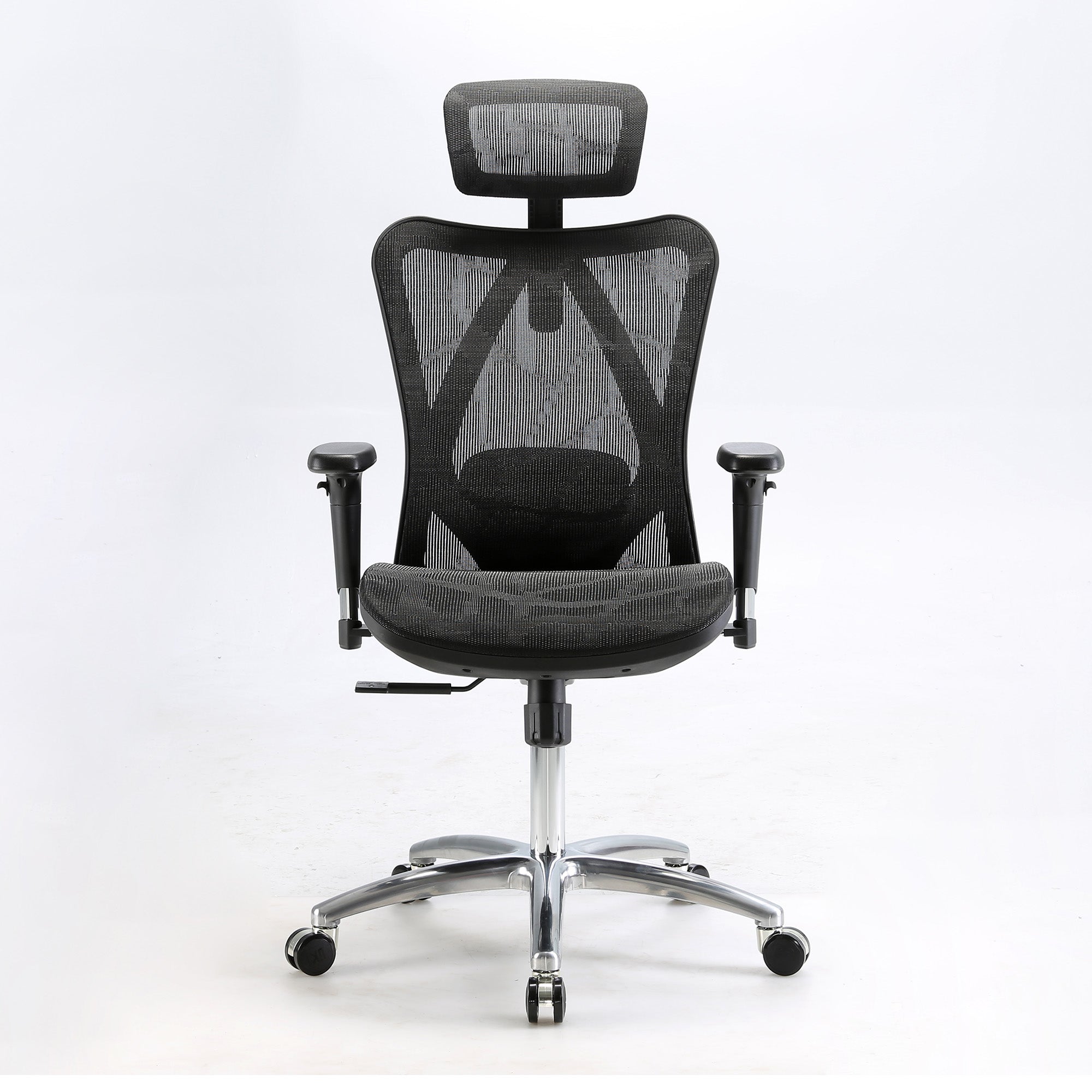
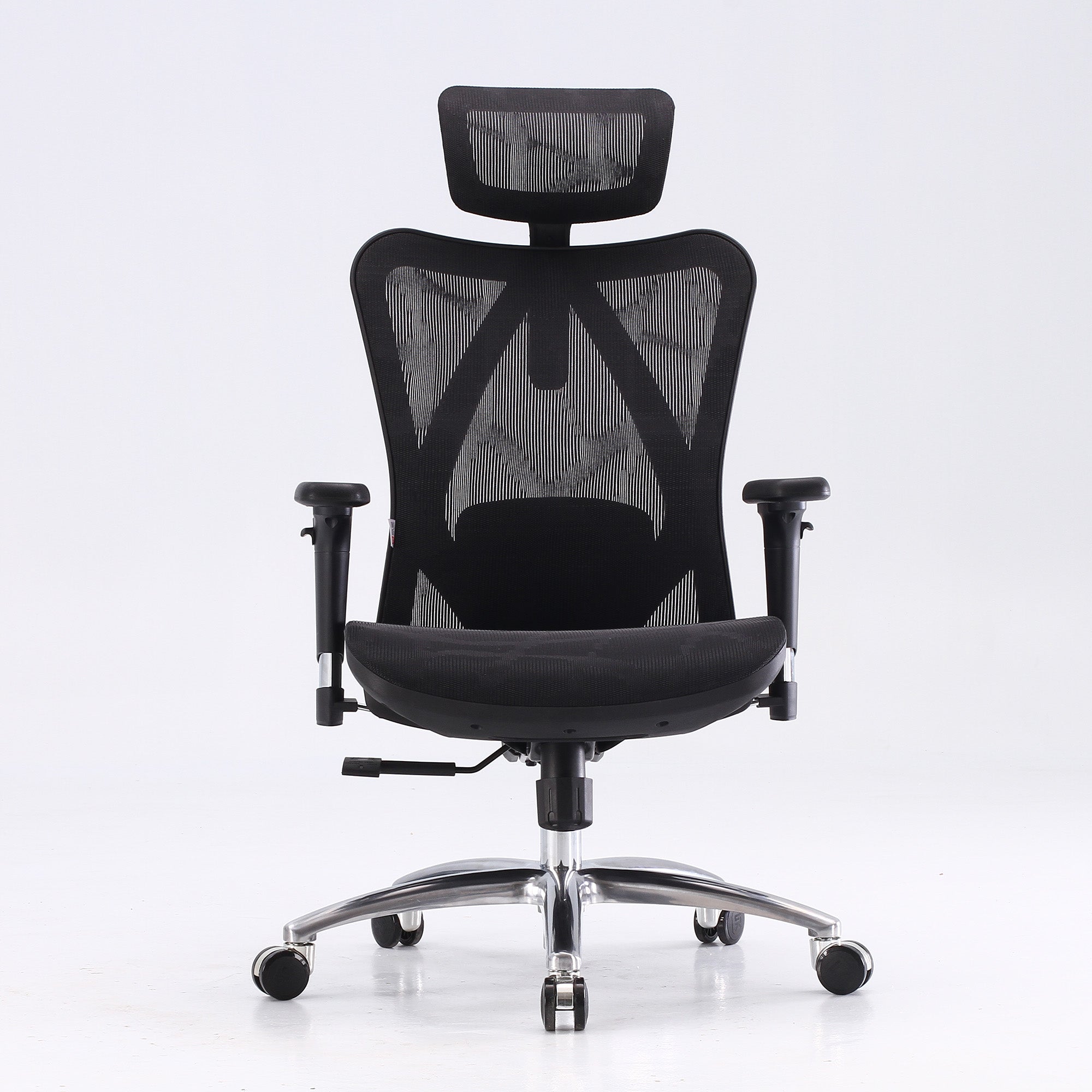
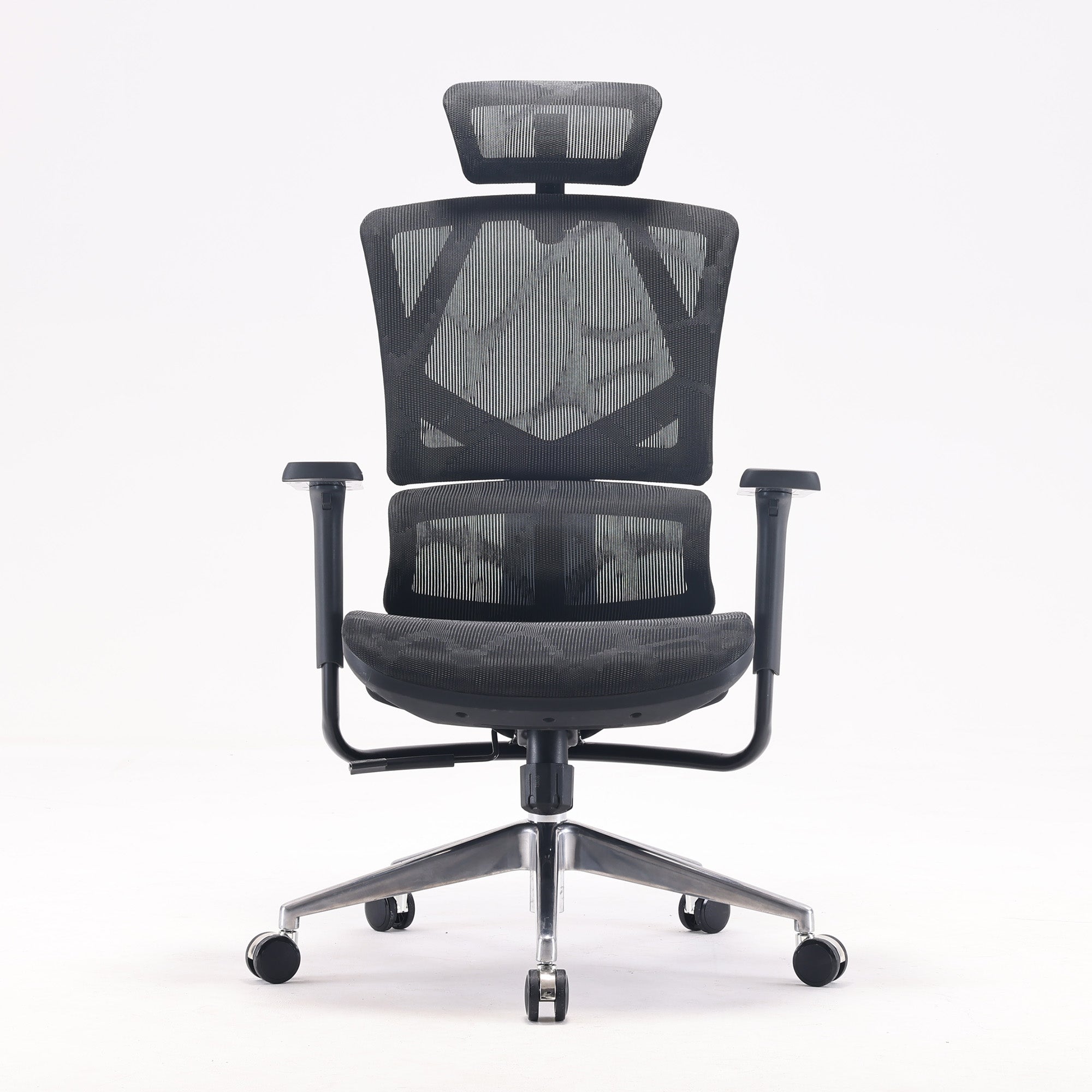
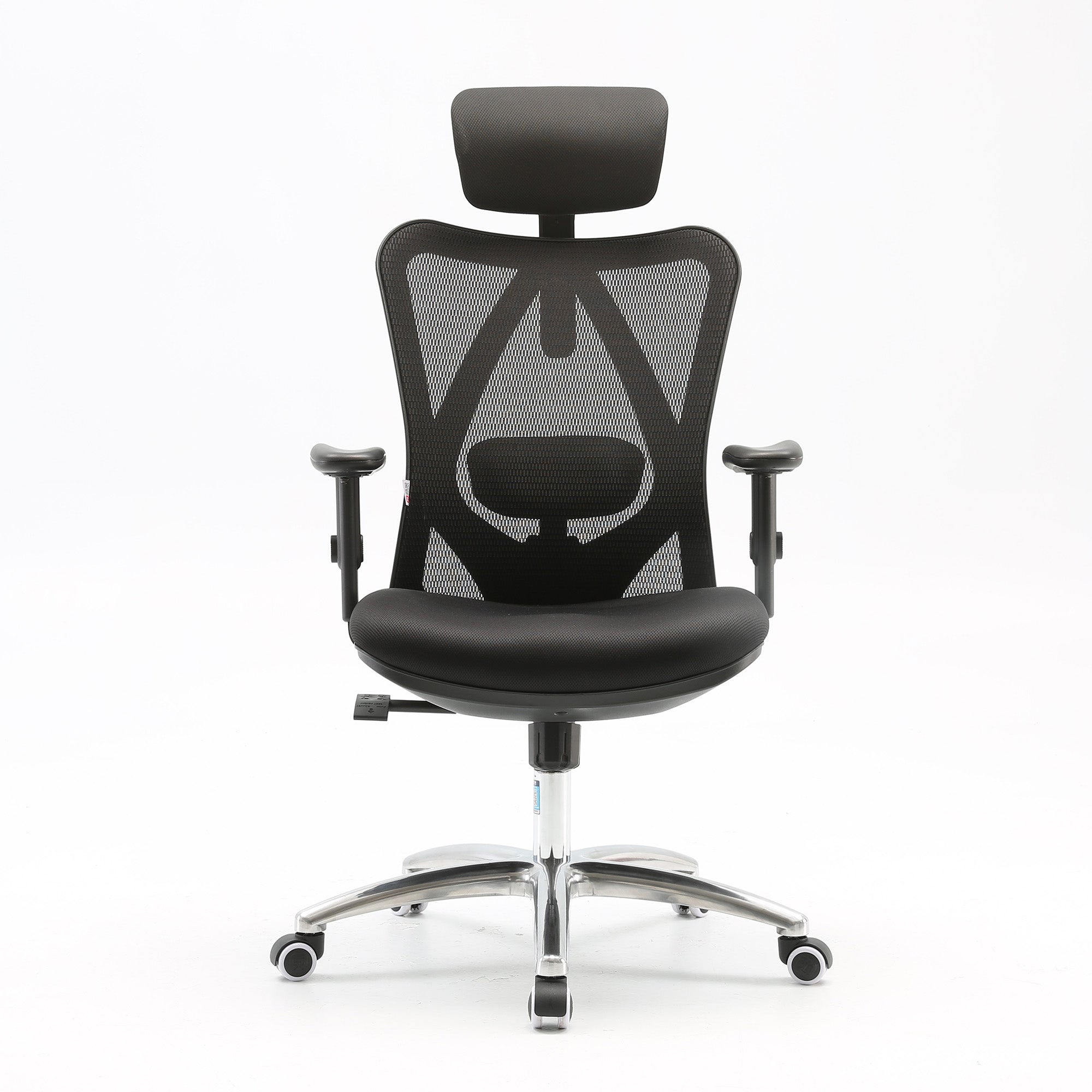
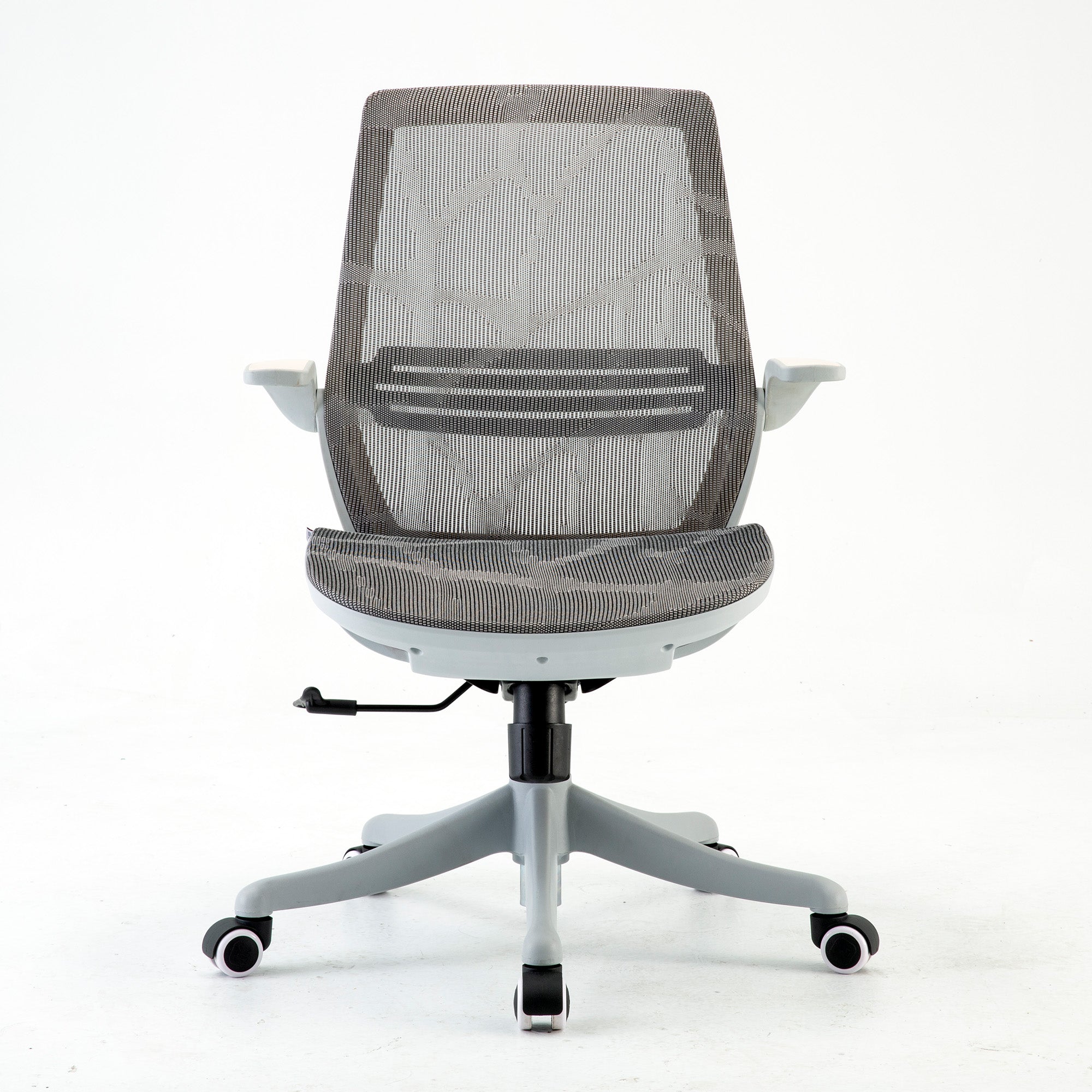
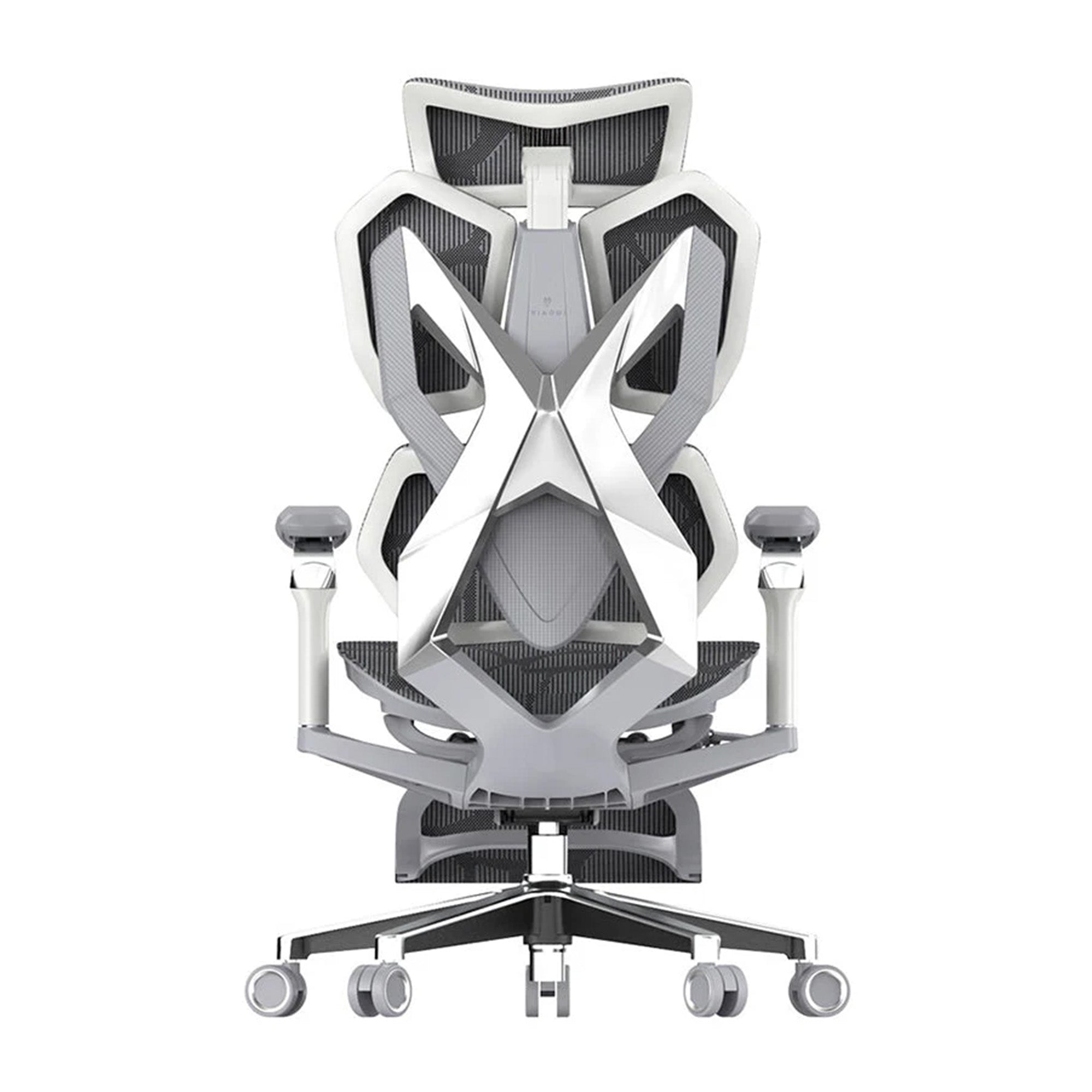

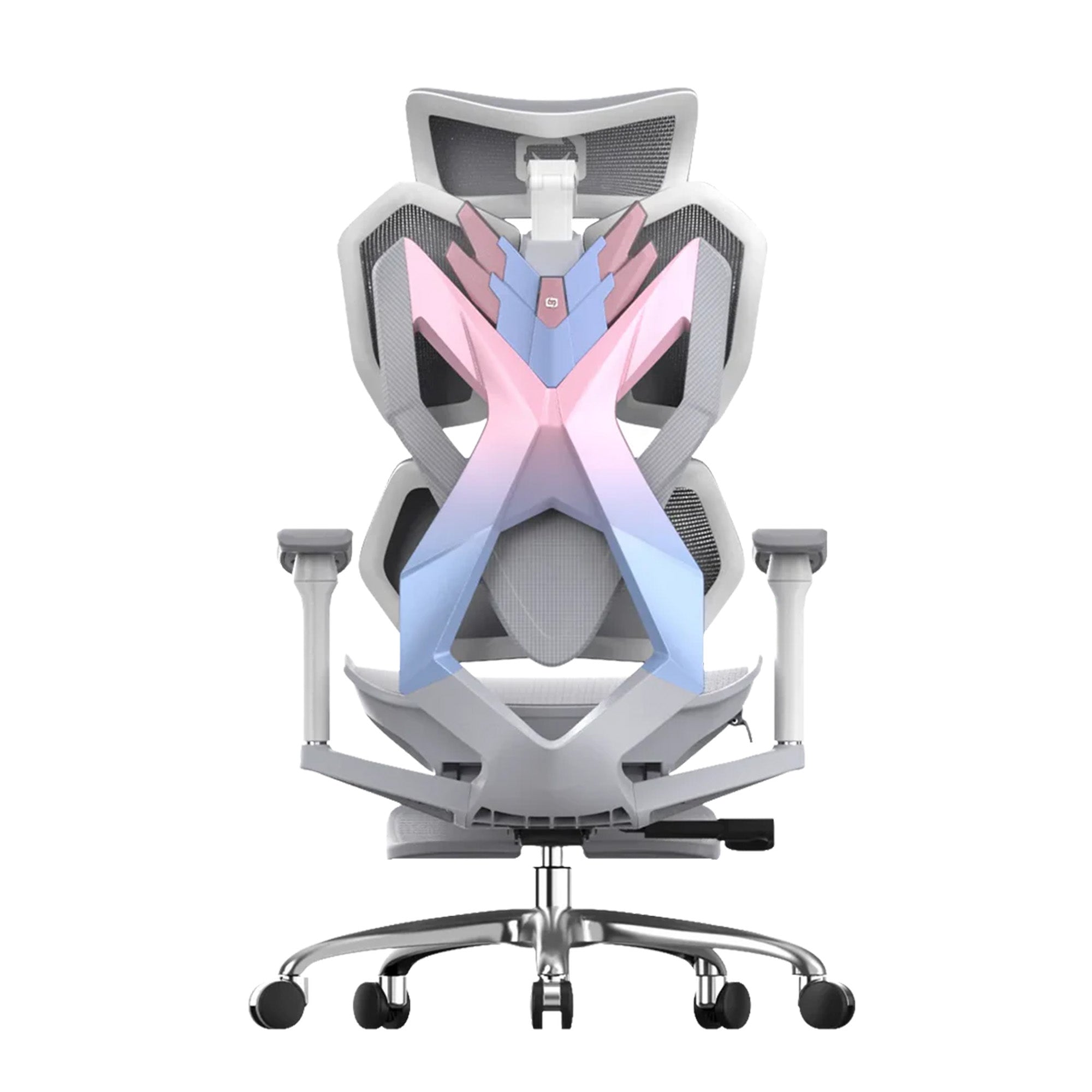
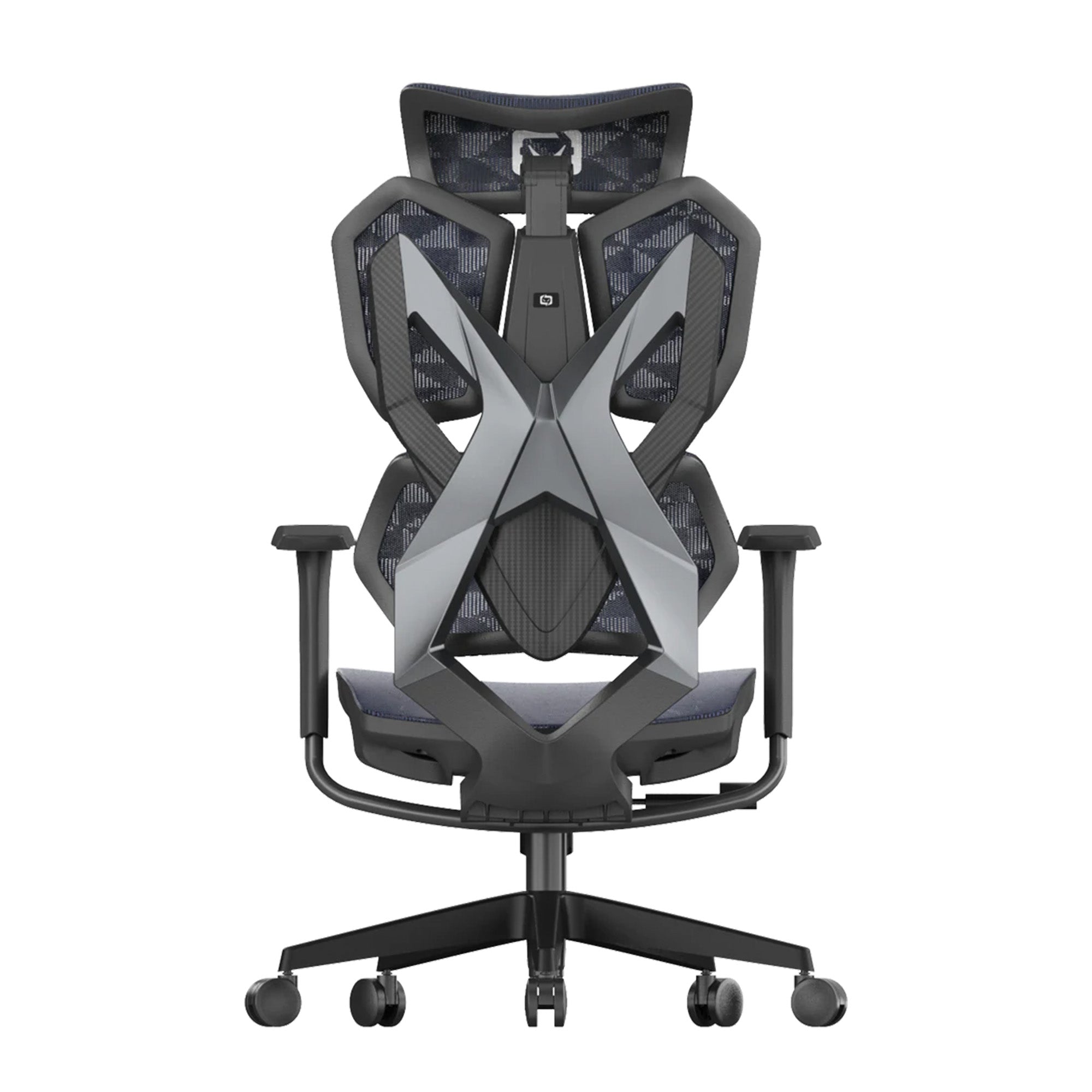

Six chairs. One collection.
The Sihoo Doro series spans from the Doro C100 at $559 to the Doro S300 at $949. The C300 Pro V2 sits between them. It is not the entry point and it is not the flagship. Understanding where it sits, what it adds over the chairs below it, and where the chairs above it earn their premium requires knowing how the collection is structured and what problem each model was designed to solve.
This guide covers all six current Doro models, what defines each one, where the Doro C300 Pro V2 stands in the collection architecture, and the specific scenarios where a different model is the honest recommendation. All AU prices are confirmed from sihoo.com.au as of June 2026. The V2's AU price was not yet confirmed at publication, check sihoo.com.au/collections/doro-series for current pricing. Every ergonomic office chair in the Doro series is covered with the same level of specificity.
How the Doro Collection Is Structured
Two Sub-Series With Different Design Philosophies
The Doro collection is not a single ascending price ladder where each step up adds incrementally more of the same features. It contains two distinct sub-series with different design philosophies, and understanding this distinction prevents buyers from comparing models across architectures that do not share the same feature language.
The C-series (C100, C300 Pro, C300 Pro V2, C500): Built around automatic adaptive lumbar tracking and the principle that the chair's job is to follow the body without requiring manual adjustment. The C-series develops progressively from the C100's entry-level adaptive lumbar through the C300 Pro and V2's more sophisticated tracking systems to the C500's widest-range commercial specification. The defining characteristic across the C-series is the auto-adaptive lumbar and the full mesh construction.
The S-series (S100, S300): Built around a different lumbar architecture: split lower lumbar with independent upper and lower support zones and spring-loaded mechanisms. The S100's dual dynamic lumbar uses a four-spring mechanism that is fundamentally different from the C-series BM Tracking and DynaCore approaches. The S300 adds the anti-gravity recline system, premium ClimaCool 2.0 mesh, and floating lumbar that positions it as the Doro flagship. The S-series is not simply a more expensive C-series.
The key distinction: Comparing the V2 to the S100 or S300 requires understanding that they use different lumbar architectures, not just different price tiers. The C-series auto-adapts continuously. The S-series uses spring-loaded split lumbar that responds differently to body movement. Both are effective. They feel different and suit different users.
The Full Doro Lineup: What Each Model Does
| Model | AU price | Lumbar type | Armrests | Seat depth | The defining characteristic |
|---|---|---|---|---|---|
| Doro C100 | $559 | Auto-adaptive, no user depth control | 4-direction (up/down, forward/back, rotate) | Adjustable | Entry point to the Doro series. Dynamic lumbar and seat depth at the lowest Doro price. No linked armrests. |
| Doro C300 Pro | $679 | BM Tracking, auto-adaptive, no depth control | 6D, no locking mechanism | Adjustable | Well-reviewed dynamic lumbar with wider adjustment than C100. Established model with strong review record. Known armrest stability limitation. |
| Doro C300 Pro V2 | Check sihoo.com.au | Self-Adaptive 2.0, three depth modes, sacrum contact during recline | 8D Bionic, linked to recline, 360-degree rotation | 4cm adjustable | DynaCore four-zone coordination. Armrests linked to recline. Lumbar with user depth control. The most adaptive mid-range option in the Doro C-series. |
| Doro S100 | $599 | Dual dynamic lumbar, split lower lumbar, 4-spring mechanism, 6D auto-adjustment | 4D coordinated | 5cm adjustable | Split lower lumbar for independent upper and lower support. Different architecture from the C-series. Premium mesh seat. Priced between C300 Pro and V2. |
| Doro C500 | $1,199 | Adaptive, wider adjustment range | 6D | Adjustable | Aerospace-grade glass fibre frame. 5-year warranty. Widest adjustment range in the C-series. Commercial hot-desk specification. |
| Doro S300 | $949 | 4-spring floating lumbar, anti-gravity mechanism | 6D, premium | Adjustable | Anti-gravity recline with ClimaCool 2.0 premium mesh. The flagship. Different recline architecture from the entire C-series. Best for 8+ hrs with back history. |
Prices confirmed from sihoo.com.au June 2026 except V2 AU price. C500 5-year warranty confirmed from sihoo.com.au product page. All specifications from confirmed AU product pages and Sihoo official press releases.
The V2 Against Each Doro Model: The Honest Comparison
Doro C300 Pro V2 vs Doro C100 ($559): The C-Series Entry Point
The C100 is the entry door to the Doro collection. At $559 it provides the core Doro C-series value proposition: auto-adaptive dynamic lumbar, adjustable seat depth, flexible backrest, and the full height range of 152 to 191cm at a price below the C300 Pro.
What the V2 adds over the C100 is significant: the DynaCore four-zone coordination system that connects lumbar, backrest, headrest, and armrests; the 8D Bionic armrests with linked recline that replace the C100's four-direction armrests; the three depth modes for the Self-Adaptive Lumbar 2.0 that the C100's fully automatic system does not provide; and the SyncroFlex dual-spring backrest that tracks the spine more precisely than the C100's standard flexible backrest.
The C100 is the right choice over the V2 for a buyer whose priority is entry-level Doro dynamic lumbar at the lowest Doro price, and who does not need the V2's connected four-zone support or 8D armrests. It is a genuine ergonomic chair that serves its intended user well. It is not a lesser chair for buyers who fit its specification.
Choose C100 over V2 when: Budget is the primary filter, you sit under five hours daily, and you do not need user-controlled lumbar depth or linked-recline armrests.
Choose V2 over C100 when: You sit six or more hours daily, armrest stability through recline matters, or you want lumbar depth control that the C100's auto-only system does not provide.
Doro C300 Pro V2 vs Doro C300 Pro ($679): The Generation Comparison
This comparison is covered in full detail in the C300 Pro vs C300 Pro V2 comparison guide. The short version: the V2 rebuilds the armrest mechanism entirely, adds three depth modes to the lumbar, widens the headrest, and introduces the DynaCore four-zone coordination that the C300 Pro's independently operating components do not provide. The C300 Pro at $679 remains a strong choice for buyers whose daily profile does not require the V2's specific additions.
Choose C300 Pro over V2 when: You sit four to six hours daily without the armrest shifting problem and without the need for lumbar depth control.
Choose V2 over C300 Pro when: Armrest stability through recline was your specific frustration, or you want user-controlled lumbar depth, or you sit six or more hours daily with significant postural variation.
Doro C300 Pro V2 vs Doro S100 ($599): The Architecture Difference
The S100 is priced between the C100 and C300 Pro at $599, which creates a natural comparison question with the V2. But comparing them requires understanding that the S100 uses a fundamentally different lumbar architecture.
The S100's defining feature is its dual dynamic lumbar with a split lower lumbar design and a four-spring mechanism. The lower lumbar support splits at the centre and flexes independently on each side, following the asymmetric movements that sitting naturally involves, leaning slightly left during a phone call, reaching right for a mouse, adjusting posture across the day. The four springs give the lumbar a different quality of response from the V2's DynaCore auto-adaptive tracking: it is more like a cushioned surface that yields and responds to pressure rather than a tracking system that follows a specified spinal position.
For some users, the S100's split lumbar spring-response feels more natural and less mechanical than a tracking system. For others, the V2's coordinated four-zone DynaCore provides a more complete adaptive experience because the armrests and headrest are also in the support loop.
The S100 also has a 5cm seat depth adjustment versus the V2's 4cm, a wider waterfall seat cushion, and 4D coordinated armrests. The 4D armrests adjust in fewer directions than the V2's 8D but are coordinated with the recline in a different way.
Choose S100 over V2 when: The split lower lumbar architecture resonates with you, you want the spring-loaded lumbar response rather than the auto-tracking system, or the S100's seat cushion design suits your body proportions better.
Choose V2 over S100 when: You want the full DynaCore four-zone coordination including the 8D bionic armrests with linked recline, or the three depth modes for lumbar control are a priority, or the V2's DynaCore architecture suits your body type better after testing.
Doro C300 Pro V2 vs Doro C500 ($1,199): The Commercial Specification
The C500 occupies a different position in the collection from every other Doro model. Its primary differentiation is not lumbar sophistication or armrest dimensions. It is the aerospace-grade glass fibre frame construction, the five-year warranty (compared to three years for every other Doro model), and the widest adjustment range across all dimensions in the C-series.
For commercial procurement, the C500 makes a specific argument that the V2 cannot match: a five-year warranty backed by a frame construction that is specified for sustained commercial daily use at the highest occupancy levels. A hot-desk environment where multiple users rotate through the same chair across different working patterns needs the C500's adjustment range and warranty depth, not just its lumbar system.
The C500's 6D armrests and adaptive lumbar are less sophisticated than the V2's 8D Bionic and DynaCore system. But for the specific use case of commercial procurement with a long useful life requirement, the C500's five-year warranty and frame specification are the relevant criteria, not the armrest direction count.
For businesses fitting out offices and considering the cost over the warranty period, the guide to the real cost of a bad office chair for Australian businesses covers the full cost model including replacement cycles and warranty periods.
Choose C500 over V2 when: Commercial procurement with a five-year warranty requirement, hot-desk environments where maximum adjustment range matters, or when the aerospace glass fibre frame specification is the primary requirement.
Choose V2 over C500 when: Individual purchase for personal home office or dedicated workstation use, DynaCore four-zone adaptive support is the priority, or the C500 price point is outside budget.
Doro C300 Pro V2 vs Doro S300 ($949): The Flagship Question
The S300 is the Doro flagship and it earns that position through one feature that no other chair in the collection provides: the anti-gravity recline mechanism with a 4-spring floating lumbar system.
The anti-gravity recline is architecturally different from the V2's Smart Weight-Responsive Mechanism 2.0. Where the V2 auto-calibrates recline tension to body weight and returns smoothly from any recline angle, the S300's anti-gravity mechanism is designed to create a sensation of weightlessness during recline, distributing body weight across the chair in a way that reduces spinal compression during the reclined position. It uses aircraft-grade fiberglass in the mechanism and ClimaCool 2.0 mesh that has greater airflow than standard mesh.
The S300's 4-spring floating lumbar is also architecturally different from the V2's Self-Adaptive Lumbar 2.0. The floating lumbar maintains contact through recline and forward lean through a spring-loaded mechanism rather than auto-tracking. For users with existing lower back conditions or extended daily hours at eight or more hours, the difference between these two lumbar approaches is noticeable across a full working day.
The V2's DynaCore four-zone coordination is an advantage the S300 does not fully replicate: the 8D Bionic armrests linked to recline give the V2 a more connected response across all four zones than the S300's six-direction armrests. But the S300's overall anti-gravity recline experience and floating lumbar are the premium specifications for the user who sits eight or more hours with an existing back history.
Choose S300 over V2 when: You sit eight or more hours daily with a back condition history, the anti-gravity recline mechanism is important for your comfort during long sessions, you need the extended backrest height coverage for frames above 190cm, or you want the ClimaCool 2.0 premium mesh and the more established five-year commercial specification.
Choose V2 over S300 when: The DynaCore four-zone coordination and 8D armrests linked to recline are your priority, you sit six to eight hours daily without an existing back history, or the S300 price point is outside budget and the V2 covers your daily use requirement at a lower price.

The Quick Decision Table: V2 vs Each Alternative
| If your priority is... | The V2 gives you | But consider instead |
|---|---|---|
| Lowest entry to Doro with dynamic lumbar | More than you need — you are paying for DynaCore and 8D armrests you will not fully use at this priority | Doro C100 at $559 — dynamic lumbar and seat depth at the Doro entry price |
| Best adaptive lumbar at moderate price | Exactly this — Self-Adaptive Lumbar 2.0 with three depth modes and sacrum contact during recline | V2 is the right choice here |
| Armrest stability through recline | 8D Bionic linked to recline — directly fixes this | V2 is the right choice here |
| Split lower lumbar independent upper and lower support | DynaCore four-zone coordination — different architecture, not a split lower lumbar | Doro S100 at $599 — split lower lumbar with 4-spring mechanism, different design approach |
| Anti-gravity recline | 135-degree recline with Smart Mechanism 2.0 — good, not anti-gravity | Doro S300 at $949 — anti-gravity recline is its defining feature |
| 5-year warranty and commercial durability | 3-year warranty with BIFMA, SGS, TUV certification | Doro C500 at $1,199 — 5-year warranty, aerospace glass fibre frame |
| 8+ hours daily with existing back history | Strong specification — DynaCore keeps support through movement | Doro S300 is worth the $270 premium at this intensity for its floating lumbar and anti-gravity recline |
Decision table based on confirmed specifications from sihoo.com.au AU product pages (June 2026) and Sihoo official press releases. Individual fit depends on body type, daily use pattern, and personal comfort preference.
Where the V2 Is the Clear Winner in the Doro Collection
The Specific Profile That Matches No Other Doro Model
There is a specific buyer profile where the V2 is not just a good choice but the most targeted option in the entire Doro collection.
The user who sits six to eight hours daily, has experienced the armrest-shifting problem with a previous chair, wants auto-adaptive lumbar with user override depth control, and does not need the S300's anti-gravity recline or the C500's five-year commercial warranty has a specific unmet need in the Doro collection. Before the V2, no single model addressed all of these simultaneously.
The C100 lacks the armrest sophistication. The C300 Pro has the unlocked armrest problem. The S100 uses a different lumbar architecture that may or may not suit this user. The C500 is commercial specification above the personal use requirement. The S300 is premium priced for a recline architecture the user does not need.
The V2's DynaCore four-zone coordination, 8D Bionic linked-recline armrests, and Self-Adaptive Lumbar 2.0 with three depth modes address this profile directly. It is the model that completes the gap in the Doro collection that the C300 Pro's documented limitations created.
The Doro Series as an Ecosystem, Not a Ladder
Why Price Alone Does Not Define the Right Choice
A common mistake when reading the Doro collection is to treat it as a quality ladder where the S300 is objectively better than the C100 in every way. It is not. The S300's anti-gravity recline is irrelevant for a user who rarely reclines and does not need weightless recline support. The C500's five-year warranty is unnecessary for a home office user who will own one chair at low occupancy. The S100's split lower lumbar may feel more natural to one user and less natural to another compared to the DynaCore tracking approach.
The right Doro chair is the one whose specific design philosophy matches the specific daily use pattern of the specific person using it. That assessment requires knowing what each model actually does differently from the others, which is what this guide has attempted to provide.
Research published in Sports Medicine Open in February 2025 confirmed that without adequate lumbar support, deep trunk muscle fatigue begins between 15 and 25 minutes of unsupported sitting. All six Doro models address this through their adaptive lumbar systems. The difference between them is not whether they provide adequate lumbar support. All of them do. The difference is the quality, architecture, and adjustability of that support across different daily use intensities and body types.
For businesses equipping teams with the Doro series across different roles and daily use profiles, the guide to choosing ergonomic chairs for teams with different body types covers the procurement decision for mixed-requirement environments.
Conclusion
The Doro C300 Pro V2 sits in the mid-range of a six-model collection that spans two distinct design sub-series.
It is the most sophisticated adaptive support option in the C-series below the commercial-specification C500. Its DynaCore four-zone coordination, 8D Bionic linked-recline armrests, and Self-Adaptive Lumbar 2.0 with three depth modes address the specific limitations of the C300 Pro and offer something different from the S-series split lumbar approach of the S100 and S300.
The C100 is right when budget is the filter and the simpler adaptive lumbar is sufficient. The C300 Pro is right when the V2's specific improvements are not needed and the established model at $679 is preferred. The S100 is right when the split lower lumbar architecture suits the user better than the DynaCore tracking approach. The C500 is right for commercial procurement with a five-year warranty requirement. The S300 is right for eight-plus daily hours with existing back history and the anti-gravity recline as a priority.
The V2 is right for the user who sits six to eight hours daily, needs armrests that stay positioned through recline, wants adaptive lumbar with user depth control, and falls between the entry point of the C-series and the flagship recline architecture of the S300.
See the full Doro series ergonomic office chair range at sihoo.com.au, and browse all best ergonomic office chairs in Australia across every Sihoo collection.
Better Comfort Starts Now.
Frequently Asked Questions
The answer depends on your daily sitting hours and your priority feature. For entry-level Doro adaptive lumbar at the lowest price: Doro C100 at $559. For the established mid-range with dynamic lumbar and no armrest improvement needed: Doro C300 Pro at $679. For full four-zone adaptive support with 8D armrests linked to recline: Doro C300 Pro V2. For split lower lumbar with spring-loaded response and a different architecture from the C-series: Doro S100 at $599. For commercial durability with a five-year warranty and the widest adjustment range: Doro C500 at $1,199. For eight-plus hours daily with existing back history and anti-gravity recline: Doro S300 at $949.
Not for every user. The V2 is the most adaptive mid-range option in the C-series and introduces the DynaCore four-zone coordination that no other C-series model provides. But the S300 is the Doro flagship with an anti-gravity recline architecture and premium mesh that the V2 does not replicate. The C500 provides a five-year warranty and commercial frame construction that the V2 does not match. "Best" depends on what the user needs. The V2 is the best choice for the specific profile of six to eight hours daily with coordinated four-zone adaptive support as the priority.
The C-series uses auto-adaptive lumbar tracking where the lumbar follows the spine's position and adjusts continuously. The S-series uses a split lower lumbar with spring-loaded mechanisms that flex independently on each side. Both approaches are effective. They respond differently to body movement and feel different in daily use. The C-series approach tends to suit users who want the chair to track and adapt without mechanical resistance. The S-series approach tends to suit users who want a cushioned spring response that yields to pressure. Neither is objectively superior. They suit different body types and sitting patterns.
They are different chairs with different architectures at close price points, which makes this a genuine comparison rather than a simple upgrade question. The S100's split lower lumbar and spring mechanism is its defining feature. The V2's DynaCore four-zone coordination and 8D linked-recline armrests are its defining features. If the lumbar architecture resonates more with the S100's spring-loaded split design, choose the S100. If the four-zone coordination with connected armrests is the priority, choose the V2. Testing both in person is the most reliable way to determine which feel suits you.
For users sitting eight or more hours daily with an existing back history, or for users who specifically want the anti-gravity recline experience, yes. The S300's anti-gravity mechanism and 4-spring floating lumbar are architecturally different from the V2's DynaCore system and produce a different seated experience at extended daily hours. The ClimaCool 2.0 premium mesh also provides greater airflow than the standard mesh used in the V2. For users at six to eight daily hours without significant back history, the V2 provides adaptive full-body support at a lower price point that is appropriate for that intensity profile.
For six to eight hours daily: the Doro C300 Pro V2 or the Doro S100, depending on whether the DynaCore four-zone or the split lower lumbar architecture suits the user better. For eight or more hours daily with existing back history: the Doro S300. For commercial use at the highest intensity with a five-year warranty requirement: the Doro C500. For all models, the most important factor after choosing the correct model is correct initial adjustment. Research confirms that deep trunk muscle fatigue from unsupported sitting begins between 15 and 25 minutes. The chair reduces this load. Correct adjustment ensures the reduction is the maximum the chair can provide.
Shop products from this article


