

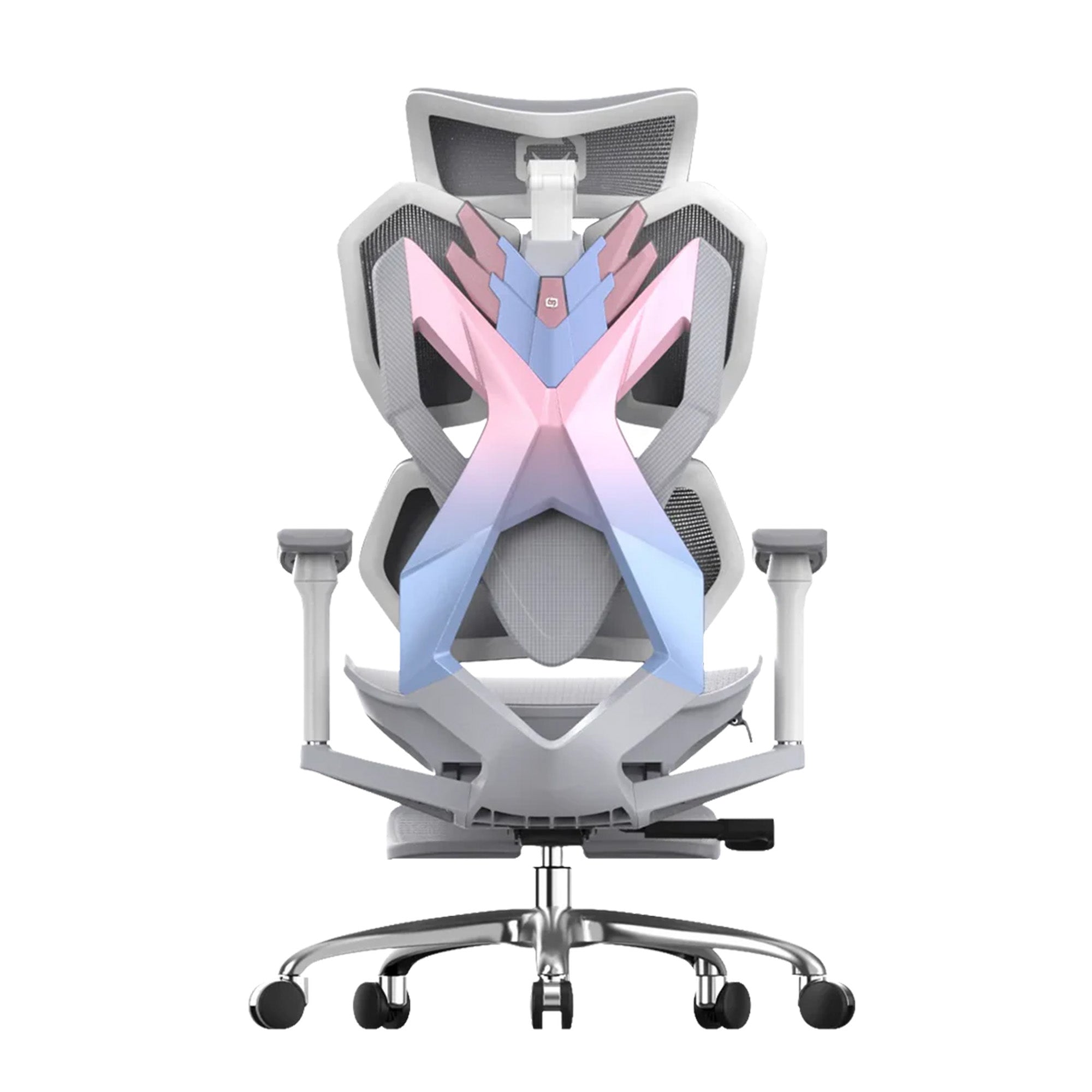
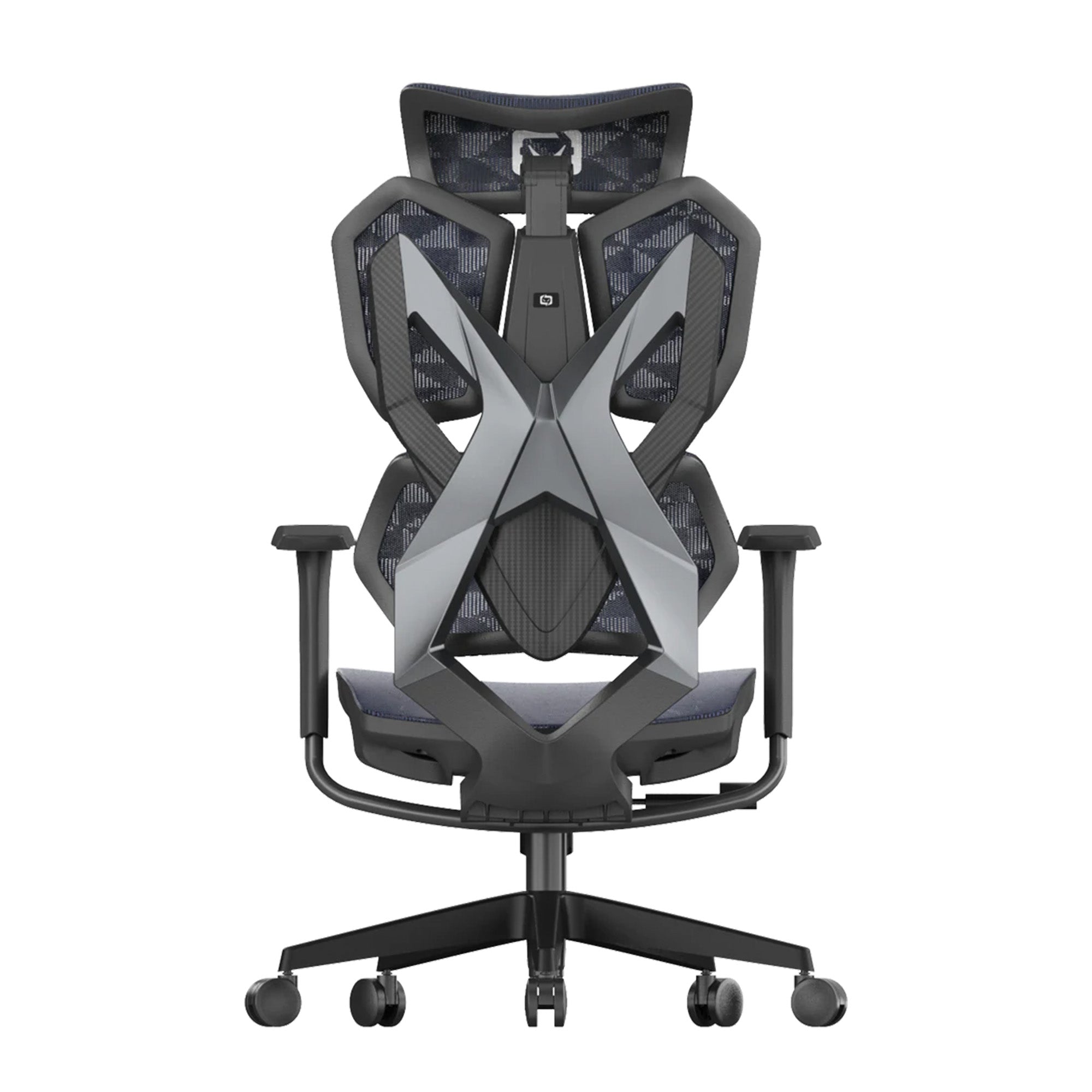

June always arrives the same way.
The tax return is looming, the sales are everywhere, and the back that has been quietly complaining since February is getting harder to ignore. For anyone spending eight or more hours a day at a desk, the EOFY sale is genuinely one of the better financial decisions of the year. A quality ergonomic office chair on sale, claimed as a work-related expense, costs less than most people realise after the ATO has taken its share.
This guide covers how to use the 2026 EOFY sale window properly. What the tax rules actually say about ergonomic chairs, which Sihoo models suit which type of buyer, how to calculate the real out-of-pocket cost after the deduction, and what to do when the chair arrives to make sure it actually helps.
The 2025-26 financial year ends at midnight on 30 June 2026. Anything purchased before that date and used to earn income qualifies for the 2025-26 return. For small businesses, the $20,000 instant asset write-off applies to each chair individually and is confirmed as law for this financial year. After 30 June, the threshold drops back to $1,000. The window is real.

Why EOFY Is the Best Time to Buy an Ergonomic Chair
The Spine Problem That Gets Ignored Until June
Back pain is the most common work-related health complaint in Australia. A study published in JAMA Network Open in August 2025 by Dr Sean Docking and colleagues at Monash University projected that long-term back problems in working-age Australians will cost the economy A$638 billion in lost GDP over the decade from 2024 to 2033. That is a cumulative figure across ten years, but the mechanism behind it is the same daily pattern: sustained sitting in an inadequate chair, accumulated physical load, progressive musculoskeletal strain that shows up first as discomfort and eventually as something that requires medical attention.
Musculoskeletal disorders are the third-highest category of direct health expenditure in Australia, costing the health system $16.3 billion in 2023-24 according to the Australian Institute of Health and Welfare. An initial physiotherapy consultation in Australia typically costs $90 to $150, with follow-ups around $75 to $120 based on Bupa's 2024-25 schedule of fees. Four appointments across a year costs between $390 and $720. A quality ergonomic chair that prevents the issue costs less.
The EOFY Window Makes the Investment Cheaper Than It Looks
The reason EOFY matters specifically is the combination of discounted pricing and tax deductibility. An ergonomic chair purchased before 30 June 2026 and used to produce assessable income is claimable as a work-related expense. The ATO's working from home guidance explicitly lists chairs as office furniture that can be claimed separately from the fixed-rate method.
The tax treatment depends on the price. For a chair costing $300 or less, you can claim the full cost as an immediate deduction in the year of purchase, apportioned for any private use. For a chair costing more than $300, it must be depreciated over its effective life using either the prime cost or diminishing value method. Either way, a meaningful portion of the purchase price comes back through the tax system.
ATO NOTE: Ergonomic chairs are claimed separately from the 70 cents/hour WFH fixed rate. They are depreciating assets, not running expenses. Keep your tax invoice. Apportion for any private use. Consult your accountant for your specific circumstances. Source: ATO Working From Home Expenses guidance (updated May 2025) — ato.gov.au
The calculation below shows the effective out-of-pocket cost at the 32.5 percent personal income tax rate, which applies to taxable income between $45,001 and $120,000 for the 2025-26 year. Individual tax savings will vary based on your marginal rate and the depreciation method used. These figures are illustrative — consult your accountant for your specific situation.
|
Chair |
Sale price |
Tax saving (32.5% bracket) |
Effective out-of-pocket cost |
|
Sihoo M57 |
$329 |
$107 |
$222 |
|
Sihoo V1 |
$529 |
$172 |
$357 |
|
Sihoo Doro C300 |
$679 |
$221 |
$458 |
|
Sihoo Doro S300 |
$949 |
$308 |
$641 |
Tax savings are indicative only, calculated at the 32.5% marginal rate for illustration purposes. Actual savings depend on your marginal rate, depreciation schedule, and work-use proportion. This is not tax advice — consult a registered tax agent for your specific circumstances.
For a deeper look at how EOFY timing works for office chair purchases, the guide to getting ready for EOFY sales on Sihoo chairs covers the timing and process in detail.
For Small Businesses: The $20,000 Instant Asset Write-Off
What Is Now Law for 2025-26
On 4 April 2025, the government announced the extension of the $20,000 instant asset write-off for a further 12 months. This measure is now law, confirmed by the ATO. For small businesses with aggregated turnover under $10 million, each eligible asset costing less than $20,000 can be written off in full in the year it is first used or installed ready for use.
Every Sihoo chair in the current range falls well below the $20,000 threshold. A business equipping a team of ten with Sihoo M57 chairs at $329 each can write off the full $3,290 in the 2025-26 return, provided the chairs are in use by 30 June 2026. A business specifying Doro C300 chairs at $679 each for senior roles writes off the full amount per chair immediately, rather than depreciating over years.
The threshold reverts to $1,000 from 1 July 2026 unless extended again. A chair costing $329 would be fully claimable under either threshold. A chair costing $679 or $949 would need to be depreciated under the lower threshold. The financial case for purchasing before 30 June rather than after is straightforward for any business considering chairs above the $1,000 mark.
The Deadline Is the Asset Being in Use, Not Just Ordered
The ATO's instant asset write-off rules require the asset to be first used or installed ready for use by 30 June 2026. Placing an order before the deadline is not sufficient if the chair arrives in July. For businesses ordering multiple chairs for a fit-out, allow adequate delivery lead time. Order early in June rather than on the last day.
For businesses equipping a full office, Sihoo Australia offers volume pricing and delivery coordination for bulk chair orders. Contact support@sihoo.com.au or 1300 002 580 to discuss your requirements and confirm delivery timing before the EOFY deadline.
BUSINESS TAX NOTE: $20,000 instant asset write-off is now law for 2025-26. Applies per asset, to businesses with turnover under $10M. Asset must be first used or installed ready for use by 30 June 2026. Threshold reverts to $1,000 from 1 July 2026. Source: ATO — ato.gov.au/businesses-and-organisations/small-business-newsroom/20000-instant-asset-write-off-for-2025-26
Which Sihoo Chair Is Right for You This EOFY
The Short Version: Match the Chair to How Long You Sit
The single most useful filter for choosing between Sihoo models is daily hours of use. Not price. Not appearance. How many hours per day does the chair need to perform.
A chair that performs well for four hours may feel entirely different at hour seven. The features that matter most for extended daily use are adaptive or dynamic lumbar support, seat depth adjustment for users outside average leg lengths, and a recline mechanism that allows postural variation without losing support. These features do not matter much for a two-hour session. They matter significantly for an eight-hour one.
The Full Comparison
The table below covers the four most relevant Sihoo models for the EOFY 2026 window across the specifications that matter for an informed purchase decision.
|
Sihoo M57 ($329) |
Sihoo V1 ($529) |
Sihoo Doro C300 ($679) |
Sihoo Doro S300 ($949) |
|
|
Best for |
4-6 hrs daily, first ergonomic upgrade |
Shorter users, precise seat depth fit |
6-8 hrs daily, back sensitivity |
8+ hrs daily, senior roles, full-day sustained use |
|
Lumbar type |
Adjustable (up/down, in/out) |
4D adjustable height and depth |
Split backrest, Domino Stereoscopic Lumbar |
Dynamic lumbar arm, tracks spinal movement |
|
Armrests |
3D |
4D |
4D |
6D — moves in all directions |
|
Seat depth adjust |
No |
Yes — sliding mechanism |
No |
Yes |
|
Recline |
Up to 126 degrees |
Up to 135 degrees |
Up to 135 degrees |
Up to 135 degrees |
|
Weight capacity |
150kg |
120kg |
150kg |
150kg |
|
Warranty |
3 years |
3 years |
5 years |
5 years |
|
EOFY value |
Best entry point — deductible for WFH employees |
Best for shorter users — IAWO eligible for businesses |
Best mid-range value — IAWO eligible |
Best long-hours spec — IAWO eligible |
Pricing based on Sihoo Australia as of May 2026. EOFY sale pricing may vary. Check the current sale page for live pricing.
The M57: The Right First Ergonomic Chair
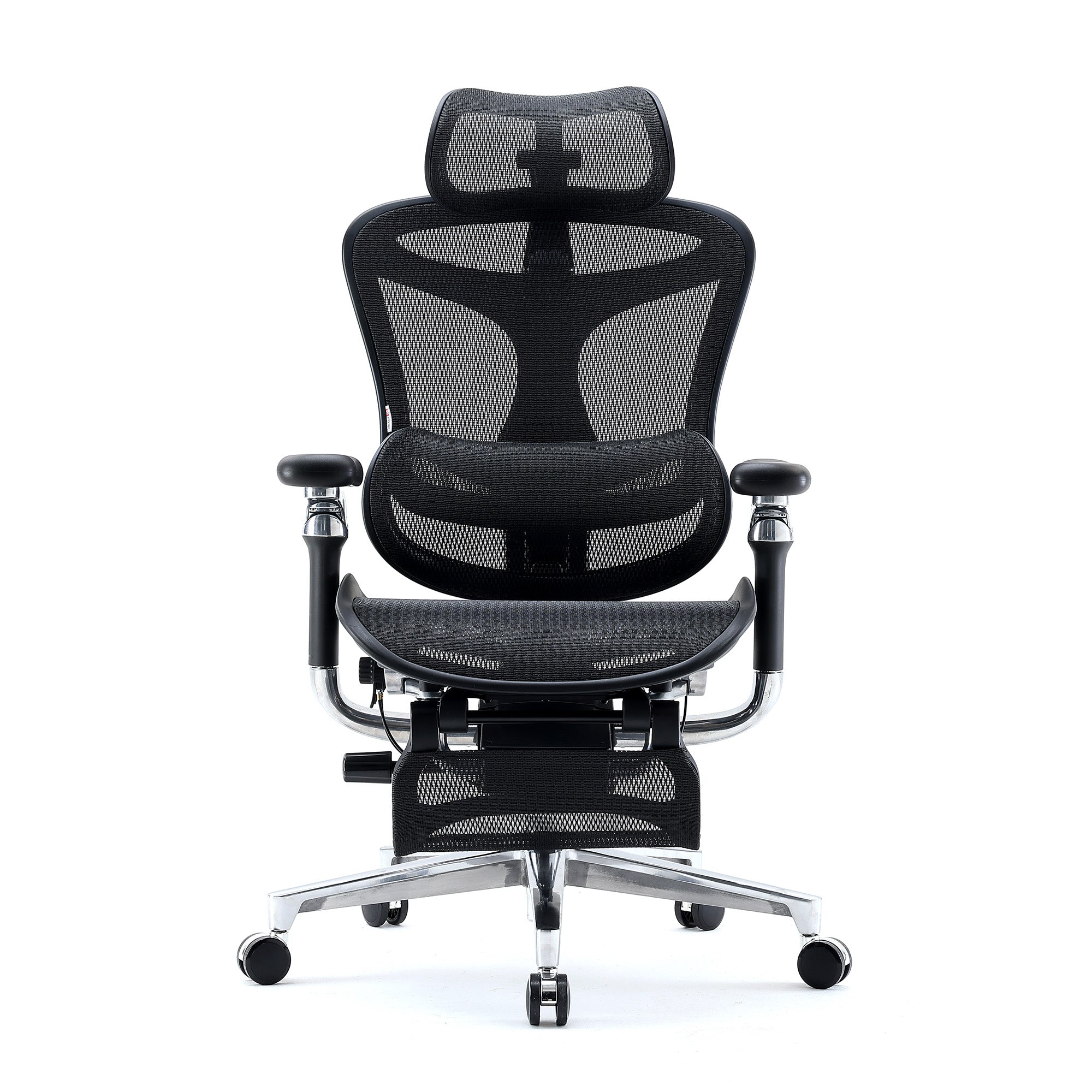
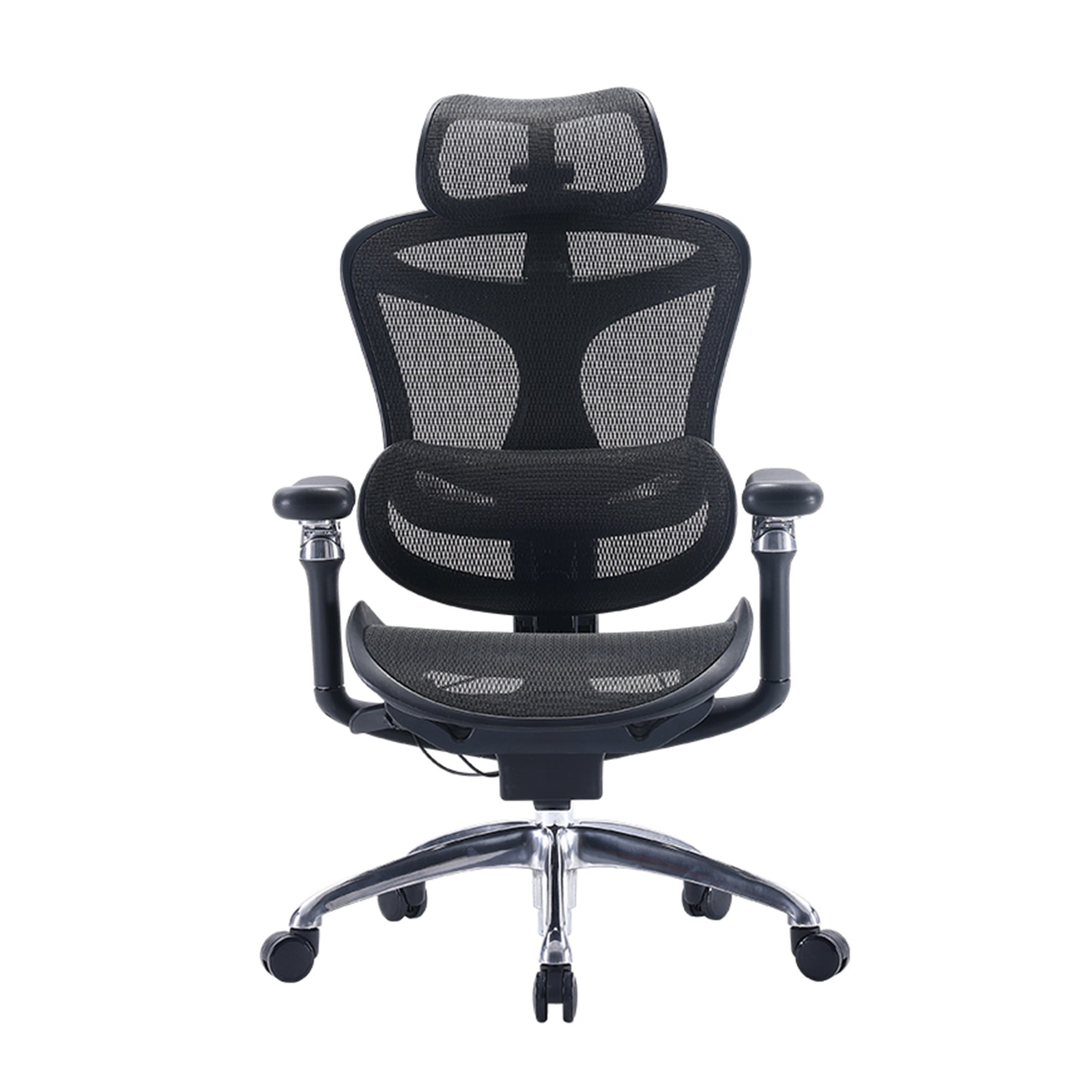
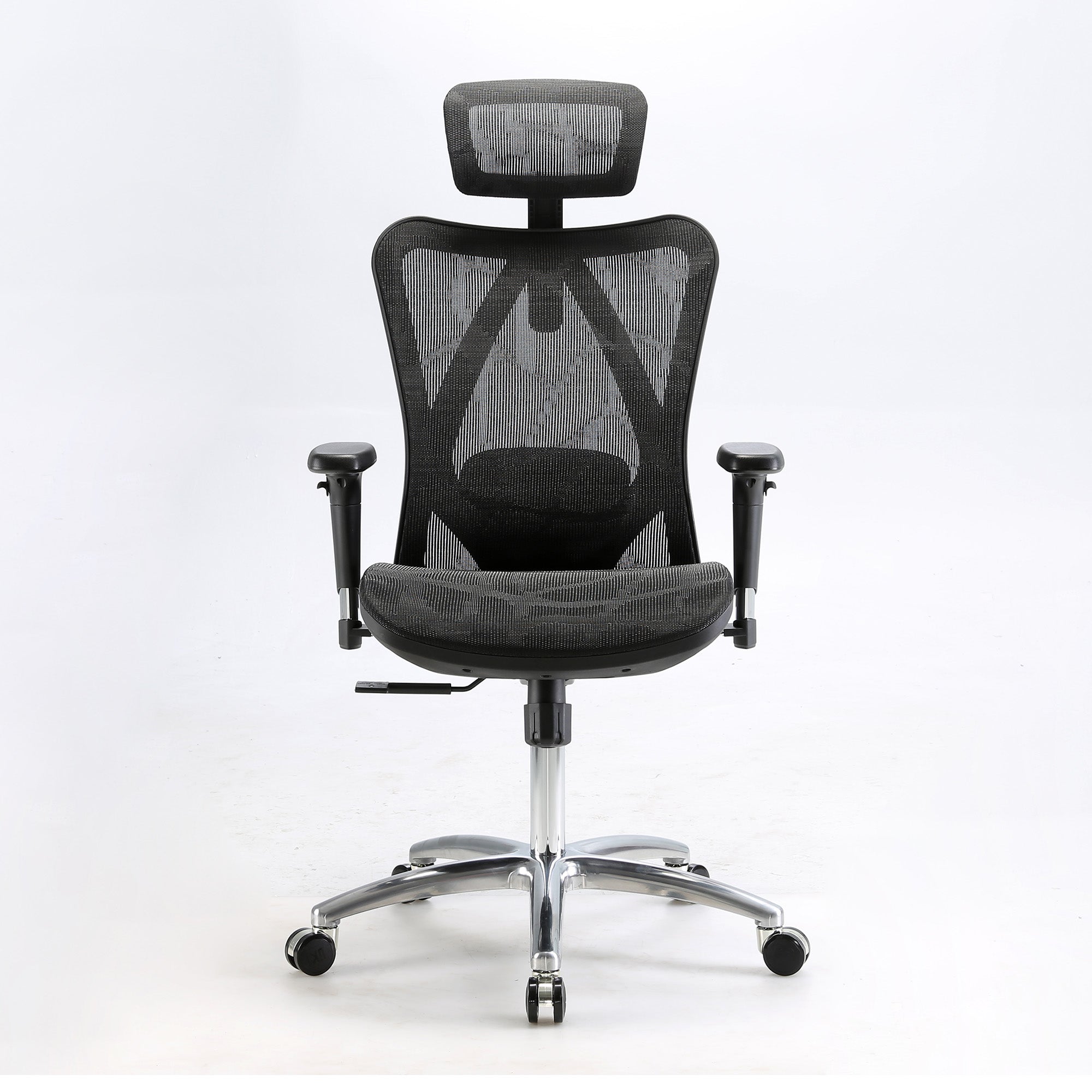
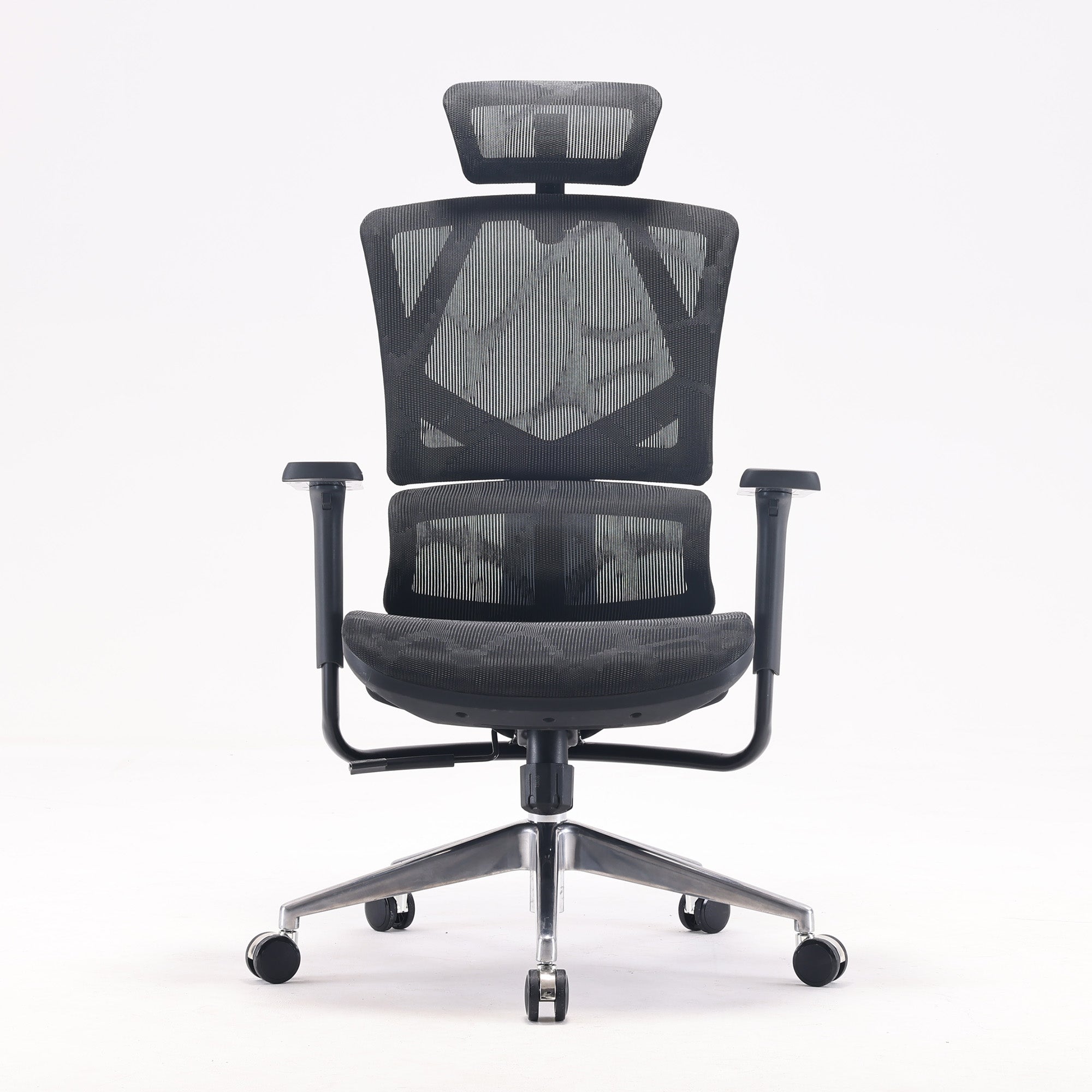
The Sihoo M57 at $329 is the strongest entry point in the Sihoo range for anyone making their first proper ergonomic upgrade. Full mesh construction keeps you cool in an Australian summer without air conditioning. Adjustable lumbar with height and depth movement. Three-dimensional armrests. Three-year warranty. At a 32.5 percent tax rate, the effective cost after deduction is around $222.
The M57 is best suited to roles involving four to six hours of daily sitting. For roles with longer daily hours, the adaptive lumbar on the M90 or the dynamic lumbar on the Doro series makes a more meaningful difference to sustained comfort.
The V1: For Shorter Users Who Need a Proper Fit
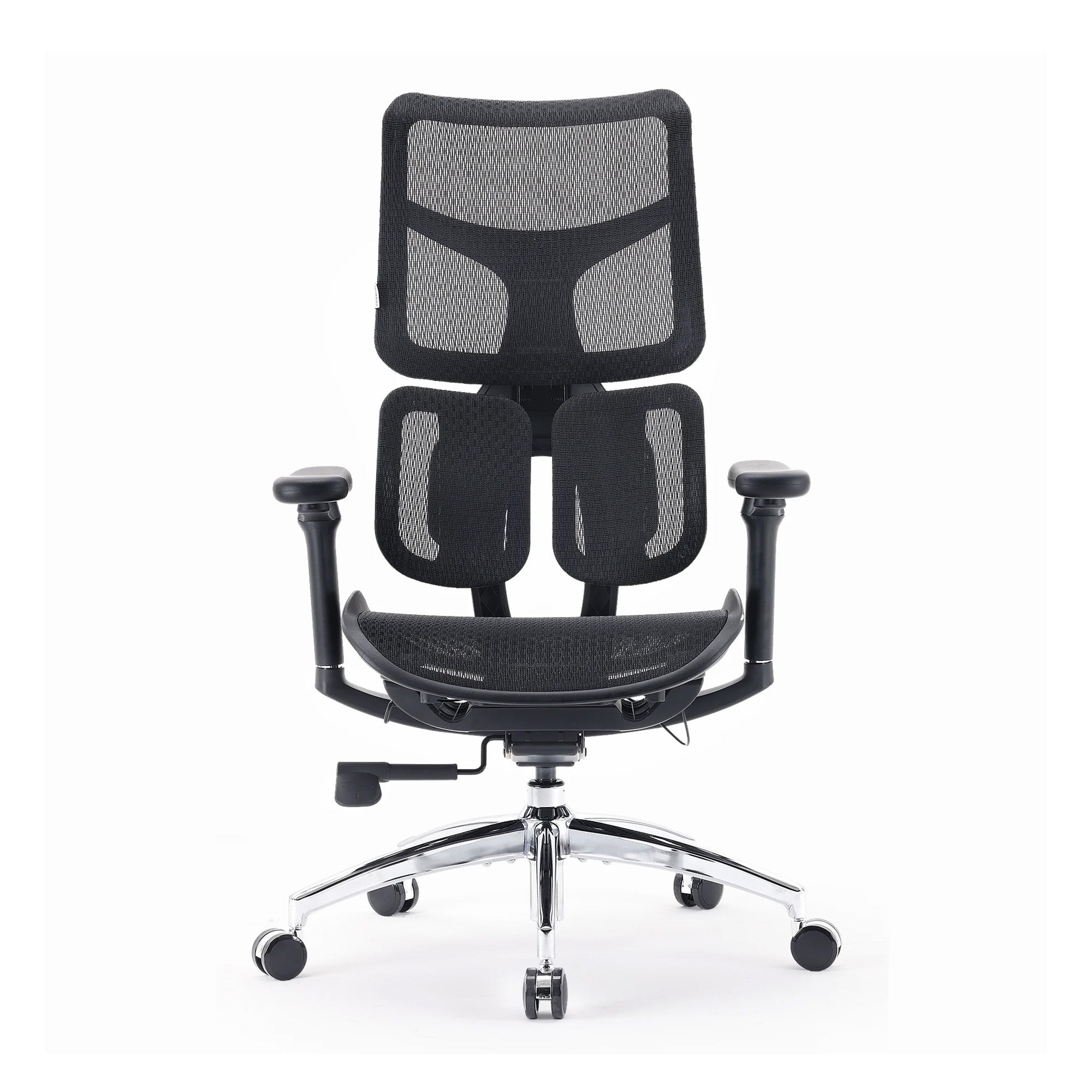
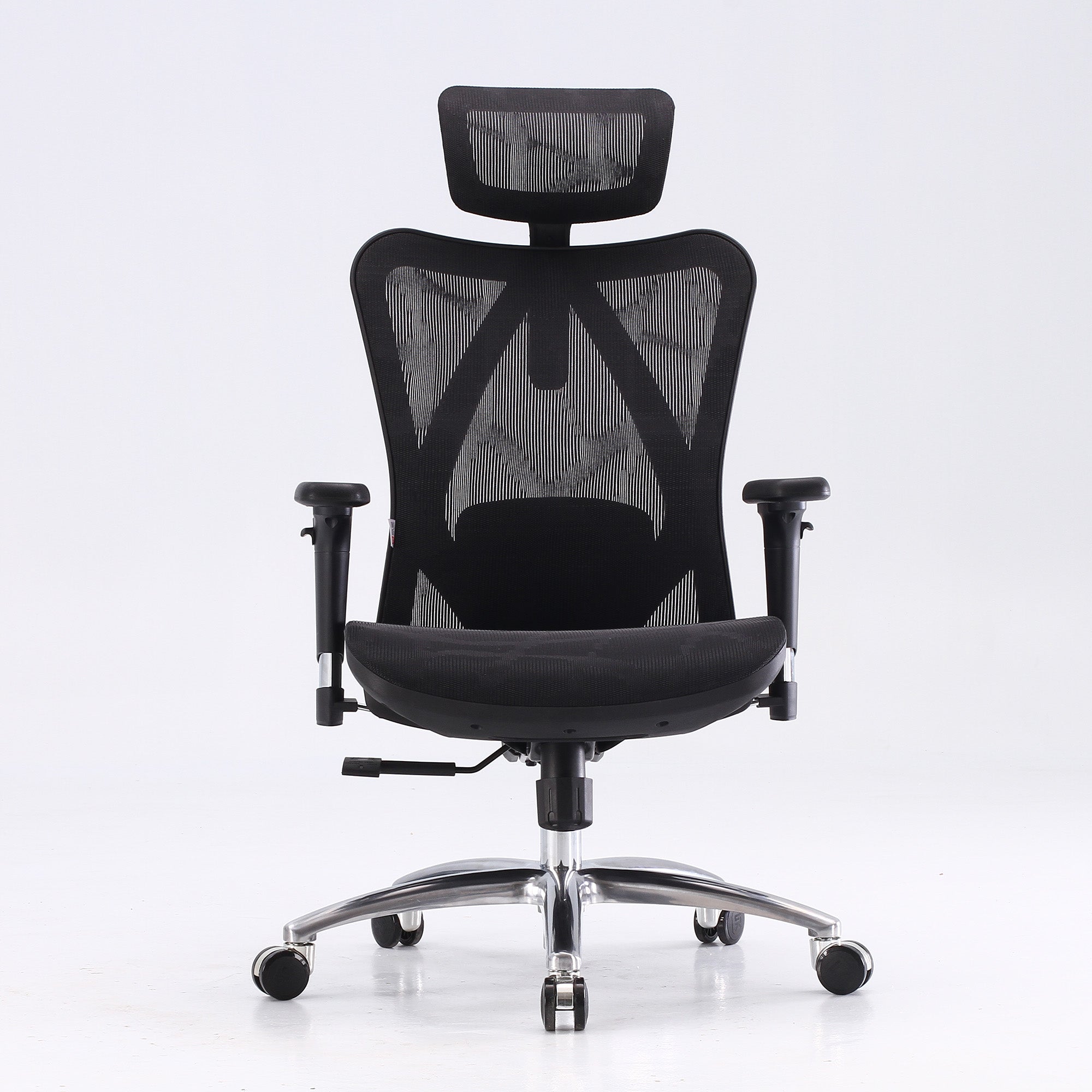
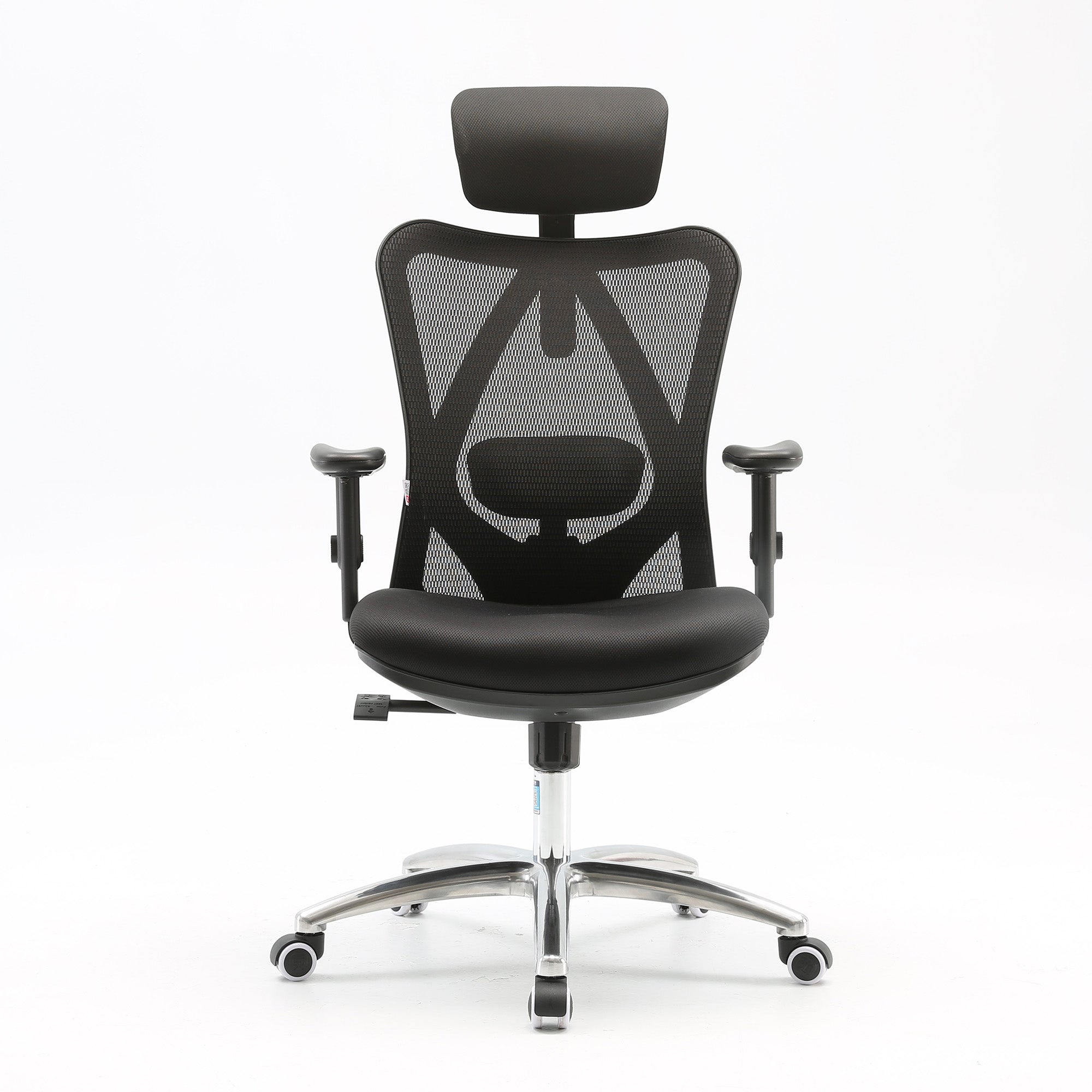
The Sihoo V1 at $529 is the model most often overlooked in this price range and the most important one for users under 165cm. The sliding seat depth mechanism allows the seat pan to be shortened so that shorter users can sit back fully against the lumbar support without the front edge pressing behind the knees. Without seat depth adjustment, a shorter person in a standard-depth chair physically cannot use the backrest and maintain correct knee clearance at the same time.
The V1 is rated to 120kg rather than 150kg, which is worth checking if relevant. It is also best suited to users up to approximately 175cm tall. For taller users, the Doro series provides better backrest height coverage.
The Doro C300: The EOFY Sweet Spot for Most Buyers
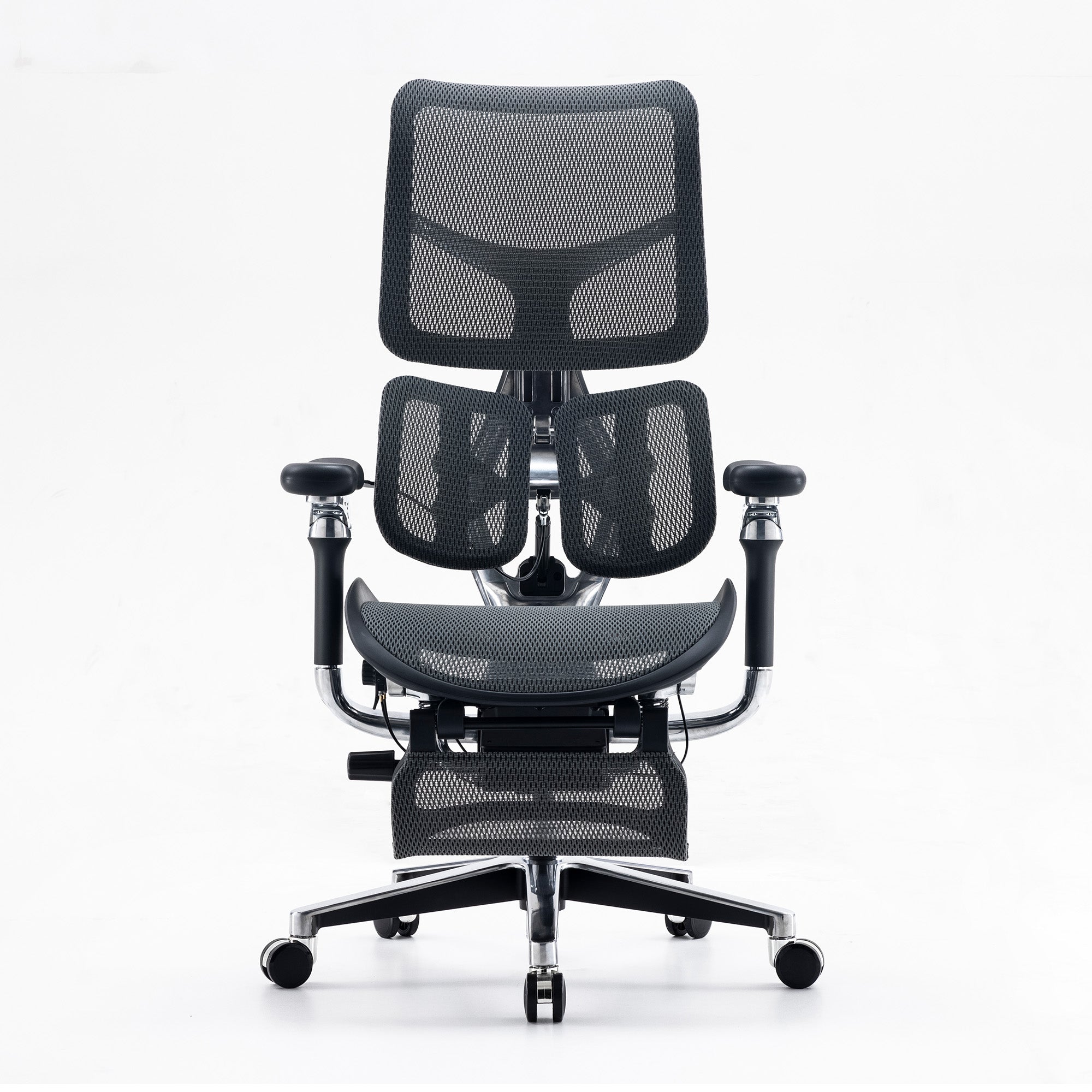
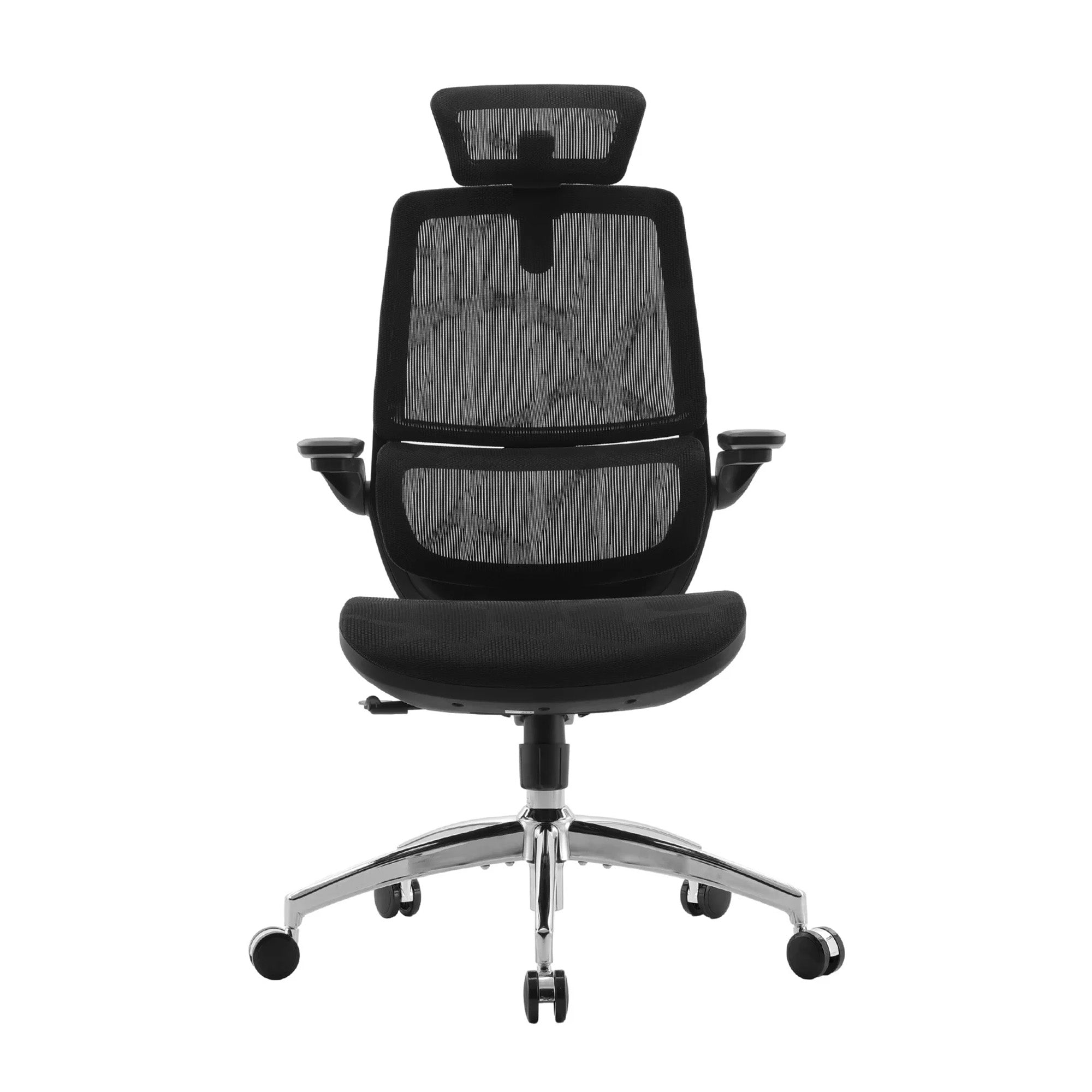
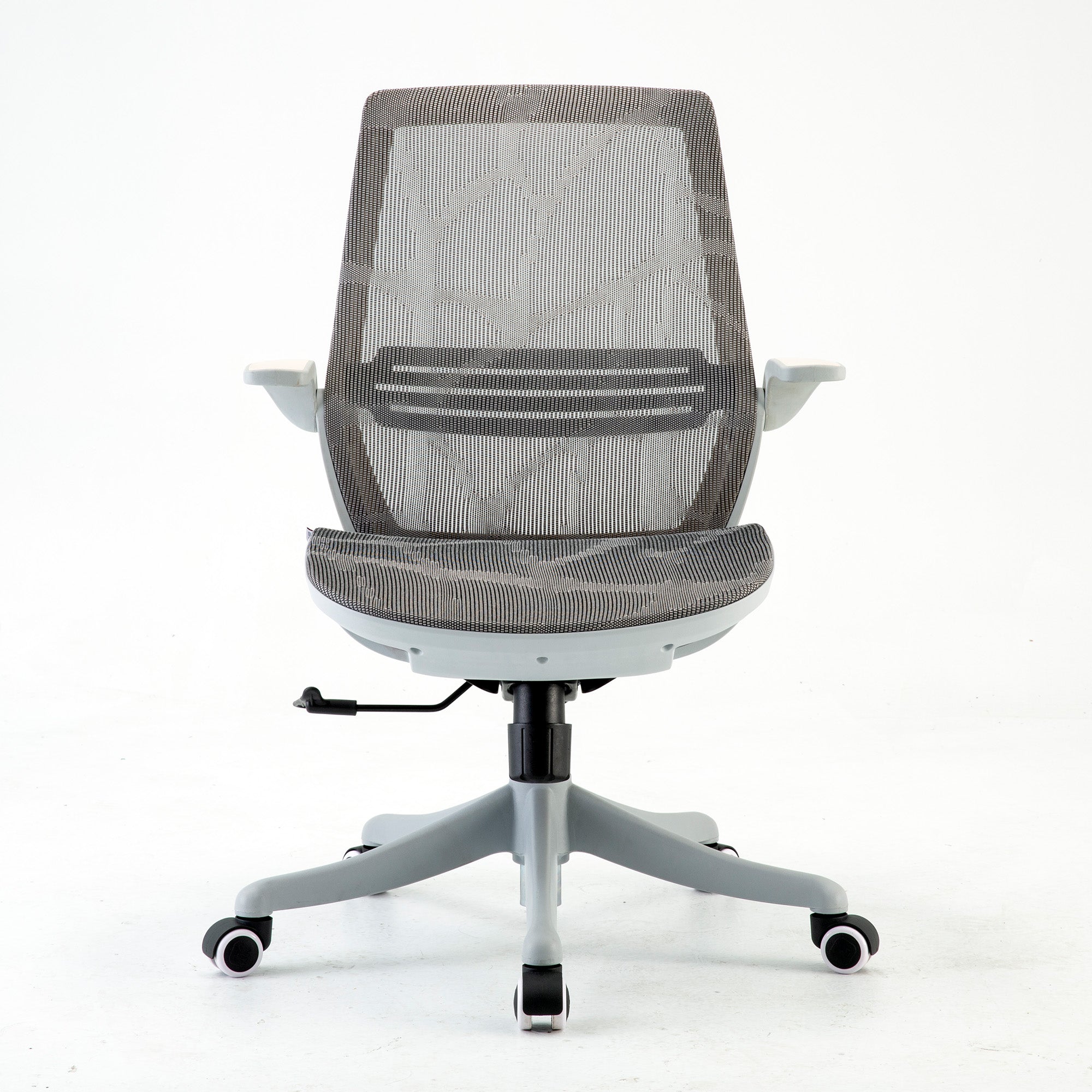
The Sihoo Doro C300 at $679 represents the point in the Sihoo range where the lumbar system genuinely changes for extended daily use. The split backrest design and Domino Stereoscopic Lumbar System provide independent support to the upper and lower back simultaneously. For someone sitting six or more hours per day, the difference between this and a single-panel manual lumbar chair is noticeable within the first week.
At $679, the C300 sits below the $1,000 mark that will be the instant asset write-off threshold from 1 July 2026. Purchasing before 30 June 2026 means writing it off in full under the current $20,000 threshold rather than depreciating it from July.
The Doro S300: For Eight-Plus Hours Daily
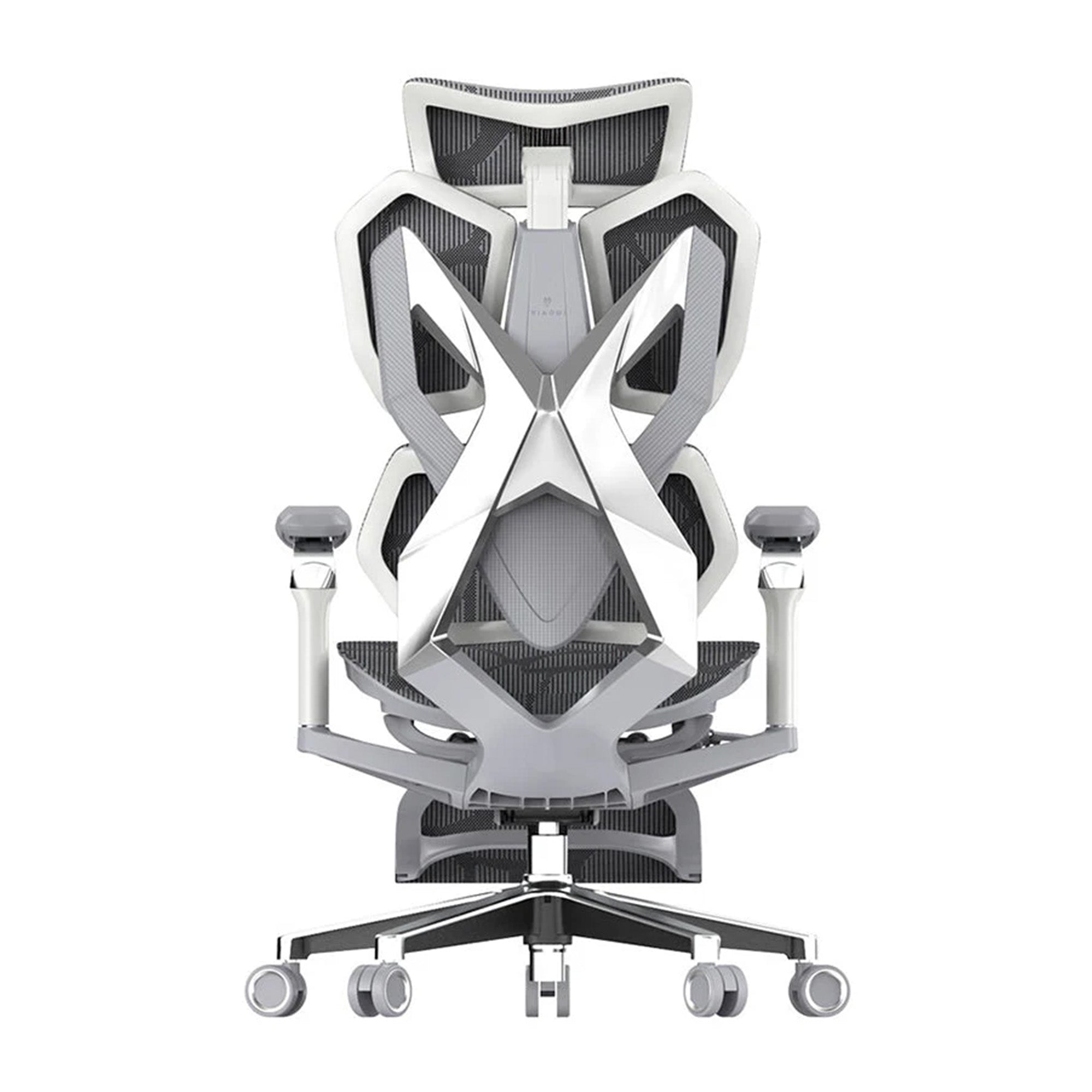
The Sihoo Doro S300 at $949 is the most adaptive chair in the Sihoo range and the one designed specifically for sustained daily use of eight hours or more. The dynamic lumbar arm tracks spinal movement automatically across the full range of working postures. The 6D armrests adjust in every direction including tilt, which is relevant for anyone who uses a phone, tablet, or second monitor at an angle. Five-year warranty.
For a detailed comparison of the C300 and S300 side by side, the Sihoo Doro S100 vs S300 vs C300 comparison guide covers every meaningful specification difference and which user profile each model suits.
How to Choose the Right Chair for Your Body Type
The Three Questions Before You Buy
Before comparing models, three questions narrow the field significantly.
How many hours per day will you sit in it? Under four hours: the M57 is more than adequate. Four to six hours: M57 or Vito M90 depending on back sensitivity. Six to eight hours: Doro C300. Eight or more hours: Doro S300.
What is your height? Under 165cm: the V1's seat depth adjustment is the feature that matters most. Between 165 and 185cm: any model in the range suits you. Above 185cm: the Doro C300 or S300 provides the backrest height coverage your frame needs.
Do you have existing back problems? If you already experience lower back pain from sitting, the adaptive or dynamic lumbar systems on the Doro C300 and S300 are the appropriate specification rather than the manually adjustable systems on the M57 and V1. Dynamic lumbar support maintains contact as posture shifts throughout the day. Manual systems are only as good as the last time the user repositioned them.
Seat Depth: The Specification Most Buyers Miss
Seat depth is the most commonly overlooked chair specification and the one with the most direct effect on whether the chair actually supports the user's lower back. A seat that is too deep for the user's leg length makes it physically impossible to sit back against the backrest while maintaining clearance behind the knees. The user ends up sitting forward on the front edge of the seat, losing all contact with the lumbar support, effectively making the chair's best feature inaccessible.
Cornell University's ergonomics guidelines recommend a seat depth adjustment range of 35 to 47 centimetres for adjustable seats to accommodate the majority of adult users. The variance between a shorter user's requirement and a taller user's requirement is approximately 14 centimetres. A fixed-depth seat set at the mid-range will be too deep for shorter users and borderline for taller ones.
For a more detailed guide to matching chair specifications to your body type and daily hours of use, the guide to choosing ergonomic chairs for teams with different body types covers every dimension including popliteal height calculations and a full specification matching table.
Can You Use a Sihoo Chair for Gaming After Hours?
Why Ergonomic Chairs Beat Gaming Chairs for Long Sessions
Gaming chairs are designed around aesthetics first. The bucket seat shape derived from motorsport looks purposeful but distributes body weight in a way that concentrates pressure on the tailbone and restricts hip movement during long sessions. The fixed high side bolsters prevent postural variation. Most gaming chairs do not have adjustable lumbar support in any meaningful sense.
An ergonomic chair with an adjustable headrest, recline to 135 degrees, and adaptive lumbar support handles a five-hour gaming session better than a standard gaming chair handles a two-hour one. The Doro S300's 6D armrests are particularly suited to gaming, as they allow the arms to be positioned precisely for mouse and keyboard use, controller use, and the reclined viewing position of a cutscene.
The advantage for hybrid workers and gamers who do not want two chairs in the same space is that an ergonomic chair works for both. It does not look out of place in a professional video call and it provides genuine long-hours support for an evening session. It is a practical one-chair solution for a room that serves both purposes.
What to Do When the Chair Arrives
The Setup That Determines Whether It Actually Helps
The most common reason an ergonomic chair does not deliver on its promise is that it was never set up correctly after delivery. Most chairs arrive at the factory default height, which is set to a mid-range position that suits nobody in particular. The lumbar support is in a default position. The armrests are at maximum height. Without adjustment, a $679 chair provides very little more benefit than the dining chair it replaced.
The setup sequence in order: seat height until feet are flat and knees are at 90 degrees, seat depth until two to three fingers fit between the front edge and the back of the knees, lumbar support positioned in the natural inward curve of the lower back (not the mid or upper back), armrests lowered until shoulders are completely relaxed, recline tension adjusted so the backrest responds to body weight without requiring significant effort.
A full step-by-step adjustment guide with instructions for every setting in order is available at how to properly adjust your ergonomic chair. Worth going through the day the chair arrives rather than leaving it for later.
The Three Setup Rules Worth Remembering
-
Seat height first: Everything else is calibrated from this setting. Get feet flat on the floor with knees at 90 degrees before touching any other adjustment.
-
Lumbar contact is the goal: The support should be touching the inward curve of your lower back, not the flat section above or below it. If you cannot feel it when you sit all the way back, it is in the wrong position.
-
Armrests down, not up: More people set armrests too high than too low. High armrests push the shoulders upward and create the upper back tension that accumulates into end-of-day neck pain. Lower them until the shoulders drop completely.
Spreading the Cost: Using Afterpay for Your EOFY Purchase
How Afterpay Works for EOFY Chair Purchases
For buyers who want to make the purchase before 30 June but manage the cash flow across multiple pay cycles, Sihoo Australia accepts Afterpay. The full purchase price is counted as incurred on the date the order is placed, which is the relevant date for the tax deduction. The ATO considers an expense incurred when you are definitively committed to it, not when final payment clears.
For a detailed breakdown of how Afterpay works with EOFY tax timing for office upgrades, this guide on why Afterpay makes EOFY office upgrades easier covers the practical details.
Note: The treatment of Afterpay purchases for tax purposes can depend on your specific circumstances and the type of deduction being claimed. Consult your accountant or refer to ATO guidance on when an expense is incurred before relying on this for your return.
Conclusion
June 30 comes around every year. The back pain that has been building since January does not go away by itself.
The 2026 EOFY sale window is the most financially efficient time to fix the physical environment you spend eight hours a day in. The combination of discounted pricing and tax deductibility means a quality ergonomic chair costs less than it appears on the price tag. For small businesses, the $20,000 instant asset write-off applies to every Sihoo model in the range and is confirmed as law for this financial year. After 30 June, the threshold drops significantly.
The physio appointments, the accumulated fatigue, and the afternoon productivity loss from a chair that is not doing its job all have a cost. It is just a cost that never appears on a single invoice. The chair purchase does. That framing makes it easy to defer indefinitely. The EOFY deadline makes it easy not to.
Browse the full range of best ergonomic office chairs in Australia and find the model that suits your body type, daily hours, and budget before 30 June.
Better Comfort Starts Now.
FAQ: For Individuals
Can I claim an ergonomic chair on my tax return if I work from home?
Yes, if you use the chair to produce assessable income and you are not reimbursed by your employer. The ATO explicitly lists chairs as office furniture that can be claimed separately from the 70 cents per hour fixed rate method. For a chair costing $300 or less, you can claim the full cost in the year of purchase (apportioned for any private use). For a chair costing more than $300, you depreciate it over its effective life. Keep your tax invoice, record your work-use hours, and consult your accountant for your specific situation.
What is the best ergonomic office chair for back pain during the EOFY sale?
The answer depends on how long you sit daily and whether you have an existing condition. For general lower back discomfort from prolonged sitting, a chair with adjustable lumbar support at any price point is a meaningful improvement over one without. For chronic or recurring back pain, the Doro C300's split backrest and dynamic lumbar system, or the Doro S300's tracking lumbar arm, are the specifications that address the problem more directly. Both are available at EOFY pricing. For a full buyer's guide to chairs for back pain specifically, the best ergonomic chair for lower back pain in Australia 2026 guide covers the research and the full recommendation framework.
I am not sure which model to buy. Is there a comparison guide?
Yes. The best Sihoo ergonomic chairs between $300 and $600 covers the M57, Vito M90, and V1 in detail with a full specification comparison table and honest assessment of which model suits which user profile. For the premium tier, the Doro S100 vs S300 vs C300 comparison guide covers the upper range.
Do I need to have the chair physically delivered by June 30 to claim it?
For individual employees claiming a work-related deduction, the ATO's general position is that an expense is incurred when you are definitively committed to paying it, which is typically the purchase date. Delivery after 30 June is generally acceptable if the order was placed and payment incurred before that date. For businesses claiming the instant asset write-off, the requirement is stricter: the asset must be first used or installed ready for use by 30 June 2026, not just ordered. For individual deductions, confirm the specific treatment with your accountant.
What happens if I use the chair for both work and gaming?
You can still claim a deduction, but you need to apportion it based on the work-use proportion. If you use the chair for work eight hours a day and gaming two hours a day, the work-use proportion is 80 percent. You claim 80 percent of the purchase price (or 80 percent of the annual depreciation for chairs over $300). Keep a record of your typical use pattern. Your accountant can help you determine the most defensible apportionment method for your situation.
FAQ: For Businesses
How does the $20,000 instant asset write-off apply to ergonomic chairs?
Each chair is assessed individually against the $20,000 threshold. A business ordering ten chairs at $679 each can write off each chair in full ($679 per chair, $6,790 total) because each individual asset costs less than $20,000. The chairs must be first used or installed ready for use by 30 June 2026, and the business must have aggregated annual turnover under $10 million. The measure is law for 2025-26 and reverts to a $1,000 threshold from 1 July 2026. Consult your accountant to confirm eligibility under your specific circumstances.
We are kitting out a new office before EOFY. What is the most efficient approach?
Order early in June, not on the last business day. Delivery lead times vary and the instant asset write-off requires the chairs to be in use by 30 June, not just ordered. For a mixed team, profile your height distribution before specifying models to avoid ordering the wrong chair for a significant proportion of the team. A trial period of two to three weeks on your primary specification is worth building in if your timeline allows. For volume orders, contact Sihoo Australia's commercial team for bulk pricing and delivery coordination.
Can we claim chairs for employees who work from home as a business expense?
Yes, where the chairs are owned by the business and provided to employees for work use. The business claims the asset as a depreciating business asset (or via the instant asset write-off if eligible). The employee does not claim a separate deduction for the same chair. If the business provides a home office equipment allowance rather than purchasing the chairs directly, different rules apply. Consult your accountant on the most appropriate treatment for your structure.
We have a mixed team with significantly different body types. Which models should we specify?
A two-tier specification works for most mixed teams. The Vito M90 or Doro C100 as the primary specification for the central height range (approximately 165 to 185cm), and the V1 for users under 165cm who need seat depth adjustment. For users above 185cm or with existing back history, the Doro C300 or S300 provides the extended backrest coverage and higher-specification lumbar system those users need. For a full decision framework with a specification matching table, the guide to choosing ergonomic chairs for teams with different body types covers every dimension of this decision.
Can we get volume pricing through Sihoo Australia for an EOFY order?
Yes. For businesses sourcing wholesale office chairs for EOFY fit-outs, Sihoo Australia offers volume pricing, delivery coordination, and support for mixed-model orders across the M-series and Doro series. Contact support@sihoo.com.au or 1300 002 580 before the end of June to confirm delivery timing for the instant asset write-off deadline.
Sources Referenced
-
Australian Taxation Office: Working from Home Expenses — Fixed Rate Method (updated May 2025) — ato.gov.au/individuals-and-families/income-deductions-offsets-and-records/deductions-you-can-claim/work-related-deductions/working-from-home-expenses/fixed-rate-method
-
Australian Taxation Office: $20,000 Instant Asset Write-Off for 2025-26 (now law) — ato.gov.au/businesses-and-organisations/small-business-newsroom/20000-instant-asset-write-off-for-2025-26
-
Docking SI et al.: Productivity Losses Due to Long-Term Back Problems in Working-Age Australians, JAMA Network Open, August 2025. DOI: 10.1001/jamanetworkopen.2025.27284
-
Australian Institute of Health and Welfare: Health Expenditure Australia 2023-24 — musculoskeletal disorders $16.3 billion, third-highest disease category — aihw.gov.au
-
AIHW: Chronic Musculoskeletal Conditions Summary — 7.3 million Australians (29%) living with chronic MSK conditions — aihw.gov.au/reports/chronic-musculoskeletal-conditions
-
Bupa Physiotherapy Schedule of Fees 2024-25 — initial consultation $85.50 to $101.72, follow-ups $72.66 to $90.54 (ADF rates) — bupa.com.au
-
Goggins RW, Spielholz P, Nothstein GL: Estimating the effectiveness of ergonomics interventions through case studies, Journal of Safety Research, 2008. DOI: 10.1016/j.jsr.2007.12.006 — payback periods typically under one year
-
Washington State Department of Labor and Industries: Cost-Benefit Analysis of Ergonomics Standard (2000) — benefit-cost ratio of 4.24 (range 1.55 to 7.03 across industries)
-
Cornell University Ergonomics Web: seat depth adjustment range 14 to 18.5 inches for adjustable seats — ergo.human.cornell.edu
-
Deloitte Access Economics: A Problem Worth Solving (2013, 2012 data) — $55.1 billion total economic cost of MSDs in Australia including lost productivity and quality-of-life losses — muscha.org/wp-content/uploads/2018/07/APWS-PLS.pdf
Shop products from this article


